Last updated: October 3, 2026
The short answer
- Day 1: I ride the Banff Gondola up Sulphur Mountain first thing (adult from ~$75 with dynamic pricing), tour the Cave and Basin ($9), catch Bow Falls and the “Castle in the Rockies,” then soak at Banff Upper Hot Springs.
- Day 2: The crown jewels — Moraine Lake and Lake Louise via the Parks Canada shuttle ($12.75 adult return), which must be booked ahead and sells out fast.
- Know before you go: you can’t drive to Moraine Lake in 2026, and every car needs a Parks Canada pass ($12.25/day adult) — buy it online before you arrive.
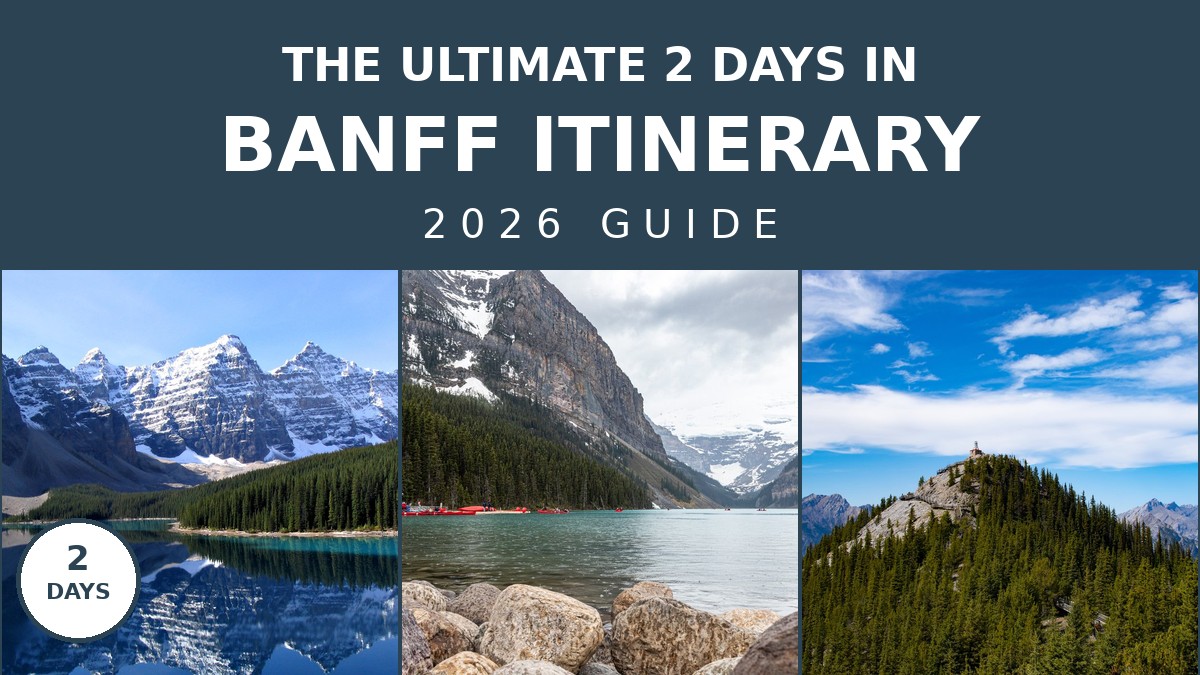
Two days in Banff is a beautiful, ridiculous challenge — and I’ll be honest, I love a challenge with a color-coded spreadsheet. You won’t see all 6,600 square kilometres of Banff National Park in 48 hours (no one will), but you can ride to the top of Sulphur Mountain, stand at the birthplace of Canada’s national parks, and stare at two of the most famous lakes on the planet. This is the exact order I’d do it in again, with 2026 prices and hours checked in October 2026.
Here’s the thing about Banff: the park rewards people who plan and punishes people who wing it. That sounds like I’m being dramatic. I’m not. The Moraine Lake shuttle books out, the Lake Louise parking lot fills before most people finish breakfast, and the Banff Gondola line at midday is a test of character. So here’s my plan — every bit of it field-tested by me.
Essential planning: is 2 days enough for Banff?
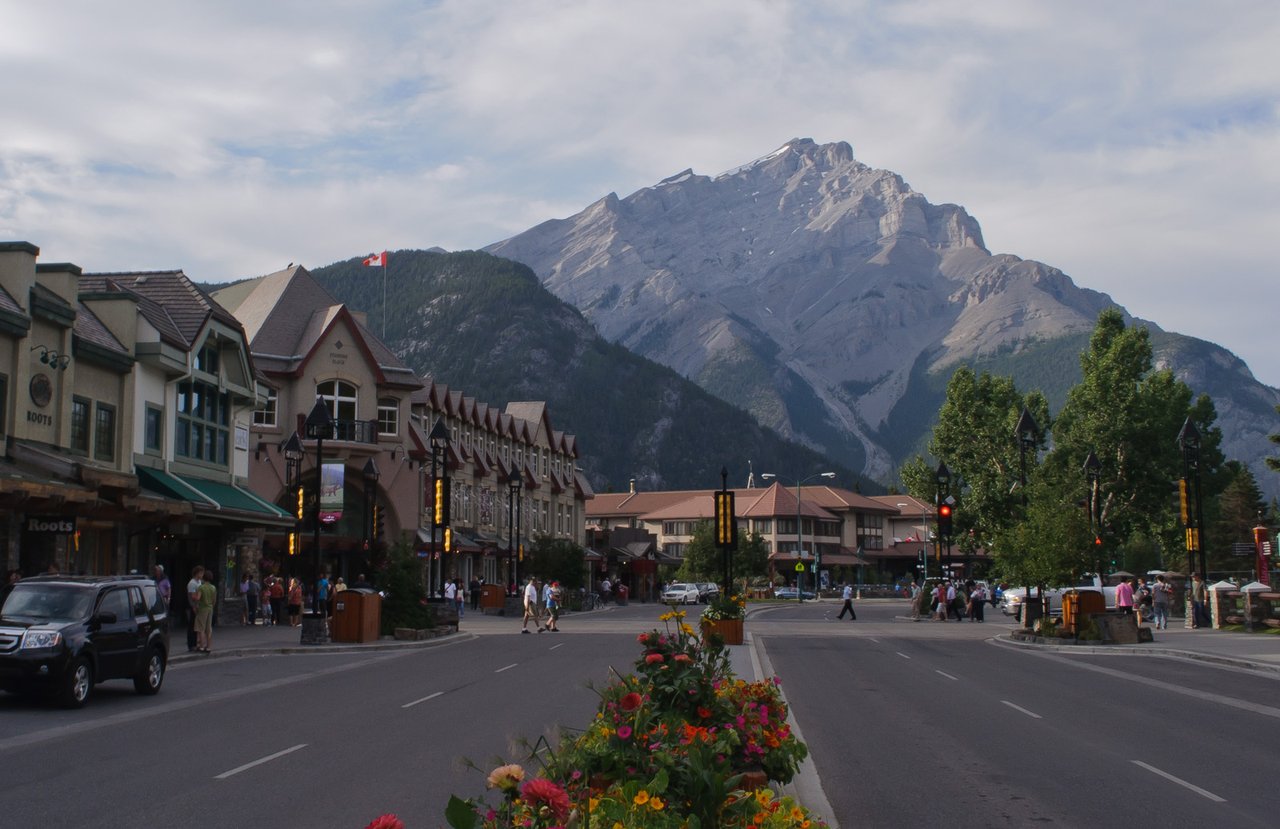
Yes — if you treat it like two full missions instead of one lazy weekend. Day 1 is the townsite and Sulphur Mountain (everything within a few kilometres of Banff Avenue). Day 2 is the Lake Louise area, about 60 km up the Trans-Canada. You won’t hike every trail or drive the Icefields Parkway, and that’s fine. This itinerary picks the hits and puts them in the least-painful order.
Three rules before anything else:
- You need a Parks Canada pass. Every visitor stopping in the park needs one — in 2026 a day pass is $12.25 per adult (youth 17 and under are free), and the annual Discovery Pass is $83.50. I buy mine online before I leave home so I can roll straight past the gate line. Pro tip: a day pass is valid until 4 PM the next day, so time your purchase smartly.
- You cannot drive to Moraine Lake. Private vehicles are banned from Moraine Lake Road year-round in 2026. The only way in is the Parks Canada shuttle, a licensed commercial operator, or the 13 km bike ride (heroic, not for me). Plan around this from minute one.
- Summer needs months of lead time. I’ve watched July–August hotel rates do truly violent things. Book Banff accommodation 6–8 months out for summer. If you can swing late September instead, do it — the larch trees go gold, the air turns crisp, and the crowds finally exhale.
Where to stay for 2 nights in Banff
- Banff Townsite — my pick for a first visit. Walkable restaurants, the Roam transit hub, and the gondola base minutes away. Priciest, most convenient — and the one I’d choose again.
- Lake Louise Village — pricier still, but sunrise chasers get a 20-minute head start on the lake crowds. Only worth it if you genuinely plan to be up at 5 AM (be honest with yourself).
- Canmore — 20 minutes east of the park gates, laid-back local vibe, noticeably cheaper. The trade-off is one more drive each way.
Expect mid-range hotels to run roughly ~$250–450 per night in summer (estimate, before taxes) — and that “~” is doing heavy lifting. If Banff hotels make your eyes water, Canmore is the answer. Have a third day? See our 3-day Banff itinerary for the Johnston Canyon and Icefields Parkway add-ons.
Day 1: Banff townsite, Sulphur Mountain, and alpine views

8:00 AM — Banff Gondola up Sulphur Mountain (adult from ~$75)
Start Day 1 at the top of the world — or at least 2,281 metres above sea level. The Banff Gondola’s eight-minute ride carries you up Sulphur Mountain to a boardwalk summit with views over six mountain ranges, the Bow Valley, and the townsite laid out below like a model village. At the top you can stroll the 1 km boardwalk to Sanson’s Peak, where the old stone weather observatory from 1903 still stands, and pop into the mountaintop discovery centre.
I’ll be honest: I showed up at 11 AM on a Saturday once. Never again. The midday line is a slow-moving glacier of selfie sticks. Book the first time slot of the day — in summer 2026 the gondola opens at 8 AM (June 20 – September 7; last ride up 8:30 PM) — and you’ll walk straight onto a cabin with light that’s genuinely better for photos.
The gondola uses dynamic pricing that climbs on busy days, so expect roughly ~$75–88 per adult in peak summer (the ~ is mandatory — check your date’s price before you commit). Booking 48+ hours ahead locks the lowest tier, and kids ride free during the first two hours of the day. I double-checked the 2026 hours on the official Banff Gondola page before I went — they change seasonally, so do the same.
- Allow: 2–3 hours (ride, boardwalk, Sanson’s Peak, coffee at the summit).
- Bring: a layer. It’s reliably 5–10°C colder up top than in town, and I say this as someone who once bought an overpriced fleece at a mountaintop gift shop. Do not be me.
- Getting there: pre-booked tickets include the Banff Gondola shuttle and Roam Transit Route 1 fare (May 15 – October 12, 2026) — so you can skip the $17.50 parking entirely. → Banff Gondola — official hours & location
11:30 AM — Cave and Basin National Historic Site ($9)
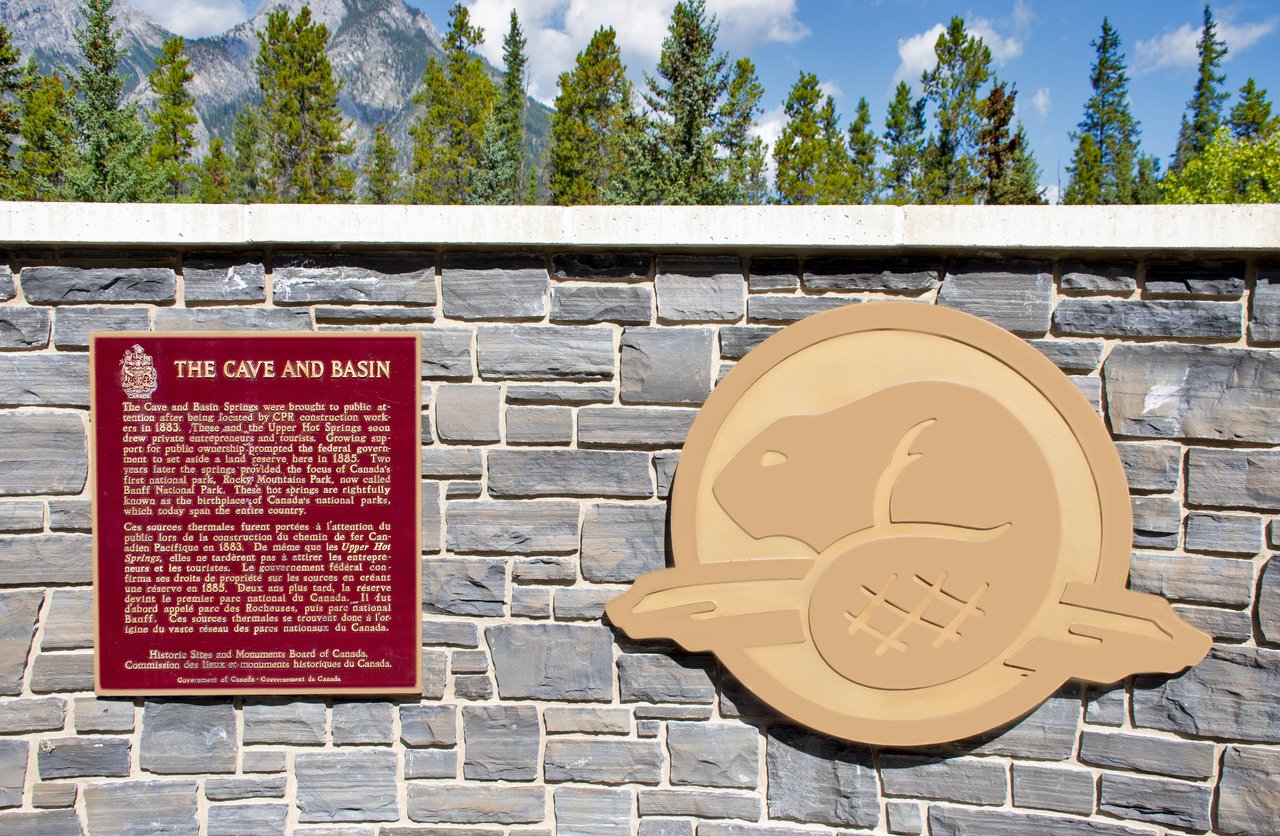
Ride back down and drive (or bus) five minutes to the place where Canada’s entire national park system started. In 1883, railway workers stumbled on a steamy underground cavern of hot springs here; two years later the government set aside the land, and Banff National Park was born. The cave itself is small and dim and genuinely atmospheric — duck your head on the way in — and the basin boardwalks outside wind through marshlands where I spotted the famous endangered Banff Springs snails (tiny, and honestly the highlight of my visit — the exhibits do a great job of making you care about a thumbnail-sized mollusc).
Admission is $9 for adults, youth 17 and under are free, and an hour to 90 minutes is plenty. A quick honest note: this site is also deeply significant to Indigenous peoples, who used these springs long before the railway arrived — the interpretive exhibits treat that history with real care, and I learned a lot I didn’t expect to. Do not skip the basin boardwalk loop; it’s an easy, flat walk and the marsh birds are everywhere.
1:30 PM — Surprise Corner and Bow Falls (free)
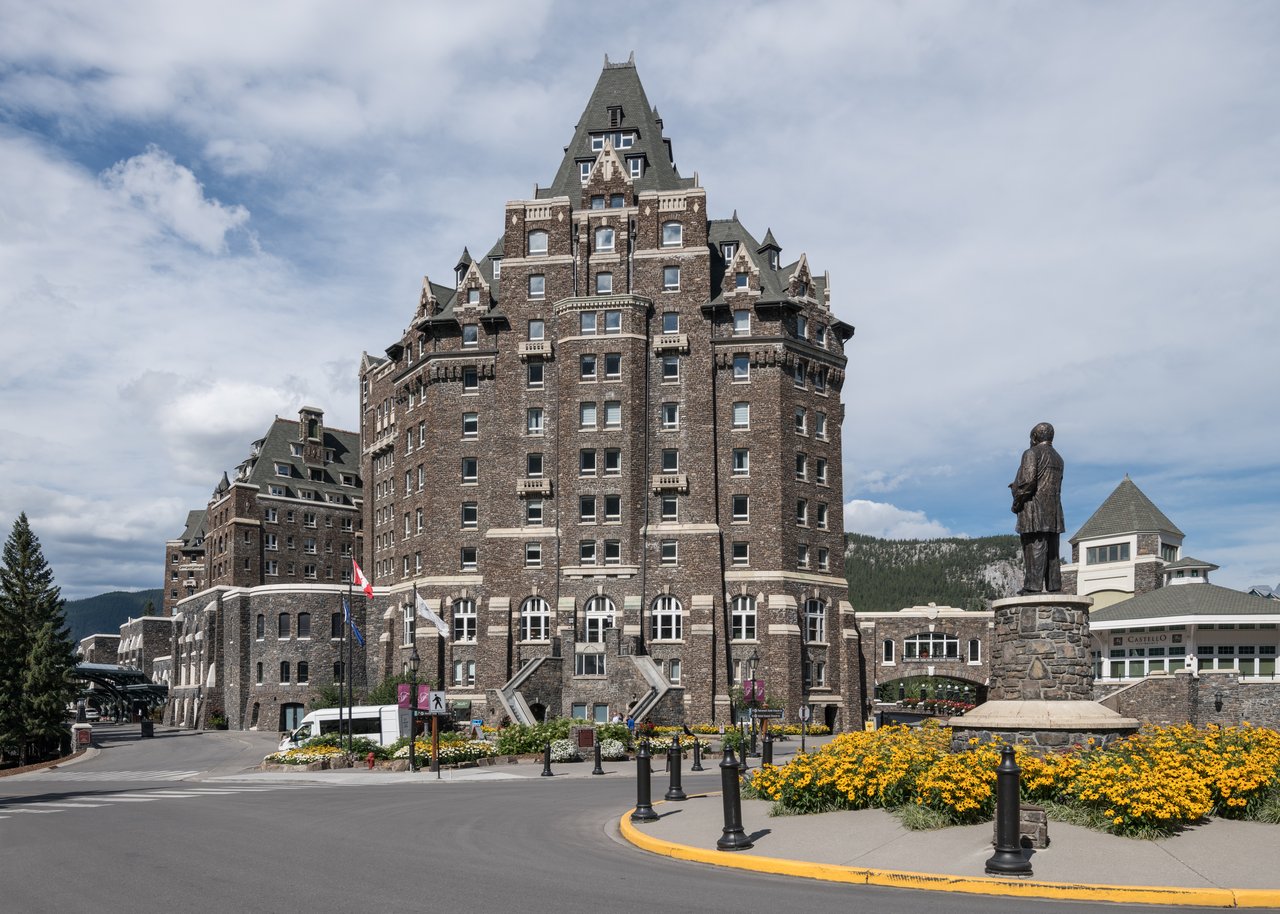
Lunch in town (the Bear Street bakeries do the fastest trail-worthy sandwiches — I had a sourdough situation I still think about), then head to the Surprise Corner viewpoint across the river for the postcard shot of the Fairmont Banff Springs — the “Castle in the Rockies” — brooding over the Bow River with Mount Rundle behind it. Yes, the tour buses are all there. Yes, it’s still worth it. Trust me on this one.
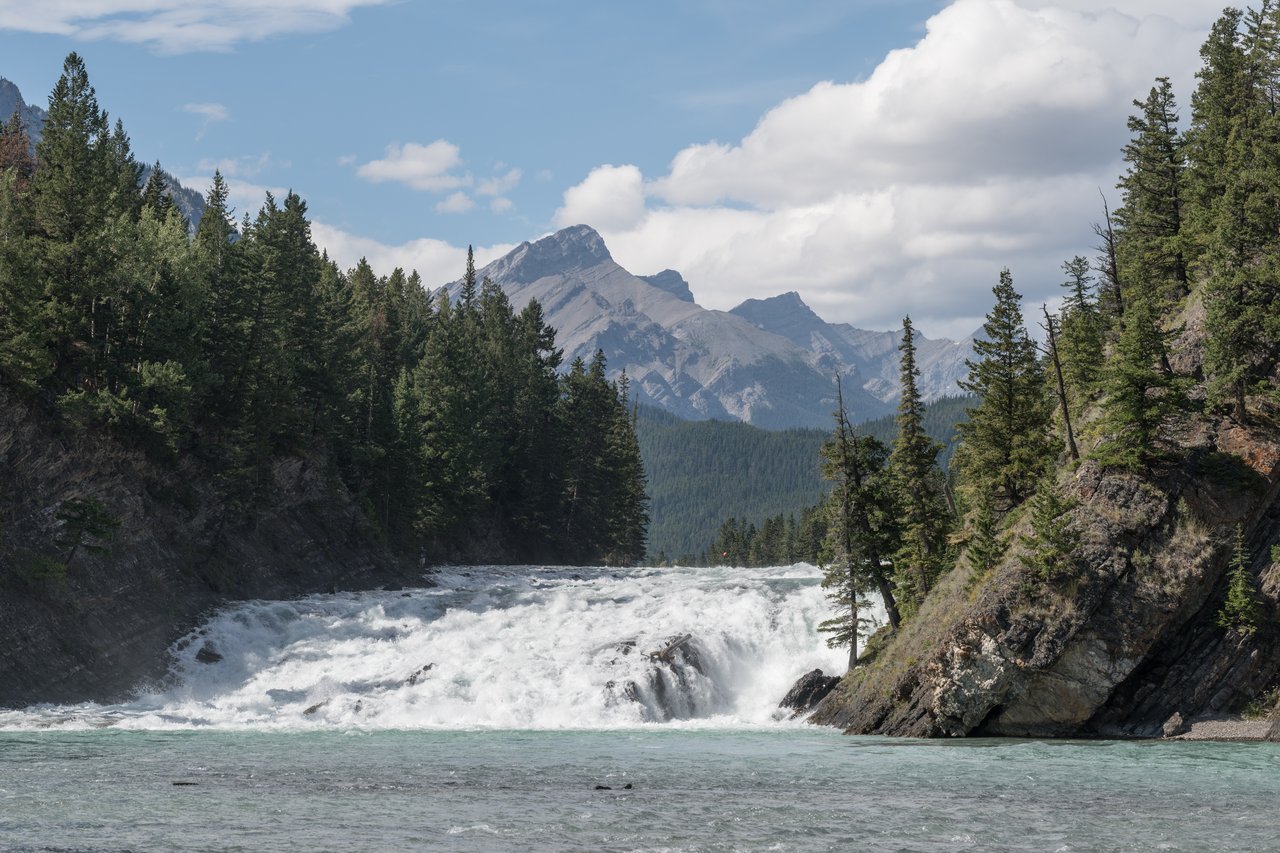
From Surprise Corner, a forested trail winds down to Bow Falls, a broad curtain of whitewater that’s loud in the best way. The riverside trail back toward town is flat, scenic, and prime elk habitat — which brings me to fair warning: give elk at least 30 metres of space, even when they look like they’re posing for you. They’re not. They’re wild, they’re cranky in rutting season, and a ranger at the Banff info centre told me most elk incidents happen when someone got “just a bit closer” for a photo. Don’t.
7:30 PM — Banff Upper Hot Springs (~$18–20 adult)
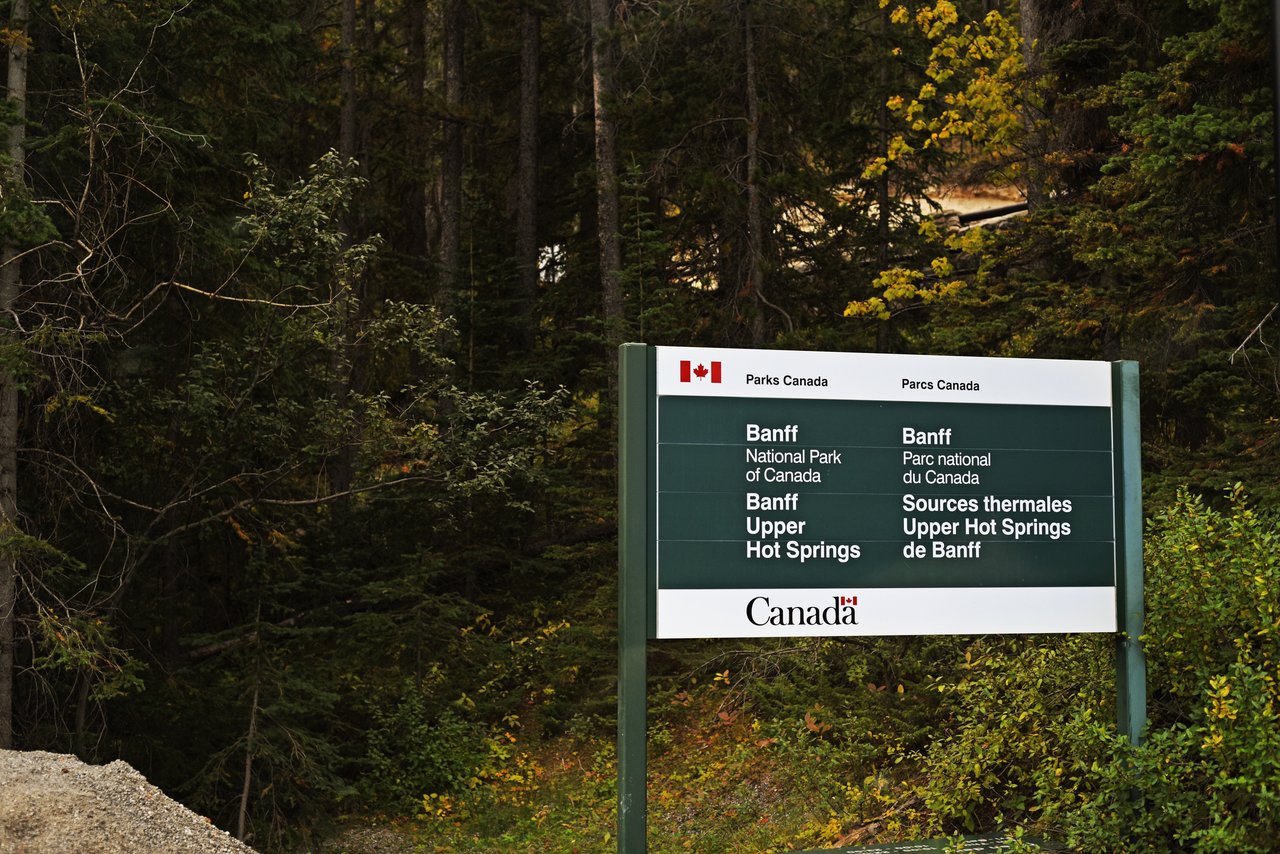
End Day 1 the way Banff intended: in hot mineral water with steam rising around you and Mount Rundle looming across the valley. The Upper Hot Springs sit near the top of Mountain Avenue (Roam Route 1 goes right there — and since you’re already on that route for the gondola, your transit game is sorted). The pool runs 37–40°C, and most people stay 1–2 hours.
Practical stuff: entry is first-come, first-served (no reservations), roughly ~$18–20 for adults in 2026, and it’s open daily 10 AM–10 PM (last entry 9:30 PM). I went on a weeknight around 8 PM and basically had a lane to myself; a Friday evening, I’m told, is a different story. Evening is the move anyway — there’s something about the cold alpine air on your face while your shoulders are submerged that makes the whole day’s spending feel justified. → Banff Upper Hot Springs — official Parks Canada page
Day 1 spending: gondola ~$75–88 + Cave and Basin $9 + hot springs ~$18–20 + park pass $12.25 + food ~$60 ≈ ~$175–190 (excluding hotel).
Day 2: The iconic lakes — Moraine Lake and Lake Louise
Day 2 is the reason you came. But here’s the thing: the lakes run on a reservation system now, and the entire day lives or dies on one booking. So let’s talk logistics first, because getting this wrong means standing in a Lake Louise parking lot watching full buses roll past.
The shuttle strategy (read this twice)
Moraine Lake Road is closed to private vehicles in 2026 — the Parks Canada shuttle is your ticket in. The details that matter:
- Book early: 2026 reservations launched April 15 at 8 AM MDT; 40% of the season’s seats went then, and the remaining 60% release on a rolling window at 8 AM, 2 days before each departure. I first read about the 2-day drop on Parks Canada’s page — and then I learned the hard way that “sells out in minutes” is not an exaggeration. Set an alarm. Be logged in. Have your backup times ready.
- Cost: $12.75 per adult return plus a $3.50 reservation fee (senior $6, youth $4 — plus your park pass, which is separate).
- Schedule: Moraine Lake shuttles run June 1 – October 12, 2026, roughly every 30 minutes from 6:30 AM to 6 PM, with the last return at 7:30 PM. The Lake Connector shuttle between the lakes is included — one reservation covers both.
- Book to Moraine Lake first, then connector over to Lake Louise. → Parks Canada — Lake Louise & Moraine Lake shuttles
Backup plan if the shuttle sells out: Roam Transit’s 8X express runs Banff–Lake Louise year-round ($12.50 adult one-way, kids under 12 free) — it doesn’t reach Moraine Lake, but a commercial operator with a Moraine Lake road licence can. → Roam Transit — Lake Louise Express Route 8X
6:30 AM — Moraine Lake at sunrise (shuttle)
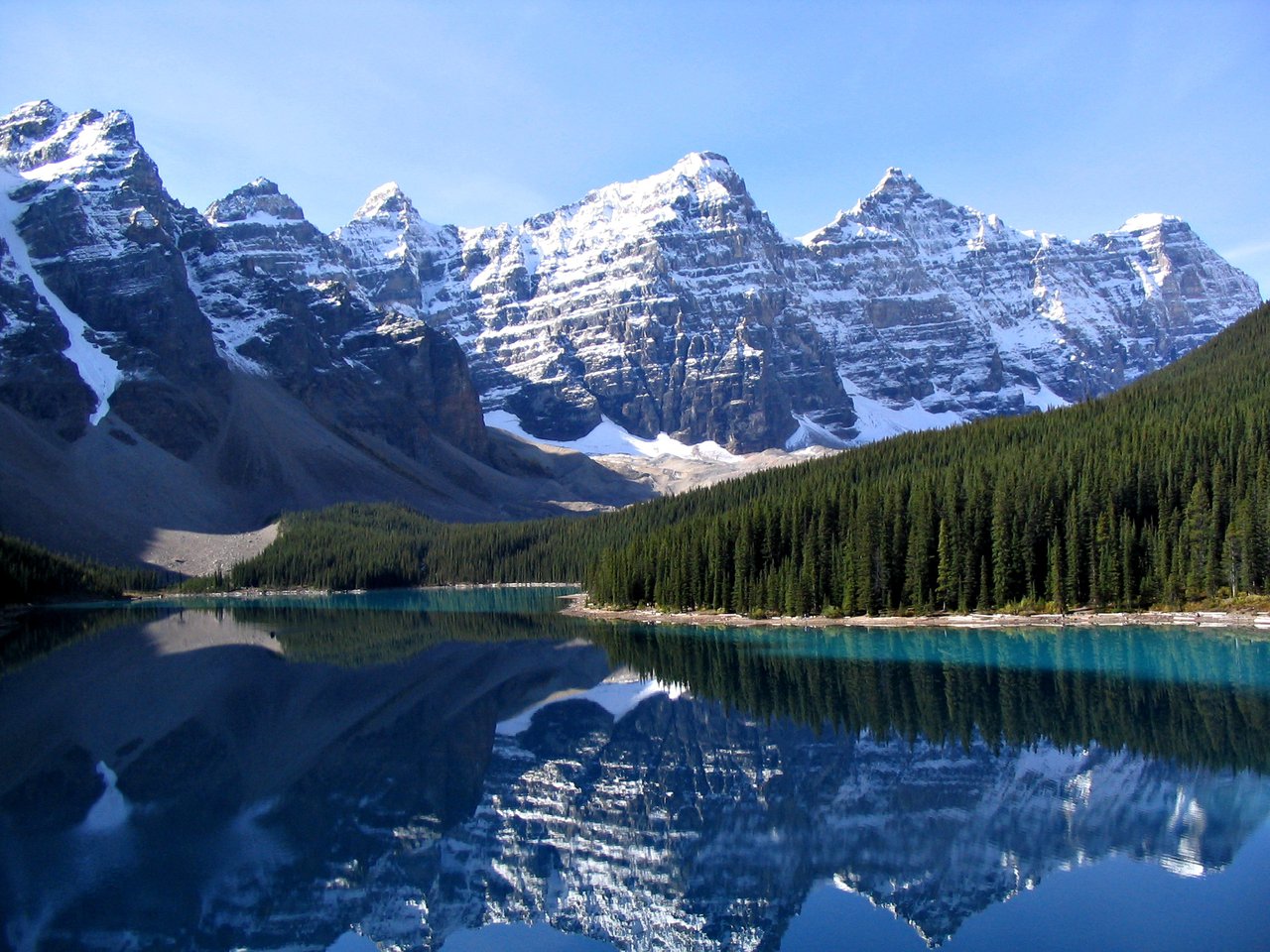
Take the earliest shuttle you can get. There is no view in Canada quite like Moraine Lake at 6:30 AM: the Valley of the Ten Peaks still holding its shadow, the water an impossible turquoise from glacial rock flour, and — if you timed it right — a perfect mirror before the mid-morning wind arrives. The short Rockpile Trail climb (a few minutes, some stairs) gives you the classic “Twenty Dollar View” from the old Canadian twenty.
My confession: I set two alarms and still nearly missed the 6:30 AM bus because I’d underestimated how dark the Park and Ride is at 6 AM. Leave margin. Bring the jacket — it is reliably 10 degrees colder at the lakes than in town, and my spreadsheet literally has a cell that says “BRING THE JACKET” after the incident where I didn’t.
If you’re visiting in late September (larch season), Moraine Lake is at its absolute peak — golden larches ringing that blue water — and shuttle seats go fastest of the entire year. Book the second they drop.
10:30 AM — Lake Louise, Lake Agnes, and the canoe question
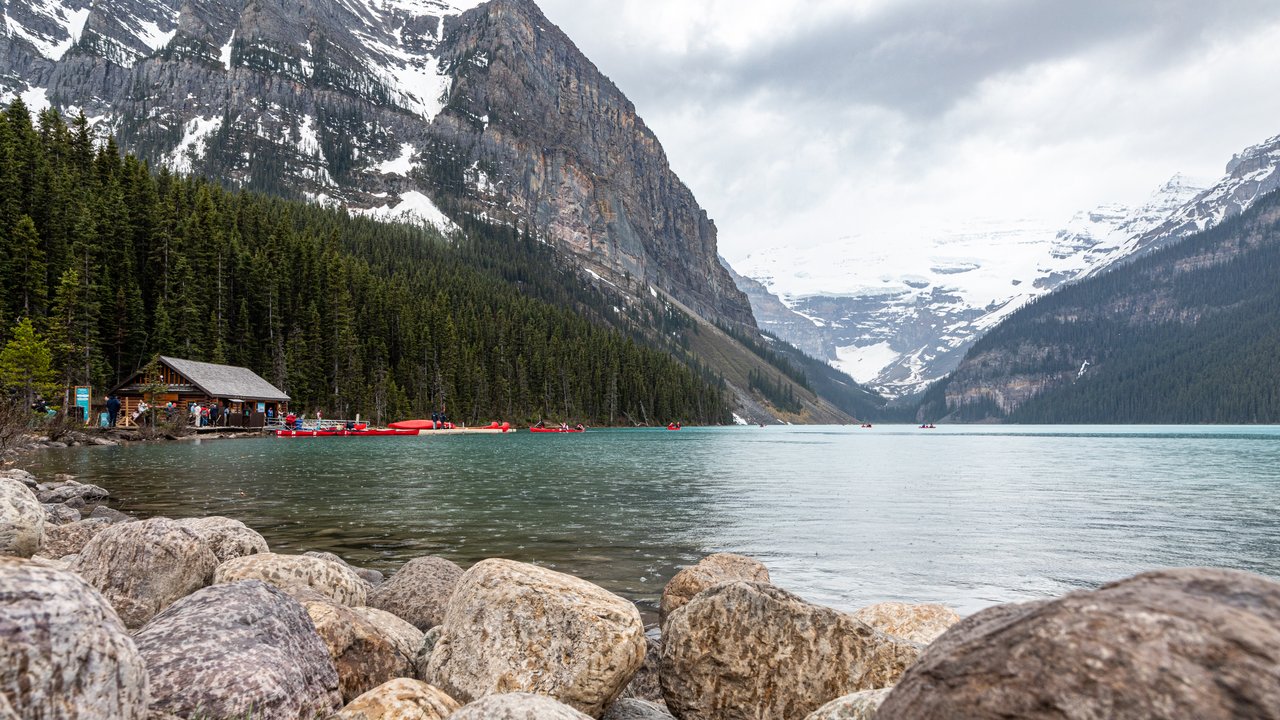
Hop the Lake Connector to Lake Louise. From the lakeshore you’ve got three good choices, and I’ll be honest, I agonized over this:
- Lake Agnes Teahouse hike — the rite of passage. It’s 3.4 km one-way (about 400 m of climbing) to a teahouse that’s been serving tea since 1901, perched above a hanging lake. The trail humbled me in the best way, and the pie at the top is worth every penny. Fit hikers can continue to the Big Beehive for the overhead view of the lake’s colour.
- Plain of Six Glaciers — longer (about 14 km round-trip) and rockier, but it walks you right toward the Victoria Glacier, and you can hear the distant thunder of avalanches off the ice. Fewer people than the teahouse trail.
- The canoe — the Fairmont boathouse rents the famous red canoes first-come, first-served, roughly ~$160–180 per hour for non-guests (about $110/hr for hotel guests). It’s a splurge, no question. But paddling out toward the glacier is the one way to find actual silence away from the shoreline crowds — and my twenty minutes on that glass-calm water were the quietest of my whole trip. That said, at that price it’s a conscious decision, not a default: hike first, canoe if the budget and the mood allow.
Pro tip: do your hike before the lakeshore stroll, not after. The crowds peak at the shoreline between 11 AM and 3 PM; the trails are quieter, and you’ll return to a lake that’s emptying out by late afternoon. The flat lakeshore trail to the far end of the lake (about 2 km) is a lovely wind-down, with the Chateau framed by peaks behind you.
Day 2 spending: shuttle $12.75 + reservation fee share + park pass (already bought Day 1 — a day pass covers until 4 PM the next day) + food ~$55 + optional canoe ~$160–180 ≈ ~$70 without canoe, ~$230–250 with (excluding hotel).
Getting around Banff: Roam Transit vs. a car
Here’s the thing: Banff in 2026 is genuinely set up for car-free visitors, and I say that as someone who loves a road trip. The townsite is compact, Roam Transit covers everything on this itinerary, and parking in downtown Banff in summer is capped at three hours and priced to annoy you.
- Roam Transit — Route 1 serves the gondola and Upper Hot Springs; Routes 2 and 4 cover the townsite; the 8X Express runs Banff ↔ Lake Louise year-round ($12.50 adult, kids under 12 free). Pre-booked gondola tickets include Route 1 fare, which I thought was a genuinely nice touch.
- A car — still the best option if you want the Bow Valley Parkway at your own pace (grizzly country, and the best wildlife pullouts are between Banff and Lake Louise). Just budget the park pass, the paid parking lots, and the summer reality that the Lake Louise lakeshore lot fills by early morning.
- No car at all — totally doable for this exact itinerary. Fly into Calgary (YYC), take an airport shuttle to Banff, and let Roam plus the Parks Canada shuttle do the rest. This is the version I’d recommend to my sister, and I say that with love.
If you’re extending the trip, our Banff–Jasper road trip itinerary covers the Icefields Parkway, and 2 days in Calgary pairs perfectly as a bookend.
How much does 2 days in Banff cost?
Sample budget per adult, excluding hotel (prices checked October 2026; items marked ~ are estimates):
| Item | Cost (CAD) |
|---|---|
| Parks Canada day pass (adult) | $12.25 |
| Banff Gondola (dynamic pricing) | ~$75–88 |
| Cave and Basin National Historic Site | $9 |
| Banff Upper Hot Springs | ~$18–20 |
| Parks Canada shuttle to Moraine Lake / Lake Louise | $12.75 (+ $3.50 booking fee) |
| Lake Louise canoe rental (optional, non-guest) | ~$160–180 |
| Food & drinks, 2 days | ~$110–130 |
| Total (no canoe) | ~$240–280 |
| Total (with canoe) | ~$400–460 |
Mid-range hotels run roughly ~$250–450/night in summer — see our Ultimate Banff Travel Guide for where to stay by budget. And if two days just isn’t enough (fair), our 1-day Banff itinerary squeezes the highlights even tighter.
Timeline at a glance
| Day | Morning | Afternoon | Evening |
|---|---|---|---|
| Day 1 | Banff Gondola up Sulphur Mountain, 8 AM (from ~$75) | Cave and Basin ($9), Surprise Corner, Bow Falls (free) | Banff Upper Hot Springs soak (~$18–20) |
| Day 2 | Moraine Lake at sunrise via Parks Canada shuttle ($12.75) | Lake Louise: Lake Agnes hike or canoe (~$160–180) | Sunset lakeshore stroll, dinner in the village |
FAQs about spending 2 days in Banff
Is 2 days enough for Banff?
Yes — two full days covers the essentials comfortably: Sulphur Mountain and the townsite on Day 1, Moraine Lake and Lake Louise on Day 2. You won’t fit the Icefields Parkway or Johnston Canyon, so treat those as reasons to come back. If you have a third day, our 3-day Banff itinerary adds them in.
Can I drive to Moraine Lake in 2026?
No. Moraine Lake Road is closed to private vehicles year-round in 2026. Access is via the Parks Canada shuttle (reserve ahead — $12.75 adult return plus a $3.50 booking fee), a licensed commercial operator, or by bike. The shuttle launched reservations on April 15, 2026, and remaining seats release at 8 AM MDT two days before each departure. See the official Parks Canada shuttle page for current availability.
What if the Moraine Lake shuttle is sold out?
Check the rolling release at 8 AM MDT exactly two days before your visit — that’s when the remaining 60% of seats drop, and they go fast. If you still miss out, Roam Transit’s 8X Express runs Banff to Lake Louise year-round ($12.50 adult), and licensed commercial operators run their own Moraine Lake trips. As a last resort, late-afternoon shuttles are consistently less busy than the sunrise ones.
How much does 2 days in Banff cost?
Budget roughly $240–280 CAD per adult excluding hotels and the optional canoe (October 2026 prices): about $145–165 in tickets and passes (gondola ~$75–88, Cave and Basin $9, hot springs ~$18–20, shuttle $12.75, park pass $12.25) plus ~$110–130 for food. Add ~$160–180 for the Lake Louise canoe if that’s on your list, and ~$250–450/night for a mid-range summer hotel.
Do I need a car for 2 days in Banff?
No. This entire itinerary works car-free: Roam Transit covers the townsite, gondola, and hot springs; the Parks Canada shuttle covers Moraine Lake and Lake Louise; and the 8X Express links Banff and Lake Louise year-round. A car only earns its keep if you want the Bow Valley Parkway wildlife drive at your own pace — otherwise skip the parking hunt.
What should I pack for 2 days in Banff?
Layers, always. A moisture-wicking base, a fleece, and a waterproof shell handle the “four seasons in one afternoon” routine, and it’s reliably 10°C colder at the lakes and mountaintops than in town. Sturdy broken-in footwear (not brand-new boots — trust me on this one), sunscreen and a hat (the sun is stronger at altitude), a reusable water bottle, and a swimsuit for the hot springs. Bear spray is smart for any trail hiking; rent or buy it in town and know how to use it.
23 comments