
Last updated: October 3, 2026
The short answer
- Best of January: Peak ski season in Banff and Whistler, the aurora at its most reliable in Yellowknife, and January’s own festivals — Banff SnowDays and the Niagara Icewine Festival.
- Know before you go: Temperatures swing from ~6°C in Vancouver to -40°C nights in Yellowknife, and the sun sets before 5 PM in Toronto most of the month. Pack for the city you’re actually visiting.
- January wins: Off-peak prices everywhere except the ski resorts and Yellowknife. Mid-week hotels, cheap flights, and restaurants that are happy to see you.
I’ll be honest with you: January is the month that scares people off Canada. They hear “January in Canada” and picture a weather-map blue blob, and then they book a beach. But here’s the thing — January is also when Canada is most itself. The big ski hills are at full power, the lakes are frozen hard enough to skate on, the Northern Lights are putting on their most reliable shows of the year, and the summer crowds are a distant memory. I’ve done Canada in January three times now, and I’d pick it over shoulder season every time — you just have to respect the cold instead of fighting it.
This guide is built on 2026 facts (prices, festival dates, and hours checked in October 2026), and I’ll flag every date honestly — including a confession about a festival mix-up I made once so you don’t make it too. Fair warning: two of the biggest “winter” festivals actually start at the very tail end of January or in early February. I’ve learned to say so out loud.
January weather in Canada: it’s not one weather
The single biggest planning mistake I see: people pack for “Canada in winter” as if it’s one climate. It is not. Vancouver might be raining at 6°C while Winnipeg is sitting at -30°C, on the same day. Here’s the honest breakdown, rounded from Environment Canada climate averages (your actual week will vary — check the forecast the night before, every night):
| City | Average high | Average low | What it feels like |
|---|---|---|---|
| Vancouver | ~6°C | ~1°C | Rainy, grey, occasionally slushy. Rarely brutal. |
| Toronto | ~-2°C | ~-10°C | Damp cold with lake-effect snow days. The wind off the lake is the real problem. |
| Montreal | ~-6°C | ~-14°C | Colder and snowier than Toronto; the city is built for it (Underground City included). |
| Ottawa | ~-7°C | ~-16°C | Deep, dry cold. This is the temperature that makes the Rideau Canal freeze solid. |
| Quebec City | ~-8°C | ~-17°C | Beautiful and bitter. Layers are non-negotiable. |
| Calgary | ~-5°C | ~-16°C | Chinook winds can swing it 20 degrees in a day. Both directions. Ask me how I know. |
| Halifax | ~0°C | ~-9°C | Wet coastal cold with surprise storms. |
| Winnipeg | ~-12°C | ~-22°C | The coldest big city in Canada. Respect it. |
| Yellowknife | ~-20°C | ~-30°C | Nights hit -40°C. The aurora doesn’t care. |
And here’s the part nobody tells first-timers: wind chill is the number that matters, not the thermometer. Environment Canada’s forecast always leads with the “feels like” temperature for a reason. A calm -20°C day in Banff with sun can be genuinely pleasant (I once ate lunch on a patio at Sunshine Village in -18°C, in the sun, in a t-shirt-and-parka situation, and it was glorious). A windy -5°C in Toronto can slice right through you. Check the feels-like before you head out, and know that skin can freeze in under ten minutes when wind chill hits -30°C.
Daylight is the other January tax. In Toronto, the sun rises around 7:52 AM and sets at 4:52 PM on January 1st — by the end of the month you’ve clawed back to about 5:26 PM. I timed it once because of course I did: that’s roughly 9 to 9.5 hours of daylight for your sightseeing. In Yellowknife it’s closer to 6 hours. Plan your outdoor adventures for late morning and early afternoon — the warmest, brightest window — and save museums, meals, and hot springs for the long dark.
Where to go in Canada in January 2026
Banff and Lake Louise: winter at its most beautiful
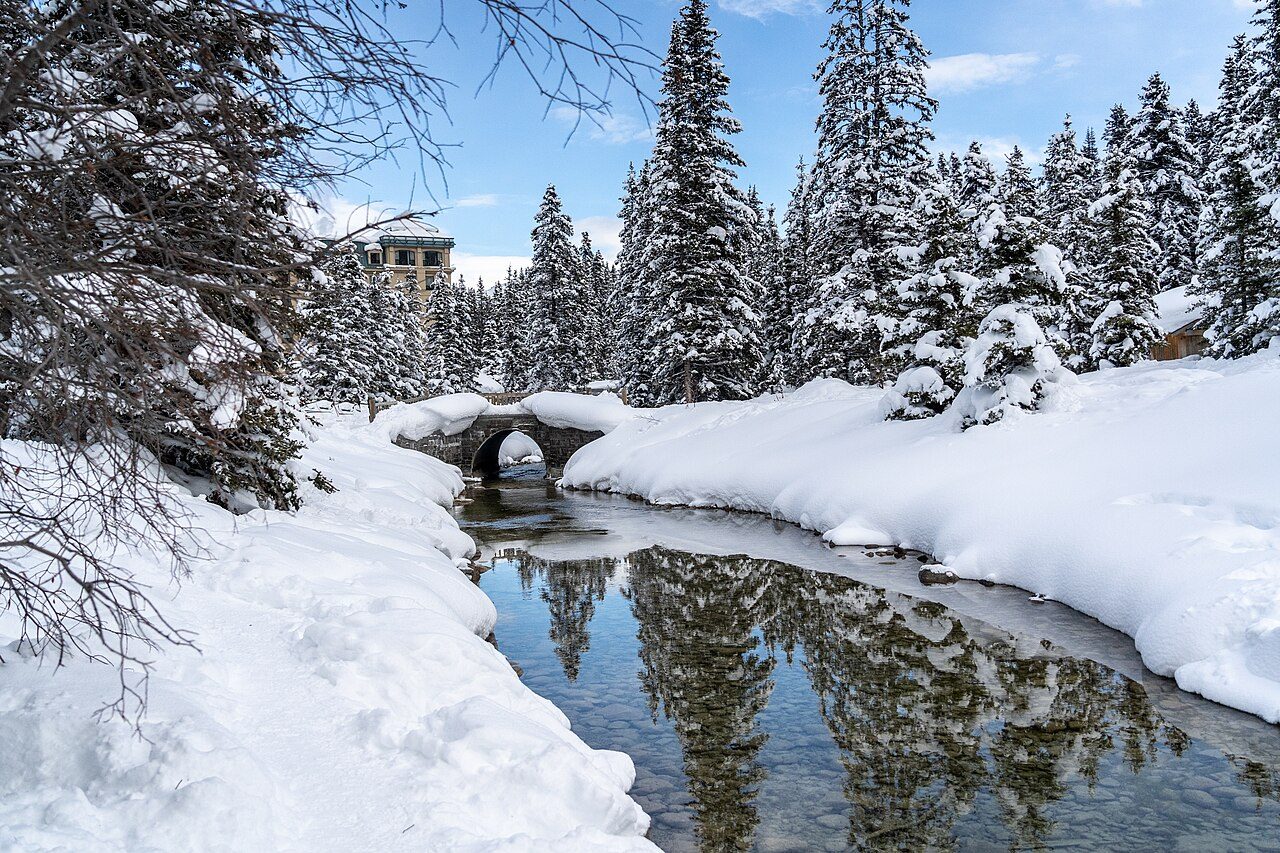
If you do one January trip, make it Banff. January is the sweet spot of ski season — the holiday crowds are gone, the base is deep, and the town is running on that cozy post-Christmas hum. All three resorts — Sunshine Village, Lake Louise Ski Resort, and Mt. Norquay — are fully open, and mid-week lift lines are short enough that I once got eight runs in before lunch at Sunshine without trying particularly hard.
Don’t ski? You still get the best of it. Skating on Lake Louise with the Victoria Glacier towering over you is the single most “I can’t believe this is real” moment I’ve had in Canada — and I double-checked the maintained skating area conditions on the Fairmont’s site before I went, because lake ice is not something to guess about. Then there’s Banff SnowDays, the town’s own winter festival, running January 16 to February 8, 2026 — snow sculptures along Bear Street, the SnowDays Play Zone, skijoring (skiers pulled by horses, which is exactly as wild as it sounds; the downtown Banff races run January 17–18 and are free to watch), and a Hot Chocolate Trail through local cafés. → SkiBig3 — Banff SnowDays Festival 2026 guide
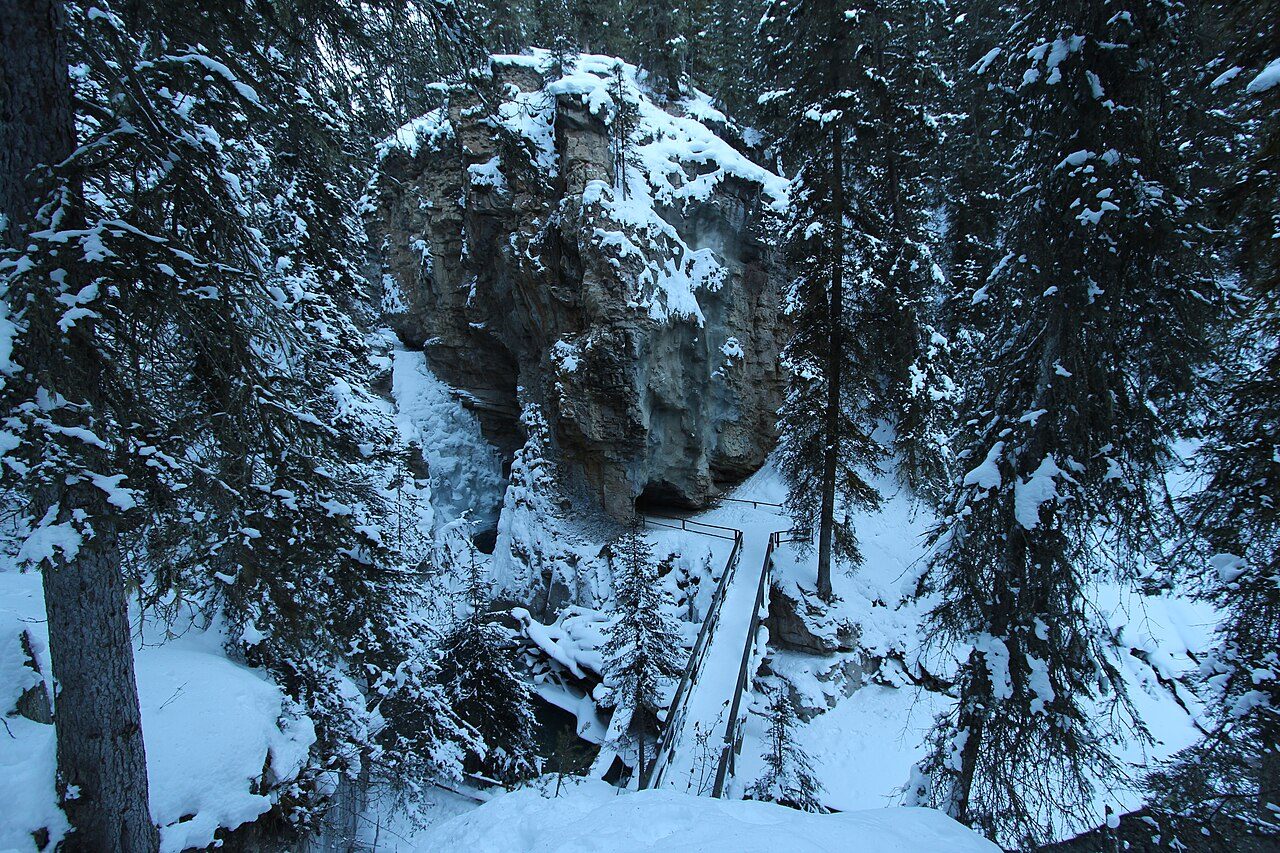
Pro tip, and I mean it: the Johnston Canyon ice walk (frozen waterfalls, catwalks over a canyon, the whole thing) is better in January than in summer, and it’s nearly free. Rent ice cleats from a gear shop on Banff Avenue — I nearly went down on the first icy stretch my first time, and the grippers were the best $15 I’ve spent in the Rockies. Defrost afterward at the Banff Upper Hot Springs (~$17.50 adult in winter, checked on the Parks Canada site). Hot mineral water, steam rising, snow falling on your head. Worth every penny.
For a full trip plan, see our 2-day Banff itinerary.
Whistler Blackcomb: the 60th anniversary winter
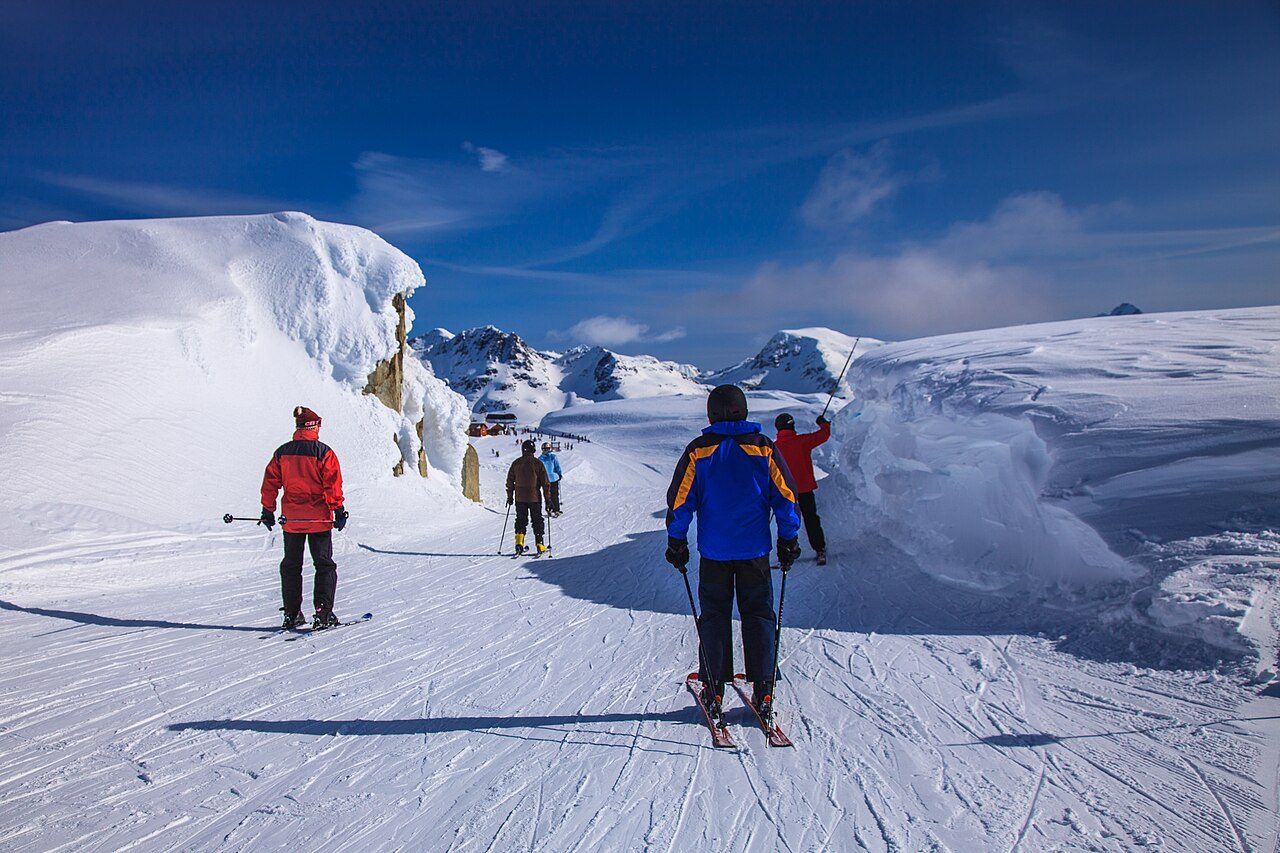
January 2026 lands in the middle of a historic season: Whistler Blackcomb’s 60th anniversary winter (the season opened November 21, 2025). The resort added seven new “Wonder Routes” — color-coded scenic journeys across both mountains — and with 8,100+ acres and 200+ runs, it’s still the biggest ski operation in North America. Day passes start from ~$104 CAD (book ahead — window prices sting), and Epic Pass holders get 20% off food, lodging, and rentals through Epic Mountain Rewards. I double-checked the 2026 pass details on the resort’s official channels before writing this — the 50%-off Epic Friend Tickets are the real deal for group trips.
Not a skier? The Village is at its liveliest in January, the PEAK 2 PEAK Gondola runs for sightseers in winter, and Scandinave-style spa days are practically a local religion. Our 3-day Whistler itinerary covers the car-free version.
Yellowknife and Whitehorse: the aurora hunt
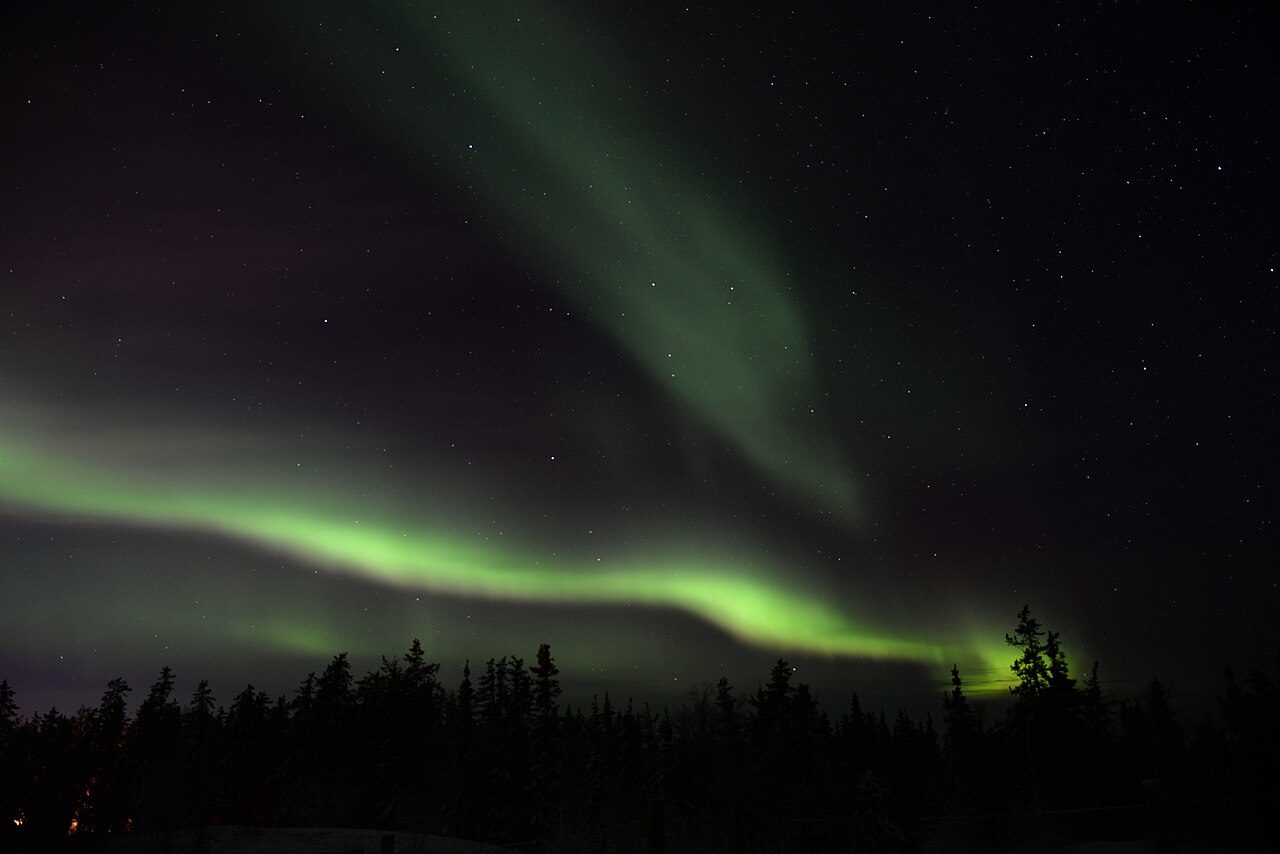
This is the trip for people who’ve already done the ski thing. Yellowknife sits directly under the auroral oval at 62°N, and operators there publish ~95% sighting odds over a three-night stay in peak season. January through March is the prime window — the nights are long and, crucially, often clear. And 2026 sits inside the elevated-activity window of Solar Cycle 25 (the 2024–2027 stretch is the best aurora viewing we’ll get until the early 2030s), so the displays are running above average.
I’ll be honest about the cost of admission: January nights in Yellowknife regularly drop to -30°C or -40°C. You do not “tough this out” in a regular winter coat. Every operator I looked at rents full arctic gear — parka, boots, the works — and you should take them up on it. My own aurora night went like this: I gave up at midnight on night one (frozen toes, cloudy patch), and the sky finally exploded at 1:47 AM while I was half-asleep in the lodge. Rude. Also the best thing I’ve ever seen. Set an alarm, dress like an astronaut, and trust the process.
Whitehorse is the wilder alternative — pair aurora viewing with multi-day dog sledding trips in the Yukon backcountry. Both are fly-in destinations (Yellowknife connects through Edmonton and Calgary), so book flights early even in “off-peak” January.
Quebec City and Mont-Tremblant: the European winter
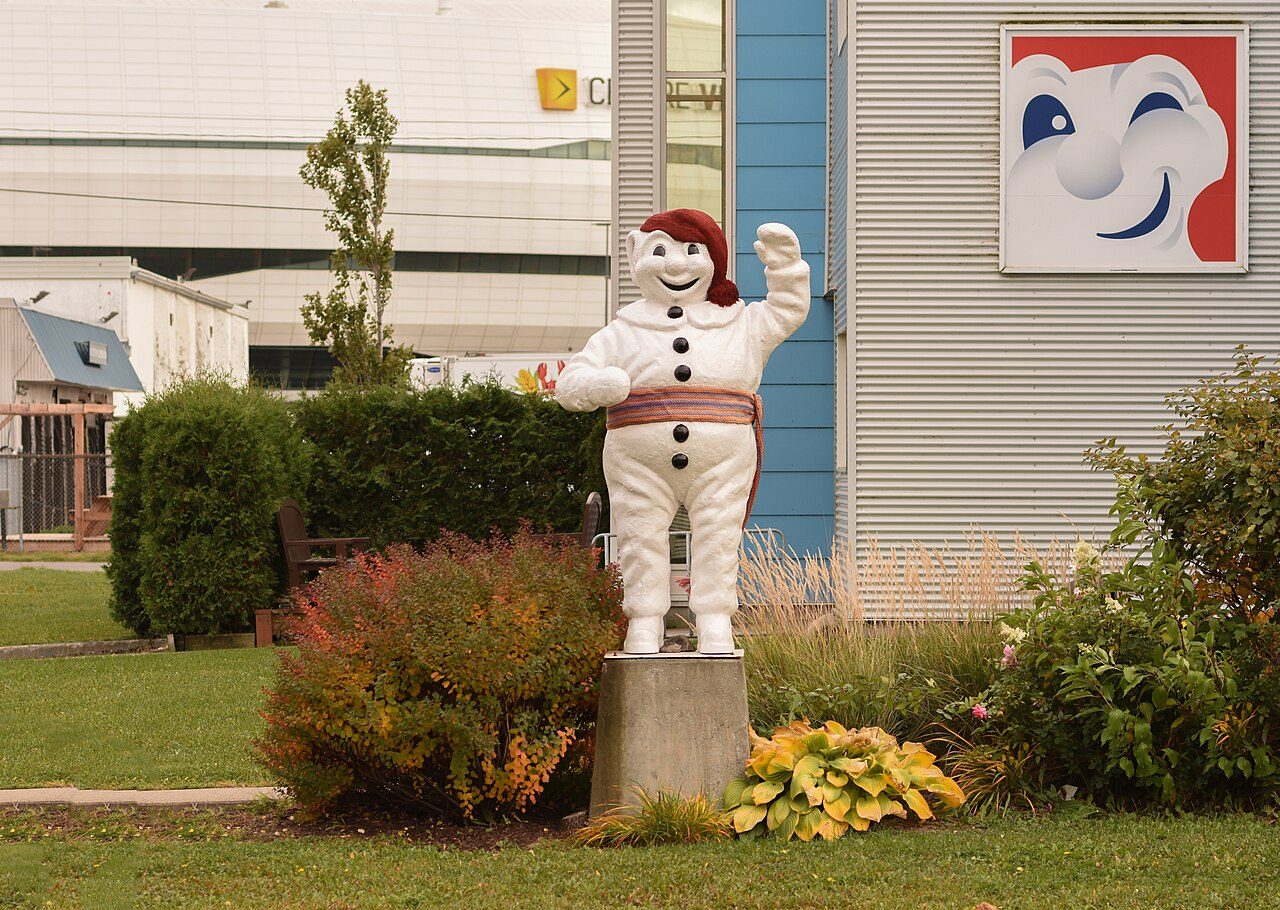
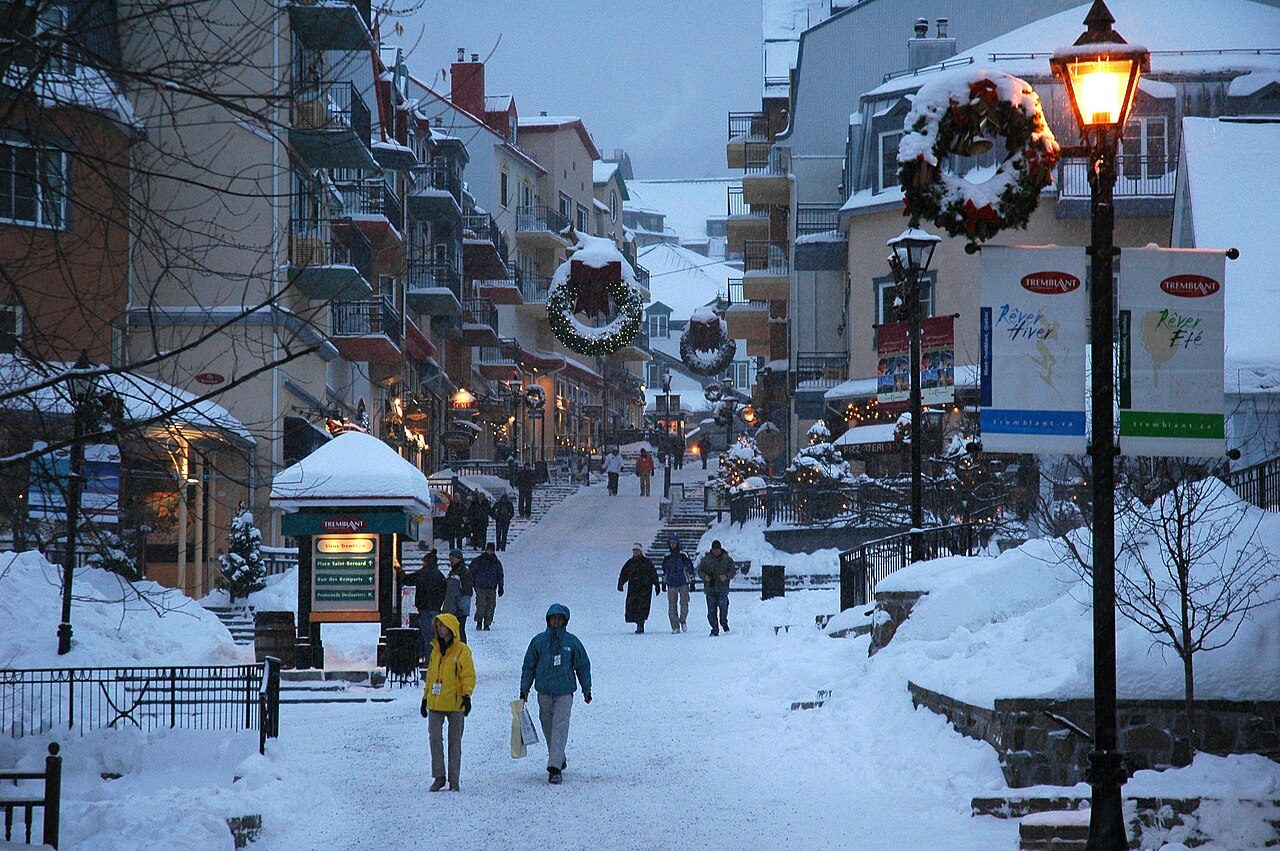
Old Quebec in January is the closest thing to a European winter city you’ll find without crossing the Atlantic — stone walls, lamplit streets, snow piled on 400-year-old rooftops. Now, the confession I promised: the Quebec Winter Carnival is not actually in January. The 72nd edition runs February 6–15, 2026. I once planned a whole “January Carnaval” trip and landed in Quebec City while the Ice Palace was still a parking lot. Learn from my spreadsheet failure: if the Carnaval is your goal, shift your trip into early February. In pure January, you still get the Old Town at its most atmospheric, the toboggan slide at Terrasse Dufferin, and far fewer crowds. → Québec City tourism — 2026 Winter Carnival details
Pair it with Mont-Tremblant, 90 minutes north of Montreal: a rainbow-colored pedestrian ski village that looks purpose-built for January postcards, with excellent skiing and an après scene built around craft beer and poutine by the fire.
For more on the city in winter, see our Quebec City travel guide.
Toronto and Niagara: January’s own festivals
Toronto in January is the city at its most local — no lines, no tourist markup, just a big city doing winter well. The big food event, Winterlicious, runs January 30 to February 12, 2026: 240+ restaurants with three-course prix fixe menus at $20–55 for lunch and $25–75 for dinner. I’ve done Winterlicious three years running, and my system is: book the popular spots the day reservations open, eat at one splurge place and one neighborhood gem, and never skip dessert. Reservations are strongly recommended — the good tables go fast. → City of Toronto — Winterlicious 2026
Ninety minutes away, the Niagara Icewine Festival is pure January — it runs over three January weekends (Jan 16–18, 23–25, and 30–Feb 1, 2026). Icewine is made from grapes frozen on the vine (it has to hit -8°C), and Ontario’s Niagara Peninsula produces more of it than anywhere else on earth. The Discovery Pass gets you six wine-and-food pairings across 20+ wineries, the Icewine Village takes over Queen Street in Niagara-on-the-Lake on the first two weekends (free entry, noon–6 PM), and the black-tie Cool As Ice Gala on January 31 at the Niagara Parks Power Station runs $250 a ticket. → Peller Estates — Niagara Icewine Festival 2026
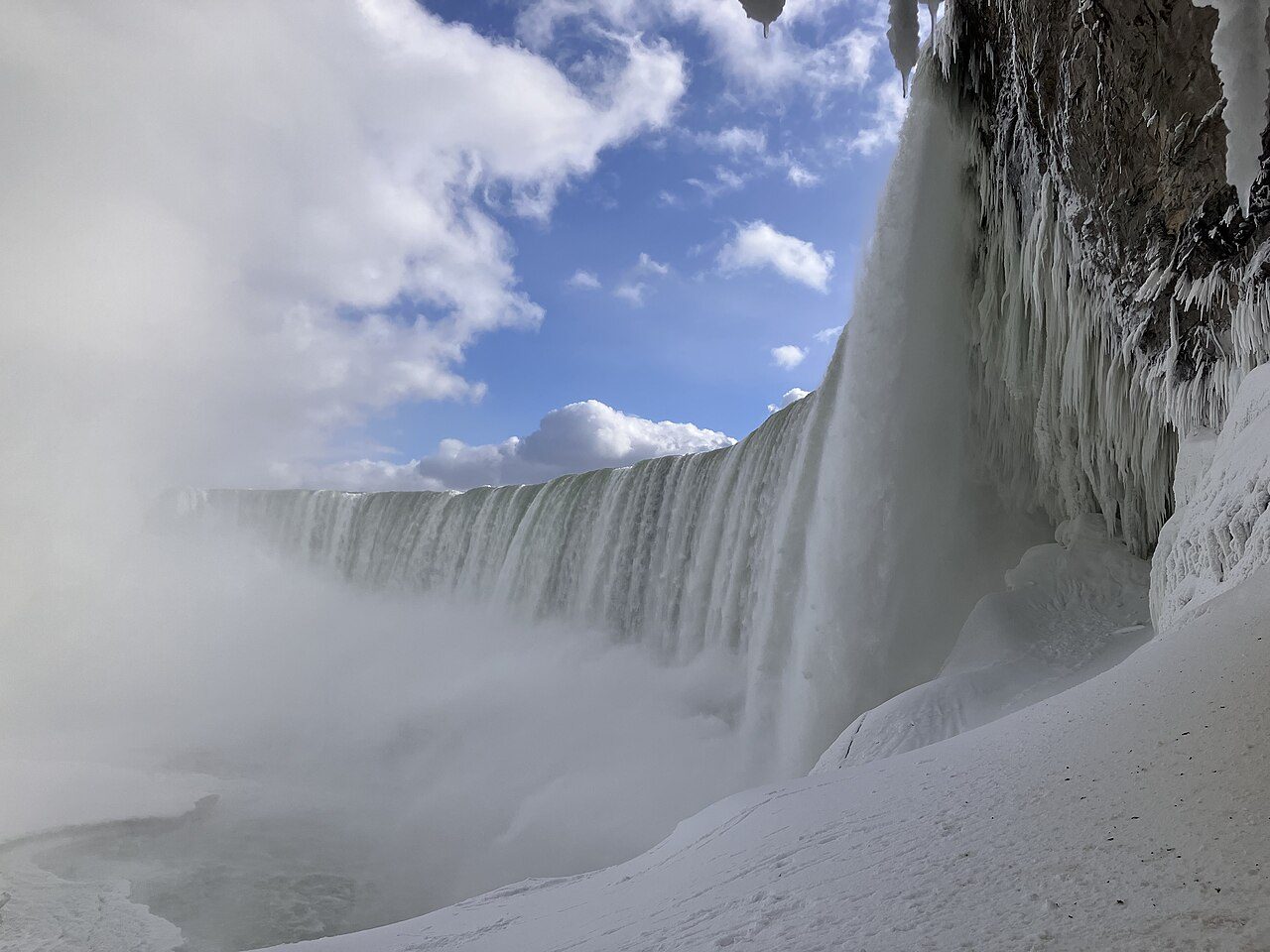
While you’re in Niagara, the falls themselves in January are spectacular — ice-crusted cliffs, mist rainbows, and a fraction of the summer crowds. The Winter Festival of Lights illuminations also run into the first days of January if you time it right.
Ottawa: the world’s biggest skating rink (probably)
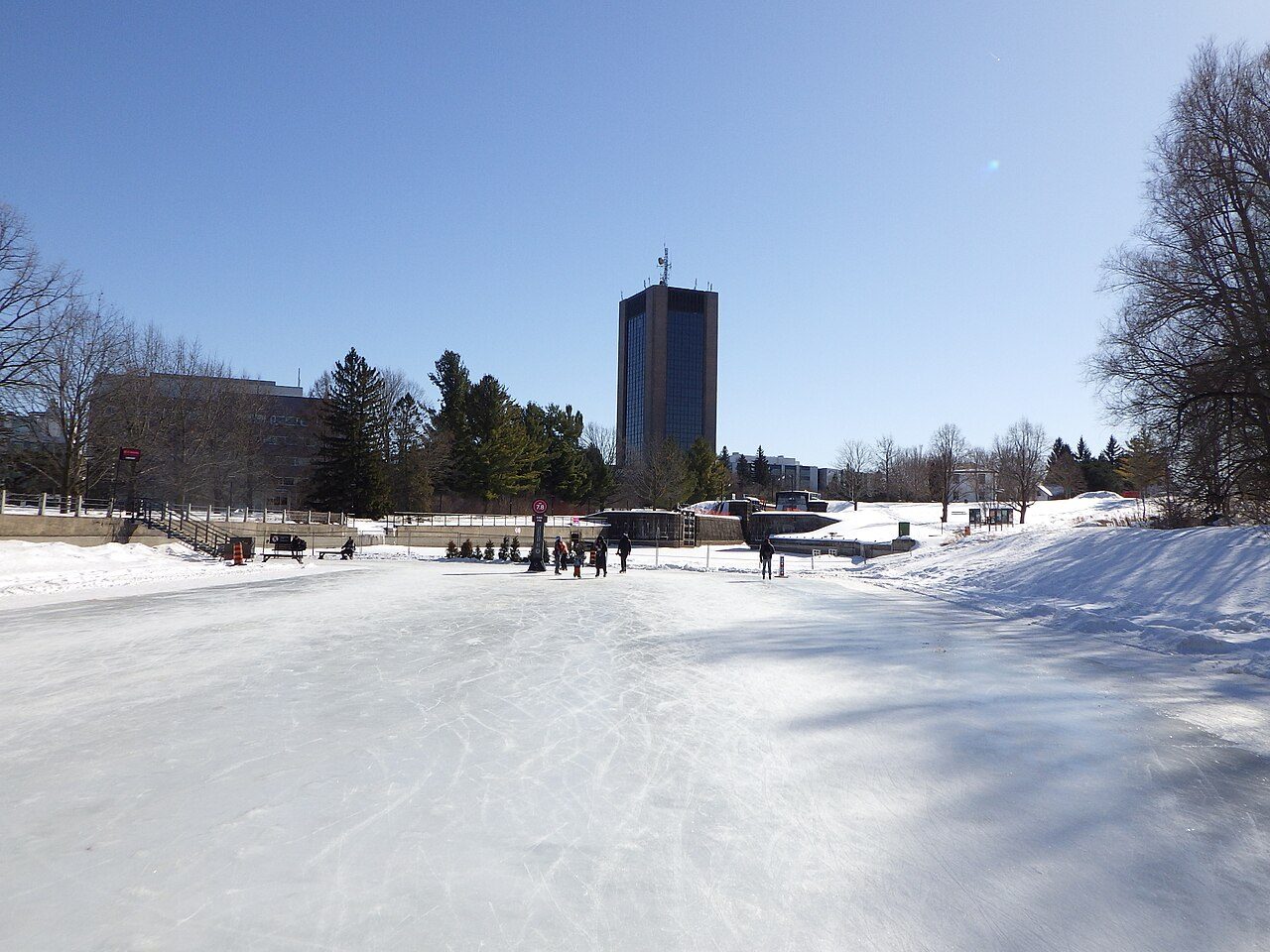
The Rideau Canal Skateway — 7.8 km of frozen canal through downtown Ottawa, a UNESCO World Heritage Site — is the most Canadian thing you can do in January, full stop. It’s free, it’s magical, and it’s entirely at the mercy of the weather: the ice needs roughly 10–14 straight days of -10°C to -20°C to reach the 30 cm needed for safe skating, so check the NCC’s official skateway conditions page before you go (some winters it barely opens; January is usually your best shot).
Time it for the tail end of the month and you catch Winterlude (January 30 – February 16, 2026, the 48th edition): ice sculptures back at Confederation Park, the Snowflake Kingdom in Gatineau, and a free Sno-Bus shuttle between sites on weekends. Canadian Heritage publishes the full program each January — I checked the 2026 announcement before writing this, and the Crystal Garden’s return to Confederation Park is the headline. → Canadian Heritage — Winterlude 2026 programming
Eat a BeaverTail on the ice (~$5–10). It’s the law. (It’s not the law. But do it.) Ottawa’s winter scene deserves its own trip — which is exactly what the late-January Winterlude window gives you.
Jasper: the comeback winter
Jasper deserves a special mention. After the devastating 2024 wildfire, the park spent 2025 steadily reopening — and by fall 2026, the Fairmont Jasper Park Lodge had reopened after a multimillion-dollar renovation and landed on National Geographic’s inaugural Best New Hotels list. Most of the park’s headline areas are welcoming visitors again, and Jasper’s Dark Sky Preserve status makes it a sleeper pick for aurora viewing without going all the way to the territories.
One caution, because I’d rather you hear it from me: Parks Canada has said some areas, including Maligne Canyon and Cavell Road, remain closed for the 2026 season while rehabilitation work continues. Check Parks Canada’s current conditions page before you build an itinerary around any specific trail. → Parks Canada — Jasper recovery updates
Victoria, BC: the mild escape
Not everyone wants to wrestle -30°C on vacation, and that’s fine — Victoria is the answer. It’s the mildest major city in Canada in January (think 5–8°C, rain rather than snow), the Butchart Gardens run their winter program, and you might even catch early cherry blossoms budding by month’s end. It’s my pick for families with small kids or anyone who wants “Canada in winter” as a vibe rather than a survival exercise.
Outdoor adventures beyond the ski slopes
January’s secret is that the best winter experiences aren’t all downhill:
- Dog sledding — multi-day trips in the Yukon, half-day taster runs around Banff, Canmore, and Quebec. Book ahead; January slots at the good operators go early.
- Snowshoeing — the cheapest way into the winter backcountry. Guided walks run at most national parks, and unguided trails are free with a park pass. Bring (or rent) poles.
- Ice climbing — the frozen waterfalls of the Rockies (Johnston Canyon, Grotto Canyon) host beginner-friendly guided climbs. Yes, really, beginners.
- Hot springs hopping — Banff Upper, Radium, and Miette. There is no better feeling than -15°C air and 40°C water. This is a hill I will die on.
- Winter wildlife — elk and bighorn sheep are easy to spot in the Bow Valley in January; the Maligne Valley is famous for wolves (from a distance, with a guide).
What to pack for Canada in January: the three-layer system
This is the section where I save you from yourself. I once bought a $90 toque in a Banff gift shop because I “didn’t think I’d need one.” I needed one. Here’s the system:
- Base layer: merino wool or synthetic thermal top and bottoms. No cotton — cotton holds sweat and makes you colder. (The Carnaval’s own packing guide says this too, and they’re right.)
- Mid layer: fleece or a down/puffy jacket. This is the adjustable layer — zip it off when you duck into a café.
- Outer layer: windproof, waterproof winter parka that covers your hips. Wind is the enemy, not temperature.
- Extremities: insulated waterproof boots with real tread (ice cleats for Banff/Jasper trails), a toque that covers your ears, and mittens — mittens beat gloves for warmth every time. Add touchscreen liners so you can take photos.
- The extras: hand and toe warmers, lip balm and heavy moisturizer (the dry cold is brutal on skin), sunglasses (snow glare is real), and a power bank — phone batteries die fast in the cold, and you’ll want your phone alive for maps and aurora photos.
Full checklist in our Canada winter packing list.
How much does a January trip to Canada cost?
January is genuinely one of the cheapest times to visit Canada — with two big exceptions: ski resort towns and Yellowknife, where January is peak season. Sample budget per adult for a 5-day January trip (prices checked October 2026; items marked ~ are estimates):
| Item | Cost (CAD) |
|---|---|
| Return flight (off-peak, e.g. Toronto–Calgary) | ~$250–400 |
| Mid-range hotel, 4 nights | ~$640–1,000 |
| Food & drinks, 5 days | ~$350–500 |
| Whistler/Banff lift ticket (1 day, booked ahead) | ~$104–170 |
| Aurora viewing tour, Yellowknife (1 night) | ~$145 |
| Hot springs entry | ~$10–18 |
| Icewine Discovery Pass (Niagara) | ~$50–75 |
| Sample total (city + one splurge) | ~$1,400–2,200 |
The savings lever is simple: travel mid-week, stay in cities rather than resort villages, and let the free stuff (skating the canal, snowshoeing, Winterlude, the SnowDays sculptures) carry your itinerary.
FAQs about visiting Canada in January
Is January a good time to visit Canada?
Yes — if you want winter at full power. January is peak season for skiing (Banff, Whistler), prime aurora viewing (Yellowknife), and peak ice conditions for skating and ice walks. It’s also off-peak for city travel, so hotels and flights are cheaper. The trade-off is real cold and short days — roughly 9 hours of daylight in Toronto, 6 in the far north. If you embrace the cold rather than endure it, January is one of the best months to come.
How cold is Canada in January, really?
It depends entirely on where you go. Vancouver averages around 6°C/1°C (often rainy), Toronto around -2°C/-10°C, and Yellowknife around -20°C/-30°C with nights hitting -40°C. The “feels like” temperature matters more than the thermometer — wind chill of -30°C can freeze exposed skin in under ten minutes. Dress in three layers (base, mid, windproof outer), cover all skin, and check the hourly forecast before heading out.
Are attractions and festivals open in January?
Mostly yes, but check dates carefully. Banff SnowDays (Jan 16–Feb 8) and the Niagara Icewine Festival (three January weekends) are true January events. Winterlude (Jan 30–Feb 16), Winterlicious (Jan 30–Feb 12), and the Quebec Winter Carnival (Feb 6–15) all start at the very end of January or in February — don’t book a mid-January trip expecting them. Ski resorts, hot springs, and skating rinks are all fully operational in January.
Can I see the Northern Lights in Canada in January?
January is one of the best months. Yellowknife sits directly under the auroral oval, and operators publish ~95% sighting odds over a three-night stay in winter. January–March offers the longest, darkest, clearest nights, and 2026 falls in the elevated-activity window of Solar Cycle 25 — the best aurora conditions until the early 2030s. Stay at least three nights, dress for -30°C or colder, and set an alarm for the small hours — the lights often peak between 11 PM and 2 AM.
Is January the cheapest month to travel in Canada?
For cities, usually yes — January is deep off-season for Toronto, Montreal, and Vancouver, with lower hotel rates and airfares. The exceptions are ski destinations (Banff, Whistler) and Yellowknife, where January is peak aurora/ski season and prices reflect it. See our cheapest time to visit Canada guide for the full breakdown.
Which Canadian city should I visit first in January?
For a first winter trip: Banff for the classic snow-globe experience, Quebec City for European charm, or Ottawa for the Rideau Canal and Winterlude. Want mild? Victoria. Want the aurora? Yellowknife — but give it three nights minimum. For the full seasonal comparison, see our Canada weather by month guide.
January in Canada rewards the prepared and punishes the cocky. Pack the layers, check the feels-like every morning, give the aurora at least three nights, and book the festival restaurants the day reservations open. You’ve got this.
Keep exploring
- Canada in February: The Ultimate 2026 Winter Travel Guide
- The Ultimate Canada Winter Packing List for 2026
- The Ultimate 2 Days in Banff Itinerary: 2026 Travel Guide
- The Ultimate 3 Days in Whistler Itinerary for 2026
- The Ultimate Quebec City Travel Guide: 2026 Edition
- Cheapest Time to Visit Canada: 2026 Budget Travel Guide