
Last updated: October 3, 2026
The short answer
- Safety: Canada ranked 14th on the 2026 Global Peace Index with a Level 1 US advisory — it’s one of the world’s most solo-friendly destinations. Start with the safety tips below, then relax.
- Getting around: VIA Rail’s Toronto–Vancouver “Canadian” is the great solo-travel social hack, and you can see most big cities car-free with a transit card (Presto in Ontario, Compass in Vancouver — tap on, tap off).
- Budget: Plan ~$80–120 CAD/day backpacking or ~$200–300/day mid-range; hostel pods, food halls, and bar seating are your three best friends for beating the single supplement.
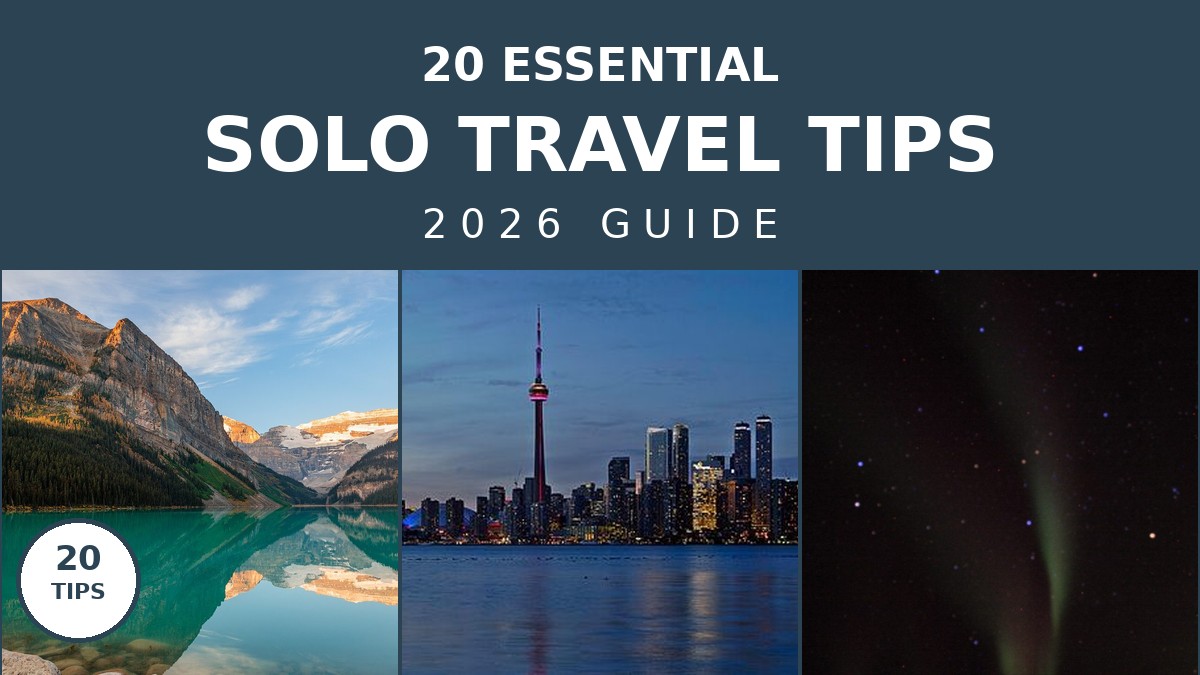
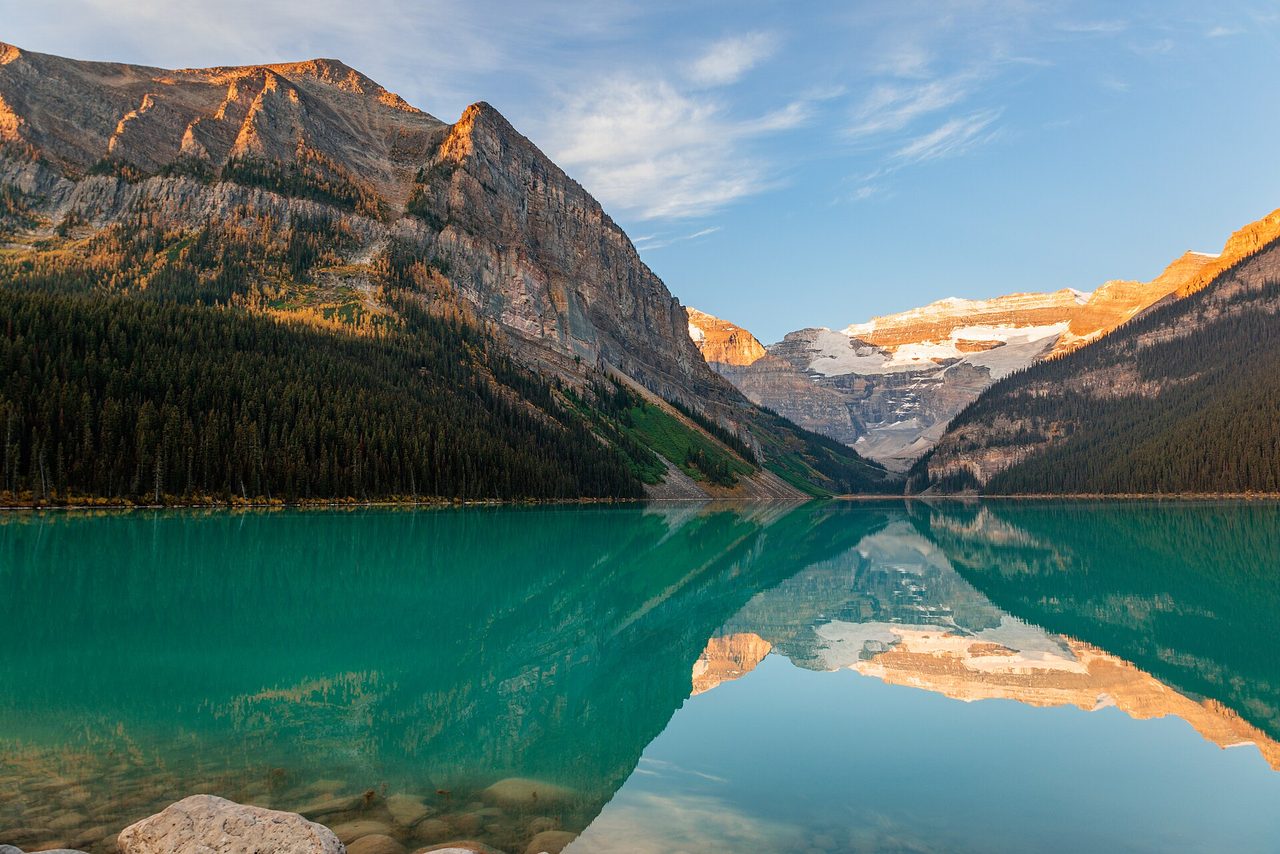
I’ll be honest: my first solo trip to Canada happened because my travel companion cancelled three weeks before our flights, and I decided to go anyway rather than lose the deposit. That trip rewired my brain. There’s something about standing alone at the edge of Lake Louise at 6 AM — no one to negotiate with, no schedule but your own — that turns “I’m traveling solo” from a compromise into a preference.
Here’s the thing about Canada, though: it’s enormous, the weather has opinions, and doing it alone means every logistical hiccup lands squarely on you. I keep a color-coded spreadsheet for every trip (I know, I know), and the Canada tab is my most annotated one. These 20 tips are everything I’d tell a friend over coffee — the stuff that actually mattered, in the order you’ll need it.
Part 1: Safety — the good news first
Tip 1: Trust the numbers, then trust your gut
Canada is one of the safest places on earth to travel alone, and that’s not just my opinion talking. The country ranked 14th on the 2026 Global Peace Index, the US State Department rates it Level 1 (“exercise normal precautions” — the lowest advisory level), and a 2026 ranking of solo female travel destinations put Canada in its top “Elite” tier alongside Iceland, Japan, and New Zealand. I checked all of this before writing, because safety claims are exactly the kind of thing you verify, not vibe.
That said — “statistically safe” and “always comfortable” aren’t the same thing. Trust me on this one: the confidence comes from preparation, which is what the next three tips are for.
Tip 2: Learn the “Request a Stop” trick
Most Canadian transit systems run a late-night Request Stop program — in Toronto, the TTC’s version lets you ask the driver to let you off between regular stops after dark, so you’re never walking extra blocks at midnight. I found out about this from a bus driver in Vancouver, of all people, after I stayed too long at a night market and missed my stop (worth it, but still).
Pro tip: download your city’s transit app before you go out for the evening, not when you’re already standing on a dark corner. And ride-shares with live trip tracking are everywhere in the big cities — a fine backup plan.
Tip 3: Put 911 and your embassy in your phone first
Do this at the airport, before the fun starts. Canada’s 911 system works from any phone, and your own country’s embassy contact takes thirty seconds to save. I also keep a note with my hotel address and the nearest hospital — because at 2 AM with a migraine in Montreal (true story), “figure it out” is not a plan.
Tip 4: Steal the solo-social shortcuts
Traveling alone doesn’t mean being alone the whole time. The cheat codes: free walking tours (the guides work for tips, so they’re motivated to be excellent, and the groups are full of other solos), hostel common rooms even if you’re not staying there, and women-only hostel floors or female-only dorms if that’s your comfort zone. I’ve done the “join a group hike with strangers” thing four times now, and three of those hikes ended with dinner invitations. Do not skip the group activities — they’re the whole social hack of solo travel.
Part 2: Paperwork and getting around
Tip 5: Sort your eTA before you book anything else
If you’re flying into Canada from a visa-exempt country (the UK, most of Europe, Australia, Japan, and others), you need an Electronic Travel Authorization — it costs CAD $7, it’s usually approved within minutes, and it stays valid for up to five years. The catch: apply on the official Government of Canada site only. There are copycat sites that charge five times the price for the same form, and I once applied at 11 PM the night before a flight, typo’d my passport number, and spent a panicked hour re-doing it. Learn from my sweaty palms: do it early, on canada.ca, and screenshot the confirmation.
US citizens are exempt (no eTA needed), and everyone should check that their passport is valid well past their return date.
Tip 6: Take the train and make friends in the dining car
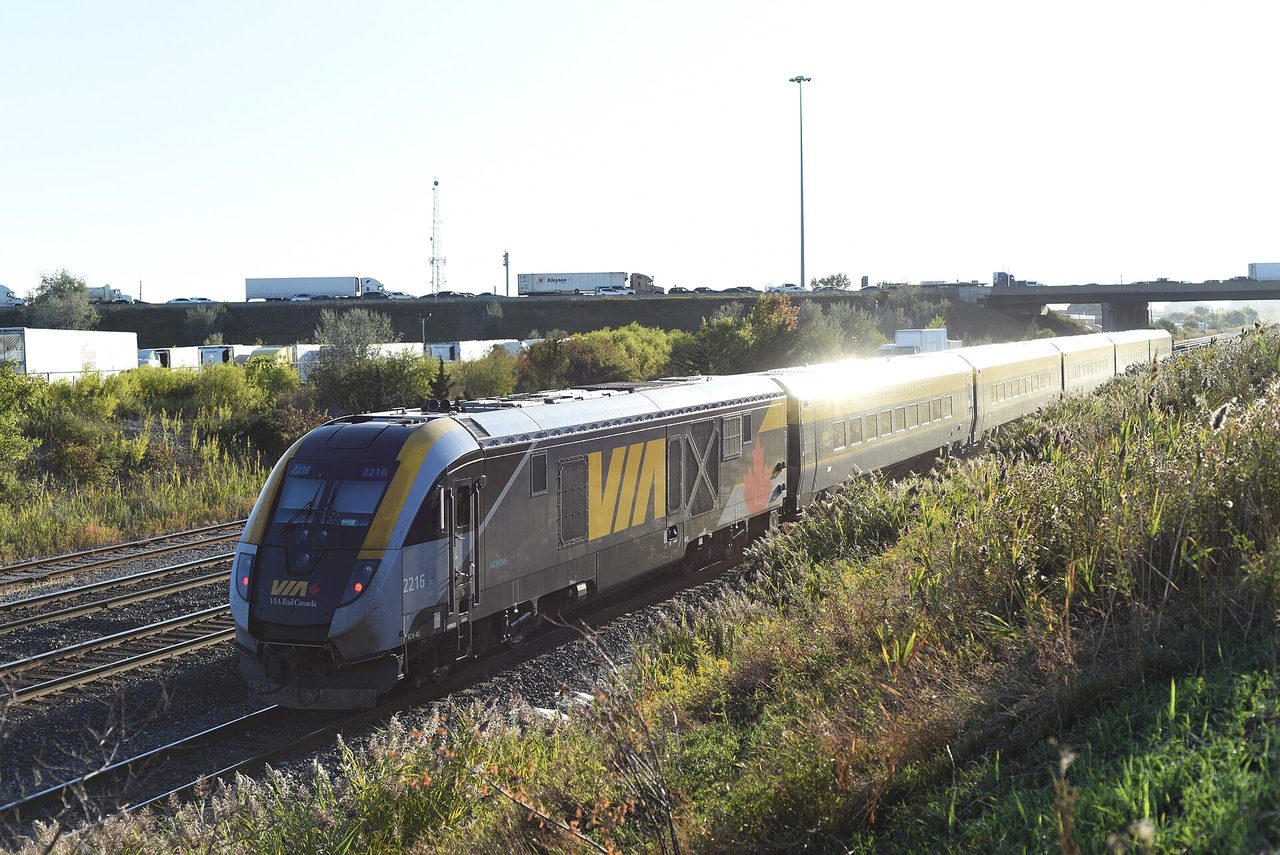
The VIA Rail “Canadian” — Toronto to Vancouver, four days through the Rockies — is the single best solo-travel investment in this country. Here’s why it works for one: the dining cars and glass-domed observation cars are genuinely social. You’re seated with other travelers at meals, the scenery does all the conversational heavy lifting (“did you SEE that?”), and the slower pace means friendships have time to form. I’ve done the Toronto–Montreal corridor by train, bus, and budget flight, and I timed all three — the train is the only one I’d describe as an experience rather than transit.
It’s pricier than flying, fair warning. Book early for the best fares, and treat the ticket as part of the sightseeing budget, not just transport.
Tip 7: Fly cheap, bus cheaper — and read the baggage rules
When the train doesn’t fit the schedule, budget airlines like Flair cover the long hops (Toronto–Vancouver, Toronto–Halifax) for genuinely low fares. The gotcha is baggage fees, which can double the headline price if you don’t pack light — I watched a fellow passenger pay more for her suitcase than her seat, and it was painful.
For shorter hops, buses are the budget king: Megabus and Rider Express run Toronto–Montreal–Ottawa and western routes with Wi-Fi and power outlets. Slower, yes. But at a fraction of the flight price, and you can watch the countryside instead of an airport ceiling.
Tip 8: Tap like a local
Every major Canadian city runs on a tap card now — Presto in the Toronto area, Compass in Vancouver — and most systems also take contactless credit cards or phones right at the turnstile. Tap on, tap off, done. I timed my first Vancouver SkyTrain ride from the airport to downtown at 25 minutes flat, which beat every “should I Uber?” calculation I’d made.
You don’t need to understand the whole fare system on day one. Buy the card (or just tap your phone), and let the city teach you the rest.
Tip 9: Rent a car only when the map demands it
In the cities, a car is a liability — parking in downtown Toronto or Vancouver will eat your budget alive. But some of Canada’s best solo drives are unreachable any other way: the Icefields Parkway, the Cabot Trail, the road to Tofino. My rule: if the itinerary is city-heavy, skip the rental; if it says “national park,” get the car and get the insurance. And fill up before the long empty stretches — I once watched my fuel gauge do something alarming on the way to Jasper, and a solo driver does not want that stress.
Part 3: Five cities that get solo travelers
Tip 10: Toronto — the multicultural hub
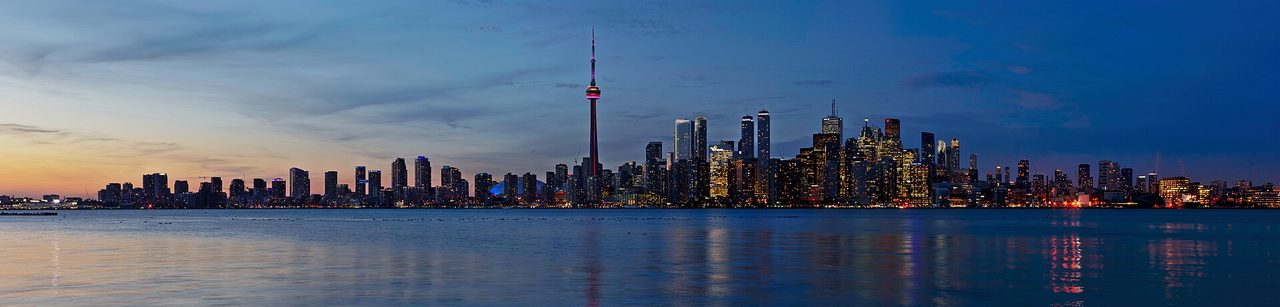
Toronto is the easiest first landing: a grid layout you can navigate half-asleep, a massive subway system, and neighborhoods (Kensington Market, the Distillery District, Greektown) that reward aimless solo wandering. The free walking tours here are excellent, and the food scene means eating alone never feels like a compromise — see Tip 16. I showed up at the Royal Ontario Museum at 11 AM on a Saturday once. Never again (go at opening on a weekday). Pair this with our 3-day Toronto itinerary for the full plan.
Tip 11: Vancouver — nature and city in one day
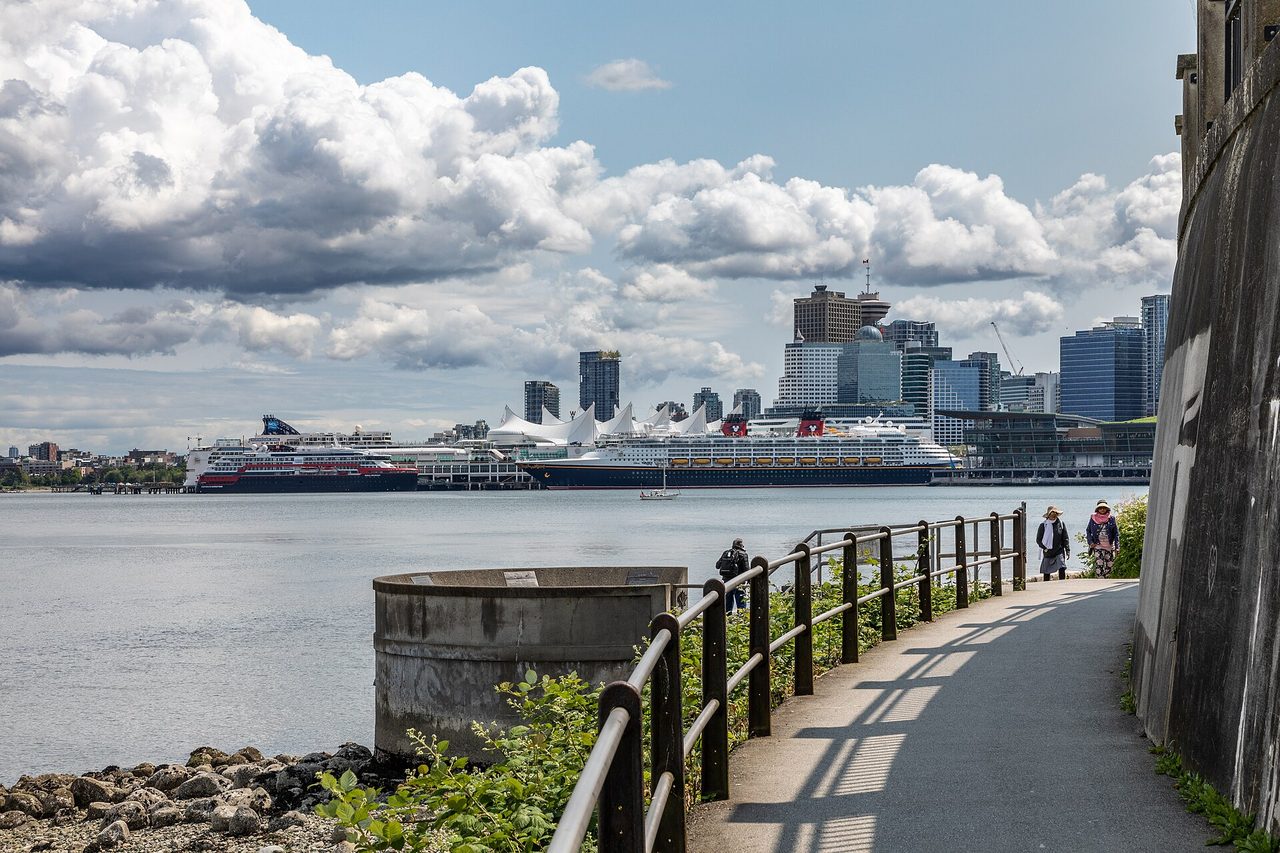
Vancouver is the city I recommend to every nervous first-time solo traveler. You can ride a bike around Stanley Park in the morning (I timed the full seawall loop at just under two hours with photo stops), eat world-class sushi downtown at lunch, and be on a mountain trail by afternoon — all on the SkyTrain, no car. The hostel scene is genuinely social, and group trips to places like the Capilano Suspension Bridge run constantly. See our 2-day Vancouver itinerary for the day-by-day version.
Tip 12: Montreal — Europe without the jet lag
Old Montreal’s cobblestones, the Notre-Dame Basilica, bagels that people have actual opinions about — Montreal feels like a different continent, and it’s gloriously walkable. The underground city (RÉSO) is a game-changer on cold days, and there’s a festival happening roughly every other weekend in summer, which means built-in social plans. French is the first language, but tourist-area English is fluent, so don’t let that stop you.

Tip 13: Victoria — the gentle option
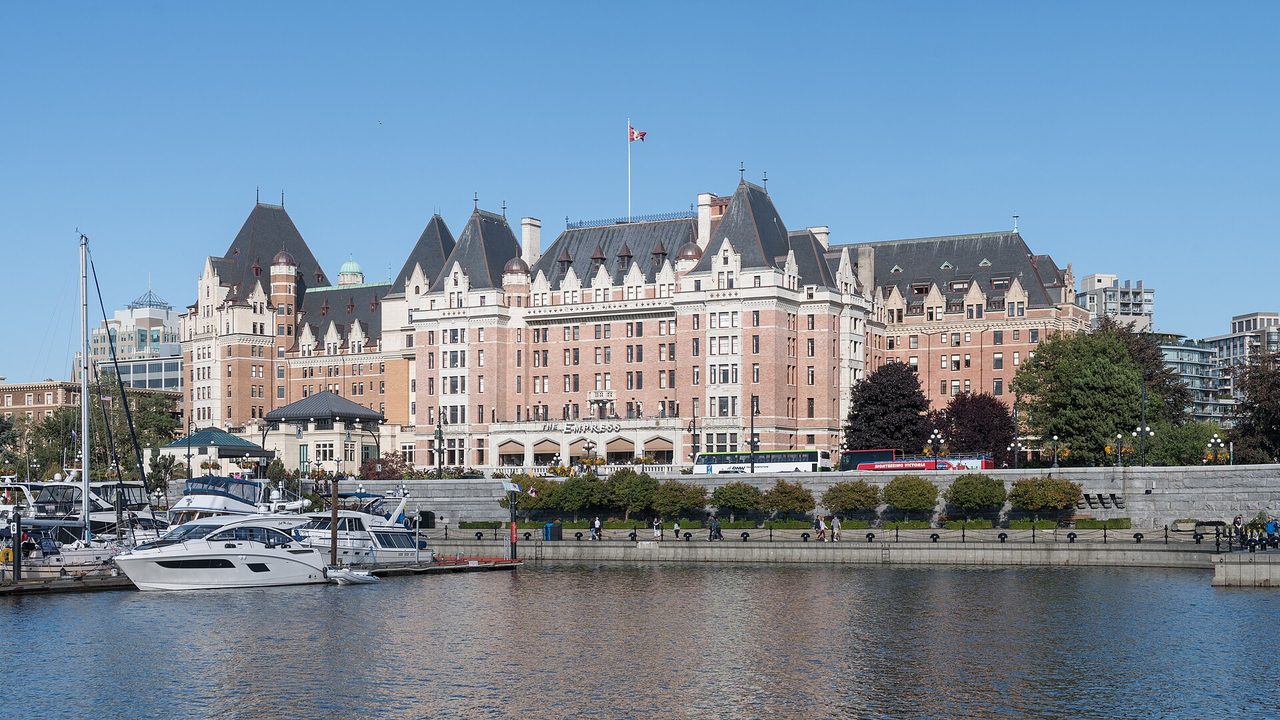
If big cities feel like too much, take the ferry to Victoria. It’s small, safe, walkable, and built for slow days: the Inner Harbour, afternoon tea at the Empress, Butchart Gardens, whale-watching tours where everyone chats because, well, whales. I spent a whole afternoon watching seaplanes land from a harbour bench and considered it a productive day. It’s also the perfect base for exploring Vancouver Island if you want the trip to slow down even further.
Tip 14: Halifax — where strangers talk to you
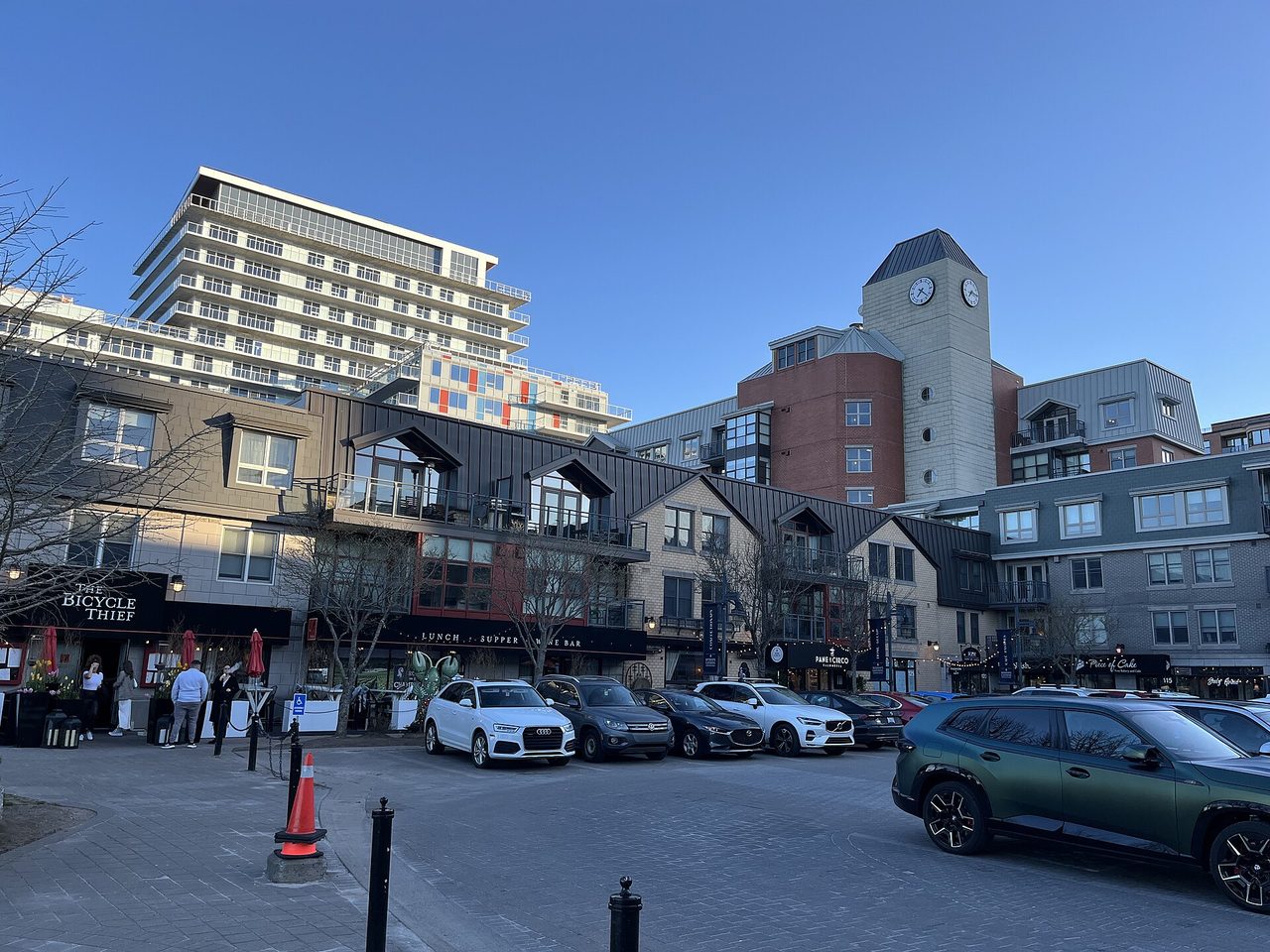
Halifax is the friendliest city on this list, and I don’t say that lightly. The waterfront boardwalk, Citadel Hill, live music in pubs nearly every night — and Maritimers will simply start conversations with you, which is a gift when you’re dining alone. It’s compact enough to cover on foot in a couple of days, the seafood is outstanding (lobster rolls for lunch, trust me on this one), and it’s the natural gateway to the rest of the East Coast.
Part 4: The solo budget — beating the single supplement
Traveling alone means no one to split the hotel bill, the rental car, or the appetizer platter. Here’s what a realistic 2026 daily budget looks like (estimates — Toronto and Vancouver run higher, the Atlantic provinces and Prairies lower):
| Item | Backpacker (~CAD/day) | Mid-range (~CAD/day) |
|---|---|---|
| Sleep (hostel bed/pod vs. private room) | ~$40–60 | ~$150–250 |
| Getting around (transit day pass) | ~$10–13 | ~$15–25 |
| Food (groceries/food halls vs. sit-down meals) | ~$30–50 | ~$70–100 |
| Attractions & tours | ~$0–30 | ~$30–60 |
| Daily total | ~$80–120 | ~$200–300 |
One-off to budget: the eTA ($7) and travel insurance (non-negotiable for solo travelers — get it).
Tip 15: Beat the single supplement with pods and kitchens
Hotels price for two, so don’t play their game. Modern hostels in Canada’s big cities now offer private “pods” — your own curtained bunk with a reading light and charging ports — at a fraction of a hotel room, plus common areas that are actually nice. Aparthotels and one-person short-term rentals with a kitchenette are the other cheat code: cooking even two meals a day saves a fortune. And staying one transit stop outside downtown usually cuts the nightly rate significantly — just confirm you’re near a SkyTrain or subway line first, or you’ll spend the savings on Ubers.
Tip 16: Sit at the bar
Eating alone gets easier the moment you stop waiting for a table and take the bar seat instead. It’s casual, the bartender will talk to you, and many top restaurants in Toronto and Montreal hold bar seats for walk-ins. Food halls are the other solo-dining superpower — St. Lawrence Market in Toronto, Time Out Market in Montreal — gourmet food, no reservation, excellent people-watching. I ate ramen alone at a Vancouver bar and the chef sent over an extra gyoza because, in his words, “solo diners look hungry.” I have never felt more seen. (Tipping is 15–20% at restaurants — see our Canada tipping guide so you’re not doing math at the table.)
Tip 17: Stack the freebies
Canada is generous if you know where to look: national and provincial parks have free-admission days, many museums run free or pay-what-you-can evenings, and the best things — waterfront boardwalks, historic neighborhoods, the Stanley Park seawall — cost nothing. Public libraries host free events and have excellent Wi-Fi for recharging (yourself and your phone). If this is your first trip, our first-time visitor tips cover the planning basics.
Part 5: Wilderness safety — non-negotiable when you’re alone
Tip 18: Wear your bear spray, don’t pack it
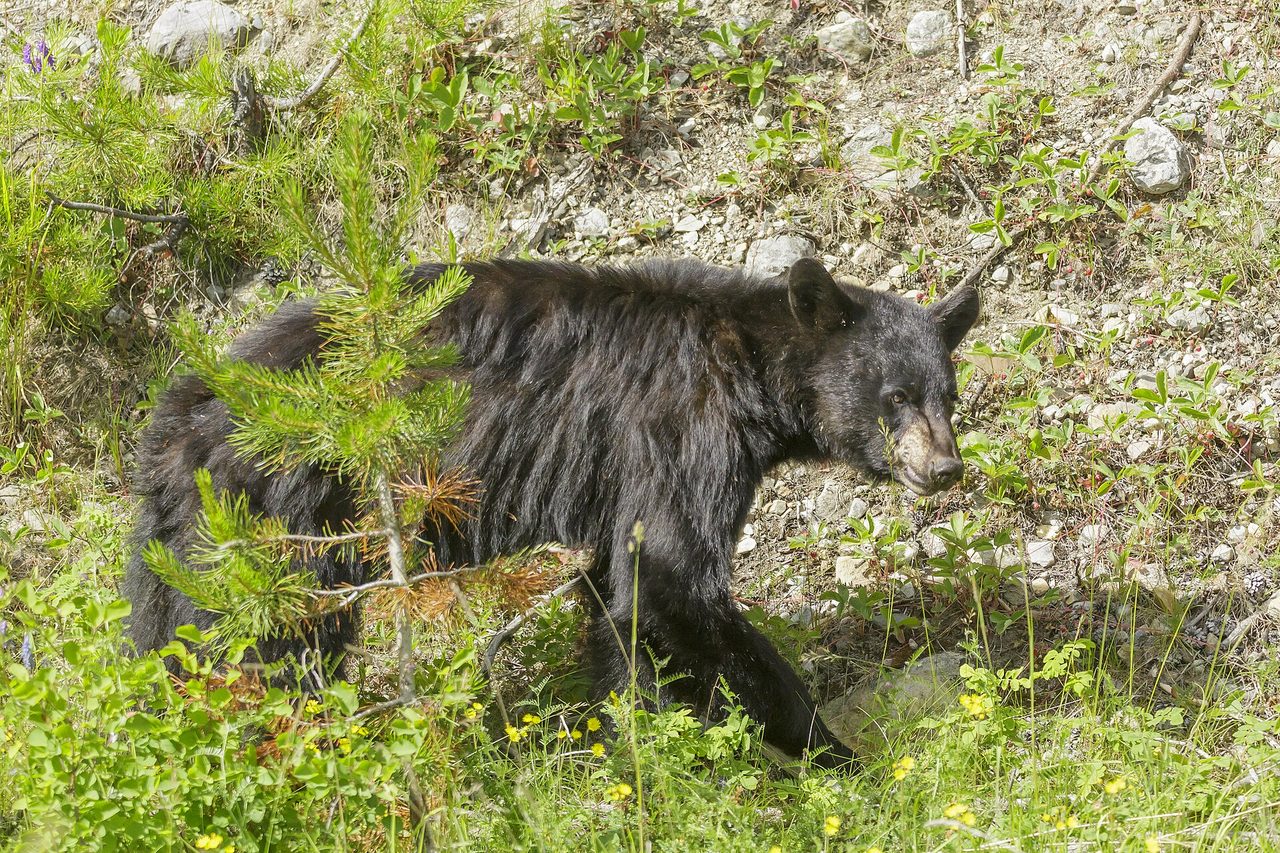
In bear country — the Rockies, much of BC and Alberta — Parks Canada recommends carrying bear spray on every trail, and the keyword is carrying: on your belt or pack strap, safety clip on, where your hand can find it in two seconds. Buried in your backpack it might as well be at home. I wore mine on my belt on the Plain of Six Glaciers trail feeling slightly ridiculous, until a ranger nodded approvingly at me at the trailhead. Worth every penny of the ~$50.
The protocol, straight from Parks Canada’s bear spray page (I double-checked before writing): make noise on the trail — talk, sing, clap, especially near streams and blind corners — because the best encounter is the one that never happens. If you see a bear, stay calm, don’t run, speak firmly, and back away slowly. The spray’s effective range is about 5 metres, and it’s deterred bears in over 90% of cases when used properly. Also: check the expiry date, keep the wind in mind, and never spray it on your gear “as repellent” — it attracts them.
Tip 19: File a trip plan with a human
Solo hikers don’t get the luxury of a buddy noticing they’re late. Before every hike, leave a written trip plan with someone — your hostel front desk, a friend back home, anyone: your route, your gear, and the exact time they should call for help if you haven’t checked in. In areas with no cell signal (much of the backcountry), a satellite messenger is the pro move for SOS and check-in texts. And stop at the ranger station before you start: rangers know which trails are busy, where wildlife was spotted this week, and which routes suit solo hikers. Pair this with our 2-day Banff itinerary if the Rockies are calling.
Part 6: Winter — do it on purpose
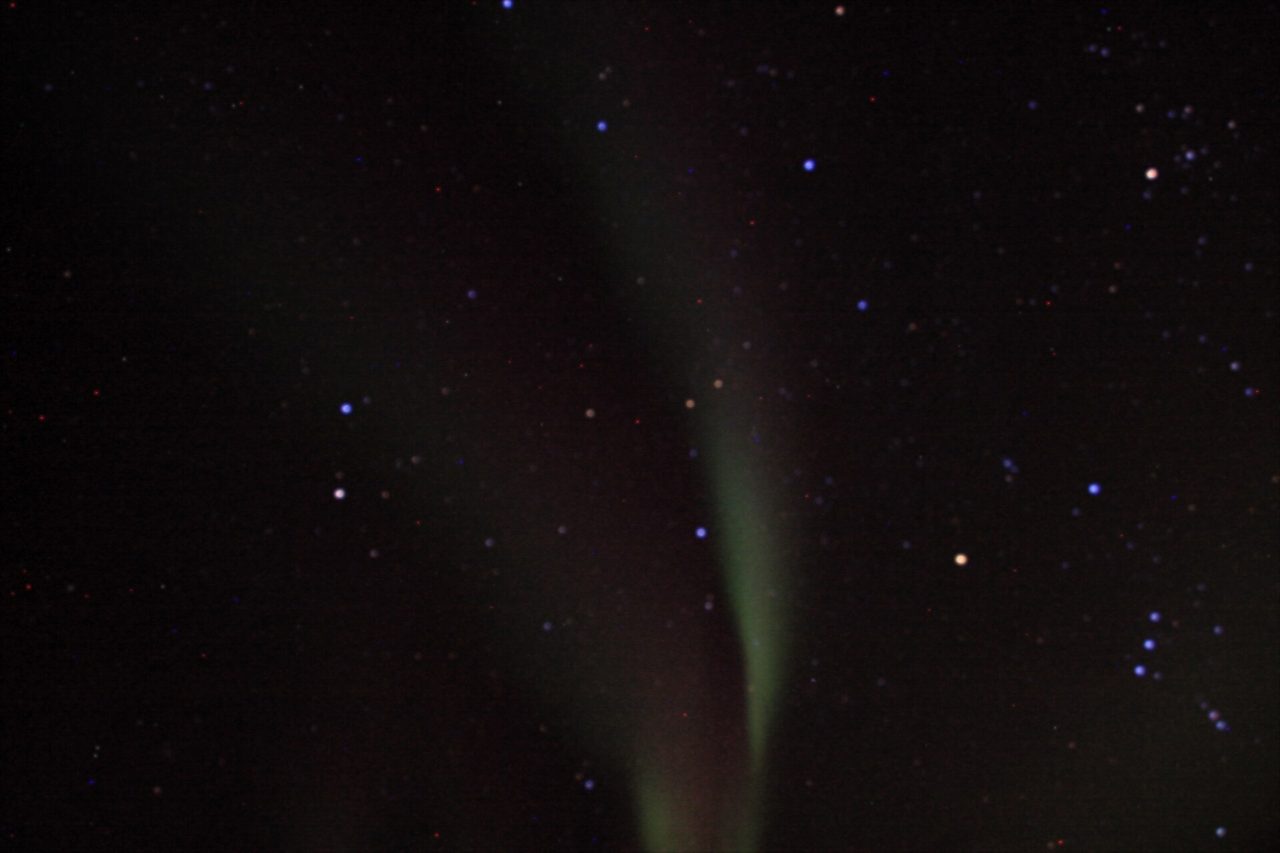
Tip 20: Treat winter as the main event, not the off-season
Canadian winter is a feature, not a bug — you just have to dress for it. The formula: thermal base layer, insulating mid-layer, windproof shell, plus a real parka and insulated boots below about -15°C. Cotton is the enemy (it stays wet and cold); wool and synthetics are your friends. Hand warmers and a thermos are small luxuries that punch way above their weight.
And here’s the thing — winter is secretly the most social season. Group aurora tours in Yellowknife, skating the Rideau Canal in Ottawa, the Quebec Winter Carnival and Ottawa’s Winterlude: all built for meeting people, all with fewer crowds than summer. Grab an eSIM (Airalo and similar providers let you set up a Canadian plan before you land) so you always have maps and weather alerts — winter plans change fast, and being connected is a safety tool, not a luxury. Embrace the cold like a local and you’ll go home with the best stories.
Canada was where I learned that traveling alone is a skill, not a fallback — and honestly, I think it’s the best way to meet this country. You’ve got this.
FAQs about solo travel in Canada
Is Canada safe for solo female travelers?
Yes — Canada is one of the safest destinations in the world for solo women. It ranked 14th on the 2026 Global Peace Index, carries the lowest-level (Level 1) US travel advisory, and was placed in the top “Elite” tier of a 2026 ranking of the safest destinations for solo female travelers. Standard city smarts still apply: stick to well-lit areas at night, use the late-night Request Stop transit programs, and keep 911 saved in your phone.
Do I need a visa or eTA to visit Canada?
It depends on your nationality. Travelers from visa-exempt countries (the UK, most of Europe, Australia, Japan, and others) need an Electronic Travel Authorization (eTA) to fly into Canada — CAD $7, usually approved within minutes, valid up to five years. Apply on the official Government of Canada website and avoid third-party copycat sites. US citizens need neither a visa nor an eTA. Everyone else should check whether a visitor visa is required well before booking.
How much does a solo trip to Canada cost?
Budget roughly ~$80–120 CAD per day backpacking (hostel bed or pod, transit, food halls and groceries) or ~$200–300 CAD per day mid-range (private room, sit-down meals, paid tours). Toronto and Vancouver are the priciest; the Atlantic provinces and Prairies are kinder to the wallet. Traveling solo means no splitting hotel bills, so hostel pods and aparthotels with kitchens are the best budget tools.
Do I need a car to travel solo in Canada?
Not for the cities — Toronto, Vancouver, and Montreal all have excellent transit, and a car in downtown means painful parking fees. You only need a rental for national parks and remote drives like the Icefields Parkway or the Cabot Trail, which public transit doesn’t reach. Between cities, VIA Rail, budget airlines, and long-distance buses cover the distances.
Is it safe to hike alone in Canada?
Yes, with the right precautions. Carry bear spray on your belt (not in your pack) in bear country, make noise on the trail, leave a written trip plan with someone including your expected return time, and check in at the ranger station before you start. Parks Canada recommends hiking in groups of four or more where possible — for solo hikers, busy trails, a satellite messenger, and conservative route choices are the way to go.
What’s the best city in Canada for a first-time solo traveler?
Vancouver — it combines an easy transit system, a social hostel scene, and nature you can reach without a car, all in a city that consistently ranks among the world’s most livable. Toronto is the best pick if you want maximum urban energy and food variety; Halifax is the friendliest; Victoria is the gentlest. Honestly, you can’t go wrong — pick the vibe that matches your mood.
Keep exploring
- 3 Days in Toronto Itinerary: 2026 Guide
- The Ultimate 2 Days in Vancouver Itinerary: 2026 Guide
- The Ultimate 2 Days in Banff Itinerary: 2026 Guide
- First Time in Canada: Essential Tips for 2026
- Canada Tipping Guide for Tourists: 2026 Etiquette Tips