
Last updated: October 3, 2026

The short answer
- The parks: Banff, Jasper, and Waterton Lakes are the headliners — you’ll need a Parks Canada pass (adult Discovery Pass $83.50, or $12.25/day), and Moraine Lake is shuttle-only in 2026 ($12.75 return, booked through Parks Canada).
- The drive: The ~230 km Icefields Parkway between Lake Louise and Jasper is the best road trip in Canada — allow a full day, gas up beforehand, and book the Columbia Icefield Adventure (from ~$126 adult) at least two weeks ahead.
- Beyond the mountains: Calgary (home of the Stampede, July 3–12, 2026), Edmonton, and the Drumheller Badlands with the $25 Royal Tyrrell Museum round out the province — budget ~$340–550 CAD per person per day for a comfortable mid-range trip.
I’ll be honest: my first trip to Alberta nearly broke my spreadsheet. The province is enormous — Banff to the Badlands is half a day of driving, the national parks run on shuttle reservations now, and “quick stop at Moraine Lake” is a phrase that no longer exists in 2026. But here’s the thing — with the reservations sorted before you fly, Alberta is the easiest big trip in Canada to plan. I’ve done it twice now (once in high summer, once in larch season), I timed everything, and this guide is the plan I wish someone had handed me. Prices and hours below were checked in October 2026 — and for anything with a booking window, I tell you exactly where to confirm before you go.
Getting to Alberta: Calgary vs Edmonton
Most visitors fly into one of two airports, and the right one depends on where your heart is:
- Calgary (YYC) — the gateway to Banff and the southern Rockies. You can be at the Banff park gates about 90 minutes after landing. If this is your first mountain trip, fly here.
- Edmonton (YEG) — the smarter pick for Jasper and the north. Slightly less convenient for Banff, but closer to Elk Island and the aurora country.
You need a car. There are shuttles between the main towns, but chasing a sunrise at Peyto Lake or reaching a trailhead at 6 AM does not happen on a bus schedule. Book your rental six months out for summer — I timed it, and July prices climb fast. Pro tip: confirm unlimited kilometres, because Alberta is much bigger than it looks on a map.
Park passes and fees (2026)
Every adult entering Banff, Jasper, Yoho, or Kootenay needs a Parks Canada pass, and the math is worth doing before you reach the gate:
- Daily: $12.25/adult, $24.50/family (valid until 4:00 PM the next day — so a late-afternoon arrival plus the next full day costs one day)
- Discovery Pass (annual): $83.50/adult, $167.50/family — pays for itself at about 7 days of park time
- Youth 17 and under: free
I bought daily passes for a weeklong trip once, did the sweaty arithmetic in the Banff parking lot, and bought the annual pass instead. Do not be me — do the math at home. Fair warning: the pass covers entry only, not shuttles, gondolas, or parking. And if you’re heading to Kananaskis Country, that needs its own separate provincial conservation pass. Also worth knowing: the Canada Strong Pass gave free national park admission from June 19 to September 7, 2026 (with ~25% off camping) — a similar program may or may not return for 2027, so check before you bank on it. → Parks Canada — Banff National Park (official)
Banff and Lake Louise: the greatest hits

Banff is the oldest national park in Canada and still the main event. The town itself is lovely (the Fairmont Banff Springs is worth a walk-through even if you’re not staying there), but the lakes are why you came.
Lake Louise: get to the lakeshore before 7:00 AM or after 6:00 PM if you want the famous view without a thousand strangers in it. The Plain of Six Glaciers trail to the historic tea house is the classic half-day hike — and I’ll be honest, the tea house line at noon is longer than some airport security lines I’ve stood in. Go early.
Moraine Lake: private cars are banned on Moraine Lake Road, full stop. You go by shuttle or you don’t go. Here’s the system for 2026, which I double-checked on Parks Canada’s reservation page before my trip: the Parks Canada shuttle runs from the Lake Louise Park & Ride, costs $12.75/adult return (plus a $3.50 booking fee, plus your park pass), and the season runs roughly June 1 to October 12. Reservations opened April 15, 2026 — 40% of seats released for the whole season, and the rest on a rolling basis at 8:00 AM MDT, two days before departure. I showed up at the Park & Ride without a reservation once, in July. Never again. There are also 4:00 AM and 5:00 AM “Alpine Start” shuttles for sunrise photographers — worth every penny if that’s your thing.
Banff Gondola: up Sulphur Mountain for six mountain ranges of view. It runs dynamic pricing, so summer adult tickets start around ~$75 and climb past $90 on peak days — book ahead online. I rode it at sunset and the light on the Bow Valley genuinely shut me up for ten minutes. That does not happen often.
For trip-planning tools and the official “know before you go” pages, bookmark → Banff & Lake Louise Tourism (official). Spending a couple of days here? See our 2-day Banff itinerary.
Jasper: the wild north
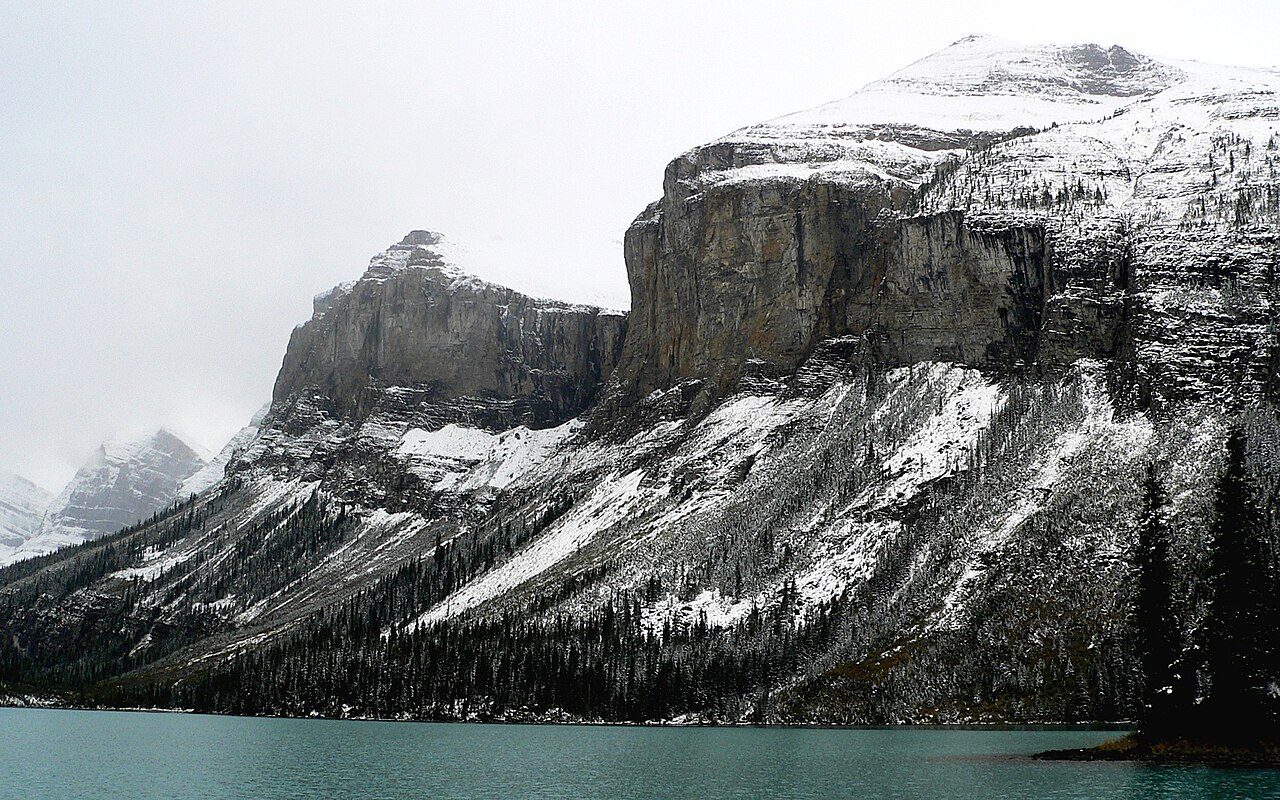
Jasper is Banff’s quieter, wilder sibling — and a designated Dark Sky Preserve, which makes it one of the best places on Earth to see the stars (and, on lucky winter nights, the northern lights). Maligne Lake is the headline: take the boat cruise out to Spirit Island for the most photographed view in the Canadian Rockies. The Jasper SkyTram climbs Whistlers Mountain for views all the way to Mount Robson — adult tickets run around ~$82 including taxes, and the ride itself is only 7 minutes, so plan time at the top.
One honest note: Jasper is still recovering from the July 2024 wildfire. The town is open and welcoming visitors — a front-desk clerk in Jasper told me locals are genuinely grateful to see travelers back — but check Parks Canada’s current trail and facility conditions before you plan hikes, because some areas are still in recovery. I checked before my trip, and you should too. See our 2-day Jasper itinerary for a detailed plan.
Driving the Icefields Parkway: the best road in Canada
Highway 93 North — the Icefields Parkway — runs ~230 km from Lake Louise to Jasper through the spine of the Rockies, past 100+ glaciers. You could drive it in three hours. Do not. I’ve driven it three times now, and I still stop at nearly every pullout (including the time it snowed in July and I had Bow Lake entirely to myself).
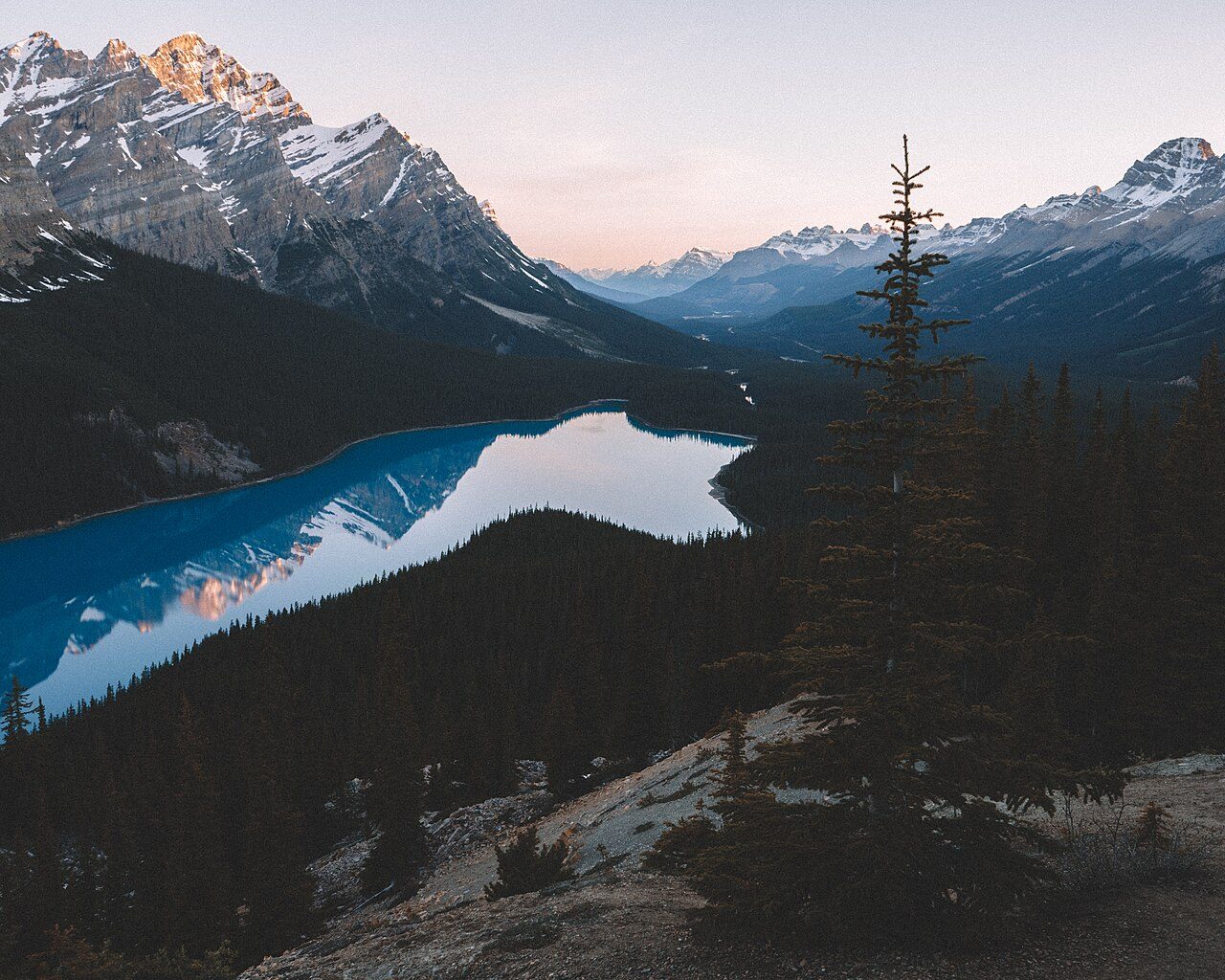
The must-stops: Bow Lake (go at dawn for the Crowfoot Glacier reflection), Peyto Lake from the Bow Summit viewpoint (yes, it really looks like a wolf’s head), Mistaya Canyon’s swirling rock, and the big one — the Columbia Icefield.

The Columbia Icefield Adventure takes you onto the Athabasca Glacier in a massive Ice Explorer vehicle, then to the glass-floored Skywalk hanging 280 metres above the Sunwapta Valley. Tickets are dynamic — book at least two weeks ahead and adult admission starts around ~$126 (it climbs closer to the date). Trust me on this one: the glacier is retreating fast enough that guides point out where the ice used to reach. Go see it.
Parkway logistics: there is exactly one gas station between Lake Louise and Jasper (Saskatchewan River Crossing, and it’s pricey), so fill up before you leave. Cell service is essentially nonexistent — download offline maps. And keep your eyes up: it’s not unusual to spot bears, elk, or bighorn sheep right by the road. The full drive deserves its own guide — see our Banff–Jasper road trip itinerary.
When to go: Alberta’s seasons
Here’s the thing about Alberta weather — it has opinions. Pick your season by what you want to do:
- Summer (July–August): the famous one. Glacial lakes at peak turquoise, 20–25°C days, wildflower meadows. Also: peak crowds, peak prices, and the Calgary Stampede (July 3–12, 2026). Book everything months ahead.
- Fall (September–October): my personal favorite. The larch trees turn gold against grey limestone, the crowds evaporate, and parking at trailheads becomes civilized again. Nights drop below freezing — bring the warm layer.
- Winter (November–April): Banff’s “Big 3” ski resorts (Sunshine, Lake Louise, Norquay) have some of the longest seasons in North America. Non-skiers: skate on frozen Lake Louise, try dog sledding, and watch for auroras in Jasper. January hits -20°C regularly. Dress like you mean it.
- Spring (May–June): the shoulder. Valleys turn green and bears wake up (great wildlife season), but high trails stay snowed in until late June. This is Drumheller season — the Badlands are perfect while the mountains thaw.
Calgary: cowboy roots, glass towers

Calgary has outgrown its “Cowtown” nickname without losing it — the skyline is all glass towers (the curved Bow Tower is the icon), and the food scene is genuinely excellent. If you’re here in early July, the Calgary Stampede (July 3–12, 2026) takes over the entire city: 10 days of rodeo, concerts, midway rides, and free pancake breakfasts on what feels like every corner. → Travel Alberta — must-do Stampede experiences
I once booked my Stampede hotel in June and paid double. Book in winter — trust me on this one. The East Village is the neighborhood for breweries and the riverfront; the Calgary Tower gives you the 360° view with the Rockies on the horizon. And since you’re ~90 minutes from Banff, plenty of people base here for the first night. See our 3-day Calgary itinerary.
Edmonton: festivals and the river valley
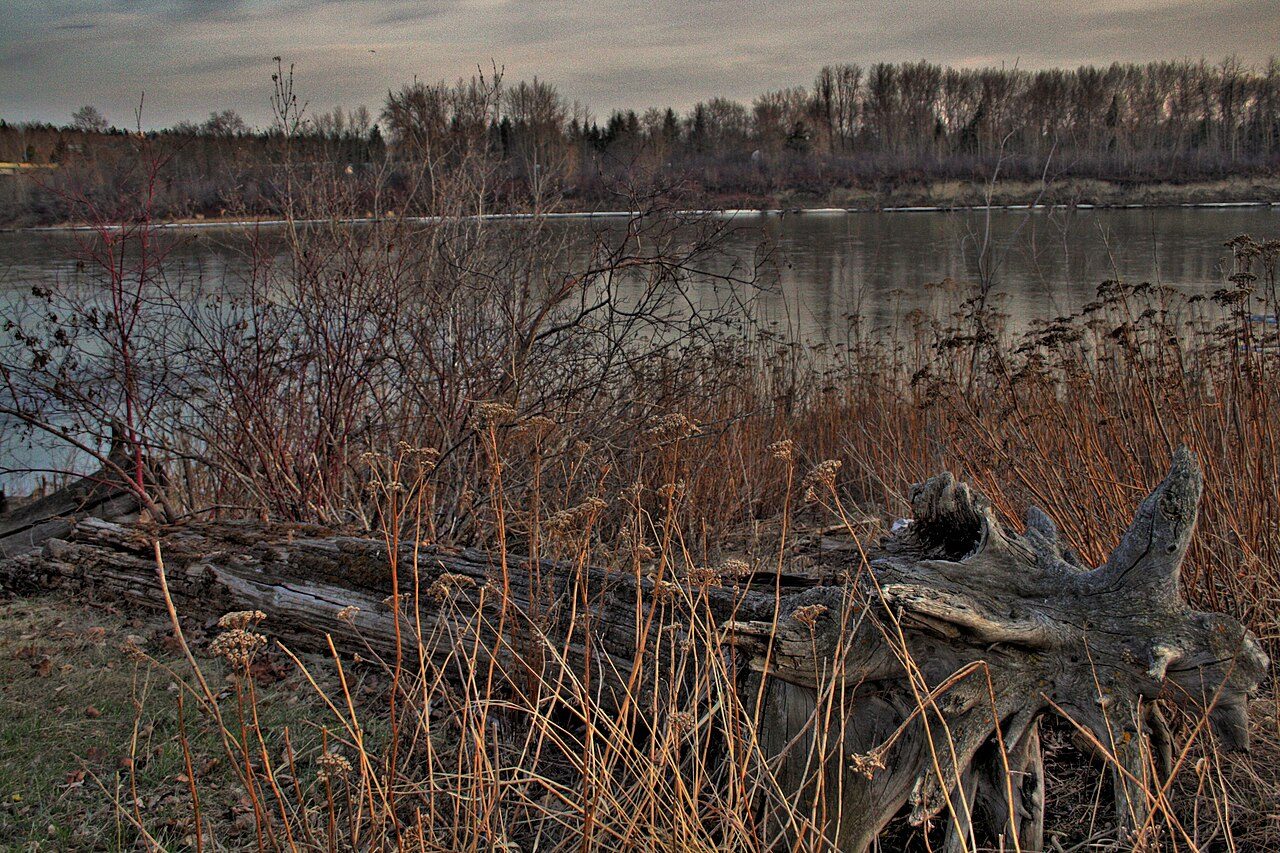
Edmonton calls itself Canada’s Festival City, and in summer it earns it — there’s genuinely something on most weekends. The North Saskatchewan River Valley is the city’s green lung, with ~160 km of trails for biking and walking right through downtown. Old Strathcona has the historic buildings, the farmers’ market, and the local-feel restaurants; West Edmonton Mall still draws the waterpark-and-shopping crowd.
I’ll be honest: Edmonton is the underdog of this guide, and underdogs deserve a day. It’s also your gateway to Jasper and the northern lights country. See our 2-day Edmonton itinerary.
The Drumheller Badlands: dinosaur country

Two hours east of Calgary, the mountains vanish and the striped coulees of the Red Deer River Valley take over. This is one of the richest dinosaur fossil beds on Earth. The Royal Tyrrell Museum is world-class — adult admission is $25 (family $55), and you could easily spend half a day among the skeletons, including specimens pulled from the hills you’re standing on. Then drive out to the Hoodoos, those tall thin rock spires that make you feel like you’ve landed on another planet.
Pro tip: go in spring or fall. Summer in the Badlands is genuinely hot, and there’s very little shade. Pair it with a Calgary stay — it’s an easy day trip, and the drive east across the prairie sky is its own experience.
Waterton Lakes: where the prairie meets the peaks
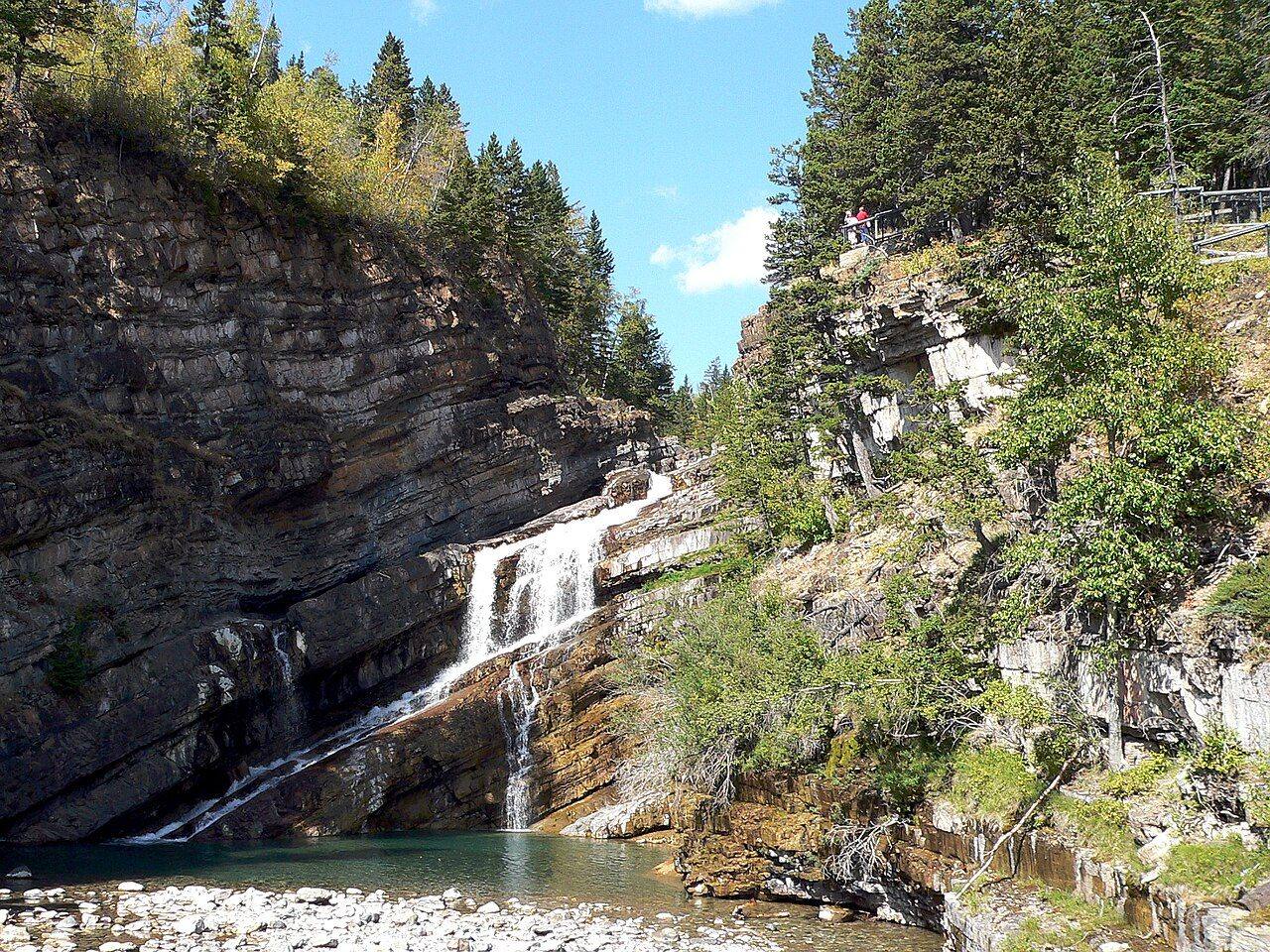
Tucked into Alberta’s southwest corner, Waterton is the park most international visitors skip — and the one locals love hardest. The prairie just… stops, and the mountains start. It’s famously windy (fair warning: hold onto your hat at the townsite), but Cameron Falls is a five-minute walk from town, the Red Rock Canyon drive is gorgeous, and experienced hikers swear by the Crypt Lake trail — boat ride in, scramble through a natural tunnel, ladder up a cliff. It consistently ranks among Canada’s best day hikes.
Waterton is also a Dark Sky Preserve and pairs beautifully with a southern Alberta loop: Drumheller one day, Writing-on-Stone Provincial Park’s Indigenous rock art the next (a UNESCO World Heritage Site since 2019), Waterton after that. → Travel Alberta — official trip planning
How much does Alberta cost in 2026?
Sample budget per person, per day (prices checked October 2026; items marked ~ are estimates):
| Item | Budget | Mid-range | Comfortable |
|---|---|---|---|
| Accommodation | Camping/hostel ~$40–80 | Hotel/B&B ~$180–300 | Resort ~$350–600+ |
| Food & drinks | Self-catered ~$40–60 | Casual dining ~$70–100 | Restaurants ~$130–180+ |
| Rental car + gas (split) | ~$40–60 | ~$60–90 | ~$90–130 |
| Attractions & park fees | ~$15–25 | ~$30–60 | ~$60–120 |
| Daily total | ~$135–225 | ~$340–550 | ~$630–1,030+ |
Money-saving moves that actually work: stay in Canmore or Hinton instead of inside the parks (same mountains, lower rates), hit a grocery store for trail lunches, and remember the daily park pass is valid until 4 PM the next day — time your arrivals to stretch it.
A sample 7-day Alberta route
| Days | Base | Highlights |
|---|---|---|
| 1–3 | Banff | Banff town & gondola, Lake Louise (dawn), Moraine Lake (shuttle) |
| 4 | Icefields Parkway | Full-day drive to Jasper: Peyto Lake, Mistaya Canyon, Columbia Icefield |
| 5–6 | Jasper | Maligne Lake cruise, SkyTram, dark-sky stargazing |
| 7 | Calgary | Drive back via the Parkway, Stampede in July, fly home from YYC |
Got two weeks? Add the Badlands (2 days from Calgary) and Waterton (2 days) to the south, or slow the whole thing down — Alberta rewards slow.
FAQs about traveling to Alberta
Should I fly into Calgary or Edmonton?
Calgary (YYC) for Banff and the southern Rockies — you’re at the park gates in about 90 minutes. Edmonton (YEG) for Jasper and the north. First-timers doing the classic Banff–Jasper loop should fly into Calgary and out of Calgary (or into one and out of the other if you can swing the one-way rental).
Do I need a Parks Canada pass, and how much is it in 2026?
Yes — every adult entering Banff, Jasper, Yoho, or Kootenay needs one. In 2026, daily admission is $12.25/adult ($24.50/family), and the annual Discovery Pass is $83.50/adult ($167.50/family). Youth 17 and under are free. The annual pass breaks even at about 7 days of park time, and a daily pass is valid until 4:00 PM the following day. The pass covers entry only — shuttles, gondolas, and tours are extra.
How do I get to Moraine Lake in 2026?
Only by shuttle — private vehicles are banned on Moraine Lake Road. Book the Parks Canada shuttle from the Lake Louise Park & Ride ($12.75/adult return, plus booking fee and your park pass). Reservations opened April 15, 2026, with 40% of seats released for the season and the rest rolling out at 8:00 AM MDT two days before departure; peak summer dates sell out fast. The shuttle season runs roughly June 1 to October 12.
How many days do I need for Alberta?
Seven days covers the classic loop: 3 in Banff (including Lake Louise and Moraine Lake), 1 on the Icefields Parkway, 2 in Jasper, and 1 in Calgary. With 10–14 days, add the Drumheller Badlands and Waterton Lakes in the south. Any less than 5 days and you’re choosing between Banff and Jasper — pick Banff for a first trip.
When is the best time to visit Alberta?
July and August for peak everything (turquoise lakes, warmest weather, biggest crowds, highest prices). September for golden larches and thinner crowds — my personal pick. December through March for skiing and winter scenery. May–June for wildlife and the Badlands, with the caveat that high mountain trails stay snowy until late June.
Is Jasper open in 2026 after the 2024 wildfire?
Yes — Jasper is open and welcoming visitors, with the townsite, Maligne Lake, the SkyTram, and the Icefields Parkway all operating. Some trails and facilities are still in recovery from the July 2024 wildfire, so check Parks Canada’s current conditions for Jasper before finalizing hike plans. Visiting now genuinely helps the community’s recovery.
2 comments