
Last updated: October 3, 2026
The short answer
- Time it by region: Golden larches peak in the Rockies mid-September to early October, Algonquin and the Laurentians flame late September to early October, and Cape Breton’s Cabot Trail holds the latest and longest show, roughly October 10–23.
- My two can’t-miss spots: Algonquin’s Highway 60 corridor for Canada’s best red-maple drive (daily vehicle permit $21), and the 298 km Cabot Trail, which pairs peak colour with the Celtic Colours festival (October 9–17, 2026).
- The planning rule that matters: Peak lasts only 7–10 days per spot, so check the Ontario Parks Fall Colour Report and Bonjour Québec’s foliage map the week you go — and book Algonquin day-use permits up to 5 days ahead.
I’ll be honest: I planned my first-ever fall foliage trip entirely around vibes — “late September feels right, doesn’t it?” — and ended up staring at a forest of green in the Laurentians while the maples three hours north were already on fire. Fair warning: fall colours in Canada don’t wait for anyone, and “a few hours” here means a different province, practically a different season. So this year I did what I always do when I’ve been burned: I built a spreadsheet. Region by region, tree by tree, with the actual 2026 peak windows, the current permit prices, and the lessons I learned standing in parking lots at the wrong time.
Here’s the thing — Canada doesn’t have one fall. It has about six of them, and they happen at different times from September to late October. This guide is my color-coded plan for catching the best of them.
When peak foliage hits: Canada’s fall-colour timing, region by region
Latitude, elevation, and tree species decide everything. Northern and high-elevation areas turn first; the coast and the south hold on longest. And in 2026, there’s a new variable: a record “super” El Niño is expected to push Ontario’s peak a touch later than usual — I read the Canadian Press piece quoting Environment Canada’s David Phillips on exactly that — though Algonquin’s maples were already blazing by late September, with the province’s golden encore (the birches and poplars) running right behind.
Here’s my planning table, built from the official trackers and this season’s reports:
| Region | Typical peak window | What you’ll see |
|---|---|---|
| Algonquin Park, ON | Late Sept – early Oct | Fiery red sugar maples, then the “golden encore” of birch and aspen |
| Muskoka, ON | Late Sept – mid-Oct | Maple-and-oak reds reflected in lake country |
| Mont-Tremblant & Laurentians, QC | Late Sept – early Oct | Sugar maple reds, yellow birch, beech |
| Charlevoix & Quebec City, QC | Early – mid-Oct | Birch and aspen gold above the St. Lawrence |
| Eastern Townships, QC | Mid – late Oct | One of the latest shows in Quebec: maples, red oak, covered bridges |
| Gatineau Park, QC | Early – mid-Oct | Hardwood hills 15 minutes from Parliament Hill |
| Golden larches, Banff | Mid-Sept – early Oct | Subalpine larches turning electric gold |
| Cabot Trail, NS | Oct 10 – 23 | Red maple, golden birch, ocean-side cliff views |
Pro tip that saved my trip this year: check the two official trackers a few days before you leave — the Ontario Parks Fall Colour Report and Bonjour Québec’s foliage map. I re-routed an entire long weekend after the tracker showed the Laurentians ahead of schedule, and it was the single best travel decision I’ve made all year.
Ontario: the maple belt, and the corridor that owns autumn
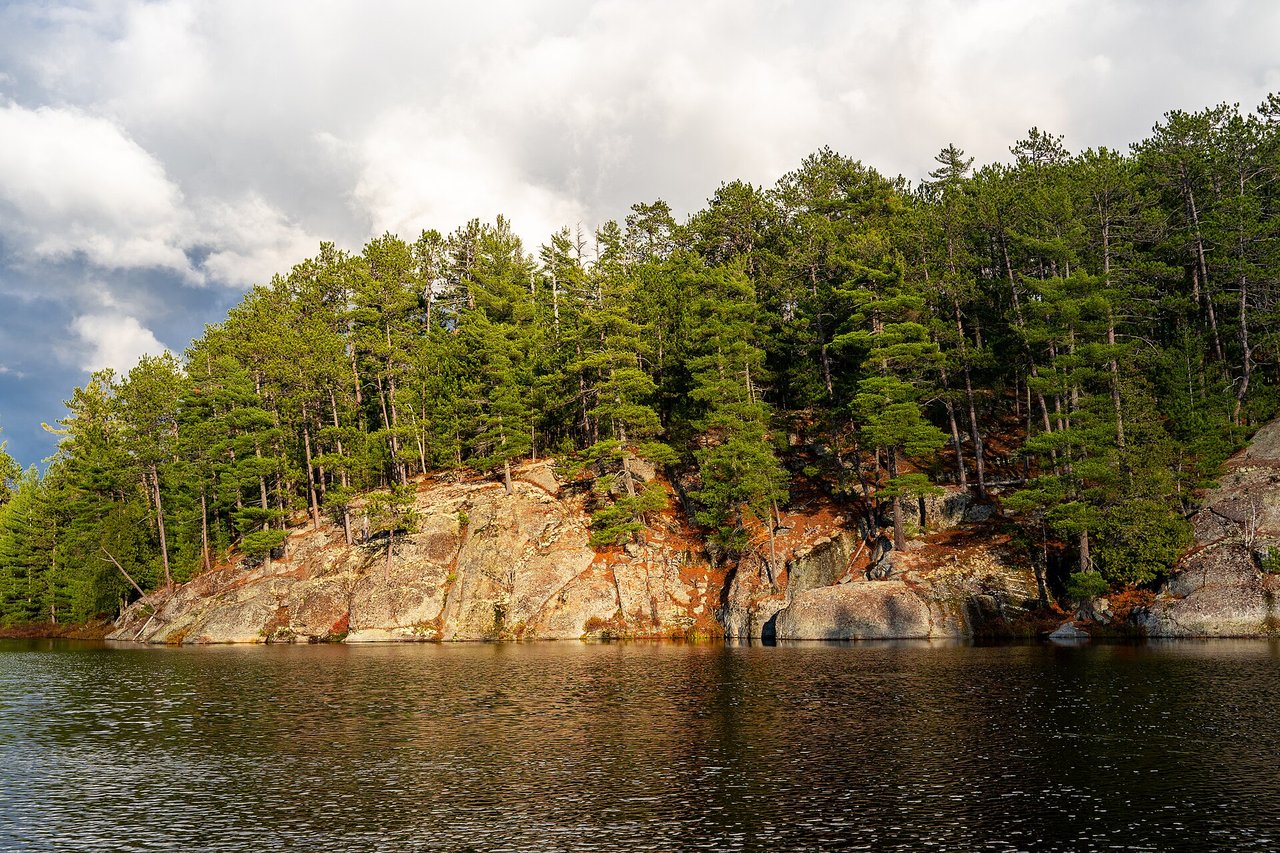
If you only do one fall drive in Canada, make it the Highway 60 corridor through Algonquin Provincial Park. I know that sounds like brochure talk, but I’ve driven it four times now, and the section where the maples close over the road still makes me say “oh wow” out loud like it’s my first time.
The western side of the corridor is sugar-maple territory (the deep reds), the east side runs to poplar and birch (the golds) — which means the park practically extends its own season. I timed it: the reds peaked the last week of September, and a week later the Golden Encore was running without me having to change a single plan. Trust me on this one — two trips in one.
How to actually do it:
- Arrive early, weekday if possible. The Lookout Trail parking fills by 9 AM on peak weekends — I learned that one the sweaty way, circling the lot with everyone else.
- Buy your day-use permit ahead. A daily vehicle permit along Highway 60 is $21.00 (2026 rate, HST included), and Ontario Parks lets you book day-use permits up to five days in advance — do it, because fall weekends sell out.
- Best trails: the Lookout Trail (2 km, the panorama) and Centennial Ridges (10 km loop, the best long hike view in the park). Both had me stopping every five minutes for photos. Every. Five. Minutes.
→ Pair this with our fall Montreal guide if you’re crossing into Quebec.
Muskoka, just south — for the softer, lake-reflection version of fall. I took a steamship cruise out of Gravenhurst and spent the whole ride convinced the water was showing me colours the trees weren’t. Gravenhurst and Bracebridge lean into the season with harvest festivals, and the Discover Muskoka fall colour report posts park-by-park updates through October. It’s the romantic-weekend answer to Algonquin’s hiking trip.
Agawa Canyon, far north — for the wilderness answer. The Agawa Canyon Tour Train out of Sault Ste. Marie runs 114 miles into canyon country, and in early October the birches turn the whole gorge gold. It’s a full-day ride (and worth every penny), through country you can’t reach any other way.
Quebec: European towns, mountain gondolas, and the latest colours in the province
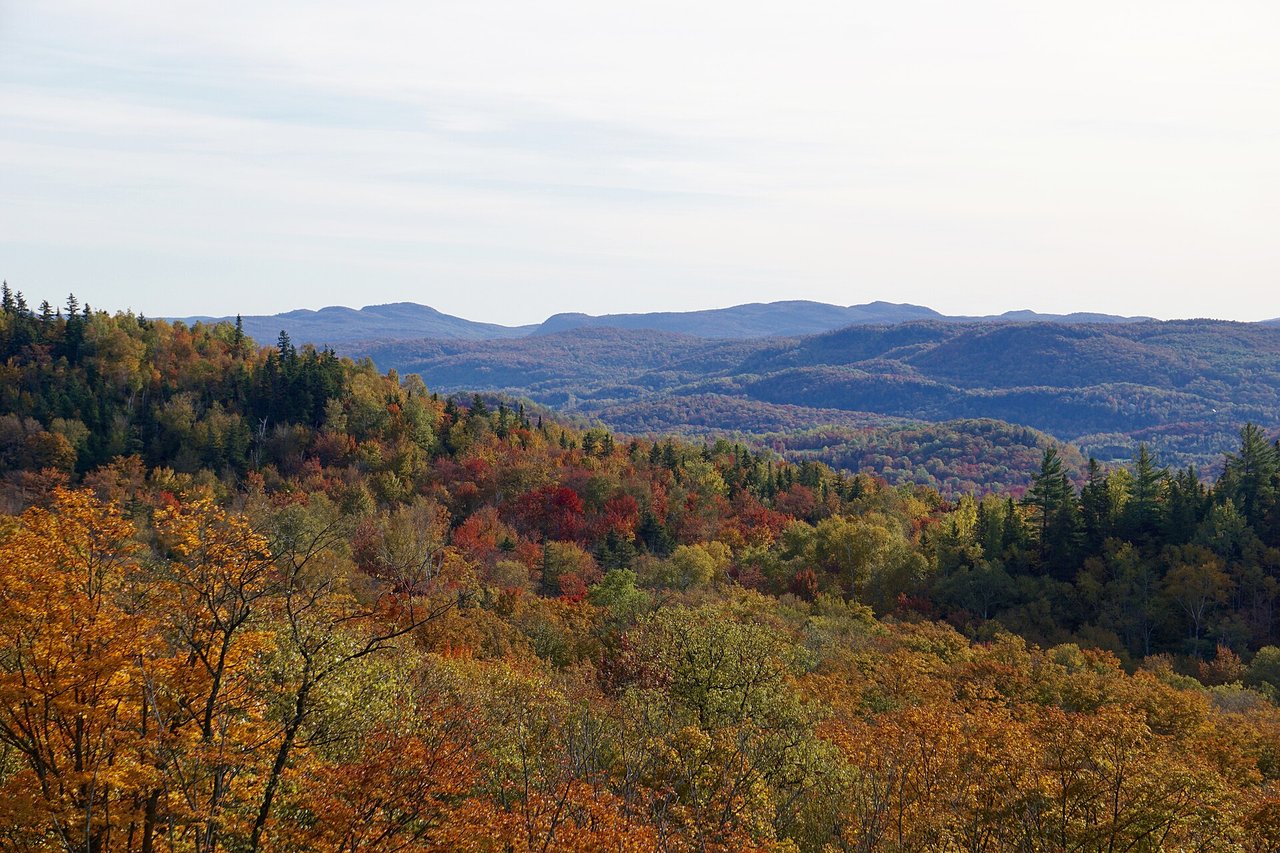
Here’s my confession: I used to think Quebec fall colours were just “the Laurentians, done.” Then I actually drove the province in October and realized it’s an entire season that moves — week by week, south and east — for nearly a month.
Mont-Tremblant and the Laurentians turn first, late September to early October. I rode the resort gondola up through the colour at 9 AM on a Tuesday and had the summit deck practically to myself — versus the Saturday crowds I’d fought in Algonquin the year before. Pro tip: midweek is a game-changer in the Laurentians.
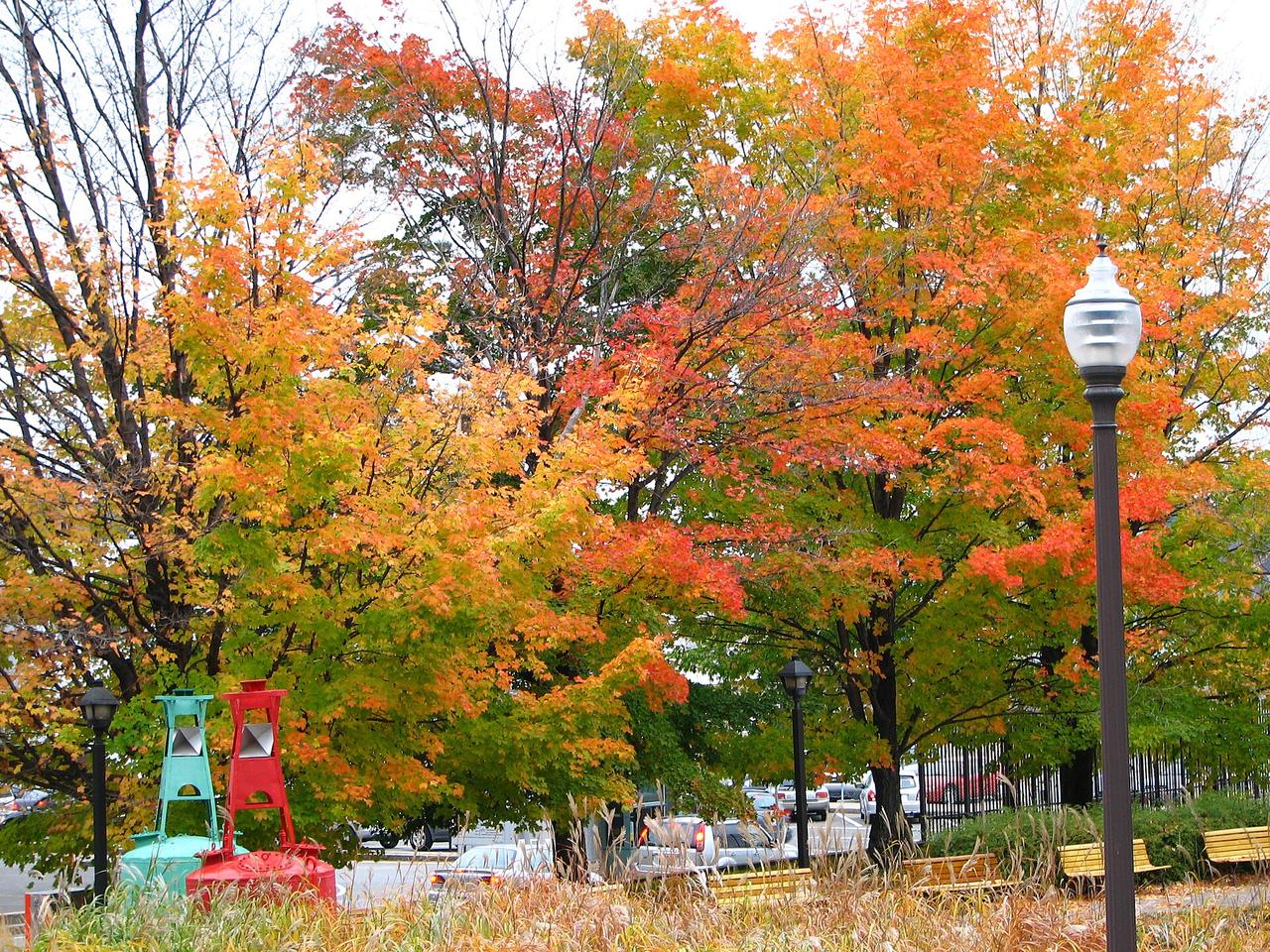
Quebec City and Charlevoix run early to mid-October. Old Quebec in fall is one of those combinations that feels staged — stone ramparts, maple reds, the St. Lawrence glittering below. Then drive Route 362 into Charlevoix, where the mountains drop straight into the sea. I double-checked the hours on the official tourism pages before I went, because October is shoulder season and things close — and fair warning, many small-town restaurants in Charlevoix wrap up by mid-October.
Eastern Townships and Gatineau are the late-season safety net. If you’re chasing colour in mid-to-late October and everyone else has gone bare, the Townships (maples, red oak, actual covered bridges) and Gatineau Park — a 15-minute drive from Parliament Hill — are still going. When I miss a region’s peak, I don’t despair; I pivot. Spreadsheet saved, trip saved.
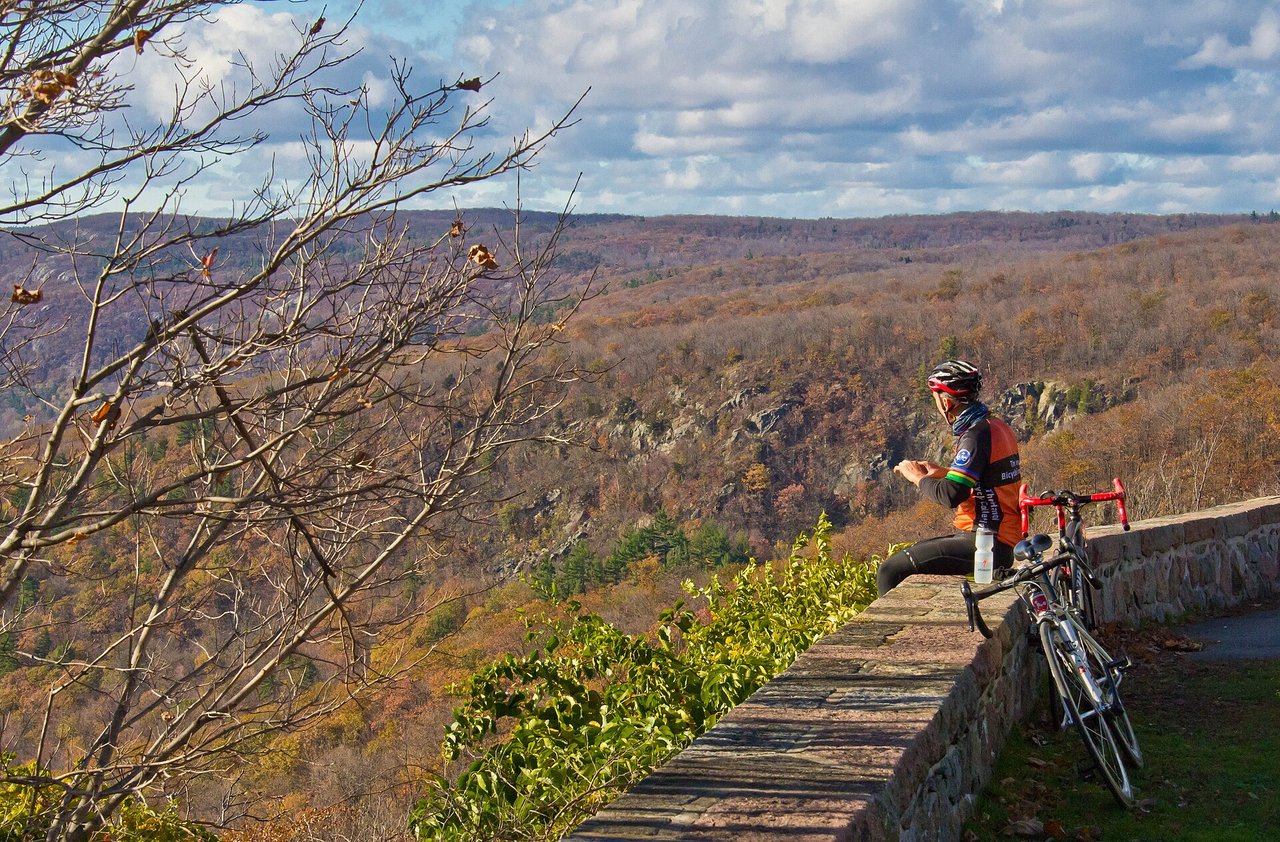
→ See our full Quebec road trip itinerary to stitch these regions into one drive, or read the fall Montreal guide for the city side of the season.
Atlantic Canada: the Cabot Trail, and the best two weeks of the season
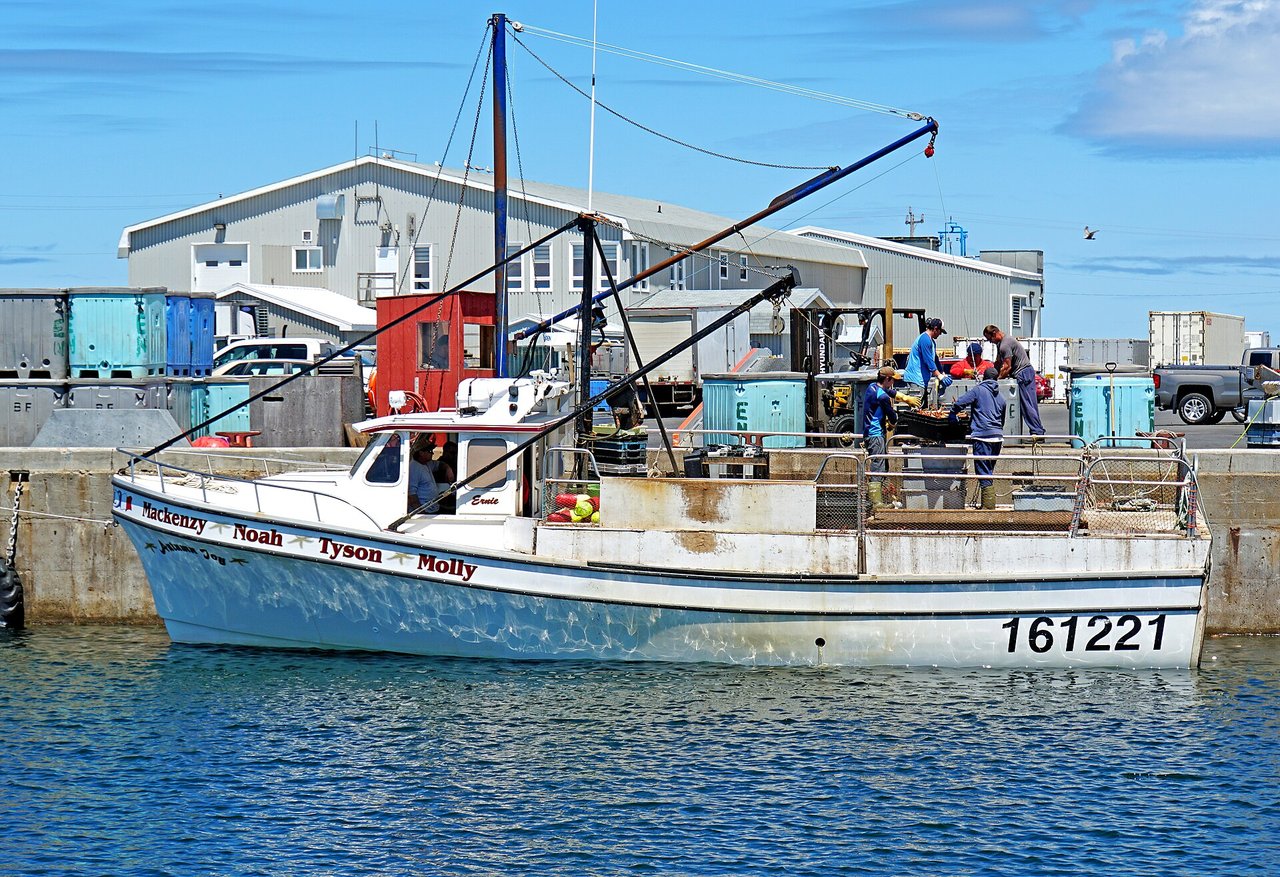
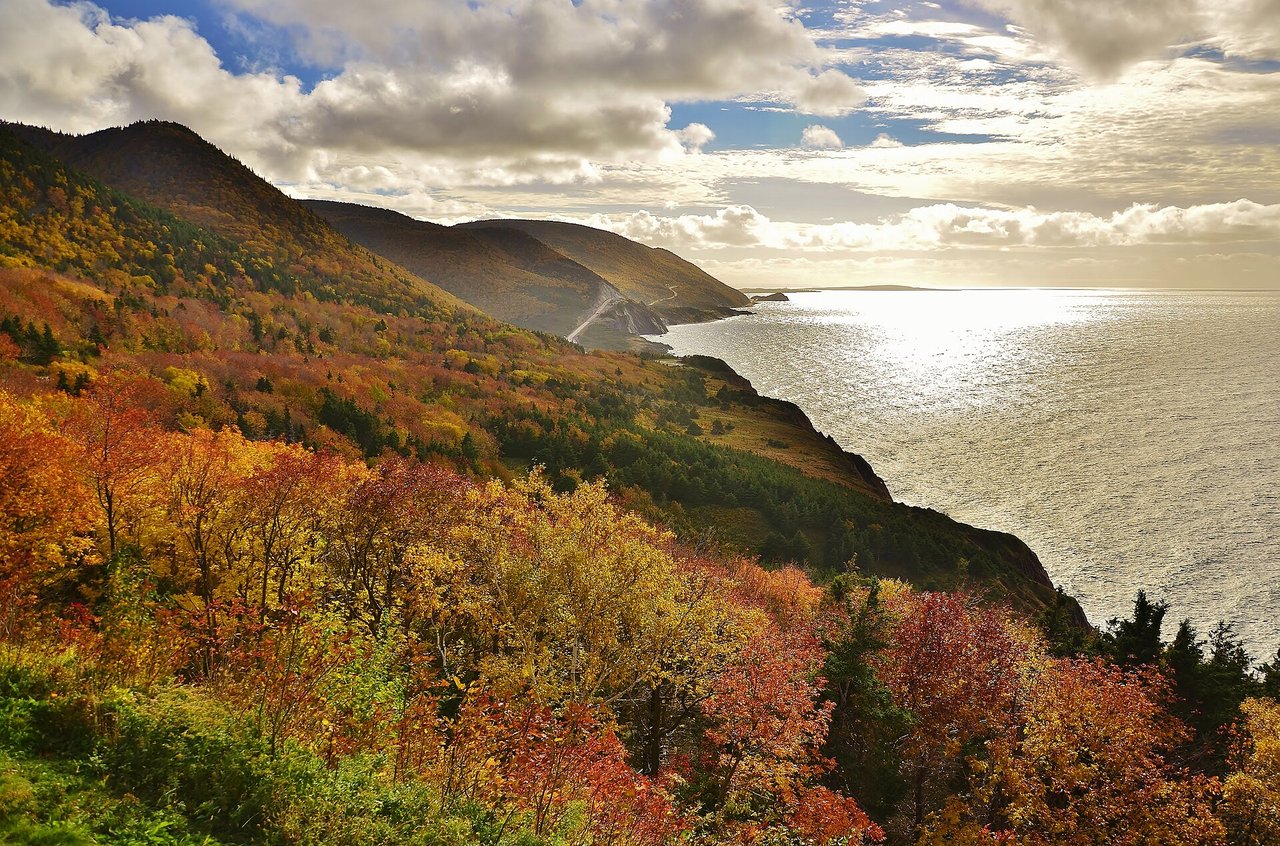
Save the best for last? The Maritimes turn last, and the Cabot Trail is the single most dramatic drive I’ve done in Canada in any season. Here’s the thing: the colour starts in the highlands (elevation turns first, always) and spills down to the coast through early October, with island-wide peak roughly October 10–23 — confirmed by Destination Cape Breton this season.
And here’s the scheduling gift: the Celtic Colours International Festival runs October 9–17, 2026 — its 30th anniversary — with 52 concerts in 36 communities, timed almost perfectly to peak foliage. I went in 2024 and nearly cried at a fiddle concert in a church in Baddeck with the whole hillside orange outside the windows. (In a good way. Mostly.)
Practical notes from my drive:
- Drive it counter-clockwise from Baddeck — you stay on the ocean side of the road for the big descents into Pleasant Bay and Chéticamp. I timed it: 298 km, give it two to three days.
- You need a Parks Canada pass for the national park sections (available at the park entrances in Chéticamp and Ingonish) — but not to drive the Trail itself.
- Book beds early. Rooms in Ingonish and Chéticamp thin out fast during festival week. Pro tip: book now, figure out the rest later.
- Check seasonal hours. Many coastal businesses close around Canadian Thanksgiving (October 12, 2026) — confirm anything you care about on the official Destination Cape Breton fall trip page.
→ Full guide: Cape Breton in fall — the 5-day version of this drive.
The Rockies: golden larch madness (and how to actually reach it)
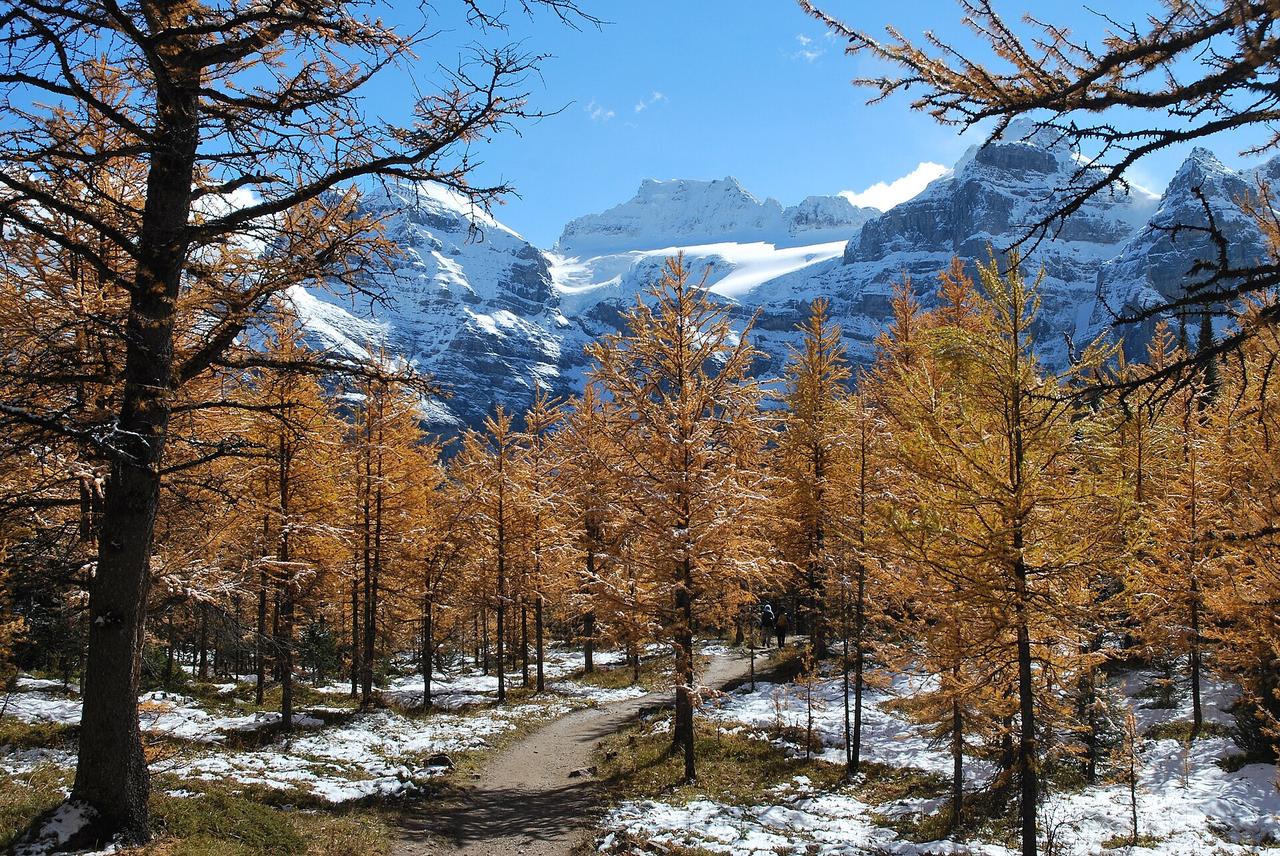
Everywhere else in this guide is about maples. The Rockies are about larches — the only conifers that turn gold and drop their needles. When a whole valley goes electric yellow against grey peaks, it doesn’t look real. I’ll be honest: the first time I saw Larch Valley, I assumed I’d edited my memory.
The golden window runs mid-September to early October, roughly until the Thanksgiving weekend. But here’s what you need to know in 2026, because the access rules matter more than the timing:
- Moraine Lake Road is closed to private vehicles year-round (permanent since 2023). You get there by Parks Canada shuttle, Roam Transit, or a commercial tour — full stop.
- The Parks Canada shuttles and Roam’s Route 8X run through October 12 this year. The Roam Reservable Super Pass ($30/adult) covers the Lake Connector shuttle to Moraine Lake — and it sells out, so book ahead. I checked the official Parks Canada seasonal closures page before finalizing my dates, and I’d do the same for 2027.
- Go early in the day. The Larch Valley trail (4.3 km one-way, 535 m up, 3.5–4 hours round trip) gets properly crowded by midday. I was on the trail by 8 AM and passed maybe ten people; on the way down I passed ten hundred.
One honest caveat for 2026: a larch needleworm outbreak has dulled some of Banff’s larch stands this year — I read the Weather Network’s report on it in late September, then checked Parks Canada’s take, which is that the trees aren’t dying, just having an off year. The colour is still there, but the absolute electric-peak valleys are patchier than usual. If golden larches are your whole reason for going, Yoho and Kananaskis are your backup.
→ See our 2-day Banff itinerary for the full larch-season plan, or the Banff–Jasper road trip for the bigger loop.
My fall-colour photo game plan (learned the hard way)
I am not a photographer — I’m a planner with a camera — but four seasons of chasing colour taught me a few things:
- Overcast is your friend. My best maple photos came on grey mornings, when the reds look saturated instead of blown out. Bright midday sun washes everything to orange mush.
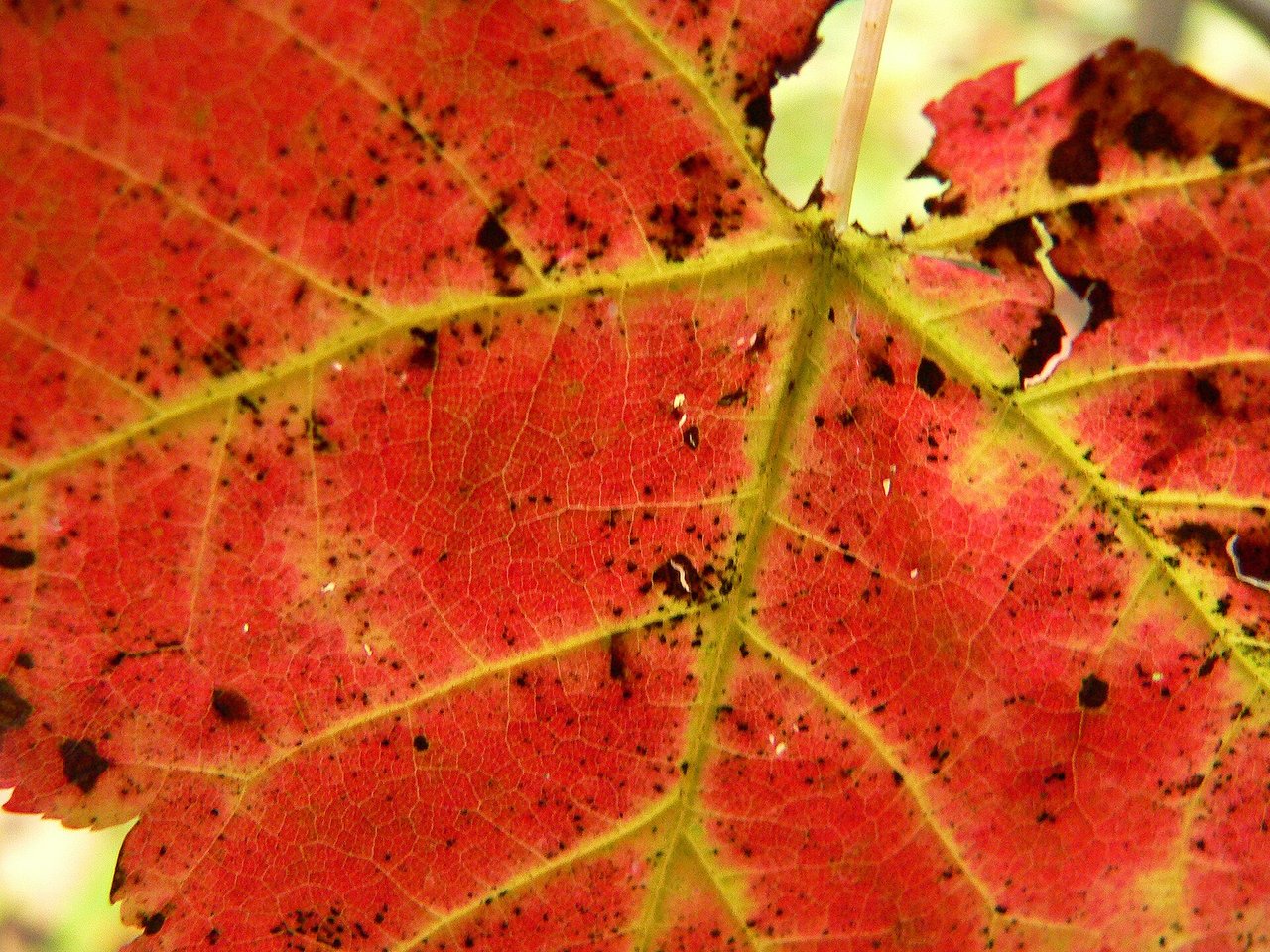
- Shoot the detail, not just the panorama. A single maple leaf with yellow veining — the same kind of close-up Jennifer Aitkens caught in Huntsville (above) — taught me that when the big view doesn’t cooperate, going small saves the shot.
- Water doubles everything. Lakes, rivers, even puddles on a trail — reflections are free extra colour. Muskoka and Algonquin were made for this.
- Charge everything, and bring layers for yourself, not the camera. Cold kills phone batteries fast, and I once lost the perfect golden-hour shot in Gatineau because my hands were too cold to hold the phone steady. Gloves with touchscreen tips. Worth every penny.
What a fall foliage trip actually costs
Leaf-peeping is refreshingly cheap as adventures go — the main attraction is free, and most of the money goes to access and beds. Sample costs per adult (checked October 2026; ~ means estimate):
| Item | Cost (CAD) |
|---|---|
| Algonquin day-use vehicle permit (Highway 60) | $21.00 |
| Parks Canada daily admission, Banff (adult) | $12.25 |
| Roam Transit Reservable Super Pass (Banff–Lake Louise–Moraine Lake) | $30.00 |
| Cape Breton Highlands National Park day pass (adult) | ~$9 |
| Agawa Canyon Tour Train (adult, fall peak fare Sept 15–Oct 18) | $170 |
| Mid-range hotel, peak foliage weekend (per night) | ~$150–350 |
| Gas + food, per day of road-tripping | ~$80–120 |
Agawa Canyon fares are 2026 published pricing: $170 per adult in the fall peak season (September 15–October 18); shoulder-season fares are $154 adult, $125 senior, $78 child.
FAQs about fall colours in Canada
When is the best time to see fall colours in Canada?
It depends on the region — Canada doesn’t peak all at once. Golden larches in the Rockies and red maples in Algonquin peak late September to early October; Quebec’s colour rolls from the Laurentians (late September) through Charlevoix and the Eastern Townships (mid to late October); and Cape Breton’s Cabot Trail holds the latest show, roughly October 10–23. Peak lasts only 7–10 days per spot, so check the Ontario Parks Fall Colour Report or Bonjour Québec’s foliage map the week you travel.
Where are the best fall colours in Canada?
My top three: Algonquin Provincial Park’s Highway 60 corridor (the country’s best red-maple drive), the Cabot Trail in Cape Breton (298 km of ocean-side colour, peak mid-October), and Larch Valley in Banff for the golden larches. Mont-Tremblant, Charlevoix, and Gatineau Park round out Quebec, and the Agawa Canyon train covers northern Ontario’s wilderness gold.
Do I need a permit or reservation for Algonquin Park in fall?
Yes — and this is the one that trips people up. You need a daily vehicle permit for the Highway 60 corridor ($21.00 per vehicle in 2026, HST included), and Ontario Parks lets you book day-use permits up to five days in advance. Fall weekends regularly sell out, so book the moment your dates are firm. Arrive before 9 AM for the popular trailhead lots like the Lookout Trail.
Can I drive to Moraine Lake to see the larches?
No — Moraine Lake Road has been closed to private vehicles year-round since 2023, and that’s permanent. During larch season you reach the Larch Valley trailhead via the Parks Canada shuttle, Roam Transit (the $30 Reservable Super Pass covers the Lake Connector shuttle), or a commercial tour. Book ahead — both sell out, and service runs through October 12 this year.
How long does the golden larch season last in Banff?
Roughly mid-September to early October, wrapping up around the Thanksgiving long weekend (October 12, 2026). It’s short — two to three weeks at most — and the shuttle access to Moraine Lake ends October 12 this season, so the larch window and the access window close together. One caveat for 2026: a larch needleworm outbreak has dulled some stands, so consider Yoho or Kananaskis as backups.
What should I pack for a fall foliage road trip?
Layers, always layers. October in the Maritimes or the Rockies can swing from the low teens to single digits in a day, and I pack a light rain jacket even when the forecast looks clear — coastal weather turns fast. Waterproof footwear for trails, a full tank of gas on rural stretches (services thin out on the Cabot Trail), gloves with touchscreen tips for golden-hour photos, and your charger: cold drains phone batteries, and you’ll be photographing everything.
5 comments