

Last updated: October 3, 2026
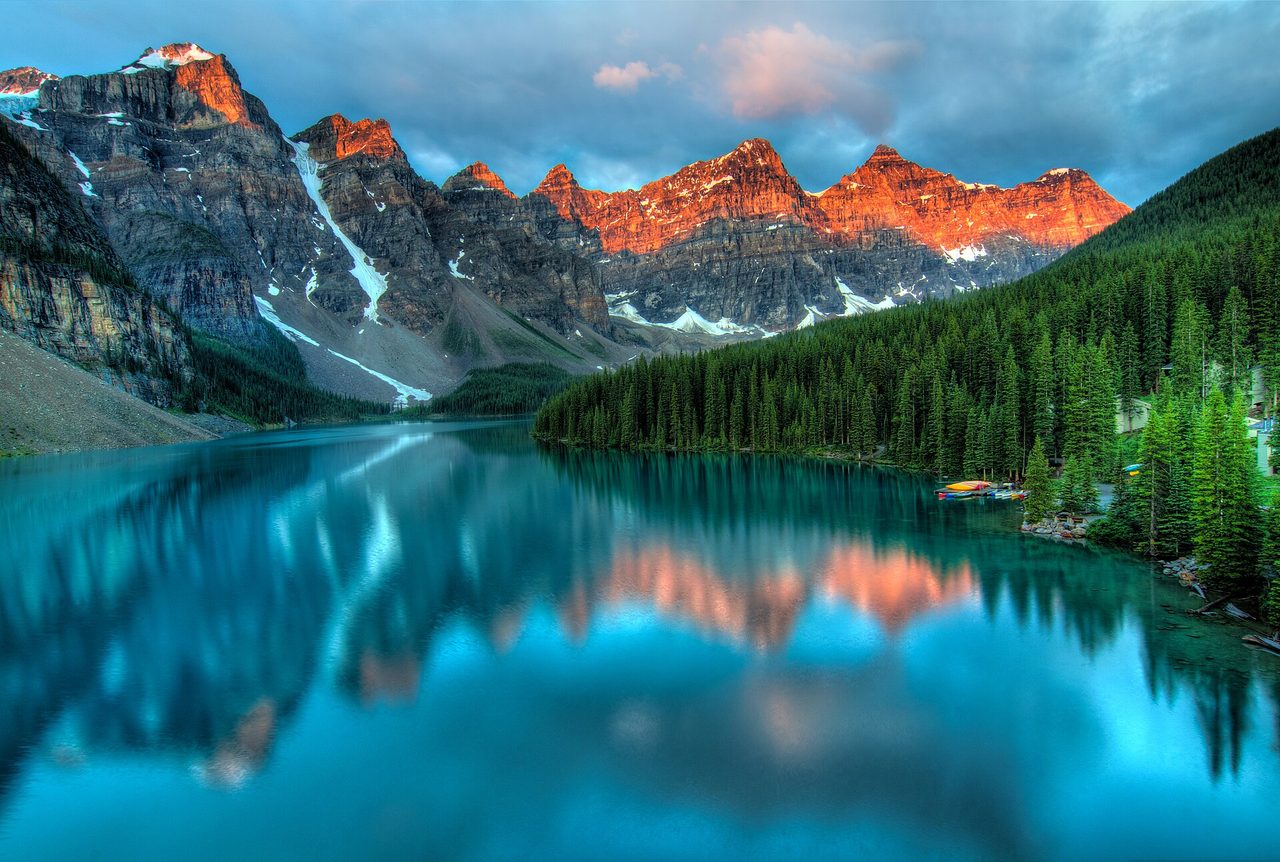
The short answer
- The Rockies win, every time: Banff and Jasper are the two places I’d plan an entire trip around. Go June–September for the thawed lakes, and book the Moraine Lake shuttle the morning reservations open (they sell out fast — trust me on this one).
- The cities pull their weight too: Toronto, Montreal, Vancouver, and Quebec City are four completely different trips. Quebec City’s Old Town is the only walled city north of Mexico, and I’ll be honest — it surprised me more than any mountain did.
- The money math: a Parks Canada Discovery Pass (adult $83.50) pays for itself in about seven park days. Summer is peak season everywhere in Canada, so book hotels 3–6 months out. Fair warning: nothing here is cheap, but almost everything is worth it.
I’ve crisscrossed this country more times than my color-coded spreadsheet tabs can count (currently: 23, and yes, there’s a tab for snacks), and here’s the thing about Canada — it’s too big to “do” in one trip. People try. They come back exhausted and mildly resentful. Don’t be those people.
This list is the 15 places I’d send a friend to if they asked, “Sarah, where do I actually go?” It’s ranked by the only metric that matters: which places made me stop mid-sentence and just stare. Every price and hour below was checked in October 2026, with official links so you can verify before you fly. You’ve got this.
The Mountain West: places 1–5
1. Banff National Park, Alberta — the postcard that ruins every other mountain
Let’s start with the obvious, because the obvious is obvious for a reason. Banff was Canada’s first national park (1885, for the trivia fans), and Moraine Lake — that impossible turquoise water under the Valley of the Ten Peaks — is the single most photographed spot in the country. I took the 4 AM Alpine Start shuttle to be there for sunrise, stood on the Rockpile with numb fingers, and watched the peaks catch fire in the alpenglow. Worth every penny of sleep deprivation.
Here’s the logistics, because Moraine Lake Road is closed to personal vehicles — you get there by shuttle, and this part requires actual planning. The Parks Canada shuttle from the Lake Louise Park and Ride costs $12.75 per adult (plus a $3.50 reservation fee), and I double-checked the 2026 booking rules on Parks Canada’s page: reservations opened April 15, with 40% of seats released then and the remaining 60% two days before each departure at 8 AM mountain time. That 48-hour release is the game-changer if you missed the first window.
Cost to enter: a Parks Canada Discovery Pass is $83.50 for an adult in 2026 (family/group $167.50), or ~$12.25 per day — the annual pass pays for itself in about seven park days. Youth 17 and under are free. → Parks Canada — Banff National Park official page
Going deeper into the Rockies? Read our 2-day Banff itinerary for the full timed plan.
2. Jasper National Park, Alberta — still recovering, absolutely still worth it
I’ll be honest: after the July 2024 wildfire tore through Jasper and destroyed roughly a third of the townsite, I wondered if it belonged on this list. Then I read Parks Canada’s 2026 recovery update — virtually all trails have reopened, the Valley of the Five Lakes trail reopened in summer 2026 with new ridgeline viewpoints, and visitation is nearly back to pre-fire levels. Here’s the thing: fire-adapted landscapes regrow fast, and the wildflowers in the burn areas are apparently spectacular this year.
Fair warning: Cavell Road and Maligne Canyon are closed for the 2026 season while rehabilitation work continues, so check current closures before you go. But the town’s hotels and restaurants are open, the elk are still wandering down the main street like they own the place (they do), and your visit genuinely helps the rebuild. → Parks Canada — Jasper recovery updates
3. Whistler, British Columbia — the mountain town that does everything
Whistler is two hours from Vancouver and does summer and winter with equal confidence, which is rarer than you’d think. Summer means the PEAK 2 PEAK Gondola between Whistler and Blackcomb mountains (adult $110 in 2026 — worth every penny), alpine hiking, and mountain biking; winter means one of North America’s biggest ski resorts. I showed up at the gondola at 11:30 AM on a Saturday once. Never again — go at opening.
The Village Stroll is car-free, the patios are wall-to-wall, and Lost Lake’s forest trails are free. Pro tip: you genuinely don’t need a car here; coaches run from Vancouver for ~$32. → Our 3-day Whistler itinerary covers the whole thing car-free.
4. Vancouver, British Columbia — the city that makes other cities look lazy

Vancouver is where I tell people to start a first Canada trip, because it gives you ocean, mountains, and a real city in one frame. The 10 km Stanley Park Seawall loop is the best free activity in the country — I’ve biked it four times now, and the stretch along the water with the skyline ahead of you still gets me every time. Do it at golden hour. Trust me on this one.
Practical bits from my transit-nerd notebook: the SkyTrain from YVR to downtown takes ~25 minutes and costs ~$9 (tap on, tap off with a credit card — no ticket machine queue needed). Granville Island’s public market is the move for lunch, and the Capilano Suspension Bridge is worth the admission if heights don’t bother you. See our 2-day Vancouver itinerary for the timed version of all of this.
5. Tofino, British Columbia — where the road ends and the storms begin
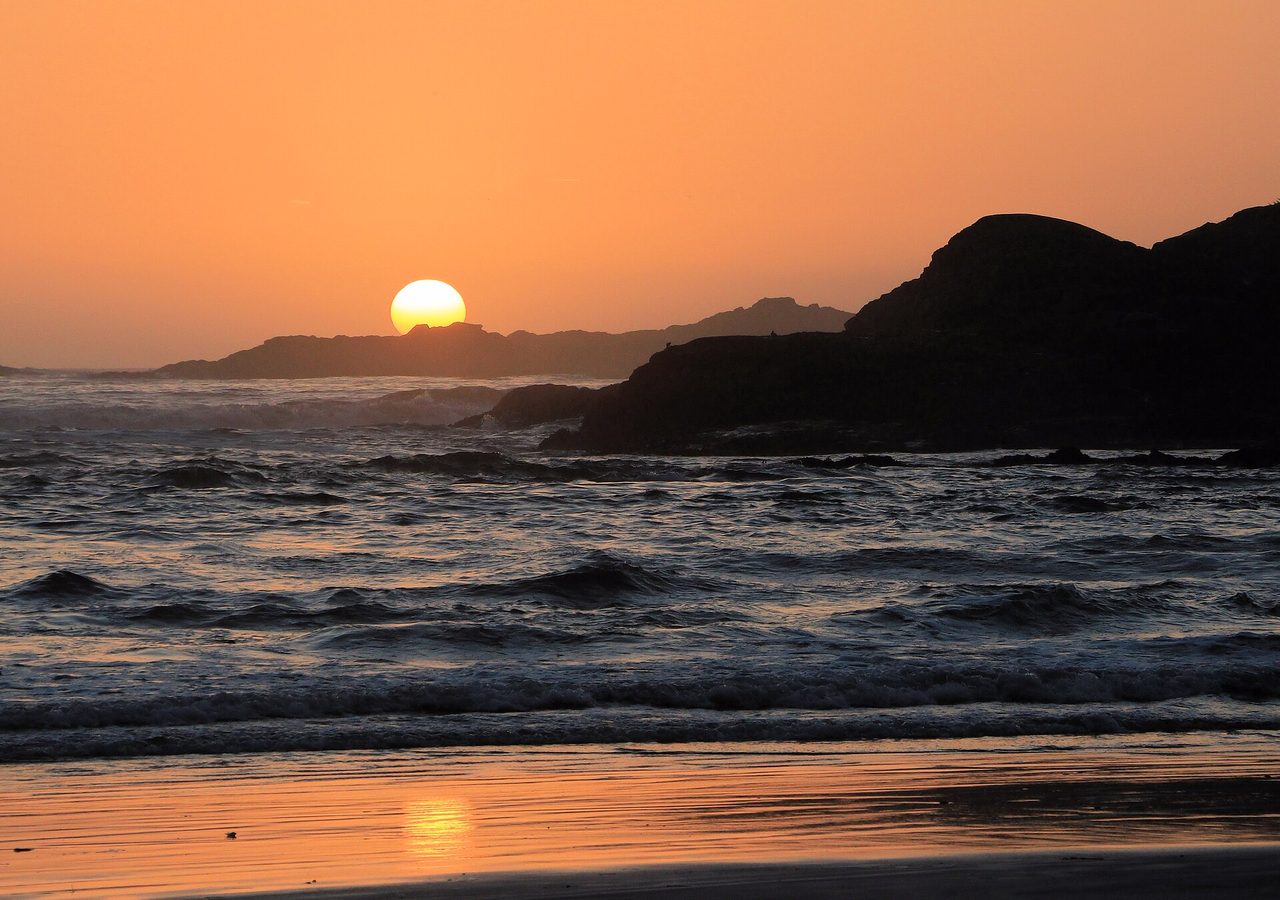
Tofino sits at the end of Highway 4 on Vancouver Island’s wild west coast, and it feels like the edge of the map in the best way. Summer is for surfing (yes, in Canada — the water is cold, the wetsuits are thick, and I fell off approximately nine times) and beach walks at Cox Bay and Chesterman Beach. Winter is for storm watching, which sounds miserable until you’re in a hot tub at a beachfront lodge watching 5-metre waves roll in.
It’s a 3-hour drive from Nanaimo plus a ferry from Vancouver, so this one takes commitment — but that’s exactly why it still feels wild. Book accommodation early; the town is small and summer sells out.
Central Canada: places 6–10
6. Niagara Falls, Ontario — louder, wetter, and better than you expect
I’ll confess: I almost skipped Niagara Falls because it felt too touristy. Huge mistake avoided — standing at the railing at Table Rock as 3,160 tonnes of water per second goes over the Horseshoe Falls is a full-body experience. You feel it in your chest. The boat ride is the do-not-skip part: Niagara City Cruises’ 20-minute Voyage to the Falls sails right into the mist at the base of the Horseshoe Falls, and it’s from $47.95 per adult (+13% HST). Book online to skip the ticket line. → Niagara City Cruises — official tickets
Go for at least one night if you can: the falls are illuminated after dark, and the daytime crowds thin out. Our 1-day Niagara Falls itinerary times the whole visit.

7. Toronto, Ontario — Canada’s biggest city earns it
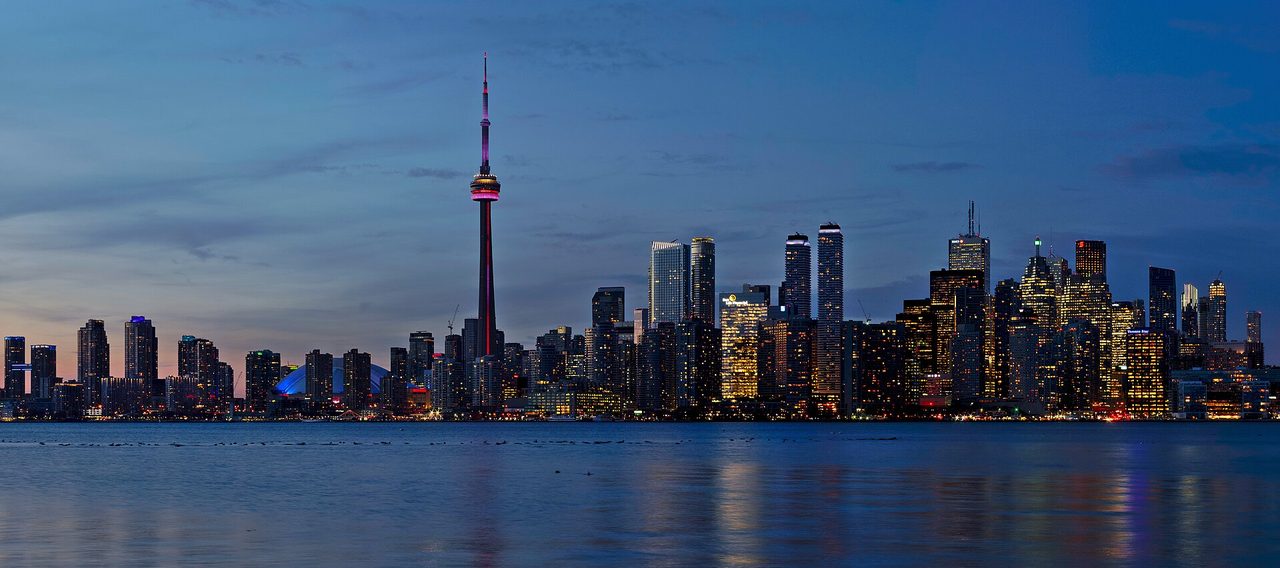
Toronto doesn’t have one defining sight so much as a very strong batting average: the CN Tower (553.3 m — still the tallest free-standing structure in the Western Hemisphere), the St. Lawrence Market, the Distillery District’s cobblestones, Kensington Market’s beautiful chaos, and the Toronto Islands’ skyline view from the ferry (~$9 return — the cheapest postcard in the city).
On the CN Tower: general admission is $47 for adults online, and I double-checked the current hours on the official site before my last visit — the observation levels run 9:30 AM to 11 PM (last entry 9 PM), and they change seasonally, so confirm before you go. I did step onto the Glass Floor. My knees did not enjoy it. Do it anyway. → CN Tower — official site
8. Ottawa, Ontario — the capital is underrated, and I’m tired of pretending it’s not
Ottawa gets skipped because it’s “the government city,” which is unfair — Parliament Hill’s Gothic Revival buildings are genuinely stunning, the National Gallery is excellent, and in winter the Rideau Canal becomes the world’s largest skating rink (7.8 km of it — I fell twice, both times gracefully, according to no one). Summer brings the free Changing of the Guard and sound-and-light shows on the Hill.
It’s also the most walkable of Canada’s big cities and an easy train ride from Toronto or Montreal, which makes it the perfect 1–2 day add-on between the two.
9. Quebec City, Quebec — Europe without the jet lag
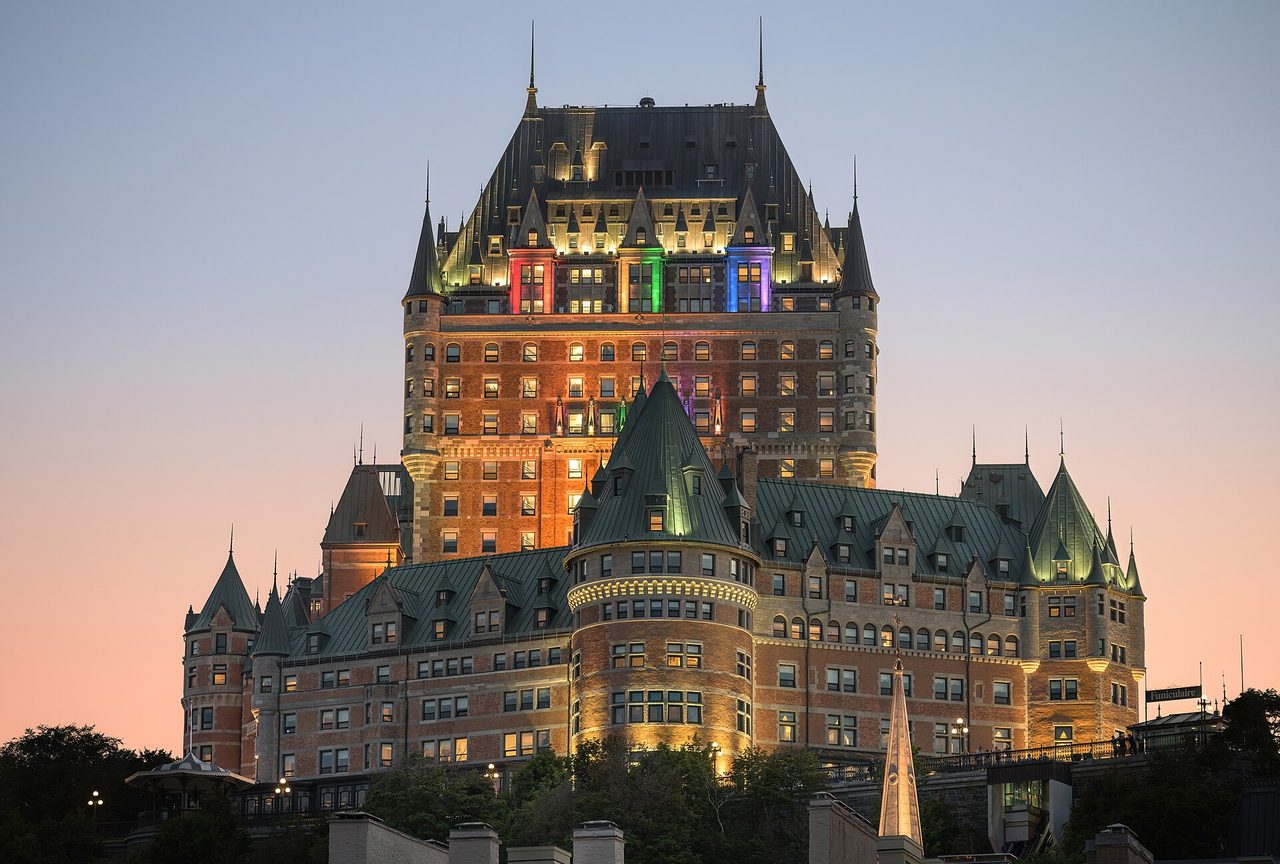
Old Quebec is the only fortified city north of Mexico, a UNESCO World Heritage site, and — I’ll be honest — the place on this list that surprised me most. The Château Frontenac looming over the St. Lawrence at dusk (see above; I took approximately 400 photos of it and regret none of them), the cobblestones of Petit-Champlain, the funicular down to the Lower Town — it all feels impossibly romantic until you remember you’re still in Canada and can pay in loonies.
Come in February for the Winter Carnival if you like your romance with ice sculptures and -20°C. Come in summer if you prefer your romance with patios. Either way, do not skip the Citadelle tour — a guide there told me it’s still an active military fortress, which is the coolest fun fact on this entire list. Our 2-day Quebec City itinerary has the full plan.
10. Montreal, Quebec — the city that parties in two languages
Montreal is where Canada lets its hair down: jazz festivals, Just for Laughs, a food scene that punches absurdly above its weight, and Old Montreal’s stone streets along the port. Mount Royal’s lookout gives you the whole skyline for free (I hiked up at sunrise; the city was still asleep and it was perfect). The Underground City — 33 km of tunnels — is the game-changer for winter visits, and fair warning, you will still get lost in it. Everyone does. It’s a rite of passage.
Summer is festival season and the city’s best self; winter is for the underground, the museums, and poutine as a survival strategy.
Atlantic Canada: places 11–14
11. Cape Breton Island, Nova Scotia — the Cabot Trail is the drive of a lifetime
The 298 km Cabot Trail loops around Cape Breton’s northern tip through the Highlands, and I’m going to say something controversial: it beats the Icefields Parkway. There. I said it. Ocean on one side, mountains on the other, and the Skyline Trail at sunset where I watched moose grazing in the valley below while the sun dropped into the Gulf of St. Lawrence. Allow a full day minimum — three if you can. The trail’s fishing villages (Chéticamp’s Acadian side, Baddeck’s Alexander Graham Bell museum) are worth the stops, and fall colours in October are unreal.
12. Prince Edward Island — small island, enormous charm
PEI is Canada’s smallest province and possibly its most charming: red-sand beaches, rolling potato fields, and Charlottetown’s Victorian streets. Anne of Green Gables’ Green Gables house in Cavendish is the pilgrimage site (book ahead in summer — the tour buses are real), but my favourite memory is simpler: a beach at Basin Head with nobody else on it, singing sands and all. The 12.9 km Confederation Bridge from New Brunswick is an experience in itself — the longest bridge over ice-covered water in the world, and crossing it feels like arriving somewhere that time forgot on purpose.
13. Gros Morne National Park, Newfoundland and Labrador — geology you can walk through
Gros Morne is a UNESCO World Heritage site because its rocks tell the story of plate tectonics — the Tablelands are Earth’s mantle exposed at the surface, which means you’re walking on the planet’s insides. I am not a geology person and even I found this thrilling. The fjord boat tour on Western Brook Pond (landlocked, 16 km long, waterfalls pouring off 600-metre cliffs) is the do-not-skip experience. It’s remote — fly to Deer Lake and drive — but that’s the point. You’ll share the trails with moose and approximately no one else.
14. Peggy’s Cove, Nova Scotia — the lighthouse on every postcard, in person
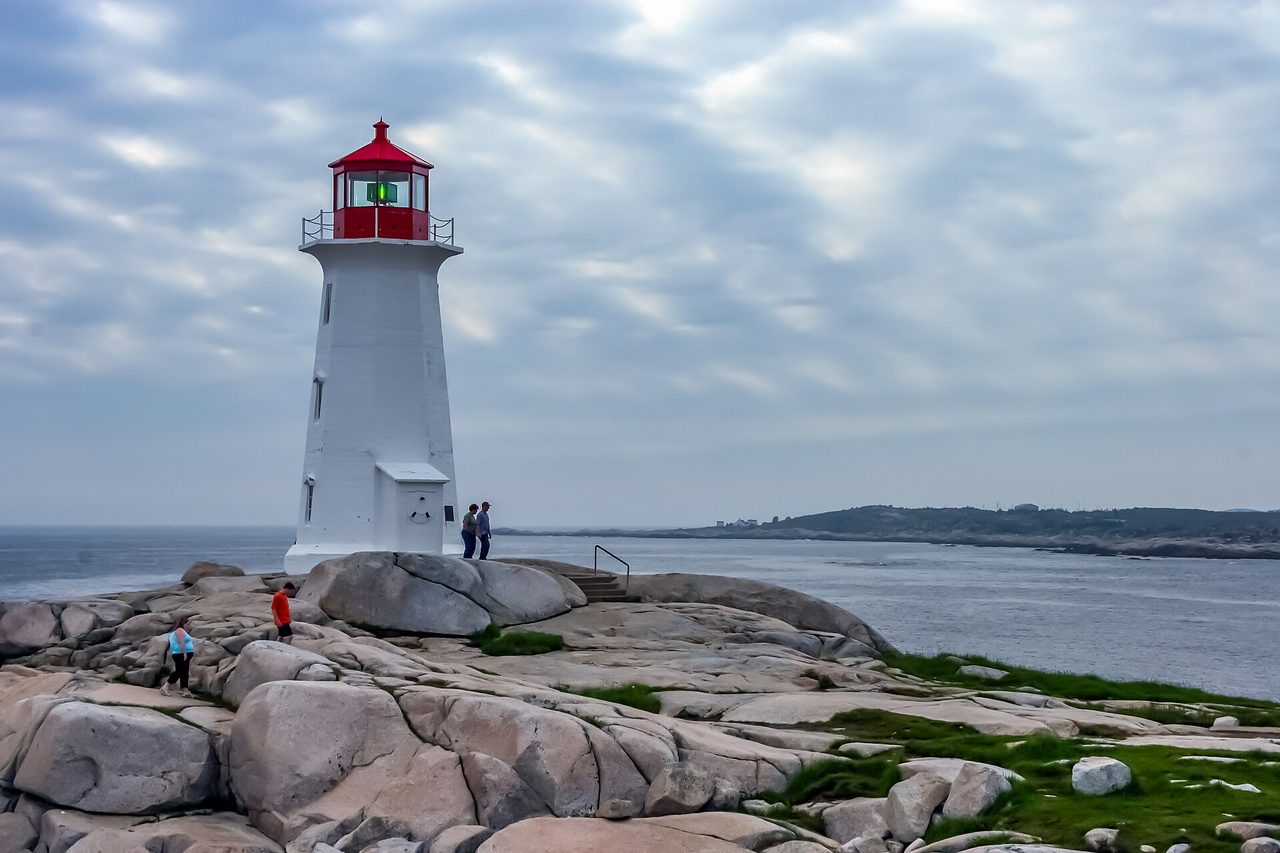
Yes, it’s touristy. Yes, the parking lot is chaotic in July. Go anyway — at 8 AM, before the buses arrive, when it’s just you, the 1915 lighthouse, and waves exploding against 400-million-year-old granite. It’s 45 minutes from Halifax, which makes it the easiest half-day trip on this list. Fair warning, and I mean this: stay off the black rocks near the water. A local shopkeeper told me the rogue waves here are genuinely dangerous, and the memorial plaques prove it. Admire the ocean from the safe side of the railing.
The Wild North: place 15
15. Churchill, Manitoba — polar bears, and the trip you’ll talk about forever
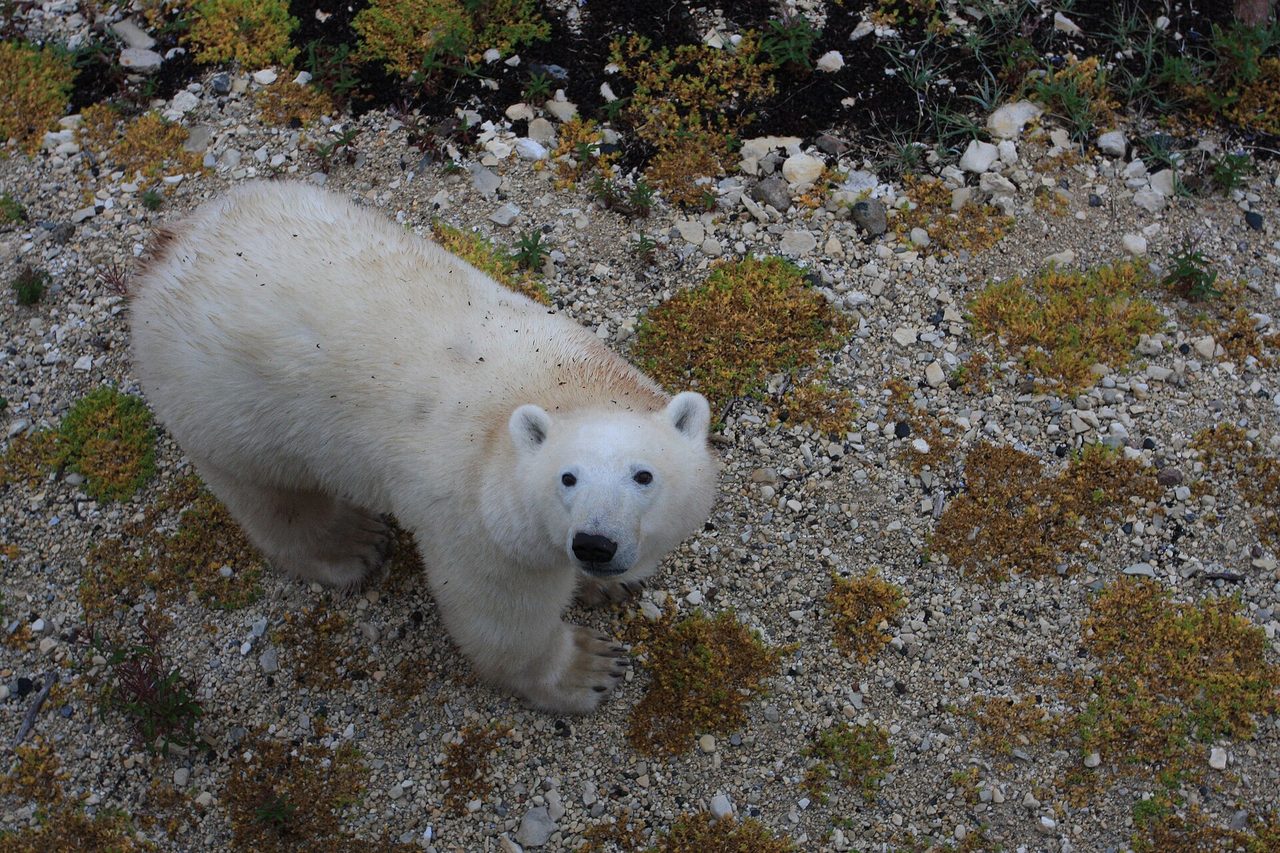
Churchill calls itself the Polar Bear Capital of the World, and it’s not marketing — every October and November, hundreds of polar bears gather near Hudson Bay waiting for the ice to freeze, and you watch them from a Tundra Buggy at eye level. I locked eyes with a bear from about 10 metres away and forgot how to operate my camera. Best moment of my travel life, full stop.
Getting there is half the adventure: no roads lead to Churchill, so you fly from Winnipeg (~2 hours) or take the legendary 48-hour train. It’s expensive (tours run into the thousands), it’s cold, and it is worth every penny. Book a year ahead for October–November bear season; February–March is beluga… no, wait — belugas are July–August, and February–March is northern lights season. (My spreadsheet has a whole tab for this.)
How much does a trip to Canada cost?
Canada is not a budget destination — I’ll be honest about that up front. But it’s very plannable, because the big costs (flights, hotels, car rental) are all bookable months ahead. Here’s a realistic sample budget for a 10-day trip for one adult, mid-range, excluding international flights (prices checked October 2026; items marked ~ are estimates):
| Item | Cost (CAD) |
|---|---|
| Domestic flight (e.g., Toronto–Calgary round-trip) | ~$250–450 |
| Mid-range hotels, 9 nights (~$180–280/night) | ~$1,600–2,500 |
| Food & drinks (~$70–90/day) | ~$700–900 |
| Car rental, 10 days (~$60–80/day) | ~$600–800 |
| Gas | ~$250–350 |
| Parks Canada Discovery Pass (adult, annual) | $83.50 |
| Attractions (CN Tower $47, boat cruise ~$48, gondolas, etc.) | ~$300–500 |
| Total | ~$3,800–5,600 |
Money-saving moves from my own trips: the Discovery Pass pays for itself in ~7 park days; travel in shoulder season (May, late September–October) for cheaper hotels; and cook some meals — grocery stores like Loblaws and Sobeys are everywhere, and a picnic at Moraine Lake beats a $30 restaurant lunch.
When is the best time to visit Canada?
| Season | What’s great | Watch out for |
|---|---|---|
| Summer (Jun–Aug) | Everything is open: alpine lakes thawed, festivals in full swing, 16-hour days in the north | Peak prices, book 3–6 months ahead; Moraine Lake shuttles sell out |
| Fall (Sep–Oct) | Fall colours (Algonquin, Laurentians, Cabot Trail), larch season in the Rockies, fewer crowds | Some attractions close after Thanksgiving (mid-October) |
| Winter (Dec–Mar) | World-class skiing (Whistler, Banff), Quebec Winter Carnival, northern lights in the Yukon | -30°C happens; Churchill bears are gone (they’re out on the ice) |
| Spring (Apr–May) | Cheapest hotels, maple syrup season in Quebec/Ontario, waterfalls at peak flow | Mud season in the mountains; many alpine roads still closed |
For a first trip covering the highlights on this list, I’d pick late June through September — trust me, you want the lakes thawed and the trails open.
FAQs about the best places to visit in Canada
What is the best time of year to visit Canada?
For most travellers, late June through September: the Rocky Mountain lakes are thawed, all roads and trails are open, and festival season is on. September is my personal favourite — fall colours, thinner crowds, and lower prices. Winter (December–March) is best for skiing and the Quebec Winter Carnival; October–November is polar bear season in Churchill.
How many days do you need to see the best of Canada?
Two weeks is the realistic minimum for a highlights trip — say, 4–5 days in the Rockies (Banff/Jasper), 3–4 days split between Toronto and Niagara Falls, and 3–4 days in Montreal and Quebec City. Canada is the world’s second-largest country; trying to add Vancouver and the Maritimes to the same trip means spending it in airports. Pick one coast per trip — your future self says thanks.
Is Canada expensive to visit?
Honestly, yes — budget roughly $380–560 CAD per day for a mid-range trip for one adult, excluding international flights. The biggest savings come from travelling in shoulder season, cooking some meals, and buying the $83.50 Parks Canada Discovery Pass instead of daily park entries. See the budget table above for the full breakdown.
Do I need a visa to visit Canada?
It depends on your passport. US citizens need only a valid passport; citizens of the UK, EU, Australia, Japan, and many other countries need an eTA (Electronic Travel Authorization, ~$7 CAD) if arriving by air. Many other nationalities need a visitor visa — check the official IRCC website well before booking, because processing can take weeks. I always tell friends: sort the paperwork before the hotels.
Is Jasper worth visiting after the 2024 wildfire?
Yes. Virtually all of Jasper National Park’s trails have reopened (the Valley of the Five Lakes trail reopened in summer 2026 with upgrades), the town’s hotels and restaurants are operating, and visitation is nearly back to pre-fire levels. A few spots — Cavell Road and Maligne Canyon — remain closed through the 2026 season. Check Parks Canada’s Jasper recovery page for current closures before you go.
What’s the best way to get around Canada?
A car, for anything outside the big cities — distances are enormous and intercity public transit is thin. In the cities themselves, transit is excellent: Toronto’s TTC, Montreal’s STM, and Vancouver’s SkyTrain all take contactless payment now (tap on, tap off — my favourite kind of transit). For the classic Toronto–Montreal–Quebec City corridor, VIA Rail is comfortable and scenic. For everything else, our Ultimate Canada Travel Guide covers transport planning in detail.
Keep exploring
- The Ultimate 2 Days in Banff Itinerary: 2026 Travel Guide
- The Ultimate 1 Day in Niagara Falls Itinerary for 2026
- The Perfect 2 Days in Quebec City Itinerary for 2026
- The Ultimate 3 Days in Whistler Itinerary for 2026