

Last updated: October 3, 2026
The short answer
- Days 1–2: Banff base — ride the Sulphur Mountain Gondola, then see Lake Louise and Moraine Lake via the Parks Canada shuttle ($12.75/adult return) from the Lake Louise Ski Resort Park and Ride.
- Day 3: The Icefields Parkway leg — 232 km of pullouts (Peyto Lake, Bow Lake), the Columbia Icefield combo (~$111) at the Athabasca Glacier, then roll into Jasper. Gas up before you go.
- Days 4–5: Jasper — cruise Maligne Lake to Spirit Island, ride the SkyTram up Whistlers Mountain (~$67), soak at Miette Hot Springs ($19.75), and look up at some of the darkest skies on Earth.
Five days. One rig. Two national parks. Here’s the deal: Banff to Jasper is only about 288 km as the crow flies, and this itinerary turns it into a proper road trip — two days based in Banff, one full day on the Icefields Parkway, and two days in Jasper. All prices below are 2026 prices checked in October 2026, and items marked ~ are estimates. One seasonal reality check before we roll: the 2026 summer season is essentially done (the Moraine Lake shuttles ran until mid-October, the Columbia Icefield closed October 12, Miette Hot Springs closes October 12 too), so use this as your 2026 reference and confirm 2027 opening dates before you book anything.
The ground rules before you turn the key
Three things decide whether this trip goes well, and none of them are complicated.
Park entry. You need a valid pass every day you’re in Banff or Jasper. An adult daily pass runs $12.25 in 2026; the annual Discovery Pass is $83.50 and covers 80+ Parks Canada sites for a year. I did the math: on a five-day, two-park trip, the Discovery Pass usually wins. I checked the current fee schedule on Parks Canada’s page — heads up, summer 2026 had a free-admission window (June 19 – September 7) that has now ended, so normal fees are back.
The Moraine Lake shuttle. Private cars are banned from Moraine Lake Road year-round. You ride the Parks Canada shuttle from the Lake Louise Ski Resort Park and Ride — $12.75/adult return plus a $3.50 booking fee. Reservations opened April 15, 2026 (40% of seats then), and the remaining 60% drop at 8:00 AM MDT exactly two days before each departure day. I first read about the 2-day-ahead release on Parks Canada’s page — and then I learned the hard way that “sells out in minutes” is not an exaggeration. Book the moment they drop. → Parks Canada — Visiting Lake Louise and Moraine Lake
Gas and bear spray. Gas up in Lake Louise before the parkway. I watched my fuel gauge do something scary past Saskatchewan Crossing — the only fuel stop on the parkway — and I’ve made this mistake so you don’t have to. Carry bear spray on every hike. You can buy or rent canisters in Banff or Jasper, but you can’t fly home with one, so rent if you flew in.
Day 1: Banff townsite and the Sulphur Mountain Gondola
9:00 AM — Arrive and park the rig
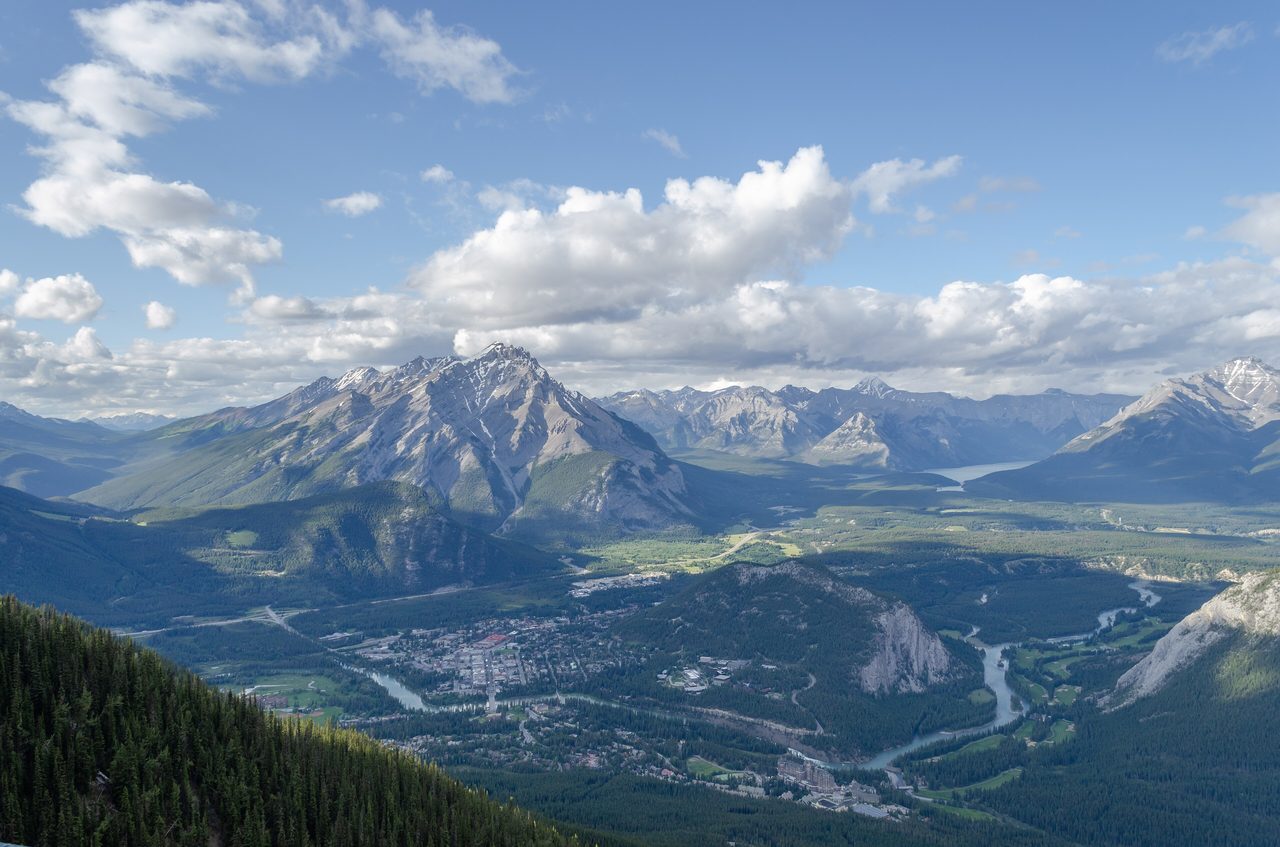
Banff Avenue is the main drag: gear shops, coffee, and the best people-watching in the Rockies. Park once, walk everywhere. If you’re flying in, Calgary is about 90 minutes east on the Trans-Canada, and you’ll pick up the rental rig there. New to mountain driving? Our 15 essential Canada road trip tips covers the stuff I wish someone had told me about passing lanes and wildlife jams.
11:30 AM — Sulphur Mountain Gondola (~$75–90/adult)
Eight minutes up, and the whole Bow Valley opens up below you. The gondola runs on dynamic pricing, so expect roughly $75–90 for an adult in summer — book ahead, walk-up is the most expensive seat on the mountain. Up top: the boardwalk to Sanson’s Peak, the old cosmic ray station, and six mountain ranges of view. I double-checked the current ticket range on the operator’s site before I went — dynamic pricing means “check today, not last year’s blog post.”
Go early. The line at noon is a different sport than the line at 9:30.
7:00 PM — Dinner on Banff Avenue
Nothing fancy required — the day’s real bill was the gondola. Grab something casual on the Avenue, turn in early. Tomorrow starts at dawn, no joke.
Day 1 spending: gondola ~$80 + food ~$60 ≈ ~$140 (excluding hotel).
Day 2: Lake Louise and Moraine Lake

6:30 AM — Shuttle from the Lake Louise Ski Resort Park and Ride
Yes, 6:30. The shuttles run from 6:30 AM to 6 PM with the last return at 7:30 PM, and the early slots are the only way to see both lakes without standing in a conga line. One reservation covers both lakes — the free Lake Connector shuttle hops between the Lake Louise lakeshore and Moraine Lake. I booked the late slot my first time, thinking “flexible return.” Bad call. I ended up speed-walking the Moraine Lake shoreline trail with one eye on my watch. Book morning, thank yourself later.
9:00 AM — Lake Louise shoreline
Walk the flat lakeshore trail to the far end (about 2 km one way) before the crowds arrive. The water is the famous turquoise, the Fairmont is doing its castle thing, and the Victoria Glacier hangs at the far end. Free. Worth every step.
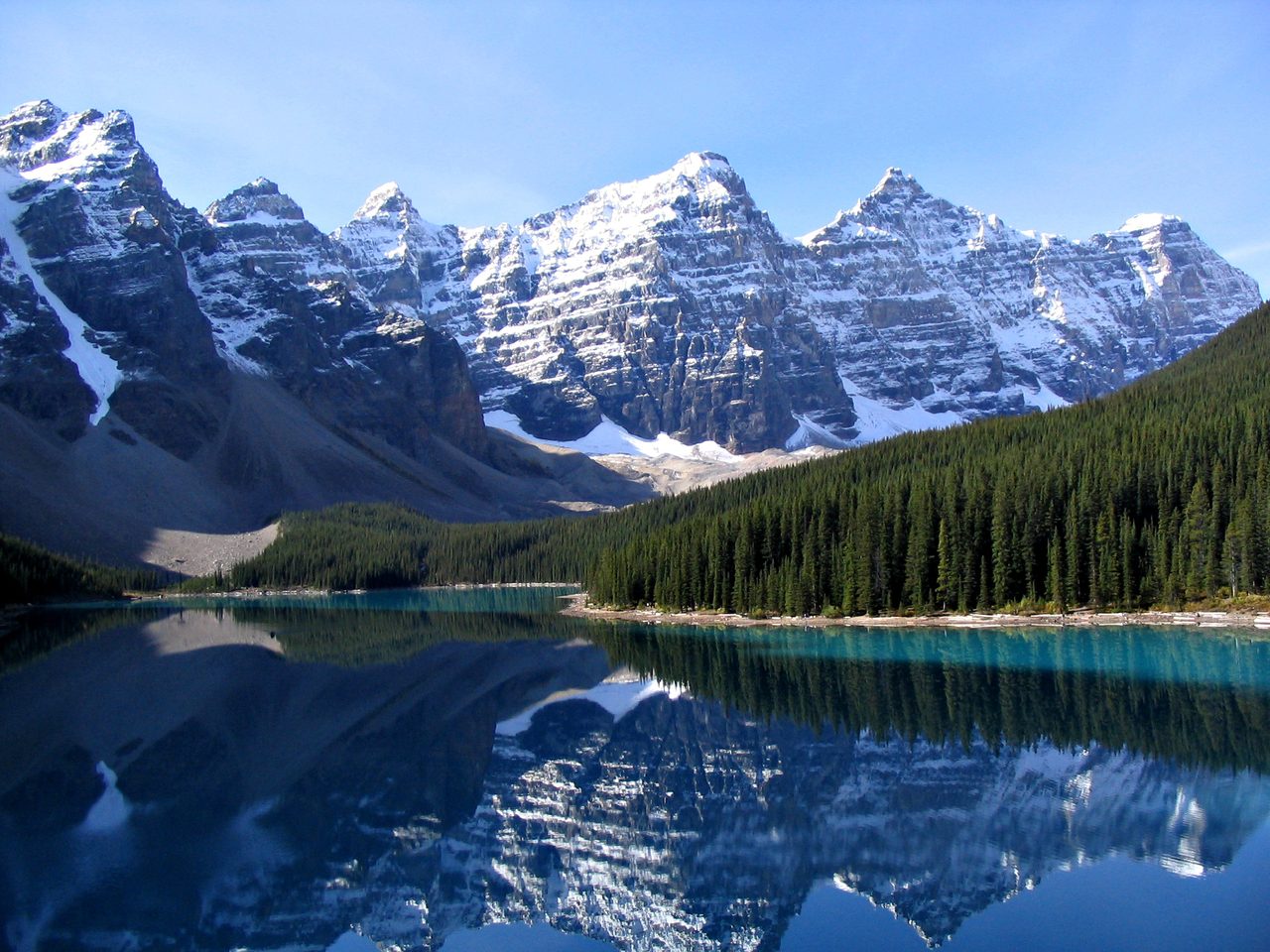
12:30 PM — Moraine Lake via the Lake Connector
Hop the connector to Moraine Lake. The Rockpile viewpoint is the postcard — short climb, huge payoff. A ranger at the trailhead told me the lake’s color comes from glacial rock flour suspended in the water, and honestly, no photo does it justice. If your legs are up for it, the Larch Valley trail climbs past the Rockpile toward Sentinel Pass; start early, carry layers.
4:00 PM — Drive back to Banff (~57 km)
Back down the hill. Optional stop: Johnston Canyon on the way — catwalks over a limestone gorge to the lower and upper falls. Worth the detour if your legs aren’t cooked. Refuel the rig and yourself. If you’re short on time, see our 2 days in Banff itinerary for a tighter Banff-only plan.
Day 2 spending: shuttle ~$16 (with booking fee) + food ~$55 ≈ ~$70.
Day 3: The Icefields Parkway leg — Banff to Jasper
Buckle up. This is the day the whole trip is about: 232 km of Highway 93 North from Lake Louise to Jasper, and everyone who calls it the most beautiful drive in the world is not wrong.
7:30 AM — Gas up in Lake Louise and roll out
Seriously. Gas up. Saskatchewan Crossing has the only fuel on the parkway, and “only” is doing a lot of work in that sentence. My gauge dropped past the point of comfort, and I had visions of hitchhiking with a jerry can. Full tank in Lake Louise. Done.
9:00 AM — Bow Lake and Peyto Lake
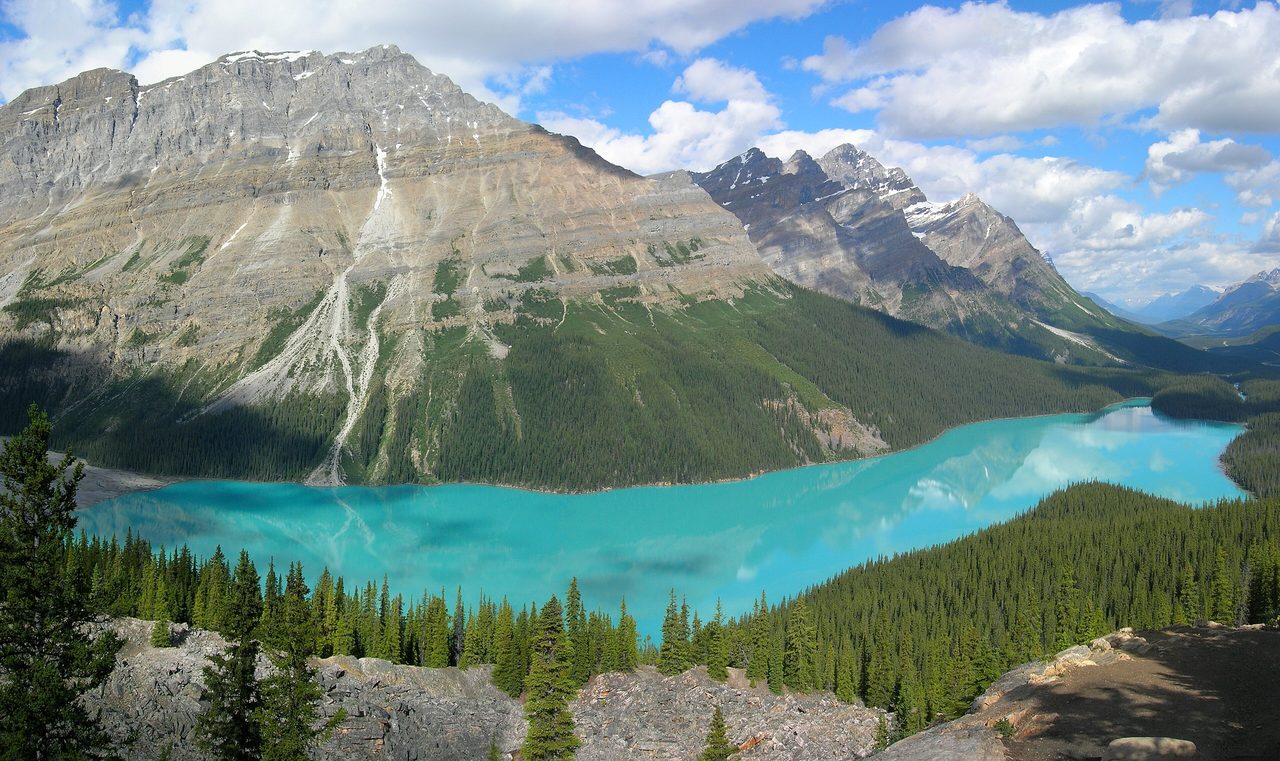
Bow Lake first, quick pullout — Crowfoot Glacier hangs over the water. Then Peyto Lake at Bow Summit, the highest point on the parkway (2,088 m). The classic wolf-shape viewpoint is a 10-minute walk from the lot. No joke: the blue looks edited. It’s not.
11:30 AM — Columbia Icefield Adventure (~$111/adult combo)

The Ice Explorer is a ridiculous six-wheeled machine that crawls onto the Athabasca Glacier, where you get out and walk on ice that’s thousands of years old. The combo ticket (~$111/adult) bundles the Skywalk — a glass-floored platform 279 m above the Sunwapta Valley — since you can’t book the Ice Explorer without it. Skywalk-only is $48 if the glacier part isn’t your thing. Season ran May 1 to October 12 in 2026; the off-peak slots after 3:30 PM run a bit cheaper.
Here’s the deal with this stop: everyone says “allow a full day” for the parkway, and I allowed a full day, and I still had to skip two pullouts because I spent forty minutes watching a grizzly do absolutely nothing in a meadow near the Columbia Icefield. Best forty minutes of the trip. Pull over in designated pullouts only, stay in the rig around bears, zoom lens for photos. → Columbia Icefield — official hours & season dates
3:30 PM — North to Jasper
The last leg is quieter — Sunwapta Falls, the Athabasca Glacier receding in the mirror, and eventually the townsite. Check into Jasper, find food, and look up. Jasper is one of the world’s largest Dark Sky Preserves; on a clear night the Milky Way shows up without any help. Free. Absurd.
Day 3 spending: Icefield combo ~$111 + gas ~$40 + food ~$55 ≈ ~$205.
Day 4: Maligne Valley — the cruise, the canyon, the falls
9:00 AM — Maligne Lake cruise to Spirit Island (~$90+/adult)
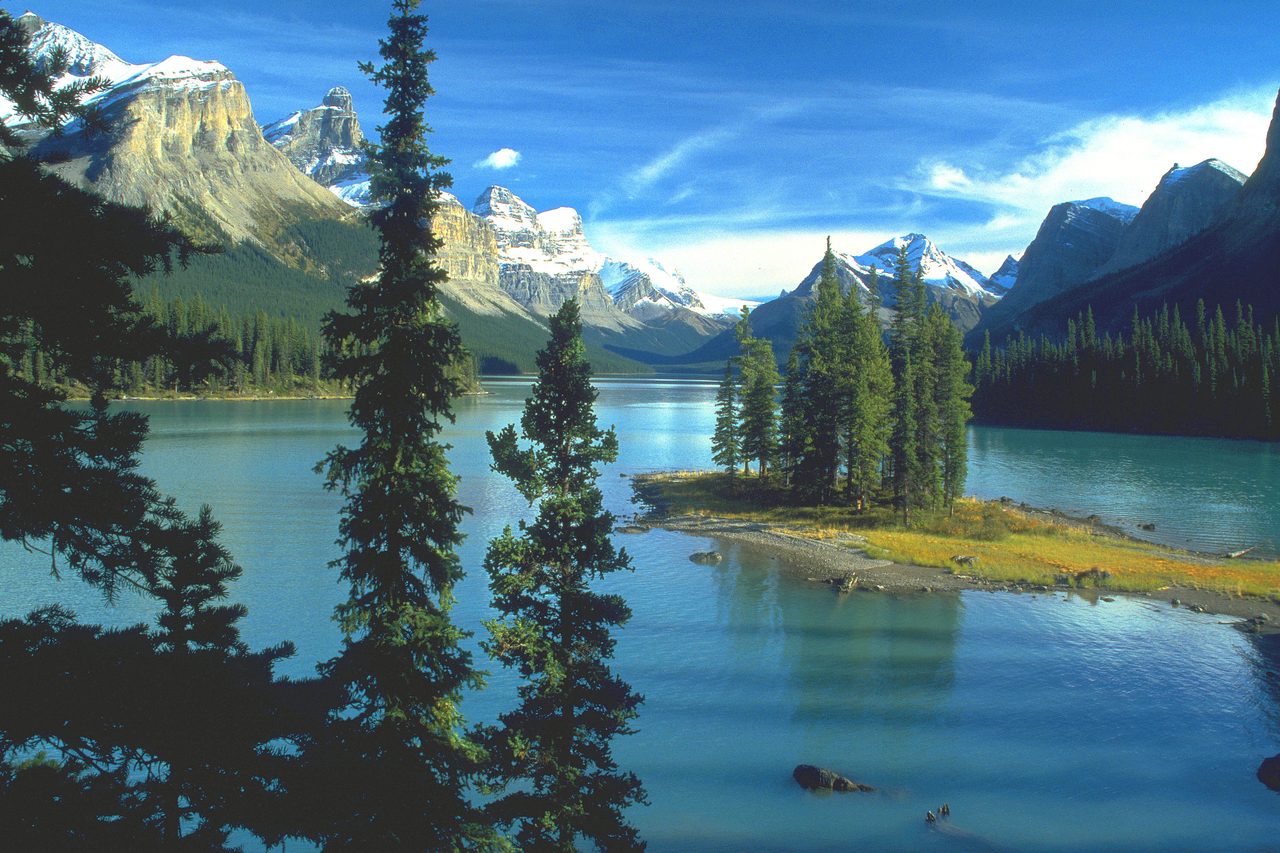
The road out to Maligne Lake (48 km from town) is a wildlife corridor — elk, deer, sometimes a moose, in the early morning. The cruise itself is about 1.5 hours to Spirit Island and back, the most photographed island in the Rockies. Book ahead in July and August; ~$86–135 CAD depending on the boat and season. I paid near the top of that range in August. Worth the detour anyway.
1:00 PM — Medicine Lake and Maligne Canyon (free)
Medicine Lake is the “disappearing” lake — it drains through an underground river system and empties every fall. Maligne Canyon is a short walk between the first two bridges above a 50-metre gorge. Both free, both on the same road back. I stopped at the canyon mostly to stretch my legs and ended up staying an hour.
4:00 PM — Athabasca Falls

Not the tallest falls in the park. The angriest. The whole Athabasca River squeezes through a narrow gorge, and the sound hits you before the view does. Short walk from the parking lot, free, and twenty minutes is plenty.
Day 4 spending: cruise ~$100 + food ~$55 ≈ ~$155.
Day 5: Jasper SkyTram, Miette Hot Springs, and the stars
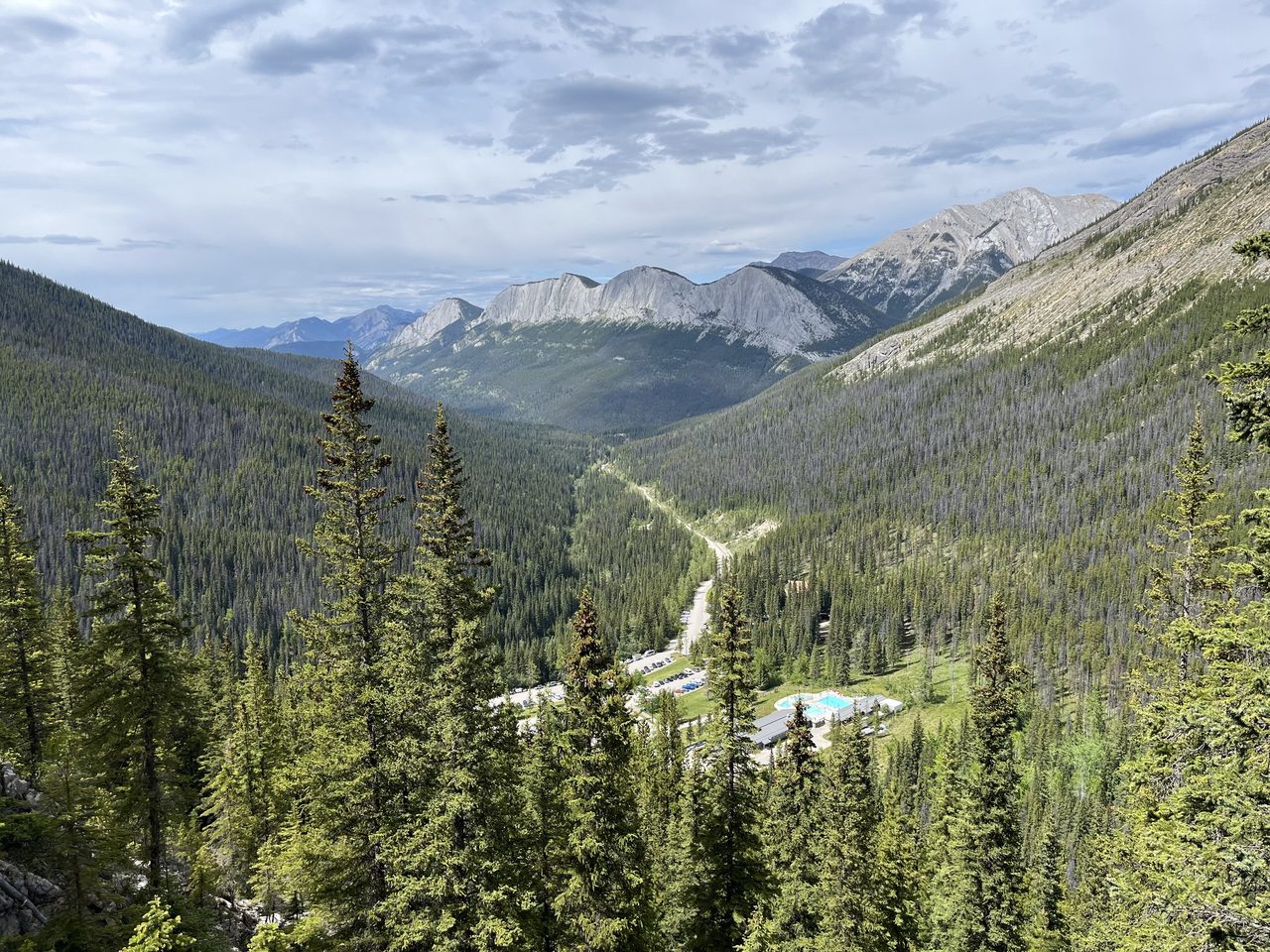
10:00 AM — Jasper SkyTram (~$67/adult)
Seven minutes up Whistlers Mountain to the upper station at 2,263 m — Canada’s highest and longest aerial tramway. If your legs have anything left, the summit trail (1.4 km) climbs to the true summit at 2,470 m. Book a timed slot online ahead of time; the gate queue in August is not a place you want to be. I grabbed the early slot and had the upper boardwalk nearly to myself. → Jasper SkyTram — official site & how to get there
2:00 PM — Miette Hot Springs ($19.75/adult)
About 61 km east of town, up a winding mountain road — the drive alone is worth it, and it’s prime bighorn sheep territory. The springs are the hottest mineral water in the Canadian Rockies, cooled to a comfortable soak. $19.75/adult for a single entry, in-person only, first-come first-served — no reservations exist. I pulled the current hours and prices off Parks Canada’s Miette page before I went: daily 11 AM–9 PM (last entry 8:30 PM), season ended October 12, 2026. Bring your own towel or rent one. I forgot mine. Again. → Parks Canada — Miette Hot Springs
9:30 PM — Dark sky send-off
Last night. Drive five minutes out of town, kill the headlights, look up. Jasper’s Dark Sky Preserve status isn’t marketing — it’s genuinely one of the darkest accessible skies in the world. End of trip. Five days, zero regrets, one slightly traumatized fuel gauge.
Day 5 spending: SkyTram ~$67 + Miette $19.75 + food ~$50 ≈ ~$140.
How much does the Banff–Jasper road trip cost?
Sample budget per adult, 5 days, excluding hotels and the rental rig (prices checked October 2026; ~ marks estimates):
| Item | Cost (CAD) |
|---|---|
| Park entry: Discovery Pass (annual) or 5 daily passes | $83.50 or ~$61 |
| Sulphur Mountain Gondola (Banff) | ~$75–90 |
| Parks Canada shuttle: Lake Louise + Moraine Lake | ~$16 |
| Columbia Icefield Adventure combo (Ice Explorer + Skywalk) | ~$111–125 |
| Maligne Lake cruise to Spirit Island | ~$90–135 |
| Jasper SkyTram | ~$67 |
| Miette Hot Springs | $19.75 |
| Fuel, 5 days (~1,000 km of driving) | ~$110–140 |
| Food & drinks, 5 days | ~$250–300 |
| Total | ~$820–990 |
Hotels are the real variable: mid-range spots in Banff and Jasper run ~$200–400/night in summer. Book six to nine months out — I don’t, and I pay for it. Pairing this with Calgary days? See our 3-day Calgary itinerary or the full Alberta road trip itinerary.
Timeline at a glance
| Day | Morning | Afternoon | Evening |
|---|---|---|---|
| Day 1 | Arrive Banff, walk Banff Avenue | Sulphur Mountain Gondola (~$75–90) | Casual dinner on the Avenue |
| Day 2 | Early shuttle to Lake Louise + Moraine Lake (~$16) | Lake Connector, Rockpile, optional Johnston Canyon | Back to Banff |
| Day 3 | Icefields Parkway: Bow Lake, Peyto Lake | Columbia Icefield combo (~$111), drive north | Arrive Jasper, dark sky |
| Day 4 | Maligne Lake cruise to Spirit Island (~$90+) | Medicine Lake, Maligne Canyon, Athabasca Falls (free) | Jasper townsite |
| Day 5 | Jasper SkyTram (~$67) | Miette Hot Springs ($19.75) | Stargazing send-off |
FAQs about the Banff–Jasper road trip
How many days do you need for a Banff–Jasper road trip?
Five days is the sweet spot: two days in Banff (town, gondola, Lake Louise and Moraine Lake), one full day on the Icefields Parkway, and two days in Jasper (Maligne Valley, SkyTram, Miette Hot Springs). Three days works if you skip Jasper’s second day, and seven lets you add hikes like Sentinel Pass or the Plain of Six Glaciers. See our 1-day Jasper itinerary if you’re tight on time.
When is the best time to drive the Icefields Parkway?
Late June through early September for the most reliable hiking weather, fully thawed lakes, and all attractions open. July and August are the busiest and priciest. Late September brings golden larches and thinner crowds, but some services start closing — the Columbia Icefield, Moraine Lake shuttles, and Miette Hot Springs all wrapped up their 2026 seasons around mid-October.
How much does a Banff–Jasper road trip cost?
Budget roughly $820–990 CAD per adult for five days, excluding hotels and the rental car (October 2026 prices): about $300–400 in attraction tickets (gondola, Icefield combo, cruise, SkyTram, hot springs), ~$16 for the lake shuttle, ~$110–140 in fuel, and ~$250–300 for food. Mid-range hotels add roughly ~$200–400 per night in summer.
How do I get to Moraine Lake in 2026?
Private cars are banned from Moraine Lake Road year-round, so you take the Parks Canada shuttle from the Lake Louise Ski Resort Park and Ride — $12.75/adult return plus a $3.50 booking fee. Reservations opened April 15, 2026; 40% of seats released then, and the remaining 60% drop at 8:00 AM MDT exactly two days before each departure. The same ticket covers the free Lake Connector shuttle between Lake Louise and Moraine Lake. Book the morning slot.
Can you drive the Icefields Parkway in winter?
You can — Highway 93 North stays open year-round — but it’s a very different trip. Most pullouts are unplowed, the Columbia Icefield and Skywalk close (May to October season), Moraine Lake Road is snowed in, and the SkyTram shuts down early November to mid-March. Carry winter tires (legally required on many BC/Alberta mountain roads), check Parks Canada’s road conditions before you go, and keep the tank topped up.
What do I need to know about wildlife safety on this road trip?
Carry bear spray on every hike and know how to use it. Around roadside wildlife, stay in your vehicle, keep 100 metres from bears and 30 metres from elk, and never stop in the middle of the highway — “bear jams” are dangerous for everyone. The Icefields Parkway, especially near Saskatchewan River Crossing and the Columbia Icefield meadows, is prime grizzly and bighorn sheep country. Dawn and dusk are the best viewing times and the ones that demand the most caution.
4 comments