
Last updated: October 3, 2026
The short answer
- Documents first: apply for an eTA ($7 CAD, linked to your passport, valid up to 5 years) or a visitor visa before you fly — and file your Advance Declaration in the ArriveCAN app up to 72 hours before landing to skip the long arrivals lines.
- Pack for two seasons: Canada’s weather changes its mind fast. A three-layer system for winter (with real boots) and a waterproof layer for the coasts will cover almost every trip.
- Insure properly: visitors pay out of pocket for healthcare in Canada, so get travel insurance with at least ~$100,000 in emergency medical cover — and an adventure-sports rider if you’re skiing or heading into the backcountry.
I’ll be honest: my first Canada trip nearly fell apart before it started, and it wasn’t the snow or the bears — it was paperwork I assumed would “just work.” (It did not. Fair warning, the eTA section below is me learning from experience so you don’t have to.) After several trips from coast to coast, I’ve boiled the whole thing down to one planner-friendly checklist: documents, money, insurance, packing, and the handful of local habits that keep you out of awkward situations. Do not skip a single one of these steps — this is the list I now send every friend who says “I’m finally going to Canada.”
Before you fly: documents and entry requirements
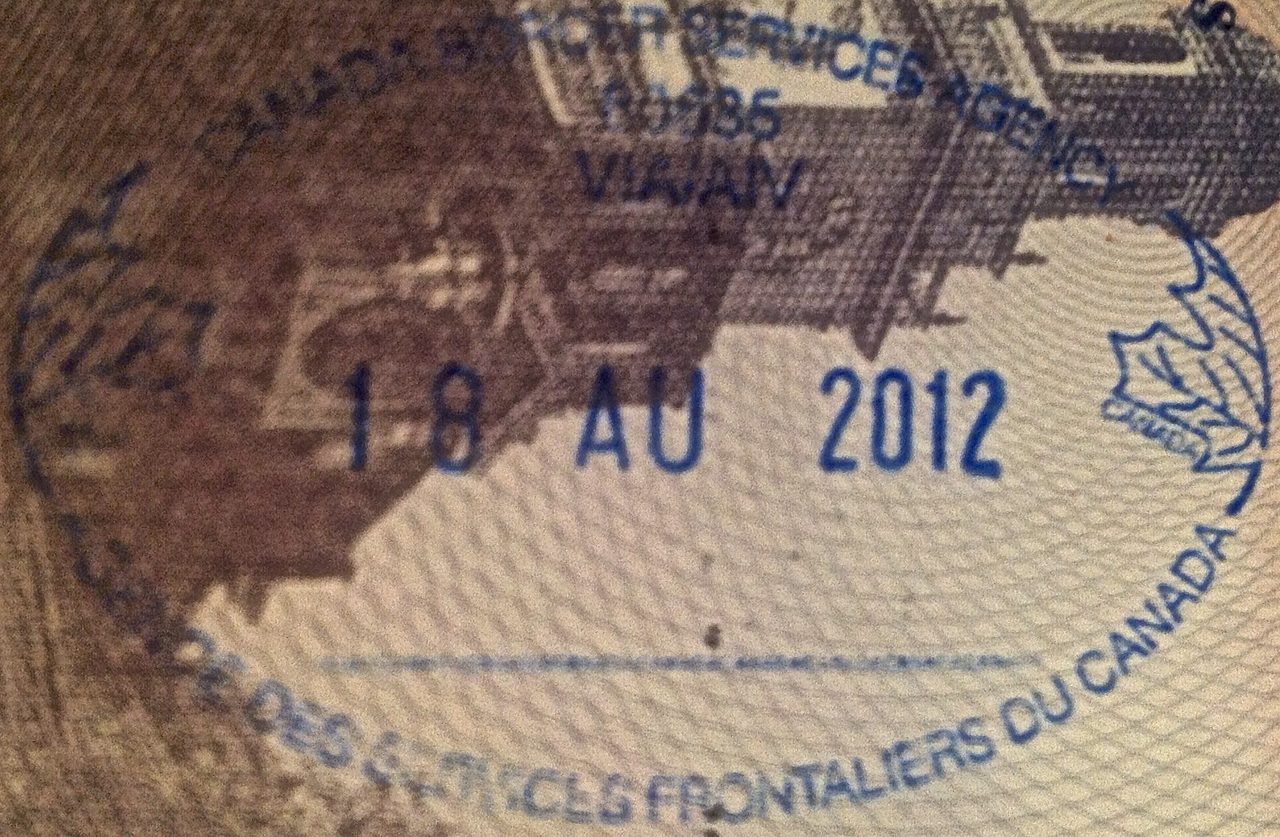
Start here, and start early — this is the section with the highest “ruined trip” potential if you wing it. Canada’s official rule is that your passport just needs to cover your whole stay, but my own rule is six months past my planned departure date — airlines and connecting countries can be pickier than Canada itself, and I check mine at least three months before booking anything, because renewals have a way of taking exactly as long as you don’t have.
The eTA ($7 CAD)
If you’re flying into Canada from the UK, Australia, or most European countries, you probably need an Electronic Travel Authorization (eTA) rather than a full visa. It costs $7 CAD, links electronically to your passport, is usually approved within minutes, and stays valid for up to five years (or until your passport expires). I double-checked the current fee and rules on the official IRCC page before writing this — and I mention it because this is where I messed up once: I applied with my old passport number after renewing, and the airline’s system couldn’t find my eTA at check-in. Double-check every digit. → IRCC — How to apply for an eTA for travel to Canada
Pro tip: only apply through the official Government of Canada site. Third-party sites look official and charge absurd “processing fees” for the same $7 application.
The visitor visa ($100 CAD)
If you’re from a non-visa-exempt country, you’ll need a formal visitor visa instead — currently $100 CAD per person, with extra paperwork and longer processing times. Don’t leave this to the last month. → Government of Canada — official fee schedule
What else to carry
Here’s the thing: border officers occasionally ask for proof of funds (a bank balance on your phone is fine) and a return or onward flight booking. They’re just confirming you can support yourself and plan to leave. Students should pack their study permit and letter of acceptance; business travelers need an invitation letter. And if you’re driving across the US border instead of flying, you won’t need an eTA at all — but the rest of this section still applies.
ArriveCAN: your 72-hour head start at the airport
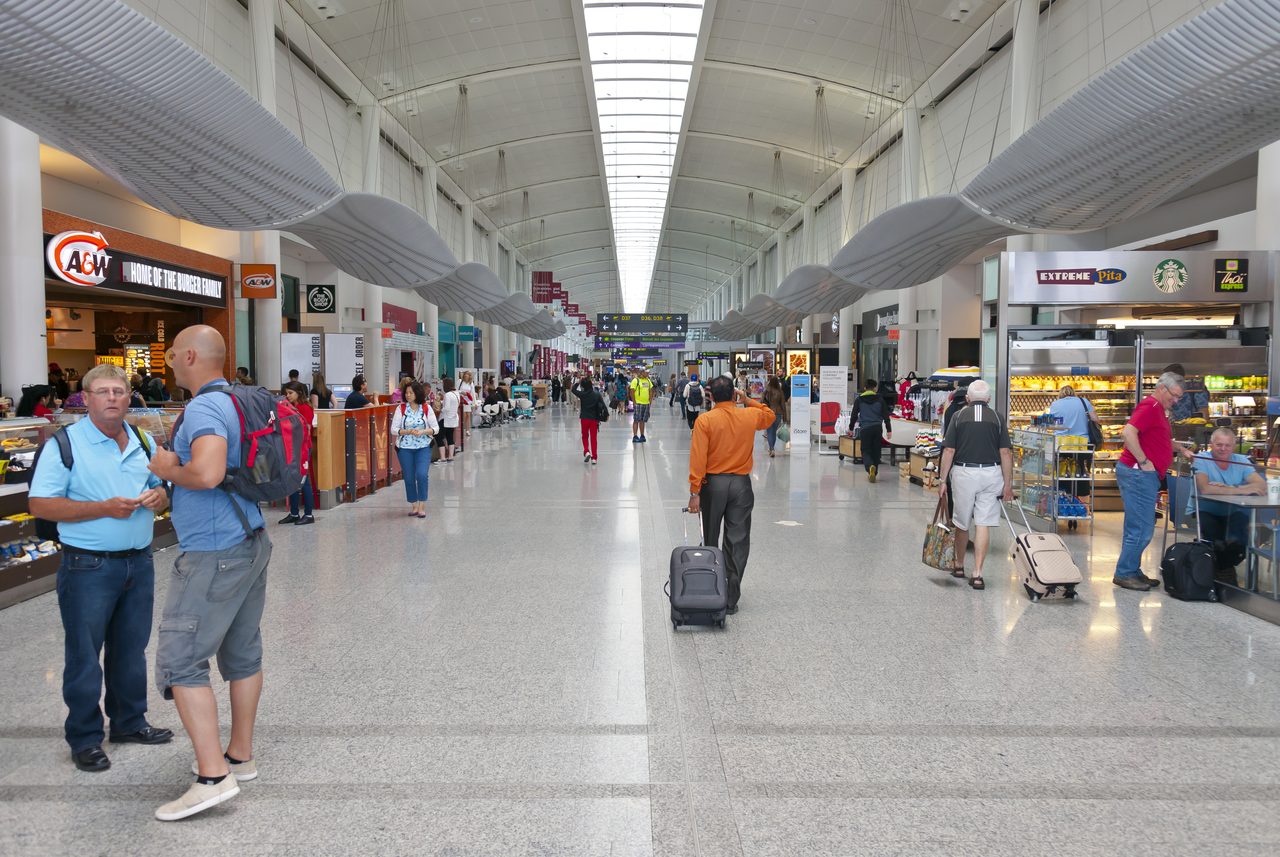
The ArriveCAN app used to be a health tool; in 2026 it’s your Advance CBSA Declaration — you can submit your customs and immigration declaration up to 72 hours before landing. Then at the airport you just scan your passport at a primary inspection kiosk or eGate, confirm, and walk through. I timed it: at Toronto Pearson, my Advance Declaration turned a 45-minute arrivals hall into about ten minutes. (One catch — if your flight is delayed past 72 hours after you submit, the declaration expires and you do it again at the kiosk. I found this out the expensive-waiting way.) → CBSA — How to submit your Advance Declaration
It’s free, it’s optional, and trust me on this one: use it anyway.
Money: cards, cash, and what things actually cost
Canada runs on cards — tap payments are everywhere, even at most farmers’ markets. But here’s my planner routine:
- Tell your bank you’re traveling (yes, still a thing) and carry one backup card in a different spot.
- Grab some Canadian dollars anyway — ~$100–200 CAD in small bills for tips, small-town diners, and places where the card reader mysteriously “doesn’t work today.”
- Check your card’s foreign transaction fee. At ~2.5–3% per swipe, a fee-free travel card is worth every penny over a long trip. I do the math on every itinerary tab — this one always survives the cut.
- Tipping is not optional. Restaurants: 15–20%. Bartenders: ~$1–2 a drink. Hotel housekeeping: a couple of dollars a night. Taxi/rideshare: 10–15%. When in doubt, I tip 18% and move on with my life.
Sample daily budget per person (2026 estimates, marked ~; taxes are added at the till, not included in prices):
| Item | Budget (CAD/day) |
|---|---|
| Mid-range hotel (outside peak season) | ~$150–250 |
| Food & drinks | ~$60–90 |
| Attractions & transit | ~$40–70 |
| Total | ~$250–410 |
Getting around and staying connected
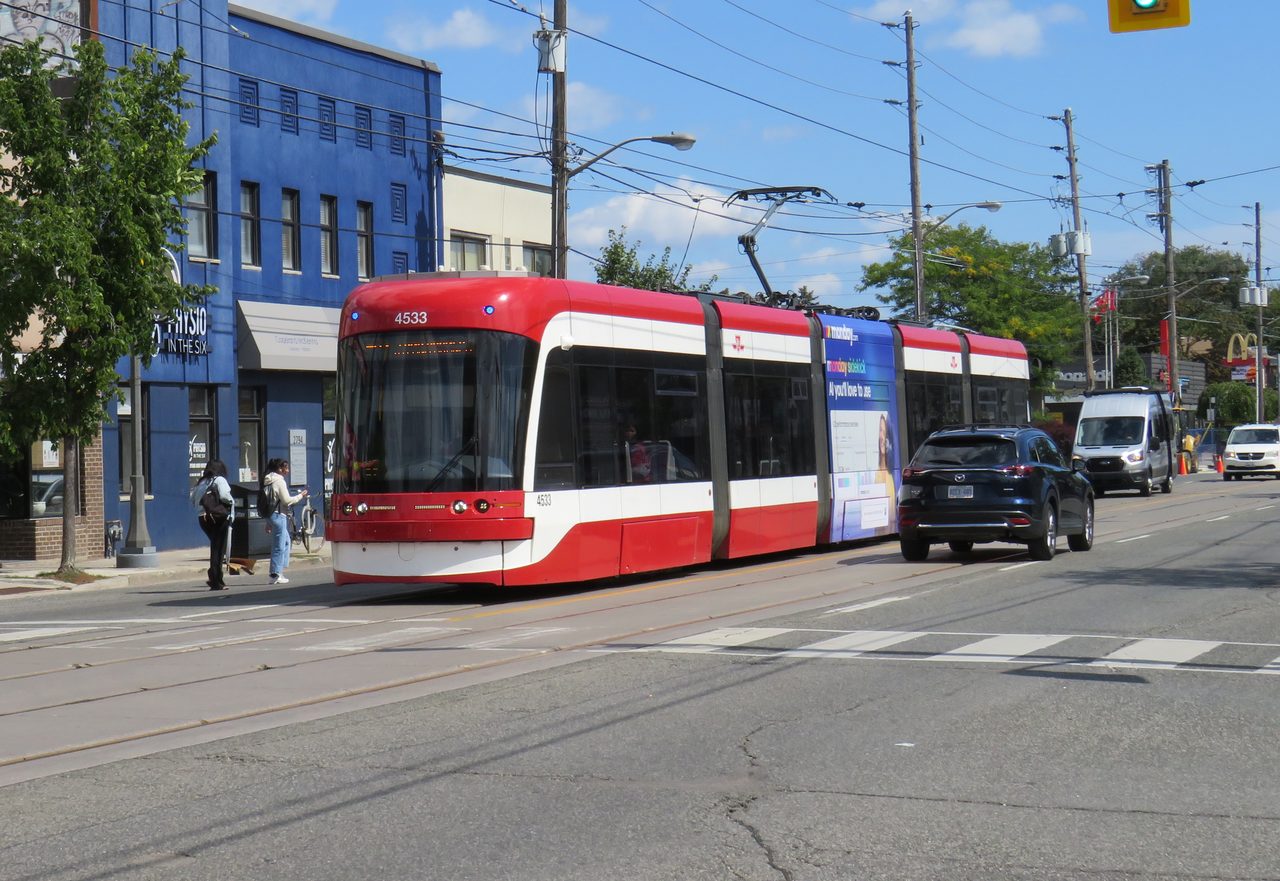
Canadian cities take transit seriously — Toronto’s streetcars, Montreal’s metro, Vancouver’s SkyTrain — and the fare math is usually simple: tap on with a credit card or transit card when you board, and tap off where the system requires it. I missed a tap-off in Vancouver once and got charged the maximum fare. The system was right; I was the wrong one.
For data, skip roaming (Canadian roaming rates are notoriously painful): buy an eSIM or a local prepaid SIM at the airport — the kiosks right after arrivals take about ten minutes. Public Wi-Fi is common in cities, but don’t trust it with banking.
Getting between cities? VIA Rail’s corridor trains (Toronto–Ottawa–Montreal–Quebec City) are the civilized option; for the Rockies or the Maritimes, rental cars and regional flights cover the gaps. And if you’re pairing this trip with mountain days, read our 2-day Banff itinerary to see how the logistics fit together.
Travel insurance: the non-negotiable
Canada’s healthcare is excellent — and completely unbilled to Canadians. Visitors pay full price: a simple ER visit can run into the thousands. I carry a policy with at least ~$100,000 in emergency medical coverage, and I never, ever fly without it. Full breakdown in our 2026 Canada travel insurance guide.
Now the fine print that matters: standard policies often exclude “high-risk” activities — skiing, snowboarding, backcountry hiking, heli-tours. If you’re going near the slopes at Banff or Whistler, add the adventure-sports rider. Mountain search-and-rescue bills are the kind of number that ruins your year, not just your trip. Fair warning.
Also practical: for anything non-emergency, look for a walk-in clinic instead of a hospital ER — much faster, much cheaper. Dial 911 for real emergencies (police, fire, ambulance).
Packing for Canada’s weather: the seasonal cheat sheet
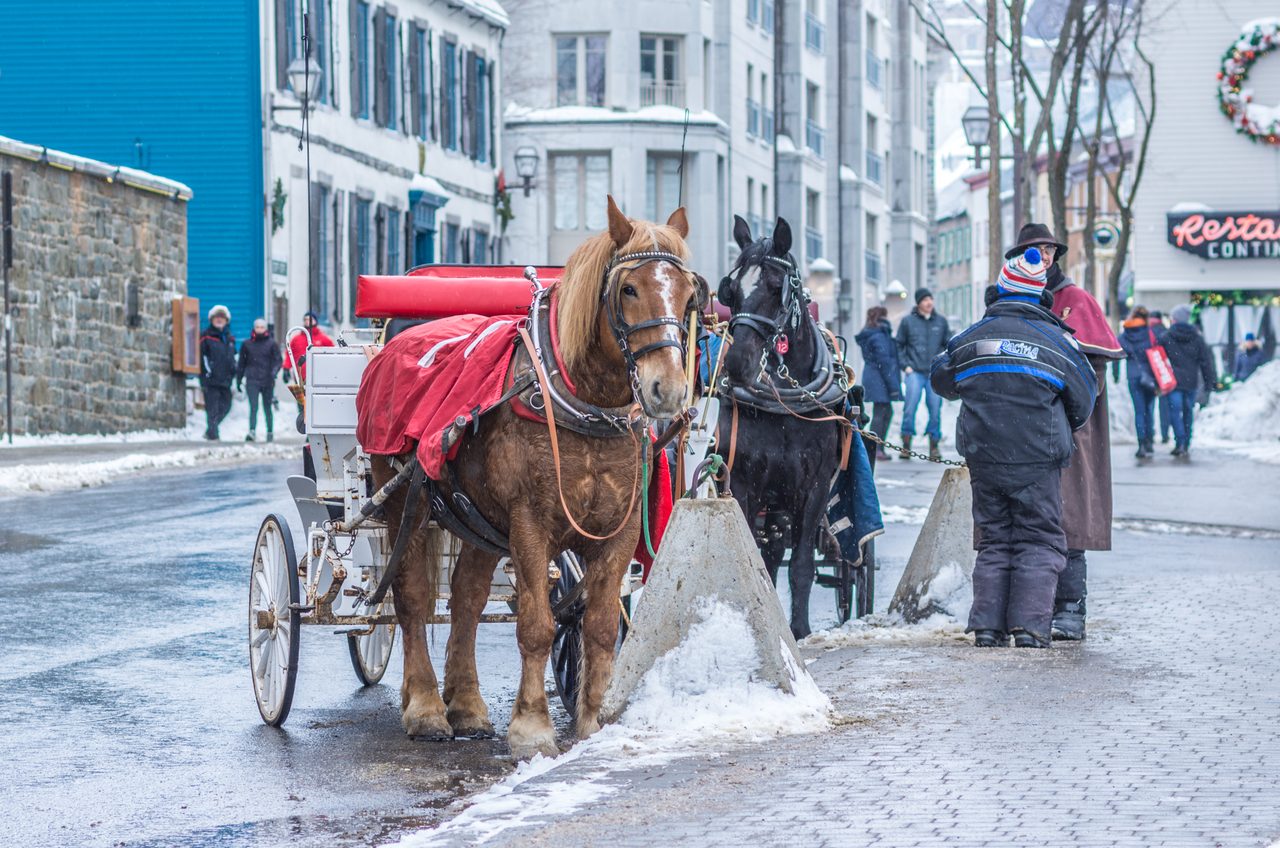
I learned the hard way in the Rockies: Canadian weather does not care about your vacation calendar. I’ve stood in a t-shirt in Vancouver in February and needed a parka in Banff in June. The three-layer system (base, insulating, waterproof shell) handles nearly everything winter can throw at you, and real winter boots with grip are worth every penny — ice doesn’t negotiate.
| Season | Typical temps | What to pack |
|---|---|---|
| Winter (Dec–Feb) | −30 to 5°C | Down parka, thermal base layers, insulated waterproof boots, gloves, toque, lip balm. See our full Canada winter packing list. |
| Spring/Fall (Mar–May, Sep–Nov) | −5 to 20°C | Waterproof shell, warm mid-layer, layers you can strip, closed shoes that handle rain. |
| Summer (Jun–Aug) | 18 to 30°C | Light clothes plus a sweater for evenings, swimwear, sunscreen (the northern sun is stronger than you think). |
| The coasts (any season) | Varies | Always bring rain gear — Vancouver and Atlantic Canada do rain. A lot of rain. |
My full what-to-bring breakdown is in What to Pack for a Canada Trip — the only packing post I trust my spreadsheet-reading friends to use.
Local etiquette: fit in like you meant to
Nothing complicated here — just the habits that make Canadians quietly decide they like you:
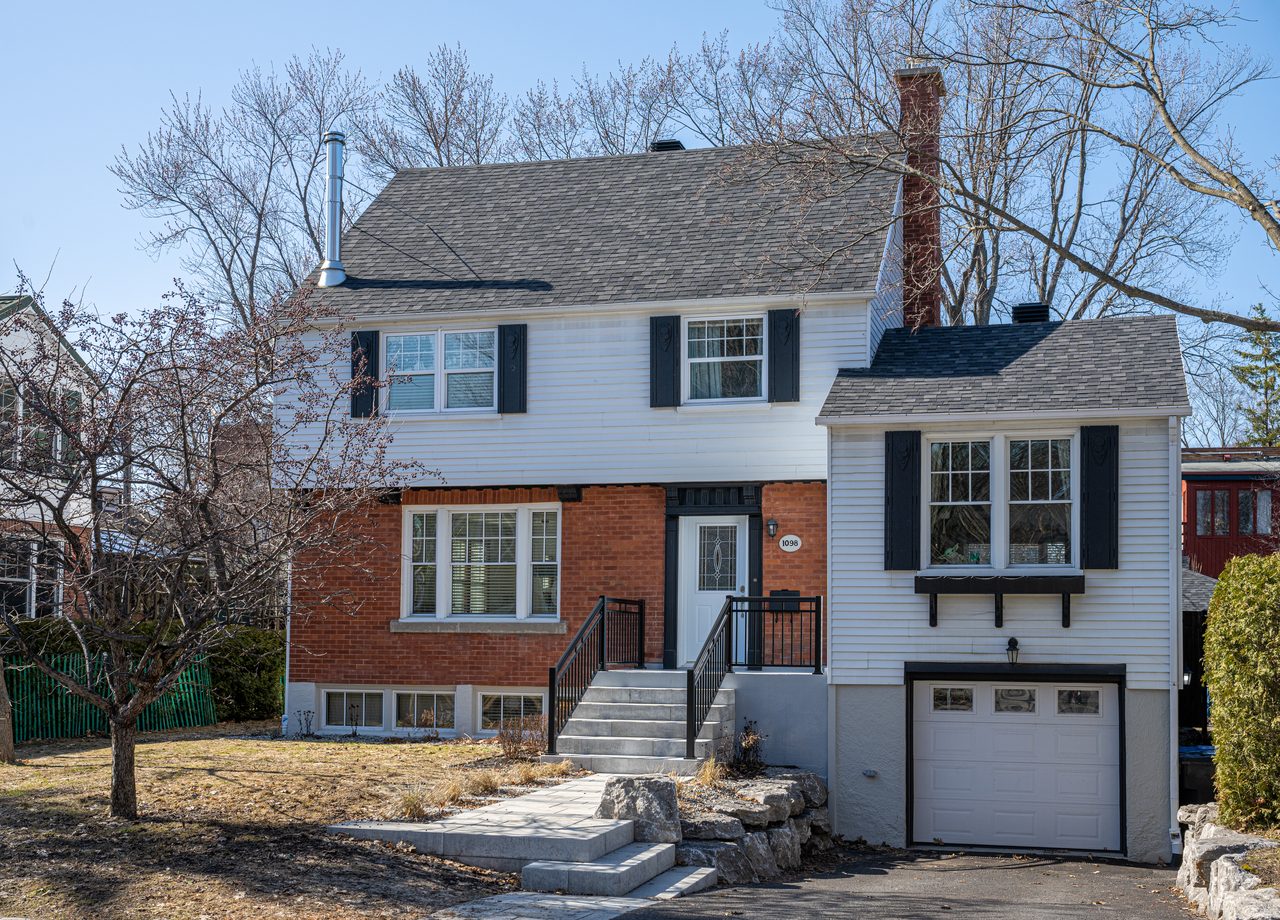
- Politeness is the national sport. “Sorry” as an apology, as an excuse-me, as a full sentence. When in Quebec City, a “Bonjour” before your English sentence is deeply appreciated.
- Take your shoes off when entering someone’s home. This one is non-negotiable.
- Respect the outdoors. On trails, give wildlife wide space (a park ranger at the trailhead told me elk-related ambulance rides are more common than bear ones — he was dead serious), carry out all trash, and never feed animals.
- Quiet hours are real. Many apartment buildings and campgrounds enforce them; keep the volume down after ~10 PM.
- Punctuality counts. Show up on time for tours, restaurants with reservations, and especially domestic flights (arrive 2 hours early).
Quick pre-departure checklist
Tape this to your suitcase, planner-style:
- ☐ Passport valid for the whole stay (I keep a 6-month buffer)
- ☐ eTA approved and linked to the current passport (or visitor visa in hand)
- ☐ ArriveCAN Advance Declaration submitted within 72 hours of landing
- ☐ Travel insurance with ~$100,000+ emergency medical cover (+ adventure rider if needed)
- ☐ Bank notified, backup card packed separately, ~$100–200 CAD cash
- ☐ Return flight booked and accessible offline
- ☐ eSIM purchased or airport SIM plan researched
- ☐ Seasonal clothing: three-layer winter system or waterproof coastal gear
- ☐ Power adapter: Canada uses Type A/B plugs at 120V — same as the US
- ☐ First accommodation address (some entry forms ask for it)
FAQs about visiting Canada in 2026
Do I need a visa to visit Canada from the US?
US citizens don’t need a visa or an eTA for Canada — just a valid passport (or other WHTI-compliant ID for land/sea crossings). US permanent residents need an eTA when flying into Canada but not when entering by land or sea. Requirements differ for other nationalities, so check the official IRCC page for your passport.
How much does an eTA for Canada cost in 2026?
The official fee is $7 CAD, paid online when you apply — I double-checked this on the Government of Canada’s fee schedule. It’s linked electronically to your passport and usually valid for up to five years. Apply only on the official IRCC site; third-party sites charge far more for the same application.
Is ArriveCAN still required in 2026?
Not required — but its Advance CBSA Declaration feature is absolutely worth using. Submitting your customs and immigration declaration up to 72 hours before landing means you just scan your passport at a kiosk or eGate on arrival. If your declaration changes or expires (past the 72-hour window), you can edit or redo it at the airport kiosk. → CBSA — Advance Declaration guide
What is the best time of year to visit Canada?
Here’s the thing — there’s no single answer. Summer (June–August) is best for hiking and festivals; fall (September–October) brings spectacular foliage; winter (December–February) is for skiing and the Northern Lights; spring (April–May) is shoulder season with fewer crowds and some muddy trails. Pick the season that matches your trip, then pack for the season that’s actually coming. See our Vancouver guide for how coastal weather differs from the Rockies.
How much money should I budget per day in Canada?
As a rough estimate for 2026: ~$250–410 CAD per person per day for a mid-range trip — roughly $150–250 for hotels, $60–90 for food, and $40–70 for attractions and transit, before taxes (which are added at the till, not shown in prices). Major cities cost more than small towns, and summer and holidays spike hotel rates.
Do I need travel insurance for Canada?
Yes — I’ll be honest, this is the one people skip and shouldn’t. Canada’s healthcare is not free for visitors, and even a minor ER visit can cost thousands. Get a policy with at least ~$100,000 in emergency medical coverage, and add an adventure-sports rider if you’re skiing, snowboarding, or heading into the backcountry. Details in our 2026 Canada travel insurance guide.
Keep exploring
- The Ultimate 2026 Canada Travel Insurance Guide
- The Ultimate Canada Winter Packing List for 2026 Travel
- What to Pack for Canada Trip: The Ultimate 2026 Guide
- The Ultimate Vancouver Travel Guide: 2026 Edition
- The Ultimate 2 Days in Banff Itinerary: 2026 Travel Guide