
Last updated: October 3, 2026
The short answer
- The pitch: Calgary gets ~2,300 hours of sunshine a year, sits at ~1,045 m above sea level, and puts you 90 minutes from Banff — it’s a proper destination, not just an airport with a cowboy hat.
- Don’t miss: the Calgary Tower (~$25), the Wilder Institute / Calgary Zoo (~$35–40, book online), Heritage Park ($39.95), and Studio Bell ($24.50) — plus the Stampede every July ($28/day) if you can time it.
- The logistics: the CTrain is $4.00 a ride or $12.65 for a day pass (free along 7th Avenue downtown), and a comfortable Calgary trip runs roughly $200–280 per adult per day, hotel excluded. Prices checked October 2026.
I’ll be honest: for years I treated Calgary the way a lot of people do — as the airport you land at on the way to Banff. Then I actually stayed for a few days (my spreadsheet had a whole tab titled “wait, why is this good?”) and discovered a city that’s sunny in a way that feels personal, easy to get around without a car, and — here’s the thing — genuinely fun in a scrappy, blue-sky, prairie-meets-mountains way. This is my 2026 Calgary travel guide: when to visit, what to do, how the transit works, where to stay, what it costs, and the day trips that make this city the best base in Alberta. Trust me on this one — you’ll want the extra day.
When to visit Calgary: seasons, sunshine, and the chinook
Calgary is one of Canada’s sunniest big cities — roughly 2,300 hours of sunshine a year, which is the number I now quote at people whenever they say “but it’s Alberta” (it is, and it’s glorious). The catch is that the weather has opinions. Here’s my seasonal breakdown:
- Summer (June–September) — the sweet spot. Warm days, long light, and the Calgary Stampede in early July (the 2026 edition ran July 3–12 and just wrapped — more on that below). This is also peak pricing for hotels, so book ahead. Pro tip: I once packed for a July visit like it was Toronto in July. By lunch I owned a new fleece. Layers. Always layers.
- Fall (September–October) — my personal pick. The Stampede crowds are gone, the light turns golden, and the village at Heritage Park is still running on weekends through Thanksgiving (October 12, 2026).
- Winter (November–March) — cold, yes, but Calgary gets the chinook, a warm mountain wind that can swing the temperature 15–20°C in a single day. It’s the most dramatic weather trick in Canada and I will never get tired of it. The zoo stays open year-round (open 364 days) and the winter Penguin Walk is a genuine delight.
- Spring (April–May) — the wildcard. Could be glorious, could snow. I’ve learned not to make firm patio plans before June.
One more thing your spreadsheet (and mine) should note: Calgary sits at about 1,045 metres above sea level. The air is dry and the sun is strong — I timed my first sunburn here at roughly 40 minutes, hatless, in April. Drink water, wear the sunscreen, and give yourself a half-day to acclimatize before anything ambitious.
The essential Calgary stops: what to do in 2026
Calgary Tower — the 191-metre orientation point
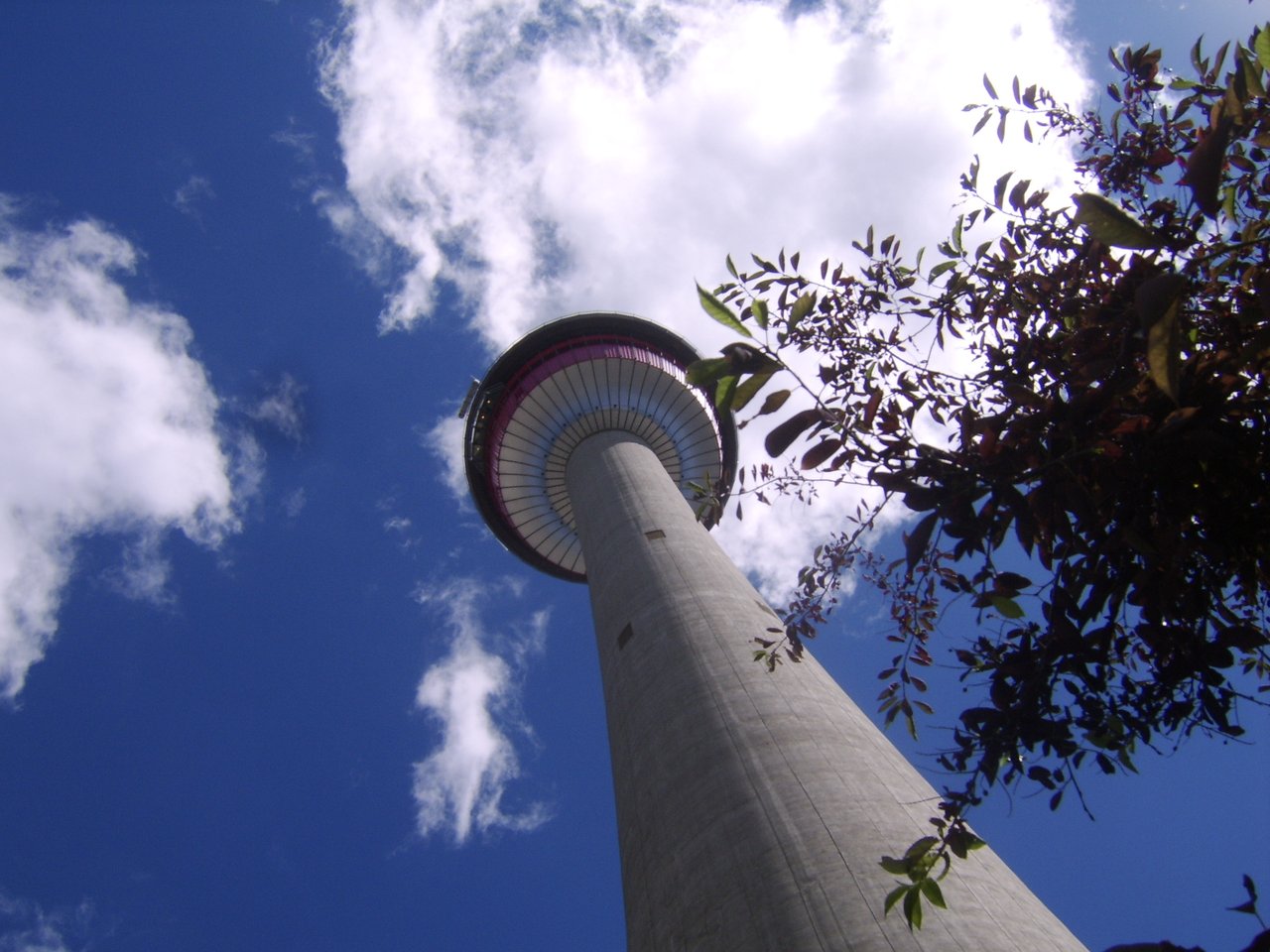
Start here. The 191-metre Calgary Tower has the best 360° view in the city: downtown glass, the prairies stretching east, and the Rockies stacked up on the western horizon on a clear day (that blue-sky clarity is the sunshine paying you back). The famous glass floor lets you stand over the street below — I’ll confess I froze mid-step the first time and had to be coaxed forward by a school group. Nobody was impressed.
Practical notes: adult admission runs ~$25 at the ticket booth / ~$26.50 online (I double-checked on the official site before I went — a local travel blogger noted the booth is currently a touch cheaper, which is unusual, so buy at the door if you’re flexible). It’s open daily, typically 10 AM–10 PM (Sundays until 9 PM), closed Christmas Day. The revolving Sky 360 restaurant at the top does the full-rotation dinner thing if you want the splurge version. Allow about an hour. → Calgary Tower — official site, tickets & hours
The Calgary Stampede — the Greatest Outdoor Show on Earth

For ten days every July, Calgary puts on a cowboy hat and doesn’t take it off. The Stampede is rodeo (daily at 1:30 PM, with $2.17 million in prize money in 2026), chuckwagon races and the Grandstand Show with fireworks every evening at 7:15, a massive midway, four free-with-admission music stages, and free pancake breakfasts all over the city. The 2026 edition ran July 3–12 — so treat the prices below as your reference for planning the next one.
- 2026 park admission: $28 adults (13–64), $17 seniors and kids 7–12, free under 7. The SuperPass ($50) covered all 10 days plus the Sneak-A-Peek opening night — worth every penny if you go more than once.
- Rodeo and evening show tickets are separate (from ~$25 for rush seats). Buy the day you want early; the good seats go first.
- The parade opens the whole thing on the first Friday (July 3 in 2026), free to watch downtown — get there early, the route fills up.
Fair warning: do not, under any circumstances, break in new cowboy boots at the Stampede. I did this once. By day two I was walking like a newborn foal and buying bandages at a souvenir shop. → Calgary Stampede — official site · Travel Alberta — must-do Stampede experiences
Short on time but visiting in July? Our 3-day Calgary itinerary builds a Stampede day into the plan.
Wilder Institute / Calgary Zoo — Canada’s most-visited zoo
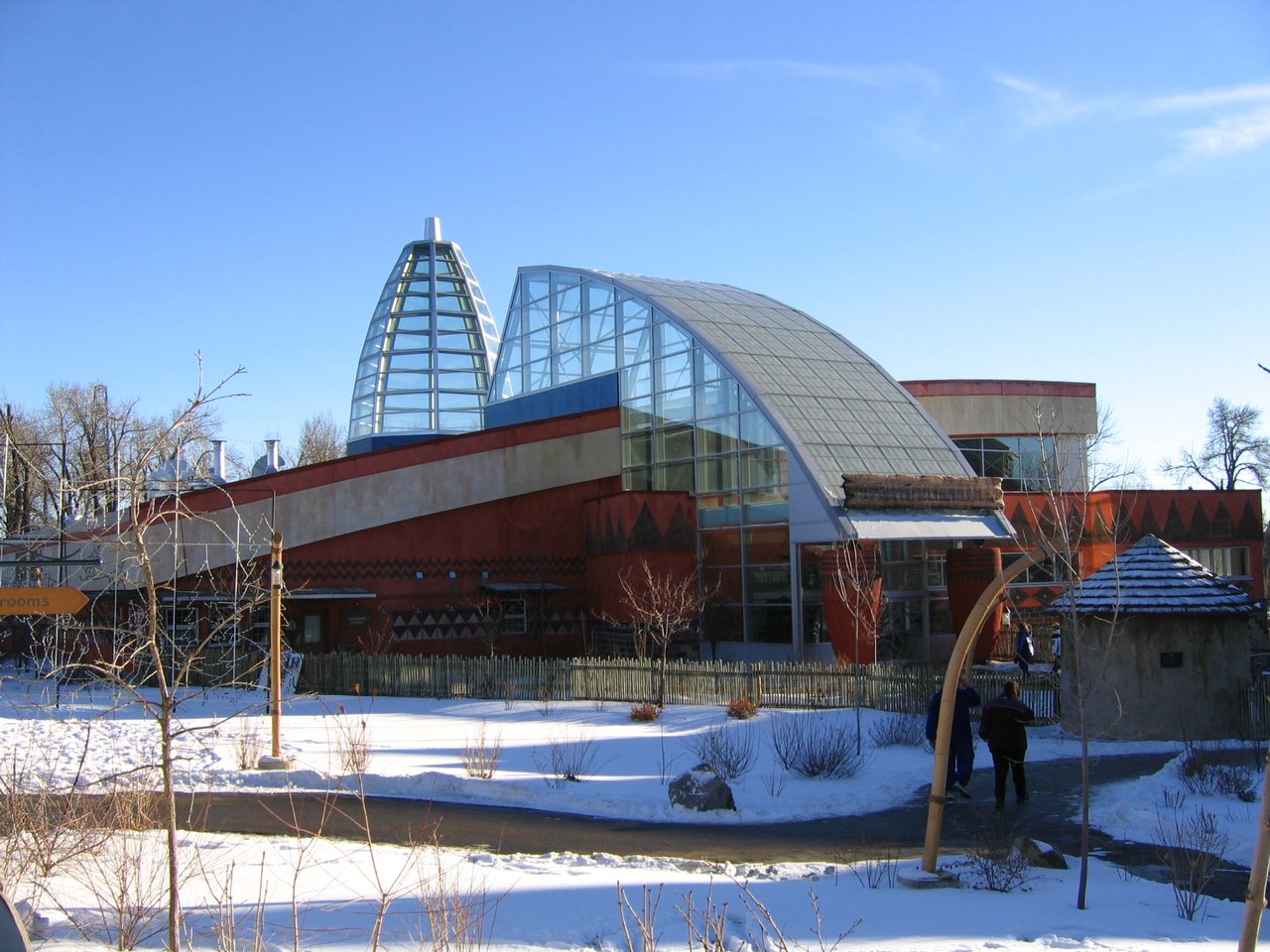
The zoo sits on St. George’s Island, five minutes from downtown, and it’s genuinely one of the best in the country — 4,000+ animals across themed zones from the Canadian Wilds to Destination Africa, and a serious conservation program behind it. Here’s what I learned the expensive way: the zoo uses dynamic pricing, so a Saturday walk-up costs noticeably more than a weekday ticket bought in advance. Buy online ahead of time — adults typically run ~$35–40 (weekday advance tickets are the cheapest). Open daily 9 AM–5:30 PM (last entry 4:30 PM), closed December 25. Note that the West Gate is closed through at least 2028/29 for construction, so plan on the North entrance.
If you visit in winter, do not skip the Penguin Walk (in 2026 it ran January 10–March 15, daily at 10:30 AM, weather permitting — the king penguins go for a voluntary stroll and it’s exactly as charming as it sounds). Allow a half day; wear good shoes, it’s a big site. → Wilder Institute / Calgary Zoo — official tickets & hours
Heritage Park Historical Village — the prairies, live and in person
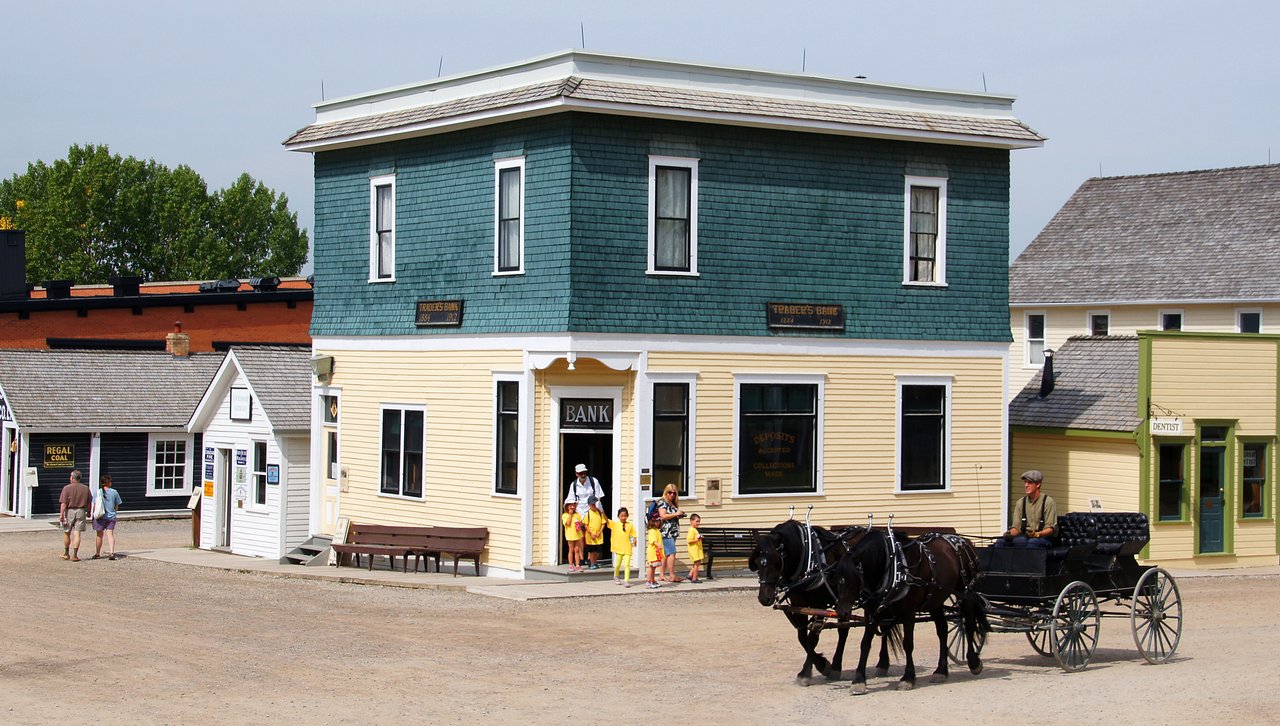
One of Canada’s largest living-history museums, on the Glenmore Reservoir: 180+ exhibits, a working steam train, the antique midway, a paddlewheeler, and costumed interpreters who will absolutely rope you into a conversation about 1910. I rode the train, ate the bakery’s cinnamon bun while it was still warm, and immediately understood why every Calgarian has a childhood photo here. (Game-changer move: arrive at the 10 AM opening and do the train first, before the line builds.)
The seasonal structure matters, so listen up — I checked the current calendar on Heritage Park’s official site before writing this. The Historical Village (adult $39.95 + GST) runs daily in summer and weekends and holidays only from August 31 through October 12, 2026, 10 AM–5 PM. After Thanksgiving, the village closes and only the Gasoline Alley Museum stays open daily ($14.95 adult), which is honestly a great rainy-day backup. → Heritage Park — official admission & seasons
Studio Bell, home of the National Music Centre
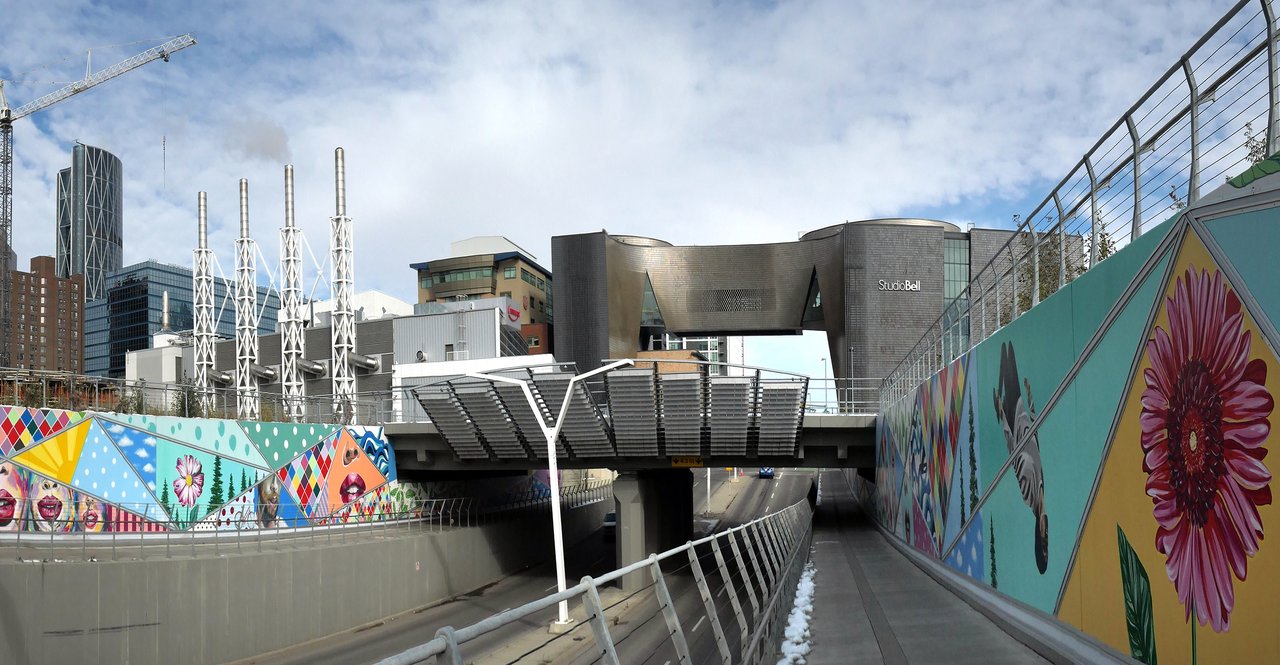
Even if you’re not a music person (I am, aggressively, and my travel companions suffer for it), the building alone is worth the trip — a sweeping terracotta-and-glass curve in the East Village. Inside: five floors of Canadian music history, four Halls of Fame, and gloriously hands-on exhibits. I played a theremin badly, sang off-key in a vocal booth, and spent twenty minutes in front of Elton John’s old piano. Adult admission is $24.50, open daily 10 AM–5 PM at 850 4 St SE. Seniors get in free on Wednesdays — tell your parents. The attached King Eddy bar does live shows if you want the evening version. → Studio Bell — official admission & hours
The Peace Bridge and the Bow River pathway
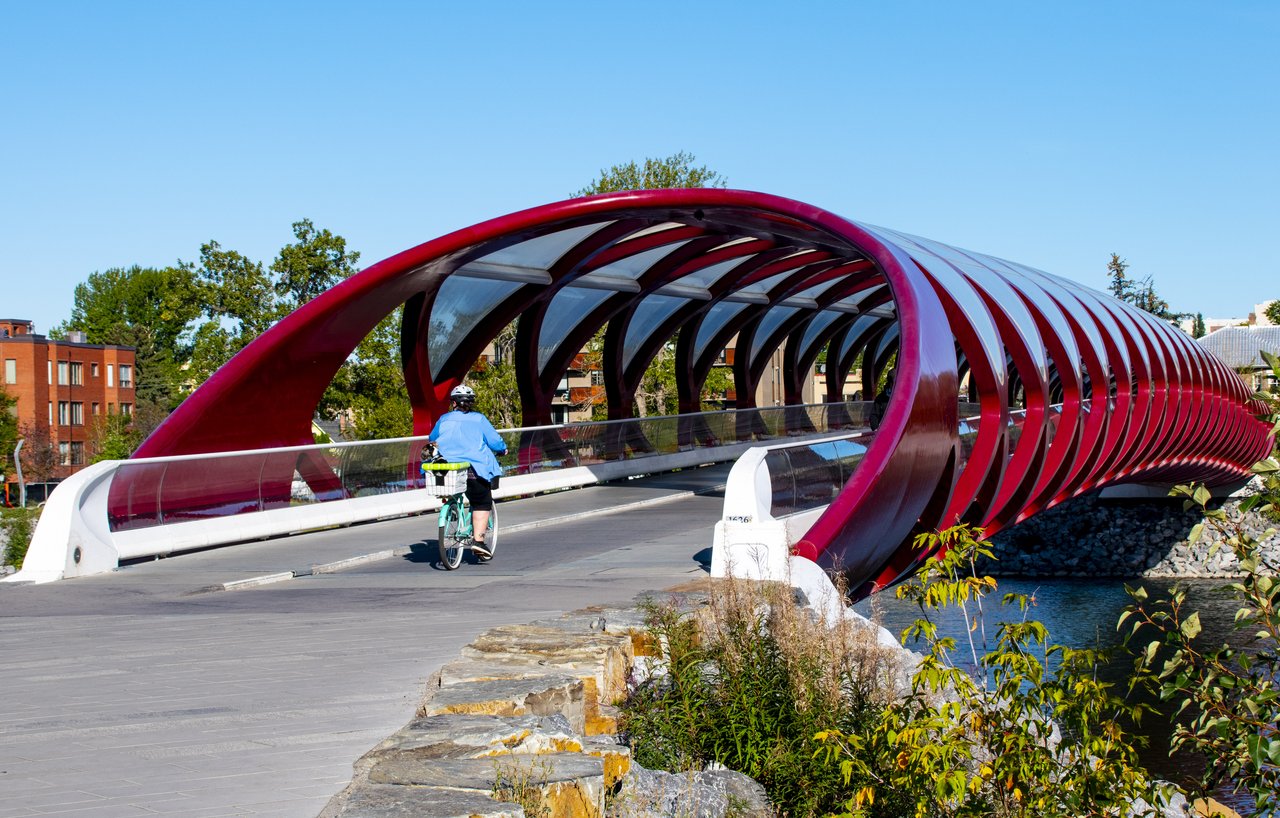
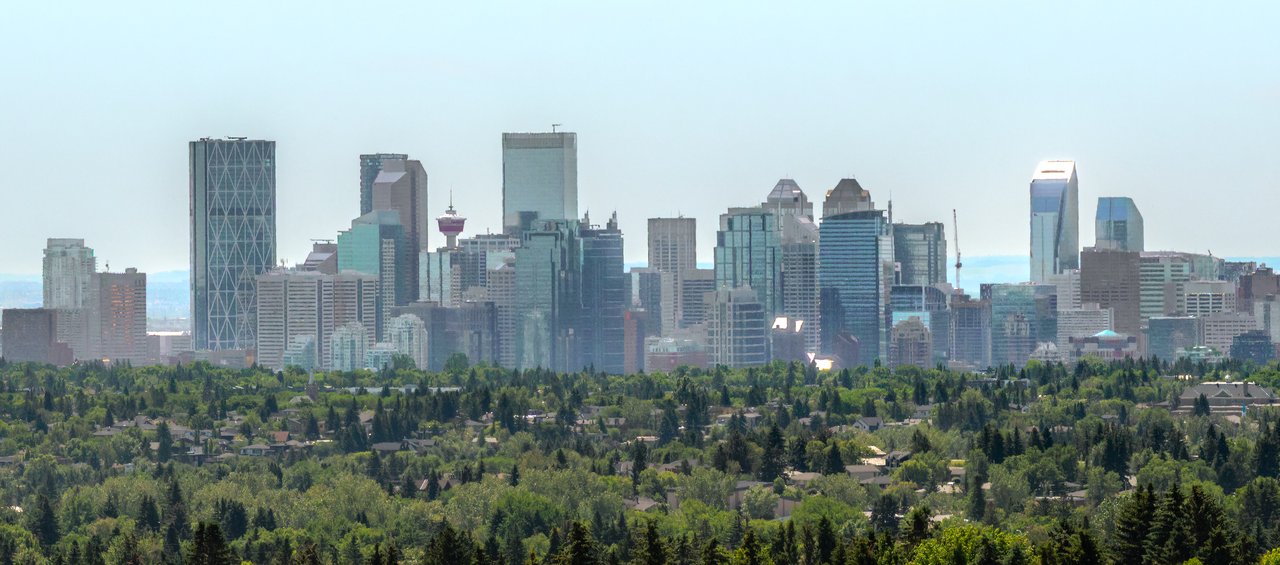
The best free hour in Calgary: walk or bike the Bow River pathway, cross Santiago Calatrava’s red Peace Bridge (opened 2012), and loop through Prince’s Island Park. The pathway system runs for kilometres in both directions along the river — flat, scenic, and full of locals pretending they’re not training for something. I’ve walked this stretch four times now and it never gets old; on a sunny morning with the skyline behind you, it’s the postcard the city sends itself.
One honest heads-up: the Glenbow Museum (downtown’s big art and history museum) is mid-way through its “Glenbow Reimagined” rebuild and is scheduled to reopen in 2026 as the JR Shaw Centre for Arts & Culture — with free admission, thanks to a $25 million donation. As of October 2026 I couldn’t confirm a firm opening date, so check the official site before you build a day around it. If it’s open when you visit, go — it’s the piece the downtown cultural puzzle has been missing.
Getting around Calgary: the CTrain is your new best friend
Here’s the thing about Calgary transit: the CTrain light rail is genuinely good for a city this spread out, and for a visitor it’s dead simple. Two lines (Red and Blue), everything clearly signed, and — pro tip — the My Fare app lets you buy and validate tickets on your phone. I timed my airport-to-hotel run and the app saved me a solid ten minutes of vending-machine fumbling. Game-changer.
- Adult single ride: $4.00, valid 90 minutes across trains and buses.
- Adult day pass: $12.65 — unlimited, and the obvious choice for any day with 3+ rides.
- Free fare zone: the CTrain is free along 7th Avenue downtown between City Hall and West/Kerby stations. If your hotel is central, your first and last mile are often free.
- Kids 12 and under ride free.
From Calgary International Airport (YYC), Route 300 runs to downtown in about 20–25 minutes for a standard $4.00 fare; a taxi or rideshare runs roughly ~$45. Do you need a car? Not for the city itself — between the CTrain, the free downtown zone, and the river pathway, I never once wished for one. For Banff, Canmore, and Drumheller, though, you’ll want wheels or a shuttle (see day trips below). → Calgary Transit — official fares & trip planner
Where to stay in Calgary
I’m particular about where I sleep, so here’s my honest breakdown — pick the one that matches your trip shape:
- Downtown / Stephen Avenue — walkable to the Tower, Studio Bell, and the free CTrain zone. Priciest, most convenient, and what I’d pick for a first visit.
- Beltline / 17th Avenue — the food-and-nightlife strip; livelier in the evenings, slightly cheaper than the core.
- Kensington or Inglewood — village-y, local-feel neighbourhoods with great brunch and boutique shops. Inglewood is Calgary’s oldest neighbourhood and it shows (in the good way).
- Near a CTrain station — wherever you land, being within a 10-minute walk of the Red or Blue Line makes the whole city easy.
Expect mid-range hotels to run roughly ~$180–280 per night in summer (estimate, before taxes) — Stampede week books out months ahead and prices spike, so that’s the one week where “I’ll book later” is a genuinely expensive strategy.
Where to eat and drink in Calgary
Calgary eats well, and the scene has grown up a lot from the steakhouse-and-nothing stereotype (though the Alberta beef is still the move — order it, trust me on this one). My shortlist by strip:
- 17th Avenue SW (“the Red Mile”) — the densest restaurant row in the city; patios everywhere in summer. Wander and pick by craving.
- Stephen Avenue (8th Ave SW) — the downtown pedestrian mall; good for a business-lunch-feeling dinner or a quick bite between sights.
- Inglewood — brunch spots, independent cafés, and the city’s best people-watching on a Saturday morning.
- The Barley Belt — Calgary’s brewery district (roughly the southeast industrial area); tasting rooms within walking distance of each other, which is the correct way to do it.
And if you’re here in early July: the free Stampede pancake breakfasts are a civic institution — dozens of them, all over the city, all free. I have a firm policy of never paying for breakfast during Stampede week, and I have never once gone hungry.
Day trips from Calgary: Banff, Canmore, and the badlands
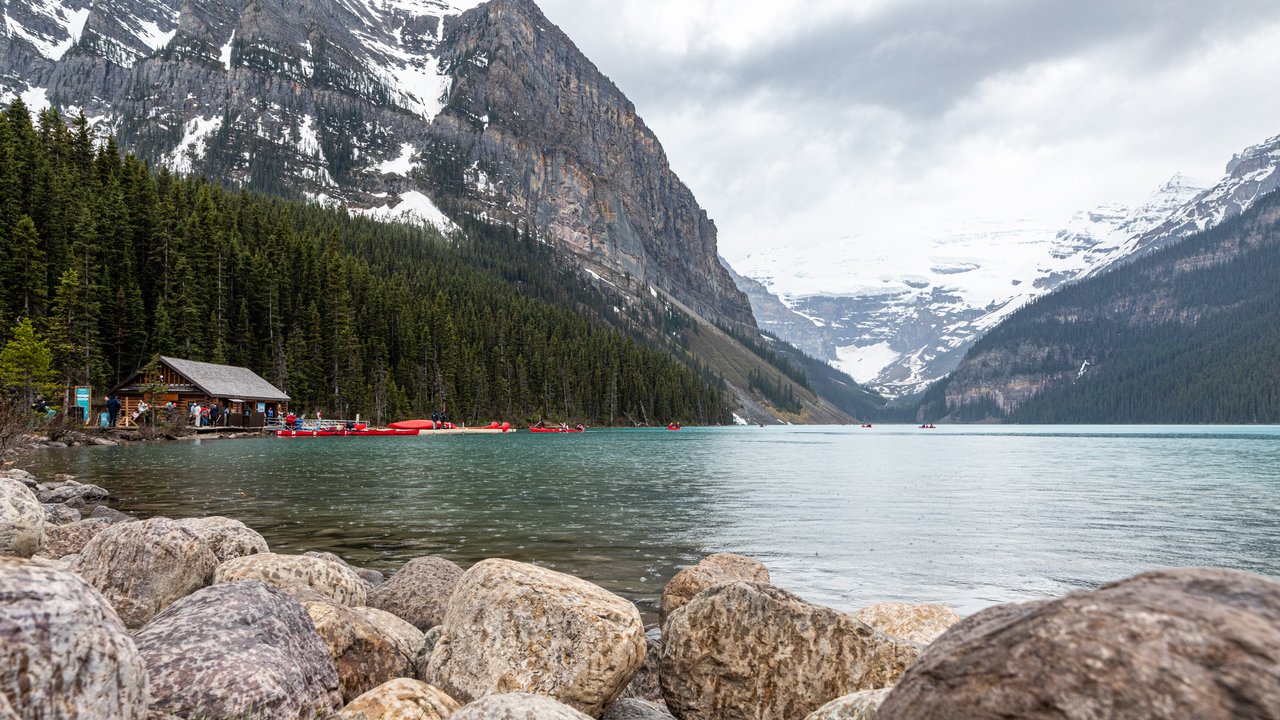
This is Calgary’s superpower: the Rockies start about 90 minutes west. You can absolutely sleep in a Calgary hotel and stand on the shore of Lake Louise the same day.
- Banff & Lake Louise (~1.5 hours) — the classic. Drive the Trans-Canada west, or take On-It Regional Transit‘s summer weekend service from Calgary to Banff and Canmore (roughly $10–17 each way, Friday–Sunday, May–September). Once in Banff, the Parks Canada shuttles serve Lake Louise and Moraine Lake — reserve ahead, because the Lake Louise lakeshore lot routinely fills before breakfast and Moraine Lake road access is shuttle-only. Pair this with our 1-day Banff itinerary or 2-day Banff itinerary to make the day count.
- Canmore (~1 hour) — Banff’s quieter sibling: mountain town, great food, fewer crowds. My pick if you want the Rockies without the parking-lot anxiety.
- Drumheller (~1.5 hours northeast) — the opposite direction and completely different: badlands, hoodoos, and the world-class Royal Tyrrell Museum of palaeontology. The drive through the prairie-to-badlands transition is half the fun.

Planning a bigger Alberta loop? See our Alberta road trip itinerary for how Calgary, Banff, Jasper, and Drumheller fit together.
How much does a trip to Calgary cost?
Sample budget per adult per day, excluding hotel (prices checked October 2026; items marked ~ are estimates):
| Item | Cost (CAD) |
|---|---|
| CTrain day pass | $12.65 |
| Calgary Tower (at the booth) | ~$25 |
| Wilder Institute / Calgary Zoo (advance, weekday) | ~$35–40 |
| Heritage Park Historical Village | $39.95 + GST |
| Studio Bell | $24.50 |
| Stampede park admission (July only) | $28 |
| Food & drinks | ~$60–90 |
| Comfortable daily total (2 attractions + food + transit) | ~$200–280 |
Mid-range hotels run roughly ~$180–280/night in summer (more during Stampede week) — see our 2-day Calgary itinerary for a tighter, budget-shaped version of this trip.
A simple 3-day Calgary plan at a glance
| Day | Morning | Afternoon | Evening |
|---|---|---|---|
| Day 1 | Calgary Tower (~$25) + Stephen Avenue | Studio Bell ($24.50) | Peace Bridge sunset walk (free) + 17th Ave dinner |
| Day 2 | Heritage Park Historical Village ($39.95) | Wilder Institute / Calgary Zoo (~$35–40) | Barley Belt breweries |
| Day 3 | Day trip: Banff & Lake Louise | Lake Louise shoreline + Banff townsite | Back in Calgary — Alberta beef dinner |
Want the timed, hour-by-hour version? Our 3-day Calgary itinerary lays it all out.
FAQs about visiting Calgary
How many days do I need in Calgary?
Two full days covers the city essentials (Tower, Studio Bell, zoo or Heritage Park, the river pathway), and a third day gives you Banff and Lake Louise. That’s the sweet spot — see our 2-day Calgary itinerary or 3-day Calgary itinerary for the full plans.
Is Calgary worth visiting, or should I just go straight to Banff?
Calgary is worth the stop. The Tower, the zoo, Studio Bell, and Heritage Park are all genuinely good — and the Stampede, if your dates line up, is one of Canada’s great events. Banff is 90 minutes away, so you’re not choosing between them; you’re choosing whether to sleep in a city with great restaurants and a $12.65 day pass, or pay Banff hotel prices. I know which one my spreadsheet picked.
When is the Calgary Stampede in 2027?
The 2026 Stampede ran July 3–12, 2026. The Stampede always lands in the first half of July, but I won’t invent the 2027 dates — check the official Calgary Stampede site as your trip approaches, and book Stampede-week hotels early.
Do I need a car in Calgary?
Not for the city itself. The CTrain covers downtown and the major attractions, rides downtown along 7th Avenue are free, and the $12.65 day pass is the obvious buy. You will want a car (or a shuttle like On-It Regional Transit’s summer service) for Banff, Canmore, and Drumheller day trips.
How much does 3 days in Calgary cost?
Roughly $600–850 CAD per adult excluding flights and using mid-range hotels (~$180–280/night in summer). That covers the CTrain day passes, two paid attractions a day (Tower ~$25, zoo ~$35–40, Heritage Park $39.95, Studio Bell $24.50), and ~$60–90 a day for food. Stampede week costs more — budget for the $28 park admission and higher hotel rates.
What’s the best month to visit Calgary?
July, if you want the Stampede and the warmest weather — and don’t mind the crowds and prices. September is my honest answer for the best overall month: warm days, golden light, thinner crowds, and Heritage Park’s village still open on weekends through Thanksgiving.
Keep exploring
- The Ultimate 3 Days in Calgary Itinerary: 2026 Guide
- The Perfect 2 Days in Calgary Itinerary: 2026 Guide
- The Ultimate 2 Days in Banff Itinerary: 2026 Travel Guide
- The Ultimate 1 Day in Banff Itinerary: 2026 Guide
- The Ultimate Alberta Road Trip Itinerary for 2026 Guide