
Last updated: October 3, 2026
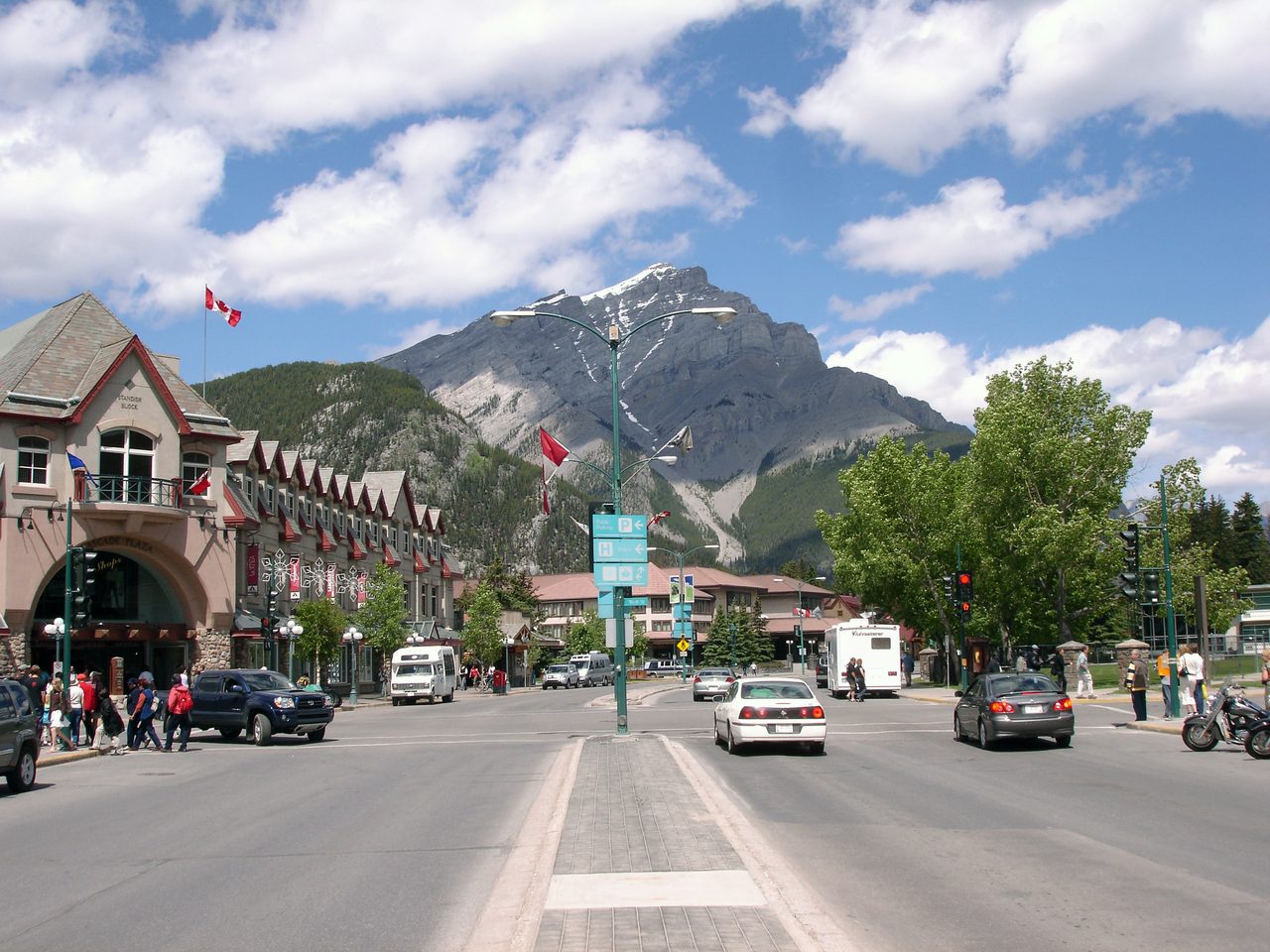
The short answer
- The non-negotiables: you need a Parks Canada pass every day you’re in the park (adult $12.25/day; the $83.50 Discovery Pass pays off at ~7 days), and Moraine Lake Road is closed to private vehicles — book the Parks Canada shuttle the morning reservations open.
- When to go: July–August for the famous turquoise lakes (peak crowds, peak prices), September for golden larches and fewer people, December–March for skiing and frozen-lake magic.
- The core loop: Lake Louise + Moraine Lake in one shuttle day, Banff Gondola up Sulphur Mountain, Johnston Canyon catwalks, and a full day on the Icefields Parkway to Peyto Lake and the Columbia Icefield.
Banff is the rare national park that rewards planners and punishes the “we’ll figure it out when we get there” crowd — and I say that as a person who once drove to Lake Louise at 9:30 on a Saturday morning assuming there would be parking. (There was not. I got turned around at the village and spent the morning reorganizing my entire spreadsheet at a picnic table.) This guide is everything I wish I’d known before that first trip: the 2026 prices and shuttle rules I double-checked on the official Parks Canada pages, the reservation dates that actually sell out, and a plan that fits the park into a trip without the stress.
All prices below are in CAD and were checked in October 2026. Note the seasonal timing: the Moraine Lake shuttle season ran through October 12, 2026, and the Banff Gondola is currently in its Autumn Above season (October 2 – November 15, 2026) — so treat shuttle dates as your 2026 reference and confirm 2027 dates before you travel.
Before you go: passes, shuttles, and bears
Here’s the thing about Banff: the mountains are free, but the paperwork isn’t. Sort these three things before you pack a single layer and the rest of the trip runs itself.
The park pass: buy it before you arrive
Every adult (18–64) needs a Parks Canada pass for every day spent in Banff National Park — stopping in town, hiking a trail, even just pulling over for a photo. I buy mine online from Parks Canada ahead of the trip because the gate kiosks can back up on summer mornings, and one less line is one less line.
2026 prices from the official Parks Canada fee page:
- Daily admission: adult $12.25, senior $10.75, family/group (up to 7 in one vehicle) $24.50. Youth 17 and under are free. A daily pass is valid until 4:00 PM the next day, which I milk shamelessly on departure mornings.
- Discovery Pass (annual, valid 12 months): adult $83.50, senior $71.50, family/group $167.50.
The math is simple: at $12.25 a day, the Discovery Pass breaks even at about seven days. Staying a week or pairing Banff with Jasper? Buy the annual. Just four days? Daily passes are cheaper. Pro tip: the pass covers admission only — not camping, not the hot springs, not parking at Lake Louise, and not the shuttles. Budget those separately (see the cost table below).
The Moraine Lake shuttle: this is the part people mess up
Personal vehicles have been banned from Moraine Lake Road, so there is exactly one way in: a reserved shuttle. And I learned the hard way that “sells out in minutes” is not an exaggeration — I first read about the two-day-ahead shuttle drop on Parks Canada’s page, set my alarm, and still got nothing on a July Saturday.
The 2026 system, straight from Parks Canada:
- Cost: $12.75 adult, $6 senior, $4 youth — plus a non-refundable $3.50 online reservation fee ($5.50 by phone). The park pass is separate and also required.
- Season: Moraine Lake ran June 1 – October 12, 2026; the Lake Louise Lakeshore shuttle ran May 15 – October 12, 2026. Buses run roughly every 30 minutes, 6:30 AM – 6:00 PM, with the last return at 7:30 PM.
- How booking works: reservations opened April 15, 2026 at 8:00 AM MDT. Only 40% of seats release at launch — the other 60% drop on a rolling two-day-ahead window at 8:00 AM. Create your Parks Canada reservation account before launch morning; trust me on this one, the login queue is not where you want to be setting up a profile.
- The early-bird option: the Alpine Start shuttle departs at 4:00 and 5:00 AM for sunrise at Moraine Lake. I’ll be honest — I’m not a 4 AM person. But the sunrise photos are the ones people frame, so I did it once, and I’d do it again (with a thermos).
→ Parks Canada — Lake Louise and Moraine Lake shuttle info
No car? Take Roam Transit’s Super Pass: $30 for adults ($15 senior/youth, under-12s free with a reservation), valid one day, covering unlimited Roam travel plus the round trip on Parks Canada’s Lake Connector between Lake Louise and Moraine Lake. The one-way Route 8X fare between Banff and Lake Louise is $12.50 for adults. I timed the whole journey from the Banff High School transit hub to the lakeshore: about 45 minutes, and you skip the Lake Louise parking fee entirely.
Speaking of which: lakeshore parking at Lake Louise cost $42 per vehicle per day in summer 2026 (7 AM–7 PM, May to mid-October). It’s free in winter. Parking at the Lake Louise Park and Ride is free with a shuttle reservation.
Wildlife safety: this is not a zoo
Banff’s elk will wander across Banff Avenue like they own it (they do), and the Bow Valley Parkway is prime bear country in spring. The rules are simple and non-negotiable: carry bear spray in an accessible holster on every hike and know how to use it before you’re on a trail. Keep 100 metres from bears, 30 metres from elk and deer. Lock food in your vehicle or the bear-proof bins — rangers do ticket for this. And when there’s a roadside bear jam on the Bow Valley Parkway, stay in your vehicle. I watched a woman try to get closer for a photo once; the ranger’s whistle could be heard in the next valley.
When to visit Banff in 2026
July–August: the postcard season (and the crowds)
This is when the high lakes are fully thawed and at their most turquoise, all hiking trails are clear of snow, and everything runs at full schedule. It’s also when hotel rates peak and the 9 AM crowds at Lake Louise look like a music festival. If you go in summer, do what I do: be at your first trailhead by 7 AM and take the afternoon for town, the gondola, or the hot springs. The light is better before 10 AM anyway.
June and September: my sweet spot
Fair warning — I’m biased, because I plan around crowds like they’re weather. Late June brings roaring waterfalls (peak snowmelt) with fewer people; September brings golden larches, crisp air, and hotels that suddenly cost 30% less. The larch valleys around Moraine Lake are the best fall color in the Rockies, and I once had the Plain of Six Glaciers trail nearly to myself on a September Tuesday. (The teahouse was closed for the season — trade-offs.)
December–March: the snowy version
Banff becomes a different park in winter: skiing at the “Big 3” (Banff Sunshine, Lake Louise Ski Resort, Mt. Norquay), skating on the cleared rink at Lake Louise, Johnston Canyon’s frozen waterfalls, and the frozen bubbles trapped in the ice at Abraham Lake just outside the park. Pack real winter layers — it looks sunny in photos, and then it’s −18°C. Ask me how I know.
Packing, any season: layers, always. Waterproof shell, warm mid-layer, moisture-wicking base, sunscreen and sunglasses (the alpine sun is no joke), and bear spray for the hiking months. Summer days run roughly 15–25°C; winter −5 to −20°C. I pack for two seasons on every trip and I’m always right to do it.
The must-see attractions: your core itinerary
Lake Louise and Moraine Lake: do them in one day
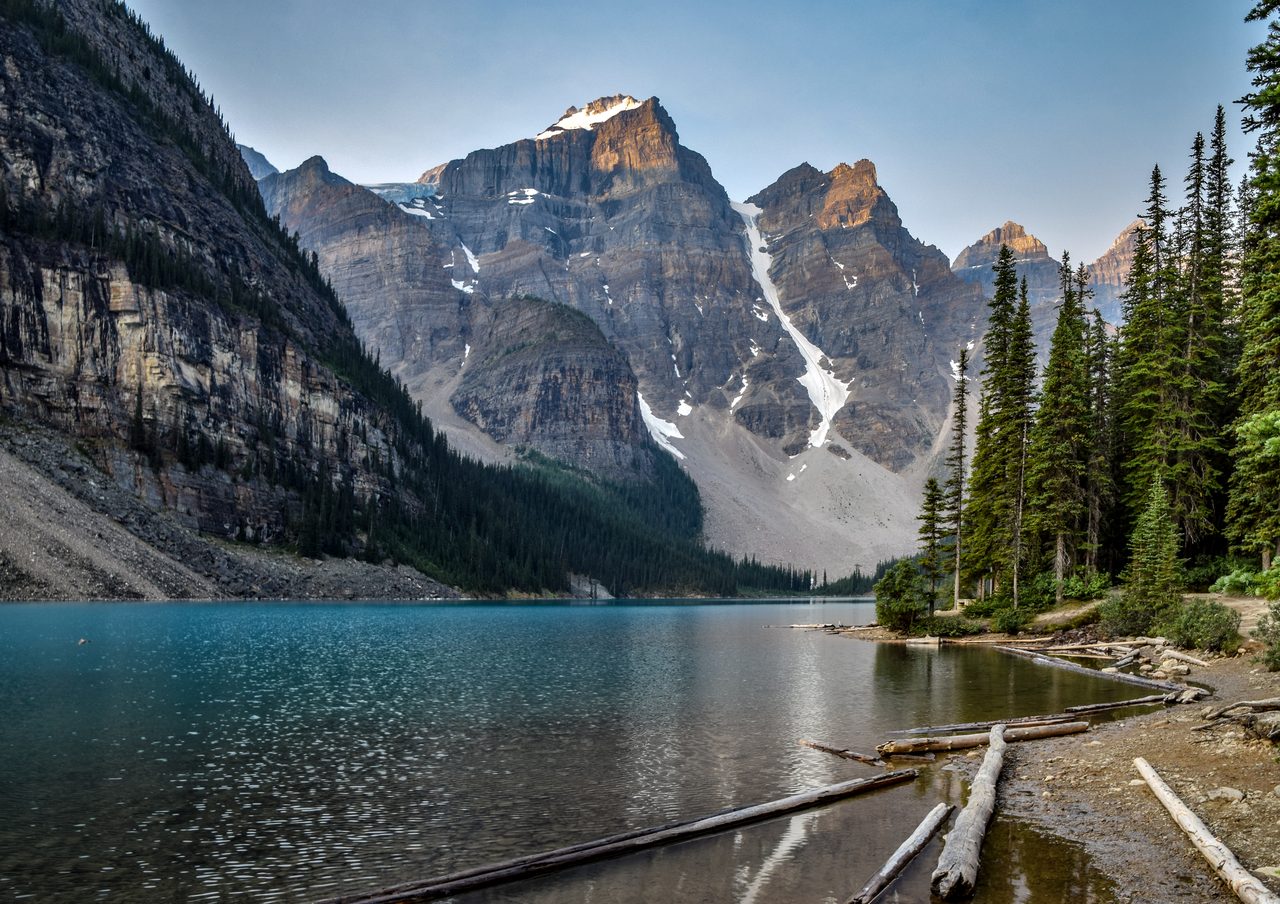
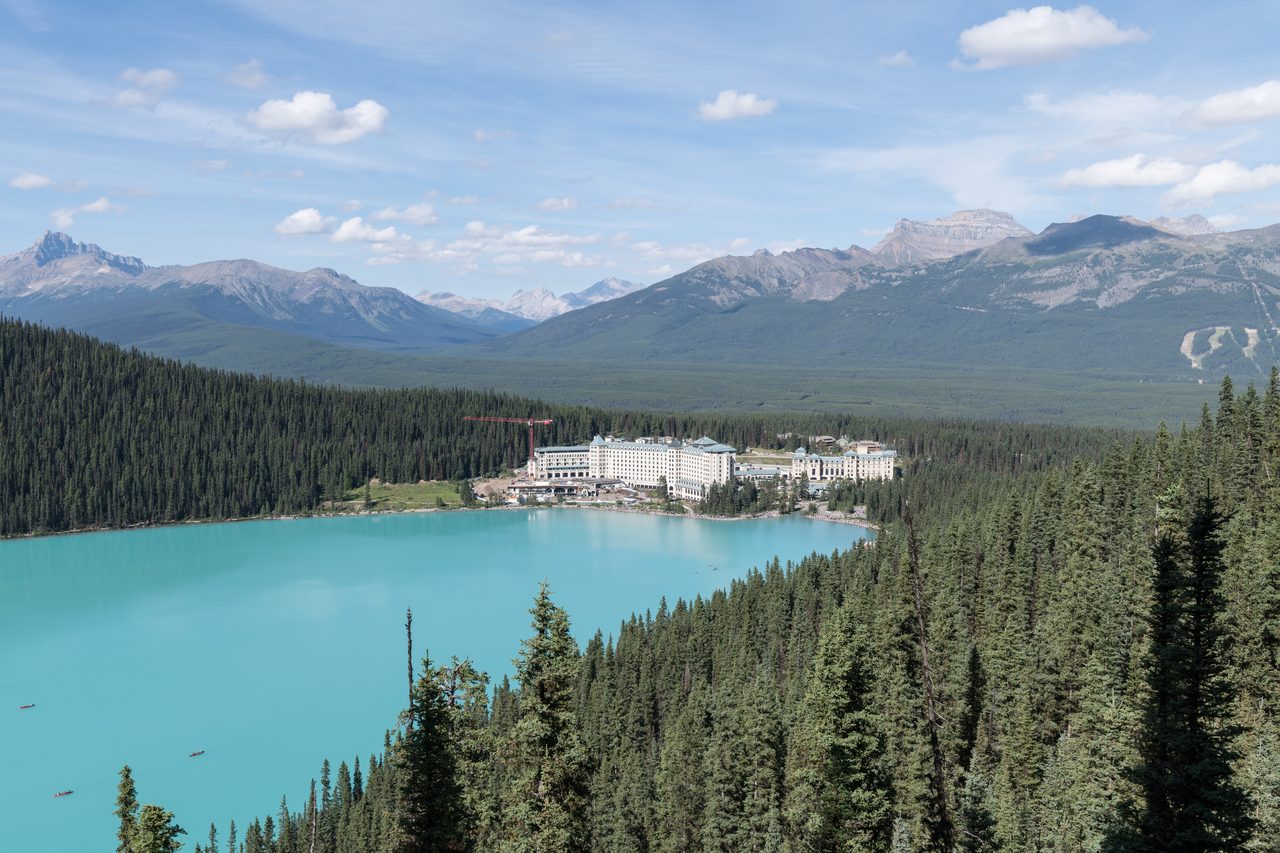
These two lakes are 14 km apart by road and connected by the shuttle system, so they belong on the same day — and I’ll be honest, Moraine Lake is the one that stopped me mid-sentence. The classic Rockpile viewpoint (a short climb from the shuttle drop-off) frames the Valley of the Ten Peaks over that impossible turquoise. At Lake Louise, walk the flat lakeshore trail to the far end and back (about 2 hours round trip, or keep going up to the Lake Agnes Teahouse if you’re up for the climb — it’s a steady 3.5 km ascent with a payoff of tea and pie at the top).
Plan: take the first shuttle of the day to Moraine Lake, ride the Lake Connector to Lake Louise, and return from there. One $12.75 reservation covers both lakes and the ride back to the Park and Ride. Bring a picnic — lakeside food options are limited and pricey.
Banff Gondola: book the first slot of the day
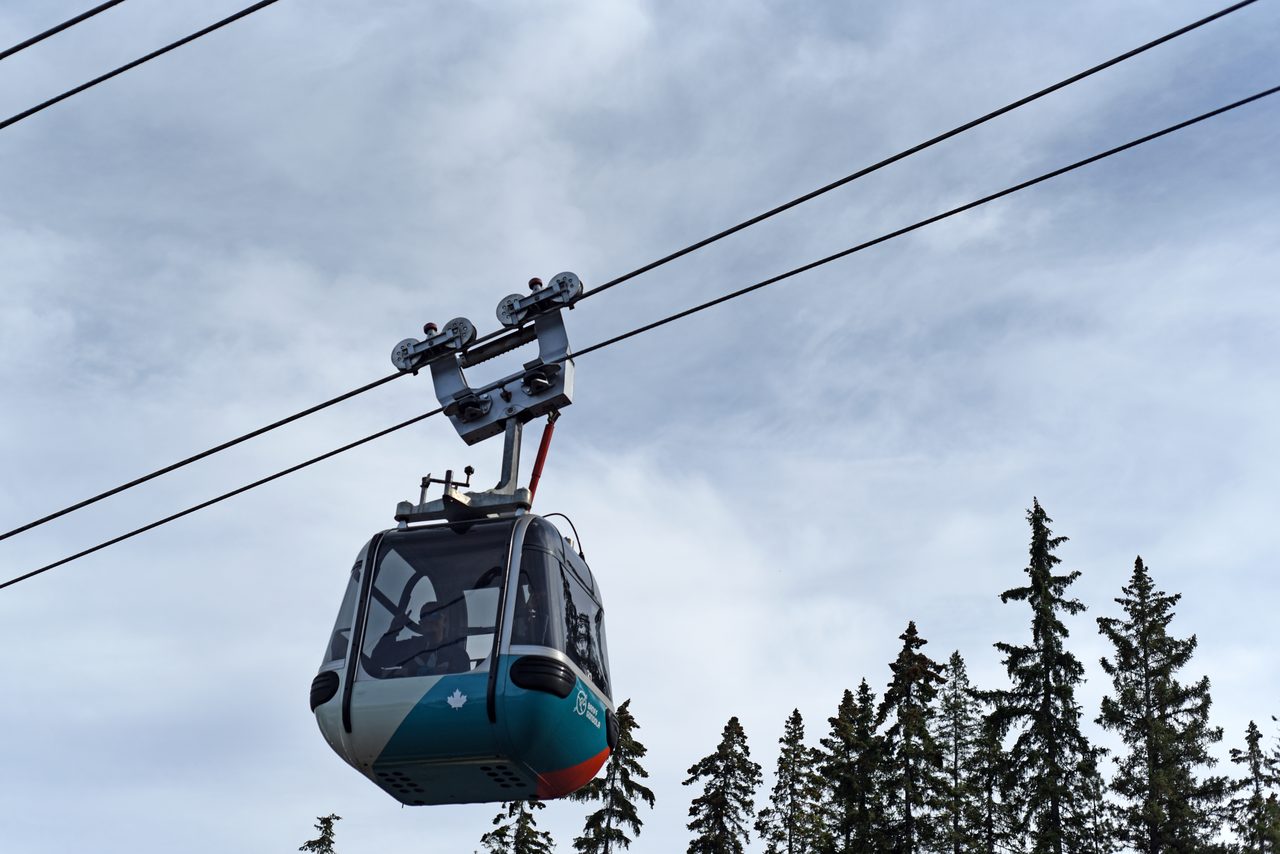
The eight-minute ride up Sulphur Mountain to 2,281 m is the easiest big view in the park — and I showed up at noon on a Saturday once. Never again. Now I book the first morning time slot online (the Banff Gondola uses dynamic pricing, so advance bookings are also cheaper: expect roughly ~$75–88+ per adult in peak season, less in shoulder months). At the top, the boardwalk to Sanson’s Peak and the Cosmic Ray Station is an easy stroll with six mountain ranges on the horizon, and the summit restaurants do a genuinely good dinner if you reserve ahead.
Getting there: Roam Transit Route 1 runs from downtown Banff to the gondola base (~$2 adult, about 10 minutes — I timed it), or the gondola’s own free shuttle runs May 15 – October 12 with a same-day ticket. On-site parking at Sulphur Mountain costs $17.50 per vehicle, so the bus is the move.
→ Banff Gondola — official tickets and hours
Johnston Canyon: the catwalk hike
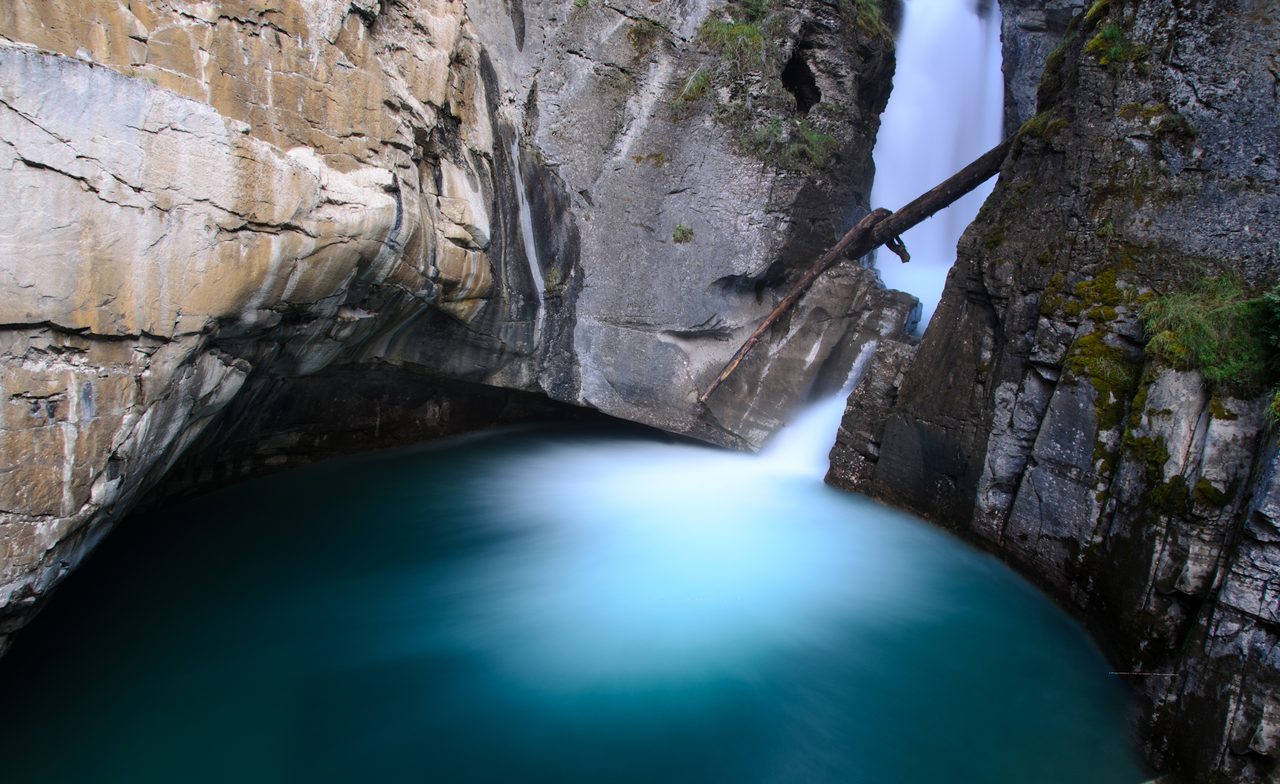
Steel catwalks bolted to limestone walls, waterfalls you can hear before you see them — Johnston Canyon is the best low-effort hike in Banff, which is exactly why it’s packed by 10 AM. The trail to the Lower Falls is just over a kilometre each way on a boardwalk (go through the little rock tunnel for the classic falls photo), and continuing to the Upper Falls adds another stretch and a 30-metre cascade. I go before 8 AM or after 5 PM; in winter the falls freeze into blue ice pillars and the whole canyon feels like a different planet. The trailhead sits on the Bow Valley Parkway (Highway 1A) — worth every penny of the detour even if you drive the Parkway for nothing else.
The Icefields Parkway: give it a full day
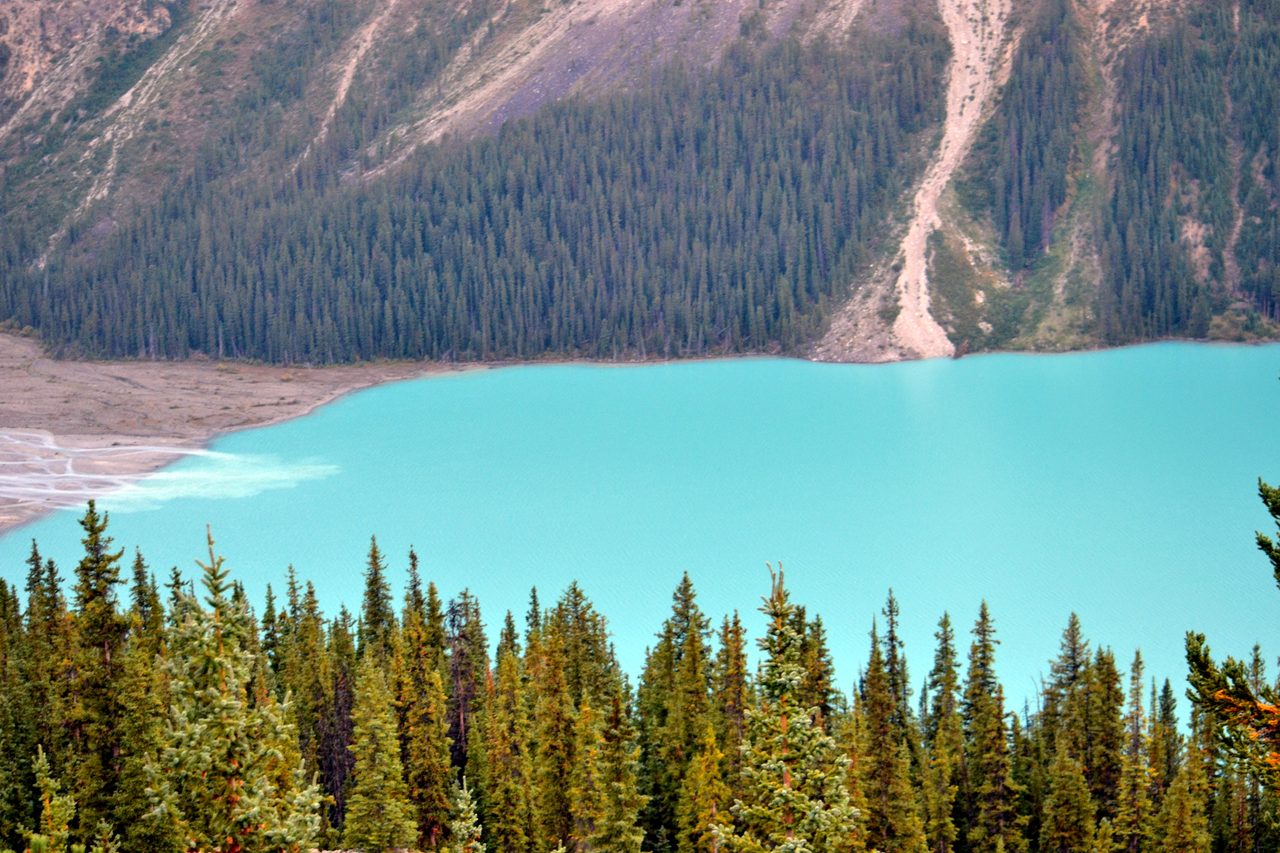
Highway 93 North from Lake Louise to Jasper is 232 km of the best roadside scenery in Canada, and the stretch inside Banff alone justifies a full day. My non-negotiable stops: Peyto Lake (a 10-minute uphill walk from the Bow Summit parking area to the viewpoint — the lake’s wolf-head shape is somehow even bluer in person), Bow Lake (five minutes off the road, great picnic stop), and the Columbia Icefield at the park boundary, where the Athabasca Glacier is visibly receding year by year. The glacier is the sad part of the trip and the most important: go look while it’s still there. Gas up before you leave Lake Louise — there is essentially nothing between there and the Icefields Centre.
Pairing this with a drive up to Jasper? See our Banff–Jasper road trip itinerary.
Outdoor activities: hikes, hot springs, and wildlife
Easy hikes from town: Tunnel Mountain (the switchbacking trail right above the townsite — I do it as a jet-lag shakeout every trip, summit views over the Fairmont in under an hour) and the flat Fenland Trail loop through old-growth spruce by the Vermilion Lakes, where I once watched a beaver slap its tail at dawn and nearly dropped my coffee.
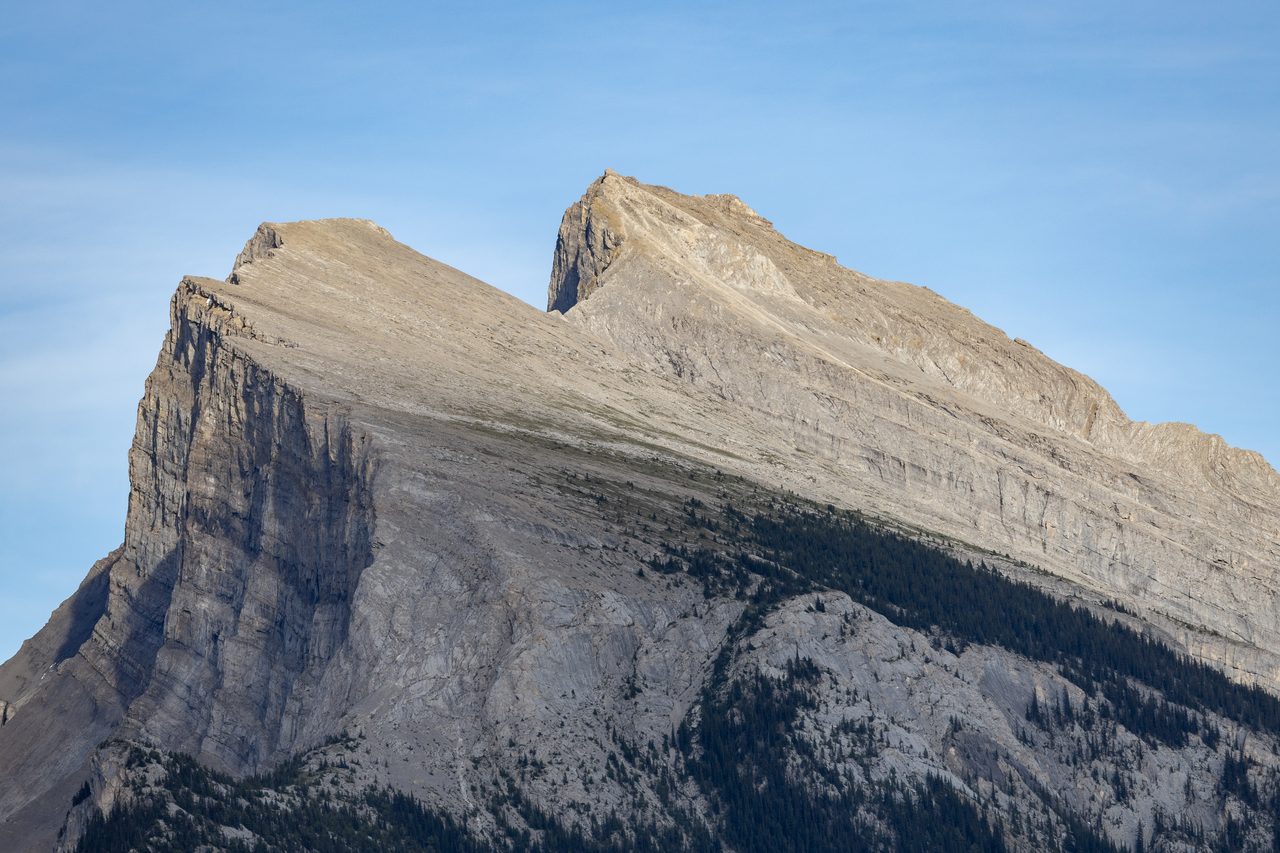
Banff Upper Hot Springs: the natural mineral pools above town have been running since the 1880s, and there’s nothing like a sunset soak with Mount Rundle in front of you. 2026 admission is $19.75 for adults (senior/youth $17.25, family $64.25) per the Parks Canada fee page. Go at opening or after 8 PM to dodge the tour-bus window — fair warning, the parking lot fills fast in summer.
Wildlife watching: elk on the Banff Springs golf course at dusk (from a distance — rutting season bulls are genuinely dangerous), bighorn sheep on the road to Lake Minnewanka, and bears along the Bow Valley Parkway in May and June. The Minnewanka loop makes a good half-day: the lake, Two Jack Lake, and Johnson Lake are all within a few kilometres of each other.
Where to stay and eat in Banff
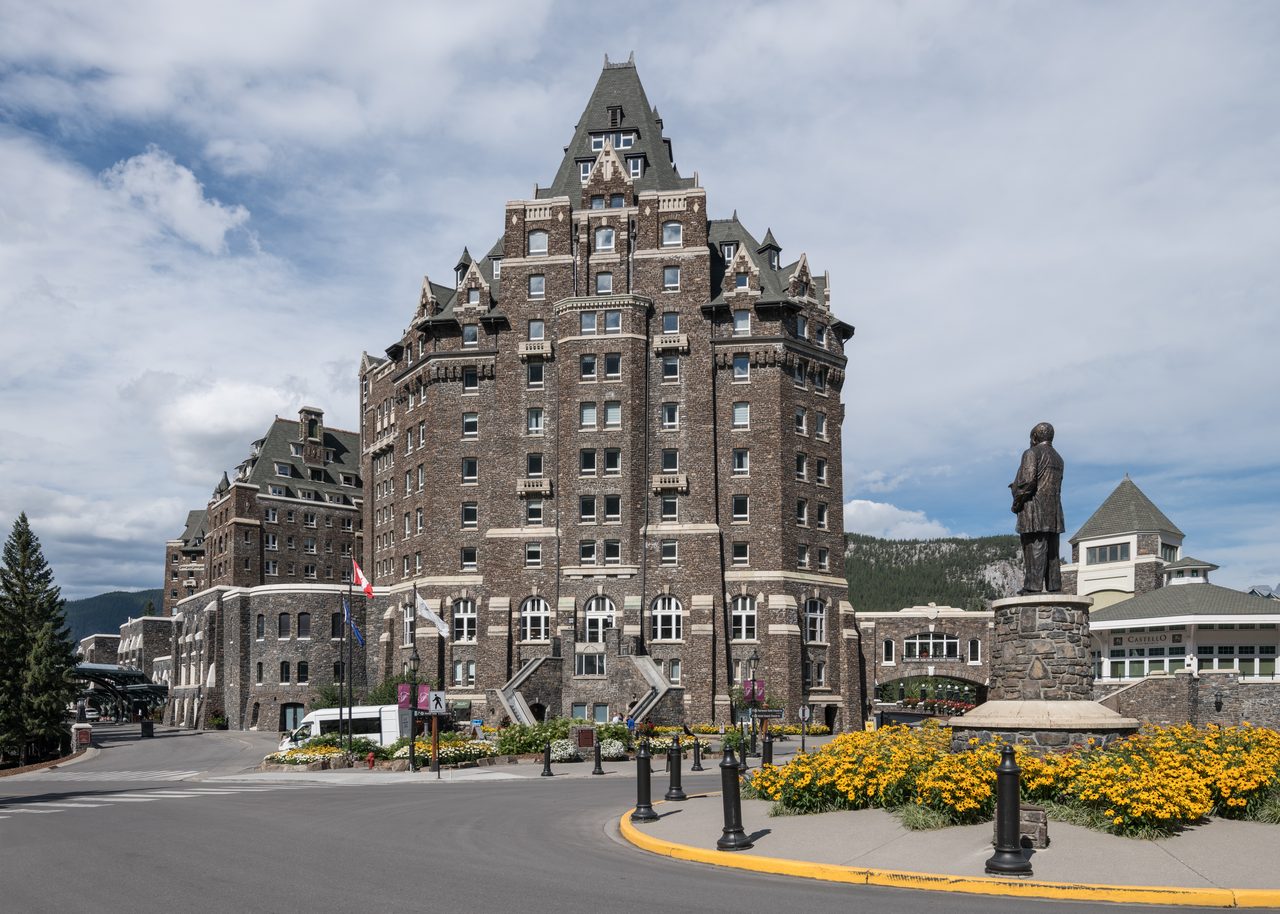
The splurge: the Fairmont Banff Springs, the 1888 “Castle in the Rockies.” Even if you’re not staying, walk the lobby and the terrace — it’s a museum you can sleep in. Mid-range: book 6–9 months ahead for July–August; summer rates in town routinely run ~$300–500/night, which is why the next option exists. The Canmore alternative: 20 minutes east of the park gates, Canmore has newer hotels, vacation rentals, and a great food scene at noticeably lower prices — I stayed there twice and commuted in. You still need a park pass each day, obviously.
Camping: the cheapest bed in the park and the hardest to get. Tunnel Mountain Village I (May 15 – October 5, 2026) and Village II (year-round) sit minutes from town; Two Jack Lakeside (May 21 – October 5) has the waterfront sites everyone wants. Book through the Parks Canada Reservation Service the morning dates release — Two Jack Lakeside vanishes within hours. Unserviced sites run ~$30/night (estimate; confirm current rates on the Parks Canada fees page), plus the separate reservation fee. The hostels (Samesun Banff, HI Banff Alpine Centre) are the other budget play, and they fill up too.
Eating in town: Banff punches above its weight. The Grizzly House for fondue (a 1960s time capsule in the best way), Magpie & Stump for tacos after a hike, Banff Ave Brewing Co. for a local pint, and a BeaverTail on Banff Avenue because you have to at least once. For trail days, the delis on Bear Street do hiker lunch boxes — I grab one the night before every big hike so I’m not negotiating with a granola bar at 6 AM.
How much does a Banff trip cost in 2026?
Key costs per adult (checked October 2026; items marked ~ are estimates):
| Item | Cost (CAD) |
|---|---|
| Parks Canada daily admission (adult) | $12.25 |
| Discovery Pass annual (adult) — pays off at ~7 days | $83.50 |
| Parks Canada shuttle, Lake Louise + Moraine Lake (adult, +$3.50 online booking fee) | $12.75 |
| Roam Super Pass (adult) — day of unlimited transit + lake connector | $30 |
| Lake Louise Lakeshore parking, per vehicle (May–Oct) | $42 |
| Banff Gondola (adult, dynamic pricing) | ~$75–88+ |
| Banff Upper Hot Springs (adult) | $19.75 |
| Frontcountry campsite, unserviced (per night) | ~$30 |
| Mid-range hotel (per night, summer) | ~$300–500 |
| Food & drinks (per day) | ~$60–100 |
Realistic daily budgets per person: budget ~$150–200 (hostel or campsite, grocery meals, free hikes and lakes), mid-range ~$350–450 (hotel, restaurants, one paid attraction a day). My money-saving rules: visit in June or September/October for lower rates, cook even a few meals (Nesters Market and IGA are right in town), ride Roam Transit instead of paying for parking, and ask your hotel about free transit passes at check-in — several include them.
Getting to Banff from Calgary
Most visitors fly into Calgary International Airport and drive 1.5 hours west on the Trans-Canada (Highway 1) — about 130 km to the Banff townsite. No car? Brewster Express and other airport shuttles run the Calgary–Banff–Canmore corridor daily. I’d spend a day or two in Calgary on the way (the Tower, Studio Bell, the Bow River pathways) — see our 3-day Calgary itinerary and the Alberta travel guide for the full picture.
Your 4 days in Banff at a glance
If you’re starting from scratch, here’s how I’d split a first trip — each day leans on the logistics covered above so you’re not backtracking.
| Day | Focus | The plan |
|---|---|---|
| 1 | Lake Louise + Moraine Lake | First shuttle to Moraine Lake for the Rockpile viewpoint, Lake Connector to Lake Louise, lakeshore trail (or the Lake Agnes Teahouse climb) in the afternoon |
| 2 | Banff townsite | Banff Gondola on the first morning slot, Upper Hot Springs in the evening, Tunnel Mountain as a shakeout, dinner on Banff Avenue |
| 3 | Johnston Canyon + Minnewanka loop | Catwalks to the Lower and Upper Falls before 8 AM, then the Bow Valley Parkway and the Minnewanka loop — Two Jack Lake, Johnson Lake, Lake Minnewanka |
| 4 | Icefields Parkway | Full day north: Bow Lake, Peyto Lake at Bow Summit, the Columbia Icefield at the park boundary. Gas up in Lake Louise first — there’s nothing after that. |
FAQs about visiting Banff
Do I need a park pass to visit Banff?
Yes. Every adult (18–64) needs a Parks Canada pass for each day in the park: $12.25/day adult, $10.75 senior, $24.50 family/group (up to 7 people in one vehicle), and youth 17 and under are free. The $83.50 annual Discovery Pass pays off at about seven days. Buy online before you go — the gate kiosks back up on summer mornings. Check current rates on the Parks Canada fees page.
How do I get to Moraine Lake in 2026?
Private vehicles are banned from Moraine Lake Road, so you must take a shuttle. The Parks Canada shuttle costs $12.75/adult (plus a $3.50 online reservation fee), ran June 1 – October 12, 2026, every 30 minutes from 6:30 AM–6:00 PM with the last return at 7:30 PM. Reservations opened April 15, 2026 at 8 AM MDT — 40% of seats at launch, the rest on a rolling two-day-ahead window — and they sell out fast. Alternatively, Roam Transit’s $30 Super Pass covers the Banff–Lake Louise bus and the Lake Connector to Moraine Lake for a day. See our 2-day Banff itinerary for a sample lake day.
How many days do I need in Banff?
Four days is the sweet spot: one day for Lake Louise and Moraine Lake, one for the Banff townsite (gondola, hot springs, Tunnel Mountain), one for Johnston Canyon and the Bow Valley Parkway, and one for the Icefields Parkway to Peyto Lake and the Columbia Icefield. With less time, see our 1-day Banff itinerary or 3-day Banff itinerary.
What’s the best time of year to visit Banff?
July–August for the turquoise lakes and full trail access (book everything months ahead), June or September for fewer crowds and lower prices — September’s golden larches are spectacular — and December–March for skiing, skating on Lake Louise, and frozen waterfalls. Shoulder seasons are my pick for the best balance of weather, prices, and elbow room.
Can I visit Banff without a car?
Yes. Airport shuttles connect Calgary to Banff and Canmore, and once you’re there Roam Transit covers the townsite, the Banff Gondola (Route 1), Canmore (Route 3), and Lake Louise (Route 8X, $12.50/adult one-way). The $30 Super Pass adds Moraine Lake access via the Lake Connector for a day. The only thing you truly can’t do car-free is the Icefields Parkway — for that, join a day tour from Banff.
Is Banff worth visiting in 2026?
Yes — but go in with a plan. The crowds and prices are real in summer, and the shuttle and parking systems punish anyone who wings it. Book your accommodation 6–9 months out, set an alarm for the April 15 shuttle release, buy your park pass online, and go early in the day. Do that, and Banff is every bit the bucket-list park it’s famous for.
7 comments