
Last updated: October 3, 2026
The short answer
- The sweet spot: July is Canada’s warmest month (20–30°C in most regions) and the peak of festival season — Canada Day on July 1, the Calgary Stampede (July 3–12, 2026), and the Montreal Jazz Festival (June 25–July 4, 2026).
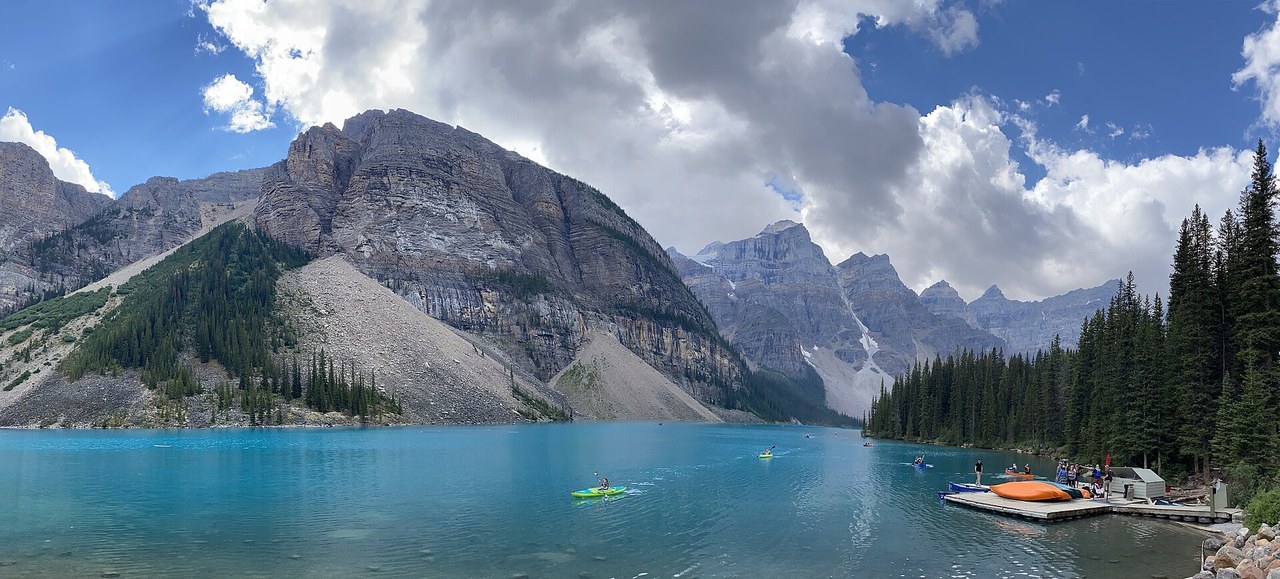
- The catch: It’s also the busiest and priciest month. I learned this the sweaty way: book hotels, rental cars, and the Moraine Lake shuttle months ahead.
- The highlights: Rockies hiking, whale watching on both coasts, the Calgary Stampede, Quebec’s festival season, and midnight sun in the Yukon.
July in Canada is the trip everyone dreams about — turquoise Rockies lakes at their bluest, patio season in full swing, festivals from coast to coast, and daylight that just won’t quit. But here’s the thing: July is also the single busiest month of the year for Canadian travel. I learned this the sweaty way on my first July trip, when I tried to book a Banff hotel in May and watched the prices double before my eyes (my spreadsheet has a whole tab titled “Never Again”). This guide is everything I wish I’d known: the real weather by region, the festivals worth planning around, the 2026 booking windows that actually matter, and what to pack when your itinerary spans a mountain glacier and a 30-degree Toronto patio. All prices below are in CAD, checked against official sources in 2026 — items marked ~ are estimates.
July weather in Canada: what to expect by region
Canada is the second-largest country on Earth, so “summer weather” means five different things at once. Here’s the honest breakdown:
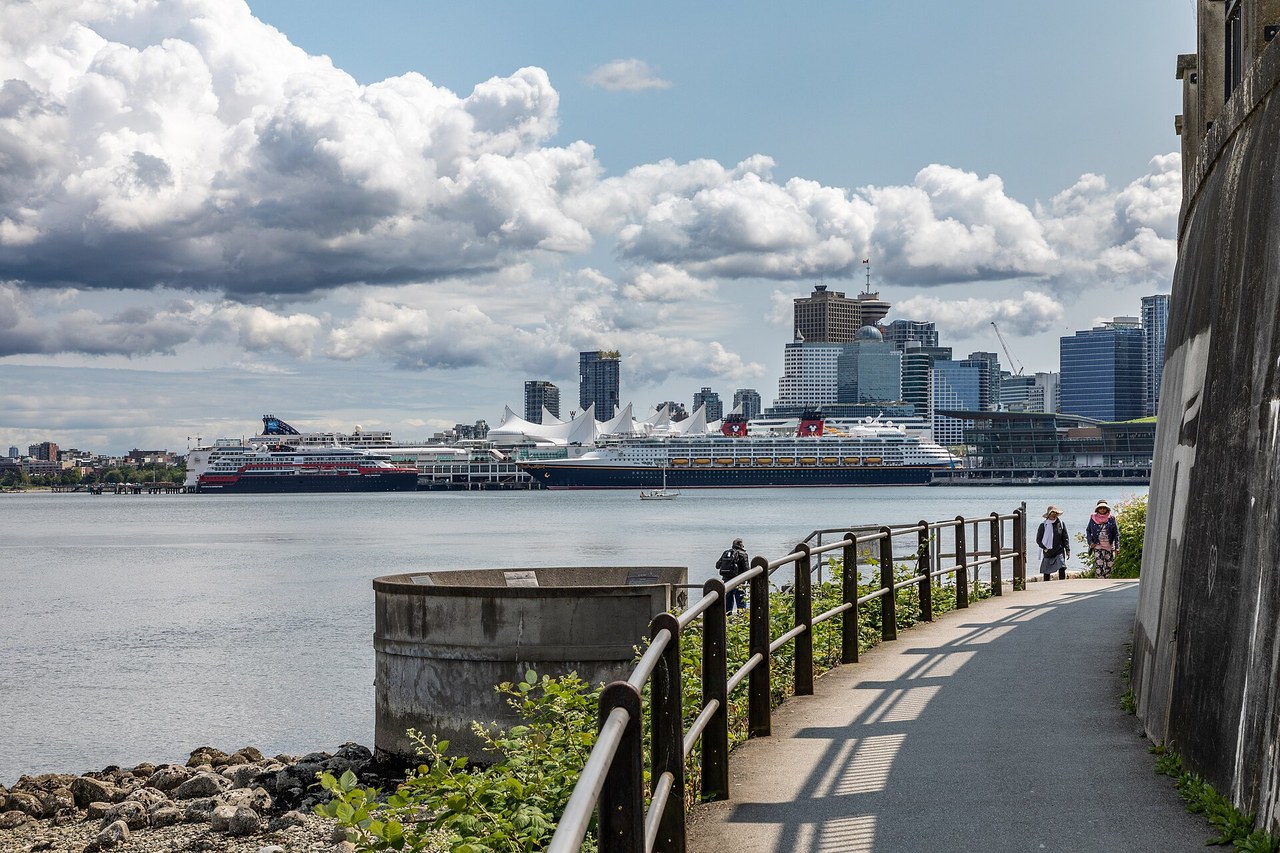
- West Coast (Vancouver, Victoria): The easiest summer weather in the country — daytime highs of 20–24°C, low humidity, and a Pacific breeze that keeps things fresh. I bike the Stanley Park Seawall every July, and it’s the one ride I never regret. Fair warning: evenings cool off fast, so that light jacket earns its space in your bag. Trust me on this one.
- The Rockies (Banff, Jasper, Interior BC): Mountain weather plays by its own rules. Valley floors hit ~25°C on sunny afternoons, but nights can drop to 5°C, and afternoon thunderstorms roll through regularly (they pass fast and usually leave a rainbow over the peaks — I’ll take it). The sun is stronger at altitude: sunscreen isn’t optional up here. I found that out at Lake Louise and spent two days looking like a tomato. Do not skip the SPF.
- Central Canada (Toronto, Ottawa, Montreal): Hot and humid. Daytime highs regularly top 30°C, and the humidex can make it feel closer to 40. I’ll be honest — this is the one region where I plan my days around air conditioning. Save the museums for mid-afternoon, hit the patios in the evening, and hydrate like it’s your job.
- The Maritimes (Nova Scotia, New Brunswick, PEI): Breezy and lovely, averaging ~22°C, with the coastal fog mostly burned off. The ocean stays “refreshing” (a polite word for cold), but the beaches are gorgeous and the lobster is at its peak. This is my favorite road-trip weather in the country.
- The North (Whitehorse, Yellowknife): Midnight sun season — nearly 24 hours of daylight. Daytime temps reach the high teens to low 20s. The real challenge is sleep: book a hotel with blackout curtains (I check this before I check the price now).
Not sure when to go? Our best month to visit Canada guide compares July against the rest of the year, and Canada weather by month covers the shoulder seasons if July prices scare you.
Best places to visit in Canada in July
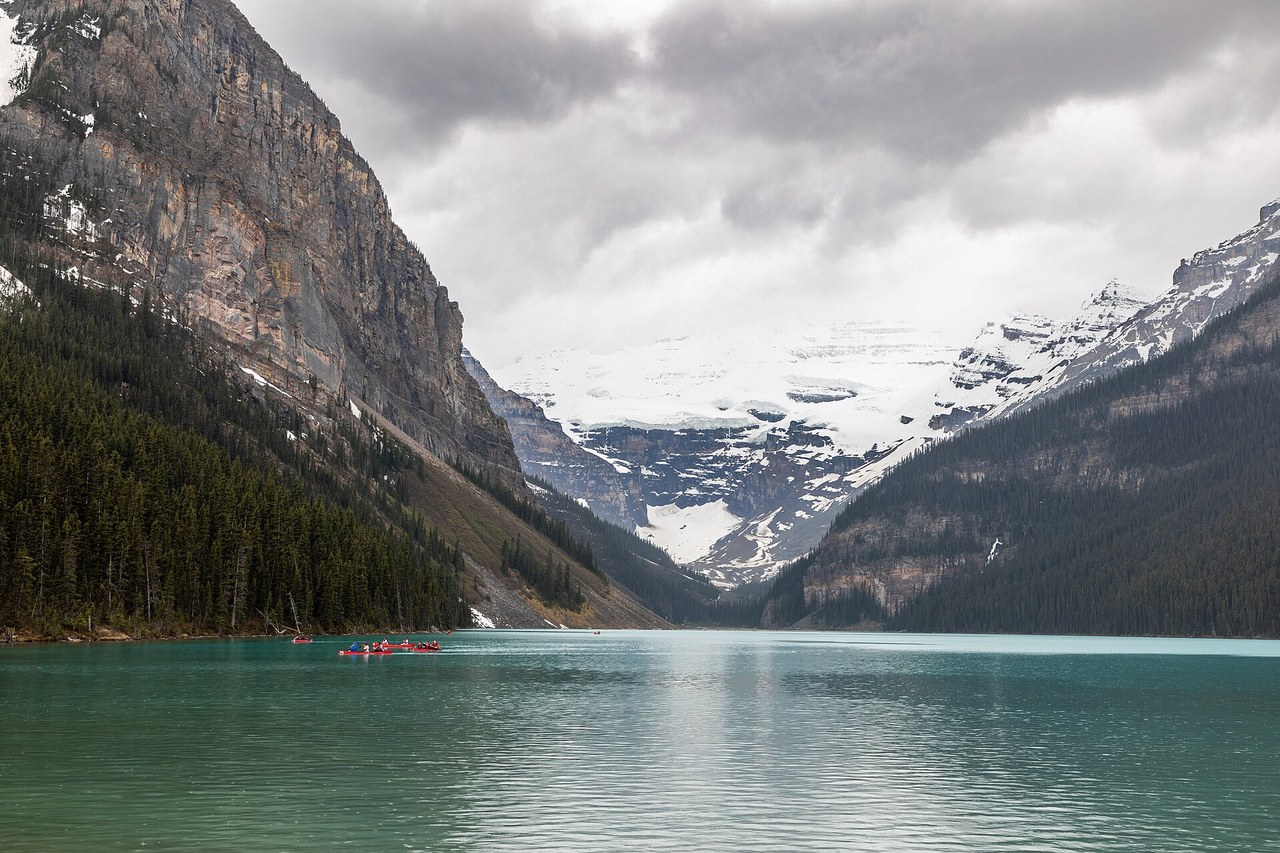
Banff and Jasper National Parks, Alberta. July is peak Rockies season — the lakes are at their bluest (that turquoise is glacial “rock flour,” and it peaks with the summer melt). Moraine Lake and Lake Louise are stunning and famously crowded. I double-checked the shuttle system on Parks Canada’s site before my last visit, and here’s what matters for 2026: private vehicles are restricted on Moraine Lake Road, so you take the Parks Canada shuttle from the Lake Louise Park and Ride — adult return fare is $12.75 plus a $3.50 booking fee. Only 40% of seats were released on April 15; the rest drop two days before your visit at 8:00 AM MDT and sell out in minutes. Set an alarm. Good news for 2026: Parks Canada is offering free park entry from June 19 to September 7, 2026, so you skip the pass but still need the shuttle ticket. For a full plan, see our 2 days in Banff itinerary and 3 days in Banff itinerary.
Vancouver and the coast, BC. July is when the city shows off — beaches at Kitsilano and Spanish Banks, the Seawall, Granville Island, and day trips up the Sea to Sky Highway. I’ve done the Vancouver summer routine four times now, and the formula never fails: one beach day, one Stanley Park day, one day trip north. Start with our Ultimate Vancouver Travel Guide.
Quebec City and Montreal. Festival season transforms both cities (more on that below). Quebec City’s Petit Champlain is made for July wandering — patios, buskers, the fortifications without the winter wind — and Montreal’s outdoor energy is unmatched. Read our Montreal in July guide for a deep dive.
The Maritimes. Cape Breton’s Cabot Trail is the classic July drive (see our Cape Breton summer guide), PEI’s red-sand beaches are at their warmest, and Halifax makes a perfect long weekend base — our 3 days in Halifax itinerary has the details.
Hidden gems for dodging crowds. When Banff feels too busy, the Kootenays (Nelson, Revelstoke) deliver the mountain fix with a fraction of the crowds. In Quebec, the Saguenay Fjord — kayaking under massive cliffs while belugas surface nearby — is the trip I recommend when people ask for “the real Quebec.” Both get booked out for July by spring, so plan early.
July festivals and Canada Day 2026
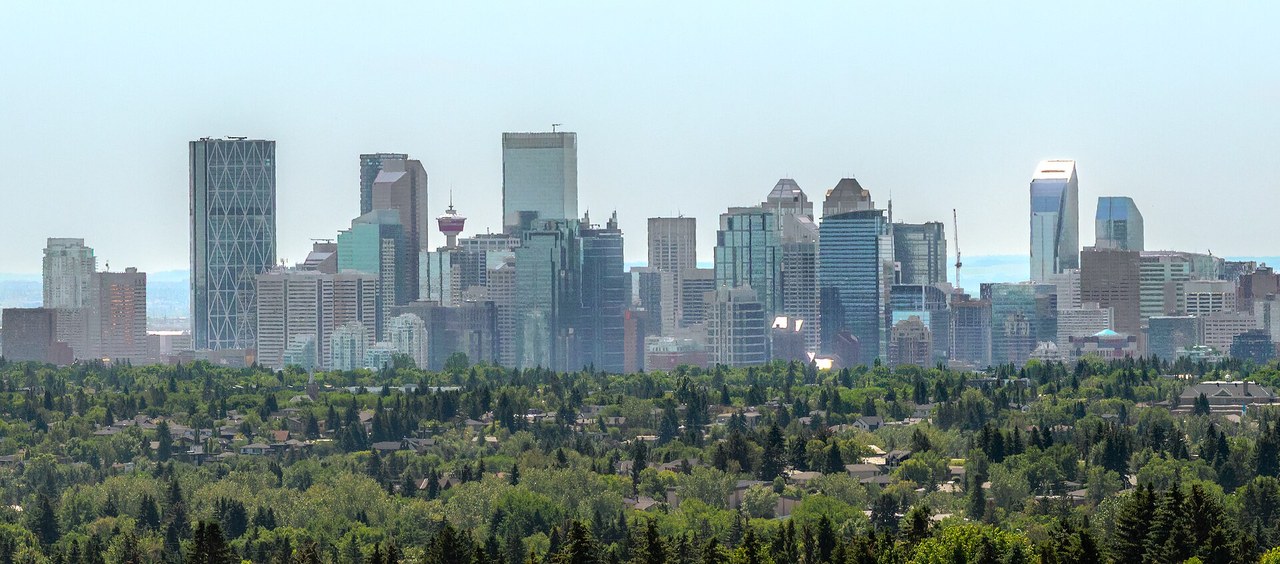
July is festival month, full stop. These are the ones I’d actually plan a trip around:
Canada Day — July 1, 2026. The biggest party is on Parliament Hill in Ottawa (concerts, fireworks), but every town from St. John’s to Victoria throws its own celebration. My favorite Canada Day memory is a small-town pancake breakfast in Alberta — free, friendly, and the maple syrup was real. If you’re in Toronto, look for the lakefront fireworks and drone shows. Book Canada Day weekend accommodation by February; it sells out.
The Calgary Stampede — July 3–12, 2026. “The Greatest Outdoor Show on Earth,” and for once the slogan doesn’t oversell it. Ten days of rodeo (daily at 1:30 PM), chuckwagon races, the evening Grandstand Show with fireworks, Indigenous programming at the Elbow River Camp, and free pancake breakfasts all over the city. 2026 admission is $28 for adults (seniors and kids 7–12 are $17, under 7 free) — I checked the current prices on the official site before writing this. Rodeo and evening-show tickets are extra and sell out fast, so buy early. → Calgary Stampede — official tickets & info
Pro tip: the whole city goes full western for the week, and I mean the whole city — wear the boots, eat the midway food, and take the CTrain because Stampede Park parking is a special kind of chaos. Pair it with our 3 days in Calgary itinerary.
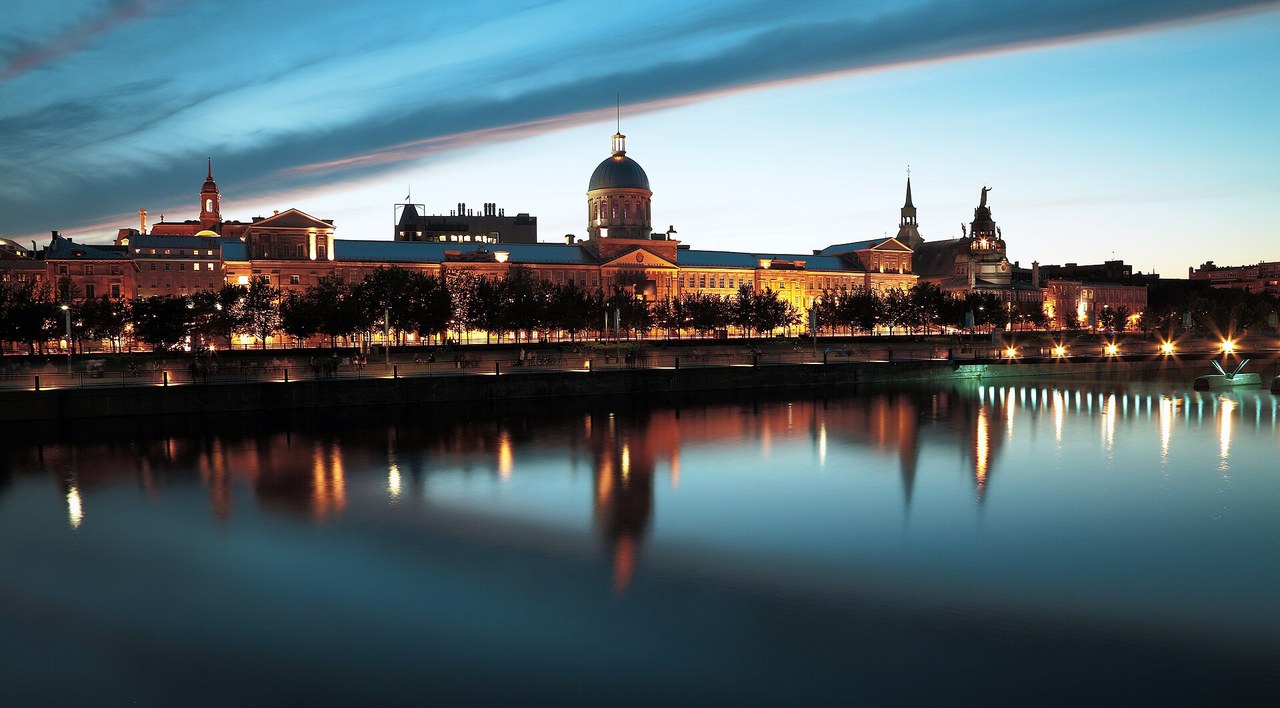
Montreal International Jazz Festival — June 25–July 4, 2026. The world’s largest jazz festival, and the 46th edition is a big one: 350+ concerts, and more than two-thirds of them are free on the outdoor stages of the Quartier des Spectacles. The 2026 lineup includes Lionel Richie with Earth, Wind & Fire, Diana Krall, St. Vincent, and Kamasi Washington — I found the full lineup announcement on the festival’s official site, and it’s stacked. Even if you’re not a jazz person, wandering Place des Festivals at night with music on every corner is worth every penny. → Montreal Jazz Festival — official program
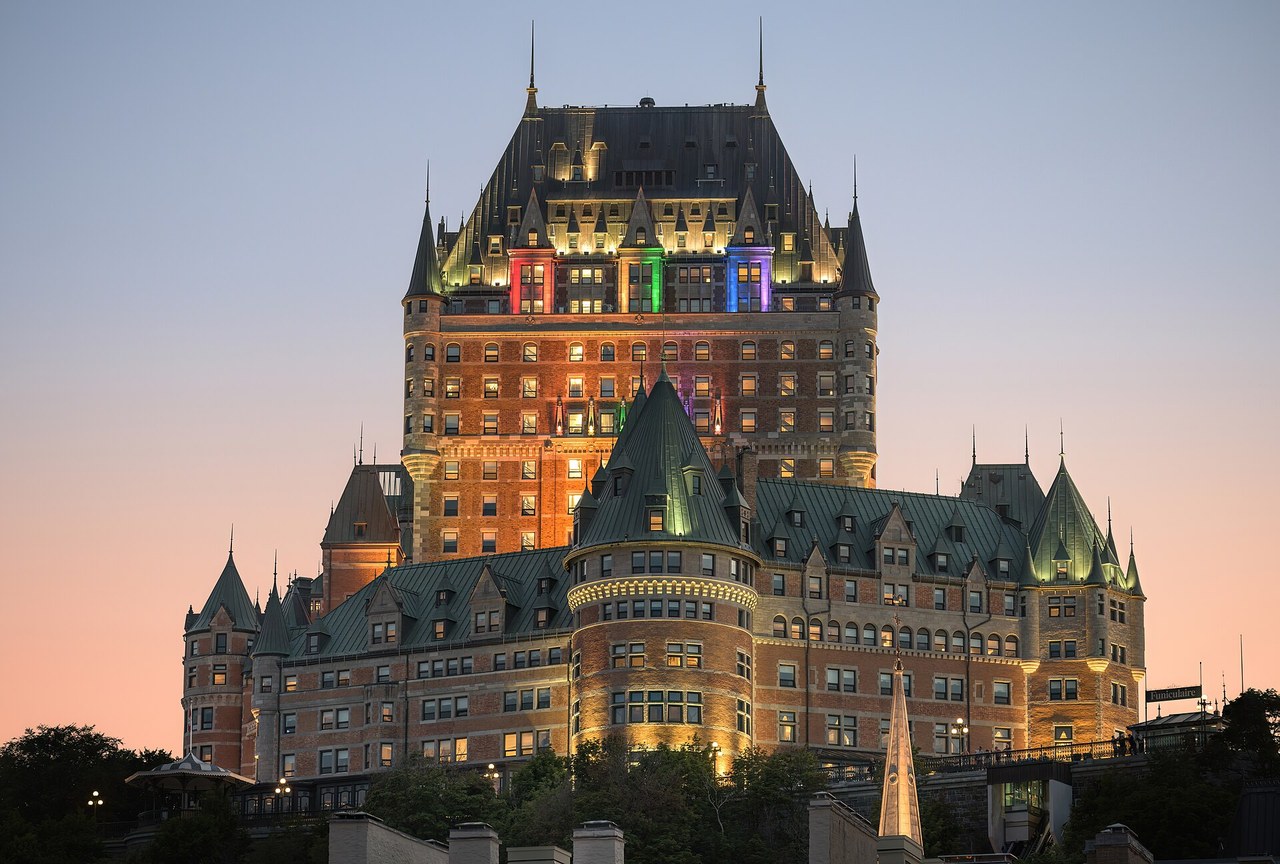
Festival d’été de Québec (FEQ) — July 9–19, 2026. Eleven days on the Plains of Abraham, and one of the best-value major music festivals anywhere — a single pass gets you into every show. The 2026 headliners include Muse, Gwen Stefani, Jelly Roll, Limp Bizkit, and Michael Bublé. Passes went on sale in March and sold out, which tells you everything about booking early for 2027. The free stages and the electric Old Quebec atmosphere are worth the trip even without a pass. → FEQ — official site
Beyond the headliners, July is also powwow season in many Indigenous communities (check local listings and attend respectfully), lobster festival season in the Maritimes, and small-town rodeo season across the West. These smaller gatherings are where I keep finding my favorite travel memories — the ones no brochure mentions.
Wildlife in July: whales, bears, and puffins
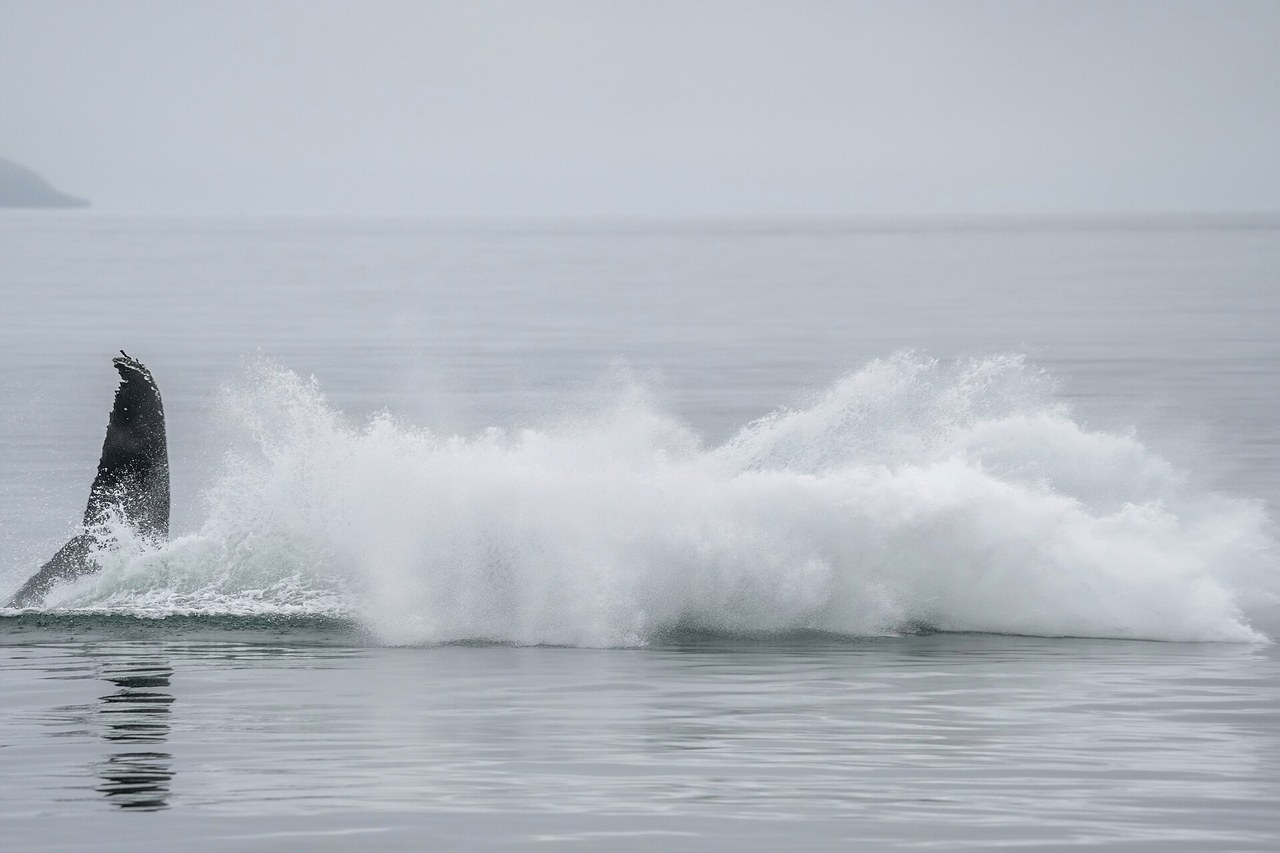
July is peak wildlife season, and the encounters are genuinely world-class:
- Whale watching: July is the top month on both coasts. Off Vancouver Island you’ll see orcas and humpbacks (the season runs roughly May–October). On the East Coast, Tadoussac at the mouth of the Saguenay Fjord is the place to be — minke, fin, and even blue whales feed in the St. Lawrence. And Churchill, Manitoba gathers belugas in July. I booked a Zodiac tour out of Tadoussac once and we were close enough to hear a fin whale exhale. I still think about it. Expect to pay ~$80–150 per adult for a 2–3 hour tour.
- Bears: Grizzlies and black bears are active in the Rockies and BC interior, foraging for berries. Stay 100 metres back, carry bear spray on trails, and make noise in dense brush. I had a black bear amble across the trail in front of me near Lake Louise — thrilling from a safe distance, and I did exactly what the park guides say: stayed calm, backed off, let it pass.
- Puffins and birds: Atlantic puffin colonies are busy in July (try Newfoundland’s Witless Bay or the Magdalen Islands), and Point Pelee in Ontario is a songbird hotspot. Bring binoculars — fair warning, you’ll become the kind of person who says “oh, that’s a nice warbler” at parties.
Book whale tours with operators that follow wildlife-viewing guidelines — no chasing, no loud sonar, proper distances. A good guide makes all the difference, and I’d rather pay a little more for an ethical operator than crowd an animal for a photo.
The Maritimes in July
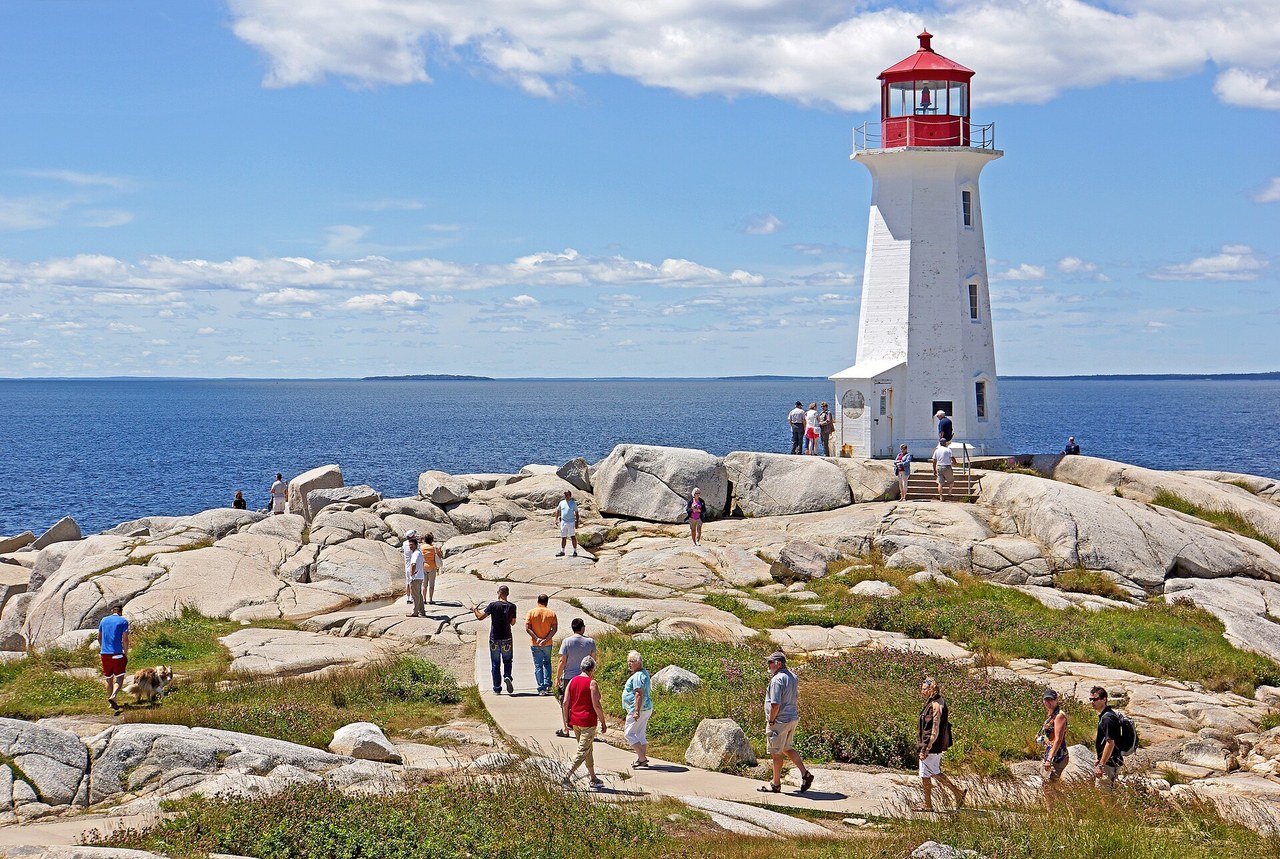
The Maritimes deserve their own section because July might be the single best month to be here. The Cabot Trail through the Cape Breton Highlands is the headline drive — winding coastal cliffs, highland valleys, and ceilidhs (kitchen parties) in the evenings. I drove it over three days with a friend and we stopped so many times for views that the “scenic loop” took us twice as long as planned. Worth it.
Then there’s PEI: red-sand beaches, Anne of Green Gables country, and lobster everywhere — July is peak lobster season, and a lobster roll from a wharf-side shack is the meal I measure all other seafood against. Nova Scotia’s South Shore (Lunenburg, Mahone Bay, Peggy’s Cove) makes a perfect add-on. Everything is drivable, everything is relaxed, and the whole region is noticeably cheaper than the Rockies. If you’re building a longer trip, our Nova Scotia road trip itinerary maps it out day by day.
What to pack for Canada in July
Packing for July is all about layers — I once started a day in a fleece at a Rockies trailhead and ended it in a swimsuit at a lake. Here’s my actual packing list:
- The three-layer rule: a sweat-wicking base layer, a fleece or wool mid-layer, and a waterproof shell. This is the system that saves you in the mountains, and pro tip: it also saves you on rainy Maritimes days.
- Footwear: broken-in hiking boots for the mountains, comfortable sneakers for cities. Never — and I mean never — start a long hike in brand-new boots. I did that at 19 and the blisters taught me everything I needed to know.
- Sun and bug protection: high-SPF sunscreen (the sun at altitude is no joke), a hat, and strong bug spray — northern blackflies in July are legendary. I skipped the spray once in the Yukon. Once.
- Extras: a swimsuit (the lakes are cold but the hotel pools aren’t), a reusable water bottle (Canadian tap water is excellent), a portable power bank for long trail days, and a small daypack.
For the full list, see our Canada packing guide.
Getting there and getting around in 2026
Entry requirements: Most visitors need either a visa or an Electronic Travel Authorization (eTA), applied for online through the official Government of Canada site — canada.ca. It usually takes minutes to approve, but do it weeks before you fly, not at the airport. The eTA is tied to your passport, so a new passport means a new eTA.
Flights vs. trains vs. driving: Canada is enormous — Toronto to Vancouver is a 4.5-hour flight, and driving it takes four days. Domestic summer fares peak in July, so book early. The VIA Rail “Canadian” from Toronto to Vancouver is one of the world’s great train journeys, but the sleeper berths sell out months ahead for July. For the Rockies, the Maritimes, and pretty much everywhere outside the big-city cores, a rental car is the way to go — and July rental rates (~$70–120/day, estimate) spike as inventory sells out. Book the car when you book the flights.
Where to stay: July is the priciest month for accommodation — expect mid-range hotels at ~$200–350/night in peak destinations, and book 3–6 months ahead for Banff, Jasper, and festival weekends. The eco-lodge and glamping trend keeps growing (look for Green Key certification if sustainability matters to you), but unique stays sell out first — which is to say, the coolest options are also the fastest to disappear. Book early. You’ve got this.
How much does Canada cost in July?
July is the most expensive month to visit, but the range depends hugely on where you go. A realistic per-person daily budget for a mid-range trip (2026 prices, items marked ~ are estimates):
| Item | Cost per day (CAD) |
|---|---|
| Mid-range hotel (shared per couple, ~$200–350/night) | ~$100–175 |
| Food & drinks (casual restaurants + one nice dinner out) | ~$60–100 |
| Rental car (split per person) | ~$35–60 |
| Attractions & tours (gondolas, whale watching, museums) | ~$30–80 |
| Total per person, per day | ~$225–415 |
Ways I actually save money in July: farmers’ markets instead of restaurant lunches, the many free festival stages (Jazz Fest, FEQ free programming), hiking (the best views are free — well, aside from the 2026 free park entry bonus), and beach days in the Maritimes. Planning a day-by-day route? Our Canada in July itinerary puts this guide into action.
FAQs about visiting Canada in July
Is July a good time to visit Canada?
It’s the best month for weather, festivals, and wildlife — and the busiest and most expensive. If you book accommodation, rental cars, and tours months ahead, July is unbeatable. If you’re booking last-minute, consider late August or early September for similar weather with thinner crowds. Our Canada in summer overview compares the whole season.
What is the weather like in Canada in July?
Most regions see their warmest days: Vancouver and the Maritimes average 20–24°C, Rockies valleys reach ~25°C with cool nights (~5°C), and Toronto, Ottawa, and Montreal often top 30°C with high humidity. Pack layers — mountain weather and air-conditioned cities both demand them.
When is the Calgary Stampede in 2026?
The 2026 Calgary Stampede runs July 3–12, 2026 — ten days of rodeo, chuckwagon races, concerts, and the evening Grandstand Show at Stampede Park. Adult admission is $28 (2026 prices), with rodeo and evening-show tickets sold separately. Book those tickets well ahead on the official site, and take the CTrain to avoid the parking crunch. See our 3 days in Calgary itinerary for a Stampede-week plan.
Do I need to book the Moraine Lake shuttle in advance for July?
Yes — it’s the single most time-sensitive booking in the Rockies. Private vehicles can’t access Moraine Lake Road, so you take the Parks Canada shuttle ($12.75 adult return plus a $3.50 booking fee, 2026 prices) from the Lake Louise Park and Ride. 60% of seats are released two days before your visit at 8:00 AM MDT and sell out within minutes. Set an alarm and have your Parks Canada account ready.
Where is the best whale watching in Canada in July?
Vancouver Island for orcas and humpbacks, Tadoussac (at the mouth of Quebec’s Saguenay Fjord) for minkes, fins, and blues in the St. Lawrence, and Churchill, Manitoba for belugas. July is the top month on both coasts. Expect ~$80–150 per adult for a 2–3 hour tour — and choose an operator that follows ethical wildlife-viewing guidelines.
How far in advance should I book a July trip to Canada?
Three to six months ahead for hotels and rental cars in Banff, Jasper, and festival weekends; earlier if your dates include Canada Day (July 1) or the Calgary Stampede. Festival passes (FEQ, Jazz Fest ticketed shows) and Parks Canada shuttles have their own release dates — mark them down the day you decide your dates. Last-minute July trips are possible in the Maritimes and smaller cities, where availability holds up better.
Keep exploring
- The Ultimate Canada in July Itinerary: 2026 Summer Guide
- Canada in Summer: The Ultimate 2026 Travel Guide
- The Ultimate 2 Days in Banff Itinerary: 2026 Travel Guide
- Montreal in July: The Ultimate 2026 Summer Travel Guide
- The Ultimate Quebec City Travel Guide: 2026 Edition
- Cape Breton in Summer: The Ultimate 2026 Travel Guide
1 comment