

Last updated: October 3, 2026
The short answer
- The two sweet spots: late May–early June and mid-September–mid-October — that’s when you’ll find the lowest prices, the thinnest crowds, and weather you can actually dress for.
- Real savings: shoulder-season flights and hotels typically run ~20–35% below July–August peaks (estimates; Expedia’s 2026 data puts September among the cheapest months to fly).
- The trade-off: some high-altitude roads and shuttles close by mid-October, so plan around the deadlines — I learned that one the soggy way.
I’ll be honest: I used to be a July-and-August traveler. I’d book the peak dates, pay the peak prices, and stand in the peak lines like everyone else — until the year I did Banff in late September for roughly 30% less and had the lakeshore practically to myself. That trip rewired my whole travel calendar. Shoulder season in Canada isn’t a consolation prize; it’s the upgrade nobody tells you about.
Here’s the thing, though — Canada’s shoulder season has rules. The Rockies close things down in October, the Maritimes get moody (beautifully moody), and May can still throw snow at you above 2,000 metres. Fair warning: I’ve collected every one of these mistakes myself — the wrong week, the closed road, the packed-for-July wardrobe in a September cold snap. This is my complete 2026 playbook — timing, money, packing, and where to point yourself — all checked against 2026 sources in October 2026.
When exactly is shoulder season in Canada?
Canada has two shoulder windows, and they’re not interchangeable:
- Spring shoulder: late May to early June. The melt is on, days are long, and prices are still low — but high-altitude trails and roads may not be open yet. Think wildflowers in the valleys, waterfalls at full blast, and almost nobody around.
- Fall shoulder: mid-September to mid-October. This is the crown jewel. Fall colour, larch season in the Rockies, harvest food scenes — and the cheapest travel weeks of the year in many destinations. Expedia’s 2026 Air Hacks report found September the most affordable month to fly, with fares roughly 26% cheaper than December and about ~$160 saved per ticket on average.
April and November are technically shoulder months too, but I’ll be honest: they’re the muddy, gray, in-between months where half the attractions are closed and the weather is just… rude. Stick with the two windows above. Trust me on this one.
The two sweet spots, head to head
Late May – early June: the quiet green season
May is when Canada exhales. Snowmelt swells the waterfalls to their most dramatic (Shannon Falls near Squamish is a different beast in June than in August), the valleys turn aggressively green, and hotel rates are still at their pre-summer floor. Wildlife is active — bears are out, elk are calving, and the Rockies feel alive in a way August never quite manages.
The catch? Elevation. High-altitude roads like the one to Moraine Lake typically open around June 1, and alpine trails can hold snow well into June. Fair warning: I once planned a “spring in the mountains” trip for the second week of May and spent half of it staring at closed trailheads. Plan valley-level adventures in May — city trips, coastlines, waterfalls — and save the alpine stuff for June.
Mid-September – mid-October: the golden window
This is my pick, and it’s not close. Here’s what the fall shoulder gives you: the famous maple colour, golden larches in the Rockies, harvest season at every winery and orchard, whale-watching tail ends on the coasts — and hotel rooms that dropped $40–60 a night the moment Labour Day ended (I track this in a spreadsheet; it’s genuinely satisfying to watch).
Flights are the real story this year. Air Canada and WestJet both rolled out fall promotional fares — 15–20% off selected base fares for travel between October 2026 and February 2027 — and Expedia’s data says Thursday is now the cheapest day to fly, with Monday the cheapest day to book. Pro tip: set a fare alert in early summer for September–October dates and buy when you see the dip. I booked my own October trip on a Thursday departure and saved enough to cover two very nice dinners.
West: the Rockies in September (don’t miss the deadlines)

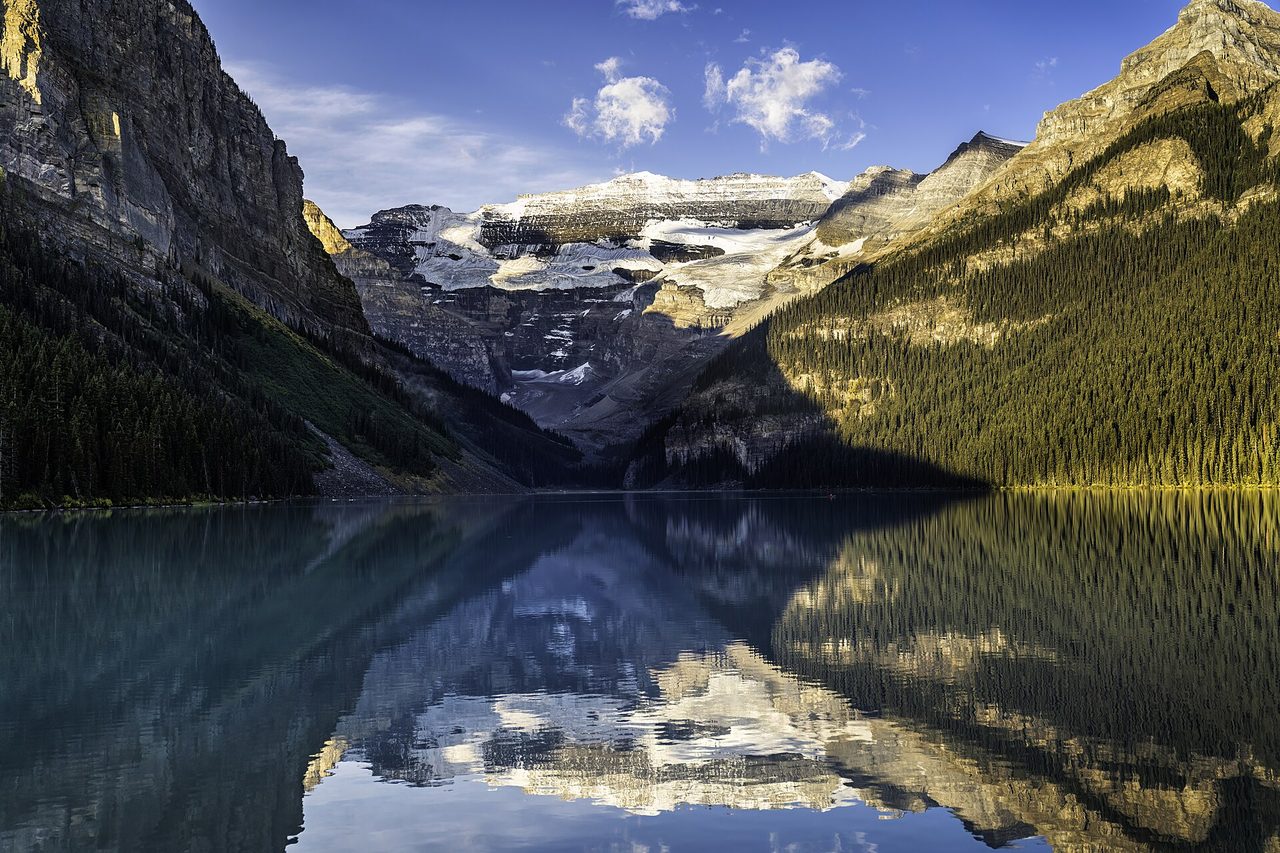
If there’s one shoulder-season experience worth building a trip around, it’s larch season. For about two weeks — usually mid to late September — the alpine larches in Banff and Yoho turn gold against the snow-dusted peaks, and the Larch Valley trail above Moraine Lake becomes the most photogenic walk in the country. I’ve done it twice now and I still don’t have words; I just stood there making noises.
But here’s the thing: the Rockies have a hard stop in October. Parks Canada’s shuttle service to Moraine Lake runs through roughly October 12 in 2026, and Moraine Lake Road closes to all traffic after Canadian Thanksgiving (mid-October) for avalanche season — it doesn’t reopen until June. So your window for the classic lakes-and-larches trip is early June through mid-October, with the sweet spot being mid-September.
I double-checked the shuttle dates on Parks Canada’s official Lake Louise and Moraine Lake page before writing this — they shift slightly year to year, so do the same before you book. → Parks Canada — visiting Lake Louise and Moraine Lake
Pro tip: book the Parks Canada shuttle the moment reservations open (spring), and note that seats are released in two waves — the main launch and a smaller batch two days before each date. I’ve seen friends grab the leftover seats the hard way; don’t count on it.
Want the full mountain plan? See our 2-day Banff itinerary — the shuttle logistics in it apply year-round.
East: the fall-colour triangle
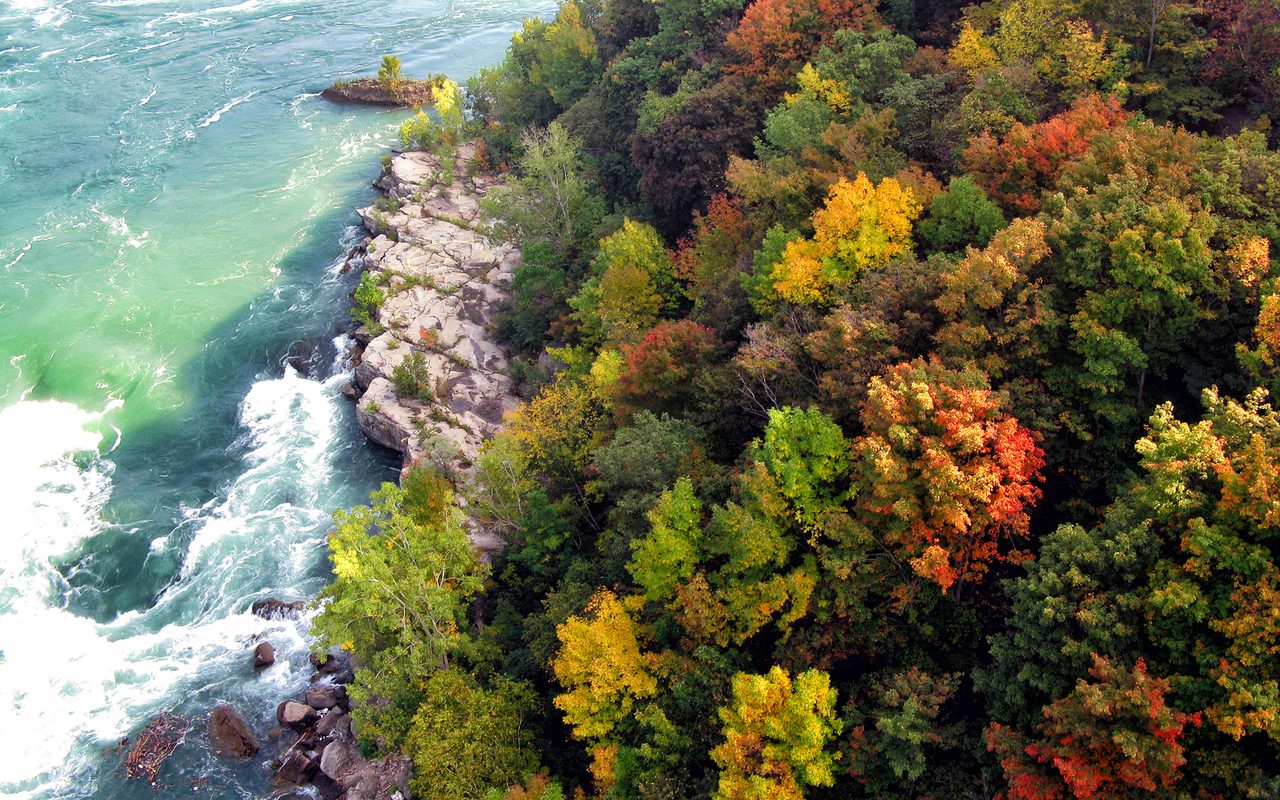
Fall colour is Canada’s second-biggest tourism season after summer, and shoulder-season pricing is the loophole. The colour moves like a wave, so time your trip to catch it:
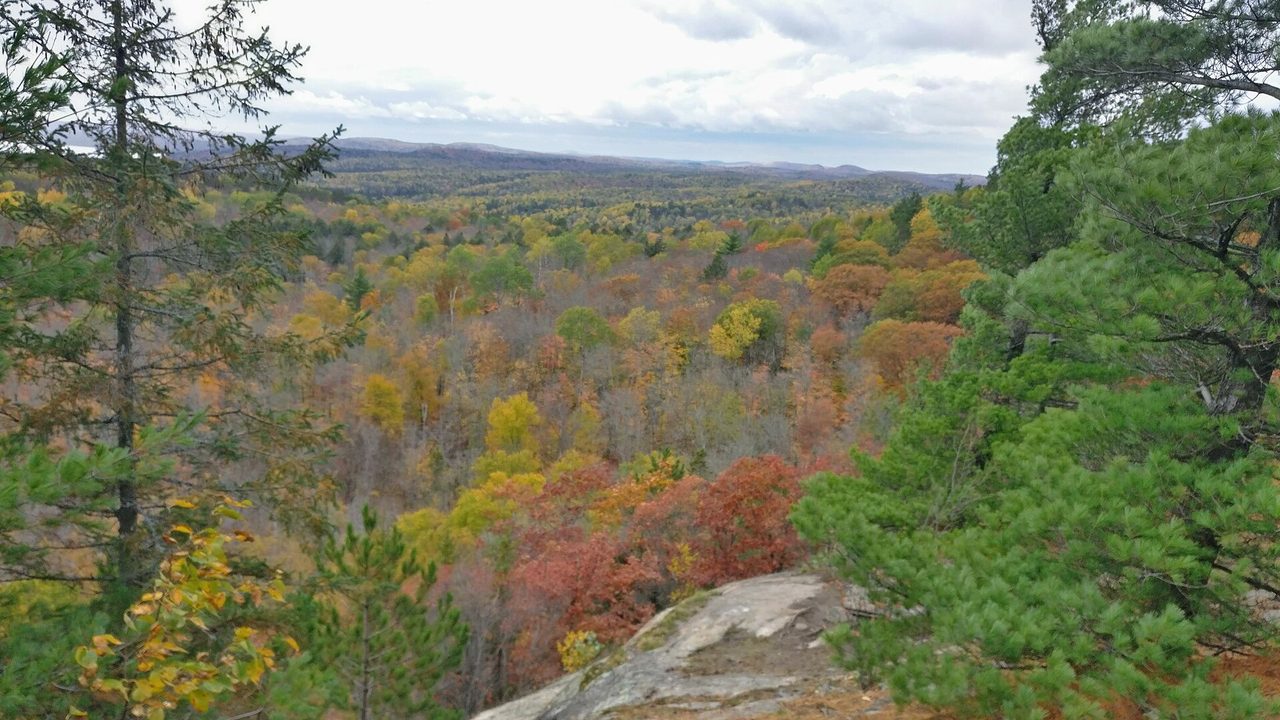
- Ontario (Algonquin Park & Muskoka): peak colour usually lands from mid-September to mid-October. Algonquin’s maple ridges — like the view from Centennial Ridges — are the classic shot, and the park’s Fall Colour Report (updated through the season) tells you exactly which week to go.
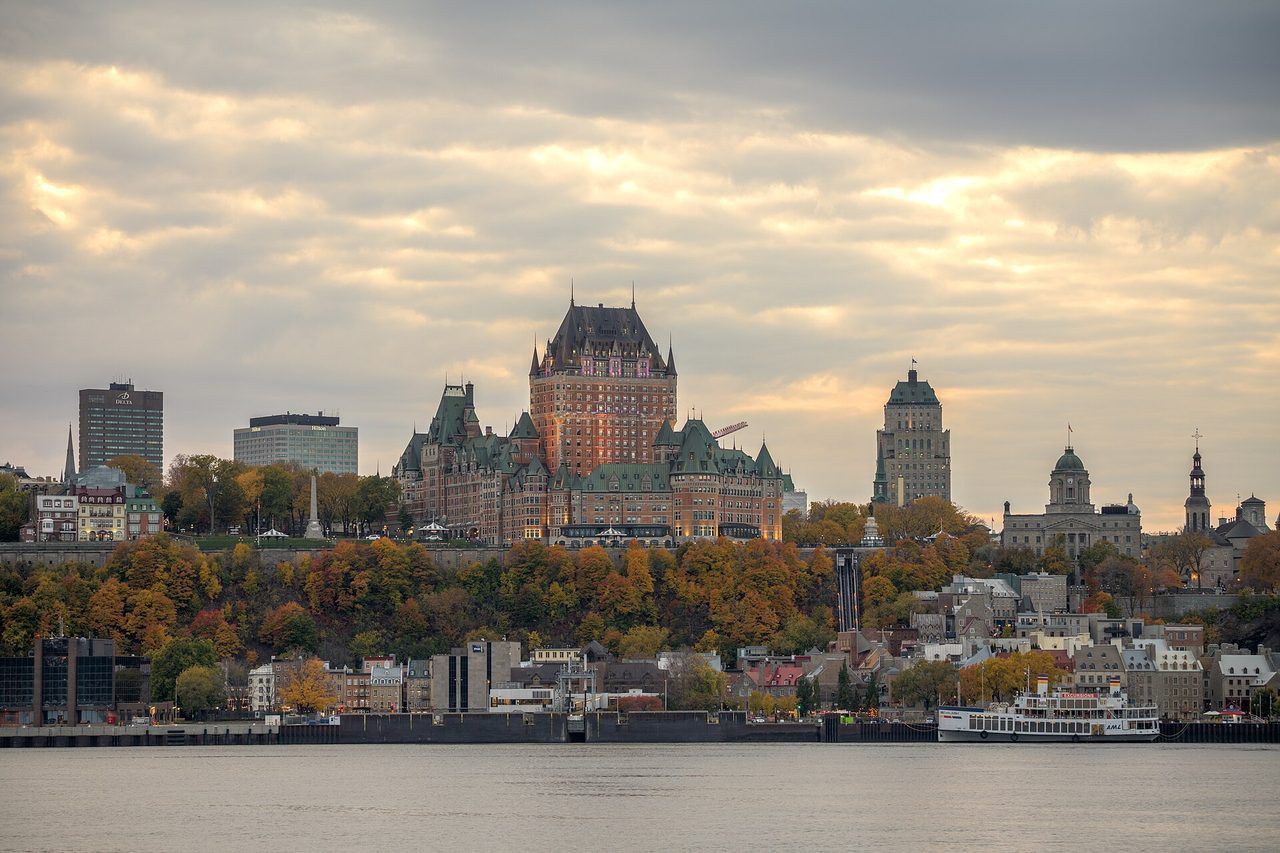
- Québec (Laurentians & Eastern Townships): peak runs roughly the same window — mid-September to mid-October. Old Québec itself is glorious in October: the Château Frontenac wrapped in red foliage, terrasse season winding down, and summer’s cruise-ship crowds gone. I walked the ramparts on a 12°C October morning with maybe a dozen other people. In July it would have been a thousand.
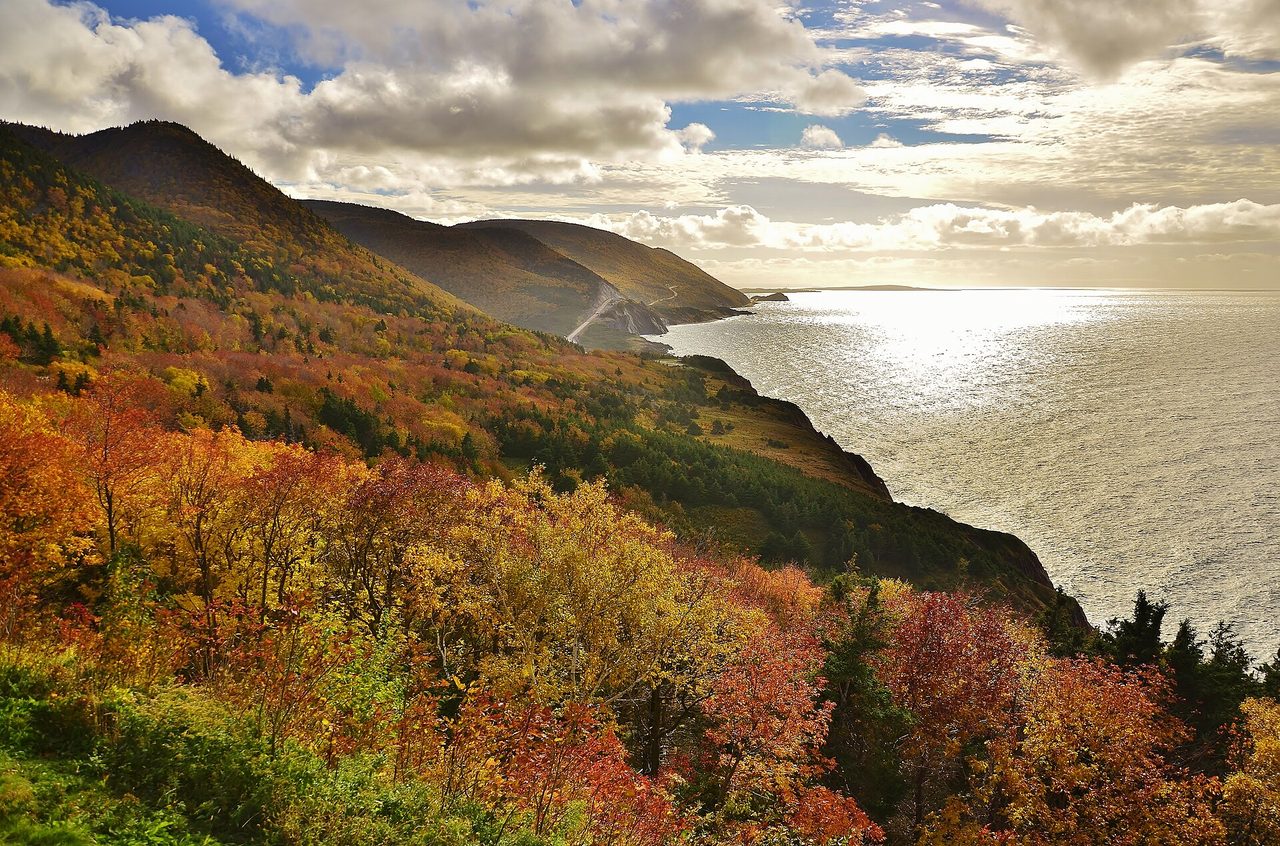
- The Atlantic (Cape Breton & Nova Scotia): colour peaks from late September through mid-October, with the Cape Breton Highlands turning first — usually early October. The Cabot Trail in fall is worth every penny of the rental car: I stopped eleven times on one 60 km stretch. Eleven. My “efficient driving day” spreadsheet did not survive contact with the Highlands.
Atlantic bonus: the ocean is at its warmest in September (well — “warmest”; this is the North Atlantic), and the coast gets its moody, dramatic light. Peggy’s Cove on a gray October afternoon, with the waves doing their thing on the granite, is one of my favorite Canadian memories — and I shared the lighthouse with maybe five people.
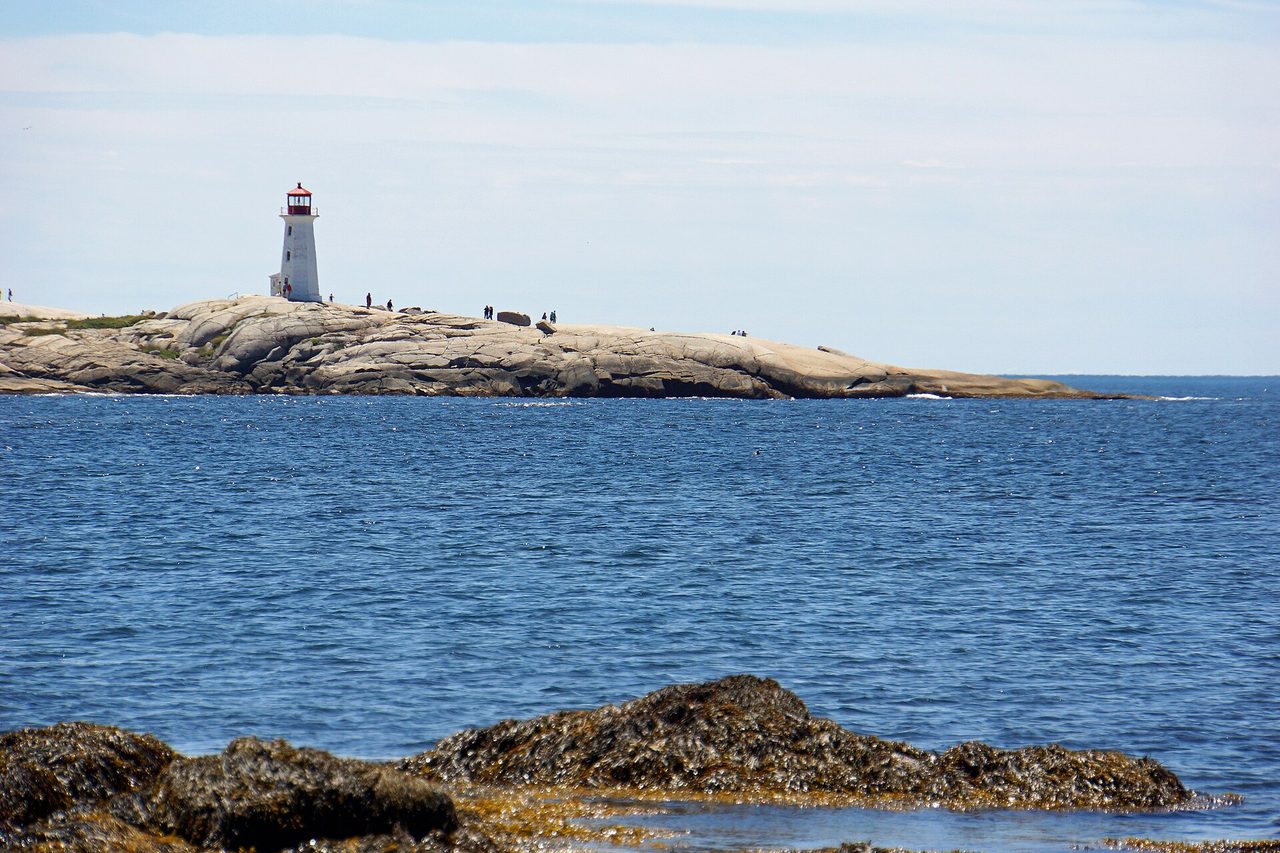
For the colour-obsessed, we’ve got a dedicated rundown: the best fall colours in Canada. And if Québec City made your shortlist, start with our 2-day Québec City itinerary.
How much cheaper is it, really?
Let me put numbers on the table — all marked with ~ because they’re 2026 estimates from fare data and my own tracked bookings, not guarantees:
| Cost category | Peak (Jul–Aug) | Shoulder (Sep–Oct / May–Jun) |
|---|---|---|
| Round-trip flights to Canada | Peak summer fares | ~15–26% cheaper (Expedia 2026: Sept ≈ 26% below Dec; fall airline promos 15–20% off base fares) |
| Mid-range hotel, per night | ~$250–400 CAD in Banff/Québec City | ~$175–275 CAD (~25–35% below peak) |
| Rental car, per week | ~$600–800 CAD | ~$400–550 CAD (~25–30% below peak) |
| National park shuttles & tours | Sell out; surge pricing on tours | Same base prices, far more availability |
| Restaurants & activities | Same prices, long waits | Same prices, walk-ins welcome |
The pattern is consistent: flights and accommodation drop meaningfully, while day-to-day spending stays flat but gets easier (no lines, actual restaurant choice, hotel upgrades you didn’t pay for — I’ve been upgraded three times in October, zero times in August).
For the full money-saving playbook, read how to travel Canada on a budget — it pairs perfectly with shoulder-season timing.
Closures, packing, and the stuff nobody warns you about
Seasonal closures are the real gotcha. Some highlights (all worth confirming on official sites before you travel):
- Moraine Lake access: shuttles and road access end ~mid-October (Canadian Thanksgiving). After that, it’s ski/snowshoe territory only.
- Alpine gondolas & summit attractions: most Banff/Whistler summer sightseeing winds down in September–early October and reopens in June. Whale-watching tours end by late October on both coasts.
- Provincial park campgrounds: many close after Thanksgiving weekend. Front-country camping in October is possible but call ahead — I once showed up to a “open until Oct 31” campground that had quietly closed early after a storm. Call. Ahead.
- Restaurants & small towns: resort towns shrink after Labour Day. Some restaurants close for a few weeks between seasons — check hours the week of your trip, not the month before.
Packing: layers, not bulk. My shoulder-season formula: a warm mid-layer (fleece or light down), a proper rain shell, one warm hat and gloves (even in September at altitude), and shoes that handle wet trails. The Rockies gave me a snow flurry and a 17°C afternoon on the same day last October — pack for the forecast’s mood swings, not its average. Our Canada weather by month guide has the detailed temperature tables.
FAQs about shoulder season travel in Canada
When is the shoulder season in Canada?
The two main shoulder windows are late May–early June and mid-September–mid-October. These sit between peak summer (July–August) and the deep winter season, offering the best mix of lower prices, thinner crowds, and manageable weather. For a general overview of timing, our month-by-month guide below covers every season in detail.
Is September or October better for fall colours?
It depends where you’re going. In the Rockies, aim for mid to late September (that’s larch season). In Ontario and Québec, the maple peak usually falls between mid-September and mid-October. In Atlantic Canada — especially the Cape Breton Highlands — colour peaks from late September through mid-October, with early October being the safest bet. Always check the current year’s colour reports before booking, since peak shifts by a week or two annually.
How much cheaper is shoulder season travel in Canada?
As a rough 2026 estimate: flights ~15–26% below peak (Expedia’s 2026 data put September fares ~26% below December levels), hotels ~25–35% below July–August rates, and rental cars ~25–30% below peak. Actual savings vary by route and destination, and booking midweek (Thursday departures are cheapest, per Expedia) stretches the discount further.
What’s still open in the Rockies in October?
Banff and Lake Louise themselves are year-round towns, and Lake Louise stays accessible. But Moraine Lake shuttles and road access end around mid-October (Canadian Thanksgiving), summer gondola sightseeing mostly wraps up in September–early October, and high-elevation trails can be snowy by then. Valley-level hiking, hot springs, and wildlife viewing are all excellent in October — just plan around the closures.
Is late May too early for the Canadian Rockies?
For valley-level trips — Banff town, Lake Louise lakeshore, Canmore, waterfalls — late May is lovely and quiet. For alpine hiking and the classic high passes, yes, it’s too early: trails above ~2,000 m often hold snow into June, and Moraine Lake Road typically opens around June 1. If mountains are the point of your trip, push to June or September.
What should I pack for a shoulder-season trip to Canada?
Layers: a warm mid-layer, a waterproof rain shell, hat and gloves (yes, even in September if you’re heading to altitude), and waterproof shoes for wet trails. Mountain weather can swing 15°C+ in a single day, so dress for the forecast’s range, not its midpoint. Cities are more forgiving — a good jacket and closed shoes will carry you through October in Toronto, Montréal, or Vancouver.
Keep exploring
- Best Time to Visit Canada: Month-by-Month 2026 Guide
- How to Travel Canada on a Budget: 2026 Guide
- The Best Fall Colours in Canada: 2026 Viewing Guide
- The Ultimate 2 Days in Banff Itinerary: 2026 Guide
- The Ultimate 2 Days in Québec City Itinerary: 2026 Guide
- Canada Weather by Month for Tourists: 2026 Guide
1 comment