

Last updated: October 3, 2026
The short answer
- The paperwork: Every family member needs a valid passport, and visa-exempt visitors need an eTA applied for before flying. Solo parents: carry a signed parental consent letter — border officers will ask.
- The regions: Pick one or two (Ontario + the Rockies, or BC + Quebec) instead of trying to see the whole country. Canada is the world’s second-largest country and the driving distances will humble your itinerary.
- The pass: The Parks Canada Discovery Pass ($167.50 for a family/group in 2026) pays for itself on any 7+ day national park trip — youth 17 and under are free anyway.
I’ll be honest: the first time I planned a family trip to Canada, I treated it like planning a family trip to Florida. That was the mistake. Canada is not Florida. Canada is roughly forty Floridas wearing a trench coat, and once I accepted that — once I stopped trying to “do Canada” and started picking one or two regions like a sane person — everything got easier. And cheaper. And much, much better for the kids.
Here’s the thing: Canada is genuinely one of the easiest countries on earth to travel with children. Safe, clean water everywhere, cities that run like clockwork, and wilderness so spectacular it does the entertaining for you. This guide is the one I wish someone had handed me — the paperwork nobody tells you about, the regions that actually work for families, the real 2026 prices, and the money moves that make it all affordable. Everything below was checked in October 2026.
The paperwork: getting your family into Canada
A smooth trip starts at the border, and the border takes kids very seriously (as it should). Three things matter:
- Passports for everyone — including babies. Check expiration dates at least six months before you travel; some airlines won’t board you if a passport expires within three months of your return. I keep digital copies of everyone’s documents in the cloud and the physical ones in my carry-on — I learned this one the damp way after a backpack went missing on a domestic connection.
- Visas or eTAs — most visitors need either a visa or an Electronic Travel Authorization (eTA) linked to each passport. If you’re from a visa-exempt country, apply for the eTA online before you get to the airport. It’s quick and cheap, but don’t leave it to check-in.
- The consent letter (do not skip) — if you’re traveling as a solo parent, a grandparent, or any guardian setup where both legal parents aren’t present, carry a signed consent letter from the absent parent with their contact info and your travel dates. Border officers watch for child abduction cases and they will ask. Getting it notarized adds weight and speeds things up. I once watched a dad in front of me at the kiosks spend forty minutes on the phone to his wife over exactly this. Forty. Minutes.
Two more non-negotiables. Travel insurance: Canada’s healthcare is excellent but it is not free for visitors, and one ER visit can cost thousands. Make sure your policy covers medical evacuation — trust me on this one, it’s the line item people skip and the one that matters. (See our Canada travel insurance guide.) And connectivity: grab an eSIM data plan before you land so maps and ride apps work the moment you clear customs. Downloading it on airport Wi-Fi with three tired kids is a special circle of chaos I don’t recommend.
Where to go: the family regions that actually work
Here’s my number-one rule for family travel in Canada: pick one or two regions and go deep. The distances between the highlights are enormous — Toronto to Vancouver is a five-hour flight — and kids (and parents) have a finite daily quota of transit patience. These are the five regions I’d book, in the order I’d book them.
Ontario: Niagara Falls + Toronto (the classic first trip)

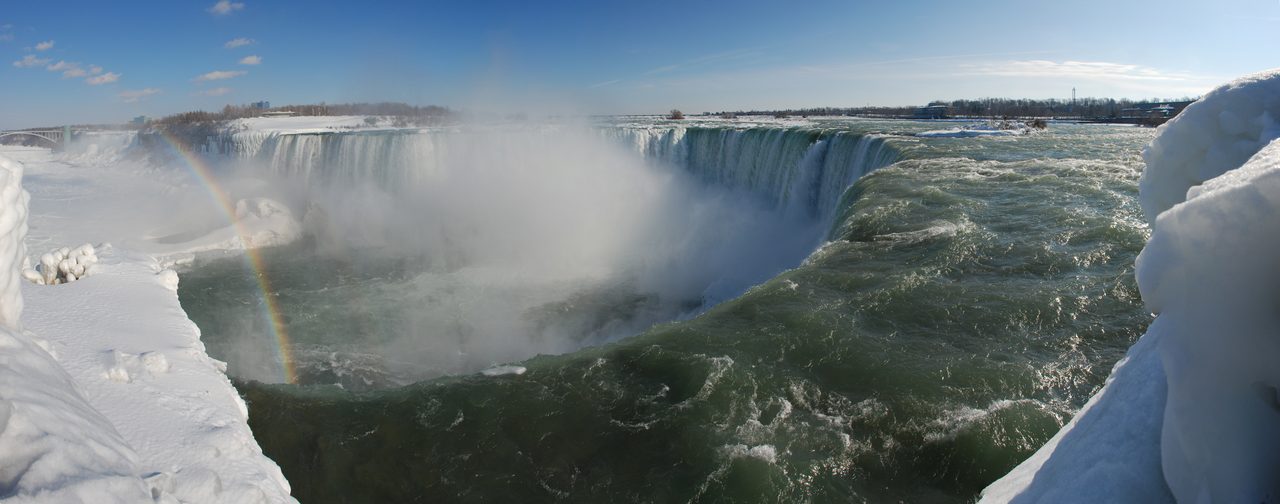
If your family is visiting Canada for the first time, start here. Niagara Falls is the rare attraction that lives up to every photo — and the Canadian side is the better side, full stop. The kids will want the Hornblower cruise into the mist (they give you the ponchos, and yes, you will get wet anyway). Pro tip: go early on a weekday. I showed up at noon on a summer Saturday once. Never again.
Toronto, two hours away, is the easiest big Canadian city for families: the CN Tower, Ripley’s Aquarium of Canada at its base (timed tickets run ~$44–46+ for adults and ~$30–32 for kids 6–12, dynamic pricing — under-2s free), the Royal Ontario Museum, and Centre Island’s car-free beaches a ten-minute ferry ride from downtown. I double-checked Ripley’s current pricing on the official site before writing this — they run dynamic pricing, so book the timed ticket online and save the flex-ticket premium. → Ripley’s Aquarium of Canada — official tickets
Game-changer for Toronto: the CityPASS bundles Ripley’s, the CN Tower, and three more top attractions at up to 38% off — worth every penny if you’re doing the aquarium and the tower anyway. Got an extra day? See our 1-day Niagara Falls itinerary.
British Columbia: Vancouver + Victoria (nature meets city)
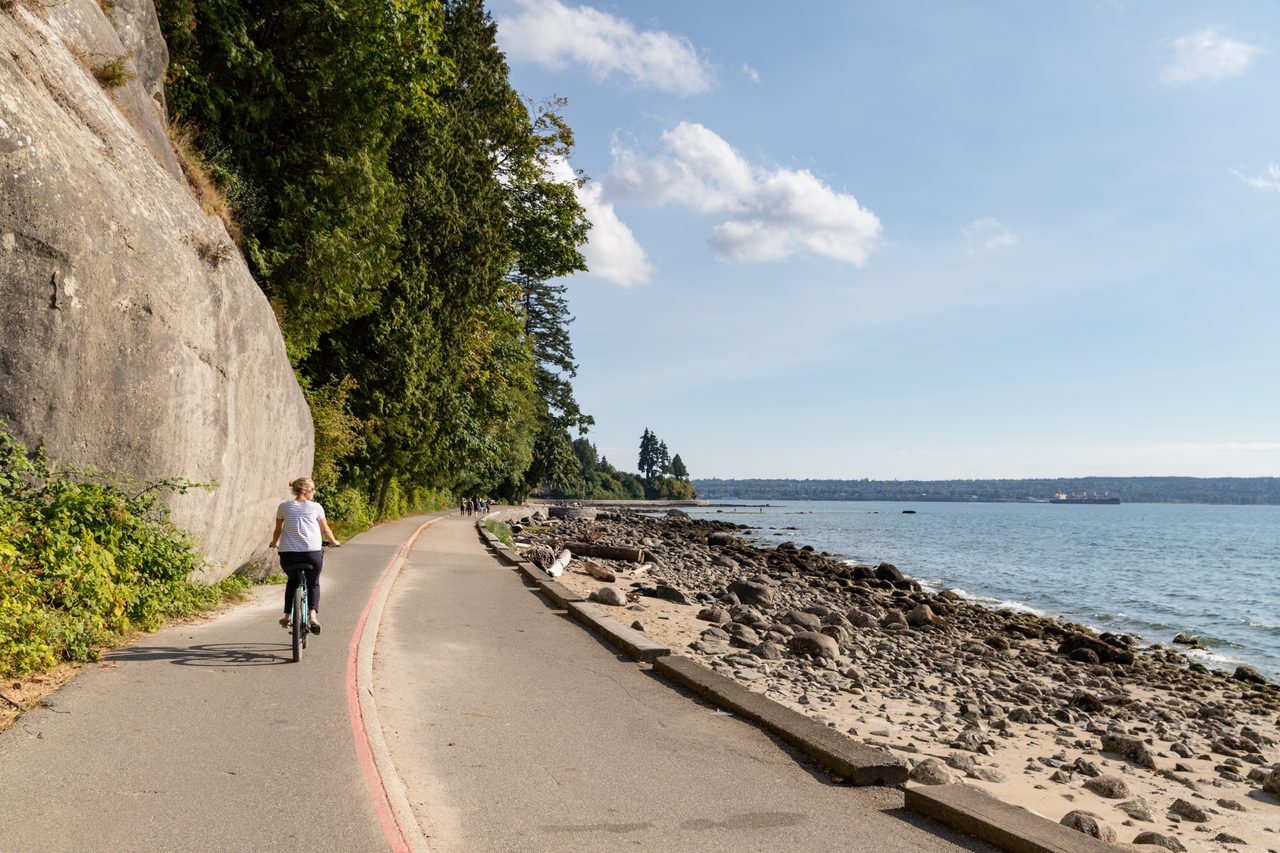
Vancouver is my pick for the family that wants it all: mountains, ocean, and a city where you can actually get around. Stanley Park is the centerpiece — rent bikes and ride the 10 km seawall loop (I timed it: about an hour at kid pace with one ice-cream stop), visit the Vancouver Aquarium inside the park (adult ~$51.48, kids 3–12 ~$33.32, under-3s free; daily 10 AM–5 PM), and let them burn energy at the playgrounds.
From there, the options stack up: the Capilano Suspension Bridge, Granville Island’s kid-friendly market, and a ferry to Victoria for the Royal BC Museum and Butchart Gardens. Fair warning: book BC Ferries sailings in advance in summer — the standby line with kids is its own special misery.
Alberta: the Rockies (Banff, Lake Louise, Jasper)

This is the trip the kids will talk about for years. Banff and Lake Louise deliver that absurd turquoise-lake scenery, and the whole corridor is built for families: easy shoreline walks, the Banff Gondola, canoe rentals, and hot springs at the end of the day. Here’s the thing about Moraine Lake, though — parking is extremely limited and the Parks Canada shuttles sell out fast. I first read about the shuttle booking window on Parks Canada’s site, and then I learned the hard way that “sells out in minutes” is not an exaggeration. Book the moment reservations open.
For the full plan, see our 2-day Banff itinerary and the Alberta road trip itinerary — and do the math on the Discovery Pass below before you go, because daily park entry for a family adds up fast.
Quebec: Europe without the transatlantic flight

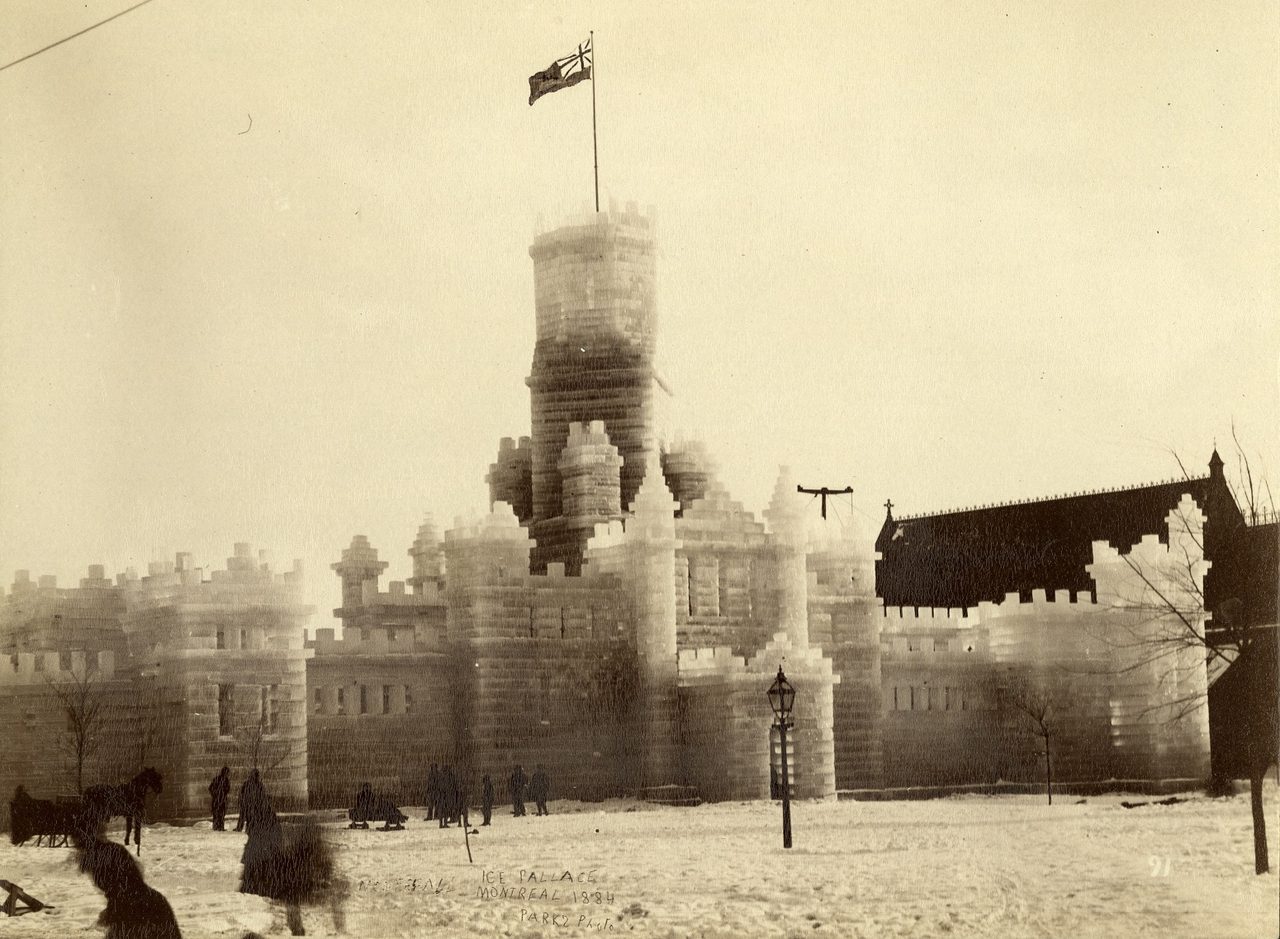
Old Quebec City is the closest thing to Europe you’ll find in North America — cobblestones, a walled old town, crêpe stands — and kids eat it up. Ride the funicular down to the Lower Town, walk the city walls, and visit in February for the Carnaval de Québec, the world’s largest winter carnival, with its ice palace and Bonhomme (the snowman mascot my kids still talk about).
Montreal pairs perfectly with it: the Biodôme, the Insectarium, and bagels that will ruin all other bagels for your children. Fair warning: most signage and service in Quebec City is French-first. Learn “bonjour” and “merci” and you’ll be fine — the locals were unfailingly kind to my phrasebook French. See our 2-day Quebec City itinerary for the full plan.
The Maritimes: slow days and the world’s highest tides
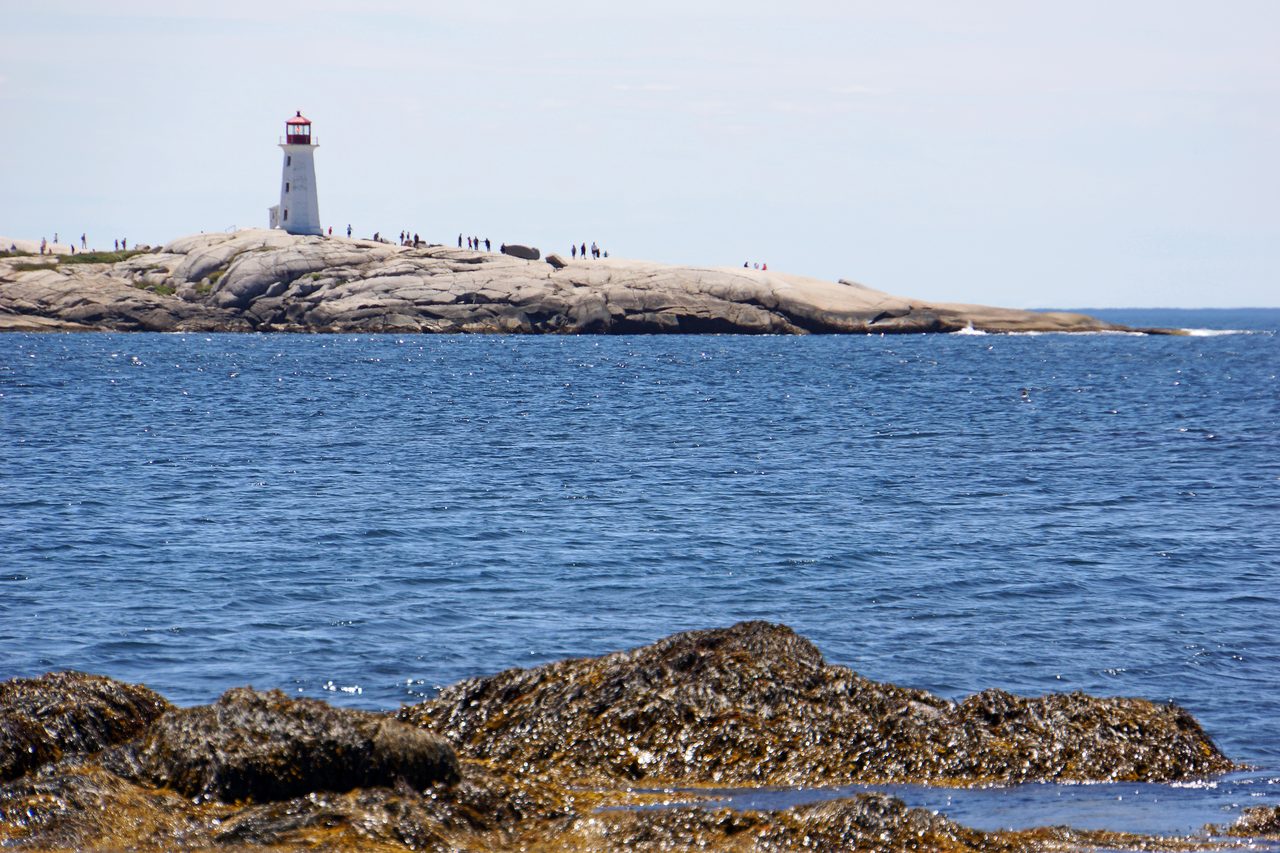
If your family moves at a slower pace — beach days, seafood shacks, lighthouses — the Maritimes are a dream. Walk the ocean floor at Hopewell Rocks in New Brunswick at low tide and kayak the same spot at high tide (the Bay of Fundy has the highest tides in the world — up to 16 metres, and watching it come in is genuinely thrilling). Prince Edward Island gives you red-sand beaches and Anne of Green Gables country; Nova Scotia gives you Peggy’s Cove and Halifax’s waterfront.
I’ll be honest: we underestimated the driving here. The Maritimes look small on the map. They are not small. Build in buffer days and embrace the pace — that’s the whole point.
The experiences kids never forget
Beyond the regions, a few experiences deserve their own callout:
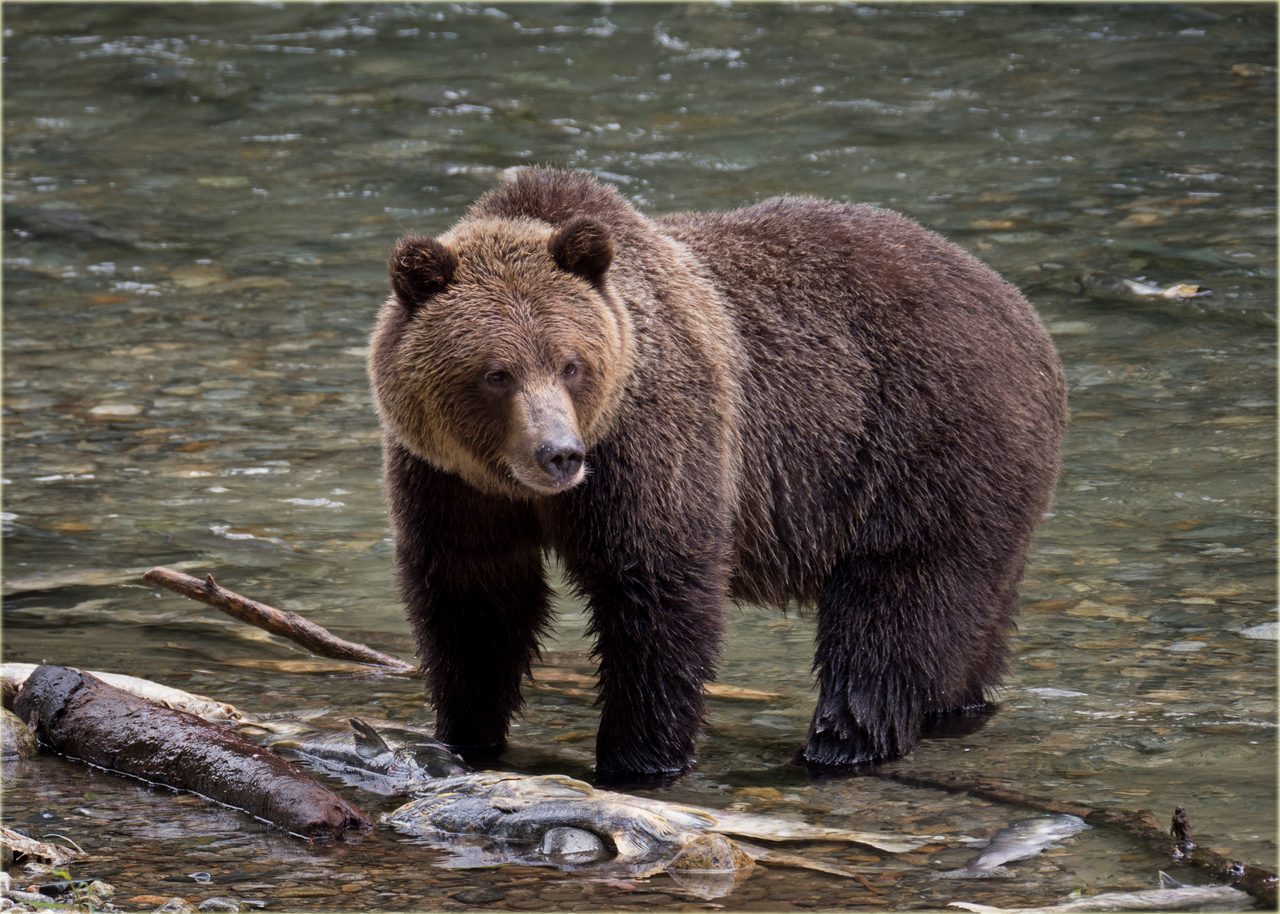
- Wildlife, done safely. Grizzly bears in the Rockies, moose in Algonquin, belugas in Tadoussac, puffins in Newfoundland. Book a guided wildlife tour rather than hoping for a roadside sighting — the guides know where the animals are and, just as importantly, where they aren’t supposed to be near you. A naturalist on a bear-viewing tour in BC told me the number-one mistake families make is stopping on blind highway corners. Listen to the naturalists.
- Indigenous experiences. Canada’s Indigenous tourism scene is world-class and genuinely kid-friendly: storytelling, drumming, traditional food, and guided walks that reframe the whole landscape. Look for experiences certified by the Indigenous Tourism Association of Canada.
- The festivals. Summer is festival season — the Calgary Stampede in July, Montreal’s Just for Laughs, Ottawa’s Canada Day celebrations. Winter has the Carnaval de Québec and Ottawa’s Winterlude, where the Rideau Canal becomes the world’s largest skating rink. Check dates before you commit; these are the trips that book out.
- The night sky. In winter, head north — Yellowknife and Whitehorse are among the best places on earth to see the northern lights with kids old enough to stay up late. It’s cold (like, serious cold), but standing under the aurora with my daughter was worth every frozen toe.
Getting around with kids: road trip, rail, or fly
Canada rewards the road trip — and punishes the unprepared one. Here’s my honest breakdown:
- Renting a car is the most flexible option for families, especially in the Rockies, the Maritimes, and rural Quebec. Book car seats with your rental well ahead (supply runs out in summer), and download offline maps — cell coverage disappears in the mountains exactly when you need it most. Gas is sold per litre, and distances are real: Calgary to Vancouver is ~10 hours.
- VIA Rail is the sleeper hit for families (pun intended). The Toronto–Vancouver “Canadian” is a multi-day bucket-list journey, and the Corridor trains (Toronto–Ottawa–Montreal–Quebec City) are fast, comfortable, and stroller-friendly. Kids under 2 ride free; book Escape fares early for the best prices.
- Domestic flights for the big jumps — Toronto to Calgary, Vancouver to Halifax. Budget ~$150–350 per person each way in summer if booked early (estimate). WestJet and Air Canada dominate; Flair and Porter run cheaper on select routes.
- City transit is excellent in Toronto, Montreal, and Vancouver — all stroller- and car-seat-free friendly with tap-to-pay. In Toronto, kids 12 and under ride the TTC free. I timed the UP Express from Pearson to downtown at 25 minutes flat, and it was the calmest part of arrival day.
Where families should stay
- Suite hotels — brands like Homewood Suites, Residence Inn, and local aparthotels give you a kitchenette and separate sleeping space, which is a game-changer with early bedtimes. Book the suite, not the standard room; the price difference is usually smaller than a week of restaurant dinners.
- Vacation rentals — ideal for 4+ night stays in one spot (think a Canmore condo for the Rockies or a cottage on PEI). Kitchens and laundry pay for themselves with kids.
- Parks Canada camping — the oTENTik tent-cabins in national parks are the perfect middle ground between tenting and a hotel: beds, heat, and a fire pit, from ~$100–150/night in summer (estimate). They book out months ahead — set a calendar reminder for reservation day.
- The Banff/Jasper warning — mountain-town accommodation is the priciest in Canada and sells out 6+ months ahead for summer. I’ve done this trip both ways, and booking late cost me literally double. Canmore (25 minutes from Banff) is the budget-friendly base that doesn’t feel like a compromise.
Summer vs. winter: picking your season
Summer (June–August) is peak family season: warm weather, all attractions open, long daylight (sunset after 9 PM in the west). It’s also peak prices and peak crowds — book everything 4–6 months ahead. July is festival month; late August is my sweet spot for slightly thinner crowds.
Winter (December–March) is the secret value season for families who don’t mind the cold. Ski resorts run family programs, the Carnaval de Québec and Winterlude light up February, and hotel rates drop significantly everywhere except ski towns at Christmas. Dress in real layers (not fashion layers), rent the good boots, and embrace it — Canadian kids play outside at −15°C, and yours can too.
Shoulder seasons (May, September–October) are my personal favorite for families with flexible schedules: mild weather, lower prices, fall colours in Ontario and Quebec that genuinely rival New England. Many attractions switch to reduced hours after Labour Day, so double-check before you go.
How much does a family week in Canada cost?
Sample budget for a family of 4 (2 adults, 2 kids), 7 days — one region, mid-range style, prices checked October 2026 (items marked ~ are estimates):
| Item | Cost (CAD) |
|---|---|
| Flights to Canada (family of 4, from the US/Europe) | ~$2,000–3,500 |
| Hotel or vacation rental, 7 nights (~$200–300/night) | ~$1,400–2,100 |
| Rental car, 7 days (mid-size SUV) | ~$500–700 |
| Parks Canada Discovery Pass (family/group) | $167.50 |
| Attractions (aquariums, gondolas, cruises, ~$150/day) | ~$800–1,050 |
| Food & drinks (~$150–200/day for 4) | ~$1,050–1,400 |
| Total | ~$6,900–9,900 |
That number looks big until you remember it’s four people for a week. The daily in-country cost for a mid-range family runs roughly ~$700–900/day, and you can push it well under that with the moves below.
Money-saving moves that actually work
- Buy the Discovery Pass early. The 2026 Parks Canada Discovery Pass costs $167.50 for a family/group (up to 7 people in one vehicle), $83.50 per adult, and covers 80+ national parks and historic sites for 12 months — youth 17 and under are free. Daily entry at Banff runs $12.25/adult or $24.50/family, so the pass pays for itself by day 7 in the parks. (Heads-up: the free-admission Canada Strong Pass ended September 7, 2026 — regular fees are back.) → Parks Canada — official 2026 fees
- City passes. Toronto’s CityPASS bundles 5 top attractions at up to 38% off. Vancouver and Montreal have their own attraction passes — do the math against your actual list before buying.
- Eat like a local family. Grocery breakfasts, picnic lunches from markets (Granville Island, Atwater, St. Lawrence), and one restaurant dinner a day. Poutine from a chip truck costs a third of a sit-down meal and the kids will remember it longer.
- Free is everywhere. Stanley Park, the Halifax waterfront boardwalk, Quebec City’s old town walls, Parliament Hill’s grounds, every beach in PEI — Canada’s best family experiences are disproportionately free.
- Travel in shoulder season. September and May hotel rates can run 30–40% below July (estimate), and you’ll have the viewpoints to yourselves.
FAQs about family travel in Canada
Is Canada a good destination for a family vacation?
Yes — Canada is one of the best family destinations in the world: very safe, easy to navigate, clean water and excellent healthcare everywhere, and a mix of cities and wilderness that works for every age. The main challenge is distance — pick one or two regions per trip rather than trying to see the whole country. For a first visit, Ontario (Niagara Falls + Toronto) or the Rockies (Banff + Lake Louise) are the easiest wins; see our 2-day Banff itinerary and 1-day Niagara Falls itinerary.
What documents do children need to enter Canada?
Every child needs their own valid passport, and visitors from visa-exempt countries need an eTA linked to each passport, applied for online before flying. If you’re traveling as a solo parent or guardian without both legal parents present, carry a signed parental consent letter with the absent parent’s contact details and your travel dates — border officers routinely ask for it, and having it notarized speeds things up.
When is the best time to visit Canada with kids?
Summer (June–August) has the warmest weather and everything open, but also the highest prices and crowds — book 4–6 months ahead. Shoulder seasons (May, September–October) offer lower prices, fewer crowds, and fall colours in Ontario and Quebec. Winter (December–March) is magical for snow activities, the Carnaval de Québec, and Ottawa’s Winterlude, with lower hotel rates outside ski towns.
How much does a family trip to Canada cost?
For a family of four, budget roughly $6,900–9,900 CAD for a 7-day mid-range trip (excluding international flights at the low end), or about $700–900 per day in-country. The biggest variables are accommodation (mountain towns cost double in summer — book 6+ months ahead), car rental, and attraction tickets. Shoulder-season travel, vacation rentals with kitchens, and the Parks Canada Discovery Pass ($167.50 family) bring costs down significantly.
Do we need the Parks Canada Discovery Pass?
If you’re spending 7 or more days in national parks, yes — the 2026 family/group Discovery Pass ($167.50, up to 7 people in one vehicle) beats daily fees ($24.50/family/day at Banff) by day 7, and covers 80+ parks and historic sites for 12 months. For a shorter trip or a single park visit, daily passes are cheaper. Youth 17 and under are free either way. Note the free-admission Canada Strong Pass ended September 7, 2026 — regular fees apply again. → Parks Canada — official 2026 fees
What’s the best part of Canada for a first family trip?
For most families: Ontario (Niagara Falls + Toronto) — iconic sights, easy logistics, and the most kid-friendly attractions per square kilometre. For nature-loving families: the Alberta Rockies (Banff, Lake Louise, Jasper) — the scenery does the heavy lifting. For something different: Quebec City + Montreal for a European feel without the jet lag. Pick one, go deep, and save the rest for trip two.
Keep exploring
- The Ultimate 2 Days in Banff Itinerary: 2026 Guide
- The Ultimate 1 Day in Niagara Falls Itinerary for 2026
- The Ultimate 2 Days in Quebec City Itinerary: 2026 Guide
- The Ultimate Alberta Road Trip Itinerary: 2026 Guide
- Canada Travel Insurance Guide: What Families Need in 2026
You’ve got this. Pick your region, book the big stuff early, pack the consent letter — and then let Canada do what it does best.