
Last updated: October 3, 2026
The short answer
- Cities: A car is unnecessary in Toronto, Montreal, Vancouver, and Ottawa — transit is excellent, and downtown hotel parking runs ~$40–60 CAD a night. Trust me on this one: I once paid more for parking than for the rental itself.
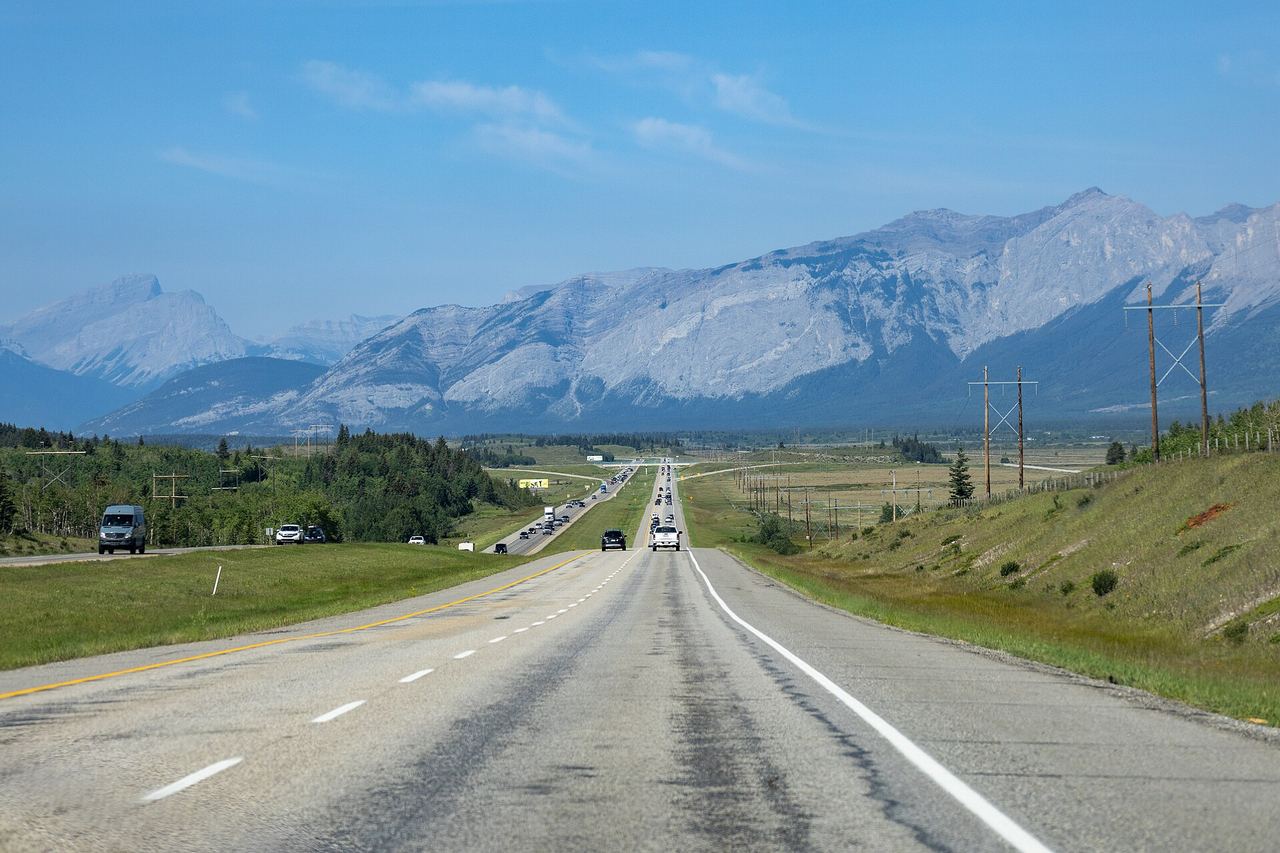
- The wild places: A rental car is mandatory for the Rockies beyond Banff town, the Cabot Trail, and northern or rural regions where buses and trains simply don’t go.
- Between cities: The Windsor–Quebec City corridor runs on VIA Rail (Toronto→Montreal from ~$55 booked early) and cheap coaches (Toronto→Ottawa from ~$25) — faster and cheaper than driving once you count gas at ~$1.90/L.
Canada is the second-largest country on Earth, and here’s the thing: nobody — not your travel agent, not your uncle who “did the Rockies in ’98” — can give you a one-size-fits-all answer to whether you need a car. Because I’ve now done Canada both ways — with a rental and gloriously, smugly car-free — and the honest answer is that it comes down to one question: are you city hopping, or are you chasing wilderness?
This guide is built on 2026 prices and rules I double-checked in October 2026, plus a few lessons I learned the sweaty, expensive way so you don’t have to.
The “Two Canadas” rule: the only decision that matters
Think of Canada’s transportation as two different countries wearing one very big coat. Canada #1 is the urban corridor: Toronto, Ottawa, Montreal, Quebec City, Vancouver, Calgary, Edmonton. Millions of people, real transit, walkable downtowns. In these places, a rental car isn’t freedom — it’s a $50-a-day headache with a parking meter attached.
Canada #2 is everything else: the Rockies, the Maritimes’ coastal backroads, the prairies, the north. Out here, transit is either a once-a-day bus or a legend people mention in hushed tones. This is where the car earns its keep.
I learned this split the hard way in Toronto. On my first trip I rented a car “for flexibility,” then proceeded to leave it in the hotel garage for three days while I streetcarred everywhere — paying about $55 a night for parking (I timed the walk to the lot: four minutes I’ll never get back). Never again. Now my rule is simple: fly between regions, train between corridor cities, and rent a car only when the map goes green and wiggly.
Cities where a car is pure dead weight
If your trip is city-based, do not skip the transit pass. I’ll be honest — Canadian city transit is good, and it got even better in 2026. Here’s my city-by-city breakdown:
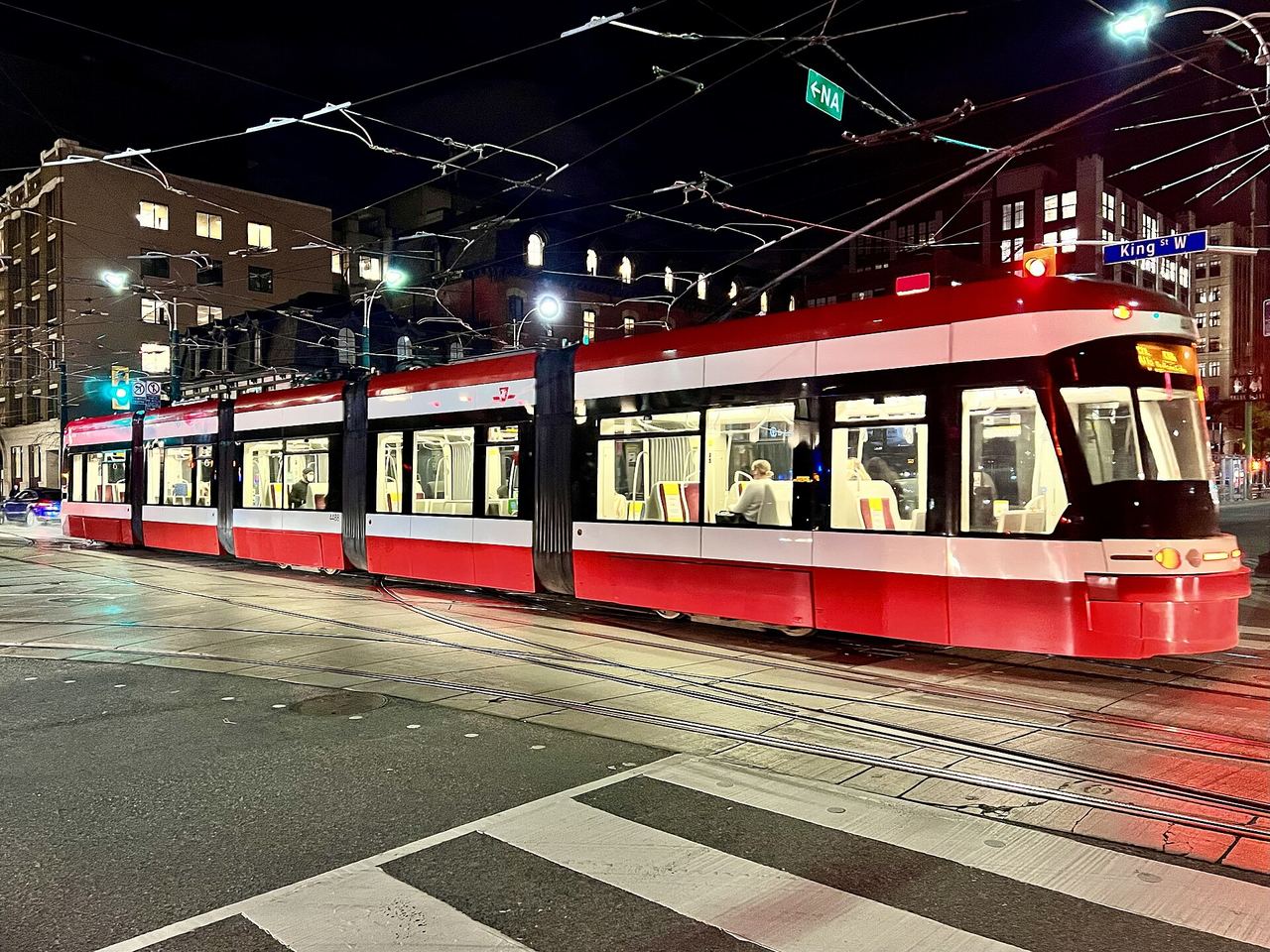
Toronto. The TTC runs subways, buses, and those red streetcars rattling down King and Queen Street (pro tip: the 501 Queen is the longest streetcar route in North America — sit back and watch the whole city go by). Tap on, tap off with a credit card or the PRESTO card — I timed my airport-to-downtown UP Express ride at exactly 25 minutes. Heading to Niagara Falls? The GO Transit train gets you there without touching the 401, one of the busiest highways on the continent. See our 1-day Niagara Falls itinerary for the car-free version.
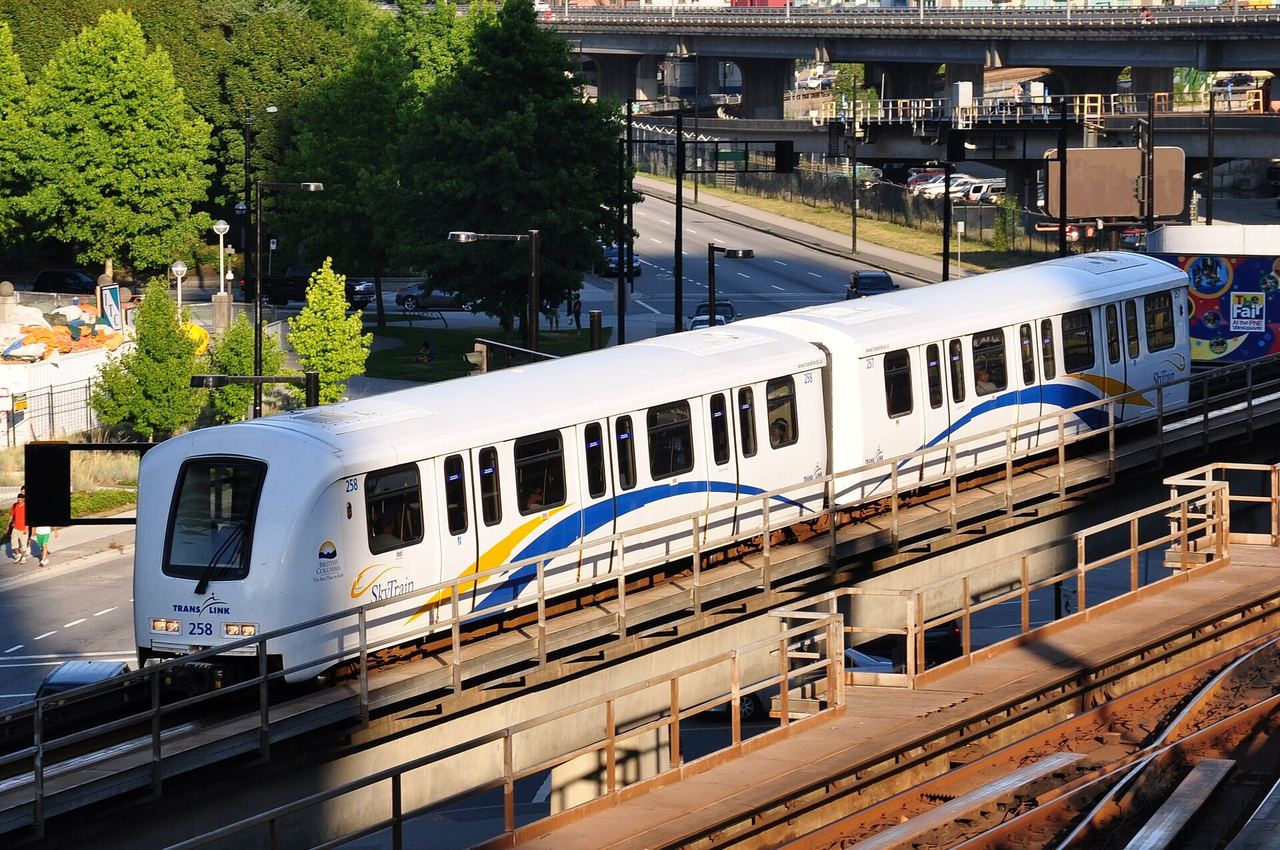
Vancouver. The SkyTrain is the world’s longest fully automated driverless system, and the Canada Line gets you from YVR to downtown in about 26 minutes. I’ve done an entire Vancouver long weekend — Stanley Park, Granville Island, the whole food circuit — without once missing a car. Most downtown streets are flat-ish and very walkable.
Montreal. My favourite transit city in Canada, full stop. The Metro’s quiet rubber-tired trains, the art in every station, and the BIXI bike-share (thousands of bikes across the island) make driving feel absurd. Old Montreal’s cobblestones are a delight on foot and a punishment with a steering wheel.
Ottawa. The O-Train light rail now runs right through downtown, with a Parliament station steps from the Hill. I checked the current service on OC Transpo’s site before my last visit — they extended the network and the capital finally feels like a capital. ByWard Market, the National Gallery, the museums: all walkable.
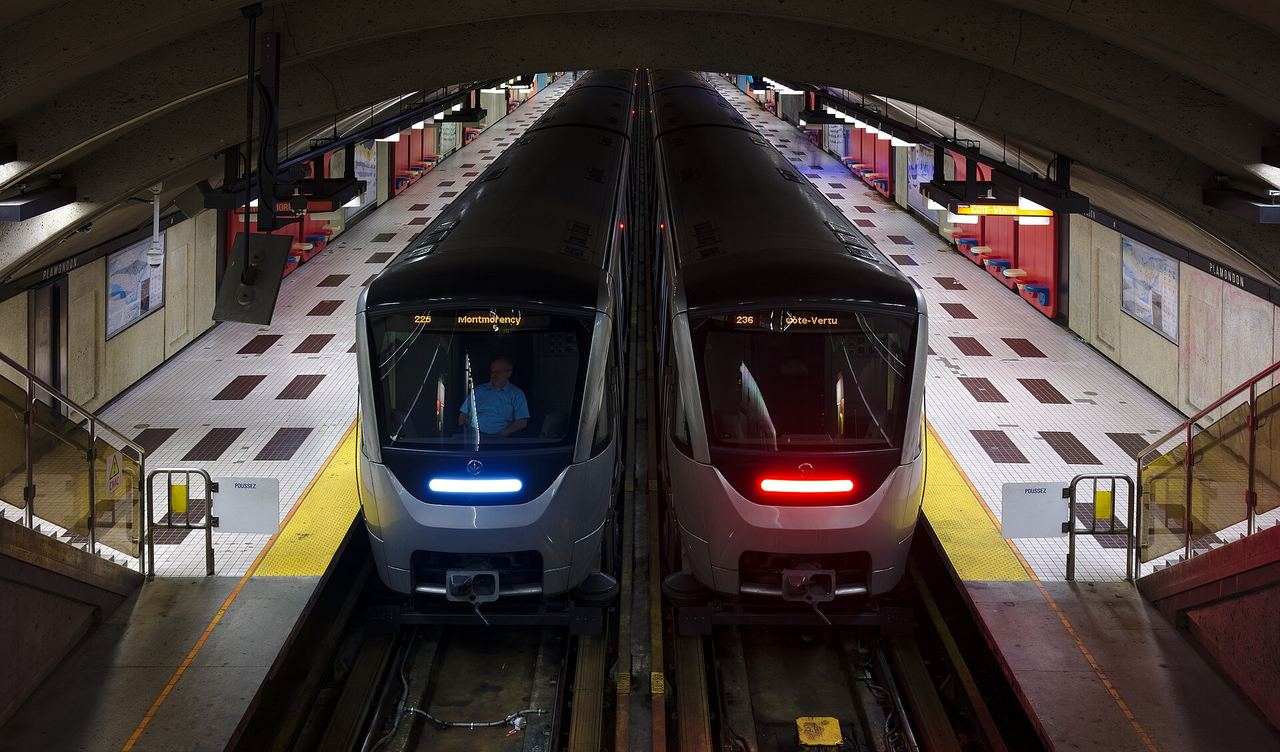
One caveat (fair warning, from experience): transit thins out past the downtown core. If you’re visiting relatives in the suburbs or hitting an outlying mall, ride-shares like Uber and Lyft are everywhere in the big cities and still cost less than a day of downtown parking. That’s the whole strategy: transit for the bones of the trip, ride-share for the outliers.
Getting between cities without a car
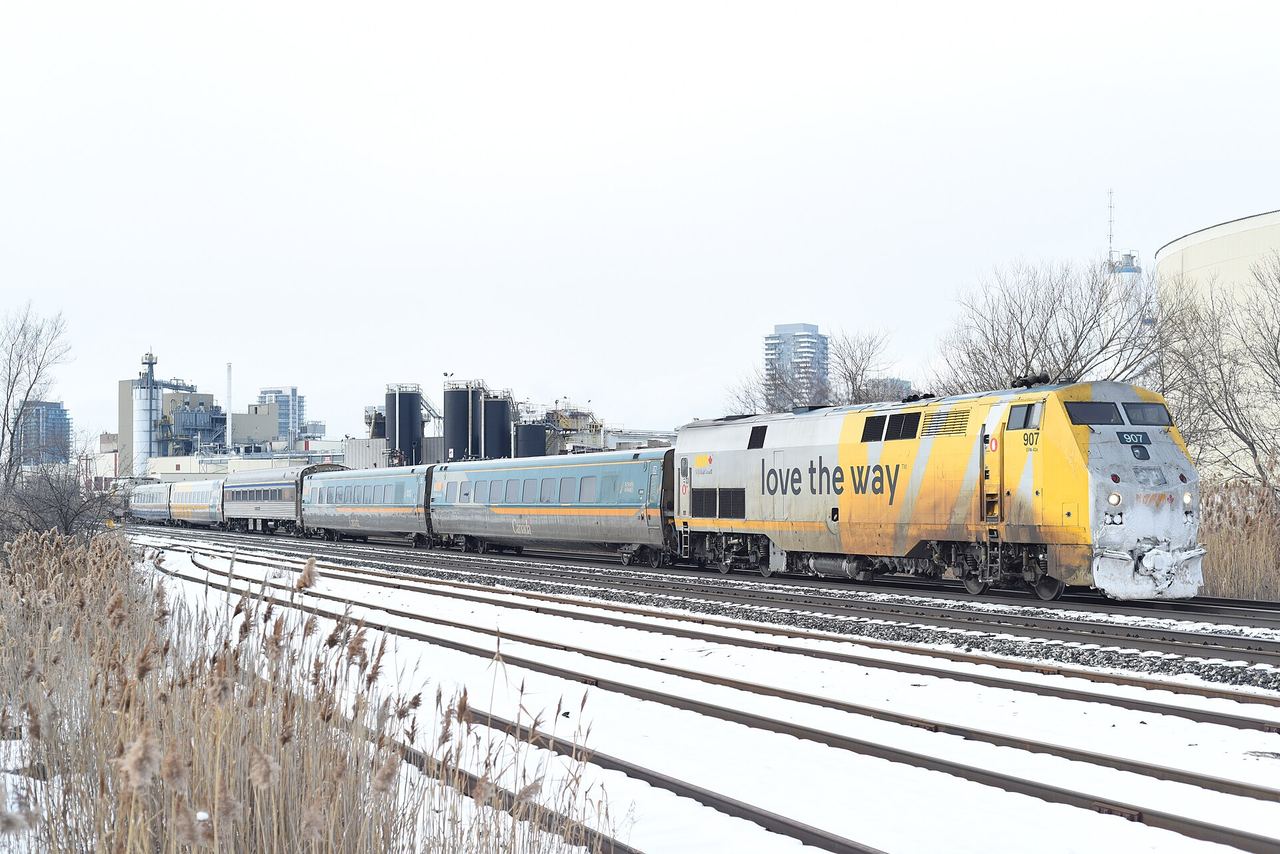
The Windsor–Quebec City corridor (Toronto, Ottawa, Montreal, Quebec City) is the one place in Canada where rail genuinely beats driving, and I’ve run the numbers obsessively.
VIA Rail is the star. I double-checked fares on the official site before my last trip: Toronto→Montreal in economy starts around ~$55 if you book early, climbing to roughly ~$155 for same-day travel — same-day can cost triple the advance fare, so book ahead. The trip takes about 5 hours, trains run multiple times daily, and there’s Wi-Fi, legroom, and no 401 traffic jam at 4 PM. Also worth knowing: I’ve scored advance promo fares up to ~20% off just by checking the deals page before every trip — I set a calendar reminder for it. Of course I do. → VIA Rail Canada — official bookings & fares
The intercity bus network has exploded with competition, which means prices are deliciously low. FlixBus, Megabus, and a handful of regional carriers run Toronto→Ottawa from ~$25 and Toronto→Montreal from ~$33–45 (2026 fares I’ve seen on aggregator sites). It’s slower than the train — call it 6–7 hours Toronto to Montreal — but at that price, who’s complaining?
Domestic flights handle the big jumps: Toronto→Vancouver, Toronto→Calgary. Low-cost carriers (Flair, Porter) regularly undercut legacy airlines on these routes. My playbook, refined over four trips: fly between regions, train or bus between corridor cities, rent a car only at the wilderness end. It’s a game-changer for both your budget and your jet lag.
A quick cost comparison for Toronto→Montreal (one person, 2026 prices, fares checked October 2026):
| Option | Cost (CAD) | Time |
|---|---|---|
| VIA Rail, advance economy | ~$55–70 | ~5 hrs |
| Coach (FlixBus/Megabus) | ~$33–45 | 6–7 hrs |
| Drive yourself (rental share + gas + tolls) | ~$90–120+ | 5–5.5 hrs driving |
| Flight (Porter/Flair, advance) | ~$90–150 | ~1.5 hrs + airports |
The train wins on comfort-to-cost for most people. Driving “only” wins if you’re splitting costs with three or four friends — and even then, downtown parking eats your savings.
Where a car is mandatory: the Rockies, the Maritimes, and beyond
Now the other Canada. Some of the country’s greatest hits simply have no bus, no train, and no sidewalk, and you should know that before you promise yourself a car-free adventure.

The Rockies. Calgary to Banff is easy without wheels — shuttles and On-It buses run from Calgary for ~$10–25. But beyond Banff town, it’s car territory: the Icefields Parkway pullouts, Moraine Lake at sunrise (personal vehicles are banned on the Moraine Lake road, so you’ll shuttle from the Park and Ride — a Parks Canada page confirmed this when I was planning, and fair warning, those shuttles sell out), Lake Louise on your own schedule. I did the no-car Banff experiment once; I spent half a day watching other people leave for the exact viewpoints I wanted to see. If the mountains are the point of your trip, rent the car. Planning a Banff base? Read our 2-day Banff itinerary first.
The Maritimes. This is the most car-dependent region for tourists in the country. The Cabot Trail around Cape Breton is a 300-km loop of coastal cliffs, fishing villages, and pullouts — and the whole point is stopping wherever you feel like it. Buses connect Halifax to Sydney, but they run a handful of times a day, so a bus-based trip means one stop per day, rigid and joyless. A rental car here isn’t optional; it’s the trip itself.
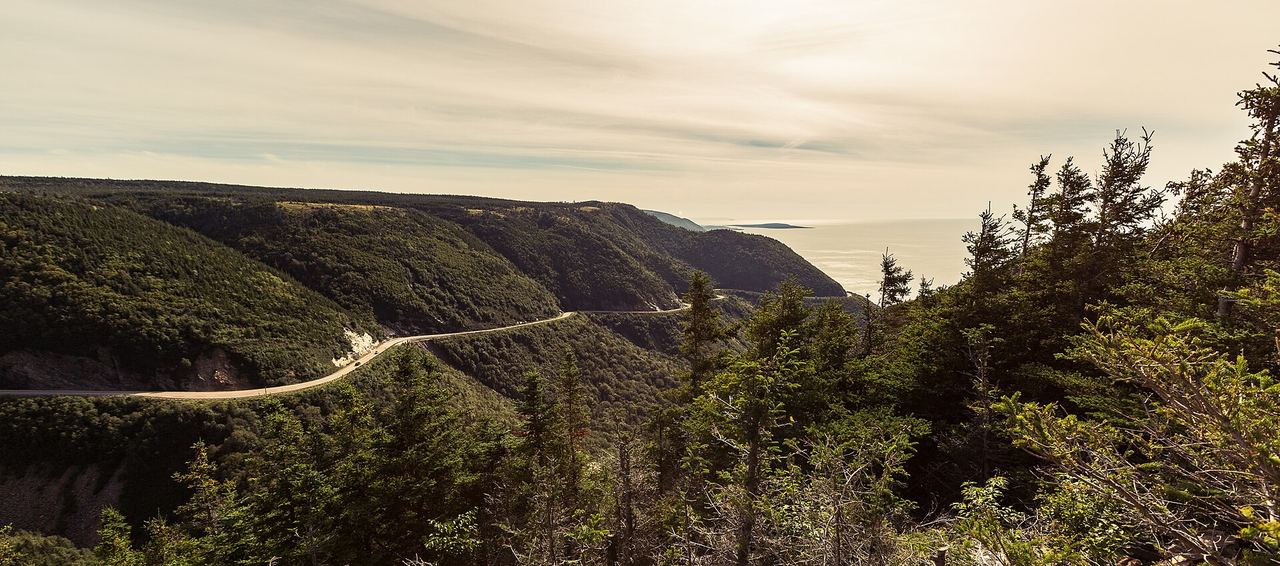
Rural everywhere else. Quebec’s Gaspé Peninsula, Newfoundland’s coast, northern Ontario, the Yukon — transit is functionally non-existent. If the brochure photo made you gasp, assume there’s no bus to it.
The exception that proves the rule: Whistler. The Sea to Sky corridor is one of the few mountain destinations built for the car-free. Coaches run Vancouver→Whistler from ~$32, the village is pedestrian-only, and both Shannon Falls and the Sea to Sky Gondola sit on the same bus route. I did the whole thing without keys once — proof it’s possible when the infrastructure exists.
What renting a car in Canada actually costs in 2026
Rental math in Canada has more fine print than a phone contract, so here’s my honest breakdown from recent bookings (October 2026 — gas prices were ~$1.80–1.92/L in Toronto when I last filled up, national average around ~$1.90/L):
| Cost item | Typical price (CAD) |
|---|---|
| Economy car, major city (Toronto/Vancouver) | ~$45–60/day (avg ~$51) |
| SUV / 4WD | ~$75–110/day |
| Damage waiver / extra insurance at the counter | ~$25–40/day (say no if your credit card covers rentals) |
| Gas: 100 km in an economy car | ~$13–15 at ~$1.90/L |
| Downtown hotel parking | ~$40–60/night |
| Young driver surcharge (under 25) | ~$25–35/day extra |
| A week, economy car + gas + parking | ~$600–800 |
Pro tip from someone who reads the counter paperwork (yes, all of it): check whether your credit card includes rental car coverage before you fly. That one phone call to my card company saves me ~$30 a day every trip — worth every penny of hold time. And watch the mileage caps on discount agencies: some limit you to ~200 km/day outside your pickup province, which a Rockies loop will obliterate. For more road-trip planning, read our Canada road trip tips.
Winter driving: read this before you book anything
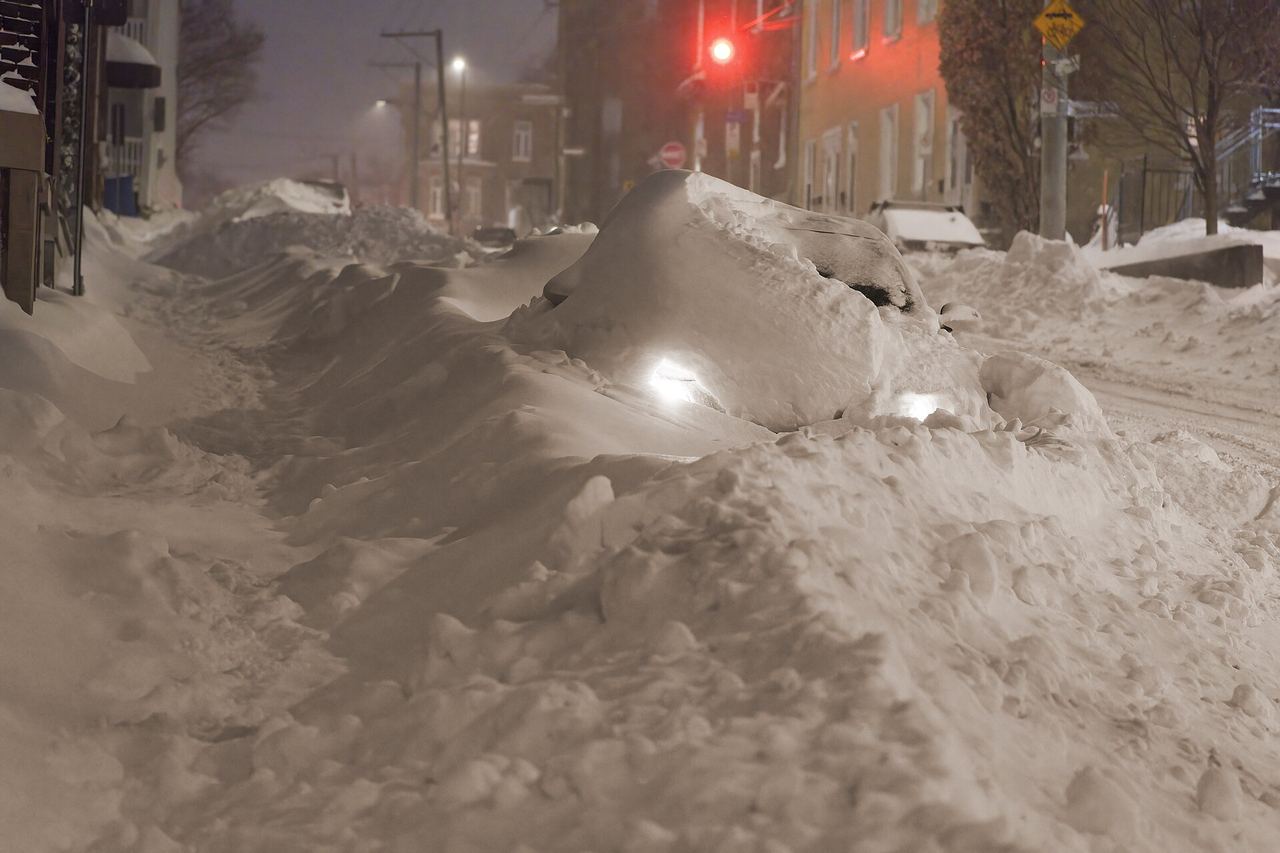
November through March changes everything about this guide. I’ll be honest: winter driving in Canada is a skill, not a vibe, and visitors underestimate it constantly.
The law: In Quebec, winter tires are mandatory from December 1 to March 15 — vehicles (including rentals) must carry the three-peak mountain snowflake symbol, and I confirmed the current dates on the SAAQ’s official winter driving page before writing this. In BC, winter tires or chains are required on designated highways (including the Sea to Sky and mountain routes) from October 1. Most rental fleets in these provinces fit compliant tires, but ask at the counter and look at the sidewalls — I did once and got a set swapped in four minutes. → SAAQ — Quebec winter driving rules
The reality: black ice, whiteouts, moose, and 4:30 PM sunsets. Rural highways get plowed slowly. If you’re nervous about any of that, winter is the season to let VIA Rail do the driving — the corridor trains run through snow that would terrify a rental-car driver from Florida. Packing for a cold-weather trip? Our Canada winter packing list covers it.
My 5-question decision checklist
Run through this before you click “reserve”:
- 1. Are you staying in big cities? Toronto, Montreal, Vancouver, Ottawa — skip the car. Transit + the occasional ride-share wins.
- 2. Is a national park or coastal drive the centrepiece? Rockies beyond Banff, Cabot Trail, Gaspé — rent the car. Full stop.
- 3. How are you crossing regions? Fly Toronto↔Vancouver/Calgary; train or bus Toronto↔Ottawa↔Montreal↔Quebec City.
- 4. Is it winter? December–March: strongly consider trains over rentals unless you’re experienced on snow and ice.
- 5. What’s the real cost? Add parking (~$40–60/night downtown), insurance (~$25–40/day if you need it), and gas (~$1.90/L) to the headline rate — the “cheap” rental rarely is.
FAQs about needing a car in Canada
Do I need a car in Canada for travel?
It depends on your itinerary. You don’t need a car in Toronto, Montreal, Vancouver, or Ottawa — transit is excellent and parking is expensive. You do need one for the Rockies beyond Banff, the Maritimes (especially the Cabot Trail), and rural or northern regions. For everything in between, read our guide to getting around Canada without a car.
Can I visit Toronto, Montreal, and Vancouver without a car?
Absolutely — these are the easiest places in Canada to be car-free. Toronto has the TTC (subway, buses, streetcars), Vancouver has the SkyTrain from the airport to downtown in ~26 minutes, and Montreal pairs its Metro with the BIXI bike-share. Tap on and off with a contactless credit card on most systems.
Is it cheaper to rent a car or take the train in Canada?
On the Windsor–Quebec City corridor, the train usually wins for solo travellers and couples: Toronto→Montreal costs ~$55–70 on VIA Rail booked in advance, versus ~$90–120+ to drive when you count the rental, ~$1.90/L gas, tolls, and parking. Driving only gets cheaper when three or four people split the costs — and even then, downtown parking eats the savings.
Do I need winter tires to drive in Canada?
In Quebec, winter tires (with the mountain-snowflake symbol) are legally required from December 1 to March 15, including on rentals. In BC, they’re required on designated highways from October 1. Other provinces only recommend them, but on rural and mountain roads in winter, consider them essential. Always confirm your rental has them before you leave the lot.
Can I visit Banff or Niagara Falls without a car?
Niagara Falls: yes, easily — GO Transit trains run from Toronto. Banff: partly. Shuttles and buses run from Calgary to Banff town (~$10–25), but exploring the Icefields Parkway, Moraine Lake, and Lake Louise on your own schedule requires a car or paid tours.
How much does it cost to rent a car in Canada in 2026?
Budget roughly ~$45–60/day for an economy car or ~$75–110/day for an SUV in major cities (October 2026 rates), plus ~$25–40/day if you buy the rental company’s damage waiver, ~$1.90/L for gas, and ~$40–60/night for downtown hotel parking. A realistic week-long budget is ~$600–800 all-in.