

Last updated: October 3, 2026
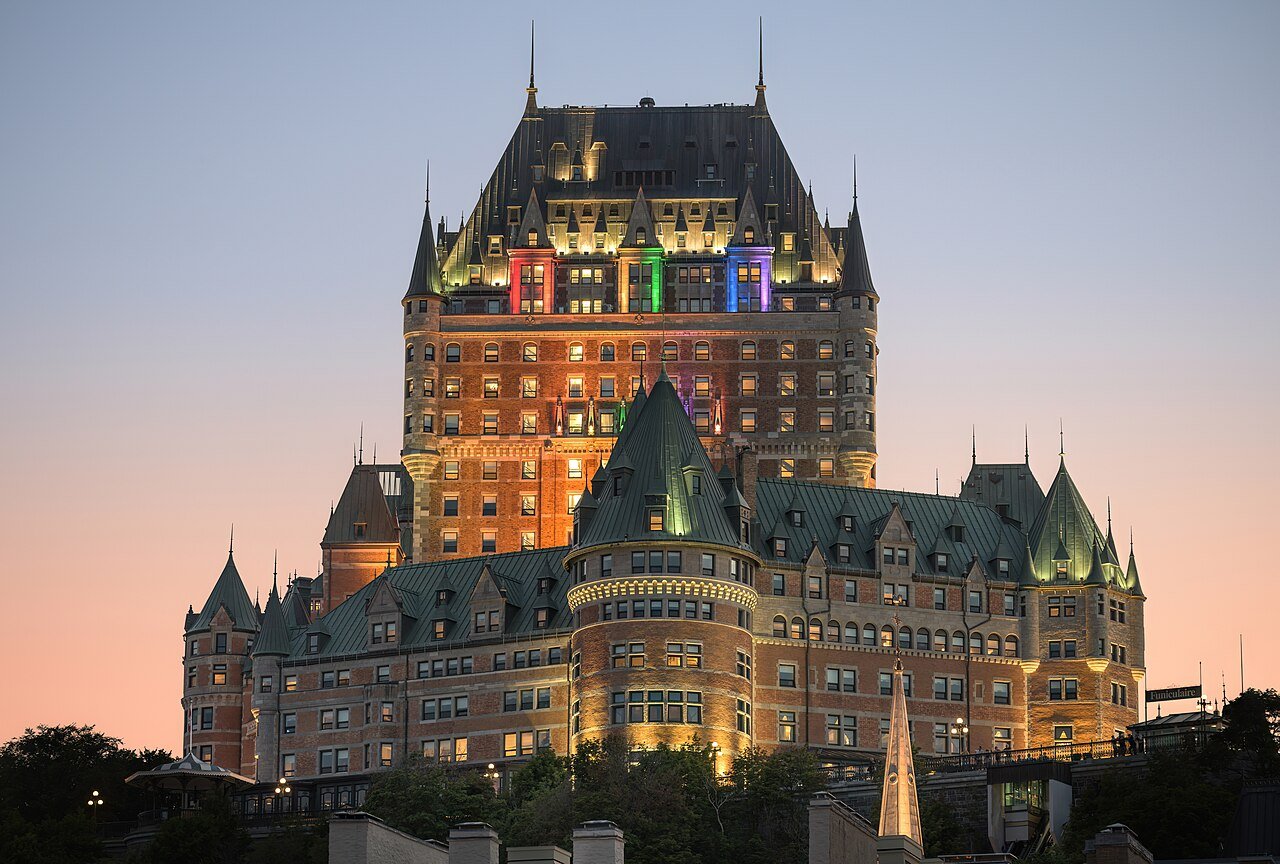
The short answer
- Day 1 — Upper Town: Start with the mandatory guided tour of the active Citadelle fortress (adult $22), walk the Dufferin Terrace behind the Château Frontenac, and finish with a stroll across the Plains of Abraham at golden hour.
- Day 2 — Lower Town + Montmorency Falls: Wander Rue du Petit-Champlain, ride the $6 cash-only funicular up the cliff, then take the RTC 800 bus to Montmorency Falls — 83 metres of waterfall (taller than Niagara) with a cable car to the top.
- Budget: About $185–235 CAD per adult for two days excluding hotels (prices checked October 2026). Old Quebec is fully walkable — you will not need a car.
Two days is the perfect amount of time for a first visit to Quebec City — trust me on this one. I’ve done this trip twice now (once in summer, once for the Winter Carnival), and 48 hours hits every essential: the fortified Upper Town, the storybook Lower Town, and the Montmorency Falls half-day. Here’s the thing — Old Quebec is compact, wildly walkable, and the only remaining fortified city north of Mexico (UNESCO agreed it was special back in 1985). You can absolutely do this without a car, which is exactly how my spreadsheet was planned.
Fair warning before we start: this itinerary is written for the year-round essentials with 2026 prices and hours checked in October 2026. Winter visitors, see the seasonal notes — the city turns into a snow globe, and you’ll want the Carnival dates. Prices marked with ~ are my estimates.
Before you go: my 5-minute planning sheet
When to visit. Summer (June–September) is festival season and terrace season; it’s also when the Citadelle runs its summer hours. Autumn is my personal favorite — the foliage around the old walls is unreal. Winter is the wildcard: the 72nd Carnaval de Québec ran February 6–15, 2026 (the effigy pass was $39 for the regular sale), and the ice slides, night parades, and Bonhomme the mascot make the cold worth it. Check carnaval.qc.ca for the next edition’s dates before booking a February trip.
Getting from the airport. Jean Lesage International Airport (YQB) is about 20–25 minutes from the Old City by taxi or rideshare. On a budget, the RTC bus gets you in for a few dollars — it’s not fast, but it works.
Getting around. Inside the walls, you walk. Everything below is on foot. For Montmorency Falls on Day 2, the RTC 800 bus from the Old Port area takes about 20 minutes and costs a few dollars. I timed it, and it was dead simple — no rental car, no parking headache (parking inside the walls is expensive and, frankly, miserable).
Language. Start every interaction with “Bonjour” — it goes a long way, and most people in the tourism sector switch to English cheerfully. Signs and menus are in French, but you’ll find English everywhere it matters.
Where to stay for 2 nights in Quebec City
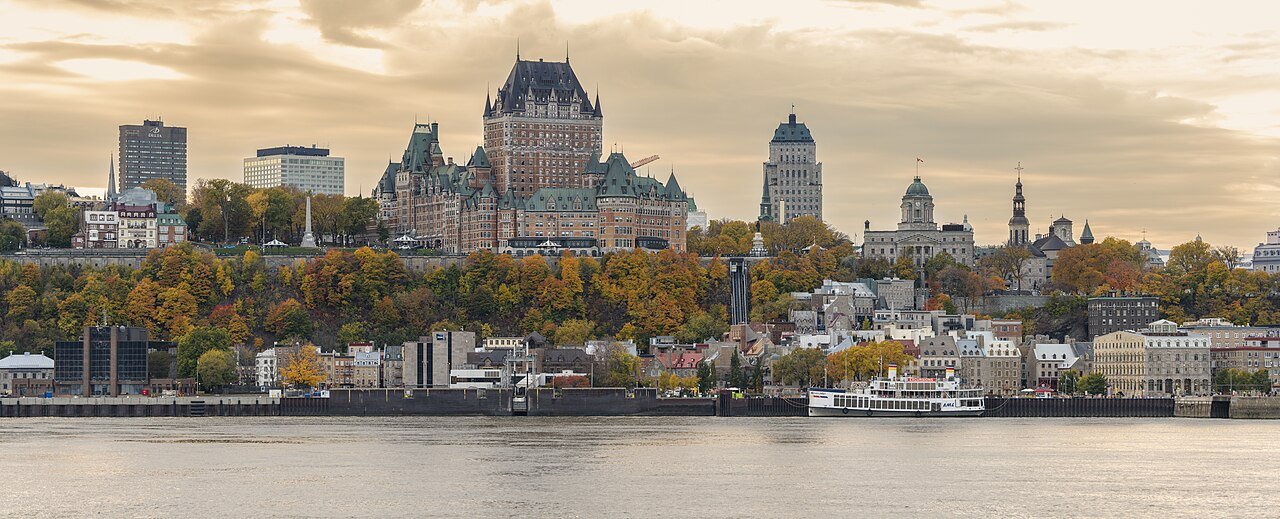
I am very particular about where I sleep, so here’s my breakdown by vibe:
- Upper Town, inside the walls — the one I’d pick for a first visit. You’re steps from the Terrace, the Citadelle, and the funicular. Priciest, most convenient, most atmospheric at night.
- Lower Town / Petit-Champlain — romantic and quiet, cobblestones right outside your door. Lovely if you don’t mind the hill (or the funicular ride up).
- Saint-Roch — 10–15 minutes’ walk north, trendier and usually better value, with great restaurants. My pick if the in-the-walls hotels are sold out.
Expect mid-range hotels to run roughly ~$180–350 per night in summer (estimate, before taxes) — and book early for July–August weekends. For more detail, see our guide to the best areas to stay in Quebec City. Short on time? Our 1-day Quebec City itinerary covers the express version, and the 3-day itinerary adds Île d’Orléans.
Day 1: Upper Town — the Citadel, the Château, and the Terrace
9:00 AM — Citadelle de Québec guided tour (adult $22)
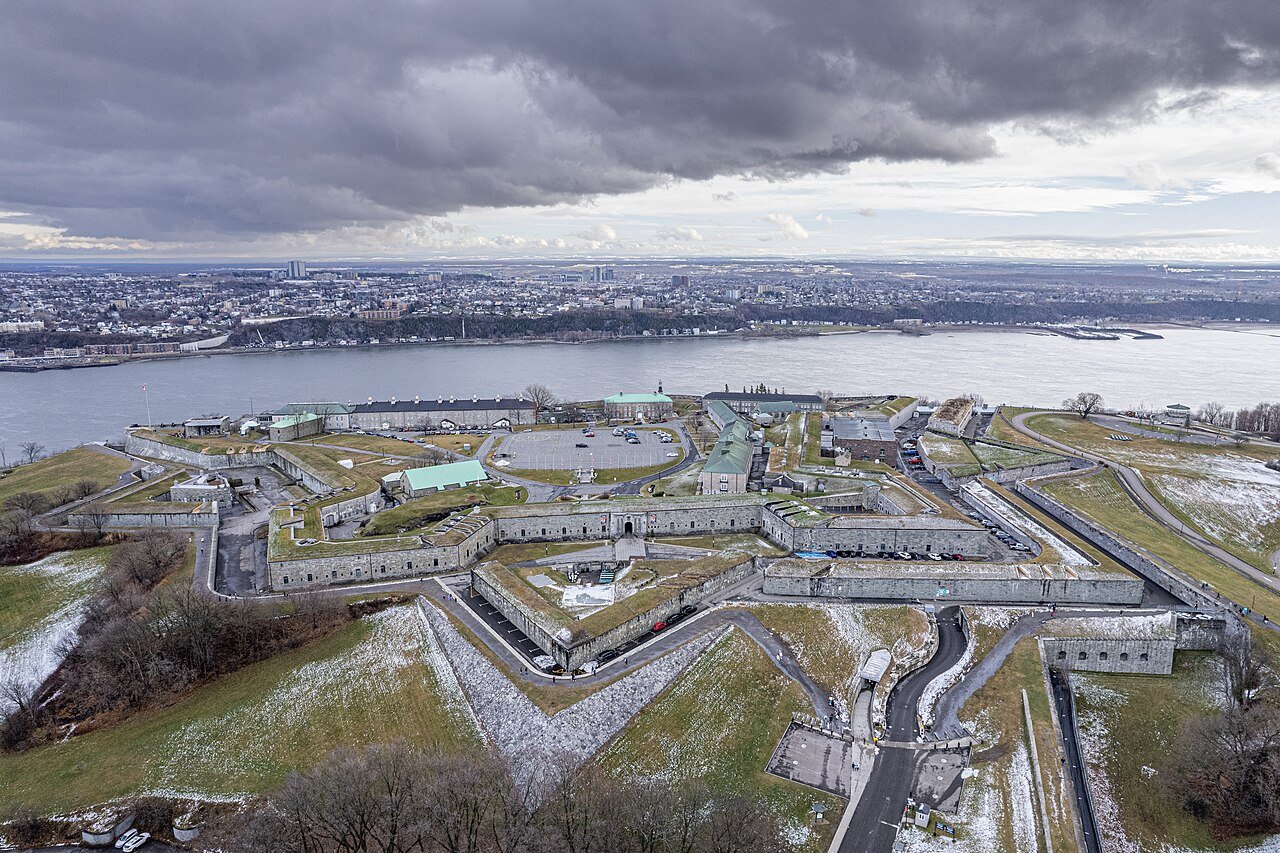
Start at the fortress, because it’s the one sight where timing actually matters. The Citadelle is an active military base — home of the Royal 22e Régiment — so you can only visit on a guided tour, and spots are limited in summer. The 60-minute tour (adult $22, senior/student $20) includes the Royal 22e Régiment Museum at the entrance. I double-checked the current hours on the Citadelle’s official admissions page before I went — they’re seasonal: 10:00 AM–5:30 PM from September 2026 through May 2027 (9:00 AM opening in summer). Fair warning: in summer, reserve ahead; I watched a line of walk-ups get turned away at the gate on a July afternoon.
I’ll be honest, I almost skipped this because “fort tour” sounded dry on paper. Huge mistake avoided — the guides are serving soldiers, the star-shaped ramparts give you the best views in the city, and in summer you catch the Changing of the Guard. Do not skip this one.
11:30 AM — Fairmont Le Château Frontenac and Dufferin Terrace (~$22 guided tour)
Walk 10 minutes along the ramparts to the Château — the most photographed hotel in the world, and yes, it lives up to it. Even if you’re not staying there, wander the lobby and the vaulted corridors (free). For the full story, the hotel’s official guided tour runs about an hour, with English departures in the afternoon — I found it for ~$22 adult (estimate — confirm current pricing when you book). The guide-in-period-costume thing sounds cheesy; it works.
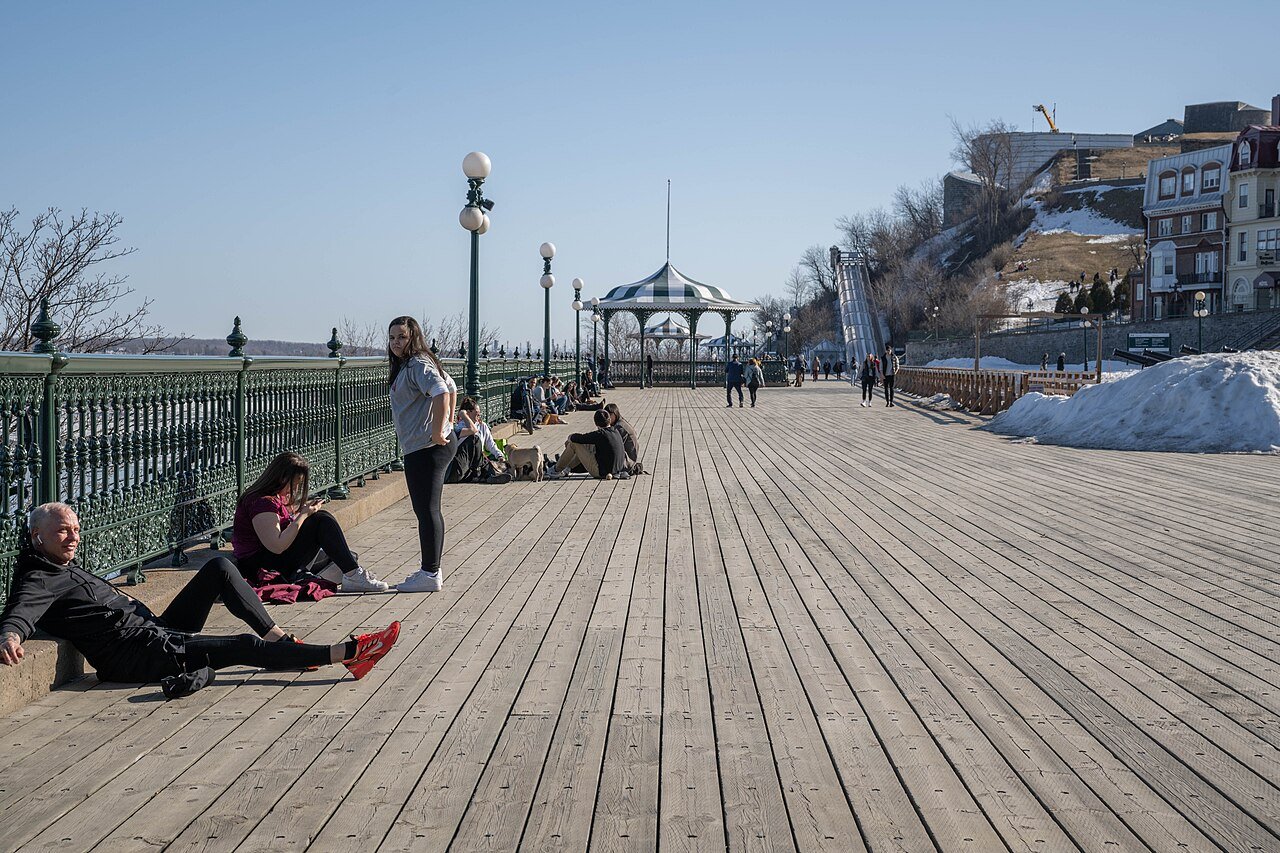
Then walk it off on Dufferin Terrace, the boardwalk behind the hotel with the river view. Pro tip: this is your sunset spot later if the sky cooperates — file it away. I’ve walked this terrace five times now and I still stop at the same railing every single time.
1:00 PM — Lunch near Place d’Armes
The streets around the Château are packed with bistros. Budget ~$20–30 for a casual lunch — a croque, a crêpe, a proper poutine. (My rule: pick the place with the locals, not the one with the biggest “authentic poutine” sign. It’s never failed me.)
2:30 PM — Plains of Abraham (free)
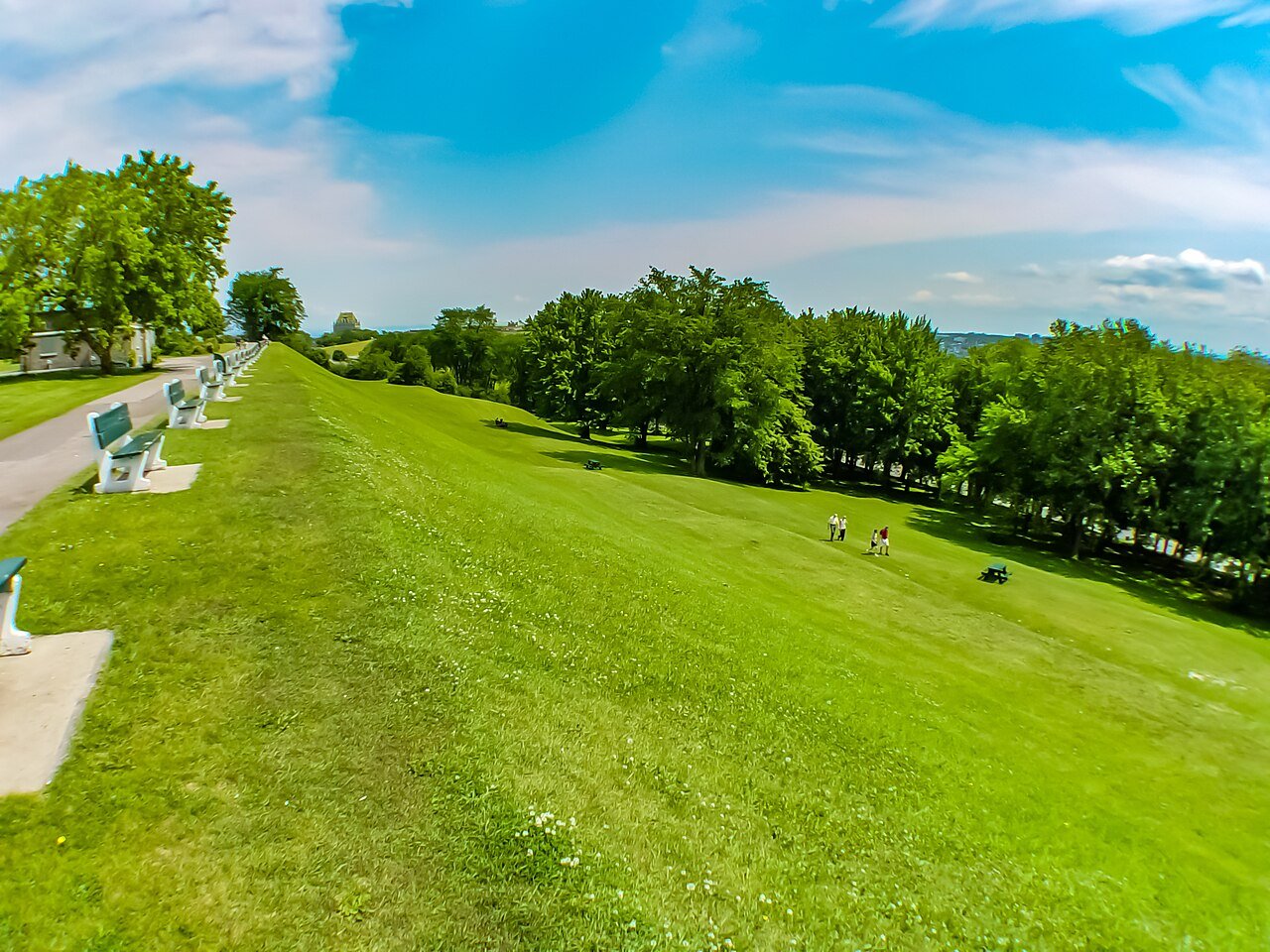
A 15-minute walk west of the Terrace, the Plains are where the fate of North America was decided in 1759 — and today they’re Quebec City’s front lawn: joggers, picnickers, kite-flyers, and in winter, cross-country skiers. The grounds are free; there’s a museum on-site if you want the battle’s full story. I brought a book, sat on the grass, and watched the light change over the river. This is the “breathe” slot in a packed day, and your planner (me) insists you take it.
5:00 PM — Basilique-cathédrale Notre-Dame de Québec and the golden-hour walk back
On your way back through Upper Town, pop into the Notre-Dame basilica on Place de l’Hôtel-de-Ville — the oldest parish north of Mexico. Then retrace your steps to Dufferin Terrace for that sunset I promised you.
7:30 PM — Dinner in Upper Town
Rue Saint-Jean (just outside the walls) has the best casual dinner strip near the old city. Budget ~$25–45 per person. Turn in reasonably early — Day 2 starts downhill, and your knees will thank you.
Day 1 spending: Citadelle $22 + Château tour ~$22 + food ~$50 ≈ ~$95 (excluding hotel).
Day 2: Lower Town charm and Montmorency Falls
9:00 AM — Rue du Petit-Champlain (free)
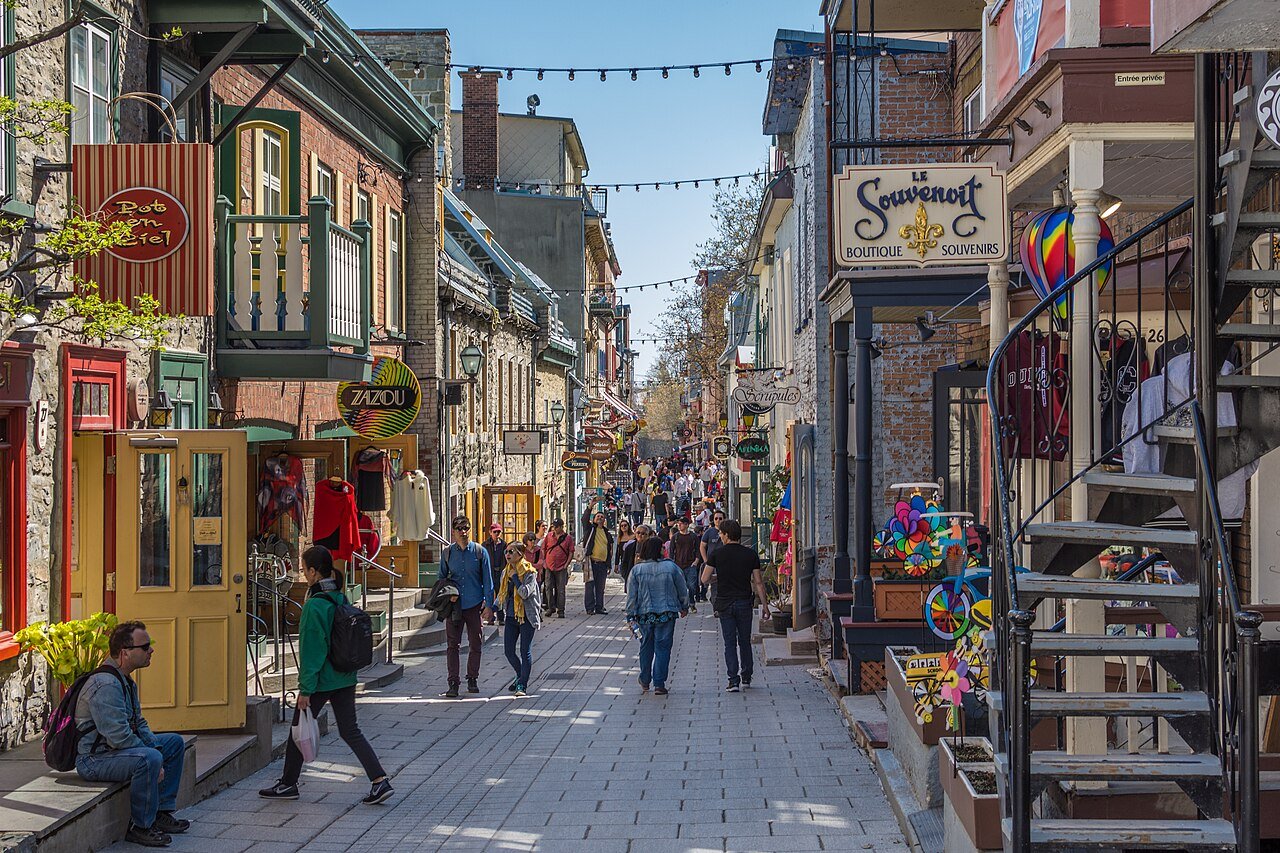
Start in North America’s oldest shopping district — a pedestrian lane of stone houses, art galleries, and maple everything, strung with lights. Go early. I showed up at 11 AM on a Saturday once. Never again. At 9 AM you get the street nearly to yourself, the shopkeepers are setting out, and your photos have nobody else’s selfie stick in them.
And here’s my confession: wear real shoes. I did Day 1 in cute flats and spent the evening plotting against Quebec’s cobblestones. Sneakers with actual grip are the game-changer here.
11:00 AM — The funicular up, then Place Royale ($6)
The Funiculaire du Vieux-Québec has linked the Lower and Upper Towns since 1879 — a 64-metre climb at a 45-degree angle with a river view out the glass. It runs daily 9:00 AM–9:00 PM and costs $6 cash only, one-way. I’ll be honest: I found this out the embarrassing way, card in hand, line forming behind me. Bring coins. Details on funiculaire.ca.
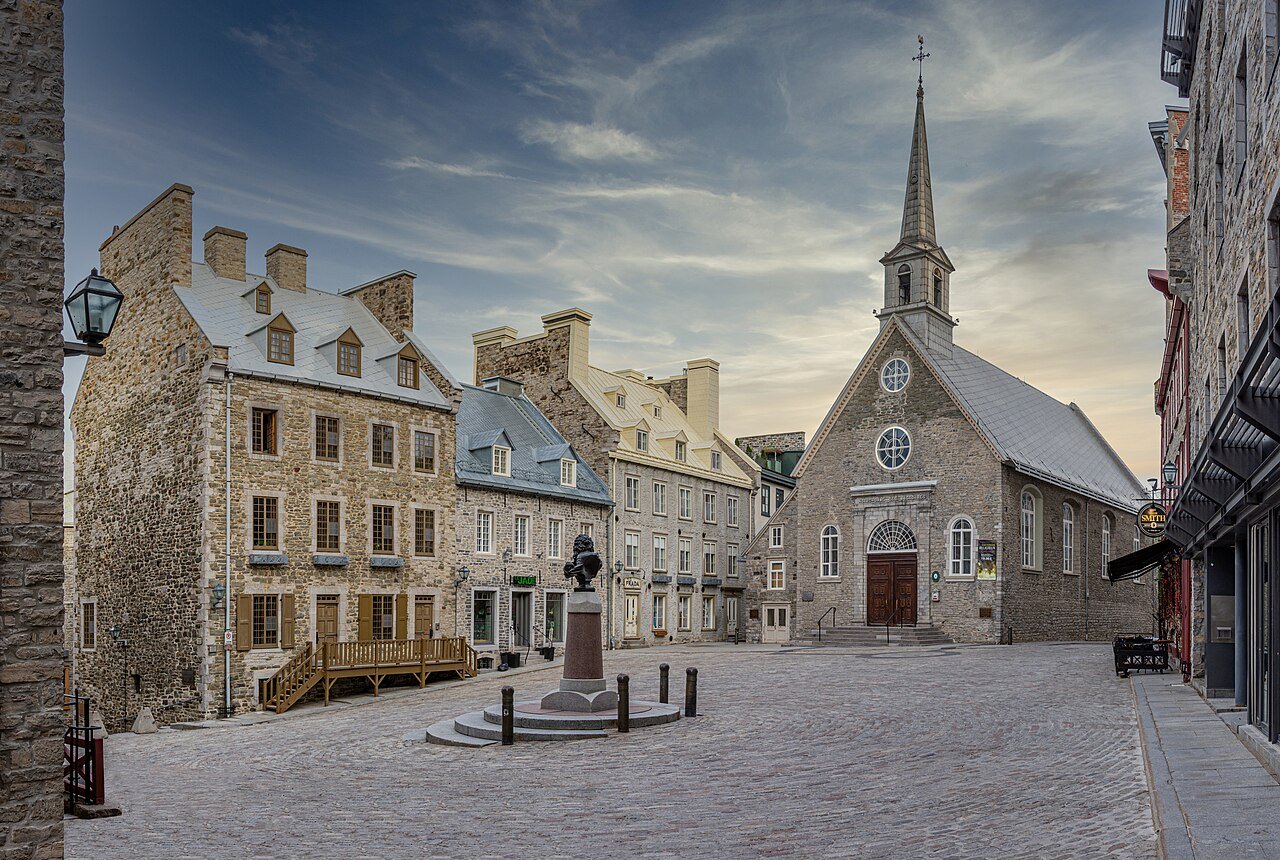
Ride back up, then drop to Place Royale — the birthplace of French North America — and the Église Notre-Dame-des-Victoires (completed 1723, the oldest stone church in North America). The little square with the church front is the most photographed corner of Lower Town, and it earns it.
1:30 PM — Montmorency Falls half-day (~$22)
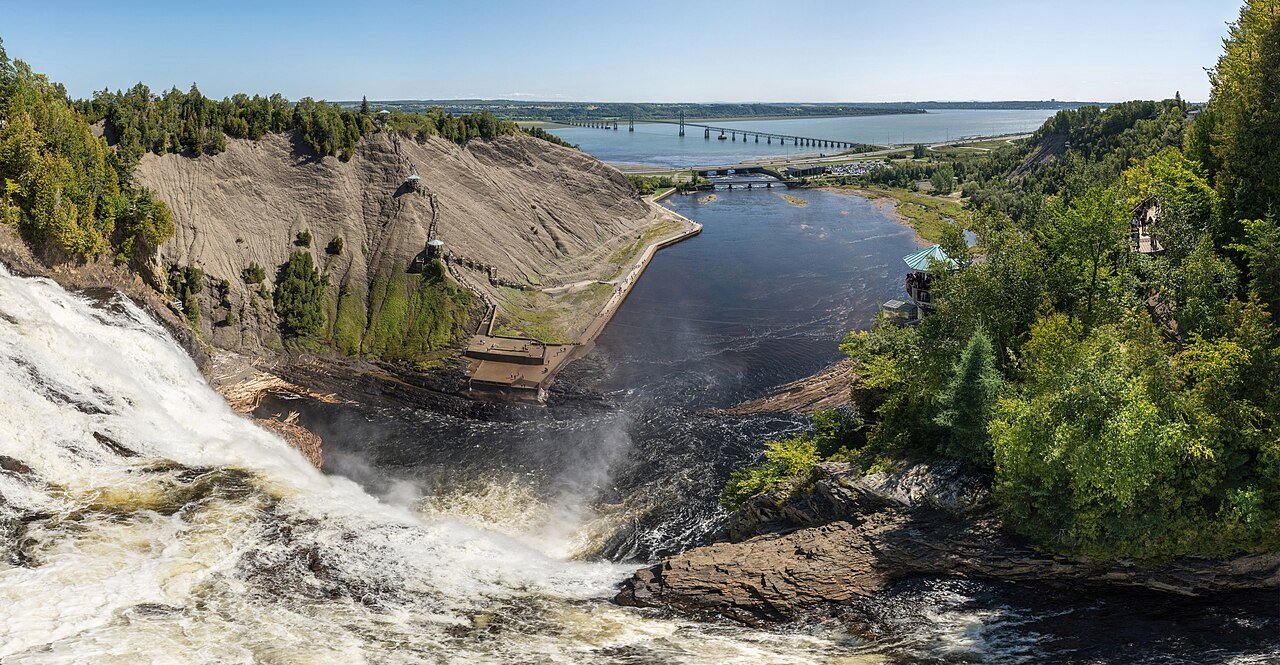
Take the RTC 800 bus from near the Old Port — about 20 minutes, a few dollars — to Parc de la Chute-Montmorency. The falls drop 83 metres (30 metres taller than Niagara), and you feel it in your chest standing at the base. The cable car ride to the top plus park admission runs about ~$22 per adult (estimate — confirm current rates on the official Sépaq park page), and the suspension bridge across the top of the falls is the money view. The brave can descend the 487-step panoramic staircase along the cliff; I did it once, my knees filed a formal complaint, and I’d do it again.
Allow 3–4 hours round-trip. Wear the grippy shoes — the mist near the base soaks the walkways.
7:00 PM — Farewell dinner in Saint-Roch or the Old Port
Back in town, head to Saint-Roch for the city’s best casual food scene — or stay in the Old Port if you want river views with dinner. Either way, this is the night to linger. You’ve got this.
Day 2 spending: Montmorency ~$22 + funicular $6 + transit ~$6 + food ~$50 ≈ ~$85 (excluding hotel).
Where to eat in 2 days: the shortlist
I’m a planner, not a food critic — but I eat well, and here’s where I’d send a friend:
- Poutine, obviously. Chez Ashton’s is the local institution; order it “extra sauce” and thank me later.
- Rue du Petit-Champlain cafés — the crêpe places on the lane are tourist-priced but the setting earns it. One splurge lunch here is worth every penny.
- Saint-Roch — the neighborhood 10 minutes north of the walls is where the locals actually eat: bistros, ramen, great brunch.
- Sugar shack season (March–April) — if your dates align, a cabane à sucre meal of maple everything is the most Quebec thing you can eat.
How much does 2 days in Quebec City cost?
Sample budget per adult, excluding hotel (prices checked October 2026; items marked ~ are estimates):
| Item | Cost (CAD) |
|---|---|
| Citadelle de Québec guided tour | $22 |
| Château Frontenac guided tour | ~$22 |
| Funicular (one-way) | $6 |
| Montmorency Falls cable car + park admission | ~$22 |
| Local transit (2 days) | ~$12 |
| Food & drinks, 2 days | ~$100–150 |
| Total | ~$185–235 |
Mid-range hotels run roughly ~$180–350/night — see our best areas to stay in Quebec City for the neighborhood breakdown.
Timeline at a glance
| Day | Morning | Afternoon | Evening |
|---|---|---|---|
| Day 1 | Citadelle guided tour ($22); Château Frontenac + Dufferin Terrace | Lunch; Plains of Abraham (free); basilica | Sunset on the Terrace; dinner on Rue Saint-Jean |
| Day 2 | Rue du Petit-Champlain (free); funicular ($6); Place Royale | Montmorency Falls half-day (~$22) | Farewell dinner in Saint-Roch or the Old Port |
FAQs about spending 2 days in Quebec City
Is 2 days enough for Quebec City?
Yes — two days is the sweet spot for a first visit. Day 1 covers Upper Town’s essentials (the Citadelle, Château Frontenac, Dufferin Terrace, Plains of Abraham) and Day 2 covers Lower Town plus the Montmorency Falls half-day. The historic district is compact and walkable, so you won’t feel rushed. With a third day, add Île d’Orléans — see our 3-day Quebec City itinerary.
Do I need a car for 2 days in Quebec City?
No. Everything inside the walls is walkable, and Montmorency Falls is reachable in about 20 minutes on the RTC 800 bus from the Old Port area for a few dollars. Parking inside the old city is expensive and scarce, so skipping the car is genuinely easier.
How much does 2 days in Quebec City cost?
Budget roughly $185–235 CAD per adult excluding hotels (October 2026 prices): about $72 in paid attractions (Citadelle $22, Château Frontenac tour ~$22, Montmorency ~$22, funicular $6), ~$12 in local transit, and ~$100–150 for food over two days.
What is the best way to get between Upper Town and Lower Town?
The Funiculaire du Vieux-Québec connects Terrasse Dufferin (Upper Town) with Rue du Petit-Champlain (Lower Town) in a 64-metre, 45-degree climb. It runs daily 9:00 AM–9:00 PM and costs $6 cash only, one-way. The Breakneck Stairs (Escalier Casse-Cou) are the free alternative — steep, and the name is not a joke.
Is Montmorency Falls worth the trip?
Yes. At 83 metres it’s 30 metres taller than Niagara Falls, and the half-day trip is easy: about 20 minutes by bus from Old Quebec. The cable car to the top, the suspension bridge over the falls, and the 487-step cliffside staircase make it a full experience, not just a viewpoint. Budget 3–4 hours round-trip.
When is the best time to visit Quebec City?
Summer (June–September) has the best weather and longest attraction hours; autumn brings spectacular foliage; and February brings the Carnaval de Québec (the 2026 edition ran February 6–15). Winter is magical but cold — pack for it. Shoulder seasons (late spring, late fall) mean thinner crowds and lower hotel prices.
12 comments