
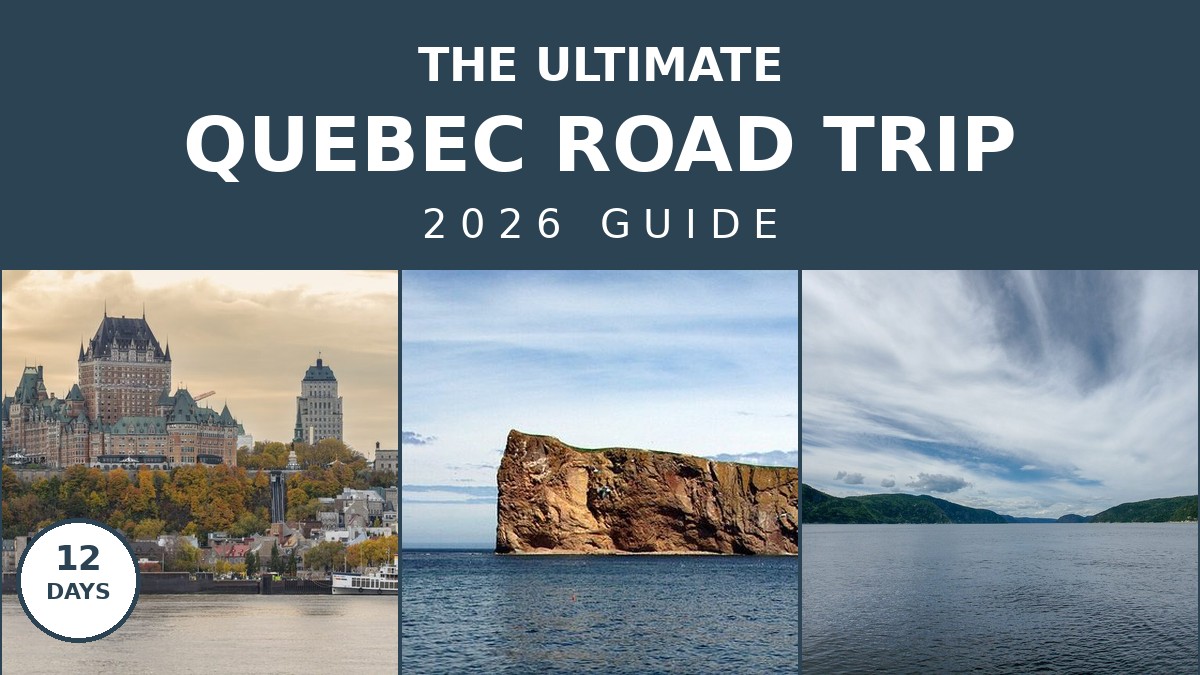
Last updated: October 3, 2026
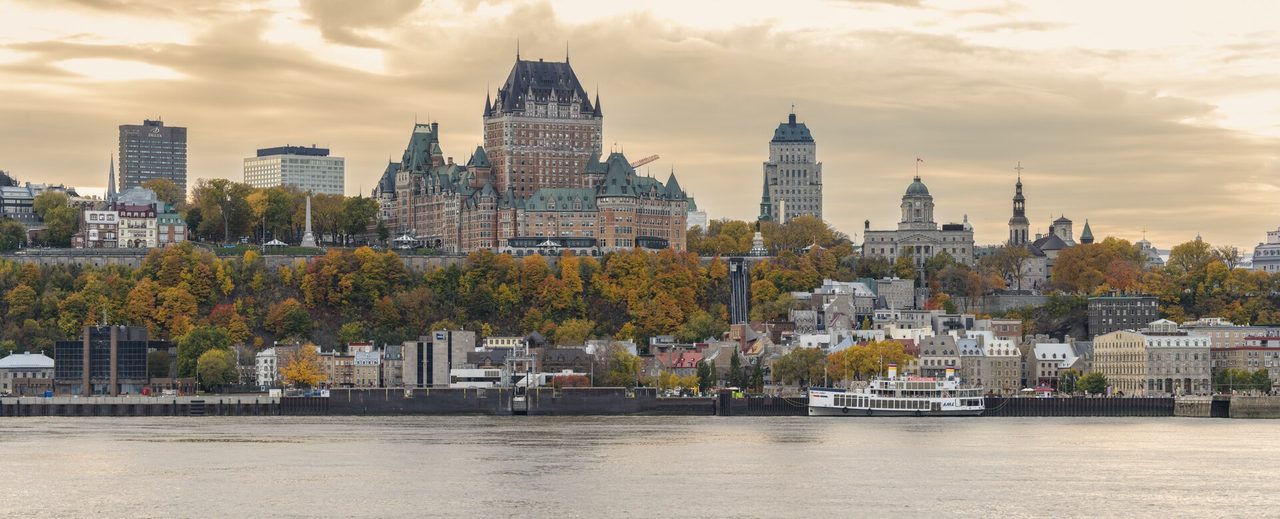
The short answer
- The Classic Corridor (5–7 days): Montreal to Quebec City via the Chemin du Roy — the two great cities, one slow river road, minimal mileage. This is the version for people with a week.
- The Grand Maritime Circuit (10–14 days): Adds Charlevoix, the Saguenay Fjord, Tadoussac’s whales, the St. Lawrence ferry, and the full Gaspé Peninsula loop — roughly 2,400 km of driving. This is the version I did.
- The rules of the road: All prices below are 2026 figures, checked in October 2026. Winter tires are legally mandatory December 1 to March 15, ferry crossings can’t be reserved for cars (show up early), and in the Gaspé you gas up when you see a station, not when the light comes on.
Here’s the deal with Quebec: it’s enormous. Three times the size of France, and every region drives like a different country. I did the Grand Maritime Circuit over 12 days in a rented crossover, and it broke my brain in the best way — Old Port cobblestones one morning, a fjord at sunset, a whale ten metres off a zodiac bow, and a beach in Forillon where the Appalachians just end.
Buckle up. This is the itinerary I’d hand a friend who asked me to plan it for real.
Pick your route: three versions of this road trip
Be honest with yourself about how much driving you want. I’ve done the “see everything in 7 days” thing. It’s a mistake. You end up photographing Percé Rock at 80 km/h.
- The Classic Corridor (5–7 days, ~800 km): Montreal, the Chemin du Roy (Route 138), and Quebec City. Cities, food, history. Fly into Montreal, fly out of Quebec City. Easy.
- The Nature Loop (8–10 days, ~1,500 km): The corridor plus Charlevoix, the Saguenay Fjord, and Tadoussac. This is the one if whales and cliff roads are the point.
- The Grand Maritime Circuit (10–14 days, ~2,400 km): Everything above, plus the St. Lawrence ferry and the full Gaspé Peninsula loop, coming home through the Matapédia Valley. This is what the rest of this guide covers.
I ran the full circuit. If you’ve got fewer days, follow Days 1–5 and stop. The corridor alone is a great trip — no FOMO required.
Day 1–2 — Montreal: two days before you touch the wheel
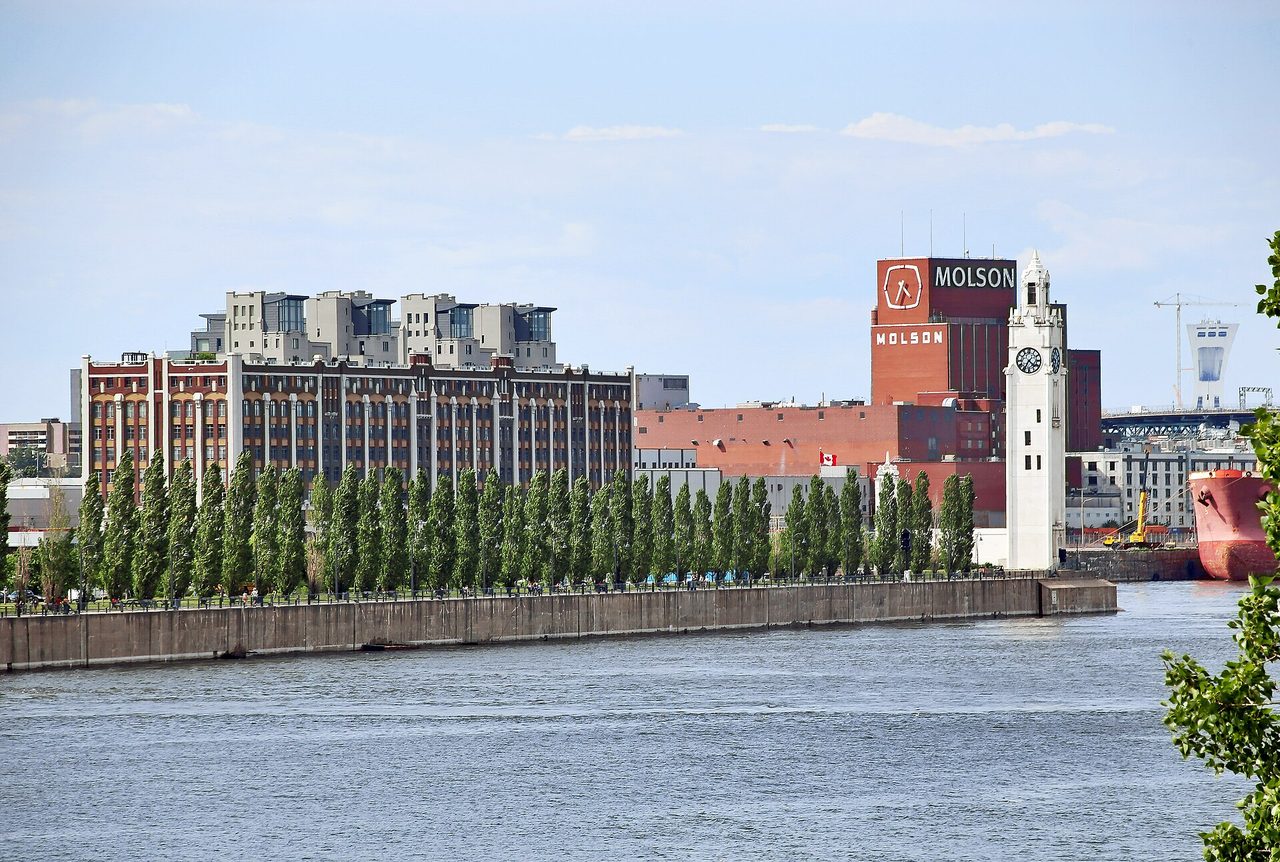
Fly in, drop your bags, and don’t drive. Montreal rewards people on foot. Walk the Old Port along the St. Lawrence — the Clock Tower, the Grand Quay, the whole waterfront stretch — then climb Mount Royal for the skyline view. I did it at golden hour and the city looked like it was showing off.
Eat whatever’s in front of you. Montreal’s food scene is the reason half the people come here. A smoked-meat sandwich, a bagel from St-Viateur or Fairmount, poutine at 1 AM — no notes. Just eat.
Day 1–2 spending: this is the easy part of the budget. Museums ~$20–25 each, a metro day pass ~$11 (check the STM site for current fares), food ~$60–80/day if you’re eating well. Park the car and forget it — underground lots near the Old Port run ~$25–35/day.
Planning your Montreal time in detail? See our Ultimate 2026 Montreal Travel Guide.
Day 3 — The Chemin du Roy to Quebec City (255 km)
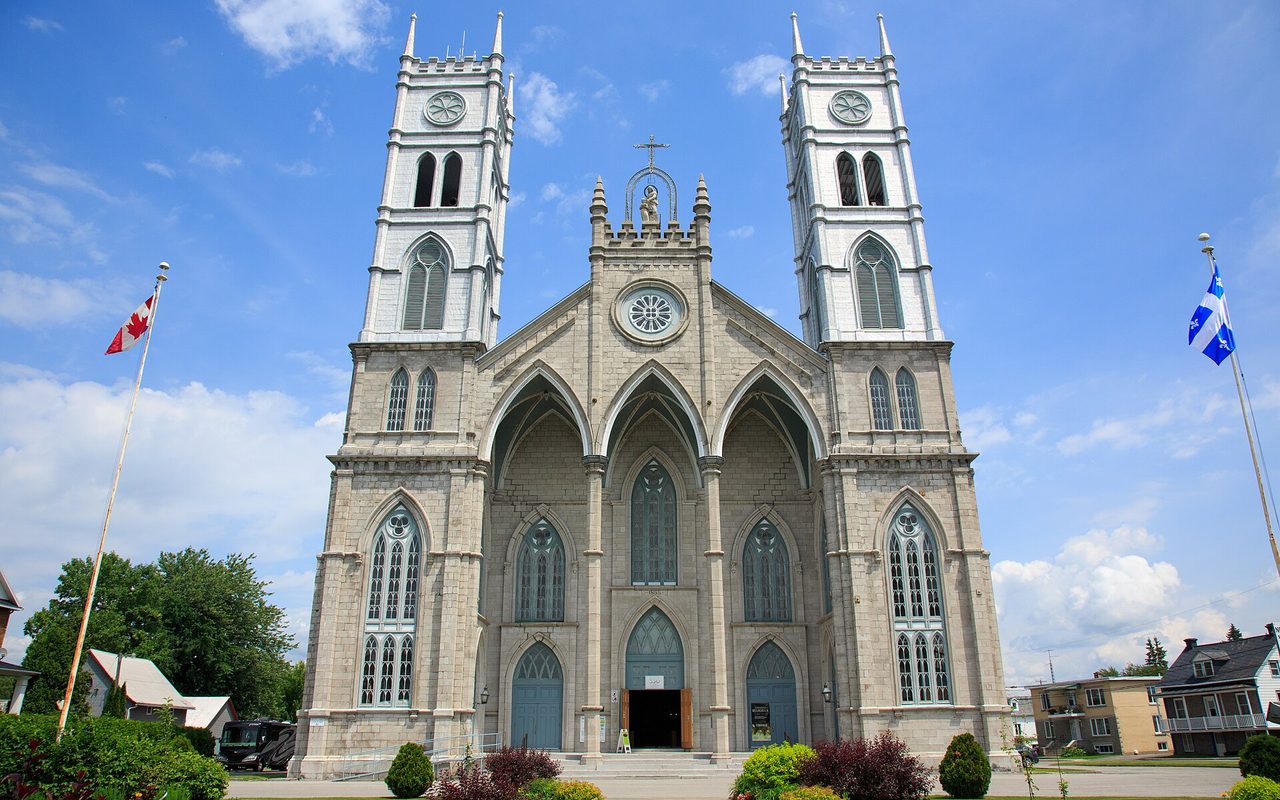
Here’s the first decision of the trip: Highway 40 gets you to Quebec City in 2.5 hours. The Chemin du Roy (Route 138) takes most of the day. Take the long one. Worth the detour — no joke.
This is the oldest driveable road in Canada, built in the 1700s, and it hugs the St. Lawrence through stone churches and riverfront villages that haven’t changed much since your history textbook. Stop in Trois-Rivières for lunch — it’s exactly halfway, the old town along the river is a proper stretch-your-legs stop, and the Old Prison is worth a look if you like your sightseeing a little dark.
Rolling into Quebec City: the first time the Château Frontenac pops over the rooftops, you’ll understand why everyone photographs it. Then you’ll immediately hit the Old City’s one-way maze and want to throw your map out the window. Park in an underground lot outside the walls (there are several, ~$20–30/day) and walk. The old city was built for feet, not Fords.
I’ve made this mistake so you don’t have to: do NOT try to street-park in Upper Town. I circled for 25 minutes before admitting defeat. Park underground, walk everywhere.
Day 4–5 — Quebec City: the walled city
Two full days here minimum. Day one: Upper Town — the Citadelle, the Terrasse Dufferin boardwalk behind the Château, the Plains of Abraham. Day two: Lower Town — Place Royale, the Petit-Champlain stairs (steepest cute street in Canada), the Musée de la civilisation if the weather turns.
The funicular between Upper and Lower Town costs a few dollars and saves your knees. I walked it down, rode it up. No regrets either way.
For neighborhood-level planning, read our Ultimate Quebec City Travel Guide: 2026 Edition and the 12 Best Places to Visit in Quebec.
Day 6–7 — Charlevoix and the Saguenay Fjord (Quebec City → Tadoussac, ~230 km)

Leave Quebec City on Route 138 north, then peel off onto Route 362 along the river through Charlevoix. This is the single best driving leg of the whole trip. The road winds between cliffs and the St. Lawrence, and every pullout is better than the last. I stopped six times in 60 km. You’ll stop more.
Baie-Saint-Paul is the art-town anchor — galleries, the Flavour Trail (Route des Saveurs) of cider houses and cheese makers, and a main street that’s worth an hour on foot. If you’re hiking, the Acropole des Draveurs trail in Hautes-Gorges-de-la-Rivière-Malbaie is the famous tough one (about 11 km round trip, steep), with a 360-degree valley view at the top that shuts you up.
Then push on to the Saguenay Fjord. The cliffs rise 300+ metres straight out of dark water. If you’re on the north shore, the short free ferry between Tadoussac and Baie-Sainte-Catherine gives you the fjord view for nothing — I crossed it twice just to look. (More on that ferry below.)
Day 8 — Tadoussac: whales
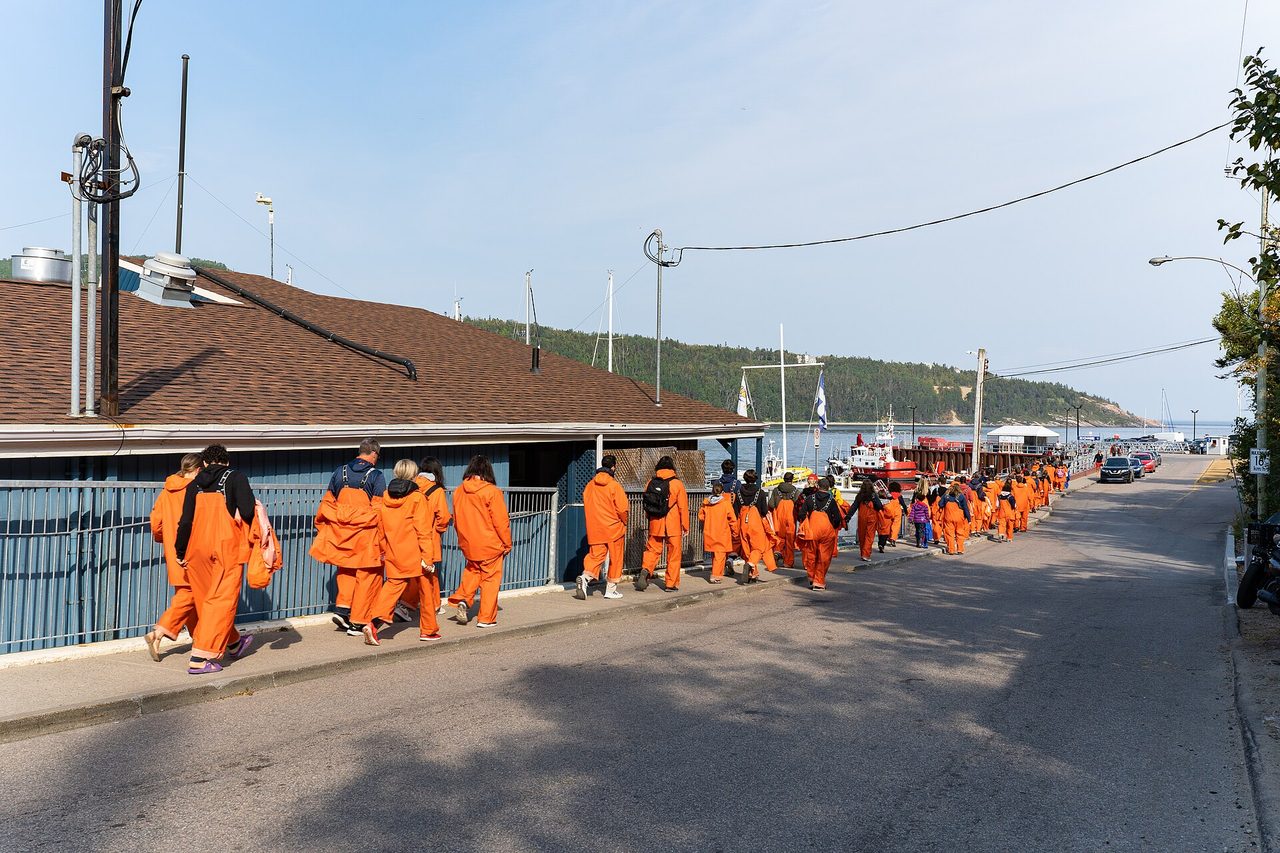
Tadoussac sits where the Saguenay meets the St. Lawrence, and the mixing currents make it one of the best whale-watching spots on the planet. Up to 13 species cruise through — minkes, fins, humpbacks, and the white belugas that live here year-round.
I took the zodiac. Croisières AML’s 2-hour Zodiac Adventure Tour runs from $99.99 per adult in shoulder season and $109.99 in peak (June 24 – September 7, 2026), 8:00 AM and 4:30 PM departures from May 30 to September 27, 2026. The 3-hour big-boat fjord-and-whale combo runs from $134.99 per adult, and the boats run May 9 to November 1, 2026 — and there’s a whale warranty, so if the captain sees nothing, you ride again free. I double-checked the 2026 dates and rates on Croisières AML’s official site before I booked. → Croisières AML — Tadoussac whale watching tours
The zodiac is faster, closer, and colder. That’s the trade — and I’d make it again. They hand you a big orange flotation suit. Wear a sweater under it anyway, even in August. I found this out the soggy way — two hours of wind at 40 km/h off the St. Lawrence and I was rattling like a toolbox.
No budget for the boat? Stand at Pointe-de-l’Islet with binoculars. I watched belugas from shore for free for a solid 40 minutes. No joke — best free hour of the trip.
Day 9 — The ferry and the Bas-Saint-Laurent (Saint-Siméon → Rivière-du-Loup)

Drive down the north shore to Saint-Siméon and take the Traverse Rivière-du-Loup ferry across the St. Lawrence. The crossing is about 65 minutes, the ship holds 100 vehicles, and the sailing window runs April 2, 2026 to January 3, 2027 — 2 to 4 departures a day depending on the season. You can’t reserve as a car — you show up, you queue, you pay on board. The fare runs roughly ~$100 for a car with two adults (it varies by vehicle size and passenger age — one traveler reported $54.50 for the car plus ~$21 per adult). In summer, get there at least 90 minutes early. I checked the 2026 sailing schedule on the operator’s site before I went — it changes seasonally, so do the same. → Traverse Rivière-du-Loup–Saint-Siméon — official schedule & fares
On the south shore, you’re in the Bas-Saint-Laurent. The photographers’ light here is famous — long summer evenings over the river. Parc national du Bic is the stop: jagged capes, seal-watching pullouts, and some of the calmest coastline on the loop. It’s a Sépaq park, so there’s a small daily access fee (~$10/adult in 2026 — confirm on the Sépaq site).
Day 10–11 — The Gaspé: Percé and Bonaventure Island

Route 132 from Rivière-du-Loup to Percé is about 500 km of coastal road. Split it with a night in Rimouski or Matane — 500 km of coastal road in one day is a bad bet — and gas up in Rimouski. I watched my fuel gauge do something scary on the stretch past Mont-Joli, and I’ve made this mistake so you don’t have to. After dark, stations thin out fast.
Percé Rock is the postcard. It’s 433 metres of limestone with a hole in it, sitting in the Gulf, and it’s somehow more ridiculous in person than in photos. Walk the boardwalk at low tide for the close-up view.

The day trip you can’t skip: Bonaventure Island. Boats run from the Percé wharf from mid-May through the end of October, departures through the day in summer (roughly hourly in July–August, less often in shoulder season — the island closes at 5 PM, so go in the morning). The crossing itself circles Percé Rock, then you land and hike about 45 minutes on the Les Colonies trail to the northern gannet colony — ~50,000 nesting pairs, one of the biggest in the world. The smell hits you before the sight. The sight is worth it.
Budget ~$45 per adult for the boat plus ~$10 park entry (2026 estimates from traveler reports — the park fee is separate from the boat ticket). Wear hiking shoes, bring water, and take the Paget trail back if your knees are up for it.
Day 12 — Forillon National Park, then home through the Matapédia
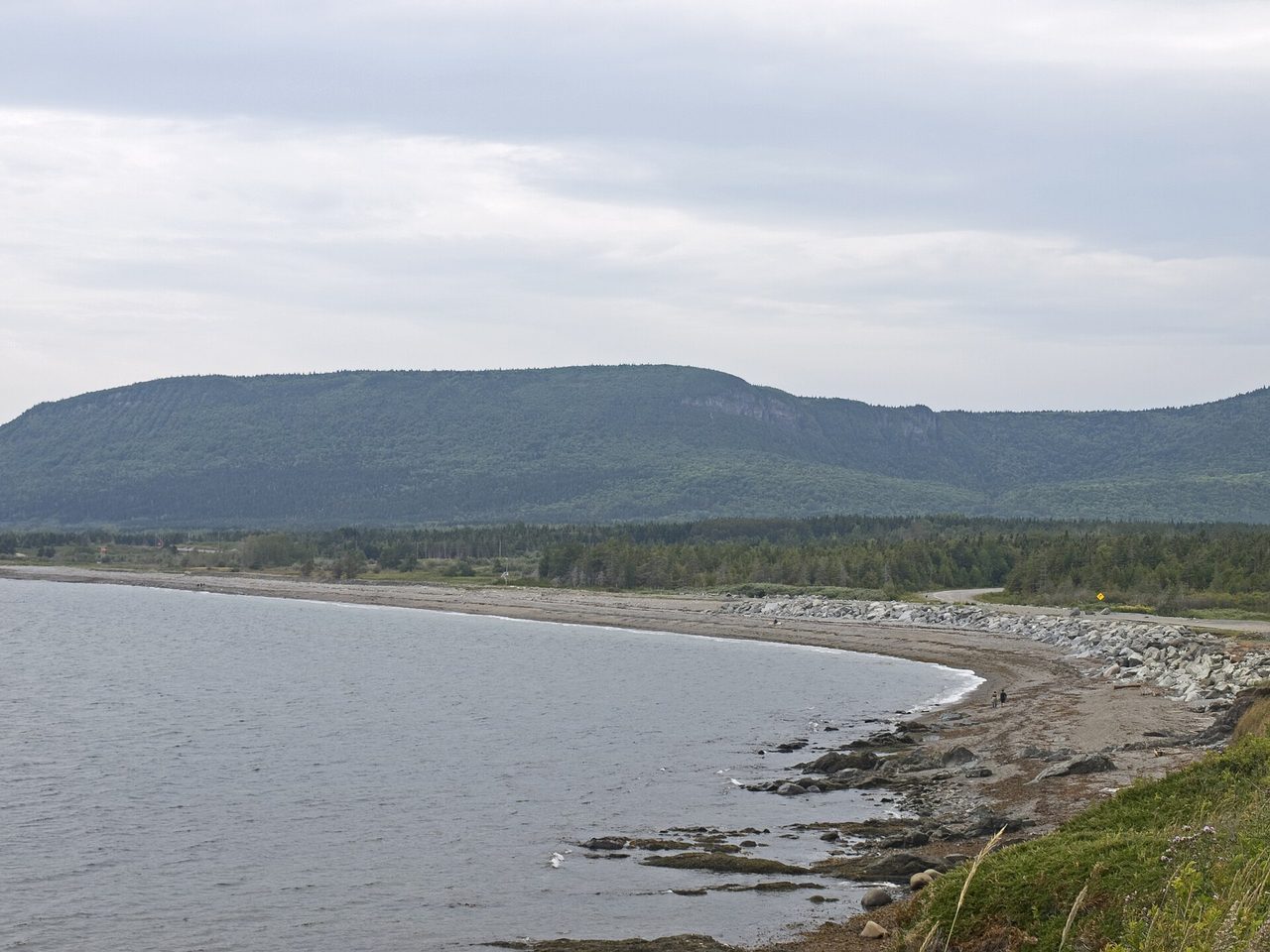
At the tip of the peninsula, the Appalachians run straight into the sea. That’s Forillon National Park. Hike the Les Graves trail out to Cap-Gaspé — “Land’s End” — where the lighthouse stands at the end of the continent. It’s an easy 8 km round trip on a pebble beach, and a ranger at the trailhead told me the black bears are most active at dawn, so go early if you want the wildlife and go late if you want the light.
Park entry runs ~$9.60 per adult per day (youth 17 and under free — Parks Canada), with full services June 22 through October 12, 2026. I double-checked the 2026 operating dates on Parks Canada’s Forillon page before I went. → Parks Canada — Forillon National Park hours
Head home south through the Matapédia Valley — salmon rivers, covered bridges, rolling green after all that coastline. It’s the decompression leg. You’ll need it.
Road logistics: the stuff that actually matters
The rig. Any normal car handles the corridor and the Gaspé loop — the roads are paved and good. A crossover is more comfortable on the Gaspé’s twistier stretches, but you don’t need an SUV or 4×4 for anything on this itinerary. Renting? Book early for July–August — Gaspé rental fleets are small.
Fuel. Gas stations are everywhere along the corridor and thin out on the north shore and the Gaspé. Rule: fill up in towns (Rimouski, Matane, Gaspé), never pass a station under half a tank in the wild stretches. I’ve made this mistake so you don’t have to.
Tolls. Two bridges around Montreal are tolled — the A-25 (Olivier-Charbonneau) and the A-30 (Serge-Marcil) crossings. They’re electronic, no booths; your rental company bills you later. A few dollars per crossing.
EVs. Quebec’s Circuit électrique network has 3,400+ public stations with 600+ DC fast chargers across the province, including the Gaspé and North Shore. Fast charging is billed by the minute (roughly ~$12–16/hour on 50–100 kW stations in recent rate schedules — check the Circuit électrique app for current per-station rates). This trip is absolutely doable in an EV; just plan charging stops the way you’d plan fuel stops.
Winter tires — the law. From December 1 to March 15, winter tires are mandatory on Quebec-registered vehicles, with fines of $200–$300 (per the SAAQ). Out-of-province visitors aren’t legally bound, but driving the Gaspé in January on all-seasons is a bad idea regardless of the law. I checked the dates on the SAAQ’s official winter driving page — they don’t change year to year. → SAAQ — adapting your driving for winter (official)
Language. Montreal and Quebec City run fine in English. Past the cities, less so. A “bonjour” and “merci” go a long way — people are warm about it if you try. In the deep Gaspé, a translation app is your co-pilot.
Our general driving advice lives here too: 15 Essential Canada Road Trip Tips for Your 2026 Journey.
How much does the Quebec road trip cost?
Sample budget per adult, Grand Maritime Circuit (12 days), excluding hotels and rental car (prices checked October 2026; ~ = estimate):
| Item | Cost (CAD) |
|---|---|
| Fuel (~2,400 km at ~7 L/100 km, ~$1.60/L) | ~$270 |
| St. Lawrence ferry (car + 2 adults, one way) | ~$100 |
| Tadoussac zodiac whale tour (Croisières AML) | ~$100–110 |
| Bonaventure Island boat + park entry | ~$55 |
| Forillon National Park (1 day) | ~$10 |
| Parc national du Bic (Sépaq access) | ~$10 |
| Montreal metro + museum entries | ~$50 |
| Parking (Old Port, Old Quebec) | ~$60 |
| Food & drinks, 12 days | ~$600–720 |
| Total | ~$1,250–1,340 |
Mid-range hotels run ~$150–250/night in the cities and ~$120–200/night in the Gaspé in summer — book Gaspé stays months ahead, because I once tried in June for August and paid for it. Literally.
The 5–7 day Classic Corridor version runs about ~$600–750 per adult excluding hotels (fuel ~$90, parking ~$60, food ~$350–450, attractions ~$100).
Timeline at a glance
| Day | Drive | Highlight |
|---|---|---|
| 1–2 | — (fly in) | Montreal: Old Port, Mount Royal, eat everything |
| 3 | ~255 km | Chemin du Roy to Quebec City via Trois-Rivières |
| 4–5 | — | Quebec City: Upper Town, Lower Town, funicular |
| 6–7 | ~230 km | Charlevoix (Route 362), Baie-Saint-Paul, Saguenay Fjord |
| 8 | — | Tadoussac whale watching (~$100–135/adult) |
| 9 | ~50 km + 65-min ferry | Saint-Siméon → Rivière-du-Loup ferry; Parc national du Bic |
| 10–11 | ~500 km | Route 132 to Percé; Bonaventure Island gannet colony |
| 12 | ~120 km | Forillon National Park (Land’s End); Matapédia Valley return |
FAQs about the Quebec road trip
How many days do I need for a Quebec road trip?
Five to seven days covers the classic Montreal–Quebec City corridor comfortably. For the full Grand Maritime Circuit — Charlevoix, the Saguenay Fjord, Tadoussac, and the Gaspé Peninsula loop — you need 10 to 14 days. At 12 days you’re driving about 2,400 km total, which averages a manageable 200 km per driving day.
Is the Gaspé Peninsula worth the extra driving?
Yes — it’s the best part of the loop. Percé Rock, the 50,000-strong gannet colony on Bonaventure Island, and Forillon’s Land’s End are the three sights I’d cross the province for again. The driving is the price of admission: about 500 km of coastal road each way from Rivière-du-Loup. If you’re short on time, the 8–10 day Nature Loop (Charlevoix + Saguenay + Tadoussac) gives you the wildest scenery without the Gaspé mileage.
Do I need to reserve the St. Lawrence ferry?
No — the Traverse Rivière-du-Loup / Saint-Siméon ferry doesn’t take car reservations; you queue and pay on board. The MV Trans-St-Laurent carries 100 vehicles and runs 2–4 departures daily from April 2, 2026 to January 3, 2027. In summer, arrive at least 90 minutes before departure — the crossing itself is about 65 minutes. Check the seasonal schedule on the operator’s site before you go.
Can I do this road trip in an electric car?
Yes. Quebec’s Circuit électrique network has over 3,400 public stations and 600+ DC fast chargers covering the corridor, the North Shore, and the Gaspé. Fast charging is billed by the minute (roughly $12–16/hour at 50–100 kW stations), so plan charging stops like fuel stops and check the app for live station status. On remote Gaspé stretches, I charge opportunistically — never pass a fast charger you might need later.
When is the best time to drive Quebec?
June through September is prime: whale season in Tadoussac runs May through October, the Bonaventure Island boats sail mid-May to end of October, and Forillon’s full services run late June to mid-October. September–October brings the fall colours and thinner crowds — my favourite window. December to March means winter tires are legally mandatory and the Gaspé gets serious snow; it’s doable but it’s a different trip.
How much does the Quebec road trip cost?
For the 12-day Grand Maritime Circuit, budget roughly $1,250–1,340 CAD per adult excluding hotels and the rental car: about $270 in fuel, ~$100 for the St. Lawrence ferry (car + 2 adults), $100–135 for whale watching, ~$55 for Bonaventure Island, and $600–720 for food. Mid-range hotels run $120–250/night depending on the region. The 5–7 day corridor-only version runs about $600–750 per adult.
Keep exploring
- The Ultimate 2026 Montreal Travel Guide: Plan Your Trip
- The Ultimate Quebec City Travel Guide: 2026 Edition
- 12 Best Places to Visit in Quebec: Your 2026 Travel Guide
- 15 Essential Canada Road Trip Tips for Your 2026 Journey
- Ultimate Nova Scotia Road Trip Itinerary for 2026 — keep going east into the Maritimes
1 comment