

Last updated: October 3, 2026
The short answer
- Restaurants: tip 15% for okay service, 18% for good, 20% for great — calculated on the pre-tax subtotal, in Canadian dollars.
- Québec is different: since 2025, payment terminals there must calculate suggested tips before tax. Everywhere else, check whether the terminal’s percentage is on the subtotal or the after-tax total.
- The quick cheat sheet: bars $1 per drink or 15–20% on a tab · taxis and Uber 10–15% · bellhops $1–2 per bag · housekeeping $2–5 per night · tour guides ~$10–20 per person per day.
My first real Canadian tip-screen moment happened at a King Street bistro in Toronto, and I’ll be honest — I froze. The little machine spun around, flashed 20%, 25%, 30%, and the server was standing right there. I tapped 22% like I was defusing a bomb and only did the math later, on the walk back to my hotel: the percentage had been calculated on the after-tax total of a ~$180 dinner, so my “22%” was really closer to 25% of the actual bill. Nobody at the restaurant cared. My spreadsheet, however, was furious.
Here’s the thing: Canada’s tipping culture looks a lot like America’s, but with a few distinctly Canadian twists — a province that literally legislated how tip screens work, taxes that quietly inflate your tip if you’re not watching, and some very polite unwritten rules about who gets what. This guide is everything I’ve figured out (partly the sweaty way), so you can tap that screen with confidence.
Restaurants: the 15 / 18 / 20 rule
The standard for sit-down table service in 2026 is simple: 15% for okay service, 18% for good, 20% for great. That’s 15–20% of the pre-tax subtotal — the food and drinks total before GST/HST gets added. (In Ontario that’s 13% HST, so tipping on the after-tax total quietly adds about two extra percentage points to your “18%.” Ask me how I know.)
A few restaurant realities worth knowing:
- Large groups: most restaurants add an automatic gratuity — usually 18% — for parties of six or more. Check your bill before adding a tip on top; double-tipping the auto-gratuity is the most common tourist mistake I see. Pro tip: the line usually says “service charge” or “auto-gratuity,” not “tip.”
- Buffets and counter-service restaurants: 10% is plenty if someone clears your plates; nothing is expected if you’re entirely self-serve.
- Bad service: tipping isn’t legally required anywhere in Canada — but for genuinely poor service, talk to the manager rather than stiffing the server, who may be sharing tips with the kitchen and bar staff. I’ll be honest, I’ve only done this twice, and both times the manager fixed it on the spot.
- Paying the bill: servers bring a wireless terminal to your table (do not skip this part of the ritual — your card never leaves your sight, which I love). You’ll see tip percentages, a custom-amount option, and usually a “no tip” button.
Bars: a loonie a drink, or 15–20% on the tab
At a bar, the norm is $1 per drink if you’re paying as you go, or 15–20% on a running tab. Same 15/18/20 scale applies for complicated cocktail orders or genuinely great service — a bartender who remembers your order on round three has earned it.
Fair warning: those tip-screen presets on bar terminals have crept upward in recent years. The first button is often 20% or even 25% now. There’s no rule that says you have to pick the first option — “custom” exists for exactly this reason, and I’ve never once had a bartender bat an eye when I typed in my own number.
The Québec twist: tip on the price before tax

Québec is the one province that looked at the tip-screen arms race and passed a law about it. Since 2025, Québec’s consumer protection rules require restaurants and bars to calculate suggested tips on the pre-tax price, display all tip options equally visibly, and offer a clear no-tip/custom option. A Montreal server told me the terminals were reprogrammed basically overnight — she wasn’t thrilled about the smaller tips, but admitted as a customer she’d rather tip on what she ordered than on the taxes.
Practical notes for your trip: in Québec, 15% is a comfortable, completely standard tip — slightly lower than the Toronto/Vancouver norm, and nobody will think twice. And yes, the taxes look alarming: Québec restaurant bills get both GST (5%) and QST (9.975%) stacked, so the gap between subtotal and total is the biggest in the country. That’s exactly why the pre-tax rule matters there. → Québec’s official tipping rules (Office de la protection du consommateur, in French)
Heading to la belle province? Our 2-day Québec City itinerary and 3-day Montréal itinerary will keep you well fed while you practice.
Surviving the tip screen
The single most useful tipping skill in Canada in 2026 isn’t math — it’s reading the terminal screen before you tap. Here’s my routine (yes, I have a routine; this is who I am):
- Find the subtotal. Glance at the printed bill or the screen and note the pre-tax number.
- Check what the percentage applies to. Outside Québec, most terminals calculate on the after-tax total. On a $100 subtotal in Ontario ($113 with HST), “18%” on the total is really ~20.3% of your meal. It’s not a scam — it’s just how the machines are set — but you should know.
- Pick “custom” when you want to. I type in my own amount constantly. It’s one extra tap and it puts you back in charge.
- Remember “no tip” is always an option. For a coffee you ordered at a counter, or a bottle of water at a gift shop, choosing it is completely fine. The button is there for a reason.
One more thing: tip in Canadian dollars, always. Paying or tipping in US dollars (common near the border and at Niagara Falls) means the worker eats the exchange loss. If you only have USD cash, pay by card instead — Canadian terminals accept foreign cards everywhere.
Hotels: bellhops, housekeeping, and my envelope trick
Hotel tipping is where tourists under-tip the most, because nobody tells you the numbers:
- Bellhop / porter: $1–2 CAD per bag when they bring your luggage up. I timed it once: it’s a two-minute job that saves you a sweaty elevator ride — worth every penny.
- Housekeeping: $2–5 per night, left daily rather than at checkout, because the staff rotates and the person who cleaned your room on Tuesday isn’t the person there on Friday. My system: I leave the cash in the little hotel notepad envelope marked “housekeeping – thank you!” every morning. (Okay, the envelope trick is maybe overkill. It makes me happy. Let me have this.)
- Concierge: no tip for directions or restaurant suggestions, but $5–20 if they score you something difficult — sold-out show tickets, a last-minute reservation at the booked-out place. Worth it.
- Valet: $2–5 when they bring the car back, not when you drop it off.
- Room service: check the bill — many hotels add a service charge already. If they do, an extra $2–3 for the person who carried the tray is a nice touch, not a requirement.
Taxis, Uber, and tour guides
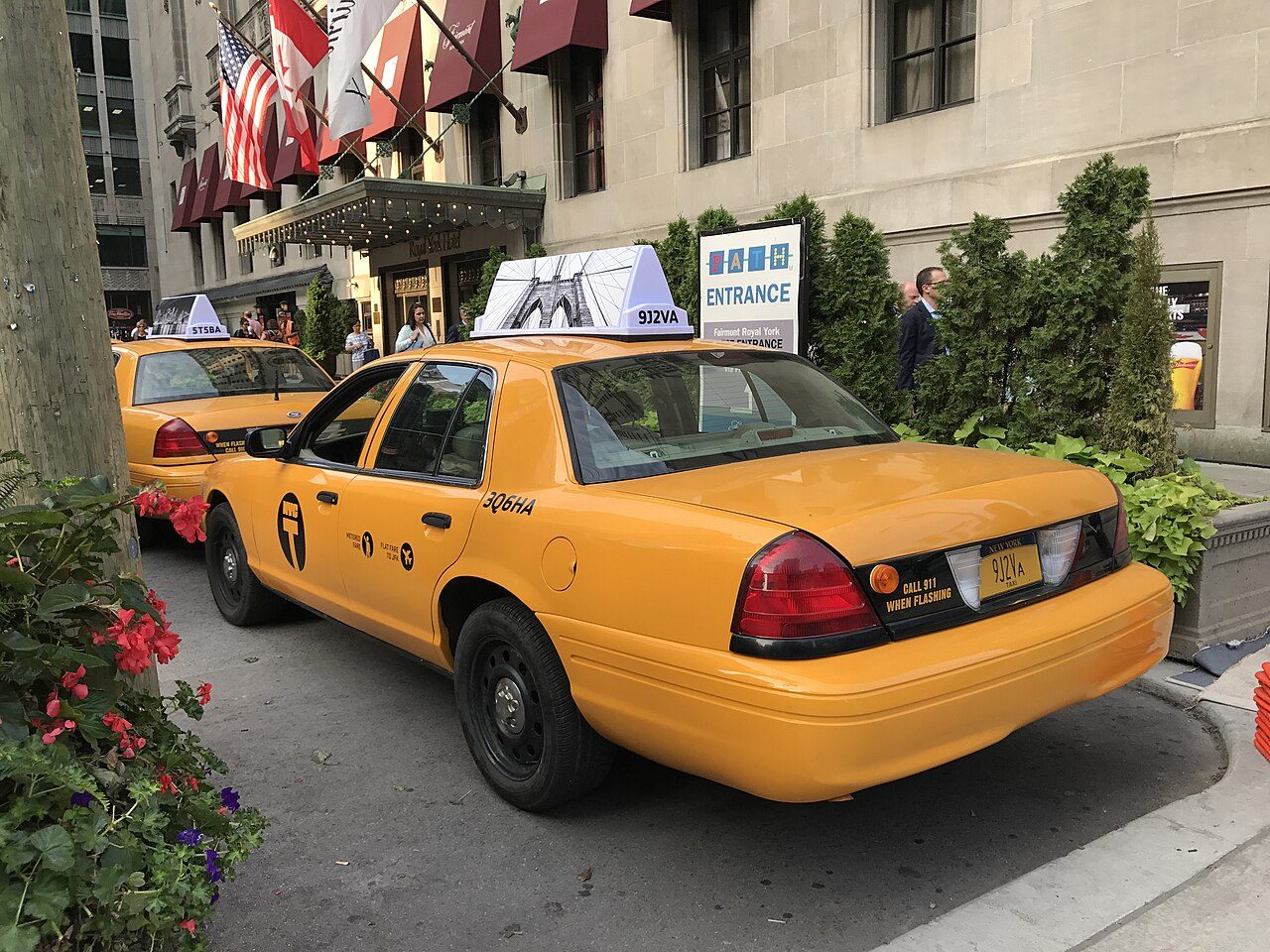
Taxis: 10–15% of the fare, or simply round up for short hops. If the driver hauls your suitcases or navigates a snowstorm, lean toward 15%. In-car terminals will offer tip percentages just like restaurants — same rules apply.
Uber and Lyft: 15–20% is the norm, or a flat $2–3 on short rides. You can tip in the app (Uber lets you add or change a tip up to 30 days after the trip — I’ve done this from the airport when I forgot) or in cash, which drivers genuinely appreciate. My rule: 15% for a clean, quiet ride; 20% when the driver helps with bags, waits while I run in somewhere, or navigates me through a downpour. A Vancouver driver once waited eight minutes in the rain while I retrieved a forgotten passport from a hotel lobby — he got 25%, and I’d do it again.
Tour guides: roughly $5–10 per person for a half-day group tour, ~$10–20 per person for a full day (estimates — there’s no hard rule, but guides notice). For private guides, 15–20% of the tour cost is the standard. On free walking tours, $10–20 per person in the hat at the end is the done thing — that’s literally how the guide gets paid.
Airport shuttles and hotel shuttles: $1–2 per bag if the driver handles your luggage; nothing expected for a simple hop.
Where you can skip the tip, guilt-free
Tip screens have spread to places where tipping was never a thing, and it’s okay to say no. You are not expected to tip at:
- Fast-food counters and takeout windows (the tip jar is genuinely optional — a coin or two for great service is kind, never required)
- Coffee shops where you order at the counter — rounding up your $4.50 latte to $5 is generous, not mandatory
- Self-checkout, retail stores, and grocery stores
- Public transit — bus drivers, subway operators, no tipping
- Gas stations (self-serve, which is nearly all of them)
- Professionals like doctors, or government services
The test I use: did someone provide personal, table-style service? If yes, tip. If a machine did the work, the tip button is decorative. Trust me on this one — no Canadian has ever been offended by a skipped tip at a self-checkout.
What tipping actually costs on a travel day
Budgeting your trip? Here’s what a typical day of tipping looks like for one traveler (October 2026 norms, all CAD). Planning the full trip budget? Start with our Ultimate Canada Travel Guide.
| Situation | What you’d spend | Tip |
|---|---|---|
| Dinner for two at a mid-range restaurant ($120 subtotal) | $120 | ~$21.60 (18% pre-tax) |
| Two rounds of drinks at a bar ($30 tab) | $30 | ~$5 (15–20%) |
| Counter-service lunch ($18) | $18 | $0–2 (optional) |
| Taxi across downtown ($25 fare) | $25 | ~$3–4 (10–15%) |
| Housekeeping, one night | — | $2–5 |
| Half-day group tour ($80 per person) | $80 | ~$5–10 |
| Typical daily tipping total | — | ~$37–48 |
So budget roughly $35–50 CAD per person per day for tips on a normal sightseeing day with one sit-down dinner. On a road-trip day of diners and takeout, it’ll be closer to $10–15.
FAQs about tipping in Canada
How much should I tip at a restaurant in Canada in 2026?
Tip 15% for okay service, 18% for good service, and 20% for great service, calculated on the pre-tax subtotal. In Québec, 15% is the comfortable standard and terminals are legally required to calculate suggested tips before tax. Parties of six or more often get an automatic 18% gratuity added — check your bill before tipping on top.
Is tipping mandatory in Canada?
No — tipping is not legally required anywhere in Canada. It is, however, a strong social expectation for sit-down restaurant service, bars, taxis, and hotel staff, because many service workers’ wages are structured around it. For counter service, fast food, and self-checkout, tipping is genuinely optional.
Should I tip on the total with tax or the subtotal?
The subtotal (before GST/HST/QST). Tipping on the after-tax total quietly adds roughly two percentage points to your tip — on a $100 meal in Ontario, “18%” on the $113 total costs you $20.34 instead of $18. Québec law requires terminals to calculate on the pre-tax price; elsewhere, use the “custom” option and do your own math.
Do I tip Uber and Lyft drivers in Canada?
Yes — 15–20% of the fare is the norm, or a flat $2–3 on short rides. You can tip in the app or in cash, and Uber lets you add or adjust a tip up to 30 days after the trip. Tip more when the driver helps with luggage, waits for you, or drives in bad weather.
How much do you tip hotel housekeeping in Canada?
$2–5 CAD per night, left daily (not just at checkout) since housekeeping staff rotates. Leave the cash somewhere visible — the pillow or the bathroom counter — ideally in an envelope or with a note so it’s clearly a tip and not forgotten pocket change.
Can I tip in US dollars in Canada?
You can, but don’t — the worker loses money on the exchange. Always tip in Canadian dollars. If you’re short on CAD cash, pay by card and add the tip on the terminal, or withdraw a small amount of Canadian cash from an ATM for housekeeping and bellhop tips.
That’s the whole system: 15/18/20 at restaurants, a loonie or a percentage at the bar, a few dollars where someone carries your bags or cleans your room, and a calm hand on the terminal. You’ve got this — the next time that screen spins around, you’ll tap your number and move on with your evening.
1 comment