
Last updated: October 3, 2026
The short answer
- Peak season, plan early: July is Canada’s busiest travel month — I booked park shuttles, Stampede tickets, and hotels months ahead, not weeks, and I’d do it again.
- 2026 bonus: the Canada Strong Pass waives Parks Canada admission fees from June 19 to September 7, 2026 — but shuttles, parking, and tours still cost extra (ask me how I know).
- Pick your route: a 10-day Rockies road trip, a 7-day eastern cities escape, or a 14-day cross-Canada adventure linked by one domestic flight. I’ve mapped all three; here’s the honest version.
July is when Canada shows off — and I’ll be honest, it’s my favourite month to be smug about my planning spreadsheet. The alpine trails are finally snow-free, the lakes are at their most turquoise, the patios are full until 10 PM, and the festival calendar is stacked — from Canada Day fireworks in Ottawa to the Calgary Stampede and the Montreal Jazz Festival. The trade-off: it’s the busiest and priciest month of the year, so the difference between a great trip and a frustrating one comes down to booking early. This guide gives you three ready-made routes for July 2026 — 7, 10, and 14 days — with 2026 prices, festival dates, and booking windows, all checked in October 2026.
Why July is the best month to visit Canada
Three things make July special, and I’ve now experienced all of them twice. First, daylight: the sun doesn’t set until nearly 10 PM in the Rockies, giving you up to 16–17 hours of usable light — I have finished a full-day hike and still made a patio dinner, twice. Second, access: high-country trails like Sentinel Pass in Banff are typically snow-free by early July, and mountain roads like the Icefields Parkway are fully open. Third, wildlife: grizzlies roam alpine meadows in BC, and humpback and minke whales feed off the Atlantic coast of Nova Scotia and Newfoundland.
The honest trade-offs: southern cities like Toronto and Montreal regularly hit 25–30°C with humidity, popular sights are crowded, and prices peak. Pack layers anyway — a sunny 25°C afternoon in Banff can drop fast once the sun goes behind the peaks. Trust me on this one; I own the overpriced emergency fleece to prove it.
July 2026 festival calendar: three dates that matter
July 1 — Canada Day in Ottawa
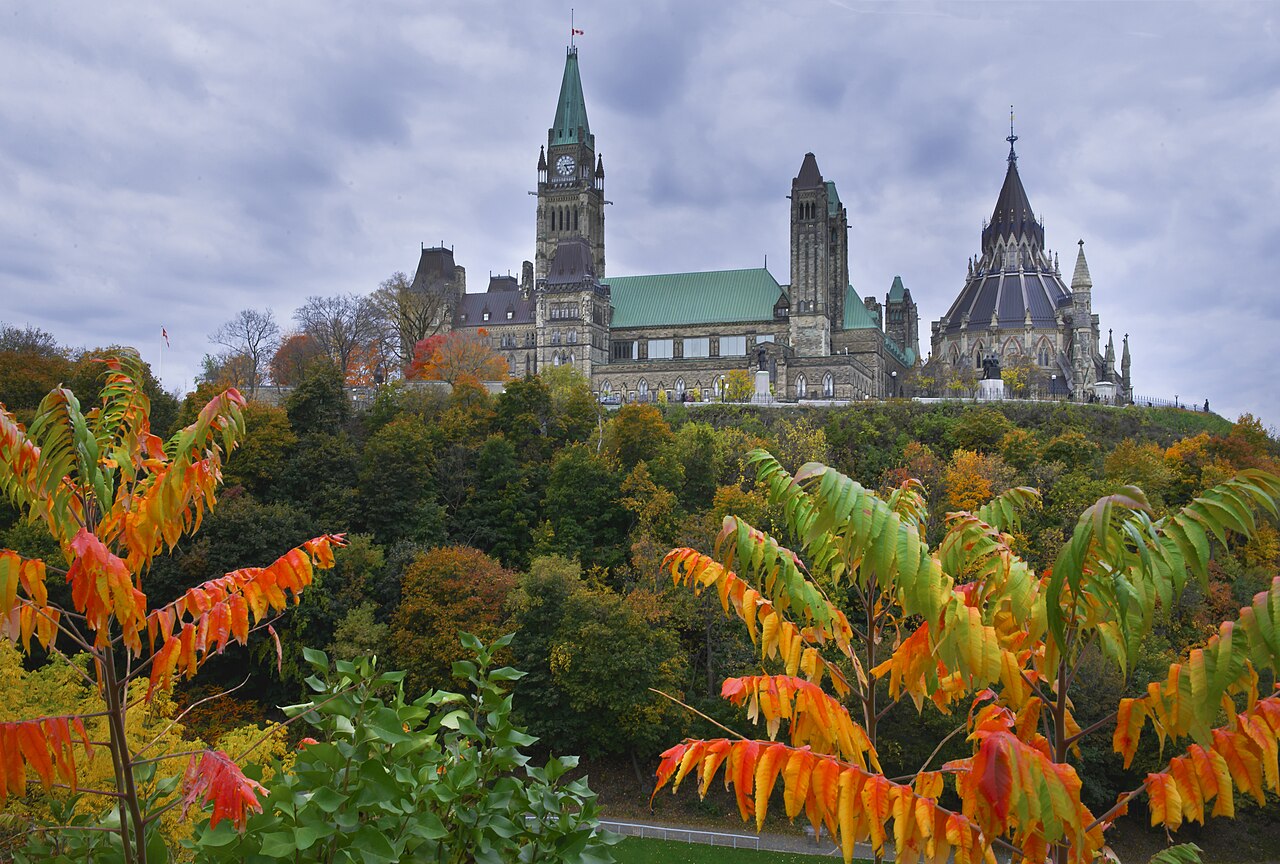
Canada Day 2026 falls on a Wednesday, and the capital goes all out: concerts and crowds on Parliament Hill all day, then fireworks over the Ottawa River at night. It’s loud, busy, and free — arrive early for a viewing spot. I got there at noon and still had to crane my neck over a sea of red t-shirts; go earlier than me. If Ottawa isn’t on your route, every major city throws its own celebration.

July 3–12 — Calgary Stampede
“The Greatest Outdoor Show on Earth” runs ten days at Stampede Park, an easy CTrain ride from downtown Calgary — and I’ll be honest, I went for the rodeo and stayed for the mini donuts. 2026 gate admission is $28 for adults (13–64), $17 for seniors and kids 7–12, free under 7 — and the $50 SuperPass covers all ten days plus the July 2 Sneak-A-Peek preview night. Rodeo and chuckwagon tickets are extra (rush seats from ~$25); the Coca-Cola Stage concerts, Indigenous showcases at Elbow River Camp, and the midway are included with admission. Several value days offer free or discounted entry — check the calendar before you pick your day. I double-checked the 2026 dates on the official Stampede site before booking my flight — they shift slightly year to year, so do the same.
→ Official tickets, schedules, and value days: Calgary Stampede
June 25–July 4 — Montreal International Jazz Festival
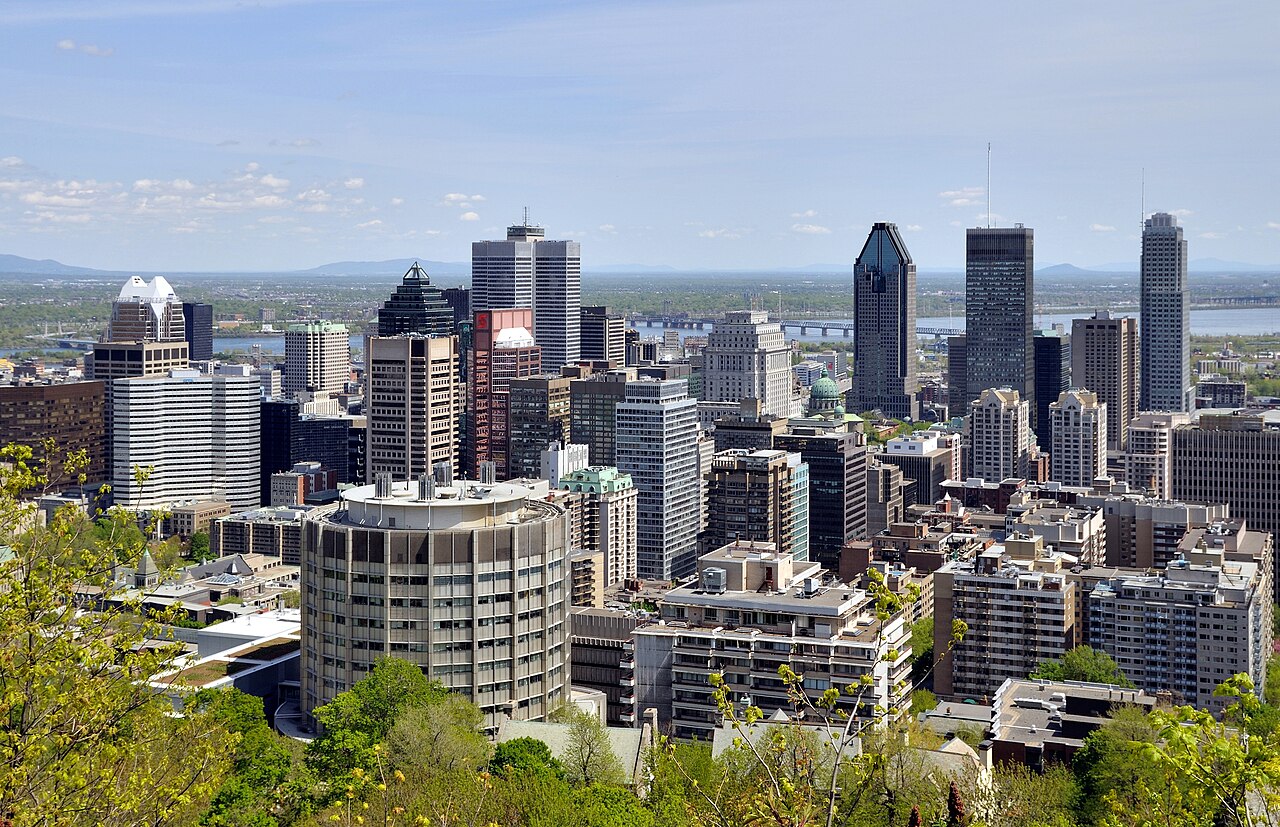
The world’s largest jazz festival celebrates its 46th edition in 2026 with 350+ concerts — more than two-thirds of them free — across the Quartier des Spectacles. Big outdoor stages, late-night club shows, and street performers everywhere. I stumbled into a free outdoor set at golden hour and stayed for the encore — time the Montreal leg of your trip for the first week of July to catch the finale.
→ Official program and free concert schedule: Festival International de Jazz de Montréal
2026 logistics: the Canada Strong Pass and booking windows
Two things change the math for a July 2026 trip — and I mean that literally, I redid my budget spreadsheet twice:
- Free national park entry. The federal Canada Strong Pass waives Parks Canada admission fees from June 19 to September 7, 2026 — covering Banff, Jasper, Yoho, and every other national park and historic site. No pass to buy, nothing to print. I hadn’t heard of this until I read the Parks Canada announcement — glad I did. But it covers admission only: parking, shuttles, the Banff Gondola, guided tours, and camping (25% off, still paid) all cost extra. Parks Canada has the full details.
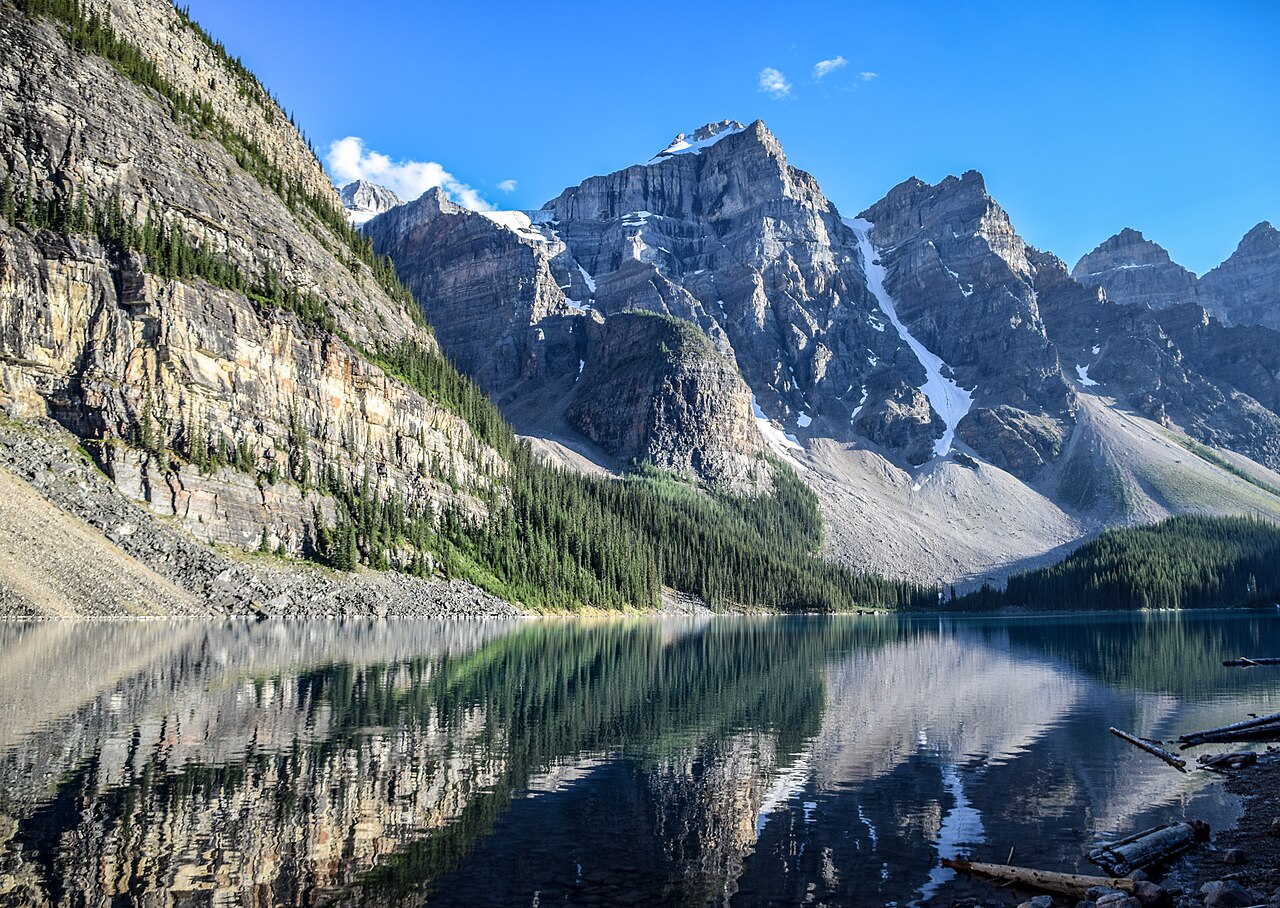
- Moraine Lake is shuttle-only. Private vehicles are banned on Moraine Lake Road. Book the Parks Canada shuttle from the Lake Louise Park & Ride — adult return ~$12.75 plus a $3.50 booking fee. Forty percent of seats were released April 15, 2026; the rest drop on a rolling basis two days ahead at 8:00 AM MDT and sell out within minutes. I set three alarms for the 8:00 AM drop. I am not embarrassed.
→ Shuttle reservations and schedules: Parks Canada – Lake Louise & Moraine Lake shuttles
Book hotels 6–9 months out for anything inside park boundaries or near the Stampede, and reserve rental cars the moment your flights are booked — summer shortages and price spikes are a July tradition. I booked my rental car the same day as my flights, and it still cost more than I wanted.
Route 1: the 10-day Rockies road trip
The classic — and the one I’d pick if I could only do one. Fly into Vancouver (or Calgary and reverse the loop), rent a car, and follow the mountains east. You need a car for this route — shuttles cover Banff town, but the backcountry trailheads don’t, and the freedom is worth the spreadsheet it took to plan it.
Day 1–2 — Vancouver
Land, shake off the jet lag, and do the essentials: the Stanley Park Seawall, Granville Island Public Market (daily 9 AM–6 PM), and Gastown. Do the Seawall at sunset if you can — it’s the best jet-lag cure there is. Full plan: our 2-day Vancouver itinerary.
Day 3 — Sea-to-Sky Highway to Whistler
Drive the spectacular Highway 99 to Whistler (about 2 hours). Ride the PEAK 2 PEAK Gondola, swim or paddle at Lost Lake, and enjoy the village patios in the long evening light. See our 3-day Whistler itinerary if you want to linger.
Day 4 — Revelstoke and Meadows in the Sky Parkway
Head east into BC’s interior. In July, the wildflowers along the Meadows in the Sky Parkway turn the mountaintops into colour — go early for the best light and fewest crowds. I went at 7 AM and had a whole meadow to myself; by 10 it was a different place.
Day 5 — Yoho National Park
Emerald Lake at sunrise, then Takakkaw Falls — one of Canada’s tallest waterfalls, at its most powerful with July snowmelt. Yoho is quieter than Banff and just as dramatic. I’ll be honest: I liked it more, and I’m still a little smug about it.
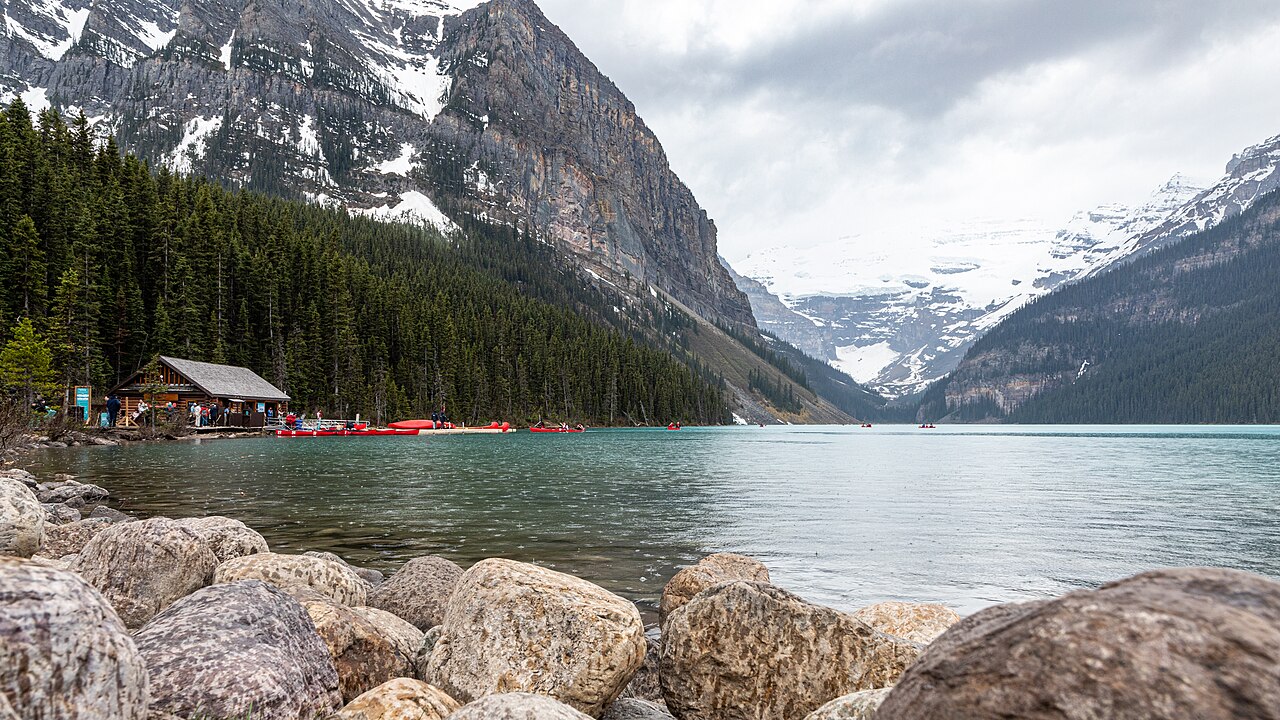
Day 6–7 — Banff, Lake Louise & Moraine Lake
Two full days for the icons. Take the Banff Gondola up Sulphur Mountain (dynamic pricing, roughly $77–88 per adult on peak July days — book online ahead and go early or late to dodge the midday lines), hike to the Plain of Six Glaciers tea house at Lake Louise, and use your pre-booked shuttle for Moraine Lake at sunrise.
→ Tickets and time slots: Banff Jasper Collection
Fair warning: it hailed on me at Lake Louise in mid-July. Pack the rain shell — the mountains don’t care about your forecast app.
Day 8 — Icefields Parkway to Jasper
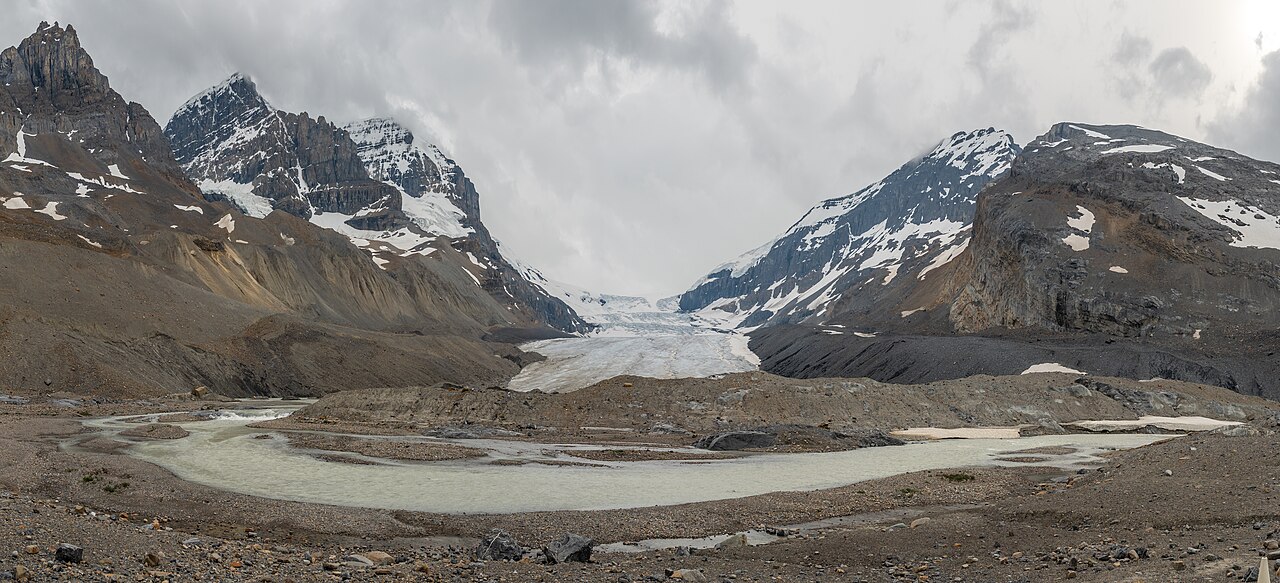
Give the 232-km Icefields Parkway a full day: Peyto Lake lookout, Bow Lake, and the Columbia Icefield Adventure — the Ice Explorer ride onto the Athabasca Glacier plus the glass-floored Skywalk, about $125 per adult. Stop at Sunwapta and Athabasca Falls on the way into Jasper. I lost count of my photo stops somewhere after Bow Lake.
Day 9 — Jasper
A slower day: Maligne Canyon, a Maligne Lake cruise, or simply a lake afternoon. Jasper is a Dark Sky Preserve — July nights are short, but on clear nights the stargazing is superb. I stayed up past midnight once; the sky was navy, not black, and it was still worth it.
Day 10 — Calgary and the Stampede
Drive to Calgary (about 4 hours from Jasper) and finish with an evening at the Stampede — rodeo at 1:30 PM, chuckwagon races at night, fireworks to close. Time this day for July 3–12 to catch it.
Route 2: the 7-day eastern cities escape
No car needed — and as a transit nerd, this one is close to my heart. This route runs on VIA Rail and city transit — downtown-to-downtown trains beat flying once you count airport time.
Day 1–2 — Toronto
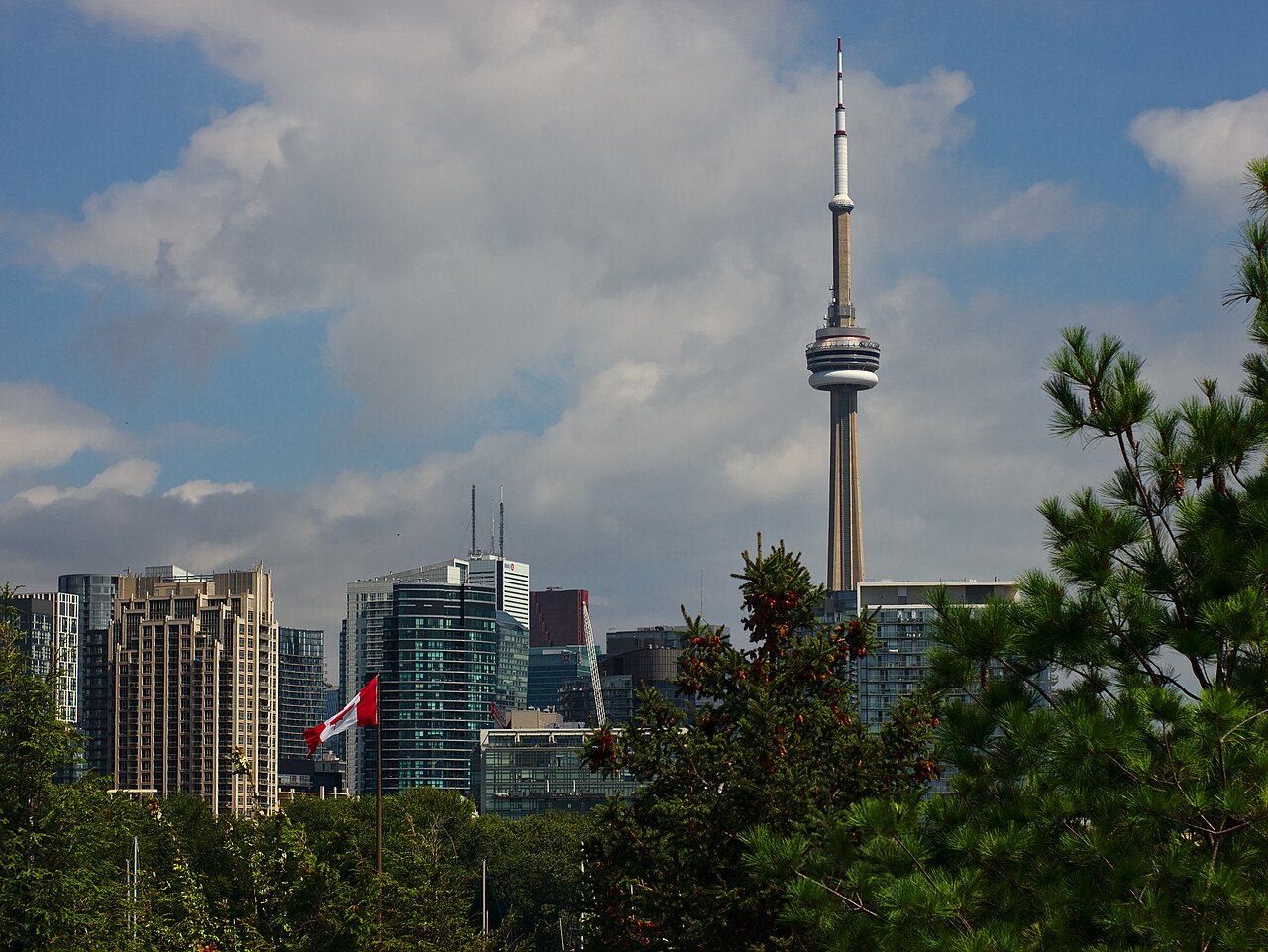
CN Tower, Harbourfront, and St. Lawrence Market on day one; the Royal Ontario Museum, Kensington Market, and the Distillery District on day two. Full plan: our 3-day Toronto itinerary.
Day 3 — Niagara Falls day trip
An easy day trip by train, bus, or tour from Toronto. In the July heat, the mist off Horseshoe Falls is genuinely refreshing — take the boat tour to the base of the falls, then cool off with wine tasting in Niagara-on-the-Lake. I got soaked on the boat and dried off with a wine tasting. There are worse systems. See our 1-day Niagara Falls itinerary.
Day 4 — Ottawa and Canada Day
Ride VIA Rail to the capital (Toronto–Ottawa from ~$49 booked ahead). If you’re here on July 1, join the Parliament Hill celebrations; otherwise tour the National Gallery, wander ByWard Market, and bike the Rideau Canal. More: our 1-day Ottawa itinerary.
Day 5–6 — Montreal
Ottawa to Montreal is under 2 hours by train. Time it for the Jazz Festival’s final weekend (through July 4): free outdoor concerts by day, Old Montreal and bagels by — well, also day. Then the lookouts of Mount Royal at sunset. See our 2-day Montreal itinerary.
Day 7 — Quebec City
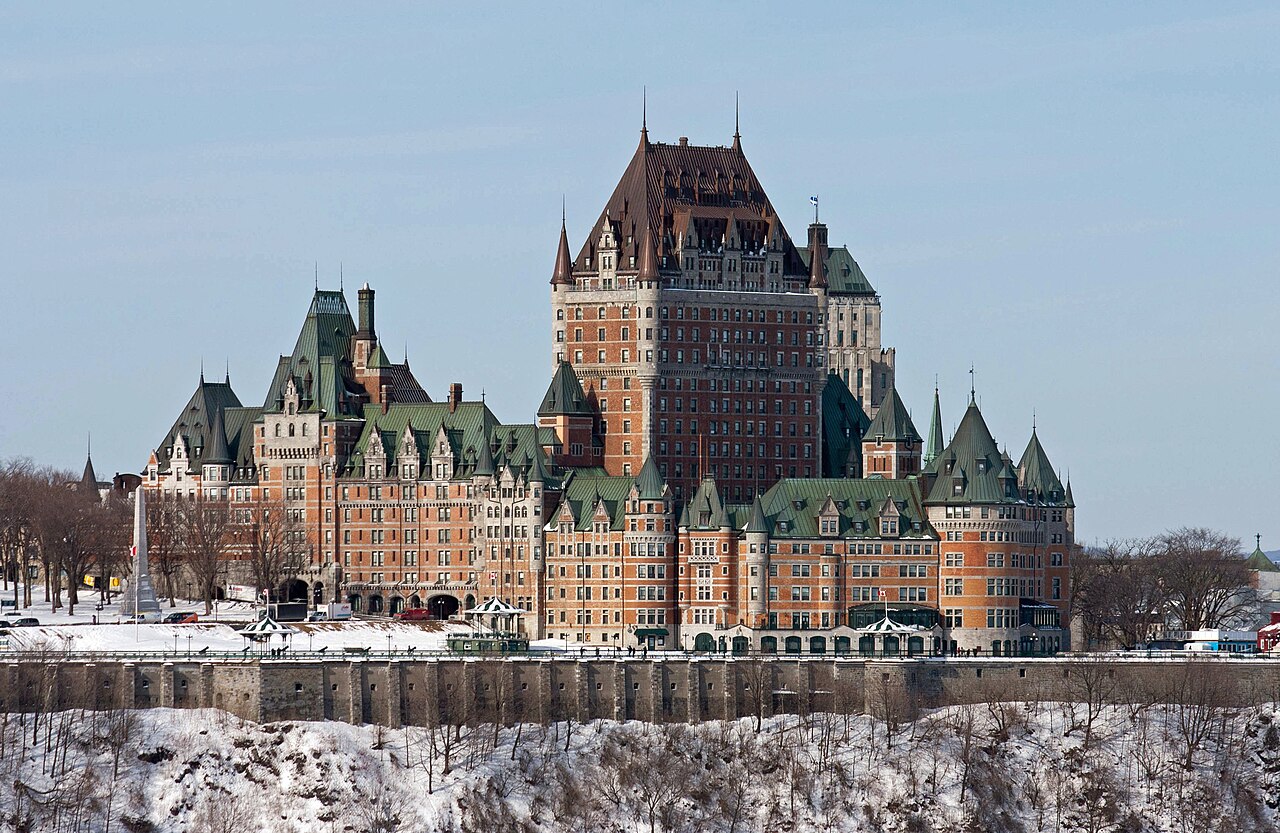
Three hours northeast by train or car: North America’s most European city. Walk the fortified Old Town, photograph the Château Frontenac from Terrasse Dufferin, and end the trip with dinner on a Rue Saint-Jean patio. See our 2-day Quebec City itinerary.
→ Train fares and schedules (book early — advance fares from ~$55, walk-up can hit ~$155): VIA Rail Canada. I booked three weeks out and paid the advance fare; my seatmate booked that morning and did not.
Route 3: the 14-day cross-Canada adventure
Want it all? Combine both routes and fly between them — Canada is too big to drive coast-to-coast in two weeks without living in the car. (I checked. The math was horrifying.)
Week 1 — The rugged west and the Stampede
Follow Route 1 (Vancouver → Whistler → Rockies → Banff → Jasper), then end the week in Calgary for the Stampede. Five full days in the parks is enough for the big hikes and famous lakes without feeling rushed.
Week 2 — The historic east and urban culture
Fly Calgary to Toronto (book early for the best fares), then follow Route 2: Toronto, Niagara, Ottawa, Montreal, Quebec City. The contrast — silent alpine mornings one week, Jazz Fest street parties the next — is the whole point.
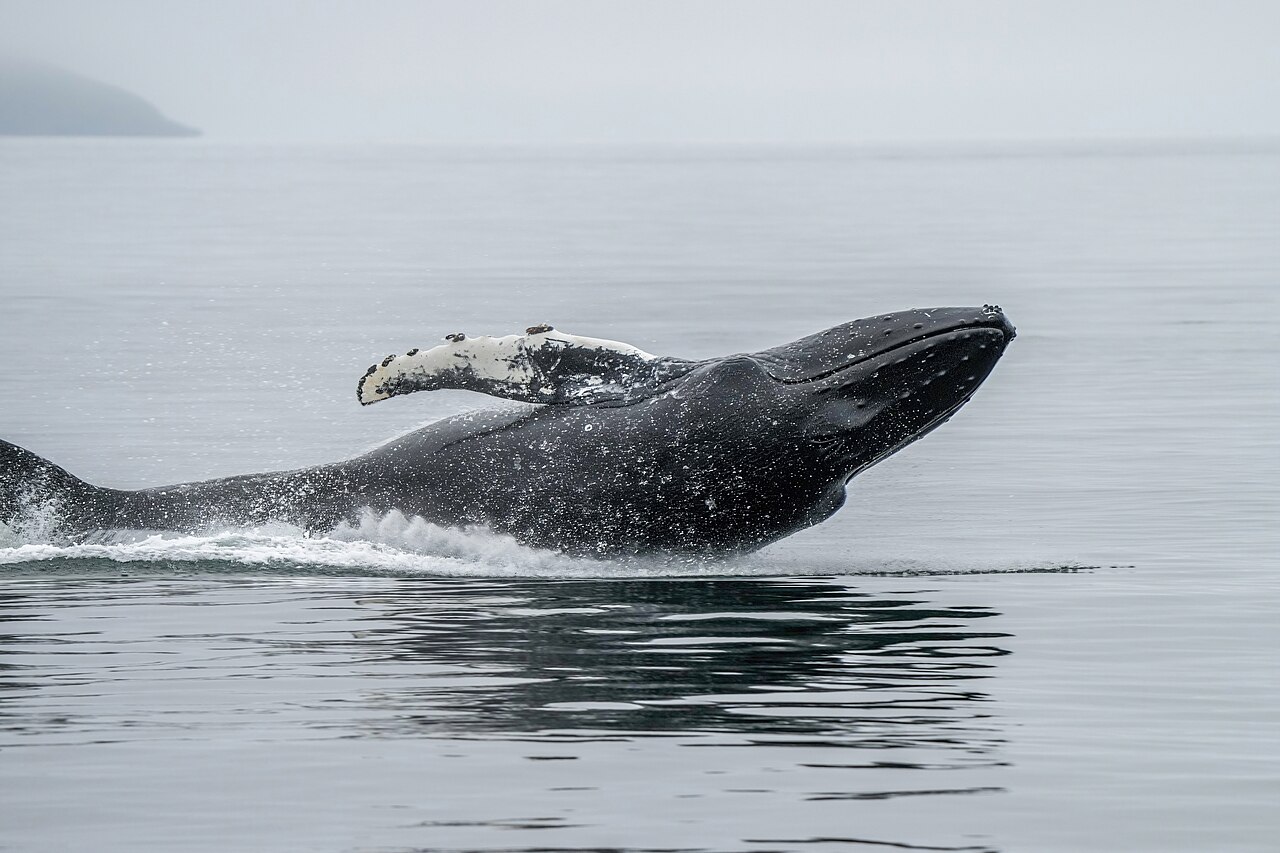
East Coast add-on: with extra days, fly to Halifax and drive the Cabot Trail, or join a whale-watching tour off Nova Scotia or Newfoundland — July is peak season for humpbacks and minkes (tours typically ~$80–100 per adult). If your vacation days stretch further than mine ever do, this is where I’d put them.
How much does Canada in July cost?
Peak-season sample budgets per adult, excluding flights to Canada (prices checked October 2026; ~ marks estimates):
| Route | Estimated cost (CAD) |
|---|---|
| 10-day Rockies road trip | ~$3,700–5,600 |
| 7-day eastern cities (rail) | ~$2,500–4,000 |
| 14-day cross-Canada (+1 domestic flight) | ~$5,500–8,500 |
Rockies 10-day breakdown:
| Item | Cost (CAD) |
|---|---|
| Rental car, 10 days (July peak rates) | ~$900–1,200 |
| Hotels, 9 nights (mid-range) | ~$1,800–3,000 |
| Calgary Stampede gate admission | $28 |
| Banff Gondola | ~$80 |
| Columbia Icefield Adventure (glacier + Skywalk) | ~$125 |
| Moraine Lake shuttle (return) | ~$13 |
| Food & drinks, 10 days | ~$600–1,000 |
| Fuel | ~$200 |
| Total | ~$3,700–5,600 |
Money-saving moves (I use all of these): the Canada Strong Pass wipes out park entry fees all July; grocery picnics beat Banff restaurant prices; the Stampede’s value days cut admission; and VIA Rail’s Tuesday promo fares can shave ~20% off eastern train legs.
What to pack for Canada in July
- Layers, always. T-shirt weather in Toronto (25–30°C) and a fleece at a Banff campsite (5°C at night) can happen on the same trip. I packed for both and still got hailed on — see above.
- Rain shell. Afternoon thunderstorms roll through the Rockies regularly — a light waterproof jacket beats an umbrella on a ridge.
- Broken-in hiking boots with ankle support for rocky alpine trails; separate comfortable walking shoes for city cobblestones.
- Bug spray. Mosquitoes and blackflies are out in force near water and in the woods in July. I never skip it anymore.
- Sunscreen + hat + sunglasses. UV is stronger at altitude, even when the air feels cool.
- Power bank and offline maps. Cell service is spotty in the parks and your battery drains fast on trail days.
- Reusable water bottle. Canadian tap water is excellent everywhere — I refilled mine about forty times.
July at a glance
| Dates | What’s on |
|---|---|
| June 25 – July 4 | Montreal International Jazz Festival — 350+ concerts, most free |
| July 1 | Canada Day — biggest celebrations on Parliament Hill, Ottawa |
| July 3 – 12 | Calgary Stampede — rodeo, concerts, midway (book tickets ahead) |
| All month | Alpine hiking at its best, whale watching on both coasts, up to ~16 hours of daylight |
| June 19 – Sept 7 | Canada Strong Pass — free Parks Canada admission nationwide |
FAQs about visiting Canada in July
Is July the best month to visit Canada?
For most travellers, yes. Trails are snow-free, lakes are at peak colour, festivals are in full swing, and daylight stretches past 9 PM. The trade-offs are peak prices and peak crowds — book accommodation, shuttles, and event tickets months ahead.
Do I need a car for a July trip to Canada?
In the cities, no — Toronto, Montreal, Ottawa, and Vancouver all run well on transit, and VIA Rail links the eastern cities. In the Rockies, yes: a car is the only practical way to reach trailheads, Yoho, and the Icefields Parkway viewpoints on your own schedule.
How do I visit Moraine Lake in 2026?
Private cars are banned, so book the Parks Canada shuttle from the Lake Louise Park & Ride — adult return is about $12.75 plus a $3.50 booking fee. Forty percent of seats were released April 15, 2026; the rest drop two days ahead at 8:00 AM MDT and sell out in minutes.
What does the Canada Strong Pass actually cover?
From June 19 to September 7, 2026, it waives admission to all Parks Canada national parks, historic sites, and marine conservation areas — no pass to buy. It does not cover parking, shuttles, gondolas, guided tours, or hot springs, though camping is 25% off.
Can you see the Northern Lights in July?
It’s very difficult — the sky never gets truly dark with 16+ hours of daylight. During strong solar activity you might catch a faint glow in dark-sky spots like Jasper, but don’t build your trip around it.
How far in advance should I book a July trip?
Hotels inside the parks and near the Stampede: 6–9 months ahead. Moraine Lake shuttles: the day your window opens. Rental cars: as soon as flights are booked. VIA Rail: early for advance fares from ~$55; walk-up Toronto–Montreal fares can reach ~$155.
Keep exploring Canada
- Banff to Jasper Road Trip Itinerary — the Icefields Parkway in detail
- 3 Days in Toronto Itinerary — the perfect eastern start
- 2 Days in Montreal Itinerary — festivals, food, and Old Montreal
- 1-Day Niagara Falls Itinerary — the classic eastern day trip