
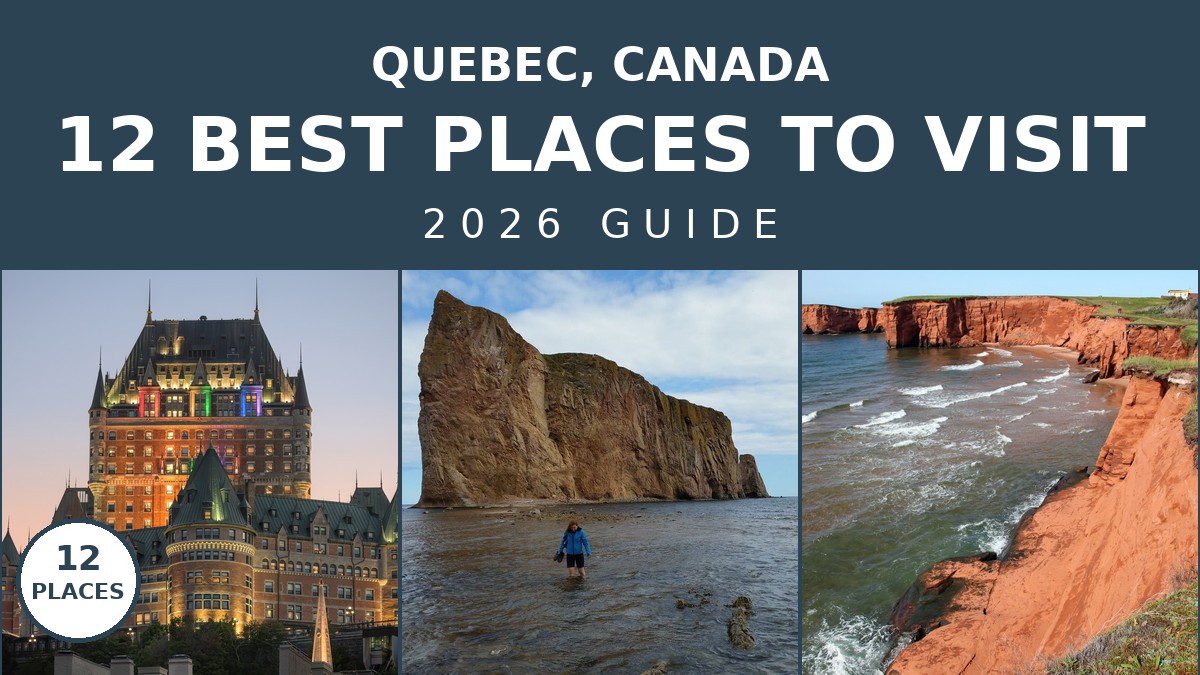
Last updated: October 3, 2026

The short answer
- My top 3: Old Quebec’s walled streets (allow a full day and go early — trust me on this one), whale watching at Tadoussac between June and October, and the Percé Rock drive at the tip of the Gaspé Peninsula.
- Getting around: VIA Rail runs Montreal ↔ Quebec City in about 3 hours (multiple trains daily — I checked on VIA Rail’s official site before booking); you’ll want a car for Gaspé, Charlevoix, and the Îles-de-la-Madeleine.
- Budget: a comfortable mid-range trip runs ~$200/day per person in the cities — all prices below were checked in October 2026, and anything marked ~ is my estimate.
Here’s the thing about Quebec: it is enormous. One province, twice the size of Texas, and it packs 17th-century French ramparts, a world-class jazz festival, beluga whales, a fjord, and the biggest winter carnival on the planet into a single trip. I have been back four times now — my spreadsheet for trip number three had eleven tabs — and this list is the result of every mistake, detour, and “wait, we have to stay one more day” moment.
These are the 12 places I would build a trip around, in the order I’d string them together. A note on timing: it’s October 2026 as I write this, so the summer festivals below ran their 2026 editions this past season — treat those dates as your 2026 reference and confirm 2027 dates on the official festival pages before you book.
1. Old Quebec (Vieux-Québec)
The crown jewel, full stop. Old Quebec is North America’s only walled city north of Mexico, a UNESCO World Heritage district of 400-year-old ramparts, crooked alleys, and the Château Frontenac glowing green over everything like a castle that wandered in from a Loire postcard.
I’ll be honest: I showed up at 11 AM on a Saturday once, walked straight into a tour-group traffic jam on Rue Saint-Jean, and learned my lesson. Never again. Go before 9 AM — the ramparts walk along the Terrasse Dufferin, the boardwalk behind the Château, is practically empty and the light on the St. Lawrence is unreal.
My non-negotiables here:
- Petit-Champlain & the Breakneck Steps (Escalier Casse-Cou): the oldest shopping street in North America, all artisan boutiques and flower-box windows. Walk DOWN the steps (your knees will thank you), then ride the funicular back up (~$5) — I did the climb once in July heat and decided once was enough.
- The Citadelle of Quebec: an active fortress and home of the Royal 22e Régiment, visitable only on a guided tour. Adult admission is $22 CAD (seniors/students $20), and from late June to the first Monday of September the Changing of the Guard happens daily at 10 AM on the parade grounds — mascot goat included. → La Citadelle de Québec — official site
- Place Royale & Notre-Dame-des-Victoires: the stone square where Samuel de Champlain founded the city in 1608. Go at dusk when the crowds thin.
Pro tip: the free City Hall lookout on Rue des Jardins has one of the best aerial views of the rooftops, and nobody knows about it. (Now you do. Sorry, Quebec City.)
Short on time? Read our 2-day Quebec City itinerary for a tight plan.
2. Old Montreal (Vieux-Montréal) & the Notre-Dame Basilica
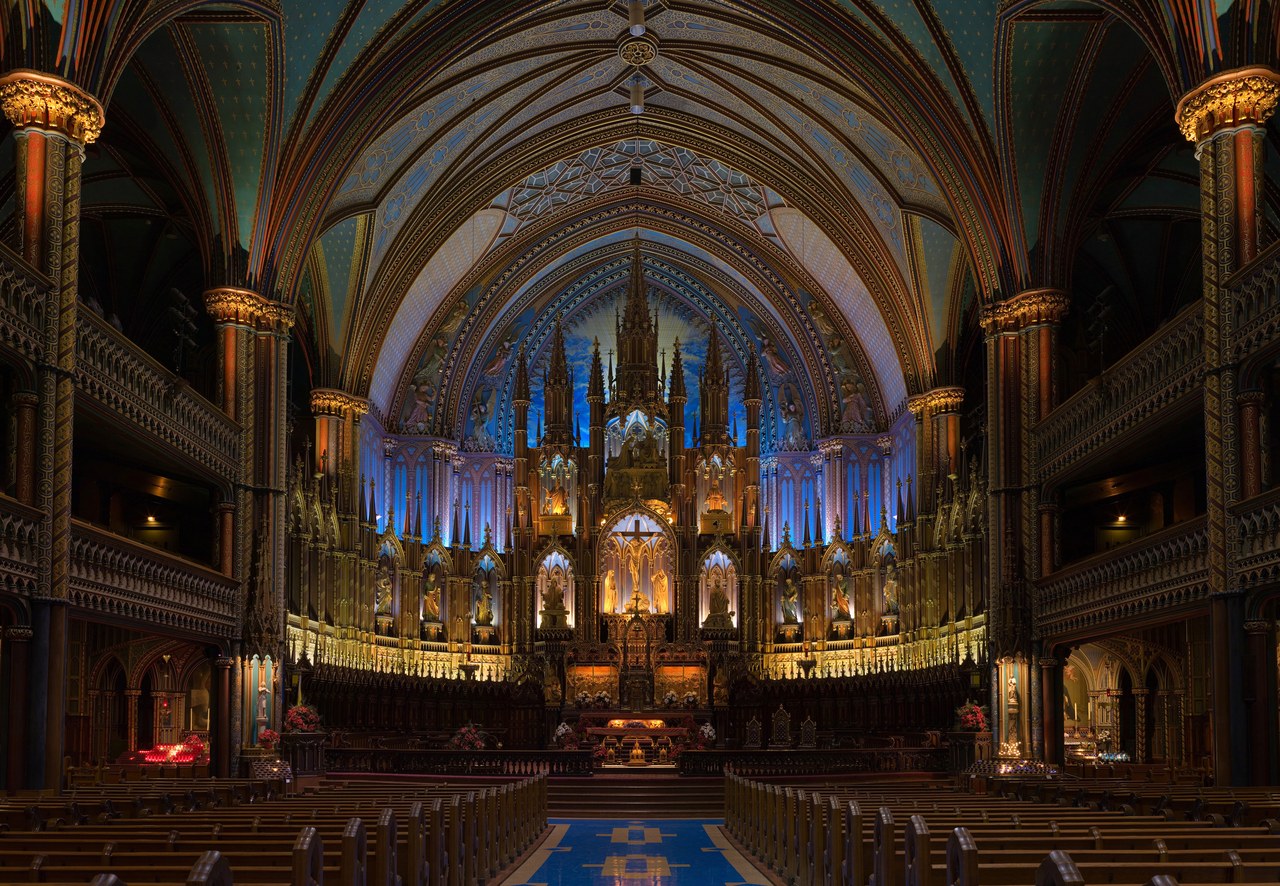
If Old Quebec is the fairytale, Old Montreal is its cooler older sibling — cobblestone streets, 300-year-old grey stone warehouses, and the deep-blue glow of the Notre-Dame Basilica. Walking into that nave is the single most “stop and stand still” moment I have had in any Canadian church. The ceiling is painted deep blue and scattered with gold stars, and the wooden pulpit is a riot of carvings.
Practical bits: adult admission is $16 CAD for the self-guided daytime visit (I double-checked the current pricing on the basilica’s official page before my last visit — prices do change, so confirm before you go). Book your ticket online to skip the line; the basilica packs out by early afternoon in summer. The evening AURA light-and-music show is a separate ticket (~$40) and, I’ll be honest, worth every penny if you are in town for a night.
Two more things within a five-minute walk: the Old Port waterfront (rent a bike and ride to the Clock Tower — flat, easy, I timed it at 20 minutes round trip from Place d’Armes) and Bota Bota, the Nordic spa on a converted ferry moored in the port. Hot pools, cold plunge, and the skyline steaming beside you at sunset — game-changer after a day of cobblestones.
3. Plateau-Mont-Royal & Mile End
This is the Montreal the locals actually live in — and the neighborhood that made me understand why everyone here is so smug about their city. The Plateau’s streets are lined with those famous winding exterior staircases (they exist because an old law taxed interior stairwells — a tour guide on Saint-Denis told me, and I have repeated it at dinner parties ever since).
My color-coded plan said “one morning.” I stayed for six hours. Here’s the loop: start at Parc La Fontaine, wander the Mile End’s mural-covered streets on Saint-Laurent, then do the sacred bagel taste-off — St-Viateur vs. Fairmount, two blocks apart, both wood-fired, both claiming the crown since the 1950s. I am Team St-Viateur (the sesame ones, still warm), and I will not be taking questions.
Fair warning: parking is genuinely terrible, and that’s the point — this is a walk-and-metro neighborhood. Tap on, tap off.
4. Mount Royal Park

The mountain that gave Montreal its name, designed by Frederick Law Olmsted — yes, the Central Park guy — and the best free view in the province. The Kondiaronk Belvedere lookout frames the entire downtown skyline between the stone parapets, and every local I asked told me the same thing: go at golden hour.
I went at noon (rookie scheduling error, it was in the “transit” tab of the spreadsheet). The view is still magnificent, but the light at 7 PM — the glass towers catching fire while the river goes silver — is the one that goes in the photo album. On Sundays, the park’s east side hosts the Tam-Tams, a decades-old free drum circle and dance gathering that is pure Montreal chaos in the best way. Bring a picnic. Stay longer than you planned.
5. Mont-Tremblant & the Laurentians
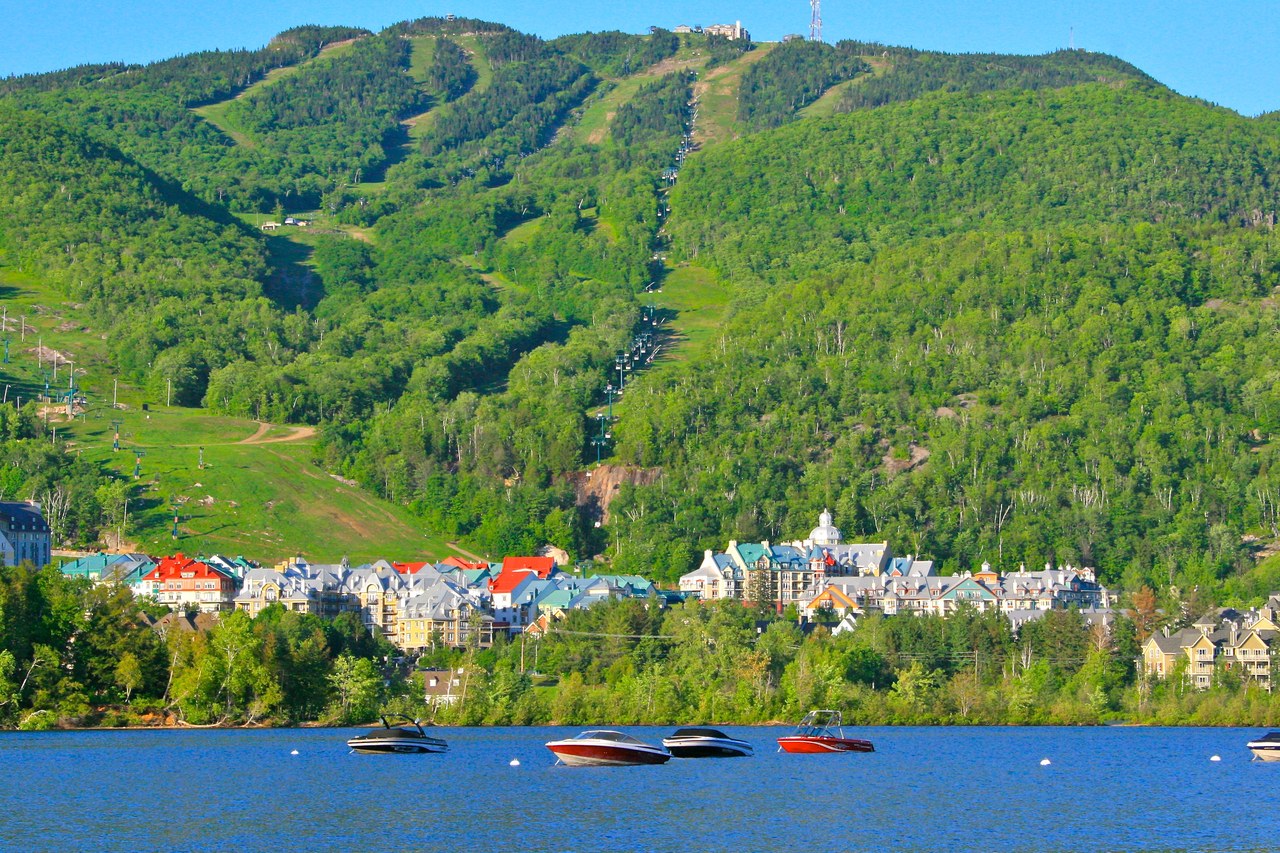
Ninety minutes north of Montreal, the Laurentians roll into Quebec’s best-known mountain playground. The pedestrian village at Tremblant is basically a Swiss alpine postcard dropped into the woods — all bright facades, crêperies, and the gondola sweeping overhead.
Summer is the secret season here, and the panoramic gondola is the move: 2026 summer rates start from $33 for an adult round trip to the 875-metre summit, with hiking trails fanning out across the top (I double-checked the seasonal schedule on Tremblant’s official site — it runs through mid-October, with the best fall colors in the last two weeks of September). Thrill-seekers can add the Via Ferrata on the national park’s cliff faces — fixed cables and ladders with a guide, which I watched other people do and felt perfectly happy about watching.
In winter it becomes one of eastern North America’s biggest ski resorts, so the village hums year-round. My take: two nights. One for the summit, one for the village patios.
6. The Saguenay Fjord
Here is a fact that rearranged my brain: the Saguenay is one of the longest fjords in the world, carved by glaciers, with cliffs rising up to 350 metres straight out of water that is salt at the bottom and fresh on top. Kayaking at the base of those walls — Cap Éternité looming over you like a cathedral wall — is the most “tiny human, big planet” I have felt in Quebec.
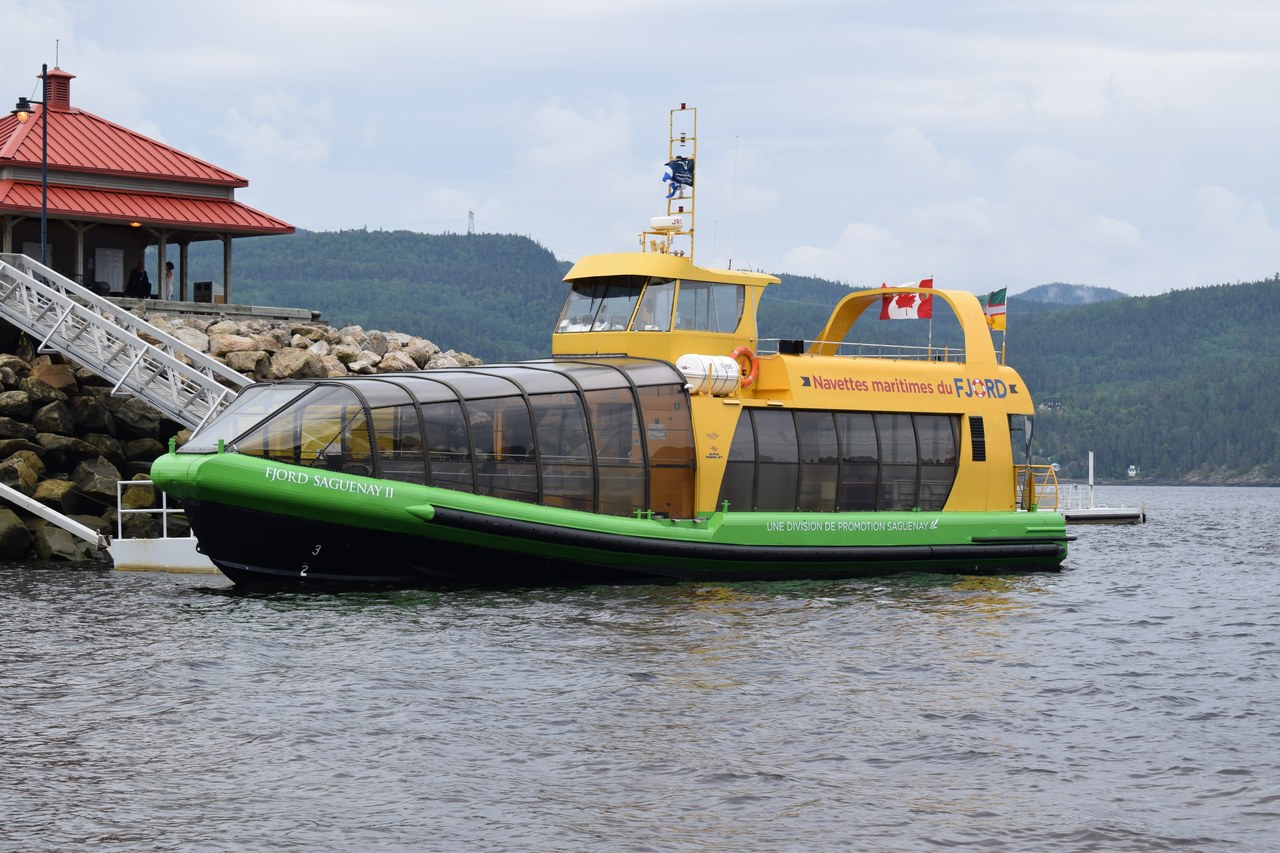
The Sentier de la Statue trail in Parc national du Fjord-du-Saguenay climbs to the Notre-Dame-du-Saguenay statue with the fjord spread out below; allow a half day and bring real shoes (I found this out the soggy way — my sneakers did not survive the descent). Base yourself in L’Anse-Saint-Jean or Sainte-Rose-du-Nord, the two storybook villages on the fjord’s edge. Not a hiker? The Navettes maritimes du Fjord run narrated summer cruises up the fjord — and fair warning, the afternoon sailings sell out, so book ahead.
7. Tadoussac: whale watching at the fjord’s mouth
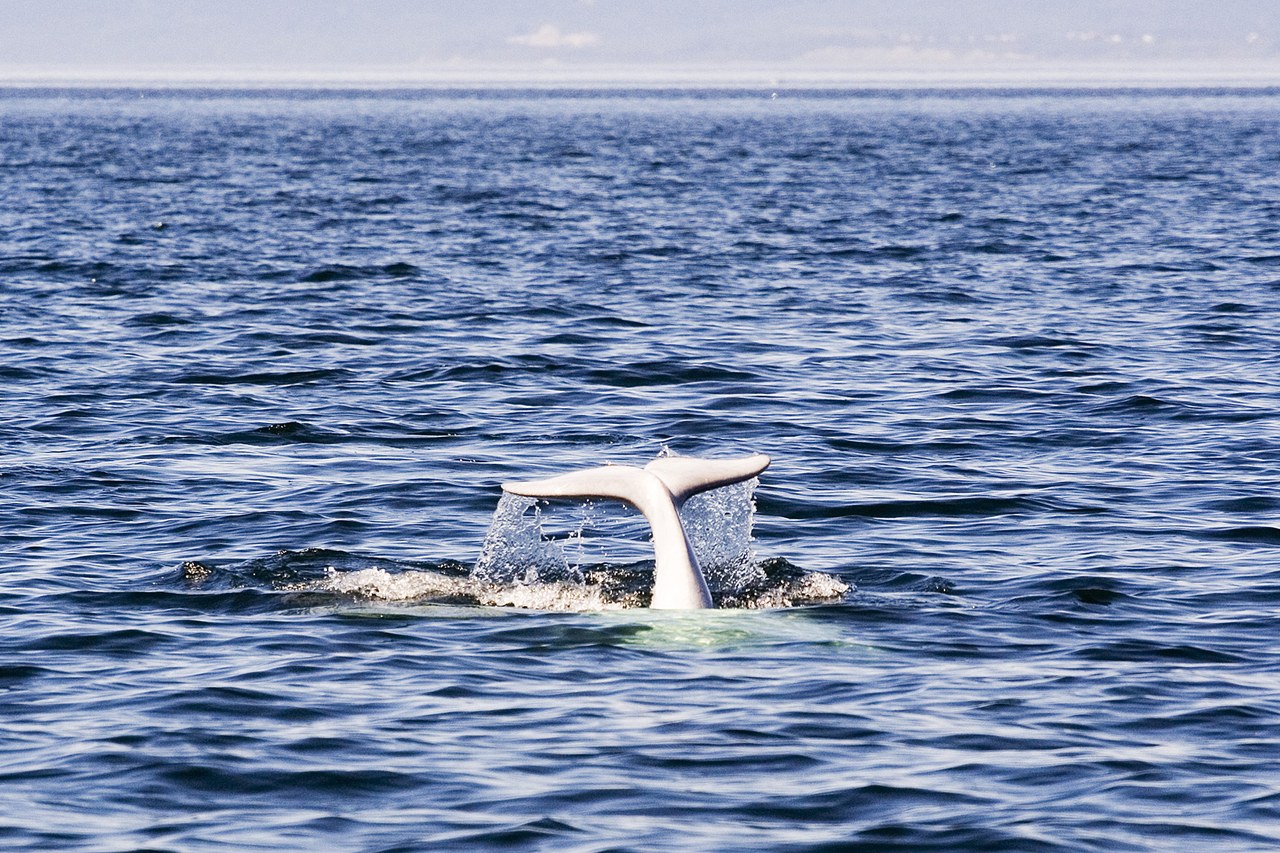
Where the Saguenay meets the St. Lawrence sits Tadoussac, a tiny village with the best whale watching in eastern Canada. From June through early October, the nutrient-rich currents draw in belugas (the ghost-white ones, resident year-round), minkes, humpbacks, and — if the water gods smile — blue whales, the largest animals on Earth.
I took the zodiac. Fair warning: “zodiac” means you are 30 centimetres from the water, the spray is freezing even in August, and a minke surfaced close enough that I forgot to take a single photo. Zero regrets. Book with a company that follows the whale-watching alliance guidelines, and — pro tip from the dockhand who sold me my ticket — the free shoreline viewing at Pointe-Noire across the fjord is genuinely excellent if tours are sold out.
8. Jacques-Cartier National Park
Half an hour north of Quebec City, this glacial valley is the easiest wilderness fix on the list — and the cheapest. The day pass is about $9 for adults (Sépaq’s parks are the best-value attraction in the province, fight me), which buys you 100+ km of trails along the Jacques-Cartier River, moose-spotting at dawn, and the famous Les Loups summit trail if your legs are feeling ambitious.
I rented a canoe for the river’s calm upper stretch — glassy water, granite walls, and a loon that followed us for twenty minutes like a curious dog. Check trail conditions on the official park page before you go: → Sépaq — Parc national de la Jacques-Cartier. In fall, the valley goes full red-and-gold, and the crowds are a fraction of the Laurentians’.
9. Percé Rock & Bonaventure Island (Gaspé Peninsula)

The Gaspé is a pilgrimage — Route 132 loops the entire peninsula, hugging the coast for nearly 900 km — and Percé Rock is the altar at the end. A 433-metre limestone giant with a natural arch punched through it, sitting in the Gulf of St. Lawrence like it owns the place. I arrived at low tide, walked the causeway, and stood under the arch while the light went pink. Some sights are famous because they’re famous; this one is famous because it is absurd.
Across the water, Bonaventure Island hosts one of the world’s largest northern gannet colonies — over 100,000 birds wheeling over the cliffs. The boat ride over doubles as a Percé Rock cruise, and the island hike to the colony is a full day you’ll talk about for years. Plan at least 3–4 days for the Gaspé loop; the seafood shacks along Route 132 (lobster rolls, snow crab, I’ll be honest — I ate my weight in both) are half the reason to go slow.
10. Charlevoix & the Flavour Trail
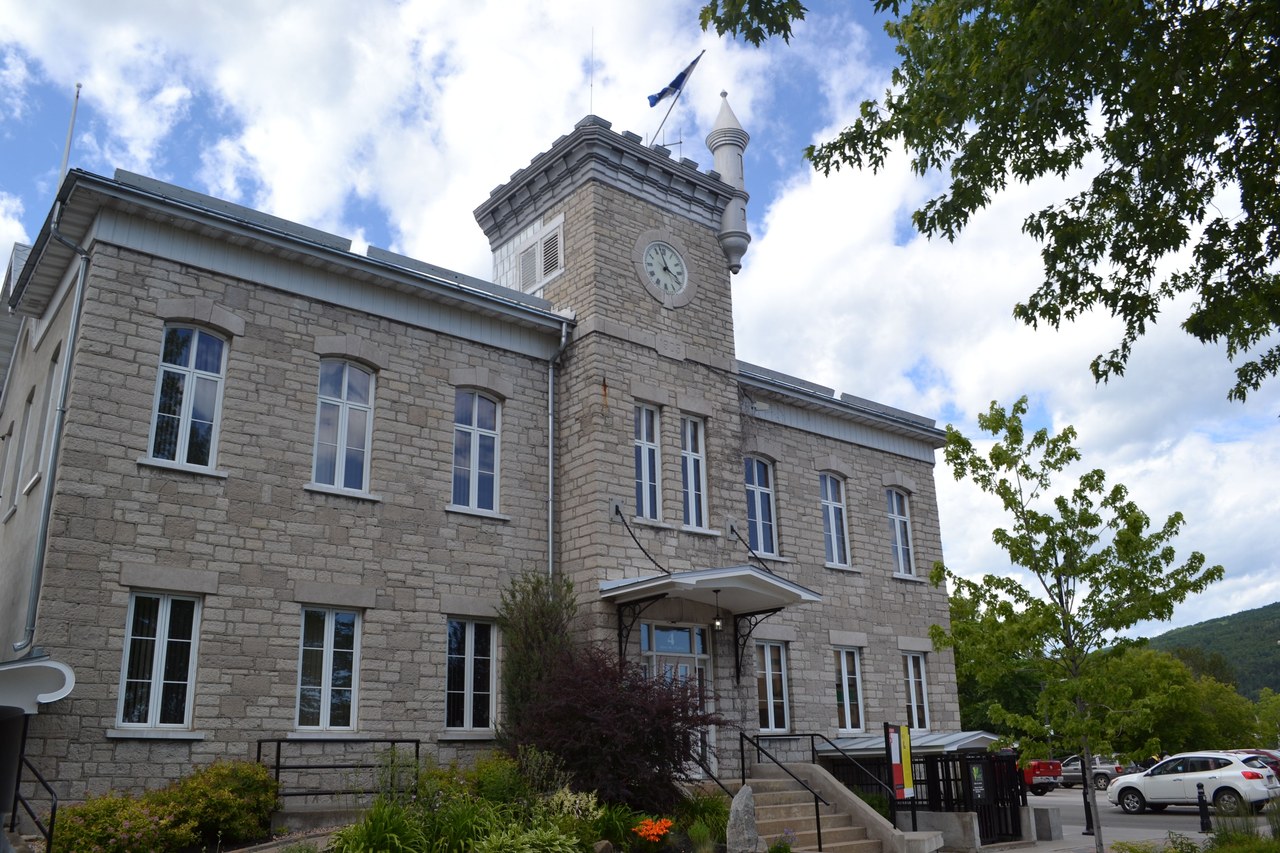
Charlevoix is where Quebec shows off — rolling mountains dropping into the St. Lawrence, and a food scene that treats the whole region like a farmers’ market. The Route des Saveurs (Flavour Trail) strings together cheesemakers, cideries, and farm shops between Baie-Saint-Paul and La Malbaie, and my entire afternoon became an unplanned cheese tour. (The spreadsheet said “cultural stop.” The spreadsheet was wrong, and I was delighted.)
Baie-Saint-Paul — birthplace of Cirque du Soleil, and famously one of Canada’s densest art-gallery towns — makes the perfect base. If you’re driving the loop, the Le Massif de Charlevoix scenic train from Quebec City is the lazy genius option: a narrated rail journey along the river with a gourmet lunch, and you don’t touch a steering wheel all day.
11. The Eastern Townships: wine country & covered bridges
Southeast of Montreal, the Townships trade drama for charm: rolling hills, Victorian villages, and Quebec’s wine country. The Brome-Missisquoi Wine Route links 20+ vineyards, and the local signature — ice cider, pressed from frozen apples — is the souvenir you will actually finish. I bought three bottles “for gifts.” Two survived the trip home.
The region is also covered-bridge country; the red wooden spans over the backroads feel frozen in 1890. Come in September and pair it with the foliage — the Townships’ maples turn early and the harvest tables are at their best. It’s an easy day trip from Montreal, but an overnight in Knowlton or North Hatley, with dinner on a lake-view terrace, is the move.
12. The Îles-de-la-Madeleine

The Magdalens are Quebec’s far-flung secret: a dozen islands in the middle of the Gulf of St. Lawrence, closer to Newfoundland than to Montreal, with red sandstone cliffs, white-sand beaches, and a fishing-village culture all their own. Getting here is part of the adventure — the ferry sails from Souris, Prince Edward Island (5 hours), or fly in from Montreal or Quebec City.
I spent three days cycling lighthouse to lighthouse, eating scallops straight off the boat, and watching the sun drop into the gulf from a red cliff at L’Étang-du-Nord. It is the quietest, windiest, most “edge of the world” place on this list — and the one I am most desperate to return to. Allow at least 4–5 days including travel; this is slow travel or nothing.
When to visit: festivals & seasons
Quebec is a four-season destination, but the calendar has peaks worth planning around — all 2026 editions below ran earlier this year, so use them as your reference and confirm 2027 dates on the official festival pages:
- Winter (Feb): the Carnaval de Québec — the 2026 edition ran February 6–15 in Quebec City, with the ice palace, night parades, and the ice-canoe race on the St. Lawrence. → Carnaval de Québec — official announcements
- Summer (late June–July): the Montreal International Jazz Festival (June 25–July 4 in 2026, 350+ concerts, more than two-thirds free) followed by Just for Laughs (July 15–26 in 2026) — downtown becomes one long pedestrian party.
- Fall (late Sept–mid Oct): foliage season. The Laurentians and Eastern Townships peak first; the Saguenay and Charlevoix a week or two later. Book lodging early — this is the second-busiest season after summer.
- Spring (Mar–Apr): sugaring-off season. A traditional cabane à sucre (sugar shack) meal — pea soup, ham, pancakes, all under maple syrup, finished with taffy poured on snow — is the most Quebecois thing you will ever eat. Do not skip it.
Getting around Quebec
- Montreal ↔ Quebec City: VIA Rail runs multiple trains daily between the two cities in about 3 hours — book on VIA Rail’s official site (viarail.ca) and reserve ahead for summer weekends. The train is my pick: downtown to downtown, no parking math.
- By car: essential for the Gaspé Peninsula, Charlevoix, the Eastern Townships, and the Saguenay. Distances are real — Montreal to Percé is a full day’s drive, so build in stops.
- Language: French is the everyday language, but you do not need to speak it to travel here — everyone in tourism speaks English. That said, a “bonjour” and “merci” go a genuinely long way. (My French is spreadsheet-level, and I was fine.)
What does a week in Quebec cost?
Mid-range, per person, prices checked October 2026 (items marked ~ are estimates):
| Item | Cost (CAD) |
|---|---|
| Mid-range hotel (double room, per night) | ~$180–280 |
| Casual restaurant meal | ~$20–35 |
| Notre-Dame Basilica, Montreal (adult) | $16 |
| Citadelle of Quebec guided tour (adult) | $22 |
| Tremblant panoramic gondola (adult, summer) | from $33 |
| Jacques-Cartier National Park day pass (adult) | ~$9 |
| VIA Rail: Montreal ↔ Quebec City (economy, one-way) | ~$55–80 |
| Daily budget, mid-range | ~$200–250 |
Tipping is 15–20% at restaurants, and sales tax (GST+QST, ~15% combined) is added at the register — the price on the tag is never the final price. Plan for it or it will ambush your budget.
My 7-day Quebec highlights route
If this is your first trip and you can’t do everything (you can’t — see “twice the size of Texas” above), here’s the loop my spreadsheet would hand you:
| Days | Where | Why |
|---|---|---|
| 1–3 | Montreal | Old Montreal + basilica, Plateau & Mile End, Mount Royal |
| 4–5 | Quebec City | Old Quebec walls, Citadelle, Petit-Champlain (VIA Rail between cities) |
| 6 | Charlevoix or Tremblant | Flavour Trail day trip, or gondola + summit trails |
| 7 | Back to Montreal | Sugar-shack lunch in season, or Bota Bota recovery session |
Want the full driving version? See our Quebec road trip itinerary and the ultimate Quebec travel guide.
FAQs about visiting Quebec
How many days do you need in Quebec?
A week is the sweet spot for a first trip: 3 days in Montreal, 2 in Quebec City, and 1–2 for a side trip (Charlevoix, Tremblant, or the Eastern Townships). The Gaspé Peninsula loop needs 3–4 days on its own, and the Îles-de-la-Madeleine deserve 4–5 days including travel — save those for trip two.
Is Montreal or Quebec City better for a first visit?
Different trips, honestly. Quebec City is the history-and-romance pick — compact, walkable, and impossibly photogenic. Montreal is the bigger, livelier city: neighborhoods, food, festivals, and nightlife. If you only have a long weekend, choose Quebec City. If you have 4+ days, do both — the VIA Rail ride between them is about 3 hours.
Do you need to speak French to visit Quebec?
No. French is the province’s official language and the everyday language of most Quebecers, but English is widely spoken in all tourist areas, hotels, and restaurants. Learning “bonjour,” “merci,” and “s’il vous plaît” is appreciated — starting an interaction in French, even badly, earns enormous goodwill.
Do I need a car to visit Quebec?
Not for the cities. Montreal and Quebec City are both walkable with good transit, and VIA Rail connects them directly. You will want a car for the Gaspé Peninsula, Charlevoix, the Eastern Townships, the Saguenay, and the Laurentians — the best of rural Quebec is a road trip.
What is the best time to visit Quebec?
It depends on the trip you want. July is peak festival season (jazz fest, Just for Laughs) with the warmest weather and highest prices. Late September to mid-October brings spectacular fall foliage. February hosts the Carnaval de Québec if you embrace winter. Shoulder seasons (May–June, September) offer the best balance of weather, prices, and crowds — my personal pick.
How much does a trip to Quebec cost?
Budget roughly $200–250 CAD per person per day for a comfortable mid-range trip (October 2026 prices): ~$180–280/night for a mid-range hotel room, ~$20–35 for casual meals, plus attraction tickets like the Notre-Dame Basilica ($16) and the Citadelle tour ($22). Taxes (~15% combined GST+QST) and 15–20% restaurant tips add up — factor them in.
Keep exploring
- The Ultimate 3 Days in Montreal Itinerary for 2026
- The Ultimate 2026 Montreal Travel Guide: Plan Your Trip