
Last updated: October 3, 2026
The short answer
- Old Quebec (Vieux-Québec) — the fairytale first-timer pick: cobblestones, the Château Frontenac, and everything walkable. Upper Town for the iconic views, Lower Town for the romantic lanes.
- Saint-Roch — my personal favorite: the foodie playground with microbreweries, inventive bistros on Rue Saint-Joseph, and modern hotels that cost less than a shoebox in Upper Town.
- Saint-Jean-Baptiste and Montcalm — the local-feel bases: bohemian Rue Saint-Jean with B&Bs and live music, or quiet artsy Montcalm near the museums and the Plains of Abraham. Sainte-Foy if you’re driving and watching the budget.
Okay, listen — I have a rule when I land somewhere new: I follow my nose to the best-smelling street, and I plan my whole stay around it. In Quebec City, that strategy led me straight down Rue Saint-Jean at golden hour, where the smell of warm croissants hit me from half a block away and I was already speed-walking. That’s the thing about this city — where you sleep decides what you smell, taste, and stumble into. Pick wrong and you’re commuting to the magic. Pick right and the magic is your morning routine.
I’ve stayed in four different Quebec City neighborhoods across three trips now, and I’ve eaten my way through all of them (carb-loading: a lifestyle, not a phase). This guide breaks down the five best areas to stay in Quebec City for 2026 — with honest hotel picks, the bed situation and shower pressure intel I actually care about, prices checked in October 2026, and the “order this, skip that” food verdicts. First-timers: start with Old Quebec. Everyone else: keep reading, because Saint-Roch might steal your heart like it stole mine.
Old Quebec (Vieux-Québec): the fairytale first-timer pick
If it’s your first visit, stay here. Full stop. Old Quebec is a UNESCO World Heritage site — the only fortified city north of Mexico — and it’s split into two levels: Upper Town (Haute-Ville) perched on the Cap Diamant cliff, and Lower Town (Basse-Ville) tucked at its base along the St. Lawrence. Everything is walkable, everything is photogenic, and yes, the streets really are that charming at 7 AM when the cruise-ship crowds haven’t woken up yet.
Upper Town: around the Château Frontenac
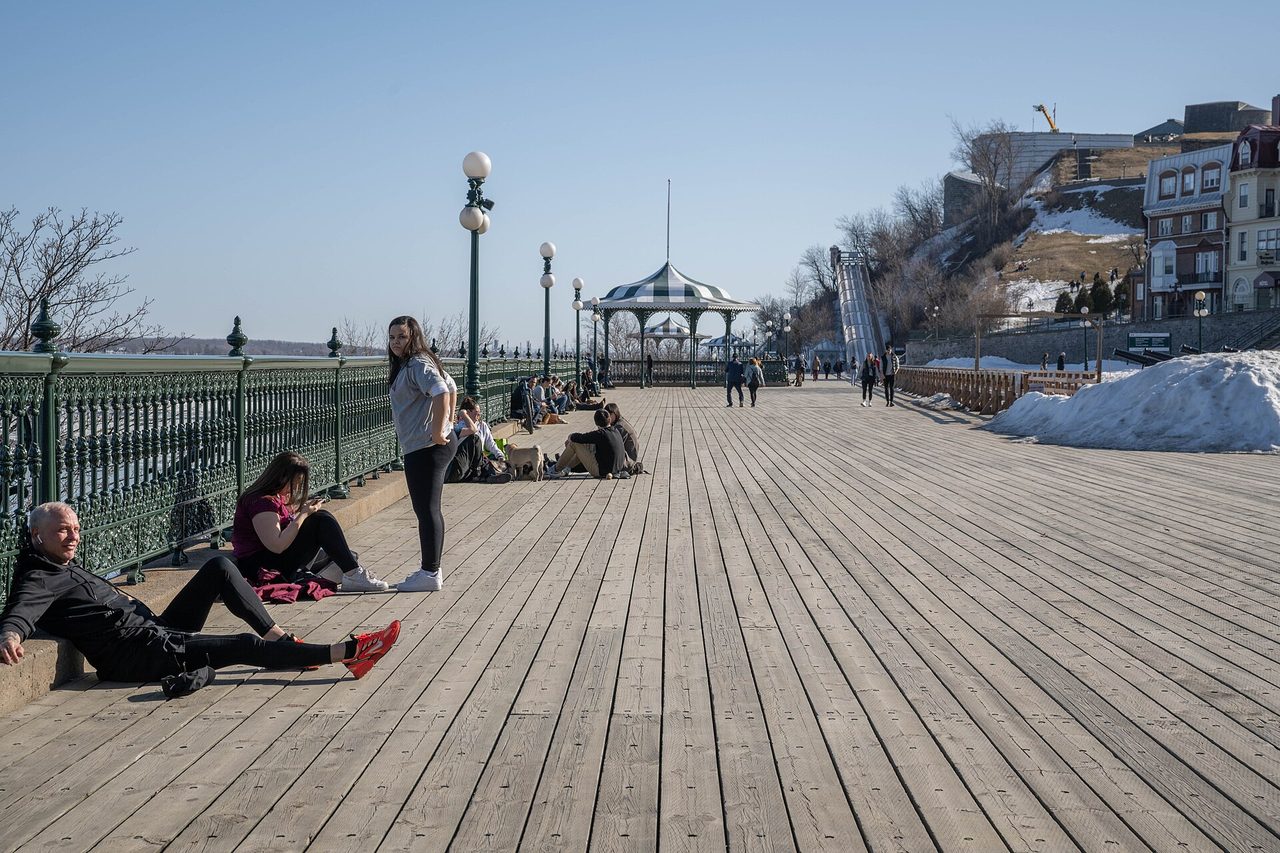
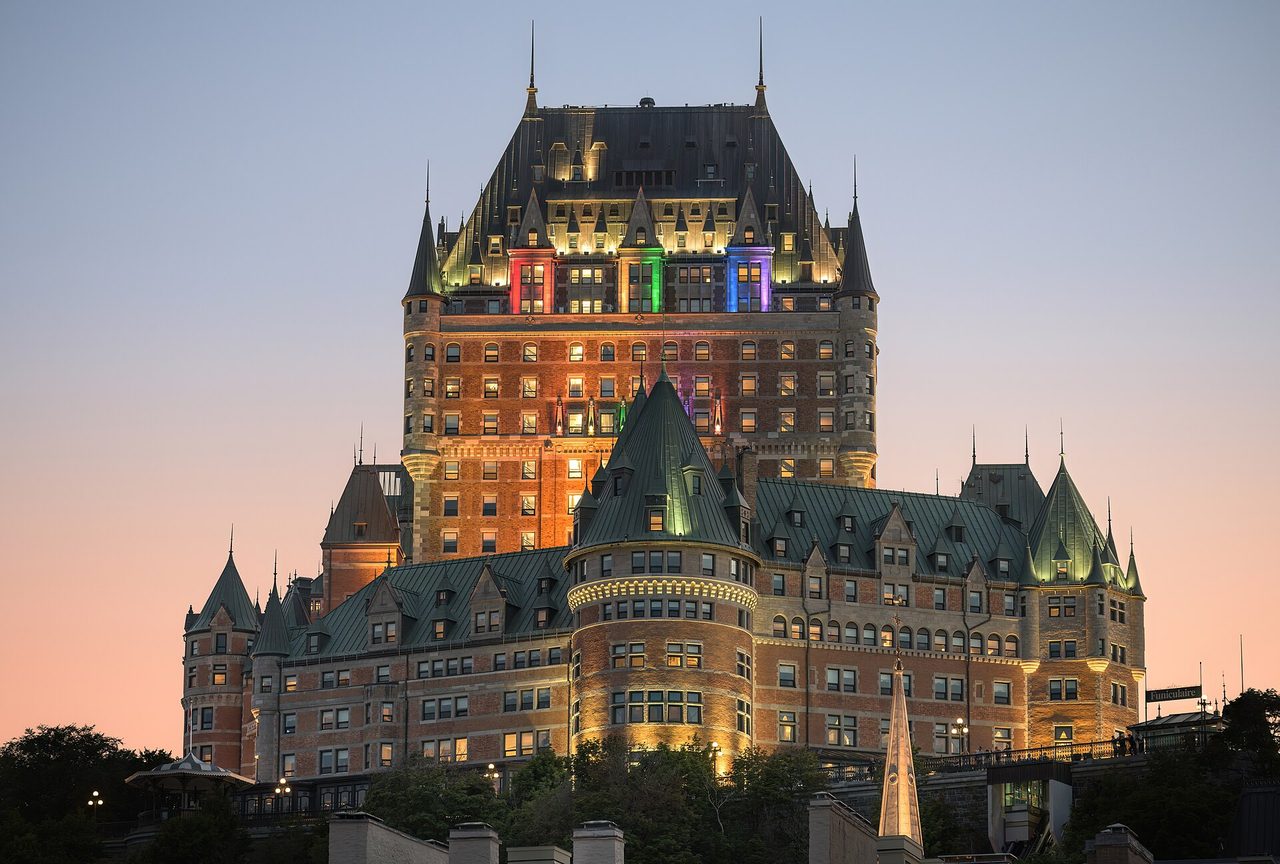
The Fairmont Le Château Frontenac is the castle on the hill — opened in 1893, designed by architect Bruce Price for the Canadian Pacific Railway, and considered the most photographed hotel in the world. I checked the history on the hotel’s official page before my trip and honestly, standing in front of it at dusk, I get it. If you’re splurging, this is the splurge: river-view rooms, the legendary afternoon tea, and Dufferin Terrace — the wide boardwalk running right alongside it — as your front porch.
More my speed: the Monastère des Augustines, a 17th-century monastery turned wellness hotel, opened to guests in 2015. No TV, silent breakfast, yoga and meditation classes — rates from ~$153 CAD single / ~$200 CAD double with that silent breakfast included. I would go back just for the calm. The bed situation is simple (think historic-chic, not pillow-top luxury), but I slept like I was in a convent, which, well. Also strong in Upper Town: Hôtel Manoir Victoria, a classic downtown base steps from everything, and Hôtel Le Priori, a boutique hotel in a 1734 building with loft-style rooms.
Honest note: Upper Town rooms are small, the streets are steep, and you’ll pay the tourist tax for the privilege. Worth the hype for a first trip. Just book early — summer and Winter Carnival sell out months ahead.
Lower Town: Petit Champlain and the Old Port
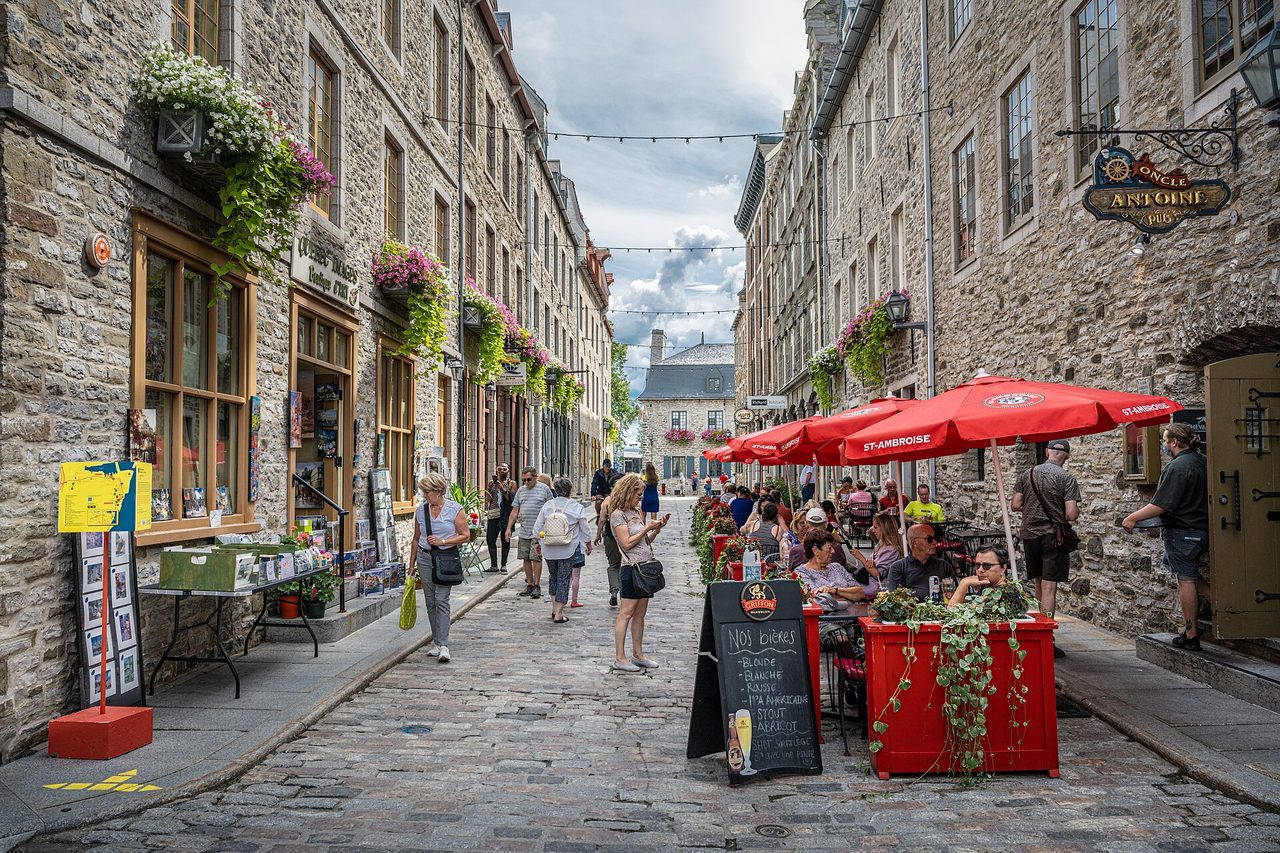
Now we’re talking romance. Quartier Petit Champlain — billed as the oldest shopping street in North America — is a tangle of stone lanes where every doorway is a gallery, a chocolaterie, or a tiny inn with creaky floors. I stayed in a boutique room here once and fell asleep to a street musician playing guitar below my window. Chef’s kiss. Did I need the river-view room with the original stone fireplace? No. Did I book it? Obviously.
Lower Town is where you find the city’s best splurge hotels: the Auberge Saint-Antoine, a two-Michelin-key Relais & Châteaux property in the Old Port with 700+ historical artifacts built into the walls (rates from ~$217 CAD), and Hotel 71, a former bank with sleek rooms overlooking the St. Lawrence. The connecting thread between the two towns: the Old Quebec Funicular, running since 1879, which glides from Dufferin Terrace down to Petit Champlain in about a minute. It runs every few minutes and costs ~$6–7 CAD per ride (price from recent 2026 visitor reports — it creeps up, so bring a few coins). I learned the hard way that after 11 AM in summer, the line is all cruise-ship crowds — go before 10 AM and you’ll walk right on.
The Citadelle and the city walls

Staying in Old Quebec puts you minutes from the Citadelle de Québec — an active military fortress and the Governor General’s second residence — and the 4.6 km of ramparts you can walk along for free. I double-checked tour times on the official Citadelle site before my visit and I’m glad I did, because they shift seasonally. Morning tours beat the afternoon rush, and the changing of the guard in summer is legit adorable.
Saint-Roch: where the foodies live (my favorite)
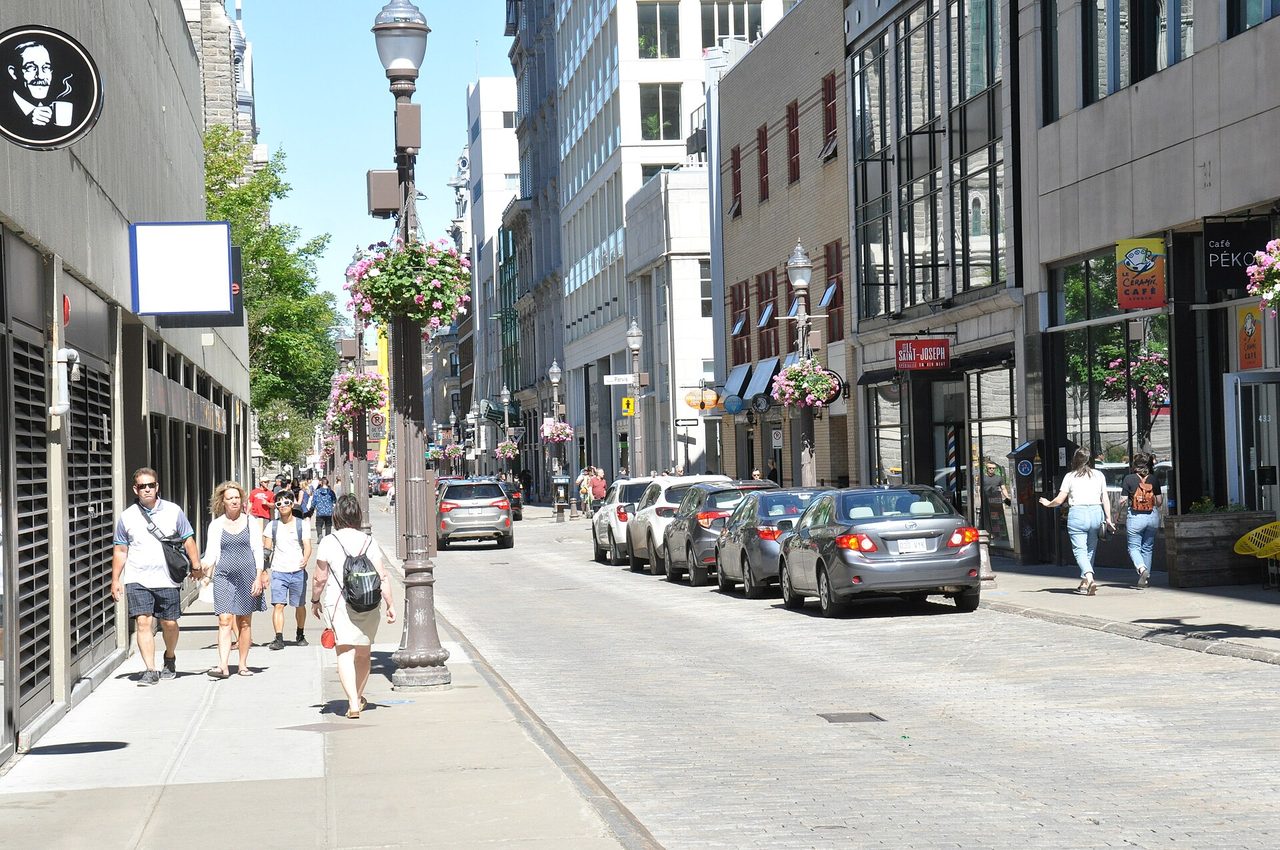
Okay, here’s my confession: after three trips, Saint-Roch is where I actually want to live. Just downhill from the old walls, this former working-class district is now Quebec City’s trendiest quarter — microbreweries, indie boutiques, tech startups in converted factories, and Rue Saint-Joseph, the main artery, lined with the city’s most exciting restaurants. The official Québec City tourism site calls it the hippest of the Lower Town — they’re not wrong.
The food scene here is where I do my most joyful damage. Le 101 at 101 rue Saint-Joseph Est does refined French bistro cooking that a local food writer I met called their “second home” — the kind of place where you taste the chef’s whole life story in one plate. La Planque is a buzzy gastropub doing elevated Canadian fare (the tartare, whatever it is that night — order it). Le Clocher Penché does classic French bistro plates that are consistently excellent. And for something truly special, L’Affaire est Ketchup on Rue Saint-Jean — tiny room, two seatings (6 PM and 8:30 PM), the menu announced to the whole dining room at once. I once showed up without a reservation and got the world’s politest rejection. Book days ahead. Not worth the risk of winging it; absolutely worth the hype.
Hotel-wise, this is where your money goes furthest. Hotel PUR, a Tribute Portfolio Hotel and Hotel Royal William are stylish, modern, and romantic picks in the neighborhood; Le Saint-Édouard is another solid bet. Four-star rooms here start around ~C$343 (recent booking data), and my room had blackout curtains that actually worked — shower pressure: elite. It’s flat, walkable, and only about 15–20 minutes on foot to the old city. Digital nomads have figured this out: the coffee shops have fast Wi-Fi and even faster baristas.
Saint-Jean-Baptiste: bohemian, budget-friendly, and buzzing
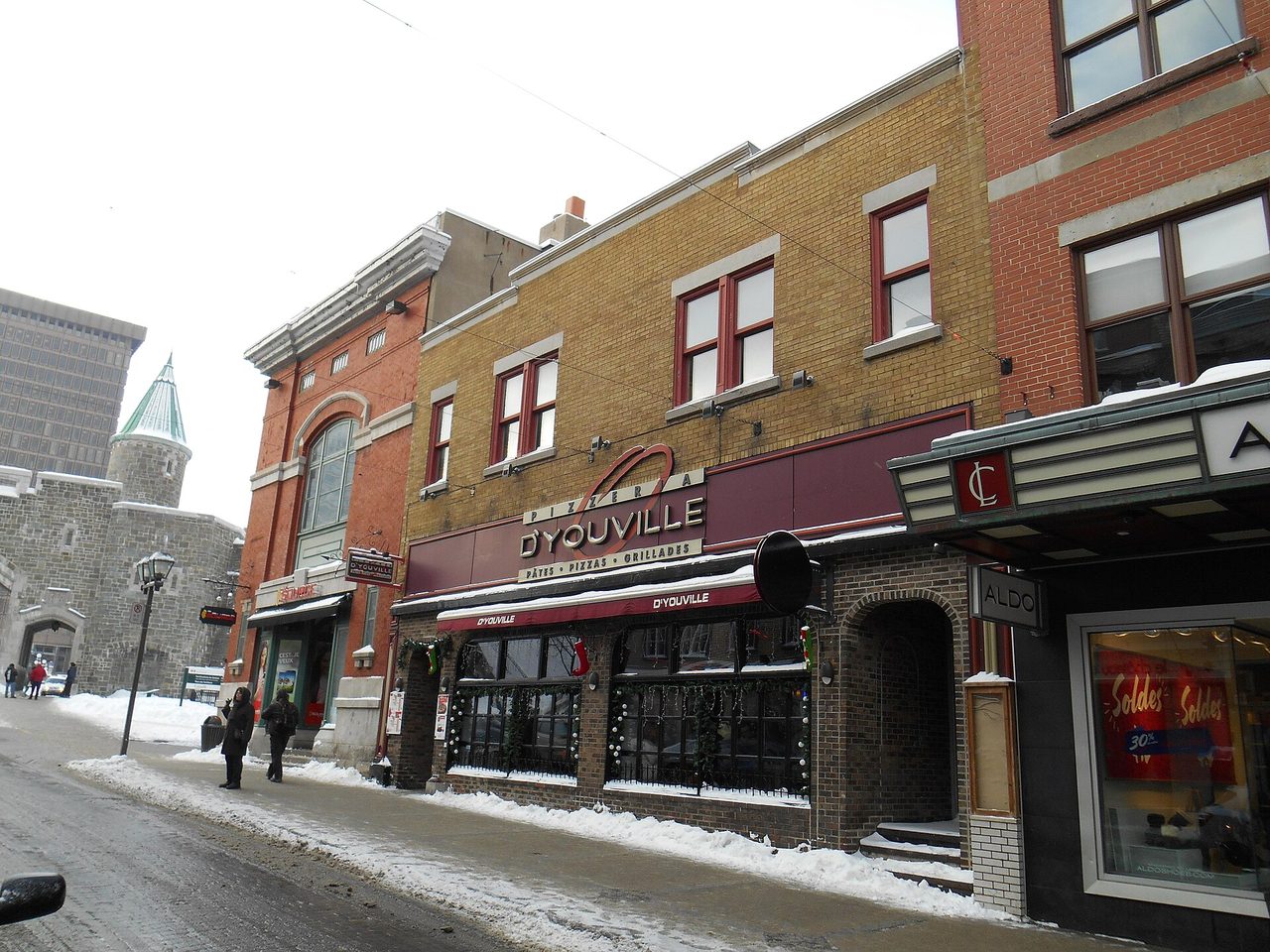
Squeezed between Old Quebec and Montcalm, Saint-Jean-Baptiste is the city’s bohemian heart — and the tourism board calls it a foodie’s paradise, which, as a food person, I can confirm. Rue Saint-Jean runs the length of the neighborhood: bakeries, chocolate shops, bookstores, record stores, and in summer, stretches that close to cars and turn into a giant pedestrian hangout. I got lost in a vintage shop here for an hour and came out with a scarf I absolutely did not need. Zero regrets.
This is the best area to stay in Quebec City on a budget without feeling like you’re compromising. The B&Bs and guesthouses — many in gorgeous old row houses — run roughly ~$130–250 CAD a night (recent listings put places like Hotel Charles-Alexandre around ~$156 and Auberge Aux Deux Lions near ~$149). The nightlife is the real draw: cozy pubs, local bands, Quebec microbrews on every menu. Our server at one spot insisted we try a flight of local IPAs — she was right, as servers usually are.
Bonus: you’re a short walk from the Plains of Abraham, the city’s big green lung, and the summer festivals that take it over in July.
Montcalm: artsy, quiet, and family-approved
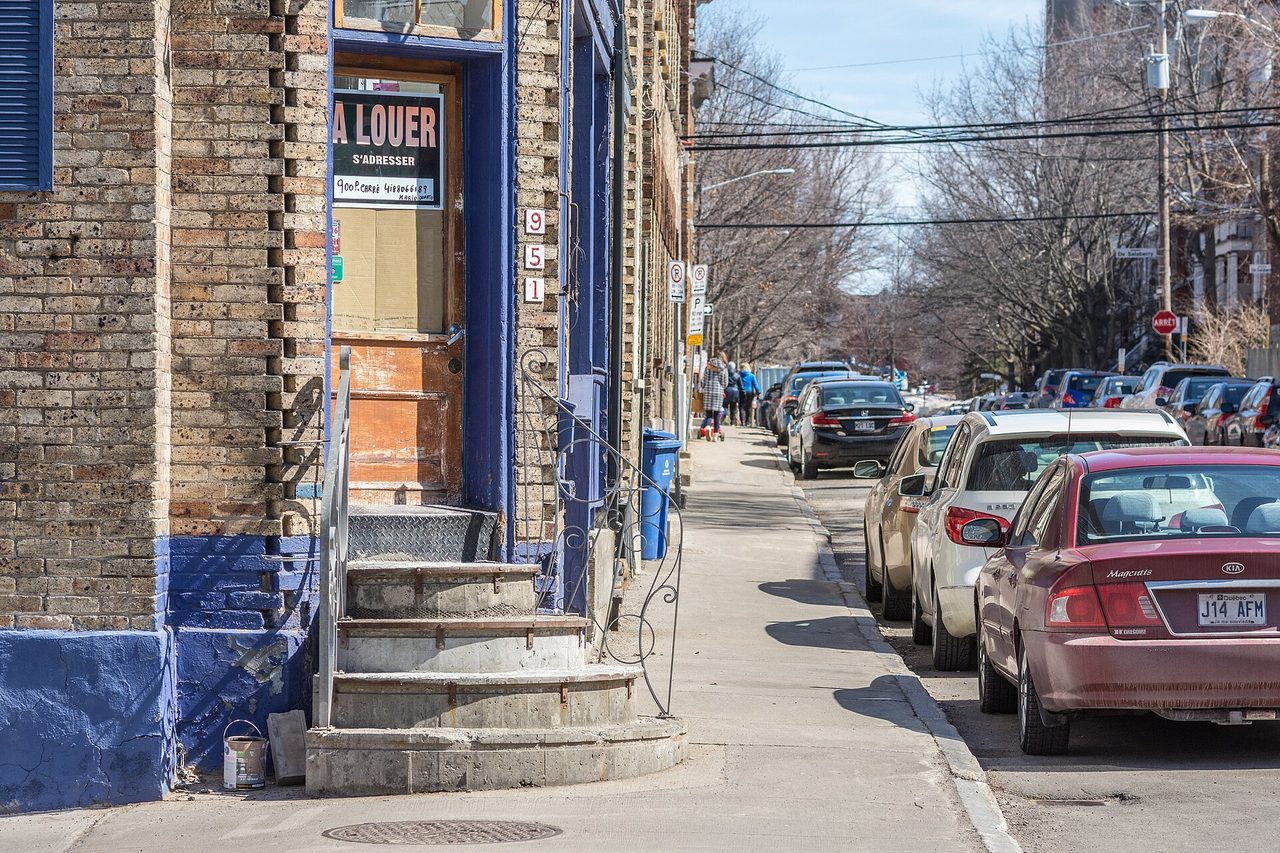
If Saint-Roch is the cool younger sibling, Montcalm is the elegant one who has its life together. Right next to the Plains of Abraham, this upper-town district is all gracious houses, art galleries, and Avenue Cartier — a restaurant-lined street that locals treat as their own private patio in summer. At its end rises the Musée national des beaux-arts du Québec, the national fine arts museum, with the Plains as its backdrop. The official tourism site calls Montcalm the crown jewel of the upper town, and the quiet streets make that feel true.
This is my pick for families and anyone who wants to sleep well. It’s residential, calm, and still an easy walk (or short bus ride) to Old Quebec. Grande Allée — the grand boulevard on its edge — packs in restaurants and bars for the evenings you don’t feel like cooking. Prices sit comfortably mid-range, roughly ~$180–300 CAD a night.
Driving? Consider Sainte-Foy
If you’ve got a car, Sainte-Foy (about 15 minutes west) trades charm for practicality: chain hotels, easy parking, and the cheapest rates in the metro area (~$120–200 CAD). Not romantic, but legit if you’re doing a Quebec road trip and just need a clean bed near the highway. Real talk — I’d rather pay a bit more and wake up somewhere I can walk to breakfast.
Where to eat: my shortlist by neighborhood
I plan trips around meals, so here’s the honest version — the order-this, skip-that list:
- Old Quebec (Upper Town) — Restaurant La Bûche (49 Rue Saint-Louis). Modern sugar-shack vibes: tourtière with that flaky, buttery crust, poutine with the squeakiest curds, and a brunch French toast with maple-caramelized apples. I could smell the allspice and brown butter from the doorway and I was already seated. Order the tourtière. → Also grab a late-night poutine at Chez Ashton, the local chain — it’s the people’s choice for a reason.
- Saint-Roch — Le 101, La Planque, Le Clocher Penché. Work your way down Rue Saint-Joseph and you cannot go wrong. For craft beer, the microbreweries around Jean-Paul-L’Allier Square are the move.
- Saint-Jean-Baptiste — L’Affaire est Ketchup. The special-occasion dinner. Two seatings, seasonal menu, book days ahead — and trust the menu announcement, don’t try to be clever.
- Montcalm — Avenue Cartier. Wander and pick by craving; the terrasse people-watching is half the meal. Grande Allée for the classic Quebec City brasserie night.
- Sweet tooth anywhere — the chocolate shops of Rue Saint-Jean and Petit Champlain. I bought chocolate in three neighborhoods. A comparison was necessary. For science.
For a full trip plan built around these neighborhoods, see our 2-day Quebec City itinerary and the Ultimate Quebec City Travel Guide.
How much does it cost to stay in Quebec City?
Typical nightly rates per neighborhood (CAD, October 2026 — items marked ~ are estimates; summer and Winter Carnival run higher, May and November run lower):
| Neighborhood | Typical nightly rate | Best for |
|---|---|---|
| Old Quebec — Upper Town | ~$300–600+ | First-timers, luxury, the Château Frontenac splurge |
| Old Quebec — Lower Town / Old Port | ~$250–500 | Couples, boutique-hotel lovers, foodies |
| Saint-Roch | ~$150–350 | Foodies, nightlife, remote workers, value |
| Saint-Jean-Baptiste | ~$130–250 | Budget charm, B&Bs, live music |
| Montcalm | ~$180–300 | Families, art lovers, quiet streets |
| Sainte-Foy | ~$120–200 | Drivers, families on a budget |
Taxes add up in Quebec (GST + QST + a lodging tax), so mentally add ~15–20% to whatever rate you see. Parking in Old Quebec runs ~$25–40 a day at hotel garages — another reason I love the flat, transit-friendly neighborhoods. For the bigger picture on trip costs, check our Ultimate 2026 Travel Guide to Quebec.
Which neighborhood is right for you? A quick comparison
| If you want… | Stay in… | Why |
|---|---|---|
| The classic first visit | Old Quebec — Upper Town | Château Frontenac, Citadelle, Dufferin Terrace — all walkable |
| Romance and charm | Lower Town / Petit Champlain | Stone lanes, tiny inns, river views, street music |
| The best food scene | Saint-Roch | Rue Saint-Joseph bistros, microbreweries, best value hotels |
| Bohemian vibes on a budget | Saint-Jean-Baptiste | B&Bs, Rue Saint-Jean, live music, Plains of Abraham nearby |
| Quiet and family-friendly | Montcalm | Museums, parks, Avenue Cartier dining, calm streets |
| Cheap and practical | Sainte-Foy | Budget chains, easy parking, 15 min from the center |
Explore all the neighborhoods on the official Québec City tourism neighbourhoods page, and start with Old Québec on the official tourism site if it’s your first trip.
Practical tips before you book

- Hills are real. Upper Town to Lower Town is a serious climb — the funicular (~$6–7 CAD) is your friend, and your calves will write you thank-you notes. Saint-Roch and Montcalm are blissfully flat by comparison.
- Winter is a whole season, not an off-season. The Carnaval de Québec (late January to mid-February) turns the city into a snow-globe — ice sculptures, night parades, Bonhomme himself. Hotels book out and prices spike, so reserve months ahead. I went once in February and ate poutine in -20°C. Legit one of my favorite meals ever — the cheese curds were basically room temperature compared to my face.
- Summer means crowds. July and August are peak: book 3–6 months out for Old Quebec, especially weekends.
- You don’t need a car downtown. The RTC bus system covers the neighborhoods well, and the flat districts are walkable. If you do drive, confirm hotel parking costs before booking — Old Quebec garages are not cheap.
- French helps, English works. A cheerful “bonjour” goes a long way; everyone in hospitality speaks English.
FAQs about where to stay in Quebec City
What is the best area to stay in Quebec City for first-timers?
Old Quebec (Vieux-Québec) — it’s the UNESCO-listed historic core with the Château Frontenac, the Citadelle, Dufferin Terrace, and Petit Champlain all within walking distance. Stay in Upper Town for the iconic views and easy sightseeing, or Lower Town for the most romantic streets. Book 3–6 months ahead for summer and Winter Carnival dates.
Is Saint-Roch a good area to stay in Quebec City?
Yes — it’s my top pick for food lovers and repeat visitors. The former industrial district is now the city’s trendiest quarter, with Rue Saint-Joseph’s bistros and microbreweries, modern hotels like Hotel PUR and Hotel Royal William at better prices than Old Quebec (~$150–350 CAD a night), and a flat, walkable layout about 15–20 minutes on foot from the old city.
Where should I stay in Quebec City on a budget?
Saint-Jean-Baptiste for charming B&Bs and guesthouses (~$130–250 CAD a night) with a lively local scene, or Sainte-Foy for the cheapest chain-hotel rates (~$120–200 CAD) if you’re driving. The Monastère des Augustines in Upper Town is a unique wellness-hotel option from ~$153 CAD single, silent breakfast included.
Is it better to stay in Upper Town or Lower Town in Old Quebec?
Upper Town (Haute-Ville) puts you near the Château Frontenac, the Citadelle, and Dufferin Terrace with the best views — but expect hills and higher prices. Lower Town (Basse-Ville) has the romantic Petit Champlain lanes and Old Port boutique hotels like Auberge Saint-Antoine. The 1879 funicular connects them in about a minute for ~$6–7 CAD, so you can easily enjoy both wherever you sleep.
Which Quebec City neighborhood is best for families?
Montcalm — quiet residential streets, the Plains of Abraham park next door, the fine arts museum, and family-friendly dining on Avenue Cartier, with mid-range hotels (~$180–300 CAD). Budget-conscious families with a car should look at Sainte-Foy for chain hotels with pools and free parking.
Do I need a car in Quebec City?
No — not for the central neighborhoods. Old Quebec, Saint-Roch, Saint-Jean-Baptiste, and Montcalm are all walkable and served by the RTC bus network. A car is only useful for day trips (like Montmorency Falls) or if you’re staying in Sainte-Foy. If you do drive into Old Quebec, budget ~$25–40 a day for hotel parking.
1 comment