
Last updated: October 3, 2026
The short answer
- Entry rules: Most visitors need an eTA (CAD $7, valid 5 years, air travel only) — apply on the official Government of Canada site before you book. ArriveCAN’s advance customs declaration is optional but handy at major airports.
- One side per trip: Canada spans six time zones. For two weeks, pick the West (Rockies + Vancouver) or the East (Toronto, Niagara, Montréal, Québec City) — not both, unless you fly between them.
- Budget realistically: Plan ~$250–400 CAD per person per day for a mid-range trip; the Parks Canada Discovery Pass ($83.50/adult for 2026) is a game-changer if you’re visiting multiple national parks.
Planning a trip to Canada is my favorite kind of chaos: the country is enormous (the world’s second-largest, six time zones, and I checked — you really cannot “just drive” Vancouver to Toronto in a weekend), and every corner of it makes a different case for visiting. I’ve done this trip four times now in various combinations, and I built this guide the way I plan everything: a color-coded spreadsheet’s worth of research, boiled down to what actually matters. Here’s the thing — most Canada trips go wrong in exactly two ways: people try to see too much, and they underestimate how big “big” is here. This guide fixes both, with 2026 entry rules, prices, and seasonal advice checked in October 2026.
Before you fly: entry rules, ArriveCAN and insurance
Getting across the border is straightforward as long as your paperwork is sorted before you leave home (I once watched a couple at my departure gate discover the eTA on the fly — do not be them).
- eTA (Electronic Travel Authorization): If you’re from a visa-exempt country (UK, most of the EU, Australia, Japan and others) and flying to Canada, you need an eTA. It costs CAD $7, is linked electronically to your passport, is usually approved within minutes, and stays valid for 5 years (or until your passport expires). Apply only on the official Government of Canada site — third-party copycat sites charge inflated fees for the same thing. → Government of Canada — apply for an eTA
- US citizens: no eTA, no visa — just a valid passport for stays up to 6 months.
- Everyone else: you’ll need a visitor visa (CAD $100), which takes longer — start at least a few months before your flight. (The live post mentioned a 3-month rule of thumb; processing times vary by country, so check early.)
- ArriveCAN: fair warning — this is optional since 2022, not a requirement. I still fill out the Advance CBSA Declaration in the free app up to 72 hours before landing, because it genuinely speeds up the kiosk line at Pearson and YVR. → Government of Canada — ArriveCAN
- Cannabis: legal inside Canada, illegal to carry across the border in either direction. Pro tip: declare all food, plants and animal products at customs — a forgotten apple can earn you a fine.
Travel insurance is non-negotiable. Canada’s hospitals are excellent and its bills for non-residents are eye-watering. Make sure your policy covers emergency medical and evacuation, and if you’re skiing, biking or rafting, confirm those activities specifically. I double-checked the current entry rules on the official Government of Canada immigration pages while updating this — they change, so do the same before you fly. Our full breakdown is here: Canada travel insurance guide.
When to visit Canada: a season-by-season planner
I’ll be honest — “the best time to visit Canada” is the question I get most, and the answer is always “for what?” The country is too big for one answer: Vancouver can be drizzly in November while Québec City is buried in a blizzard. Here’s my honest breakdown:
| Season | What’s great | Fair warning |
|---|---|---|
| Summer (June–Aug) | Peak everything: turquoise lakes, open mountain passes, festivals, long daylight | Busiest and priciest — book Rockies hotels 6 months ahead; mosquitoes in the woods |
| Fall (Sept–Oct) | Fall foliage in Ontario/Québec, salmon runs in BC, lower prices | Some alpine trails close early; book aurora trips ahead |
| Winter (Dec–Mar) | World-class skiing (Whistler), Québec City under snow, northern lights season | Serious cold; winter tires mandatory in Québec and mountain passes |
| Spring (Apr–May) | Shoulder-season prices, waterfalls at full force, waking wildlife | Mud season — trails messy, alpine lakes still frozen |
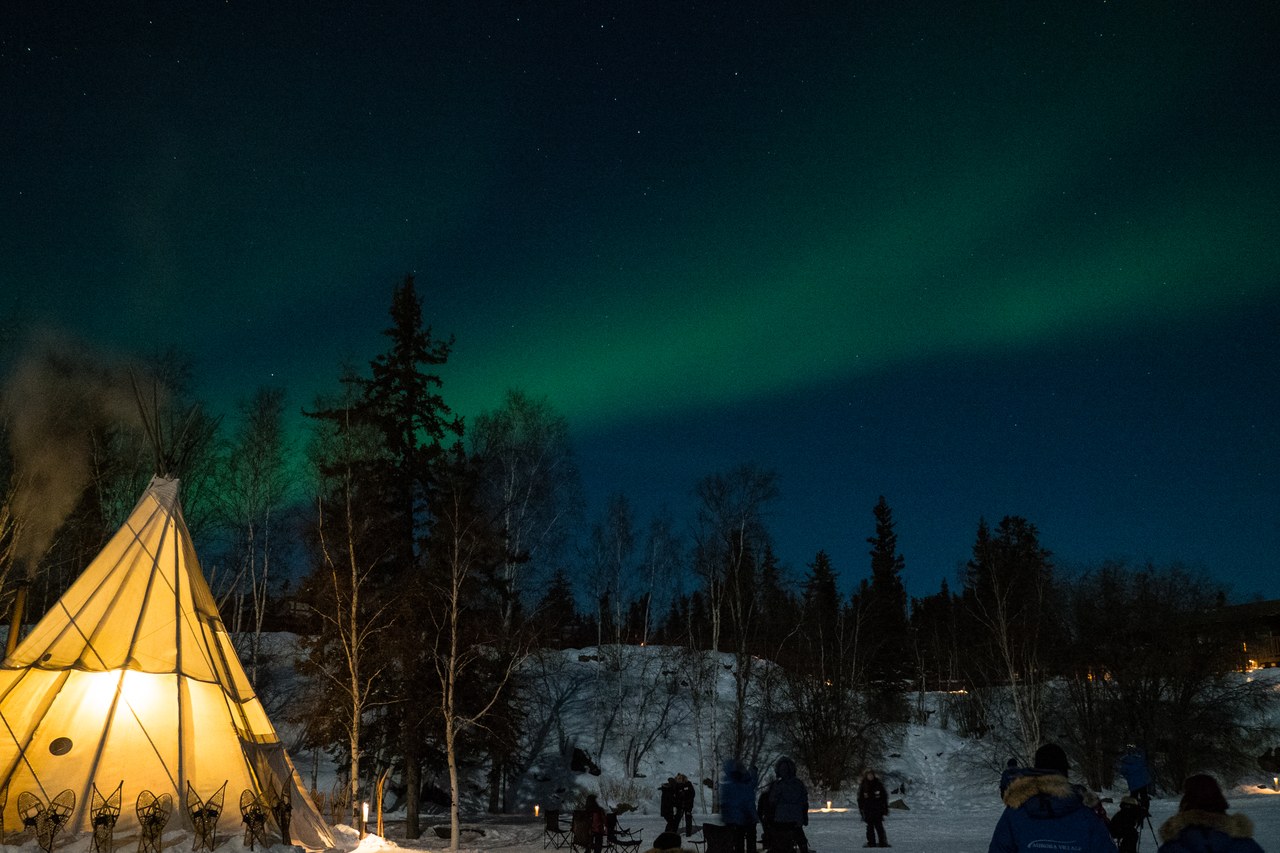
Northern lights deserve their own callout. Head to Yellowknife or Whitehorse for the best odds: aurora season runs roughly mid-August to mid-April, with the clearest, coldest nights in February and March, and September offering milder temperatures with dark skies. Give yourself at least 3–4 nights to allow for cloud cover. And here’s a 2026-specific pro tip: we’re near a solar maximum (the peak was around 2025–2026), so aurora activity is expected to be especially strong — I first read about the solar-cycle timing on a Yellowknife tour operator’s page, and every guide I asked confirmed this is a genuinely great year for it. Nighttime lows can hit −40°C in deep winter, so rent proper expedition gear.
The West: mountains, coast and the world’s prettiest highway
If your heart wants glaciers, alpine lakes and ocean air, go west. This is the outdoor-adventure side of Canada, and it never disappoints me.
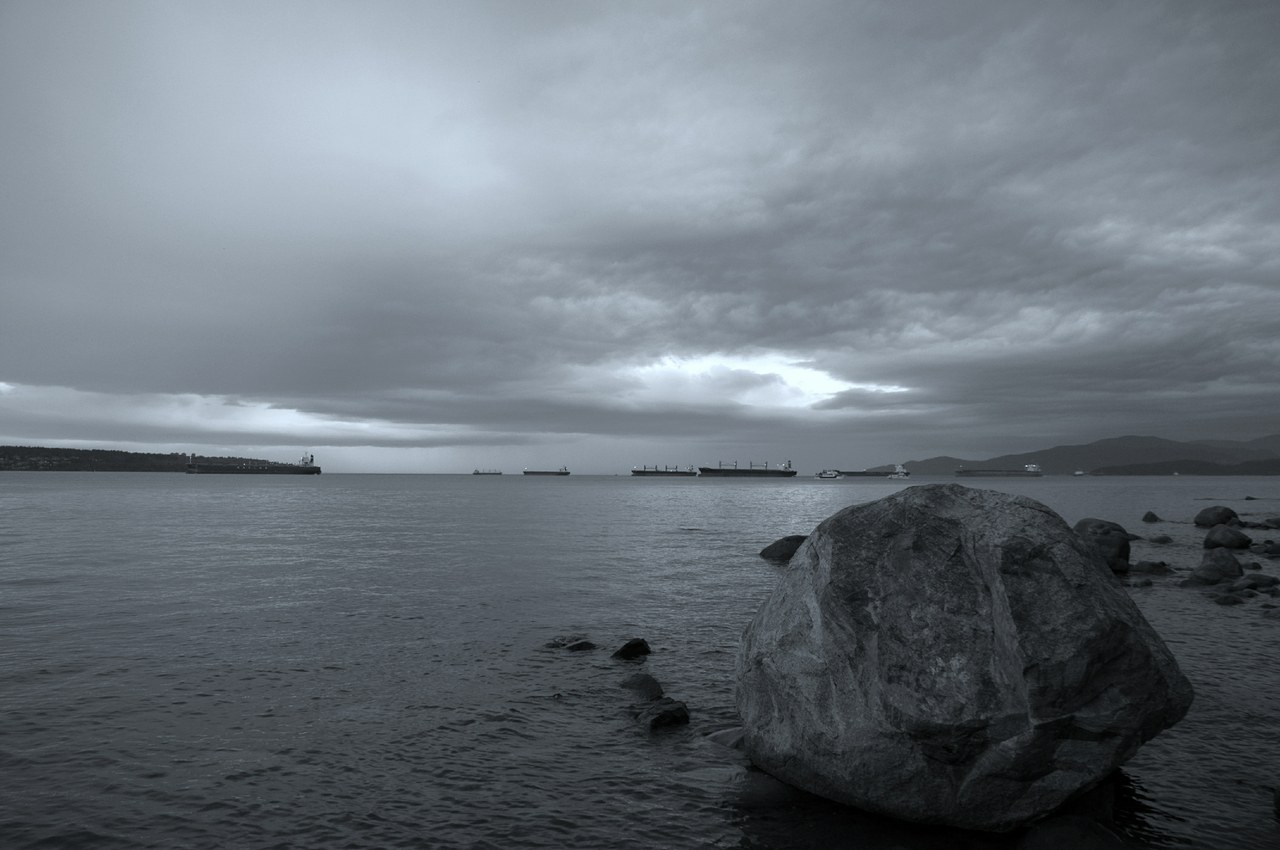
Vancouver is the perfect base: a real city wedged between mountains and the Pacific. I start every Vancouver visit with the Stanley Park Seawall — a flat 10 km loop you can bike in about an hour, and I timed it. Granville Island’s food market is the best lunch decision you’ll make all week. Day trip across to Victoria for Butchart Gardens (spectacular in any season — I’ve been twice, once in bloom, once in snow) and the harbor’s very-English charm. See our Ultimate Vancouver Travel Guide for the full play-by-play.
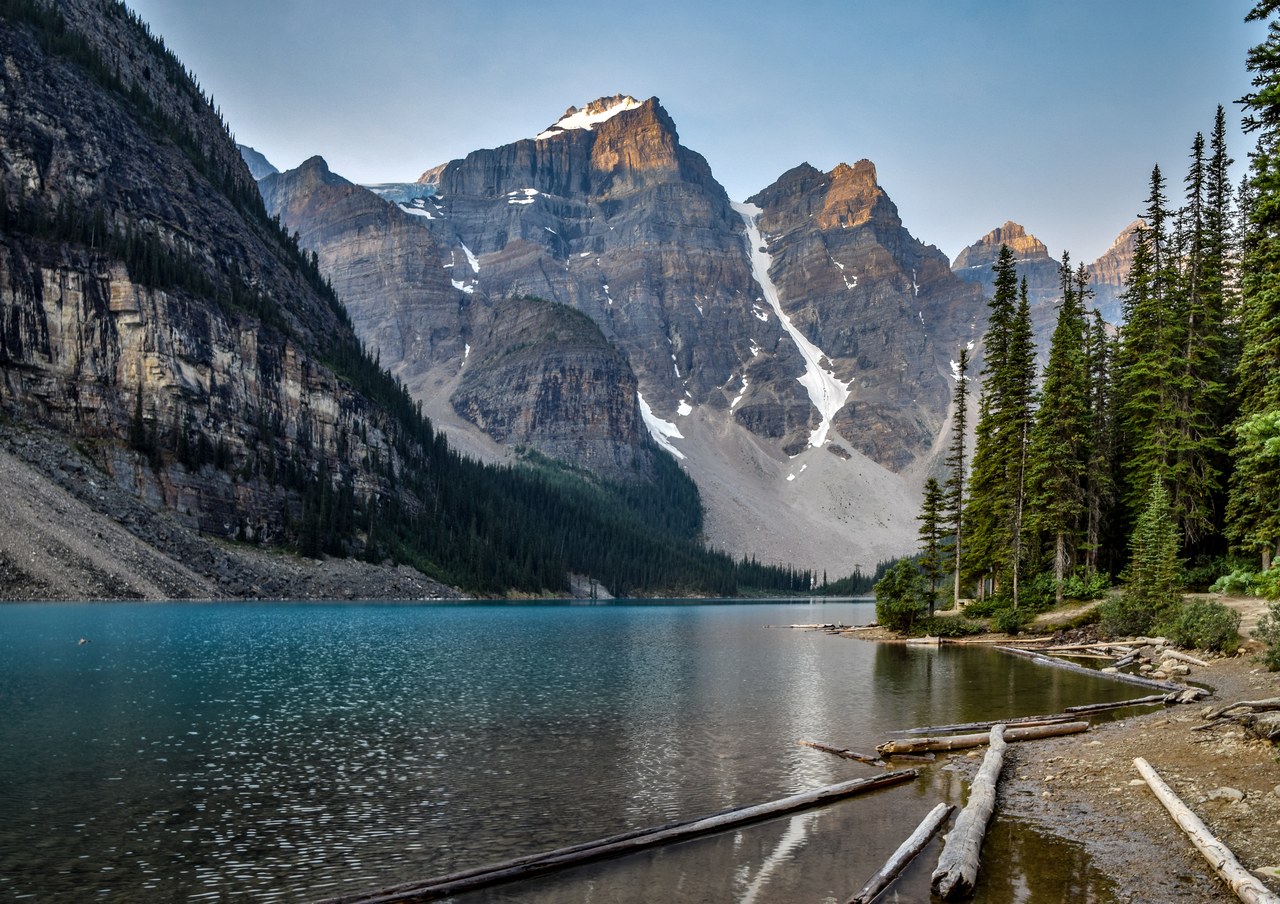
The Rockies (Banff, Lake Louise, Jasper) are the headliner. The Icefields Parkway between Lake Louise and Jasper is, I’m convinced, the most beautiful 230 km of road on the planet — turquoise lakes, glaciers spilling off the peaks, and elk grazing like they own the place (they do). Moraine Lake’s sunrise is the famous one, and I’ll be honest: I tried to wing it without a reservation the first time. Never again — the parking fills up and the shuttle system is the only sane way in now. Read the full logistics in our Banff travel guide.
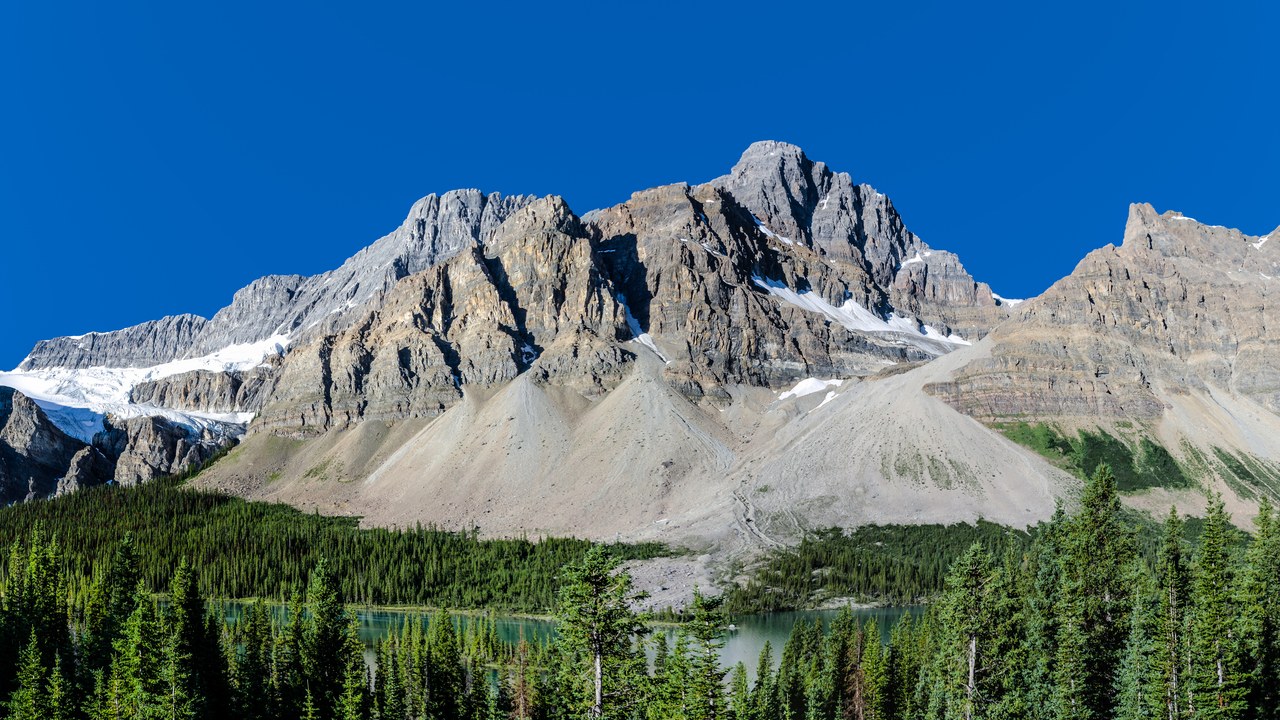
Parks Canada Discovery Pass: this is the game-changer. 2026 prices are $83.50/adult, $71.50/senior, $167.50/family (daily admission at Jasper is ~$12.25/adult, ~$24.50/family), and one pass covers 80+ national parks and historic sites for 12 months. A ranger at the Banff gate told me the break-even is roughly seven days of daily fees — do the math for your itinerary. I checked these prices on Parks Canada’s official fee page before writing this. → Parks Canada — official fee schedule
Whistler pairs perfectly with Vancouver — two hours up the Sea to Sky Highway, world-class skiing in winter and gondola-sightseeing in summer (my full day-by-day plan is in the 3-day Whistler itinerary). And if you’re in Calgary in early July: the Calgary Stampede (July 3–12, 2026) is ten days of rodeo, pancake breakfasts and midway chaos — book hotels early, because a million people have the same idea.
The East: cities, falls and French Canada
If you want history, food scenes and European flavor, go east. This side runs on a tighter, very doable train corridor.
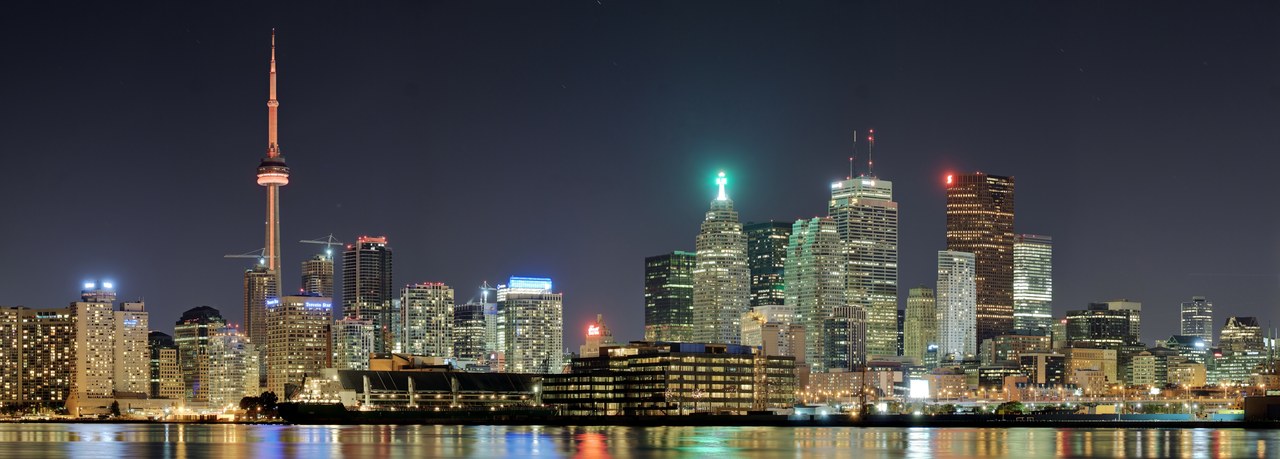
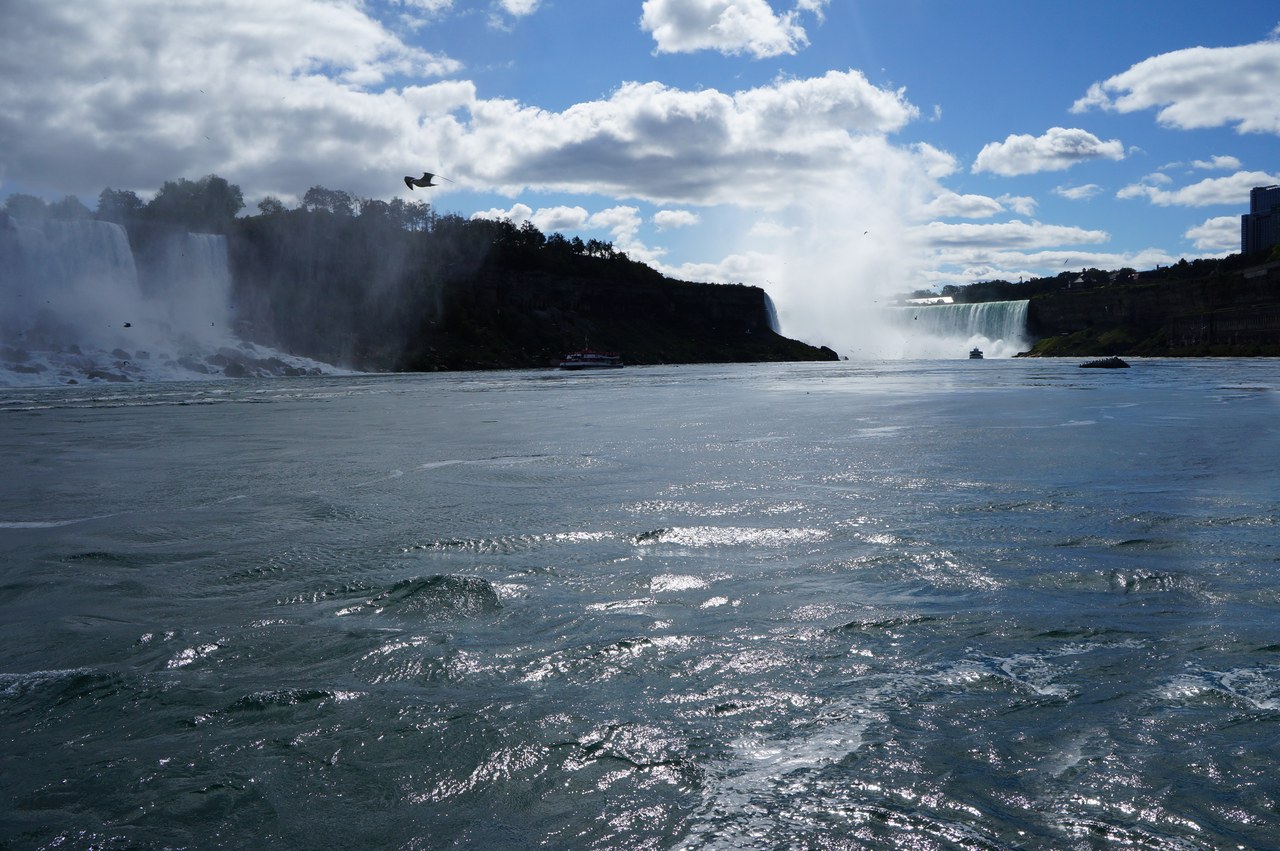
Toronto is Canada’s biggest, most multicultural city — you can eat your way around the world in a weekend. Go up the CN Tower (the glass floor is a 15-second thrill and a lifetime of bragging rights), wander the Distillery District’s brick lanes, and yes, take the day trip to Niagara Falls. Trust me on this one: do the boat tour. I stood at the railing in a very unflattering poncho, completely soaked, laughing like a kid — it’s the only way to feel the falls. Our full guide: Toronto travel guide and Niagara Falls travel guide.
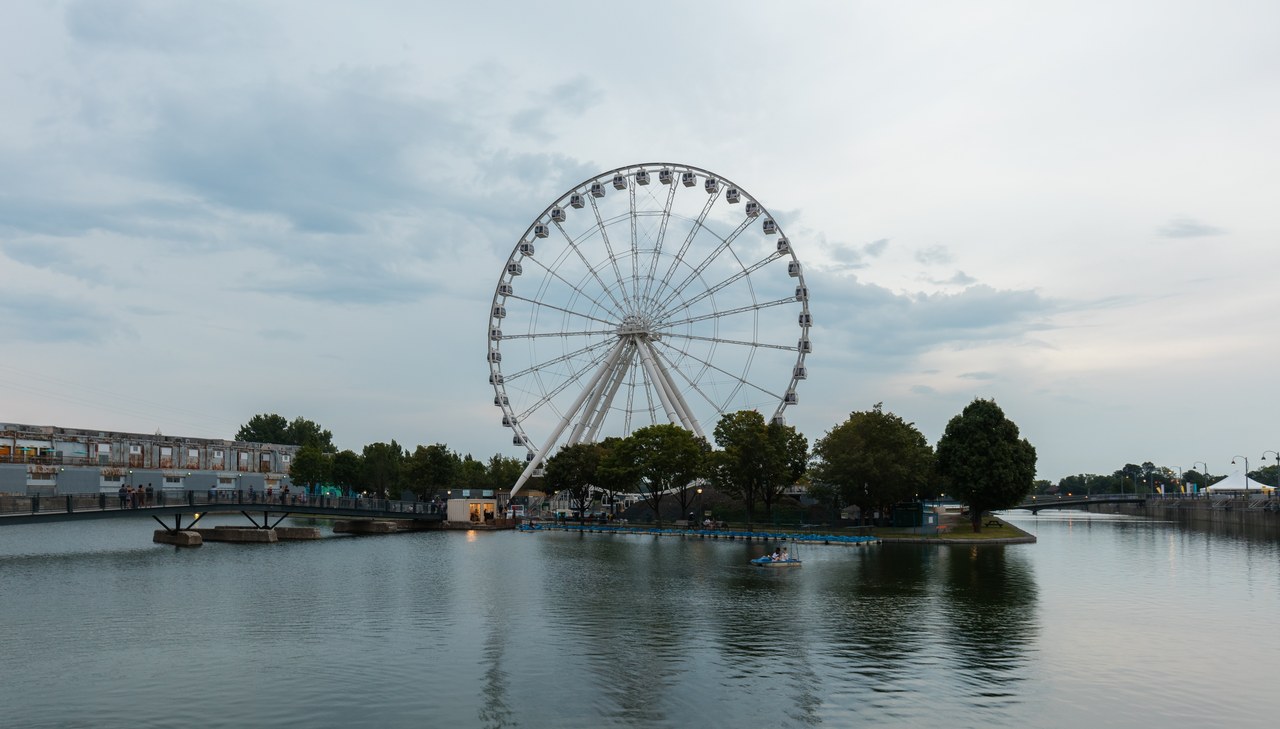
Montréal is the festival-and-food capital — poutine at 2 AM, bagels from a wood-fired oven, the Old Port glowing at night. Then Québec City: the only walled city in North America north of Mexico, and in winter it genuinely looks like a gingerbread village. A “bonjour” and “merci” goes a long way here — every local I asked said the same thing. In December, the German Christmas Market under the Château Frontenac is the most romantic thing I have ever walked through (and I plan trips for a living).
Don’t skip Ottawa between the two — Parliament Hill, the Rideau Canal skating in winter, and world-class museums in a very walkable, relaxed capital (our Ottawa travel guide covers it). And if you have extra days, the Atlantic provinces — Nova Scotia’s coastlines and the famously friendly locals — are a whole separate trip worth taking (start with our Nova Scotia guide).
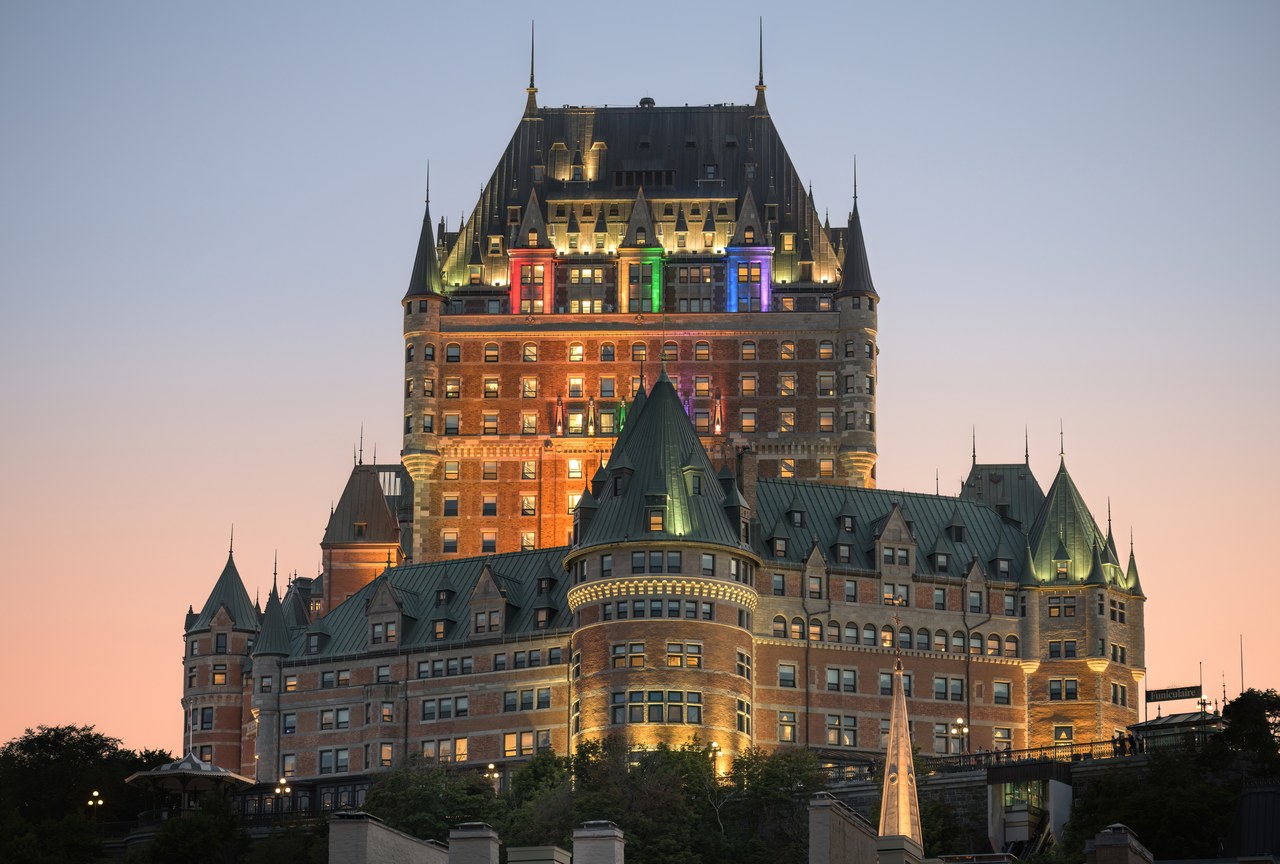
West or East? Here’s my planner’s rule: mountains and adventure → West; history, food and culture → East. If you have three weeks, fly between Calgary and Toronto (~4 hours) and do both.
Getting around: respect the distances
Canada’s scale is the thing that breaks itineraries. The VIA Rail line from Toronto to Vancouver is a four-day journey — I timed nothing, because the train does it for you — and that fact alone should tell you everything. Smart movement beats more movement.
- Rent a car for the national parks. The Rockies, the Icefields Parkway, Atlantic Canada — you need wheels. Gas is pricier than the US; fill up before long mountain stretches. In winter, confirm winter tires (mandatory in Québec by law, December 1 – March 15, and essential in the mountains). I found this out the expensive way once near Jasper — do not be me.
- VIA Rail’s “The Canadian” (Toronto–Vancouver) is a bucket-list sleeper journey: dome cars, dining-car meals, four days of prairie-to-peak scenery. 2026 fares run from ~$444 CAD economy to ~$1,960 per person for a cabin-for-two sleeper (double occupancy) — I checked sample 2026 fares on rail-booking sites before writing this. The Corridor (Toronto–Ottawa–Montréal) is fast, affordable and often easier than driving between eastern cities. → VIA Rail — official schedules & fares. Our deep dive: Canada train travel guide.
- Fly the long hops. Air Canada, WestJet and Porter cover the country; book domestic legs a few months out. Calgary–Toronto is ~4 hours by air vs. days by road — that’s how you do both coasts in one trip.
- Cities are car-free-friendly. Toronto’s subway and streetcars, Vancouver’s SkyTrain, Montréal’s metro — all excellent. Every city lets you tap a credit card or phone at the gate now, so no ticket-machine anxiety.
How much does 2 weeks in Canada cost?
Is Canada expensive? It’s not Southeast Asia, but it’s manageable with planning — and it’s high-value for what you get. Here’s my realistic mid-range per-adult budget for 14 days (checked October 2026; items marked ~ are estimates):
| Item | Cost (CAD) |
|---|---|
| Domestic flights (1–2 legs, e.g. Calgary–Toronto) | ~$150–300 each |
| Hotels (mid-range, ~$180–280/night) | ~$2,500–3,900 |
| Car rental (~$70–100/day for ~7 days) | ~$500–700 |
| Food & drink (~$70–110/day) | ~$1,000–1,500 |
| Attractions (CN Tower, boat tours, gondolas) | ~$250–400 |
| Parks Canada Discovery Pass (adult) | $83.50 |
| Realistic total, per adult | ~$4,500–7,000 |
Budget stretchers that actually work: grocery-store breakfasts and picnic lunches (my planner’s #1 savings hack); the Discovery Pass instead of daily park fees; free walking tours and free museum evenings in big cities; and shoulder season (May, October) when hotels drop noticeably. Budget travelers doing hostels and transit can manage ~$150–200/day; a splurge-y couple’s trip runs ~$400–600/day.
Tipping and tax: tip 15–20% at sit-down restaurants (servers rely on it); ~10–15% for bars and taxis. And fair warning — Canadian shelf prices exclude sales tax, which adds 5–15% depending on the province. The menu price is never the final price.
Two sample 2-week itineraries
Option A: The Western Explorer (Vancouver → Calgary, 14 days)
Days 1–3: Vancouver (Stanley Park, Granville Island, day trip to Victoria). Days 4–5: Whistler (gondola, village). Days 6–7: drive to the Rockies via Kamloops. Days 8–13: Banff, Lake Louise, the Icefields Parkway, Jasper. Day 14: Calgary. This is the nature-lover’s trip — mountains, lakes, glaciers, and one very scenic highway. Need it tighter? See our best 14-day Canada itinerary or the 10-day Canada itinerary.
Option B: The Eastern Heritage Trail (Toronto → Québec City, 14 days)
Days 1–4: Toronto + Niagara Falls day trip. Days 5–6: train to Ottawa (Parliament Hill, museums). Days 7–9: train to Montréal (food tour, Old Port). Days 10–12: train to Québec City (Old Town, the wall, the Citadelle). Days 13–14: buffer or a side trip — the Laurentians in fall are a game-changer. This whole route is easy by train, no car needed.
FAQs about planning a Canada trip
Do I need a visa or an eTA to visit Canada?
It depends on your nationality. Travelers from visa-exempt countries (UK, most of the EU, Australia, Japan and others) need an eTA to fly to Canada — CAD $7, usually approved within minutes, valid 5 years, applied for only on the official Government of Canada site. US citizens need just a valid passport. Everyone else needs a visitor visa (CAD $100), so apply months ahead.
When is the best time to visit Canada?
Summer (June–August) is peak season: warm weather, open mountain passes and festivals — but also crowds and high prices. Fall (September–October) brings foliage and lower prices; winter (December–March) is for skiing and northern lights; spring (April–May) is cheapest but muddy. For the Rockies’ turquoise lakes, go June–September.
Is Canada expensive to visit in 2026?
A mid-range 2-week trip costs roughly $4,500–7,000 CAD per adult, including hotels, food, a domestic flight or two, car rental days and attractions. Budget travelers can manage ~$150–200/day with hostels and transit; a splurge trip runs $400–600/day per couple. The Parks Canada Discovery Pass ($83.50/adult) saves real money on multi-park trips.
Do I need a car in Canada?
In cities — no. Toronto, Vancouver and Montréal have excellent transit with tap-to-pay at the gates. For the national parks — yes, mostly. The Rockies, the Icefields Parkway and Atlantic Canada are far better with a rental car. The eastern corridor (Toronto–Ottawa–Montréal–Québec City) is very easy by VIA Rail train instead.
Is 2 weeks enough for Canada?
Two weeks is enough for one side of the country done well — the West (Rockies + Vancouver) or the East (Toronto, Niagara, Montréal, Québec City). Trying to do both by land means too much transit; if you want both, budget a domestic flight between Calgary and Toronto and plan on three weeks.
When and where can I see the northern lights in Canada?
Yellowknife (Northwest Territories) and Whitehorse (Yukon) are the top spots, with aurora season running mid-August to mid-April. Stay 3–4 nights for cloud cover, and dress for −25°C or colder in deep winter. 2026 is an especially good year — we’re near a solar maximum, so displays should be strong.
2 comments