
Last updated: October 3, 2026

The short answer
- Daily budgets: A thrifty backpacker-style trip runs ~$90–120 CAD per day; a comfortable mid-range trip lands around ~$200–300 per day (estimates, October 2026).
- Biggest savings: Fly ultra-low-cost carriers with only a personal item, book VIA Rail on Discount Tuesdays with code TUESDAY, and travel in shoulder season (May–June, September–October).
- The $83.50 trick: A Parks Canada Discovery Pass ($83.50 adult) pays for itself in about 7 days of park visits — cheaper than paying daily gate fees on any Rockies trip.
I’ll be honest: the first time I tried to do Canada on the cheap, I did almost everything wrong. I booked a “deal” flight and forgot the carry-on fee, I ate every dinner in a restaurant, and I visited Banff in August — the single most expensive month, in the single most expensive place, with zero plan. It was still wonderful. It was also the most expensive week of my travel life, and my color-coded spreadsheet has never forgiven me.
Here’s the thing, though: Canada doesn’t have to cost a fortune. It’s big and it’s beautiful, and with a real plan — the kind where you book trains on the right day of the week and eat breakfast like a local instead of like a tourist — you can absolutely travel this country on a budget in 2026. I’ve done it twice since that disastrous first trip, and this guide is everything I wish someone had handed me before trip number one. Trust me on this one.
What does a day in Canada actually cost in 2026?
Let’s start with real numbers, because “budget” means nothing without them. Prices below are per person, per day, in Canadian dollars, based on October 2026 prices I’ve tracked across hostels, grocery stores, and transit systems this year. Items marked ~ are estimates — your mileage will vary by city (Toronto and Vancouver cost more; the Atlantic provinces and the Prairies cost less).
| Travel style | Daily cost (CAD) | What it looks like |
|---|---|---|
| Backpacker | ~$90–120 | Hostel dorm, transit + walking, groceries + street food, free activities |
| Mid-range | ~$200–300 | Private Airbnb or budget hotel, mix of restaurants and groceries, some paid attractions |
| Comfort | ~$350+ | Hotels, most meals out, guided tours, peak-season everything |
The backpacker tier is completely doable — I lived it for ten days last September and came home under budget, which my spreadsheet will tell you almost never happens. The rest of this guide is how.
Getting between cities: trains, planes, and the Tuesday trick
Transport is the biggest budget-killer in a country that spans six time zones, so let’s attack it first.
Fly ultra-low-cost — but read the fine print. Flair Airlines runs genuine ultra-low-cost fares on major corridors (promotional one-way fares have started around $159 on routes like Vancouver–Montreal). The catch, and it’s a big one: baggage costs extra, with carry-ons running roughly $29–74 depending on size. My pro tip, learned the expensive way — I once paid more for my carry-on than the seat — is to pack everything into one personal item that fits under the seat. If you can do it (and you can; I timed my packing), the headline fare is the fare you pay. → Flair Airlines — official site
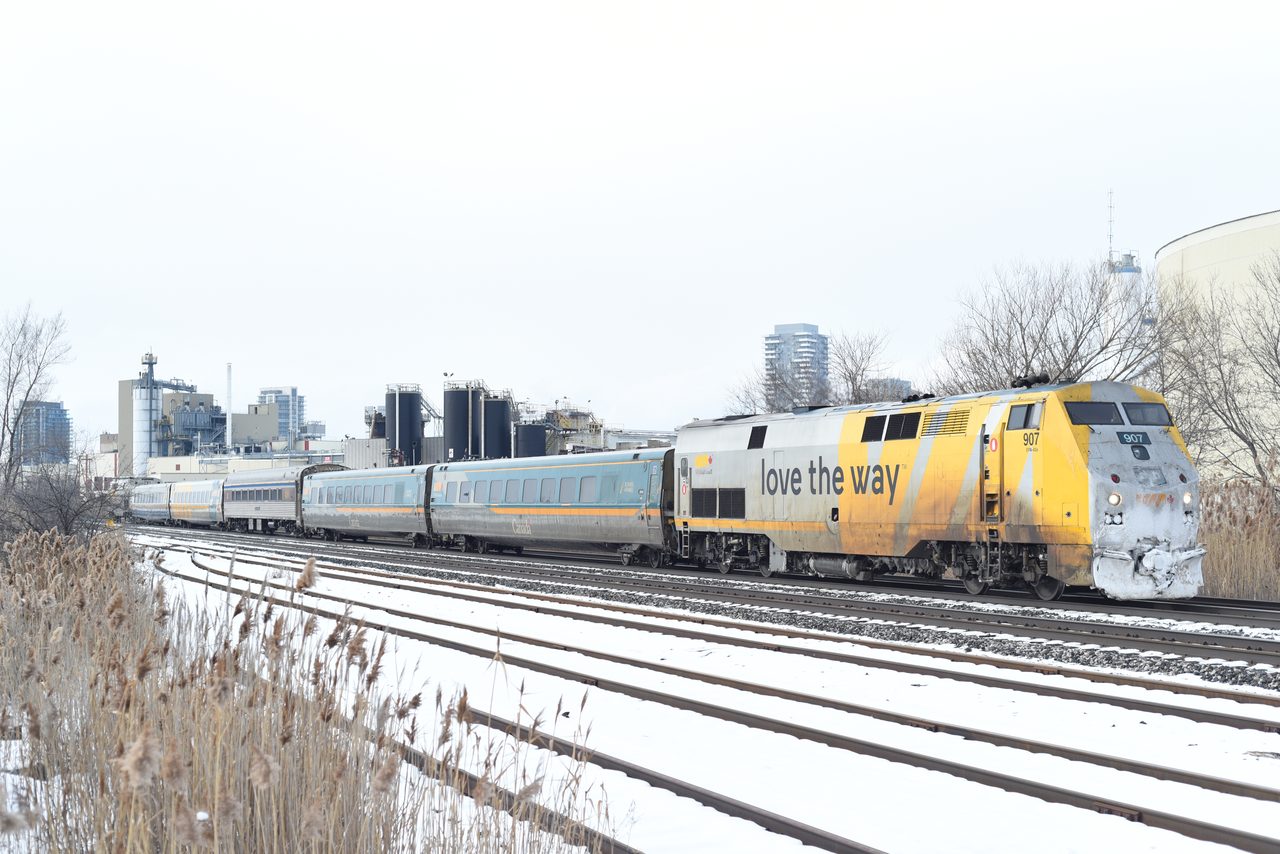
Ride VIA Rail on Discount Tuesdays. This is the single best train deal in the country. Every Tuesday, VIA Rail drops promo fares — book on a Tuesday with the code TUESDAY and you’ll typically see $15–20 off Economy fares in the Québec City–Windsor corridor, or around 10% off Economy on the long-distance Canadian, the Ocean, and regional trains. I double-checked the current terms on VIA’s official Discount Tuesday page before writing this — the offers rotate, so confirm what’s live on the Tuesday you book. I found this out the sweaty way: I once booked a Toronto–Montreal train on a Wednesday and paid full fare. Set a phone reminder. Seriously. → VIA Rail — Discount Tuesday (official)
For more on routes and what the long-haul trains are actually like, see our Canada Train Travel Guide.
Don’t forget the buses. Intercity coaches (Rider Express, FlixBus, Megabus and regional lines) are often half the price of the train on the same corridor — Toronto to Montreal or Vancouver to Kelowna for the cost of a nice dinner. Less glamorous, genuinely fine.
If you drive, budget for fuel honestly. Gas was sitting around $1.75–1.95 per litre across most of the country in early October 2026 (Toronto averaged about 186¢/L when I checked; the national average was roughly 182¢/L, per the Canadian Automobile Association). On a 500 km driving day that’s ~$60–70 in fuel alone — worth pricing against a cheap flight before you commit to a road trip. → Natural Resources Canada — daily gas prices
Sleep cheap (without regretting it)
Accommodation is the second-biggest line item, and it’s also the easiest to slash without suffering. I’ve slept in all of these, and I’d do it again.
- Hostels are the backbone. HI hostels and independents like Samesun run dorm beds from roughly $40–60 a night in big cities (HI Toronto lists from about $31, HI Vancouver from about $48) — with kitchens, which is the real money-saver. A hostel kitchen plus a grocery run turns a $30 restaurant lunch into a $6 sandwich.
- Book longer stays. Many Airbnbs and apart-hotels discount 20–40% for weekly or monthly stays. If you’re slow-traveling one city, this is a game-changer.
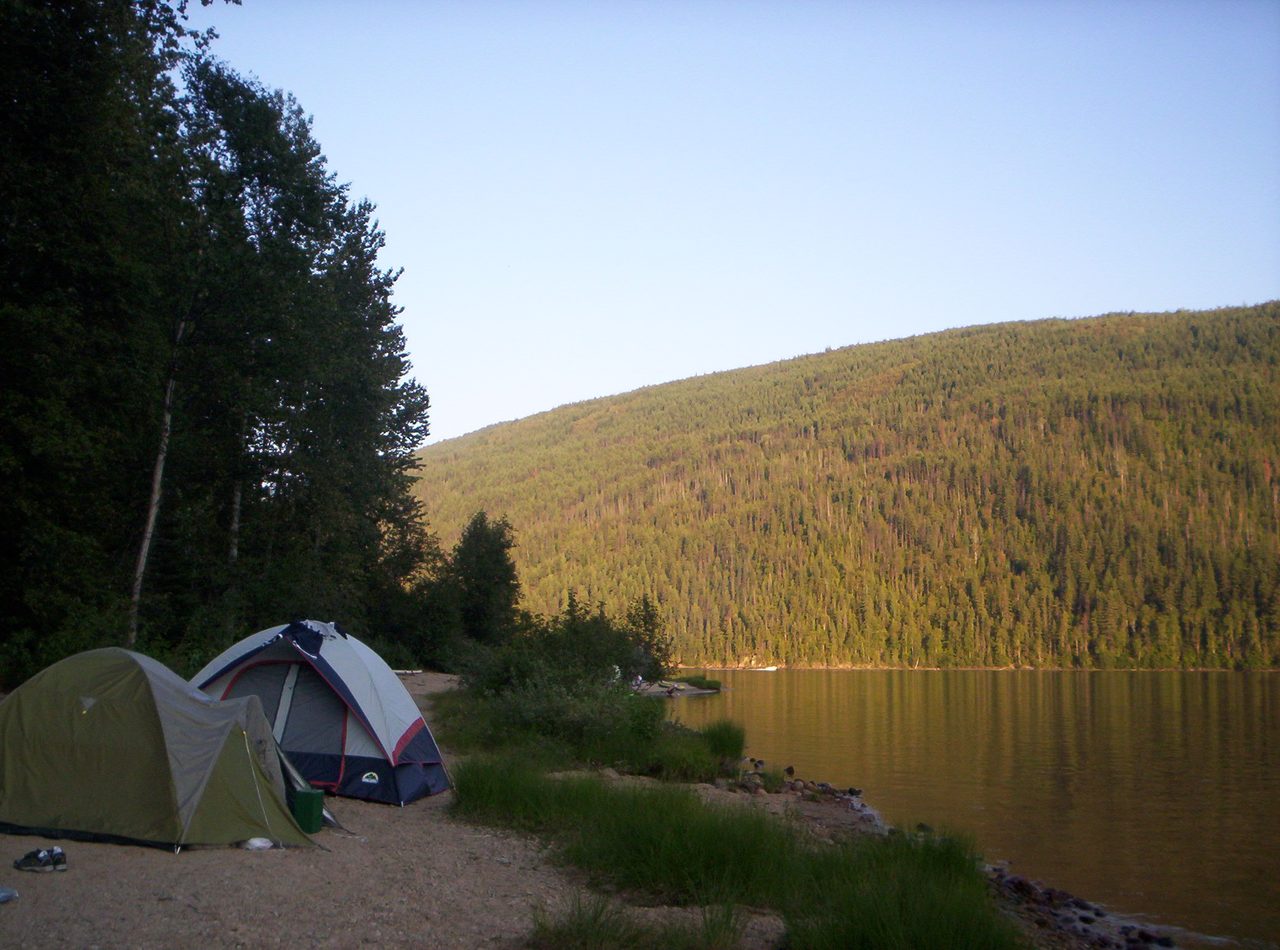
- Camp in the shoulder season. Parks Canada front-country campsites run roughly $20–40 a night — a fraction of any hotel near Banff or Jasper. Just book the moment reservations open; I showed up in July once hoping to wing it. Never again.
- Try house-sitting. Platforms that match sitters with homeowners are practically free accommodation in exchange for pet care. Fair warning: the good sits in Vancouver and Victoria get claimed fast, so apply early.
Whatever you book, read the fine print on cleaning fees — a $90 Airbnb with a $75 cleaning fee is not a $90 Airbnb. (My spreadsheet has a whole column for this.)
Eat well for less: the grocery-store strategy
Restaurant prices in Canada are up noticeably since the early 2020s, and eating out three meals a day will quietly eat your whole budget. Here’s the thing: some of the best food experiences in this country are cheap.
- Shop the discount grocers. No Frills, Food Basics, and FreshCo beat the big chains by 20–30% on staples. I do one big shop on arrival day in every city — breakfast and lunch supplies for the week, which cuts my food spending roughly in half.
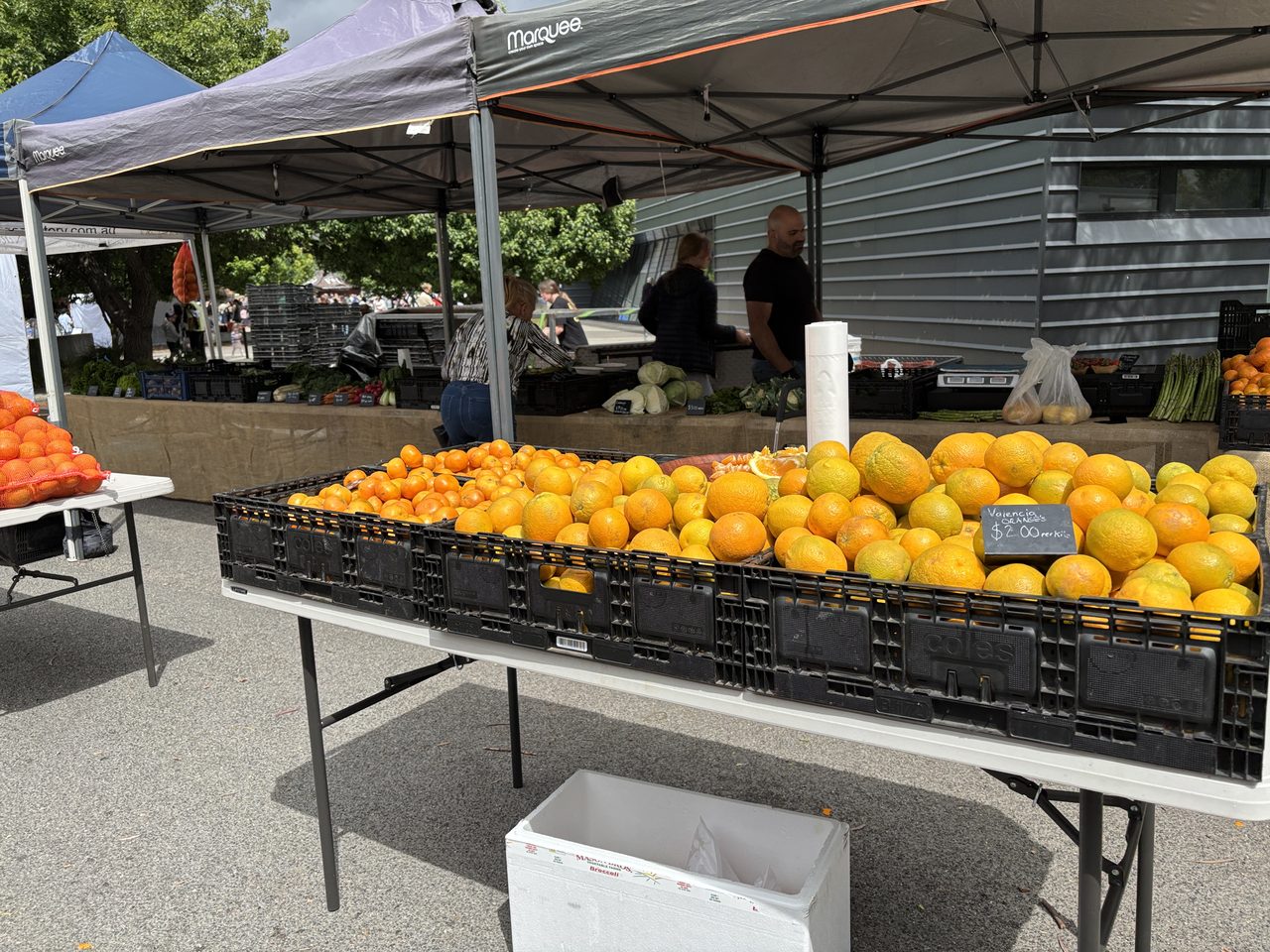
- Hit farmers markets. Every city on this site has one, and they’re as much entertainment as shopping. Seasonal produce, baked goods, and food stalls that cost half of restaurant prices.
- Eat your main meal at lunch. Lunch menus and specials are routinely 30% cheaper than dinner for the same kitchen. Then graze for dinner — groceries, a food truck, a bakery haul.
- Follow the food trucks and happy hours. Vancouver, Toronto, and Montreal all have serious street-food scenes; a $12–15 truck meal beats a $28 sit-down lunch every time.
My confession: I once paid $24 for a mediocre sandwich at a tourist-trap strip in Niagara Falls because I was hungry and lazy. Now I pack snacks like I’m preparing for a minor expedition. Do not be 2019 me.
The best cheap — and free — things to do
The secret to budget Canada is that an absurd number of the best experiences cost nothing. The views don’t charge admission.
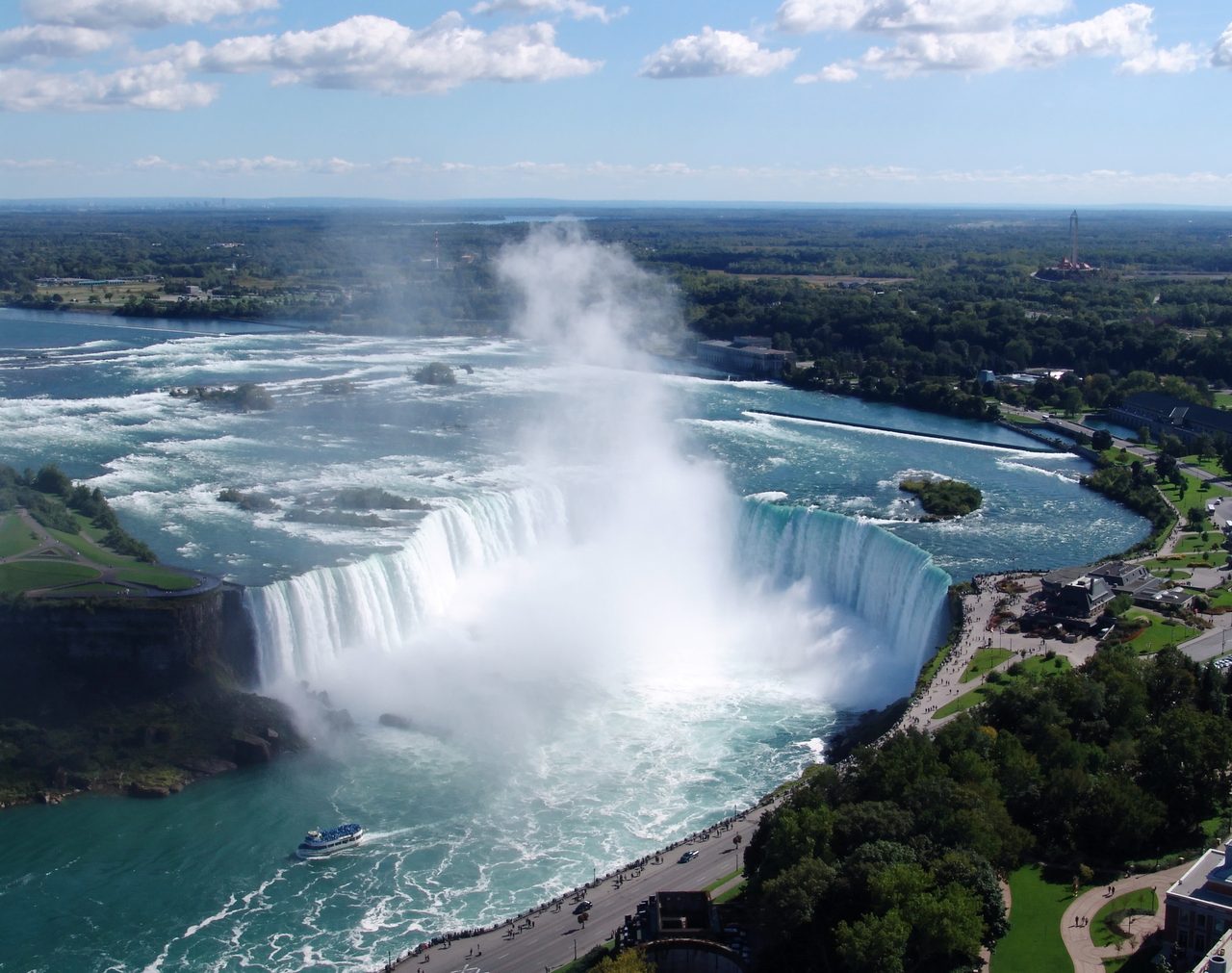
- Niagara Falls’ Table Rock viewpoint — standing next to Horseshoe Falls is completely free, and it’s the part you’ll remember. (The boat ride costs money; the mist on your face does not.)
- Walk everywhere worth walking. The Stanley Park Seawall in Vancouver, the cobblestones of Old Montreal, the Freedom Trail–style walks in Quebec City, the Harbourfront in Toronto — all free, all genuinely great.

- Hike instead of paying for views. The Grouse Grind (free, if brutal), the trails around Mont-Tremblant, the coastal paths in Nova Scotia — Canada’s trail network is one of the world’s great free attractions. Bring layers; I got caught in a September hailstorm on a “quick” hike once and I still think about it.
- Chase free museum days and festivals. Many museums offer free or pay-what-you-can evenings, and summer festival season (jazz fests, fringe fests, fireworks competitions) is packed with free outdoor programming.
- Swim, skate, and toboggan like a local. Public beaches, outdoor rinks, and city toboggan hills are free or nearly so — and they’re where you’ll actually meet Canadians.
National parks on a budget: do the Discovery Pass math
If the Rockies are on your list — and they should be — park fees add up fast. Here’s where a little math saves real money.

A Parks Canada Discovery Pass costs $83.50 per adult (or $167.50 for a family/group in one vehicle) and covers admission to 80+ national parks and 170+ historic sites for a full year. A single adult day pass runs about $12.25, so the annual pass breaks even at roughly 7 days of park visits. Any Rockies trip longer than a week — Banff, Jasper, Yoho, Kootenay — and the pass is worth every penny. I bought mine at the Banff gate on day one of a ten-day trip, and my spreadsheet still shows it as the single best value purchase of that whole vacation.
One heads-up: the 2026 Canada Strong Pass, which gave free park admission from June 19 to September 7, 2026, has now ended — regular fees are back. I confirmed the current fee schedule on Parks Canada’s site; check before you go, since shoulder-season rates at some parks are lower. → Parks Canada — Discovery Pass info
Planning a Rockies road trip around the pass? Our Banff–Jasper road trip itinerary is built for exactly this.
Time it right: shoulder season is the cheat code

If you take one piece of advice from this entire guide, make it this: travel in May–June or September–October. Hotels routinely drop 20–40% from peak summer rates, flights are cheaper, campgrounds are empty, and the weather is honestly lovely — September in the Rockies might be my favorite month in Canada, full stop.
July and August are peak for a reason (long days, everything open), but you’ll pay for it and queue for it. Winter is its own budget play: outside the ski holidays, cities like Montreal and Quebec City are magical, cheaper, and far less crowded. Just pack like you mean it.
Sample 7-day budget: one week, mid-range-budget style
Here’s what a realistic thrifty-but-comfortable week looks like, per person, traveling in shoulder season with the strategies above (estimates — your route will shift these):
| Item | Cost (CAD) |
|---|---|
| One cross-country budget flight (personal item only) | ~$180 |
| Trains, buses & local transit | ~$180 |
| Hostels, 6 nights (~$55/night) | ~$330 |
| Food (groceries + casual meals out) | ~$350 |
| Parks Canada Discovery Pass | $83.50 |
| Attractions & miscellaneous | ~$100 |
| Total | ~$1,225 |
That’s roughly $175 per day — right in the middle of the mid-range tier, and very achievable. Go full backpacker (dorms, buses, free activities only) and you can push it toward $100 a day. Our 7-day Canada itinerary and the full Canada travel guide pair well with this budget if you want a day-by-day plan.
And don’t skip travel insurance — it’s the least exciting line item and the one you’ll be most grateful for if anything goes sideways. You’ve got this.
FAQs about traveling Canada on a budget
Is Canada expensive to travel in 2026?
It can be, but it doesn’t have to be. A backpacker-style trip runs about $90–120 CAD per day (hostels, transit, groceries, free activities), while a comfortable mid-range trip lands around $200–300 per day. The biggest cost drivers are peak-season hotels, rental cars, and eating out — all of which have budget workarounds covered in this guide.
What is the cheapest way to get between Canadian cities?
Usually a mix: ultra-low-cost flights (Flair Airlines) with only a personal item for long hops, intercity buses (Rider Express, FlixBus, Megabus) for medium distances, and VIA Rail booked on Discount Tuesdays with code TUESDAY for the Québec City–Windsor corridor. Compare all three for your route — the cheapest option changes by corridor and season.
Is the Parks Canada Discovery Pass worth it?
If you’ll spend 7 or more days in national parks within a year, yes. At $83.50 per adult (2026 price), it breaks even against ~$12.25 daily passes in about a week, and it covers 80+ parks and 170+ historic sites. For a single 2–3 day park visit, daily passes are cheaper. Note the free-admission Canada Strong Pass period (June 19–September 7, 2026) has ended.
How much does gas cost in Canada in 2026?
As of early October 2026, regular gasoline averaged roughly $1.75–1.95 per litre across most of the country (Toronto was about 186¢/L; the national average was around 182¢/L). Alberta suspended its 13¢/L provincial fuel tax from October 1 through the end of 2026, making it one of the cheaper provinces to fill up. Check current prices on Natural Resources Canada’s fuel price page before a road trip.
Can I travel across Canada without a car?
Yes, with planning. The Québec City–Windsor corridor is well served by VIA Rail and buses, budget airlines connect the major cities, and cities like Vancouver, Toronto, and Montreal have excellent transit. Rural areas and the Rockies are harder without a car — consider guided day tours from Banff or Calgary, or renting a car just for the mountain portion of your trip.
When is the cheapest time to visit Canada?
Shoulder seasons — May to early June and September to October — offer the best balance of decent weather and low prices, with hotels often 20–40% below peak summer rates. Winter (excluding ski holidays) is cheapest in cities. Avoid July–August and long weekends if your budget is tight.
1 comment