
Last updated: October 3, 2026
The short answer
- When to go: June through September for festivals and patio weather (my pick), or December to February for cheaper hotels and the Winter Village crowds at the Distillery District.
- How long: Three full days covers the CN Tower, the ROM, the Islands, and the neighborhoods without sprinting — add a fourth for Niagara Falls.
- Getting around: You do not need a car. The TTC is $3.30 a tap with a two-hour transfer window, and the UP Express gets you from Pearson to Union Station in 25 minutes.
Toronto is the biggest city in Canada, home to more than 150 languages, and — here’s the thing — it can feel like five different cities stitched together with a really good streetcar system. I’ve been four times now (twice for work trips I stretched into long weekends, twice on purpose), and I still learn a new shortcut every visit. This guide is everything I’d tell a friend who asked me to plan their Toronto trip: when to go, what to actually pay for, where the lines get silly, and how to move through the city like you’ve done it before. Prices and hours below are checked for 2026 — I’ll be honest, they shift, so I’ve linked the official source for every big-ticket item so you can double-check before you go.
Planning your Toronto trip: when to go, how long, entry basics
When to go. Summer (June–August) is peak Toronto: festivals, patios, the Islands at full tilt. It is also peak humidity and peak CN Tower lines, so this is the season where my color-coded spreadsheet earns its keep. Shoulder seasons (May, September–October) are my sweet spot — warm enough for the waterfront, thin enough crowds to actually enjoy it. Winter is cold, yes, but the city is built for it: the PATH’s 30 km of underground walkways, outdoor skating rinks, and the Distillery District’s Christmas market make December genuinely magical, and hotels are meaningfully cheaper.
How long to stay. Three full days is the sweet spot for a first visit — trust me on this one. Five days is even better if you can swing it, because it lets you add Niagara Falls without turning the whole trip into a commute. Our 3-day Toronto itinerary maps out exactly that pace.
Entry requirements. Most international visitors need a visa or an eTA (Electronic Travel Authorization) before flying into Pearson — check your status on the official Government of Canada site well before you book. ArriveCAN isn’t mandatory anymore, but it’s still the fastest way through customs at YYZ, and it costs you nothing.
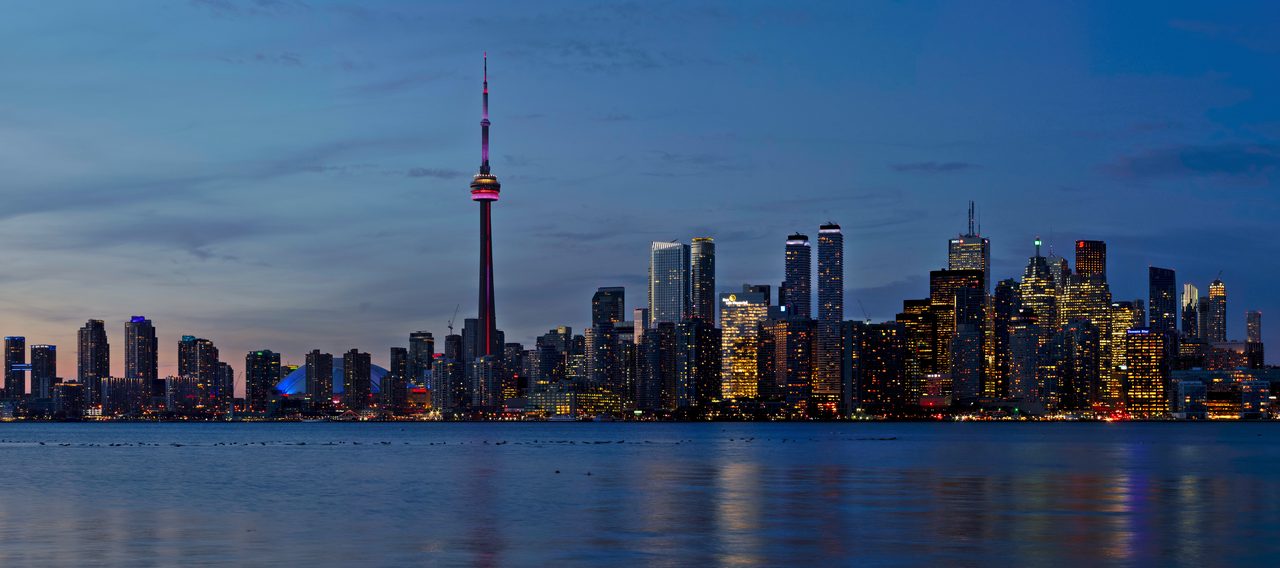
The CN Tower and the Harbourfront: start with the icon
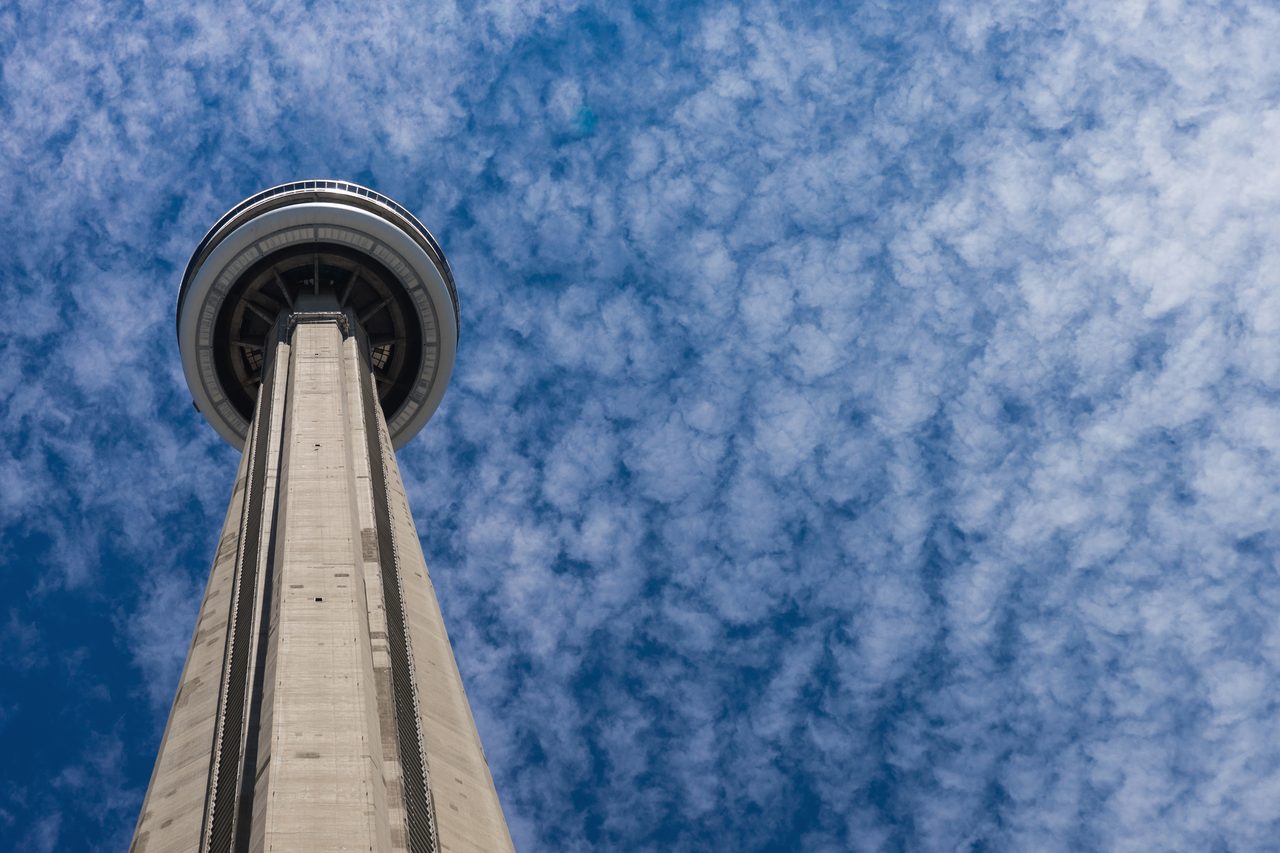
You can’t visit Toronto and skip the CN Tower — and I say this as someone who showed up at 11 AM on a Saturday once. Never again. Go at opening (9 AM most days; hours shift seasonally, so confirm on cntower.ca) and you’ll have the glass floor — yes, it’s real glass, 342 metres of nothing beneath you — nearly to yourself.
The 2026 numbers: LookOut admission from ~$43 online for adults, SkyPod (447 m up) adds ~$15, and the EdgeWalk — a hands-free walk around the ledge 356 metres above the street — starts at $199 + tax and includes the media package, two printed photos, and tower admission afterward. Pro tip: book the timed ticket online even for the regular LookOut; the at-the-door line is where Toronto trip time goes to die. The 360 Restaurant up top revolves once every 72 minutes and its prix-fixe lunch includes tower admission — I’ll be honest, I did it for a birthday and the beef tasted 40% better with the lake rotating behind it. Worth every penny, but book weeks ahead.
Afterward, walk five minutes to the Harbourfront. The boardwalk, the marina views, the street performers in summer — it’s the free exhale the morning needed. (Fair warning: the lake wind is no joke even in July. I brought a sweater in August and still needed it.)
Ripley’s Aquarium of Canada: yes, even if you’re a grown-up
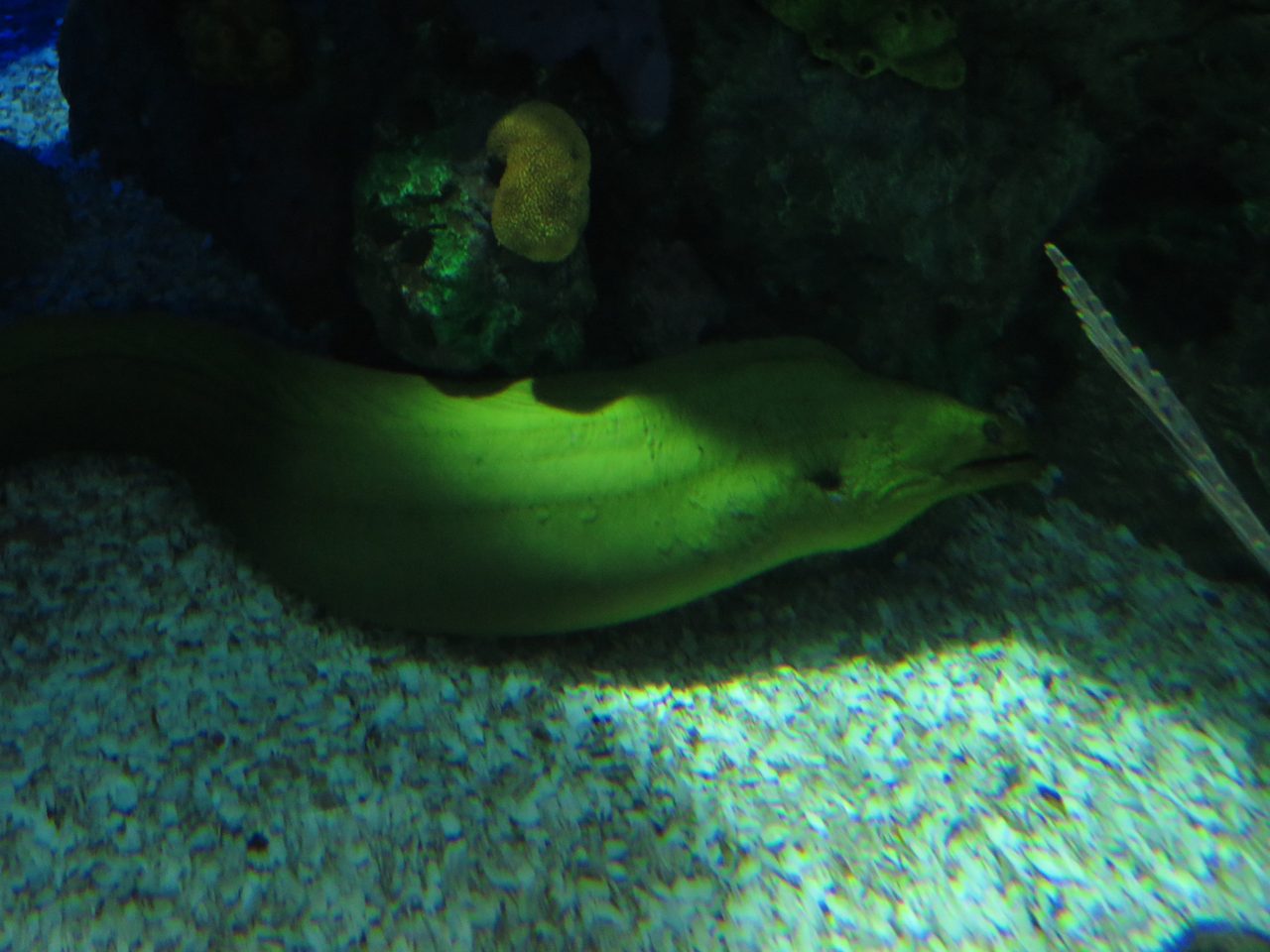
I’ll be honest: I almost skipped the aquarium because, well, I’m a grown adult without kids. Huge mistake avoided — I stood on the moving walkway in the Dangerous Lagoon tunnel for a full loop while sharks cruised overhead, and I wasn’t even embarrassed. It’s right beside the CN Tower, so pair the two into one day.
2026 pricing is dynamic (it moves with demand), but expect adult timed-entry tickets from ~$44 and flex tickets (enter any time) from ~$50. The timed ticket is the play — pick your slot when you book, and note the fine print: the ticket is only valid inside that entry window. I double-checked current hours and prices on the aquarium’s official site before I went — they change seasonally, so do the same. Two money-saving truths: visits after 5 PM are $5 cheaper (the “Sharks After Dark” rate), and mornings before 11 AM are far less crowded than afternoons. I showed up at 2 PM on a rainy Saturday once — the stroller traffic was a contact sport. Never again.
Museums worth your time: the ROM and the AGO
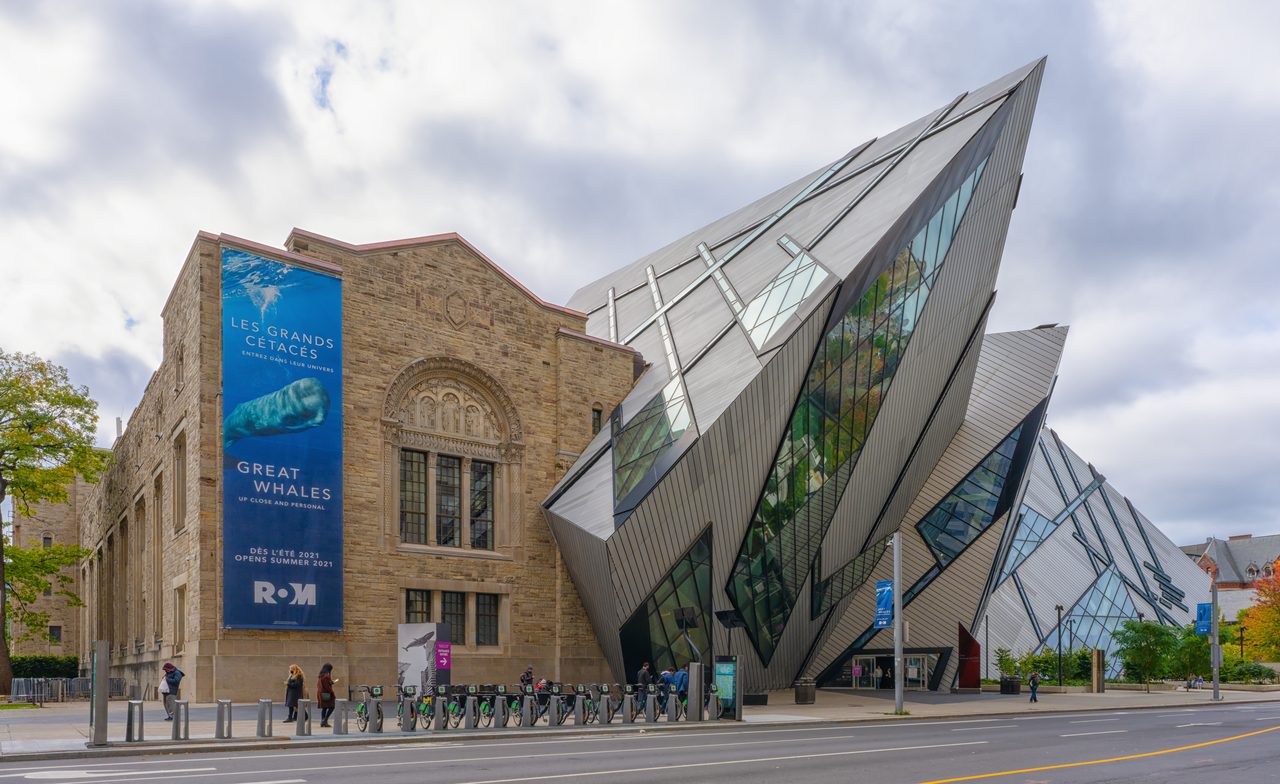
Pick one museum if you’re short on days, both if you can. The Royal Ontario Museum (ROM) is the dinosaur-skeletons-and-mummies crowd-pleaser — the building alone is worth the trip, a jagged glass Crystal erupting out of the original 1914 stone facade. General admission is $26 for adults; hours are generally 10:00 AM–5:30 PM, closed Mondays. Plan two to three hours minimum — I budgeted 90 minutes on my first visit and had to sprint past the entire natural history floor. (My spreadsheet now says 2.5 hours minimum. My spreadsheet has learned.)
The Art Gallery of Ontario (AGO), ten minutes west, is the better art pick: Canadian and Indigenous collections, the Henry Moore hall, Kusama’s Infinity Mirror Room (permanent, not a pop-up — game-changer for your itinerary math), and that spiral staircase everyone photographs. Adults $30; Ontarians under 25 get in free, and Wednesday evenings 6–9 PM are free for everyone. Also closed Mondays. → ROM — official hours & tickets · AGO — official hours & tickets
One more stop in this category if castles are your thing: Casa Loma, the actual early-1900s mansion on the hill, with 98 rooms, secret passages, and gardens. Adult general admission runs ~$45 (dynamic pricing by date), open daily 9:30 AM–5:00 PM. It’s a straight shot up from Dupont subway station.
The Distillery District: old Toronto’s prettiest corner
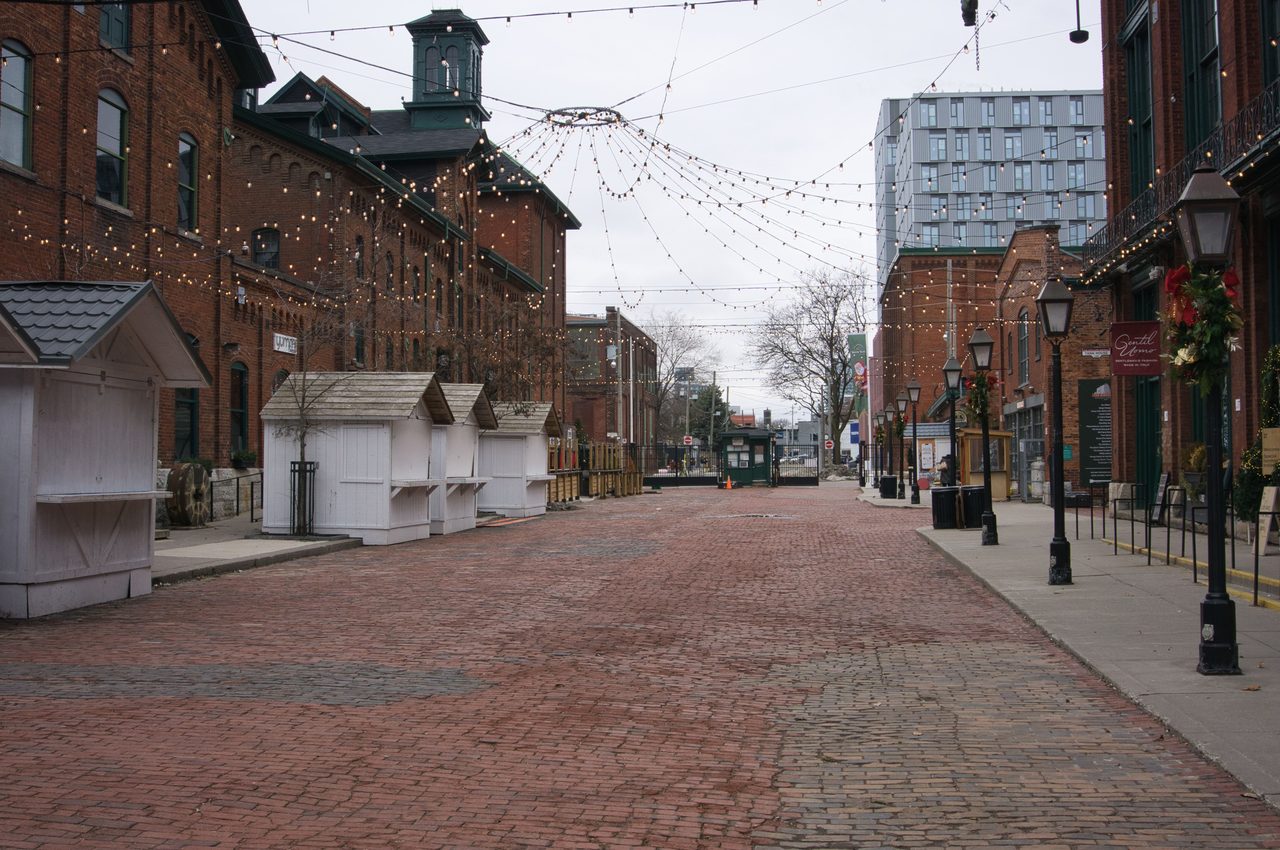
The Distillery District is a pedestrian-only pocket of Victorian industrial buildings — cobblestones, a former whiskey distillery, now galleries, boutiques, and the best patios in the city per square metre. Entry to the district itself is free, which makes it the best-value evening in Toronto: I came for a coffee and stayed for three hours, mostly photographing doorways (the doors here are absurdly photogenic).
Here’s the thing nobody warns you about: the cobblestones are brutal in heels. Wear the flat shoes. In December the whole district becomes the Winter Village Christmas market — mulled wine, lights, crowds — and it’s genuinely one of the best holiday markets in North America. I went on a snowy Thursday evening and the whole place smelled like cinnamon and woodsmoke. Do not skip.
The Toronto Islands: the city’s best half-day escape
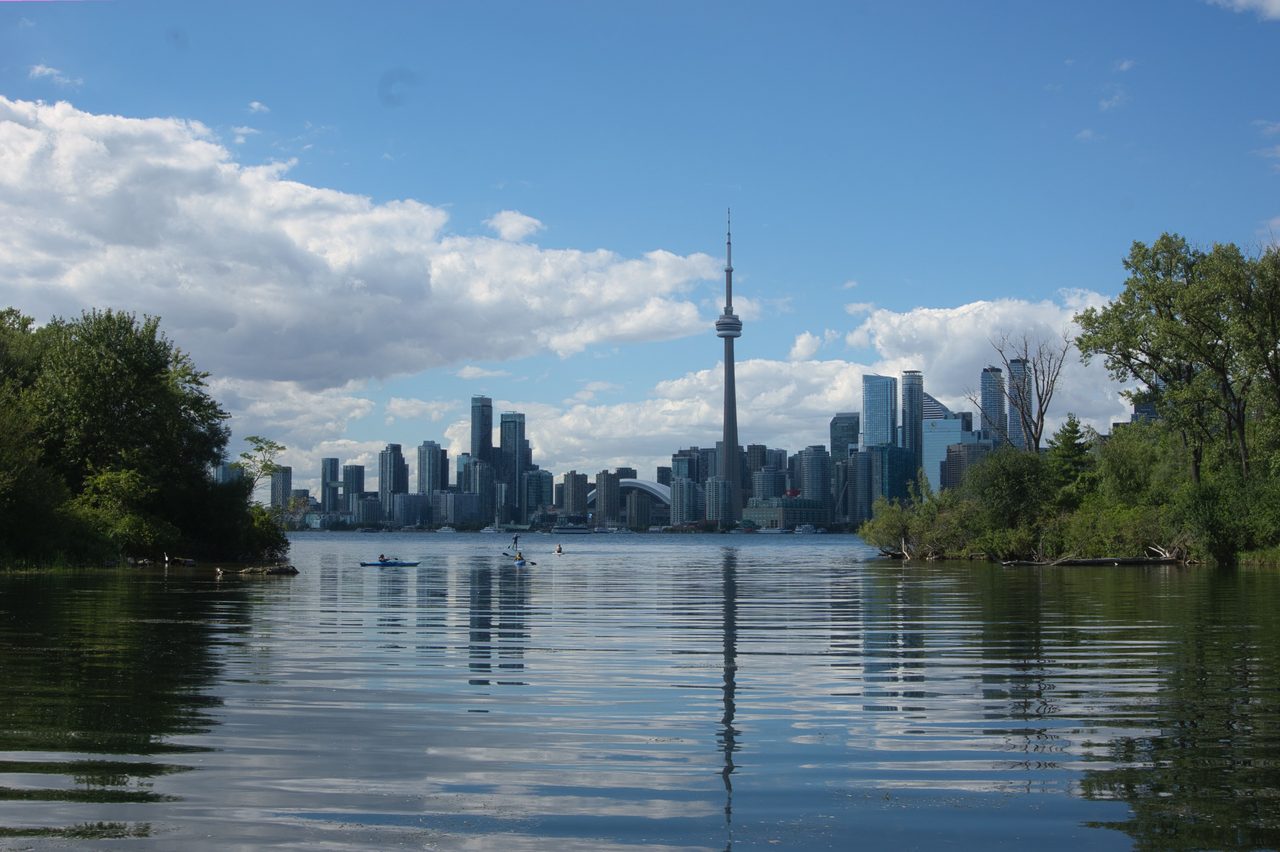
When the skyscrapers start to feel like too much, take the ferry. The Toronto Islands — Centre Island, Ward’s Island, Hanlan’s Point — sit ten minutes across the harbour, and the return ride gives you the classic postcard skyline view. It is, in my opinion, the single best $10 in the city.
Ferries leave from the Jack Layton Ferry Terminal (foot of Bay Street). Adult return is ~$9.57 and the ticket includes the ride back — you don’t show anything on the way home. Buy online on the City of Toronto’s island page before a summer weekend, because the ticket-booth line is where I once lost 45 minutes of a perfect Saturday (the hard way — I now preach this like a convert). Take the Ward’s Island ferry if the Centre Island line is chaos; the islands are all connected by paths, and Ward’s is the quiet residential one anyway. Rent a bike on Centre Island, swim at Hanlan’s Point, and sit on the top deck on the way back. Trust me on the top deck.
Neighborhoods: where to wander (and where to stay)
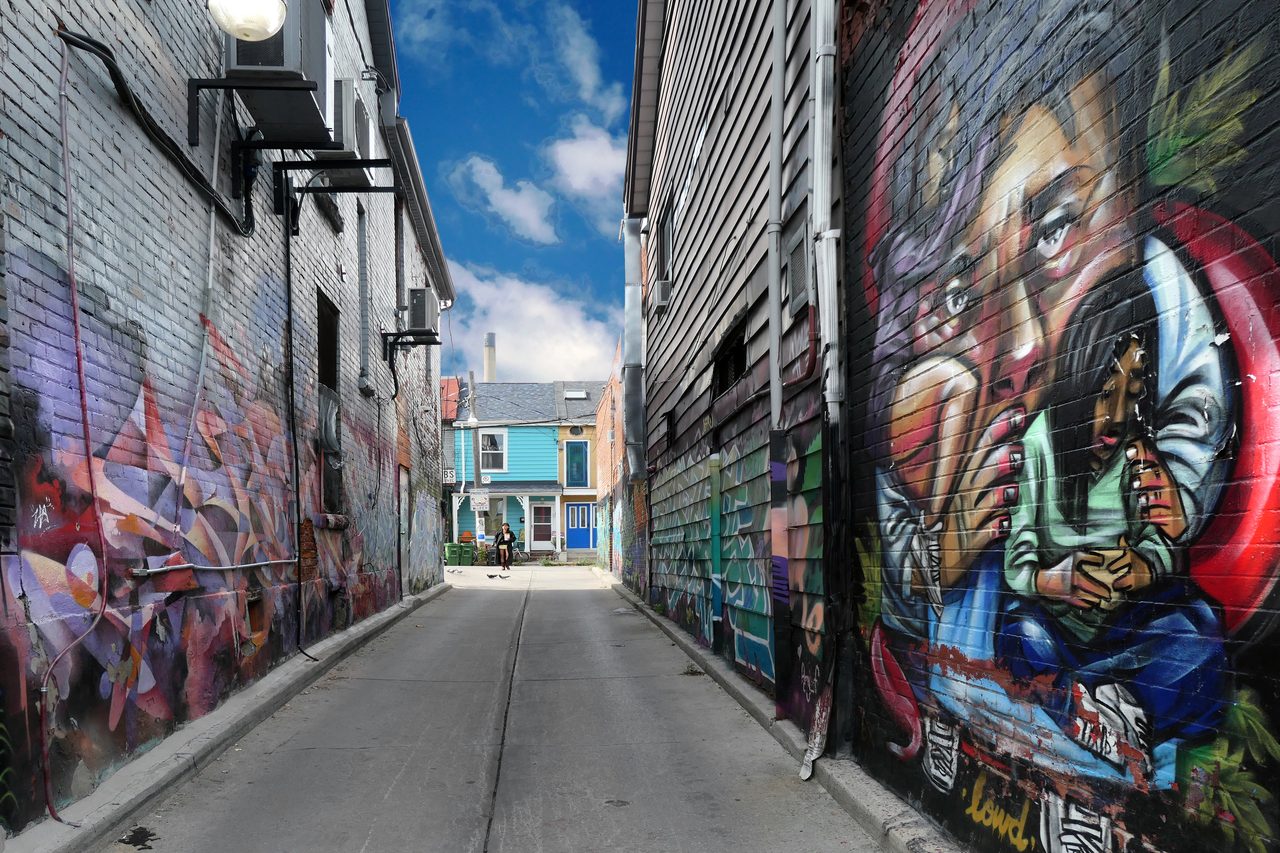
Toronto is a city of neighborhoods, and this is where Sarah-the-planner insists you slow down and just walk. My shortlist:
- Kensington Market — the bohemian soul. Vintage shops, murals everywhere, empanadas and vintage denim in the same block. Come on a Pedestrian Sunday (summer) when the streets close to cars. I got lost here for two hours and found the best vintage coat of my life — budget accordingly.
- Queen West — indie boutiques, galleries, and the nightlife strip. The further west you go, the weirder and better it gets.
- Yorkville — the luxury quarter: designer flagships, rooftop cocktails, and the TIFF celebrity-spotting zone every September. It was the hippie folk-scene centre in the ’60s, which I think about every time I walk past a $4,000 handbag.
- Greektown (the Danforth) — souvlaki, honey-drenched desserts, and the massive Taste of the Danforth street festival in summer.
- Chinatown & Kensington’s edge — dim sum, hand-pulled noodles, and the cheapest great produce in the city.
- The Harbourfront — quieter mornings, marina views, and the best jogging route downtown.
For a first visit, base yourself downtown — near Union Station, the Entertainment District, or the Harbourfront — and everything above is a streetcar or a walk away. For a deeper breakdown by budget and vibe, see our guide to where to stay in Toronto. Safety-wise, Toronto is consistently ranked one of the safest big cities in North America; it’s well-lit and walkable after dark, and I’ve solo-walked these streets at night without a second thought — standard city common sense applies.
What to eat in Toronto: from peameal bacon to the world’s cuisines
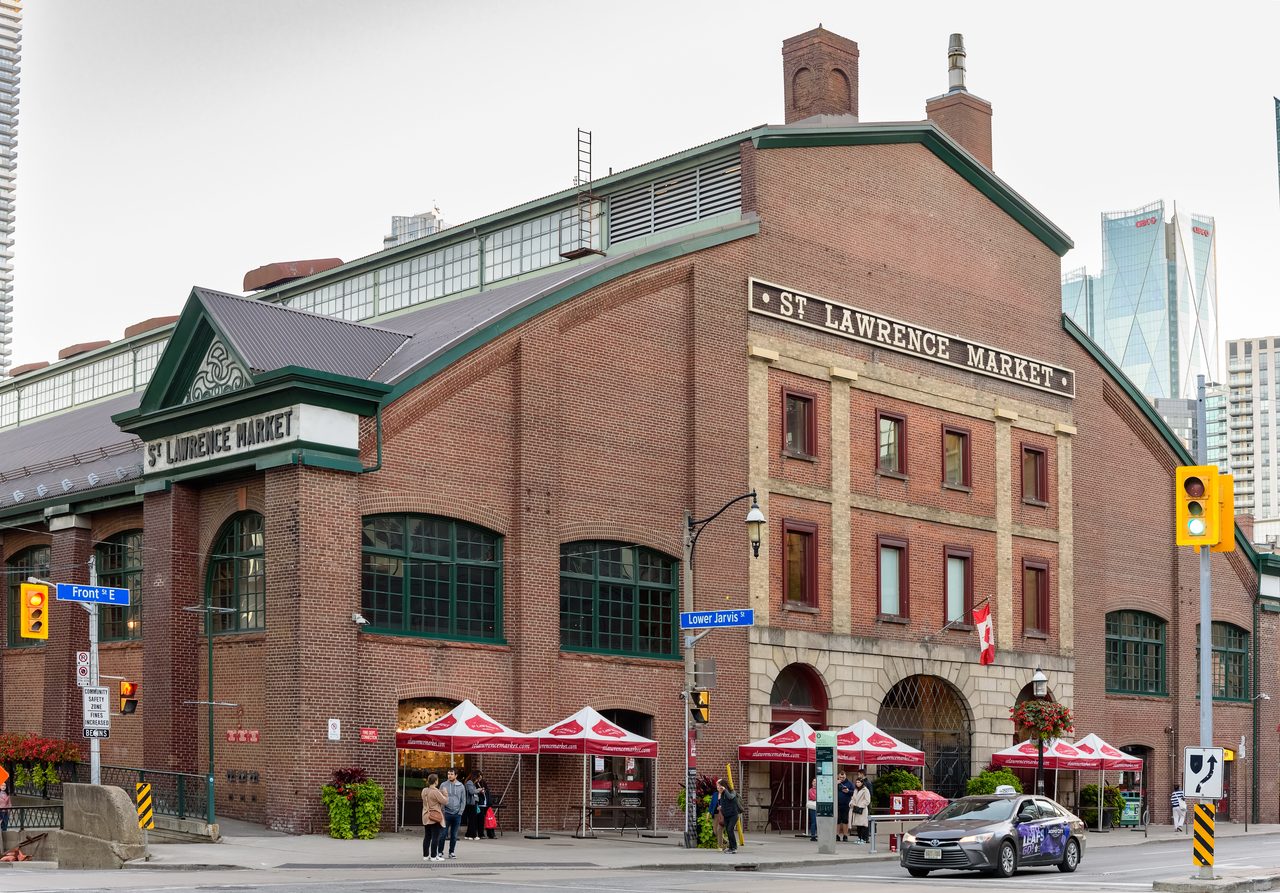
Start at St. Lawrence Market — 200+ years old and still the city’s best food hall. The move is the peameal bacon sandwich at Carousel Bakery (~$9): cornmeal-crusted, lean, on a soft roll, and a genuine local legend. Go on a Saturday morning, go hungry, and go before 11 AM if you’d rather eat than queue. (I arrived at noon once. The line taught me things.) The market’s main hall runs Tuesday–Friday and Saturday — closed Sunday and Monday, which is exactly the kind of detail that ruins a Monday plan, so now you know.
Then eat the world. Little Italy on College for pasta and espresso; Koreatown for barbecue and stews on cold nights; Greektown for grilled everything; Chinatown for dim sum and hand-pulled noodles. Toronto’s fine-dining scene has real Michelin-starred rooms now — book weeks ahead — but I’ll be honest, some of my best meals were $15 bowls in unmarked storefronts on the Danforth. Brunch is a local religion: people will wait an hour for eggs benedict, and the move is either an early arrival or a place that takes reservations. My planner heart approves of reservations.
Getting around Toronto: the TTC, UP Express, and your feet
Here’s the thing about Toronto transit: it’s genuinely easy once you stop overthinking it. The TTC (subway, streetcars, buses) covers the whole city, and in 2026 you just tap your credit card or phone on the reader — no special card needed. $3.30 per tap (or $3.35 cash, exact change), and every tap buys you a two-hour transfer window: hop on and off subways, streetcars, and buses freely within two hours on one fare. I timed it — King to the Distillery to Kensington and back to Union on a single $3.30. The day pass is $13.50, so it pays for itself at five rides.
From Pearson Airport (YYZ), take the UP Express: a dedicated train to Union Station, every 15 minutes, 25 minutes flat, $12.35 one-way — or $9.25 if you tap a PRESTO card or contactless card. I timed that too (of course I did): 24 minutes, door to platform. Taxis run $60+ in traffic; the train is faster, cheaper, and air-conditioned. → TTC — official fares · UP Express — official fares & schedules
Two more moves: Bike Share Toronto has stations everywhere for short hops, and the PATH — 30 km of underground walkways linking subway stations, malls, and office towers — is the game-changer in winter. Pro tip: download a PATH map before you go underground, because the PATH is where I once emerged at a subway station three blocks from where I swore I was. The signage is… aspirational.
Do not rent a car for a Toronto-only trip. Traffic is heavy, parking downtown is expensive enough to ruin your mood, and the streetcars have windows.
Day trips from Toronto
If you have a fourth or fifth day, use it:
- Niagara Falls — ~90 minutes by car or GO Transit, and it lives up to the hype. Boat right up to the base of the falls, then wander Niagara-on-the-Lake’s wineries. See our Niagara Falls travel guide for the full plan.
- Scarborough Bluffs — white cliffs and beaches a short drive (or GO train + bus) east of downtown, packed with locals on summer weekends. Free.
- McMichael Canadian Art Collection — in Kleinburg, set in a forest, devoted entirely to Canadian art including the Group of Seven. The drive itself is half the pleasure.
More ideas in our best weekend trips from Toronto roundup.
How much does a Toronto trip cost?
Sample budget per adult, per day (prices checked October 2026; items marked ~ are estimates):
| Item | Cost (CAD) |
|---|---|
| Mid-range hotel (downtown) | ~$200–350 / night |
| Food & drinks (casual + one nice dinner) | ~$70–120 |
| Attractions (CN Tower ~$43, aquarium ~$44, ROM $26, ferry ~$9.57 — pick 1–2/day) | ~$40–80 |
| Transit (TTC day pass or a few taps) | ~$7–13.50 |
| Sample daily total (excluding hotel) | ~$120–215 |
| Sample 3-day total (excluding hotel) | ~$360–645 |
Money-saving pro tips from my own spreadsheet: buy a Toronto CityPASS if you’re doing three or more big attractions (CN Tower, aquarium, ROM, Casa Loma, and the zoo — it bundles them at up to ~38% off). Hit the aquarium after 5 PM for the $5 discount, the AGO on a free Wednesday evening, and the Distillery District any time for free. And honestly? Some of the best days — the Islands, Kensington, the Harbourfront boardwalk — cost almost nothing.
A suggested 3-day Toronto timeline
| Day | Morning | Afternoon | Evening |
|---|---|---|---|
| Day 1 | CN Tower at opening (~$43+) | Ripley’s Aquarium (~$44) + Harbourfront walk | Distillery District (free) |
| Day 2 | ROM ($26) | Yorkville wander + AGO ($30) | Kensington Market dinner |
| Day 3 | Ferry to Toronto Islands (~$9.57) | St. Lawrence Market + Old Toronto | Queen West nightlife or a Jays game |
Short on time? See our 1-day Toronto itinerary for the compressed version.
FAQs about visiting Toronto
How many days do you need in Toronto?
Three full days is the sweet spot for a first visit: Day 1 for the CN Tower, aquarium, and Harbourfront; Day 2 for the ROM, AGO, and neighborhoods like Kensington and Yorkville; Day 3 for the Toronto Islands and St. Lawrence Market. Add a fourth day for Niagara Falls. Two days works in a pinch — see our 1-day Toronto itinerary for the compressed plan.
Do I need a car in Toronto?
No. The TTC covers the city for $3.30 a tap (two-hour transfer window), the UP Express runs from Pearson to Union Station in 25 minutes, and downtown is very walkable. Rent a car only if you’re doing day trips like the Scarborough Bluffs or Niagara-on-the-Lake — otherwise it’s traffic and expensive parking for no benefit.
How do I pay for the TTC as a visitor?
Just tap your contactless credit card, debit card, or phone on any reader — $3.30 per adult tap, with unlimited transfers within two hours. A PRESTO day pass ($13.50) pays for itself at five rides. Cash ($3.35, exact change) works but is the slowest option.
Is the Toronto CityPASS worth it?
Yes, if you’ll visit three or more of its five attractions (CN Tower, Ripley’s Aquarium, ROM, Casa Loma, and the Toronto Zoo). It saves up to ~38% versus buying separately and skips some ticket lines. If you’re only doing one or two big sights, buy those tickets directly instead.
What is the best time of year to visit Toronto?
June through September for festivals, patios, and the Islands at their best — with peak crowds and prices to match. May and October are my personal sweet spot for thinner crowds and mild weather. December is magical (Distillery Winter Village, skating, light festivals) with cheaper hotels, if you can handle the cold.
Is Toronto safe for tourists?
Yes — Toronto is consistently ranked one of the safest major cities in North America. Downtown and the main tourist areas are well-lit and walkable after dark, and it’s very welcoming for solo travelers and families. Standard city common sense applies: keep an eye on your belongings on busy transit and in crowded areas.
1 comment