
Last updated: October 3, 2026
The short answer
- The West route (Vancouver to Calgary): 2 days in Vancouver, a winery stop in the Okanagan, 3 nights in Banff, the Icefields Parkway to Jasper, and a final morning in Calgary — Rockies drama with zero airport-hopping.
- The East route (Toronto to Quebec City): 2 days in Toronto + Niagara Falls, Ottawa, 3 nights in Montreal, 3 nights in Quebec City — all doable by VIA Rail and local transit, no car needed.
- Budget: plan ~$3,000–3,500 CAD per person mid-range (excluding international flights); 2026 park passes, shuttle reservations, and eTA rules are covered below.
Canada is the second-largest country on Earth, and here’s the thing: you cannot see all of it in 10 days. Nobody can. But what you can do — and I’ve now done versions of both of these routes — is pick one coast, slow down, and actually feel like you’ve been somewhere instead of just seen it through a rental-car window.
That’s the whole philosophy of this 10 day Canada itinerary. Two complete, tested routes: the West (Vancouver → the Rockies → Calgary) for glacial lakes and alpine everything, and the East (Toronto → Ottawa → Montreal → Quebec City) for skyline views, cobblestones, and a food scene that punches way above its weight. Pick the one that matches your travel personality, and do not look back.
Fair warning up front: trying to squeeze both coasts into ten days is a recipe for burnout. Vancouver to Toronto is a 40+ hour drive, and a flight between them eats a whole day once you factor in airports. Trust me on this one — pick a lane.
2026 basics: timing, entry rules, and my golden rule
When to go: Late June through early September is peak for a reason — alpine trails are snow-free, all the shuttles run, and lake season is on. But here’s the thing: September is my personal sweet spot. I’ve done the Rockies in mid-September twice now, and you get golden larch season in Banff, the crowds evaporate after Labour Day, and hotel rates soften. July–August brings the best weather but the worst lines and prices.
Entry rules for 2026: Visa-exempt visitors flying into Canada need an Electronic Travel Authorization (eTA) — CAD $7, applied for online, valid up to 5 years or until your passport expires. I double-checked the current rules on the immigration guides before my last trip: it covers air travel only, takes about 10 minutes to apply for, and approvals usually arrive within minutes (though give it 72 hours, because why gamble). US citizens are exempt; visa-required travellers need a full visitor visa instead.
My golden rule: for a 10-day trip, book the big-ticket reservations before you book anything else. Moraine Lake shuttle, Fairmont stays, VIA Rail promo fares — these sell out months ahead, and everything else (hotels, dinners, little pullouts) is easy to fix later.
Option 1: The Western Canada route — Vancouver to Calgary (10 days)
This is the route for people who open Google Earth and zoom in on turquoise lakes. Vancouver’s Pacific shoreline to the Rockies’ high peaks, with a wine-country drive in between. You’ll cover roughly 1,000 km, mostly on excellent highways, and — I’ll be honest — every single day will try to be the highlight.
Days 1–2: Vancouver — seawall, Stanley Park, and Granville Island
Fly into Vancouver International (YVR) and spend two full days shaking off jet lag in one of North America’s most liveable cities. Day 1: rent a bike and ride the 9 km Seawall loop around Stanley Park — I’ve done this walk-ride four times now, and the stretch past Siwash Rock with the Lions Gate Bridge in frame never gets old. Pro tip: go counterclockwise (it’s the posted direction) and stop at the Brockton Point totem poles. Day 2: take the little False Creek ferry to Granville Island Public Market for breakfast, then wander Kitsilano Beach in the late afternoon for the North Shore mountain views. Get the Canada Line SkyTrain day pass for transit — tap on, tap off, done.
Need the full version? See our 2-day Vancouver itinerary.
Day 3: Drive the Okanagan Valley to Kelowna (~4–5 hours)
Pick up the rental car and head inland through the Fraser Canyon and Coquihalla Pass — fair warning, the scenery flips from coastal rainforest to dry desert hills in about two hours, and it’s genuinely startling. Kelowna is the hub of BC wine country. I timed it: the winery patios overlooking Okanagan Lake are the perfect antidote to a long drive. Book one hillside tasting room (my mistake once was trying to do four in an afternoon — two is the right number), then dinner on Bernard Avenue in downtown Kelowna.
Days 4–6: Banff — the Rockies at full volume
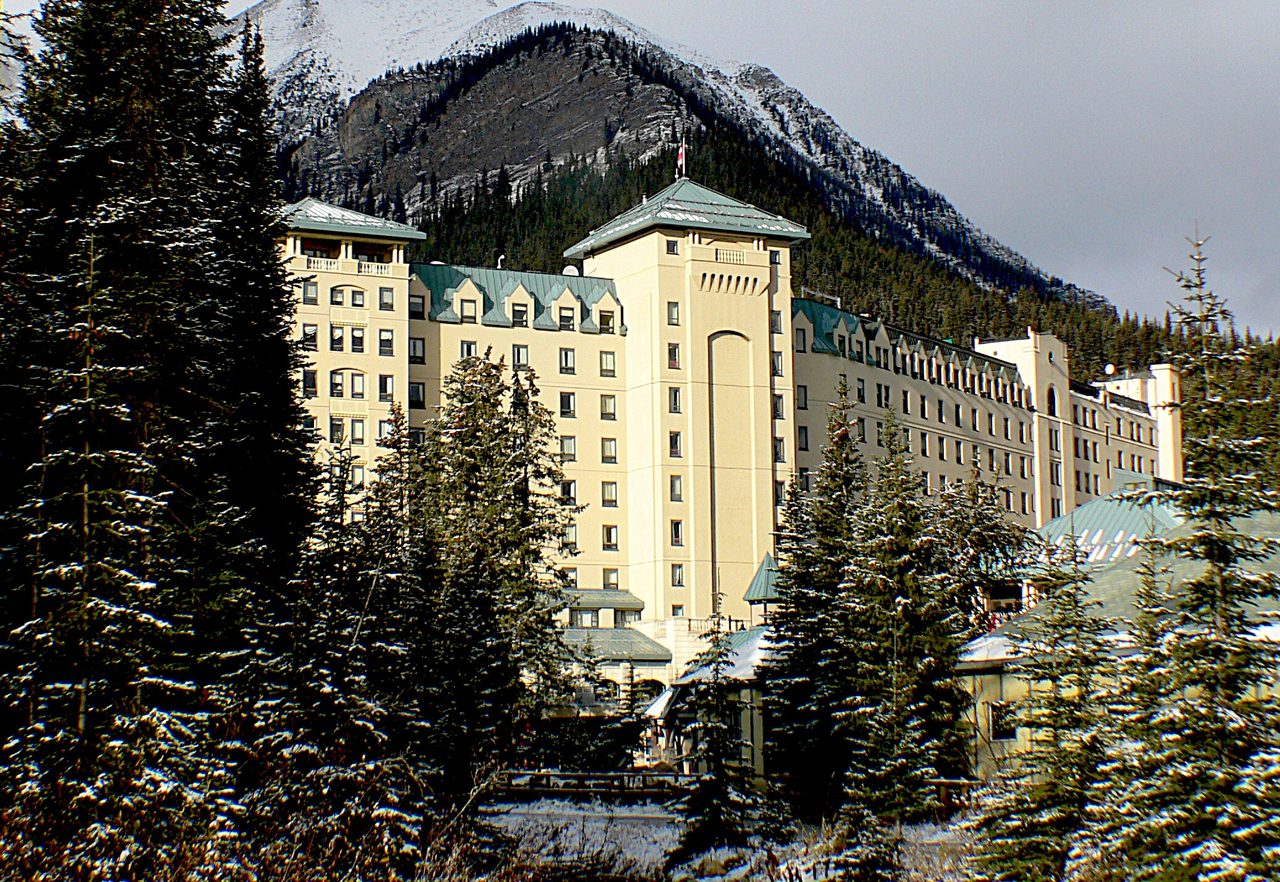
Three nights in Banff townsite is the sweet spot, and I say that as someone who has both rushed it (2 nights, mistake) and lingered (5 nights, perfect but most people can’t). Here’s how I’d split it:
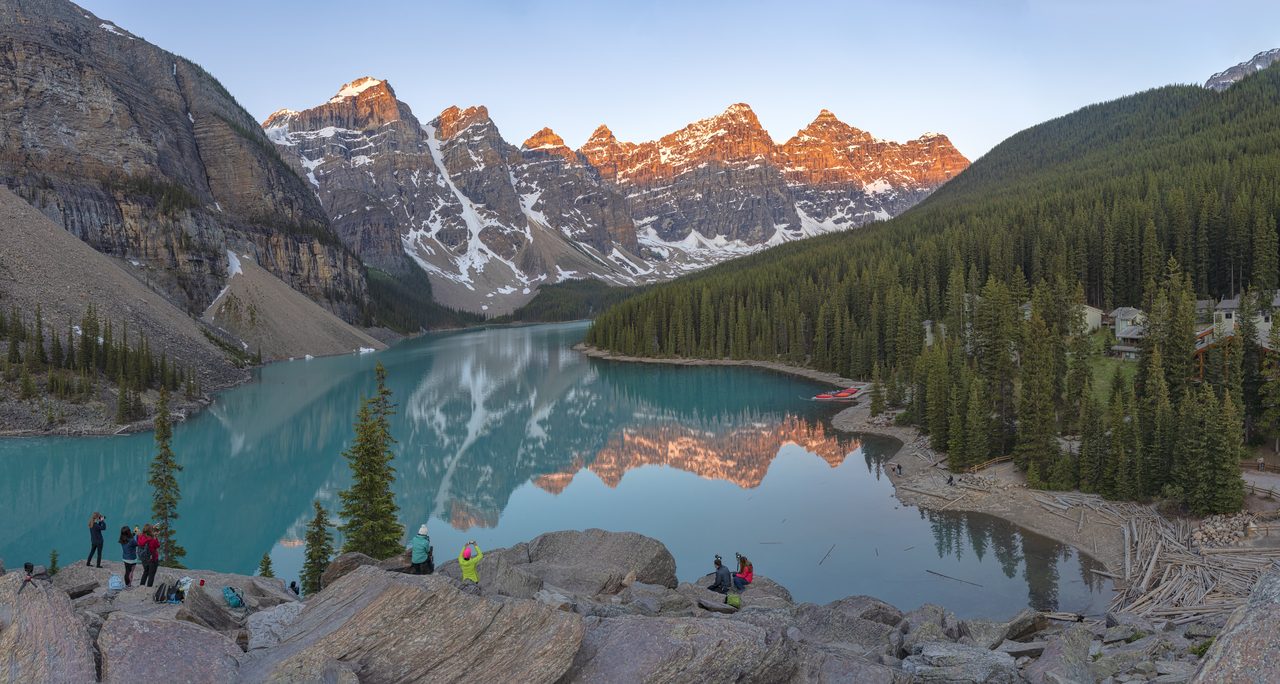
Day 4 — Lake Louise and Moraine Lake. These are the two most famous lakes in Canada and they live up to it — Lake Louise’s milky turquoise genuinely looks colour-corrected in person. Pro tip (and this one matters): you cannot drive your own car to Moraine Lake. Moraine Lake Road is closed to personal vehicles year-round; the only way in is the Parks Canada shuttle, booked through the Parks Canada Reservation Service. For 2026, reservations opened April 15 at 8:00 AM Mountain time, with 40% of seats released at launch and the remaining 60% released on a rolling basis 2 days before each date. Adult return fare is $12.75 plus a $3.50 booking fee. I set an alarm for 6:55 AM on launch day for my September trip, and the sunrise slot I wanted sold out by 8:20. Learn from my near-miss: do not wing this.
→ Parks Canada — visiting Lake Louise and Moraine Lake (official shuttle info)
Day 5 — Banff Gondola + Banff Avenue. Ride the Banff Gondola up Sulphur Mountain for the boardwalk to Sanson’s Peak — the gondola uses dynamic pricing, roughly $75–$100 for adults in peak season, and booking 48+ hours ahead locks the lowest tier. The 360° rooftop deck genuinely shut me up, which doesn’t happen often. Back down, soak the tired legs at the Banff Upper Hot Springs (~$17.50 for adults; the hot mineral water on cold evening air is worth every penny). Dinner on Banff Avenue — budget ~$35–50 per person.
Day 6 — Johnston Canyon or a flexible day. Hike the Johnston Canyon catwalks to the Upper Falls (a flat 5 km round trip, and the canyon walls are dripping with ice formations in early season), or use this as your flex day: the Banff town museums, the Cave and Basin National Historic Site, or a drive up to Canmore for lunch. I keep one flex day in every Rockies itinerary now — the weather changes fast up here, and you’ll thank me when it does.
Extending? Our 3-day Banff itinerary covers this base in more detail, and 2 days in Jasper covers the north end.
Day 7: The Icefields Parkway — Banff to Jasper (232 km)
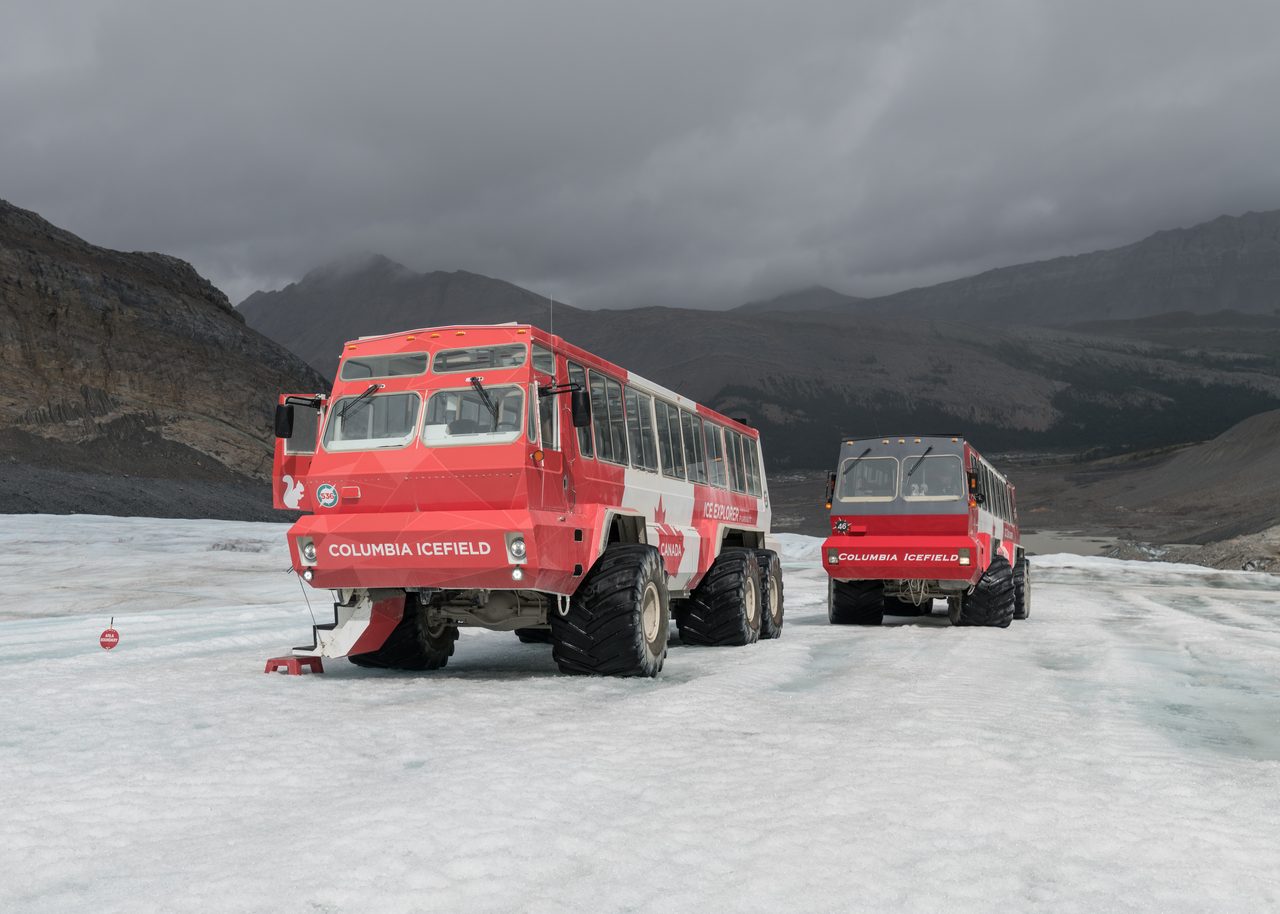
The Icefields Parkway (Highway 93 North) is the single most jaw-dropping drive in Canada — 232 km of glacier-fed valleys, and I stopped six times in the first hour alone. Allow a full day: Bow Lake and the Crowfoot Glacier, the Weeping Wall, and the Columbia Icefield Discovery Centre, where you can ride an Ice Explorer snowcoach onto the Athabasca Glacier itself. Fill your tank in Banff or Lake Louise; fuel is genuinely scarce along the Parkway. Arrive in Jasper townsite by evening.
Full road-trip version: our Banff to Jasper road trip guide.
Days 8–9: Jasper — wild, quiet, and gloriously dark skies
Jasper is Banff’s wilder sibling, and I mean that as the highest compliment. Day 8: take the Jasper SkyTram to the top of Whistlers Mountain, then drive out to Maligne Canyon. Day 9: the Maligne Lake cruise to Spirit Island — the single most iconic view in Jasper National Park. The cruise is seasonal (late May to early October), so if you’re travelling in shoulder season, confirm availability before you plan around it.
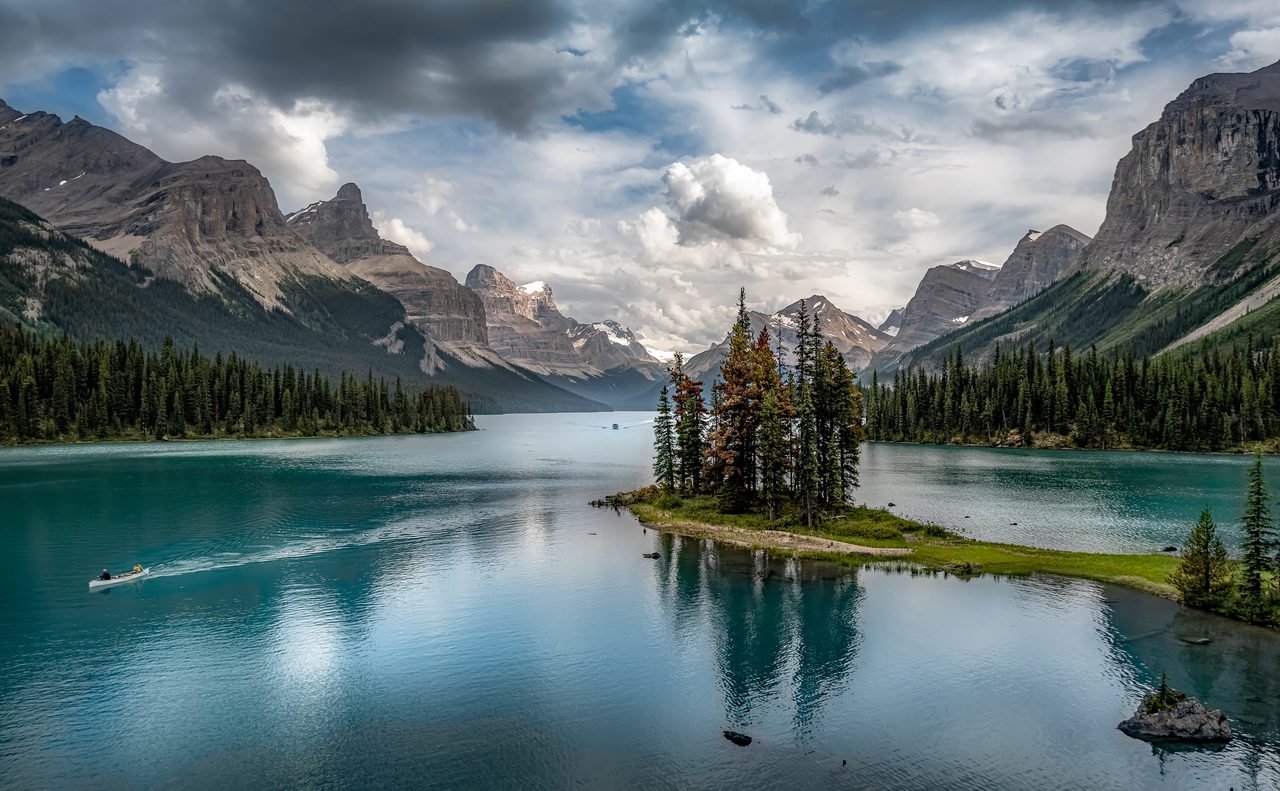
Jasper is the world’s second-largest Dark Sky Preserve, and here’s a memory I think about a lot: I dragged myself to the Maligne Overlook at 11 PM on a clear September night and saw the Milky Way reflected in the lake. Do not skip the stargazing — it’s free, and it’s the thing you’ll tell people about at dinner parties.
Day 10: Jasper to Calgary and home (~4 hours)
It’s about 4 hours from Jasper to Calgary along Highway 16 and Highway 2 — mostly gentle prairie highway after the mountains. If your flight is late, the Studio Bell music museum in Calgary is a solid last stop. Drop the rental at Calgary International and fly home — or better, see our 3-day Calgary itinerary if you want to add the Stampede city.
Option 2: The Eastern Canada route — Toronto to Quebec City (10 days)
This route is for people who want history, skylines, and a food scene that never lets up. The best part? You can do the whole thing by train and transit — no car rental, no parking, no stress. Toronto → Ottawa → Montreal → Quebec City is the classic corridor, and VIA Rail ties it together beautifully.
Days 1–2: Toronto — skyline, islands, and the Falls
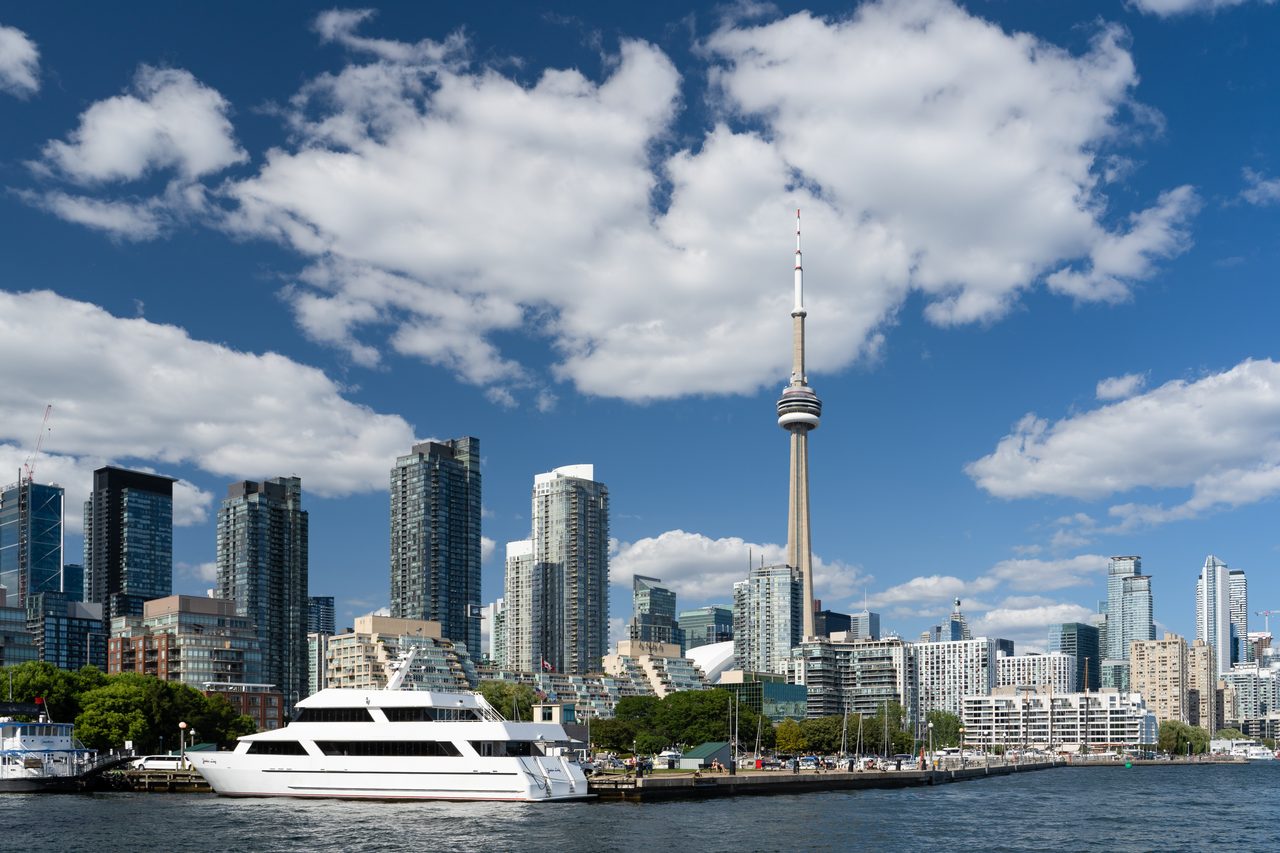
Day 1 — Toronto proper. Start at the CN Tower: adult general admission is $47 on the official ticket site (I checked October 2026), and tickets are timed — book the first slot of the day. I showed up at opening on a Tuesday and walked straight onto the elevator; by 11 AM the line was visibly different. Then the Distillery District (Victorian industrial architecture, galleries, patisseries) and dinner in Kensington Market.
→ CN Tower — official ticket prices & times
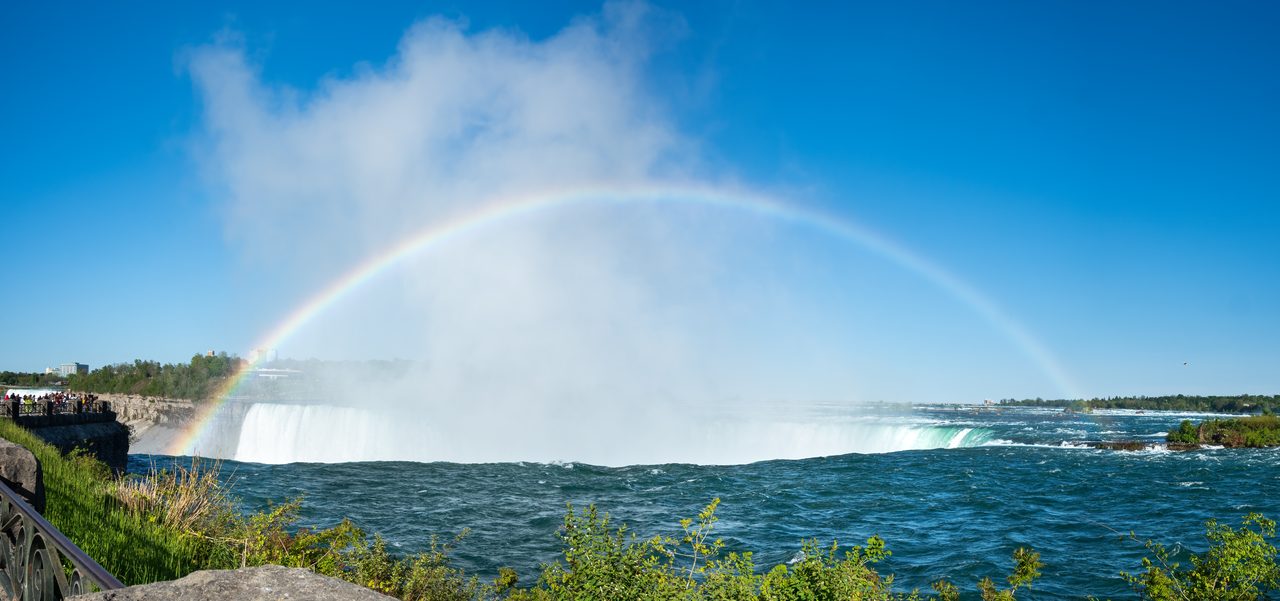
Day 2 — Niagara Falls day trip. GO Transit runs from Toronto Union Station to Niagara Falls, and from there the Falls are a short local bus ride. The boat tour to the base of Horseshoe Falls is mandatory — the poncho is a lie, you will get soaked, and it is glorious.
Pro tip: stop in Niagara-on-the-Lake on the way back for an icewine tasting. I’ll be honest, I thought icewine would be a tourist gimmick — it is the exact opposite. The peach-and-apricot notes from a glass poured in a 200-year-old winery garden are worth the detour alone. Full details in our 1-day Niagara Falls itinerary.
Day 3: VIA Rail to Ottawa (~4.5 hours)
Take the morning train to Canada’s capital. VIA Rail uses dynamic pricing — advance economy fares between Toronto and Montreal start around ~$55 booked early and climb to ~$155 same-day, and the trip runs about 4–5 hours. I booked six weeks out and paid just over $60; the person across the aisle paid double. The lesson: book trains like flights, not like taxis.
In Ottawa: Parliament Hill (the Centre Block is under a long restoration, so the views from Major’s Hill Park are your best bet), the Rideau Canal, and dinner in the ByWard Market. Ottawa is smaller than you expect and lovelier than you expect — both facts surprised me.
Days 4–6: Montreal — old world, new plates
Montreal is where my over-planning brain takes a vacation and my appetite takes over. Day 4: Old Montreal — cobblestones, Notre-Dame Basilica (the blue starlit ceiling is worth the ~$15 entry, checked 2026), and a proper poutine from a place locals argue about. Day 5: climb Mount Royal for the Kondiaronk Belvedere lookout, then the Plateau’s murals and bagel shops. Day 6: Jean-Talon Market in the morning — I’ve been three times and still leave with more cheese than luggage space allows — then your pick of museum or neighbourhood.
Full plan: 3 days in Montreal or the tighter 2-day Montreal itinerary.
Days 7–9: Quebec City — Europe without the flight
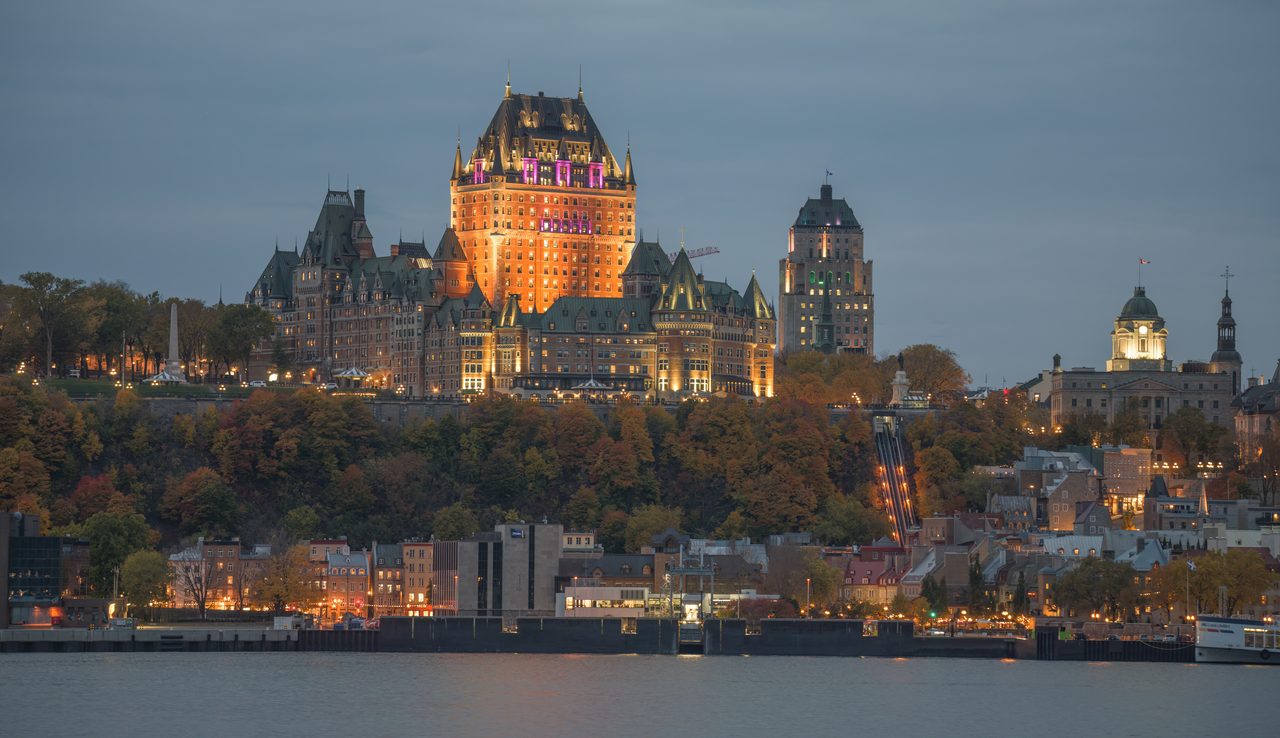
Quebec City is North America’s only walled city north of Mexico, and walking into Old Quebec genuinely feels like a teleportation trick. Three nights here: the Château Frontenac and Terrasse Dufferin boardwalk, Petit-Champlain’s shops, and a half-day at Montmorency Falls — they’re 30 metres taller than Niagara, and the cable car plus the suspension bridge over the crest make a great afternoon. Fair warning: Old Quebec’s hills are no joke. My spreadsheet said “leisurely stroll.” My calves said otherwise.
More detail: 3 days in Quebec City.
Day 10: Charlevoix or a slow departure
If your flight is in the evening, steal a morning in Charlevoix for cliffside St. Lawrence views and cider from the roadside orchards — or just one more crème brûlée crepe on Rue Saint-Jean and a slow train back to Montreal for your flight. Either way, leave before you want to. That city does things to people.
How much does 10 days in Canada cost?
Budget per adult, excluding international flights, at October 2026 prices (items marked ~ are estimates — Canada’s sales taxes add 5–15% at the register, and tipping 18–20% is the norm):
| Item | West route (mid-range) | East route (mid-range) |
|---|---|---|
| Accommodation, 9 nights (3-star hotels) | ~$1,800–2,250 | ~$1,600–2,000 |
| Car rental, ~7 days (West only) | ~$560–840 | — |
| VIA Rail trains Toronto→Ottawa→Montreal→Quebec City | — | ~$200–300 |
| Parks Canada Discovery Pass (family/group, 12 months) | $167.50 | — |
| Moraine Lake shuttle (adult return) + Banff Gondola | ~$110 | — |
| CN Tower + Niagara Falls attractions | — | ~$100 |
| Food & drink, 10 days (~$80–100/day) | ~$800–1,000 | ~$800–1,000 |
| Fuel (West, ~1,000 km at ~$1.60–1.90/L) | ~$120–150 | — |
| eTA (if required, one-time, valid 5 years) | $7 | $7 |
| Total per person | ~$3,100–3,700 | ~$2,700–3,300 |
On the West route, the Discovery Pass math is simple: 2026 prices are $83.50/adult or $167.50 for a family/group pass covering up to 7 people in one vehicle for 12 months — it pays for itself the moment you’re in the parks more than a few days (daily entry is ~$12/adult). One more thing worth knowing: Parks Canada ran the free-admission Canada Strong Pass from June 19 to September 7, 2026 — that has ended for this year, so budget the pass for your dates.
→ Parks Canada — Lake Louise & Moraine Lake shuttle and access (official)
Timeline at a glance
| Day | West: Vancouver → Calgary | East: Toronto → Quebec City |
|---|---|---|
| 1–2 | Vancouver: Stanley Park seawall, Granville Island | Toronto: CN Tower ($47), Distillery District |
| 2/3 | Drive to Kelowna via Okanagan wine country | Niagara Falls day trip + icewine tasting |
| 3/4 | Arrive Banff; first evening in town | VIA Rail to Ottawa; Parliament Hill |
| 4–6 | Banff: Lake Louise, Moraine Lake shuttle ($12.75), gondola | Montreal: Old Montreal, Mount Royal, markets |
| 7 | Icefields Parkway → Jasper (232 km) | Montreal flex day |
| 8–9 | Jasper: SkyTram, Maligne Lake cruise, dark skies | Quebec City: Old Quebec, Montmorency Falls |
| 10 | Drive to Calgary; fly home | Charlevoix or departure |
FAQs about a 10-day Canada trip
Is 10 days enough to see Canada?
Honestly? No — Canada is the second-largest country in the world, and nobody “sees Canada” in 10 days. But 10 days is exactly enough for one region done properly: the West route (Vancouver to Calgary) or the East route (Toronto to Quebec City). If you try to do both coasts, you’ll spend the trip in airports. Pick one side, and you’ll actually have a vacation. Want more time? See our 14-day Canada itinerary.
Do I need a car for a 10-day Canada trip?
In the West, yes — you need a car to reach the Rockies’ trailheads and viewpoints (budget ~$80–120/day for an SUV rental). In the East, you can skip the car entirely: VIA Rail connects Toronto, Ottawa, Montreal, and Quebec City in about 4–5 hour hops, and all four cities have solid transit. I did the East route car-free and never missed it for a second.
What is the best month for a 10-day Canada trip?
September is my pick: mild weather, thinning crowds, falling hotel rates, and larch season in the Rockies. Late June to early August has the warmest weather and the full shuttle/cruise season, but peak prices and peak crowds. Fair warning: in the Rockies, even July nights can be chilly — layers are non-negotiable.
Do I need to book the Moraine Lake shuttle in advance?
Yes — 100%. Moraine Lake Road is closed to personal vehicles year-round, and every visitor arrives by Parks Canada shuttle, Roam Transit, or a licensed tour. For 2026, reservations opened April 15 at 8:00 AM Mountain time, with 40% of season seats released at launch and 60% released 2 days before each date. Adult return fare is $12.75 plus a $3.50 booking fee. Slots sell out — book through the Parks Canada Reservation Service as early as you can.
How much should I budget per day in Canada?
Plan ~$300–370 CAD per person per day for a comfortable mid-range trip (3-star hotels, restaurants, attractions, transport), which lands at ~$3,000–3,700 per adult for 10 days, excluding international flights. The East route runs slightly cheaper since there’s no car rental or fuel. Note the Canada Strong Pass free-admission period ended September 7, 2026, so budget the Parks Canada Discovery Pass ($83.50/adult or $167.50/family for 2026).
Can I do this itinerary in winter?
The East route works year-round (Montreal and Quebec City are wonderful in winter — Quebec’s Winter Carnival runs in February), but the West route is a summer/fall itinerary as written. In winter, the Icefields Parkway is still plowed and Banff becomes a ski town — swap the glacier cruise for hot springs and snowshoeing, and see our winter itineraries instead.
Keep exploring
- The Ultimate 2 Days in Vancouver Itinerary: 2026 Guide
- The Ultimate 3 Days in Banff Itinerary for 2026
- Banff to Jasper Road Trip: The Icefields Parkway Guide
- The Ultimate 1 Day in Niagara Falls Itinerary for 2026
- The Ultimate 3 Days in Montreal Itinerary for 2026