
Last updated: October 3, 2026
The short answer
- The plan: Fly into Halifax, spend 2–3 days on the city waterfront and South Shore (Peggy’s Cove, Lunenburg), then drive the 298 km Cabot Trail around Cape Breton (3–4 days) — with a Bay of Fundy detour for the world’s highest tides.
- Best time: Mid-June through September for full services and the warmest weather; early October brings fall colour and the Celtic Colours festival. Budget ~$300–525 per person per day, mid-range (see the full cost table below).
- Don’t miss: Walking the ocean floor at Burntcoat Head at low tide, a traditional lobster supper, and tidal bore rafting on the Shubenacadie River (~$75–115 per person).
I have a confession: for years I treated Nova Scotia as a “maybe someday” destination — a little corner of Canada that sounded lovely but never made the top of my color-coded spreadsheet. Then I finally went, and I’ll be honest, it hijacked my travel-planning brain in about forty-eight hours. Here’s the thing about Nova Scotia: it’s not trying to be dramatic like the Rockies. It’s subtler — fog burning off a lighthouse at 7 AM, a fiddler playing in a Chéticamp pub, a lobster roll so fresh it barely qualifies as food anymore. This guide is everything I learned across my trips: the 2026 prices and hours I double-checked before I went, the mistakes I made so you don’t have to, and the exact route I’d follow if I were planning it again (which I already am).
When to visit Nova Scotia: best time in 2026
June to September is the main season — everything is open, whale-watching boats are running, and you can actually dip a toe in the ocean without questioning your life choices (I’ll be honest: it’s still cold. It’s the North Atlantic. Bring the sweater.). July and August are warmest and busiest; hotels in Halifax and on the Cabot Trail sell out on summer weekends, so book early — I once waited until June to book a Cabot Trail B&B and paid for it. Literally.
Early to mid-October is my sleeper pick: fall colour along the Cabot Trail is spectacular, the Celtic Colours International Festival (mid-October, Cape Breton) fills village halls with fiddles and Gaelic song, and crowds thin out. Fair warning: many whale-watching tours and seasonal restaurants wind down by late October, so check before you commit.
May is shoulder season — cheaper, quieter, but some attractions only open around Victoria Day weekend. Winter? Possible but spartan: the Cabot Trail stays open year-round (Trunk 30 / Highway 105), but winter driving on those highland switchbacks is for the experienced only, and many seasonal businesses close November–April.
Getting there and getting around
You’ll fly into Halifax Stanfield International Airport (YHZ), about 35 minutes from downtown Halifax — nonstop flights run from New York, Boston, Toronto, and most major Canadian cities (my two-hour flight from New York felt suspiciously easy). From the airport, a taxi or rideshare downtown runs ~$60–70; there’s also an airport shuttle bus.
Here’s the thing: Nova Scotia is a driving province. The Cabot Trail, the South Shore, and the Bay of Fundy are all 1–4 hours from Halifax, and while tour buses cover the headline stops, a rental car gives you the whole province. Expect ~$60–100 per day for a rental in summer (estimate — book early, because summer inventory goes fast). I rented for my second trip and immediately wished I’d done it for the first.
No car? You can still do plenty: guided day tours run from Halifax to Peggy’s Cove and Lunenburg, and our Nova Scotia road trip itinerary has a section on car-free options. For the Cabot Trail, though, fair warning — you really want your own wheels.
Halifax: your urban gateway (2–3 days)
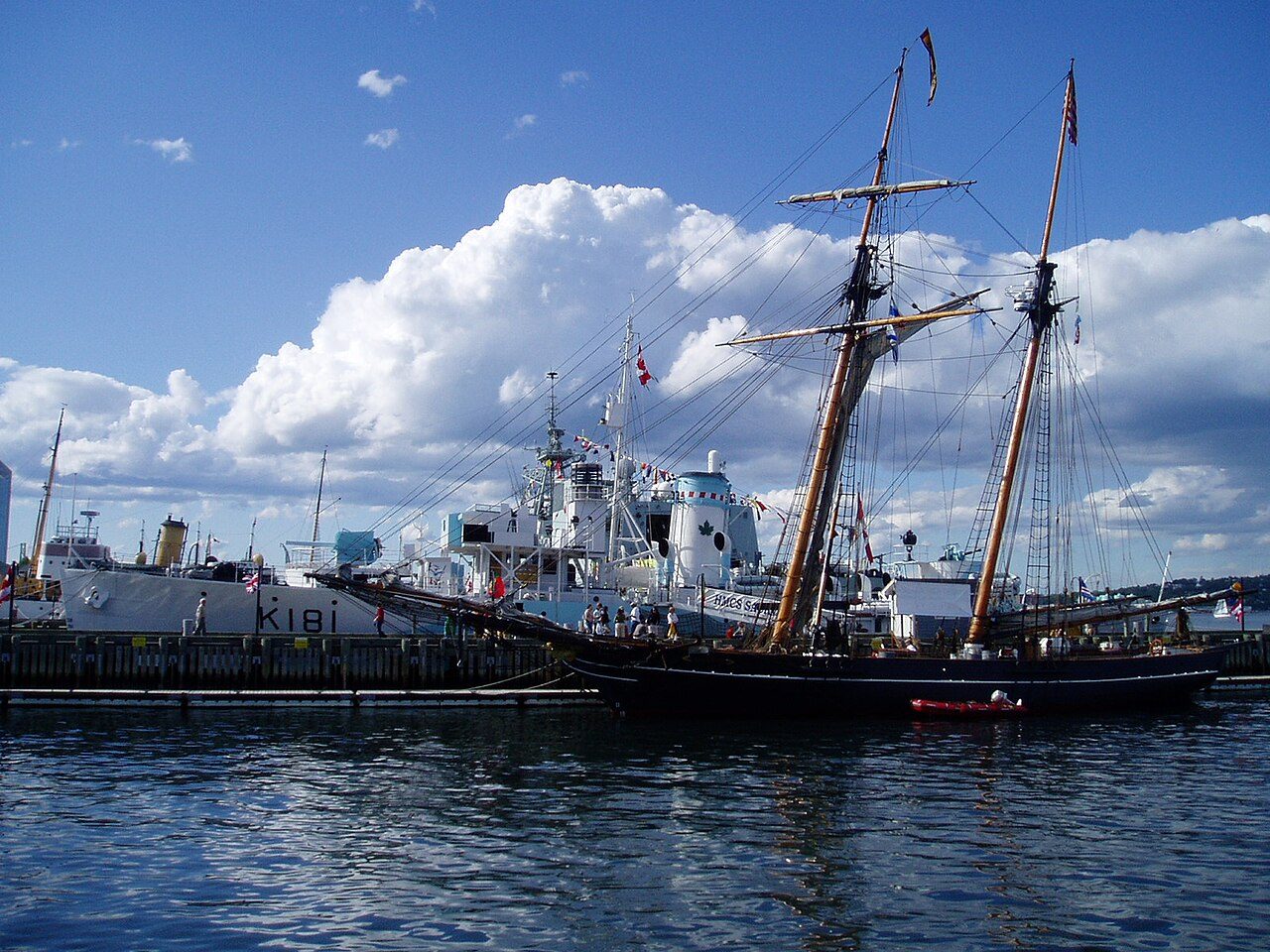
Halifax is one of those cities that immediately feels manageable — compact, walkable, and built around a working harbour that smells like salt and diesel in the best possible way. I based myself here for three days on my first trip and could easily have done four.
Walk the waterfront boardwalk
The Halifax Harbourwalk runs about 4 km along the water, and it’s my favourite free activity in the city — I’ve done this walk four times now, morning coffee in hand every time. Start at the Maritime Museum of the Atlantic (do not skip the Titanic exhibit; Halifax’s connection to the 1912 disaster is genuinely moving) and wander past food stalls, tall ships, and the Historic Properties warehouses. Museum admission is ~$10–13 for adults — I checked the current rate on the museum’s official site before I went, since rates change seasonally, so do the same.
The Halifax Citadel
Perched on the hill above downtown, the Halifax Citadel National Historic Site is a star-shaped 19th-century fortress with guided tours, a noon gun fired daily in summer (it startled me even though I knew it was coming — pro tip: cover your ears), and the best harbour panorama in the city. Admission is roughly ~$13 for adults in 2026 (Parks Canada; youth free). Give it 2–3 hours.
Eat a donair — trust me on this one
The donair was invented in Halifax in the 1970s (a Greek immigrant’s adaptation of the doner kebab, with that famously sweet sauce), and ordering one here is practically a civic duty. Every local I asked said the same thing: get it from King of Donair, the original. I did. It was messy, glorious, and worth every penny. Do not skip this.
The Cabot Trail: Nova Scotia’s legendary drive
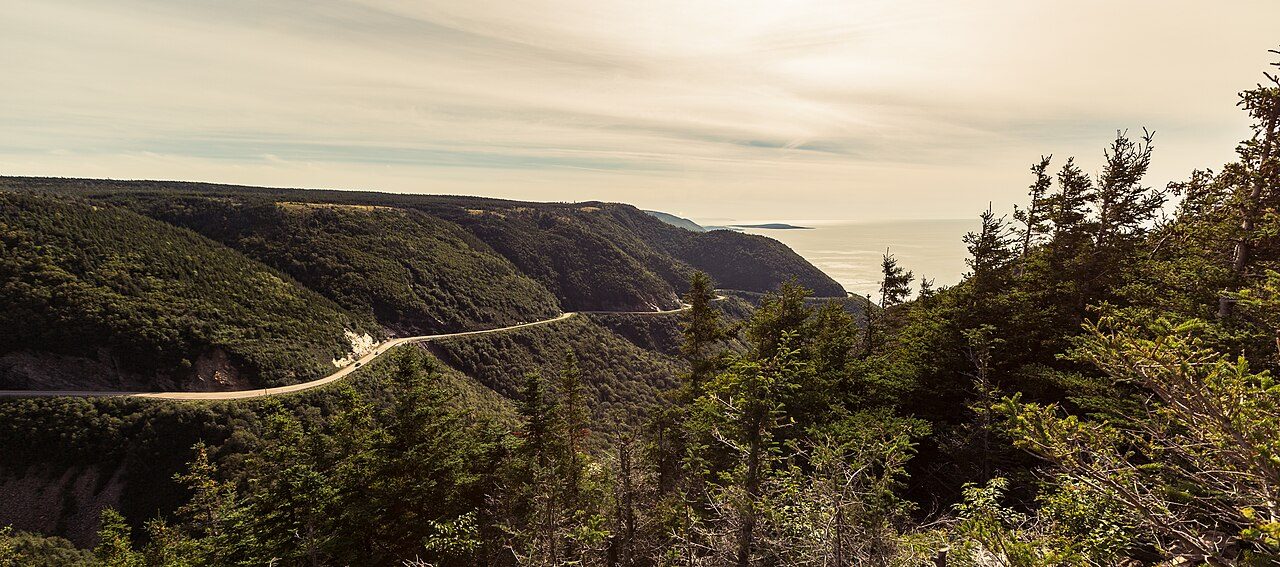
The Cabot Trail is a 298 km (185-mile) loop around the northern tip of Cape Breton Island — steep coastal switchbacks on the west side, highland plateau through Cape Breton Highlands National Park (roughly a third of the route), and Acadian fishing villages on the way back down. Driven straight through it’s a 5–7 hour day, but that misses the entire point: give it 3–4 days with hiking and cultural stops.
Which direction? I drove it clockwise (the standard recommendation — it keeps you on the inside lane through the cliff-hugging sections), starting from Baddeck, the tidy village on Bras d’Or Lake that’s the unofficial start/finish, about four hours northeast of Halifax, and worth a stop for the Alexander Graham Bell National Historic Site.
2026 park entry (Parks Canada): roughly ~$10/day adult, ~$8.75 senior, youth 17 and under free, family/group ~$19.50 — and the free Canada Strong Pass covered admission June 19–September 7, 2026, so check whether a similar pass exists for your travel year. I double-checked the current rates on the official Parks Canada fees page before I went, since fees shift a little each year — do the same. You need a park pass for any stop inside the national park, including the Skyline Trail.
→ Tourism Nova Scotia — clockwise vs counter-clockwise on the Cabot Trail
Hikes worth lacing up for
- Skyline Trail — the famous one. A ~6.5 km out-and-back (there’s a longer ~8.2 km loop option too) along boardwalks to a headland overlooking the Gulf of St. Lawrence. I went at sunset and watched a moose browse in the meadow below the stairs while everyone whispered like we were in church. Whales are sometimes spotted offshore. Fair warning for 2026: the Skyline Trail now needs a reserved parking time slot from June 26 to October 25 — I booked mine on the Parks Canada site before I went, and weekend slots go fast.
- Middle Head Trail — an easy ~4 km coastal walk near Ingonish with near-constant sea views and bald eagles overhead. I timed it at under two hours with photo stops (there were many).
- Franey Trail — shorter but steeper, ending above the Clyburn Valley with views to the Atlantic. My quads filed a formal complaint.
Celtic and Acadian culture along the way
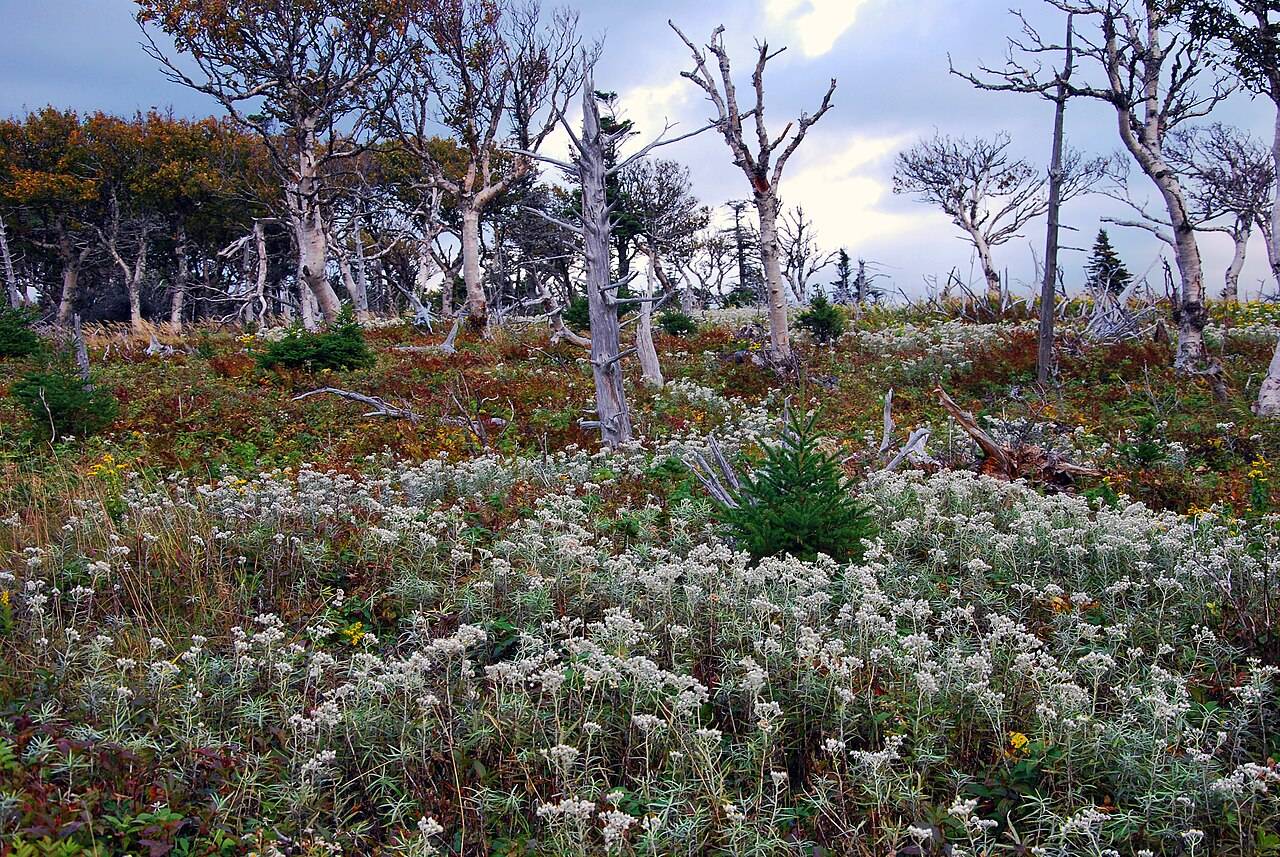
The island’s Gaelic and Acadian heritage is everywhere: Chéticamp (Acadian fishing village, hooked-rug artisans), live fiddle music in pubs from Pleasant Bay to St. Ann’s, and céilidhs — community kitchen parties — in village halls. A server at a Baddeck pub told me the Tuesday-night céilidh was “the real thing, not the tourist thing,” and she was right: I was the only non-local in the room and I loved it. If you’re here in mid-October, the Celtic Colours International Festival is the marquee event.
Whale-watching boats run from Pleasant Bay (June–October, roughly ~$70–85 per person — estimate, check operators before booking); pilot whales are the stars here. Fair warning: the highland plateau has long cell-dead patches, so download offline maps. I learned this the sweaty way, staring at a spinning loading icon outside Meat Cove.
South Shore: Peggy’s Cove, Lunenburg & Mahone Bay

The South Shore is an easy day trip (or two) from Halifax, and it’s the postcard Nova Scotia — fishing villages, lighthouses, and one very famous pile of rocks.
Peggy’s Cove (free)
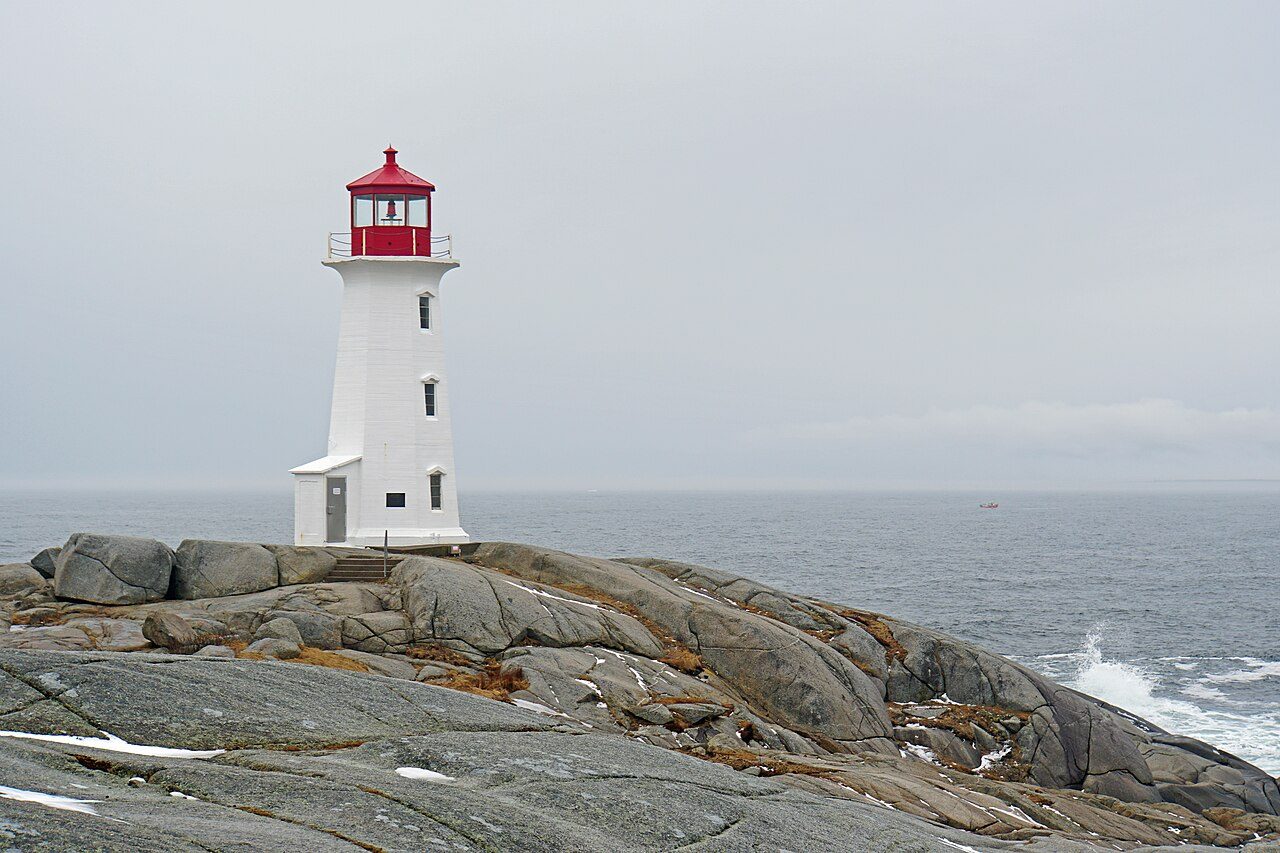
The Peggys Point Lighthouse — built in 1915, still operated by the Canadian Coast Guard — is one of the most photographed lighthouses in Canada, sitting on wave-washed granite at the edge of a working fishing village 45 minutes from Halifax. Go early (I arrived just after 8 AM and had the rocks nearly to myself) or go at golden hour. Serious safety note: stay off the dark, wet rocks near the water’s edge — rogue waves have swept visitors off these rocks, and the memorial plaques are sobering. I stayed well back and still got magnificent photos.
Lunenburg: UNESCO Old Town
Old Town Lunenburg is a UNESCO World Heritage Site — one of the best-preserved planned British colonial towns in North America, with buildings dating to the 1700s and 1800s in those famous bright colours. The Fisheries Museum of the Atlantic (on the waterfront, ~$13 adult — estimate) is genuinely excellent, and the Bluenose II — Nova Scotia’s sailing ambassador, the replica of the undefeated racing schooner on the dime — sails from here in summer. I booked a two-hour harbour sail (~$75, estimate) and spent the whole time grinning like an idiot. Check the Bluenose II schedule on its official site before you go; it tours the province.
Short on time? Our 1-day Lunenburg itinerary and 2-day Lunenburg itinerary cover both in detail.
Mahone Bay & the Three Churches
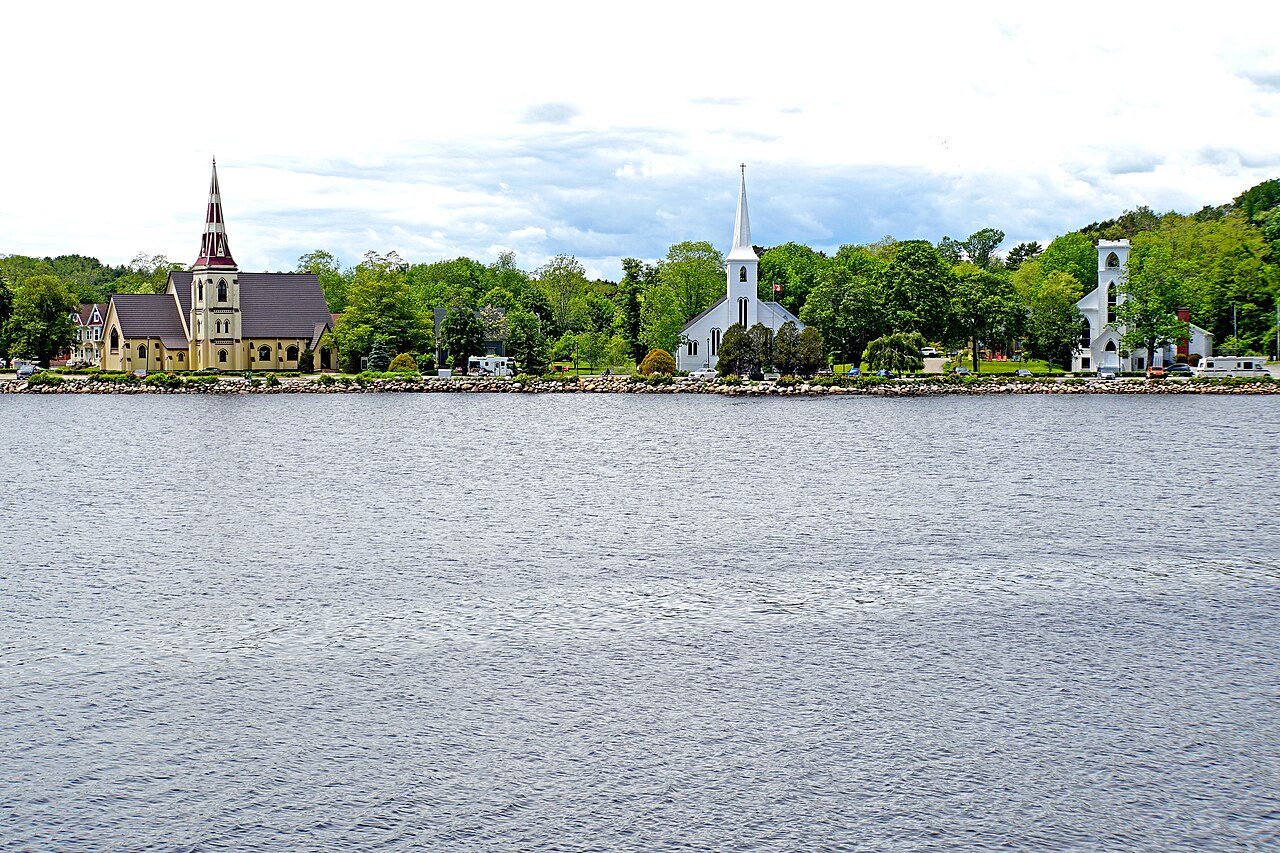
Ten minutes from Lunenburg, Mahone Bay is the smaller, quieter sibling — famous for the iconic view of three historic churches reflected in the harbour. It’s a 20-minute photo stop or a lazy hour of boutiques and a harbourfront coffee. I did both, obviously.
Bay of Fundy: the world’s highest tides

The Bay of Fundy has the highest tidal range in the world — up to 16.3 metres (53.5 feet) in extreme conditions, with tides typically swinging ~14.5 metres twice a day. Twice daily, 160+ billion tonnes of seawater flow in and out. The numbers are abstract until you watch it happen.
Walk the ocean floor at Burntcoat Head Park
Burntcoat Head Park, on the Minas Basin side of the bay (about 1.5 hours from Halifax), sits in the Guinness Book of World Records for the highest tides on the planet. At low tide you descend a staircase to the exposed ocean floor — sea caves, tidal pools, fossils in the red rock — and six hours later the mudflat you stood on is under 40+ feet of water. Check the official tide times before you go and be back onshore two hours before high tide (this is the part where my planner brain went into overdrive). Sturdy shoes you don’t mind getting muddy — trust me on this one.
→ Tourism Nova Scotia — 8 ways to experience the Bay of Fundy · Parks Canada — how the Fundy tides work
Tidal bore rafting on the Shubenacadie River (~$75–115)
This was the wild card of my trip and possibly the most fun: when the Fundy tide rushes in, it forces its way up the Shubenacadie River as a tidal bore — a wave you ride upstream on a Zodiac. Outfitters near Shubenacadie and Maitland (about an hour from Halifax) run 2–4 hour trips, ~$75–115 per person (2026 rates vary by operator — I checked several before booking), including the famous post-ride mud slide. Departure times follow the tide, not the clock, so book around the bore schedule. You will get soaked and muddy; bring water shoes and a full change of clothes.
Whale watching
Summer brings humpbacks, minkes, fin whales, and endangered North Atlantic right whales to feed in the nutrient-rich Fundy waters — peak season June through October. Top departure points: Brier Island / Digby Neck on the Nova Scotia side and Pleasant Bay on Cape Breton. Tours run roughly ~$65–85 per person (estimate). I went from Brier Island in August and we had humpbacks close enough to hear them breathe — I may have squealed. A little.
Annapolis Valley: wine, apples & Tidal Bay

The Annapolis Valley is Nova Scotia’s farm country — apple orchards, farm markets, and a surprisingly serious wine region. Tidal Bay is the province’s signature appellation-style wine (a crisp, aromatic white blend defined by Nova Scotia’s wine authority), and the valley’s wineries around Wolfville pour it with views over the dykelands to the Bay of Fundy. Tasting flights run ~$10–20 (estimate). I did a self-guided afternoon of three wineries and one very good farm-market stop, and it was the most relaxed half-day of the trip.
What to eat: the Nova Scotia food hit list
- Lobster supper — the traditional shore boil or a lobster roll at a wharf-side shack. Peak lobster season varies by fishing area; summer is reliably good. Budget ~$30–50 for a full lobster dinner (estimate).
- Digby scallops — the giant scallops from the Bay of Fundy are the real deal; order them anywhere near Digby or Annapolis Royal.
- Donair — Halifax’s gift to late-night Canada (see above). Get the original at King of Donair.
- Seafood chowder — every coastal town has an opinion; mine is that you should try at least three and pick a winner.
- Blueberry everything — Nova Scotia grows a huge share of Canada’s wild blueberries. The grunt (a traditional steamed blueberry dessert) is the move.
How much does a week in Nova Scotia cost?
Sample budget per adult for 7 days, mid-range (prices checked October 2026; items marked ~ are estimates):
| Item | Cost (CAD) |
|---|---|
| Car rental, 7 days | ~$450–700 |
| Hotels/B&Bs, 6 nights | ~$900–1,800 |
| Food & drinks, 7 days | ~$450–700 |
| Gas (Cabot Trail + South Shore + Fundy ≈ 1,500 km) | ~$150–200 |
| Parks Canada pass (Cape Breton Highlands, ~2 days) | ~$20 |
| Tidal bore rafting | ~$75–115 |
| Whale watching tour | ~$65–85 |
| Museums & attractions (Citadel, Maritime Museum, Fisheries Museum) | ~$35–45 |
| Total | ~$2,150–3,665 |
Cutting costs? Camp in the national park (sites from ~$30/night — reserve through Parks Canada, since July–August sells out months ahead), self-cater some meals from the Halifax Seaport Farmers’ Market, and lean on the many free highlights: Peggy’s Cove, the Halifax waterfront, Mahone Bay, and the Cabot Trail lookoffs themselves.
Suggested 7-day Nova Scotia itinerary at a glance
| Day | Where | Highlights |
|---|---|---|
| 1–2 | Halifax | Waterfront boardwalk, Maritime Museum, Citadel, donair |
| 3 | South Shore | Peggy’s Cove (early), Lunenburg UNESCO Old Town, Mahone Bay |
| 4 | Bay of Fundy | Burntcoat Head at low tide, tidal bore rafting |
| 5–6 | Cape Breton | Cabot Trail: Baddeck → Skyline Trail → Chéticamp |
| 7 | Cape Breton → Halifax | Ingonish beaches, Alexander Graham Bell NHS, drive back |
Want the full road-trip version? See our Ultimate Nova Scotia Road Trip Itinerary for 2026 and our 3-day Halifax itinerary for city-only plans. You’ve got this.
FAQs about visiting Nova Scotia
How many days do you need in Nova Scotia?
Seven days is the sweet spot: 2–3 days for Halifax and the South Shore (Peggy’s Cove, Lunenburg), 3–4 days for the Cabot Trail around Cape Breton, and a day for the Bay of Fundy’s tides. With fewer days, pick one region — Halifax plus the South Shore works well for a long weekend. See our 1-day Halifax itinerary for a tight plan.
Is the Cabot Trail open year-round?
Yes — the road itself (Trunk 30 / Highway 105) is open year-round, but full services (restaurants, accommodations, park visitor centres) run roughly late May through mid-October. Winter driving on the highland switchbacks, with steep grades up to ~13% and moose on the road, is only for experienced winter drivers — night driving is best avoided because of moose.
When is the best time to visit Nova Scotia?
Mid-June through September for the full experience: whale watching, tidal bore rafting, warmest weather, and all attractions open. Early October adds fall colour and the Celtic Colours festival on Cape Breton, though some seasonal businesses close by late October. May is a quieter, cheaper shoulder season.
Do you need a car in Nova Scotia?
For the full trip, yes. Halifax itself is walkable and day tours cover Peggy’s Cove and Lunenburg, but the Cabot Trail, the Bay of Fundy sites (Burntcoat Head, Shubenacadie rafting), and the Annapolis Valley wineries all require a car. Rentals from Halifax airport run ~$60–100/day in summer — book early.
Where can you see the Bay of Fundy tides in Nova Scotia?
Burntcoat Head Park on the Minas Basin holds the Guinness record for the highest tides in the world (up to 16.3 m) — walk the ocean floor at low tide. You can also ride the incoming tide with tidal bore rafting on the Shubenacadie River (~$75–115/person), or watch the bore reverse the river from the Fundy Discovery Site near Truro (free). Always check tide times and be onshore two hours before high tide.
What food is Nova Scotia famous for?
Lobster (especially the traditional lobster supper), Digby scallops from the Bay of Fundy, seafood chowder, wild blueberries (try blueberry grunt), and the Halifax donair — invented in the city in the 1970s. The Annapolis Valley’s Tidal Bay white wine is the local pour to seek out.
2 comments