
Last updated: October 3, 2026
The short answer
- Do the free stuff first: Parliament Hill’s guided tours are completely free (book online well ahead), the Changing of the Guard is free daily in summer, and the Supreme Court tours are free too.
- Budget for 3 days: roughly ~$650–980 CAD per person mid-range (museum tickets, food, and a 2-night hotel) — plus free showstoppers like the Rideau Canal and Major’s Hill Park that cost nothing.
- Timing is everything: I plan Ottawa trips around either the Tulip Festival (May 8–18, 2026, free) or Winterlude (Jan 29–Feb 15, 2027), when the city is genuinely at its best.
Ottawa surprised me, and I’ll be honest — I arrived expecting a stuffy government town and left with a city I keep recommending. Here’s the thing: Canada’s capital is genuinely one of the most visitor-friendly cities in the country. It’s compact enough to walk almost everywhere, the biggest sights are either free or cheap, and the whole place revolves around one beautiful canal and one very photogenic hill.
I’ve done Ottawa in February (skates on, cheeks freezing) and in May (tulips everywhere, pure serotonin), and this guide covers both versions — plus the museums, neighborhoods, and food that make the capital worth the trip year-round. Everything below uses 2026 prices and hours checked in October 2026, and anything that’s an estimate is marked with a ~.
Getting to Ottawa and getting around
Most visitors fly into Ottawa Macdonald-Cartier International Airport (YOW), about 20 minutes south of downtown. Pro tip: take the O-Train Line 4 airport link and transfer at South Keys to reach downtown — it’s one flat transit fare, no taxi line, no app roulette. Coming from Toronto or Montreal? VIA Rail is my favorite option: Toronto to Ottawa runs ~4.5 hours, Montreal to Ottawa about ~2 hours, and both drop you at the central station on Tremblay Road (which, fair warning, is a short O-Train ride from downtown, not walking distance — I learned that the sweaty way).
Once you’re in the city, the transit system is tourist-friendly. OC Transpo runs the O-Train Line 1 east-west through downtown plus buses everywhere, and you don’t even need a special card — just tap your credit or debit card (or phone):
- Single ride: $4.10 tap / $4.15 cash (90–105 minute transfer included)
- DayPass: $12.25 — and pro tip, fare capping means taps never charge you more than a DayPass anyway
- 3-day pass: $30.75 — the game-changer for a long weekend
→ OC Transpo — official fares page
Here’s the thing, though: downtown Ottawa is gloriously walkable. Parliament Hill, the ByWard Market, the National Gallery, and Major’s Hill Park all sit within about a 15-minute stroll of each other. I timed it: my hotel near Elgin Street to the front lawn of Parliament was eleven minutes, downhill. The city is also stacked with bike paths along the canal — renting a bike for a morning ride is one of my favorite ways to start a day here.
When to visit Ottawa (and what to pack)
Ottawa doesn’t do anything by halves — including weather. Summers are hot and humid (think ~26°C days), winters are legendary deep-freeze (January regularly dips to ~-15°C). Here’s how I plan around the calendar:
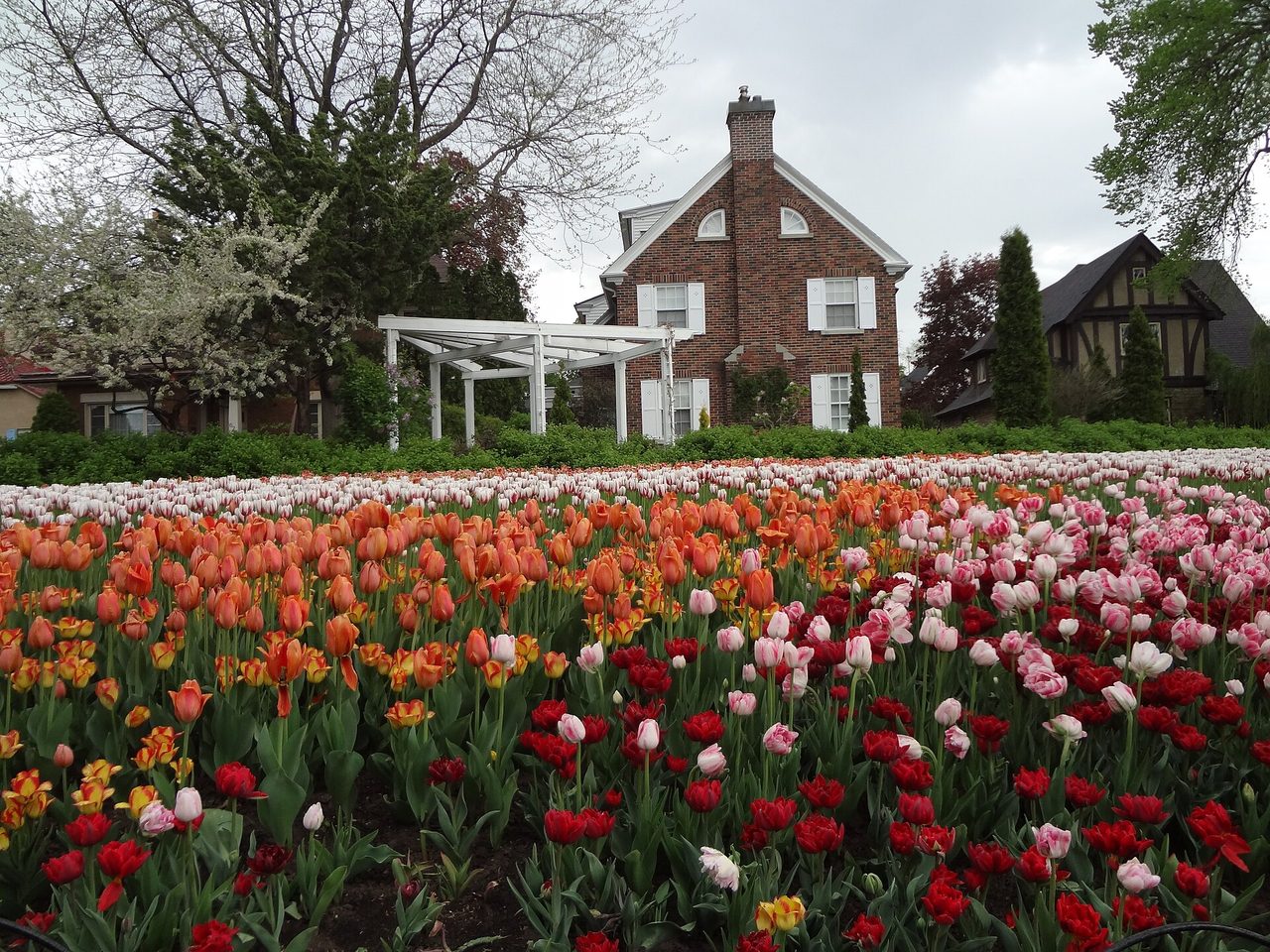
- May — Tulip Festival: the city’s prettiest two weeks. The 74th Canadian Tulip Festival ran May 8–18, 2026 at Commissioners Park by Dow’s Lake, with 300,000+ blooms, and entry is free. Take the O-Train Line 2 to Dow’s Lake station — it drops you right at the grounds. → Canadian Tulip Festival — official site
- February — Winterlude: the 49th edition runs January 29 to February 15, 2027 — ice sculptures at Confederation Park’s Crystal Garden, the Snowflake Kingdom’s snow slides at Jacques-Cartier Park in Gatineau, and the canal skateway (weather permitting). Pack like you mean it. → Ottawa Tourism — Winterlude 2027
- July 1 — Canada Day: the biggest party of the year on Parliament Hill. Book hotels months ahead — do not skip this advice.
- September–October: my secret favorite. Warm days, thin crowds, fall color along the canal, and museum prices that haven’t moved.
Packing rules, from someone who’s been both under- and over-prepared: December through March means a real parka, thermal layers, and waterproof boots (the wind off the river is no joke). In summer, bring the sunscreen and a light sweater — even in July, the breeze off the Ottawa River gets chilly after sunset, and I still forget this every single year.
Parliament Hill and downtown: start here
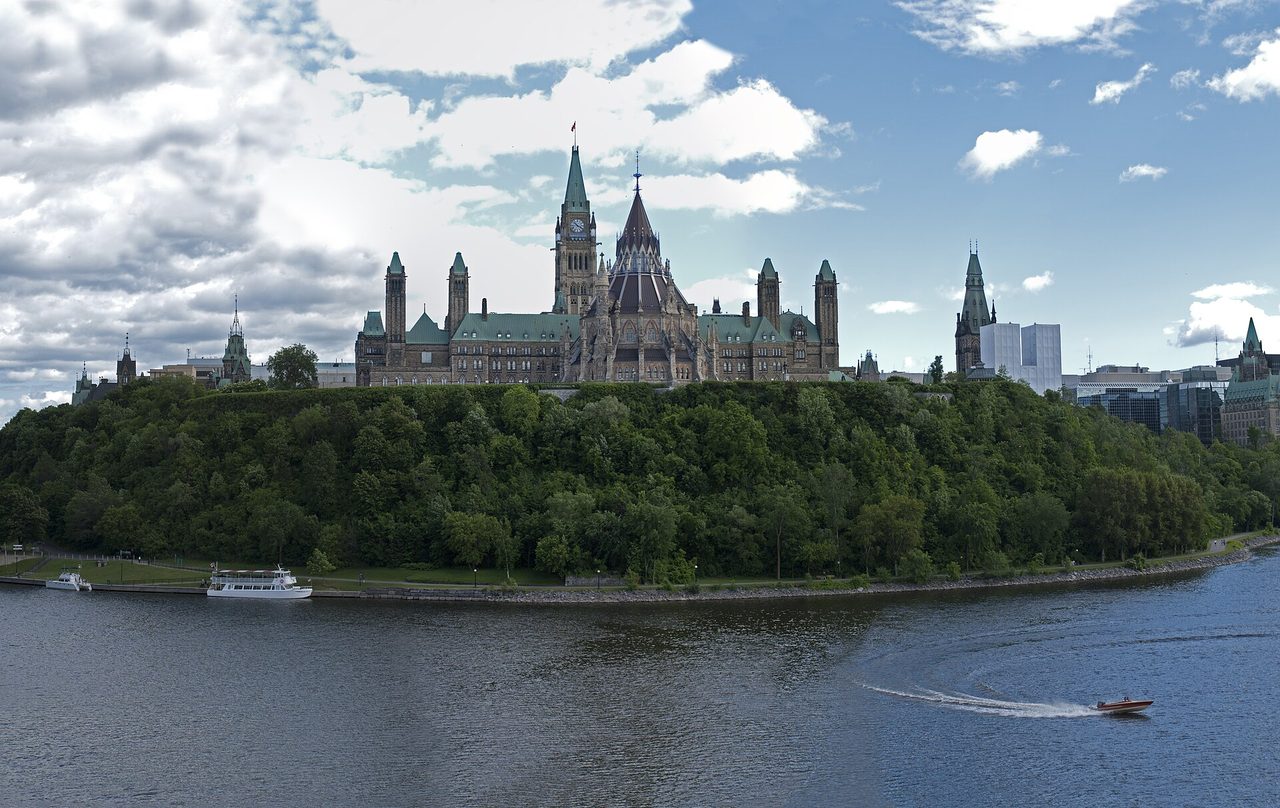
Parliament Hill is the postcard, the heart of Canadian democracy, and — best of all — mostly free. Fair warning up front: Centre Block is under major renovation (it’s a years-long project), so the classic postcard view is a little construction-y. The Peace Tower still rises above it all, and the tours are as good as ever.
- Free guided tours: the House of Commons (in the West Block) and the Senate of Canada Building (across the street in a former railway station) run ~40-minute guided tours, completely free. But — and this is a big but — you must book online in advance through Parliament’s official visitor site. I showed up at 11 AM on a Saturday once without a booking. Never again. Summer slots vanish weeks out.
- Changing of the Guard: daily at 10:00 AM on the east lawn through the summer (late June to late August), free, with the band and the whole pageantry. Get there 15 minutes early for a decent spot.
- The grounds: free, open daily, with statues, gardens, and the best river views in the city. Bring your camera at golden hour — trust me on this one.
Two more free gems within walking distance: Major’s Hill Park, right behind the Château Laurier, is my pick for the single best Parliament photo spot (and a perfect picnic lawn), and the Supreme Court of Canada runs free guided tours — book ahead on their site. I hadn’t heard of the Supreme Court tours until a front-desk clerk at my hotel mentioned them, and honestly it was one of the most interesting hours of my trip.
The museums: worth every penny
Ottawa’s museums punch absurdly above their weight, and several have free evenings built in. Here’s my shortlist:
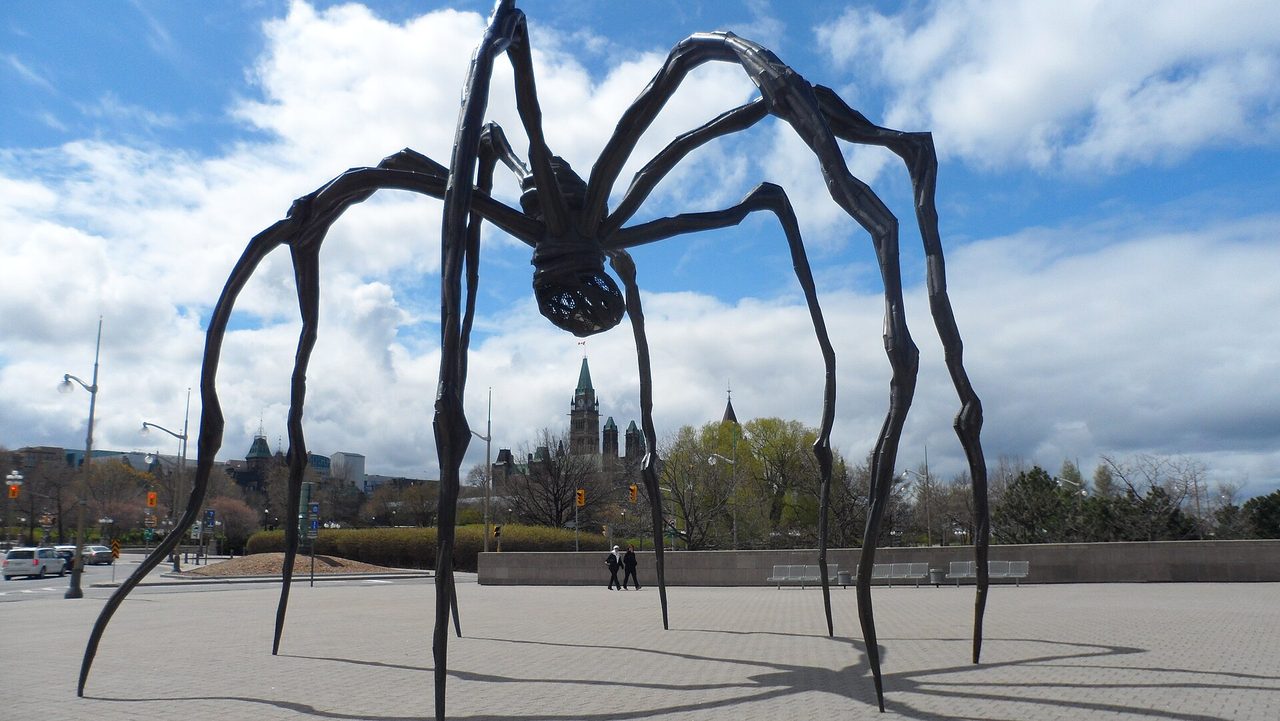
National Gallery of Canada — the Moshe Safdie glass-and-granite building is a work of art before you even see the art. Don’t miss the giant Maman spider sculpture guarding the plaza (it’s creepier and more wonderful in person). Adult admission is $22 (2026), and Thursday evenings from 5–8 PM are free — pro tip: the free Thursday is a genuinely civilized way to see it, with a fraction of the crowds. Buy online and you get $3 off. → National Gallery of Canada — official admission page
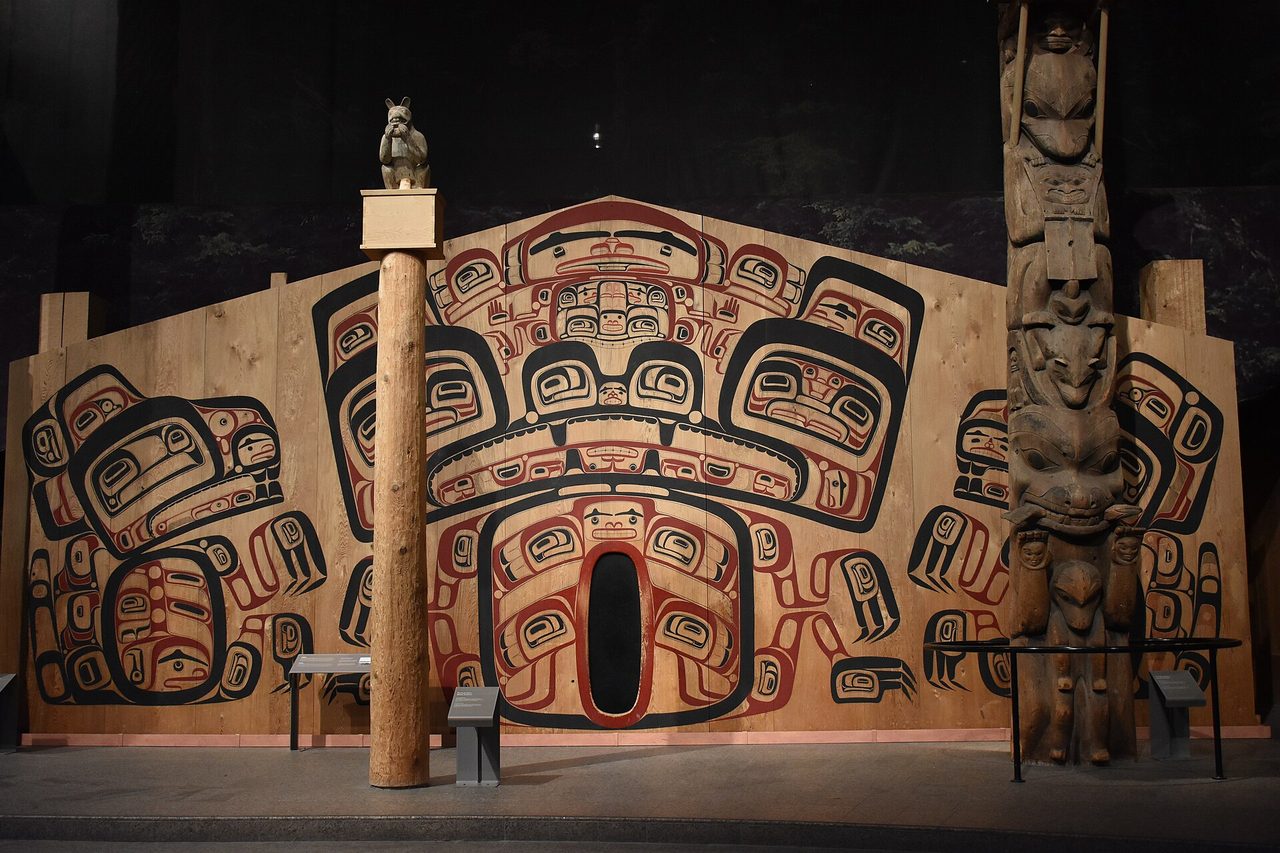
Canadian Museum of History — hop across the river to Gatineau for this one (it’s an easy walk over the Alexandra Bridge, and the view back toward Parliament is worth the trip alone). The Grand Hall’s totem poles are stunning, the First Peoples Hall is genuinely moving, and kids get the Children’s Museum in the same ticket. Adult admission is $24 (2026), with free entry Thursday evenings 5–7 PM. → Canadian Museum of History — official site
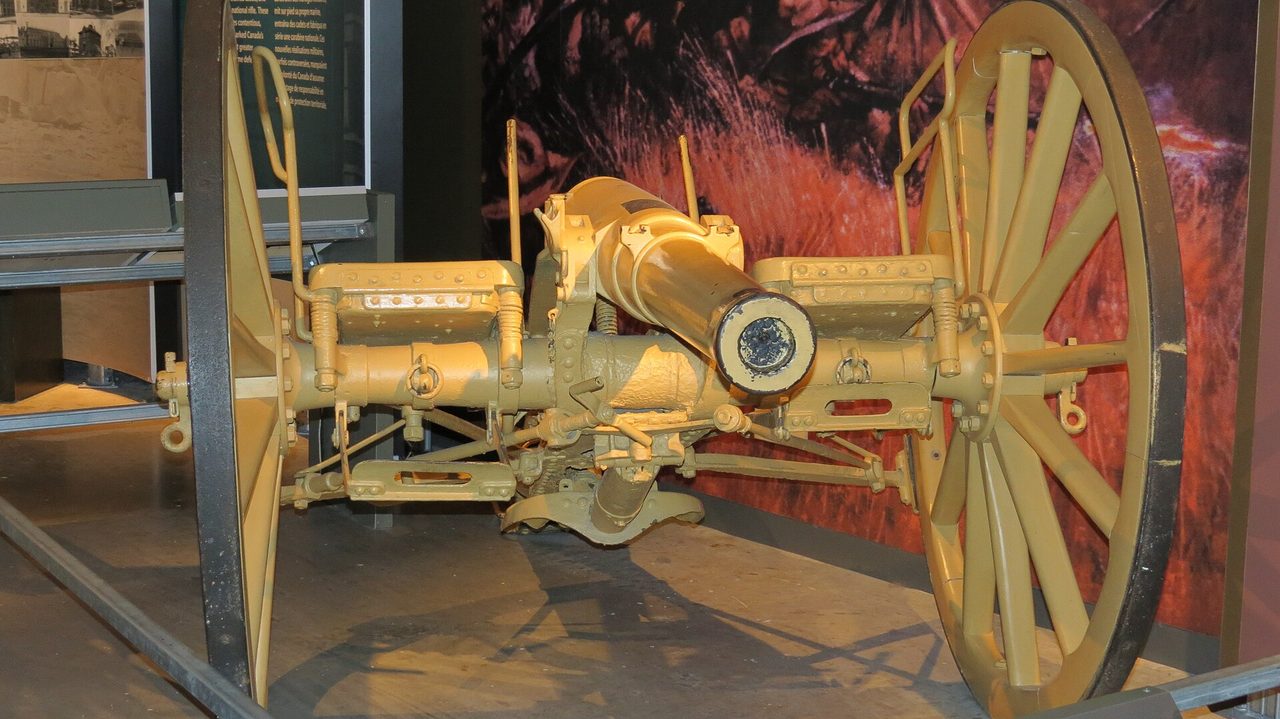
Canadian War Museum — one of the best military history museums anywhere, and I don’t say that lightly. The chronological galleries are genuinely immersive, the Memorial Hall is quietly devastating, and the LeBreton Gallery’s tanks and vehicles are catnip for anyone who likes big machinery. Adult admission runs ~$20 (2026) — worth every penny. → Canadian War Museum — official site
Only have museum energy for one? For first-timers I’d pick the Museum of History — the building itself, designed by Indigenous architect Douglas Cardinal, is half the experience.
The Rideau Canal: a UNESCO gem, twice a year
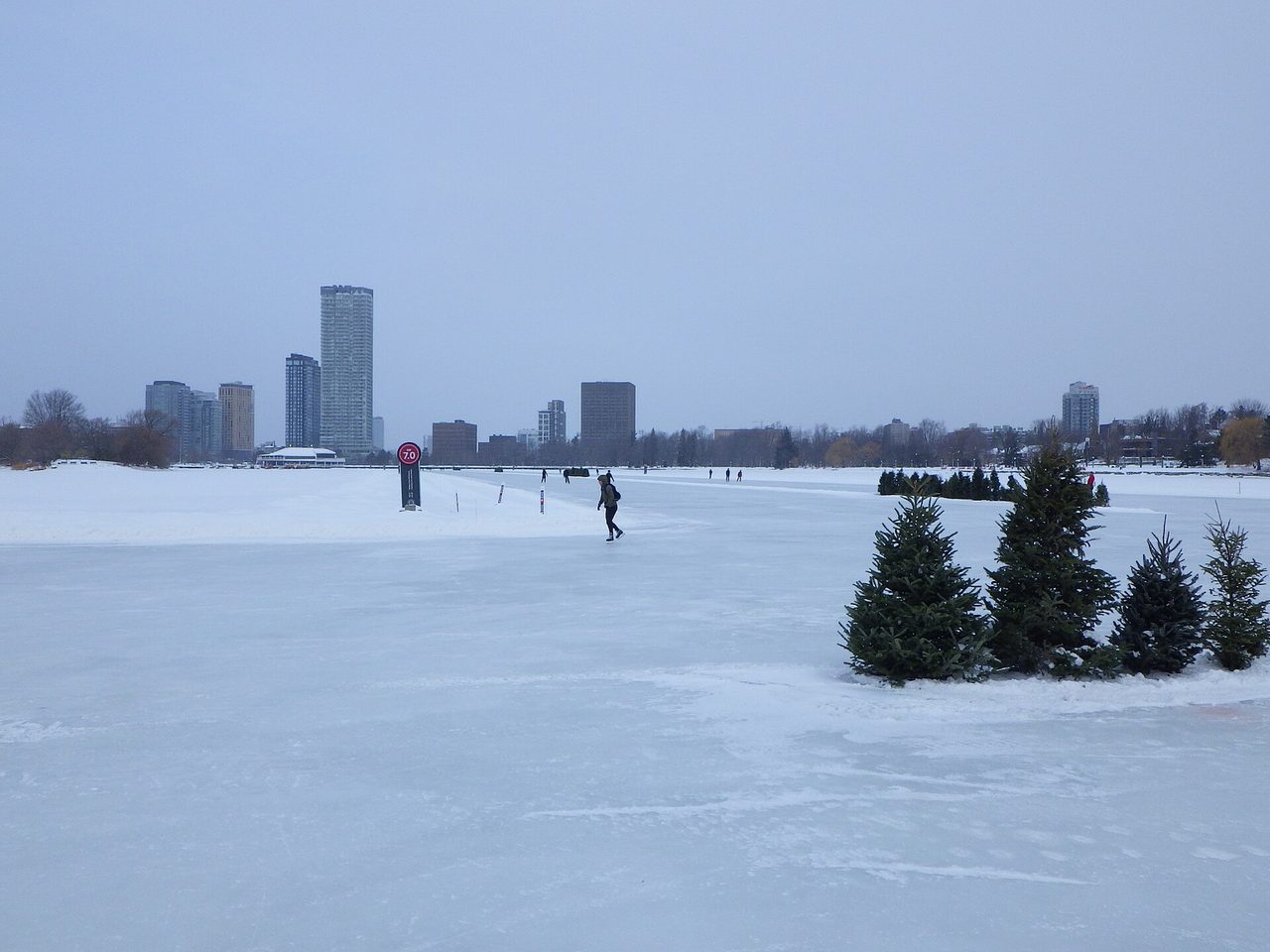
The Rideau Canal is Ottawa’s crown jewel and a UNESCO World Heritage Site — and it completely reinvents itself by season. In summer it’s a boating-and-biking corridor (kayak rentals, cruises, and a shaded bike path running its full length). In winter it becomes the Rideau Canal Skateway: 7.8 km of groomed ice, the world’s largest skating rink, right through the middle of the city.
Skating is free (you just need skates — rentals available along the route), typically January through February when the ice cooperates. Fair warning: the season is weather-dependent, so check the daily ice conditions before you plan your whole day around it. My routine: skate a stretch, stop for hot chocolate from one of the little huts, and — this is non-negotiable — eat a BeaverTail on the ice. It’s the quintessential Ottawa experience and it costs less than the subway ride you skipped.
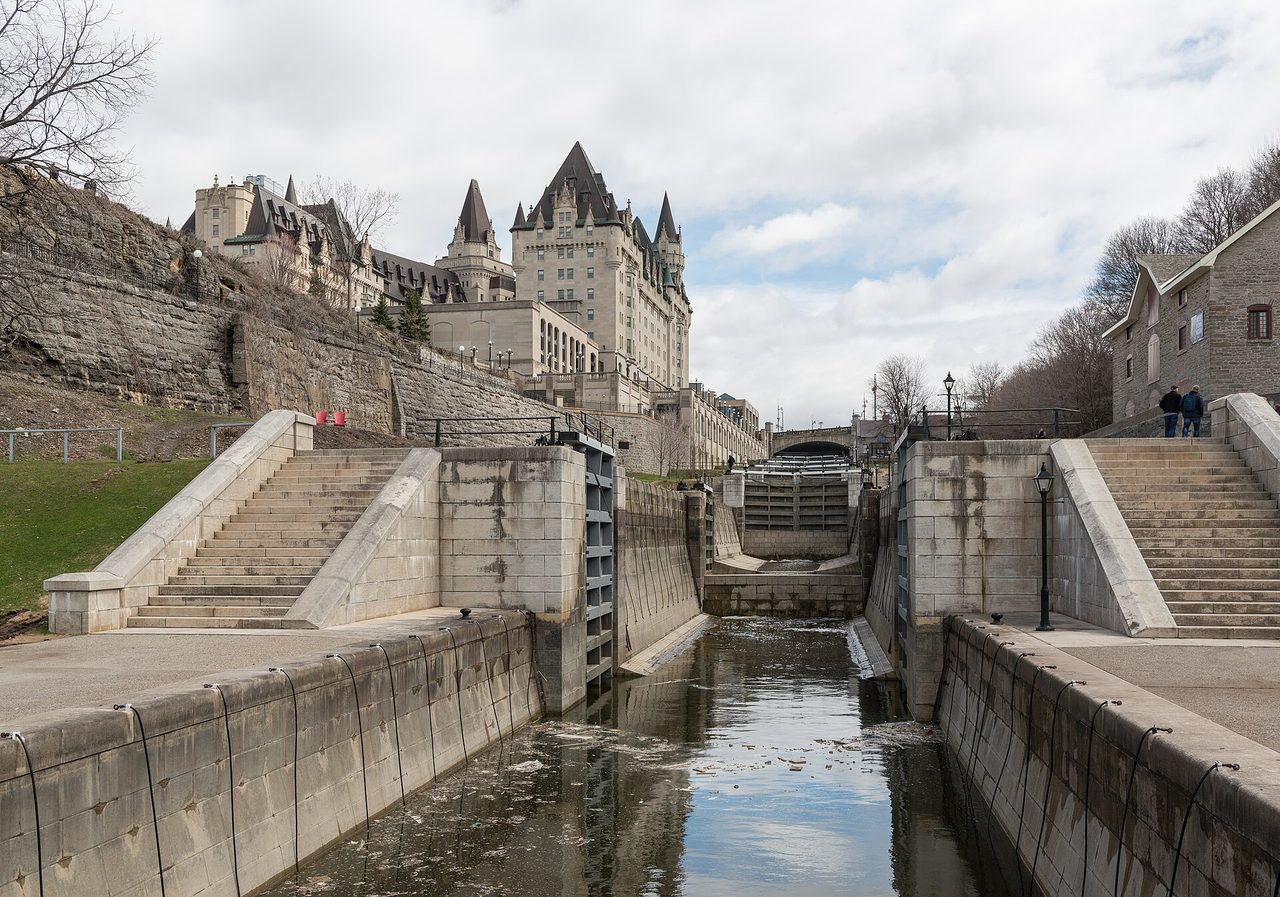
Even if you’re not skating, walk the canal. Start at the locks beside the Château Laurier and stroll south — the engineering alone (it’s a 19th-century military canal, still hand-operated at many locks) is worth an hour.
Where to stay in Ottawa
I am very particular about where I sleep, so here’s my breakdown by vibe:
- Downtown / Parliament area: the most convenient base by far — walk to Parliament, the Market, and the Gallery. The Fairmont Château Laurier is the splurge icon (that copper-roofed castle look is real); mid-range options cluster along Elgin and Rideau. Expect ~$180–300/night for a decent downtown hotel in summer (estimate, before taxes).
- The Glebe: red-brick streets, indie shops, Lansdowne Park, and a proper neighborhood feel 15 minutes south of downtown. This is where I’d stay on a return trip — it feels like the city exhaling.
- Westboro & Hintonburg: the coffee-nerd, gallery-and-mural side of the city, west along the river. Great for second or third visits, or if you want to feel like a local rather than a tourist.
Book early for Canada Day, Winterlude weekends, and Tulip Festival — Ottawa is a small city and festival weekends genuinely sell out.
Eating your way through Ottawa
The ByWard Market has been the city’s culinary anchor since 1826 — one of the oldest public markets in Canada — and it’s still the first place I send people. By day: produce stalls, maple everything, cheese shops. By night: patios and bars that stay lively late.
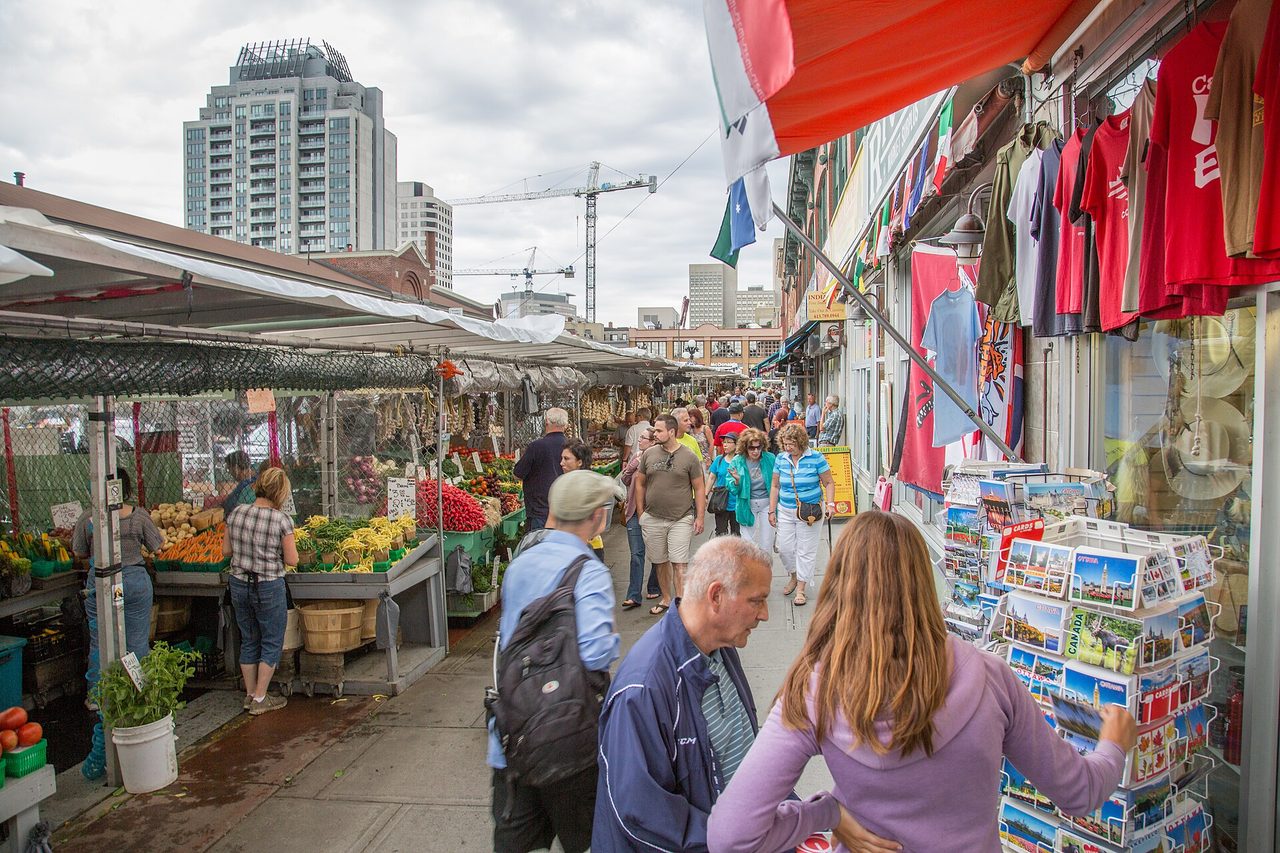
What to eat:
- BeaverTails: the cinnamon-sugar fried dough is a local rite of passage (~$8–10 each, estimate). Get one warm at the Market stand — do not skip this.
- Shawarma: Ottawa’s worst-kept food secret. The city has some of the best shawarma in North America — a full wrap runs ~$12–15 (estimate). Every local I asked had a different favorite shop and each was adamant.
- Little Italy & Chinatown: Preston Street for pasta and espresso, Somerset West for dim sum and pho. Both are short rides from downtown.
- Craft beer: the local brewing scene has exploded — several excellent breweries sit within walking distance of each other in Hintonburg and the Market.
Budget-wise, a casual lunch runs ~$15–25 and a mid-range dinner ~$40–60 per person (estimates). My spreadsheet rule: one market lunch, one proper dinner, and a BeaverTail fund.
How much does Ottawa cost? (3-day budget)
Sample budget per adult for 3 days, mid-range (prices checked October 2026; items marked ~ are estimates):
| Item | Cost (CAD) |
|---|---|
| OC Transpo 3-day pass | $30.75 |
| National Gallery of Canada (adult) | $22 |
| Canadian Museum of History (adult) | $24 |
| Canadian War Museum (adult) | ~$20 |
| Parliament Hill tour + Changing of the Guard + Supreme Court | Free |
| Rideau Canal Skateway skating (winter) | Free |
| Food & drinks, 3 days | ~$180–270 |
| Hotel, 2 nights (mid-range) | ~$360–600 |
| BeaverTails & canal treats | ~$15 |
| Total | ~$650–980 |
Here’s the thing: Ottawa is one of the most budget-friendly capitals in North America because so much of the best stuff — Parliament tours, the canal, Major’s Hill Park, the tulips — costs nothing.
FAQs about visiting Ottawa
How many days do you need in Ottawa?
Three days is the sweet spot: one day for Parliament Hill, the downtown sights and the ByWard Market, one day for the museums (including the Museum of History across the river in Gatineau), and one day for the Rideau Canal and a neighborhood like the Glebe or Westboro. With only one day, see our 1-day Ottawa itinerary for the essentials.
Is Ottawa expensive to visit?
Less than you’d expect. Budget roughly ~$650–980 CAD per adult for 3 days mid-range (October 2026 prices), and the biggest line item is the hotel. The headline attractions are free — Parliament Hill tours, the Changing of the Guard, the Rideau Canal Skateway, Major’s Hill Park, and the Tulip Festival all cost nothing — and several museums have free evenings (the National Gallery is free Thursday 5–8 PM, the Museum of History free Thursday 5–7 PM).
Do I need a car in Ottawa?
No. Downtown Ottawa is extremely walkable — Parliament Hill, the ByWard Market, the National Gallery, and Major’s Hill Park are all within a 15-minute stroll. The O-Train Line 1 and OC Transpo buses cover the rest, and you can tap your credit or debit card ($4.10 a ride) without buying a transit card. The only reason I’d rent a car is a day trip to Gatineau Park or the countryside.
When is the best time to visit Ottawa?
May for the Canadian Tulip Festival (May 8–18, 2026, free) or February for Winterlude (January 29–February 15, 2027) — those two festivals show the city at its most joyful. Summer brings Canada Day and the Changing of the Guard daily; my personal pick for pleasant weather and small crowds is September to early October.
Are Parliament Hill tours free?
Yes — the ~40-minute guided tours of the House of Commons (West Block) and the Senate of Canada Building are completely free. But you must book online in advance through Parliament’s official visitor site, and summer slots fill weeks ahead. Note that Centre Block is under major renovation, so tours run in the temporary chambers instead.
Is the Rideau Canal open for skating in winter?
Usually January through February, but it’s entirely weather-dependent — the National Capital Commission opens the 7.8 km Skateway only when the ice is thick enough. Always check the daily ice conditions before you plan around it. Skating itself is free; skate rentals are available at points along the route.
3 comments