
Last updated: October 3, 2026
The short answer
- The short version: Give Vancouver 3–5 days, visit between May and September, and don’t rent a car — the SkyTrain, SeaBus, and the 28 km Seawall will get you everywhere.
- Budget around ~$250–350 CAD per day as a mid-range traveler (hotel, meals, and one paid attraction like the Aquarium or Capilano).
- My biggest lesson: book Capilano and Grouse for the first morning slot you can, and tap on, tap off — TransLink charges by zone on the SkyTrain, and I learned that the sloppy way.
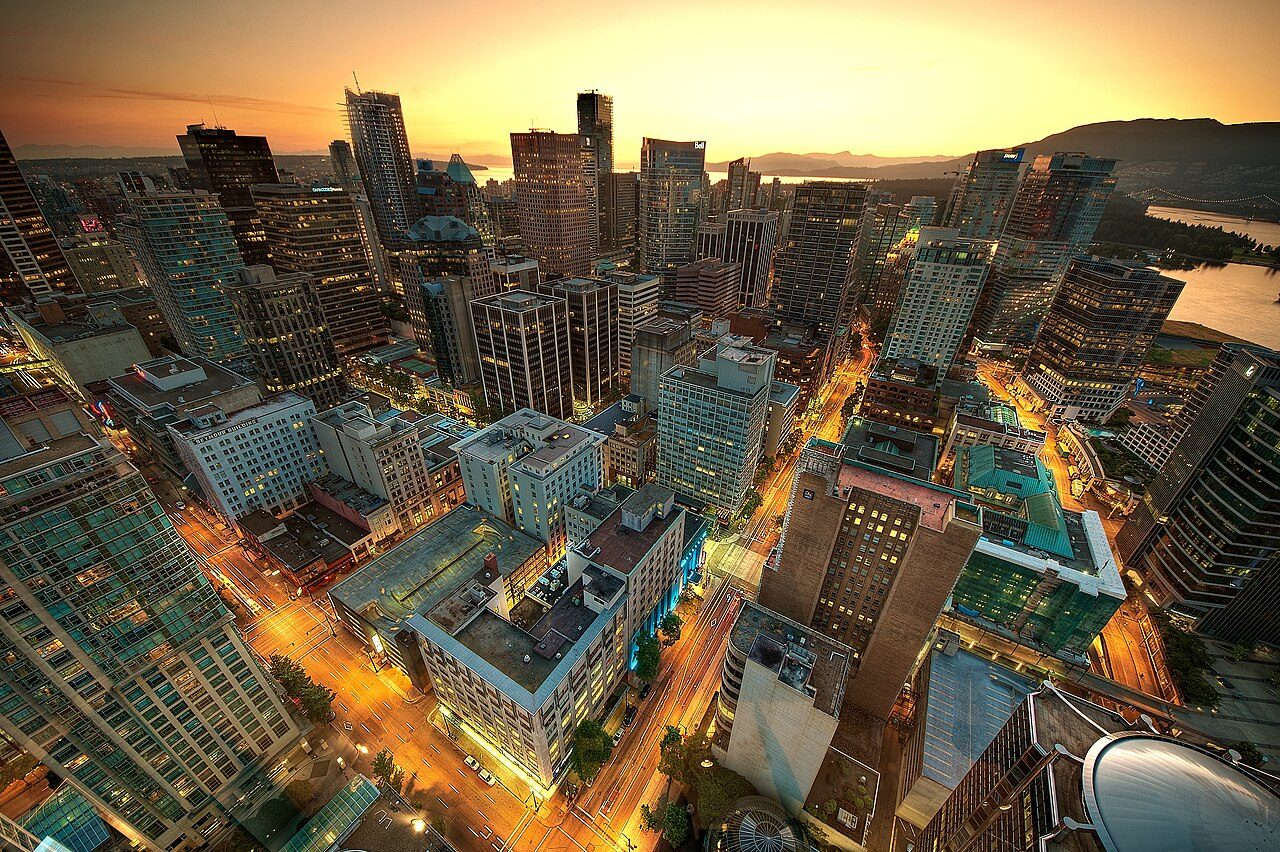
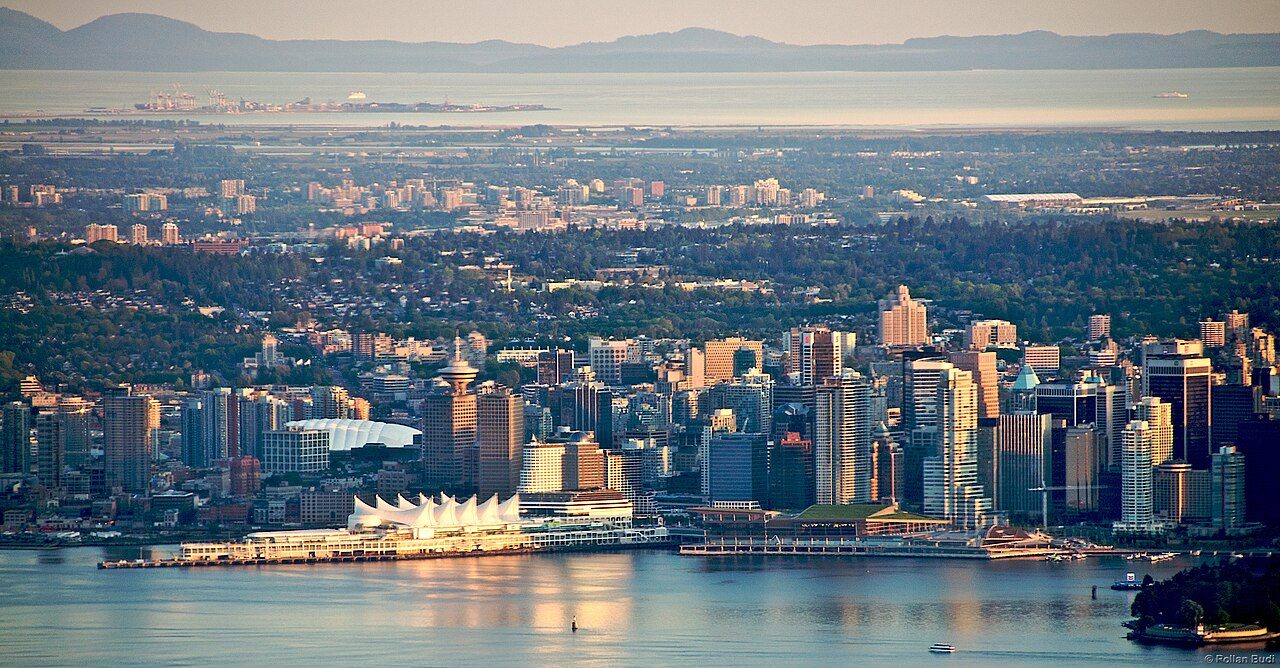
Vancouver is the city that makes every other city feel like it didn’t try hard enough. Ocean on one side, mountains on the other, sushi that would cost you triple anywhere else, and a 28-kilometre waterfront path that makes running feel almost pleasant (almost). I wrote this guide the way I plan my own trips — in one very opinionated spreadsheet — with 2026 prices and hours checked in October 2026.
Here’s the thing, though: this guide covers the city in depth, but if you want a day-by-day plan instead, start with our 2-day Vancouver itinerary and work outward from there.
When to visit Vancouver: the honest calendar
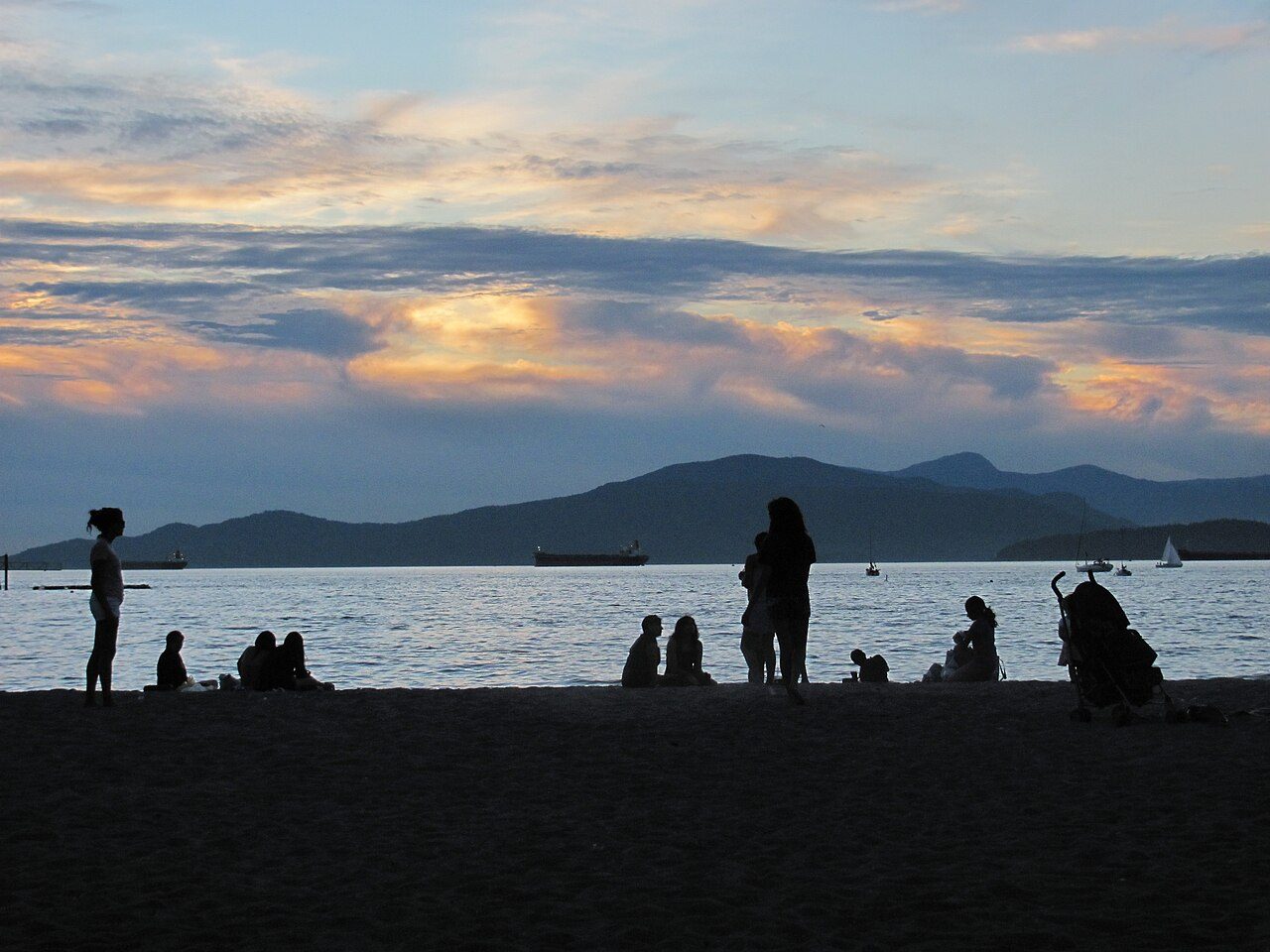
Vancouver earned its “Rain City” nickname honestly — winters (November to March) are mild but very wet, and grey weeks are real. But here’s what the nickname doesn’t tell you: summer is genuinely spectacular, with temperatures sitting comfortably between 22°C and 25°C and sunsets that stretch past 9:30 PM.
My breakdown:
- July and August: the peak. Every patio is full, festivals are everywhere, and the beaches are packed. Book hotels early — I once waited until June for an August trip and paid for it. Literally.
- May, June, and September: the sweet spot. Fewer crowds, lower hotel prices, and still plenty of clear days. This is when I tell friends to come.
- October to April: wet at sea level, magical in the mountains. Grouse, Cypress, and Mt. Seymour run night skiing through winter, and the city gets moody-beautiful — if you pack a proper rain jacket (not a “water-resistant” hoodie; trust me on this one).
One date note: the 2026 Richmond Night Market season (April 24 – September 20) has just wrapped as of this writing, so treat the prices below as your 2026 reference for planning next summer.
How many days do you need in Vancouver?
Three to five days is the sweet spot for a first visit. Three days covers downtown, Stanley Park, Granville Island, and one North Shore day (Grouse or Capilano). With five, you can slow down — take the ferry to Victoria, do the Sea-to-Sky drive to Whistler, or just spend an unhurried afternoon at Granville Island without feeling like you’re on a clock.
Shorter than three days? You’ll spend the whole time wishing you’d added one more. Vancouver doesn’t do rushed well.
2026 Vancouver budget: the real numbers
A mid-range traveler should plan for roughly ~$250–350 CAD per day — a decent boutique or mid-range hotel, two or three good meals, transit, and one big-ticket attraction. Accommodation runs roughly ~$180–400 per night depending on the neighborhood (estimate, before taxes), casual lunches ~$20, and nicer dinners ~$60+. The city’s parks and beaches are all free, which is the best budget trick in town.
Entry requirements for 2026
Most international visitors need an Electronic Travel Authorization (eTA) or a visitor visa before flying in — the process is fully digital and usually fast, but Canada’s official guidance says to sort it out several weeks before you travel. Make sure your passport is valid for at least six months past your return date. → Government of Canada — eTA official page
Getting around Vancouver: the 2026 transit guide
I am a transit nerd (my spreadsheet has a tab for this), so let me save you the learning curve: you do not need a car in Vancouver. The SkyTrain is driverless, clean, and genuinely scenic, and TransLink’s Compass system ties it all together.
- SkyTrain: the Canada Line gets you from YVR to Waterfront Station in about 25 minutes — I timed it, twice. The Expo and Millennium Lines cover the rest of the metro. A Compass Card costs a $6 refundable deposit, and adult stored-value fares run ~$3.15 for one zone, ~$4.55 for two, ~$6.20 for three (peak); fares drop after 6:30 PM and all weekend. Kids 12 and under ride free. Pro tip: tap on and tap off — I forgot to tap off once and got charged the maximum zone fare. Do not be me.
- SeaBus: a 12-minute ferry from downtown Waterfront to Lonsdale Quay in North Vancouver, running about every 15 minutes — it’s a commute with a view, for the price of a regular transit fare.
- False Creek Ferries and Aquabus: the little “mini-tug” ferries zipping between Granville Island and the downtown waterfront. Cash or card on board, and honestly one of the most fun ways to cross the water.
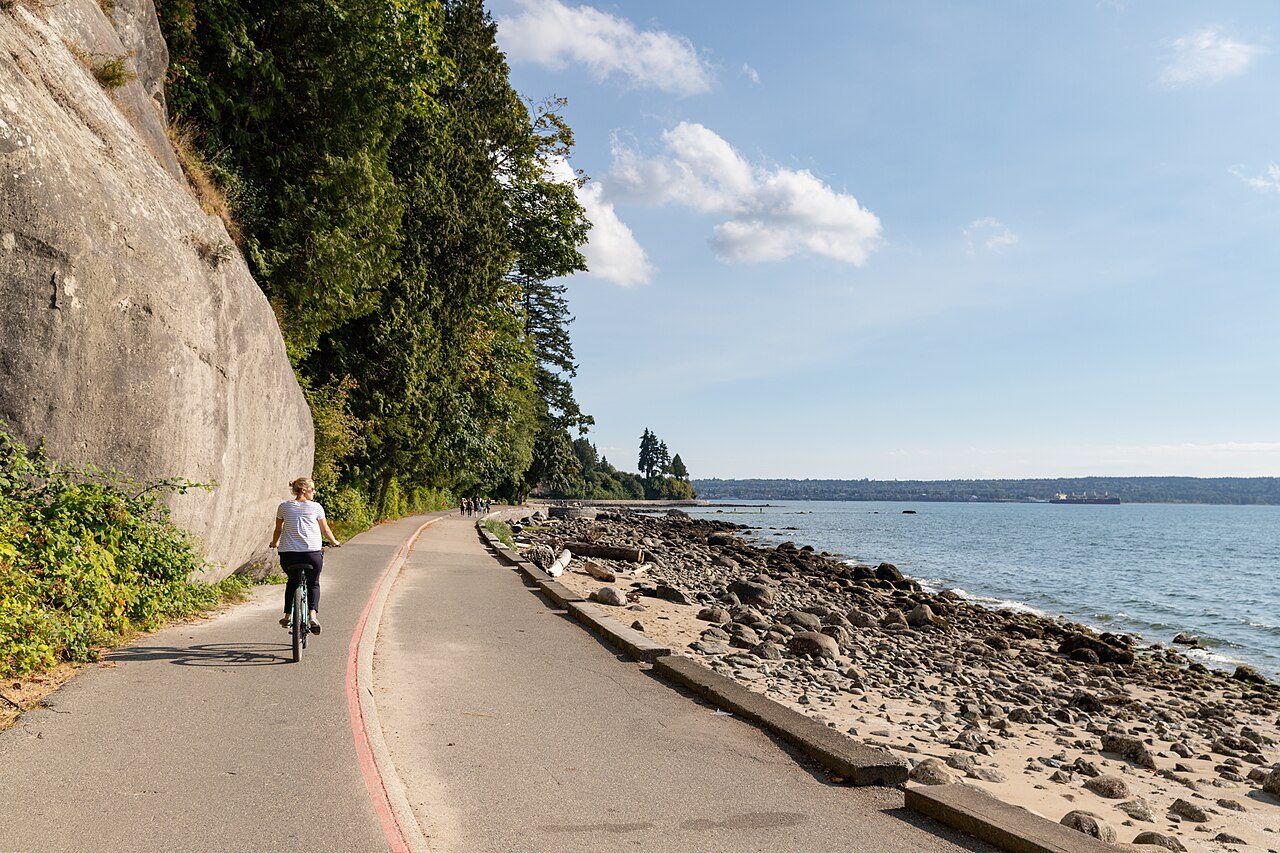
- Bikes and the Seawall: the 28 km Seawall path circles downtown and Stanley Park with separated walking and cycling lanes. Rent an e-bike near Denman Street and you can loop the park and ride to Science World in an afternoon. This was a game-changer for my last trip — I covered in three hours what took me two days on foot.
- Evo and ride-shares: Uber and Lyft are everywhere, and Evo’s car-sharing hybrids (app-unlock, park anywhere in the zone) are handy for trailheads. → TransLink — official fares & Compass Card info
I double-checked the 2026 fare figures on TransLink’s official site before I went — they adjust every year, so do the same before you travel.
Stanley Park: the crown jewel
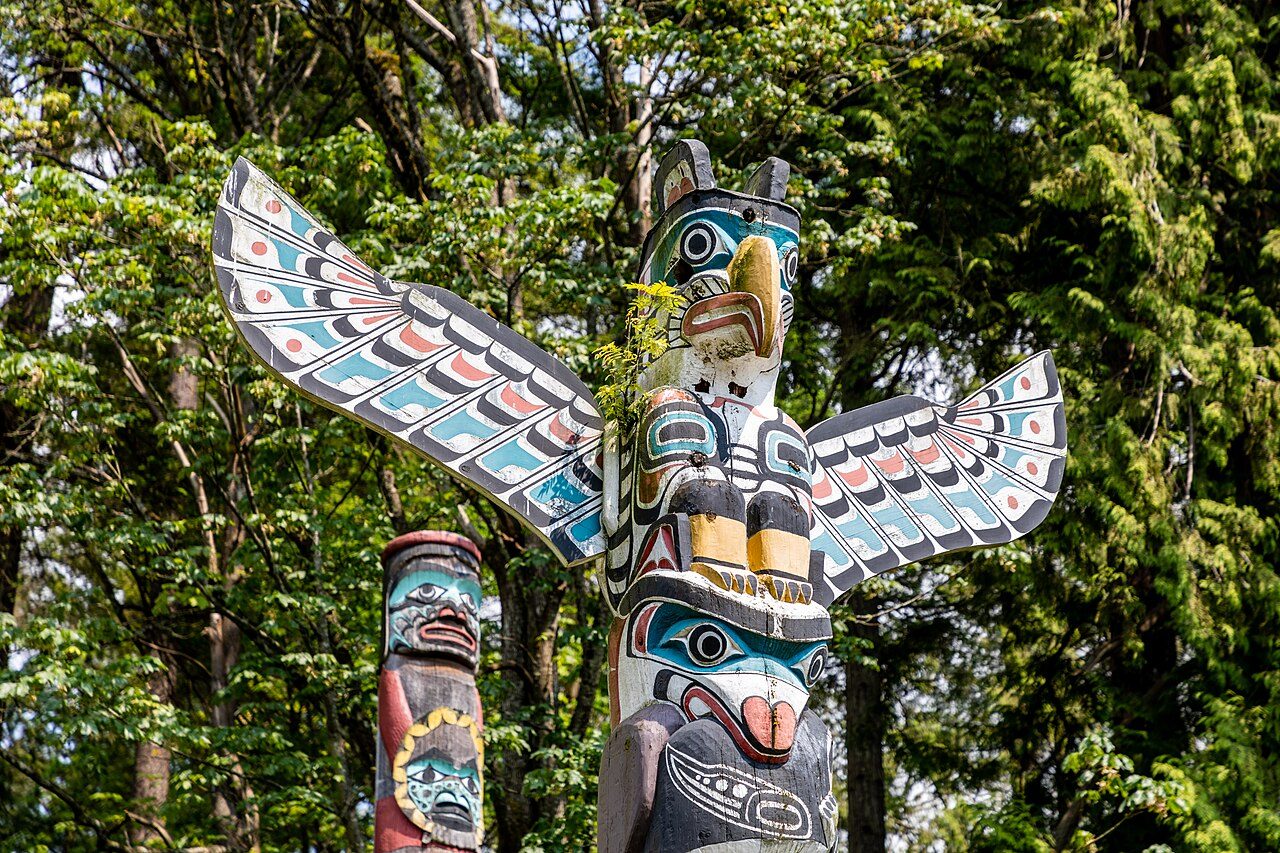
No Vancouver travel guide is complete without Stanley Park — and I’ll be honest, I used to think “big city park” sounded boring. I was wrong. At 400 hectares it’s genuinely bigger than New York’s Central Park, almost entirely ringed by water, and the one-way Seawall loop around it is the best free activity in the city.
My Stanley Park playbook:
- Rent a bike near Denman Street and do the one-way loop. Stop at the Brockton Point totem poles — nine poles from Haida, Kwakwaka’wakw, Nuu-chah-nulth and other Coast Salish nations — and at Prospect Point for the Lions Gate Bridge view. I timed my loop to end at Prospect Point for sunset once. Worth every penny of the rental.
- The Vancouver Aquarium sits inside the park — adult tickets run CA$39.95–$55.20 depending on the day (date-based pricing), kids and seniors get reduced rates. It’s open daily, 10 AM–5 PM. The sea otter feedings are the main event; grab a spot early because the viewing windows fill up. → Vancouver Aquarium — official tickets & hours
- Lost Lagoon and the interior trails: if you only see the Seawall, you miss the good part — the cedar forest trails in the park’s interior are quiet and genuinely wild-feeling.
I checked the Aquarium’s current hours on their official site before I went — they shift seasonally, so do the same.
Granville Island Public Market
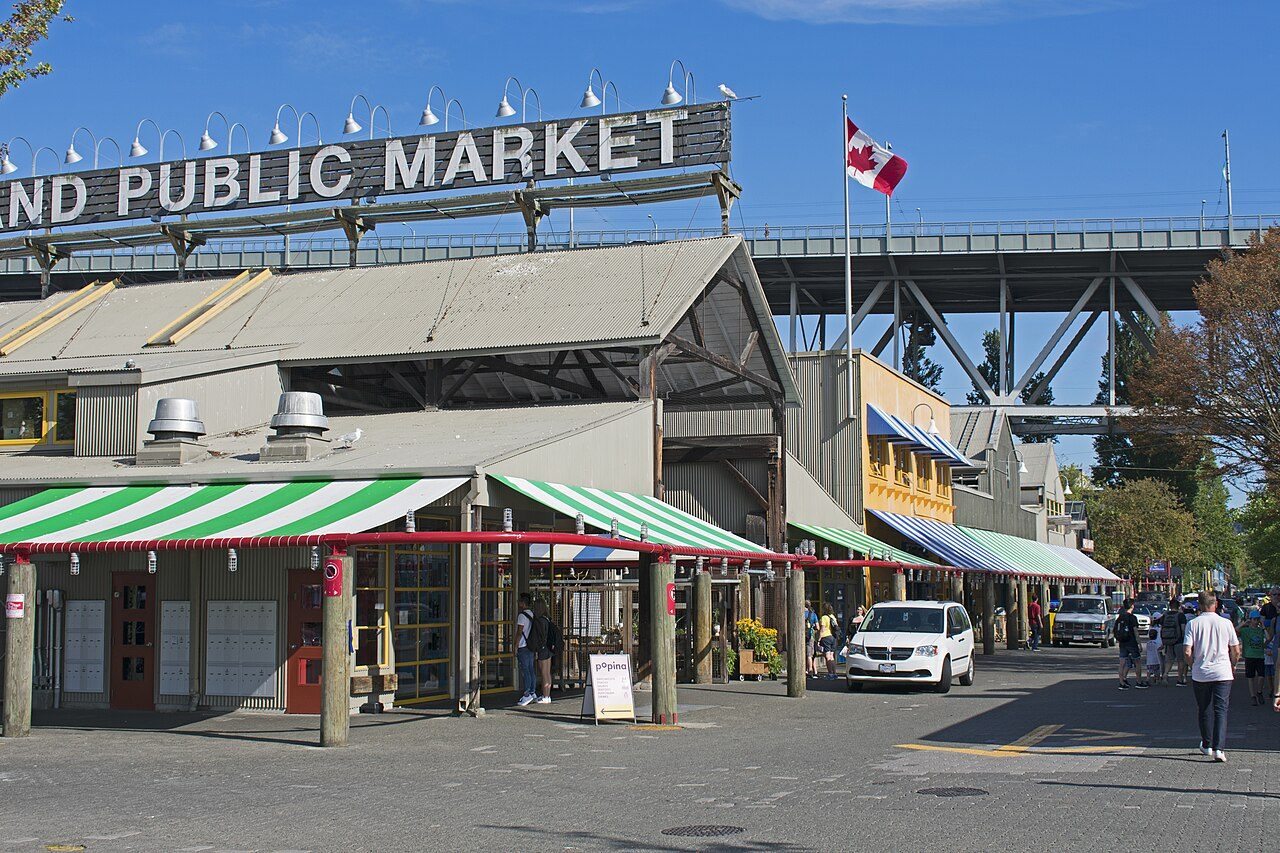
Granville Island used to be industrial warehouses; now it’s the city’s best Saturday-morning habit. The Public Market is the main event — fresh seafood, local cheeses, towering produce pyramids, and the famous donuts from Lee’s Donuts. The market is open daily, 9 AM–6 PM.
Pro tip from hard experience: go before 10:30 AM on weekends. I showed up at noon on a Saturday once and spent more time queuing than eating. Never again. Beyond the food, there are dozens of studios where you can watch glassblowers and artists working — the painted silos outside are worth the walk alone.
Getting there is half the fun: take the Aquabus from downtown False Creek ($ a few dollars, and you get to ride a tiny rainbow ferry). → Granville Island — official site
Gastown: the city’s oldest corner
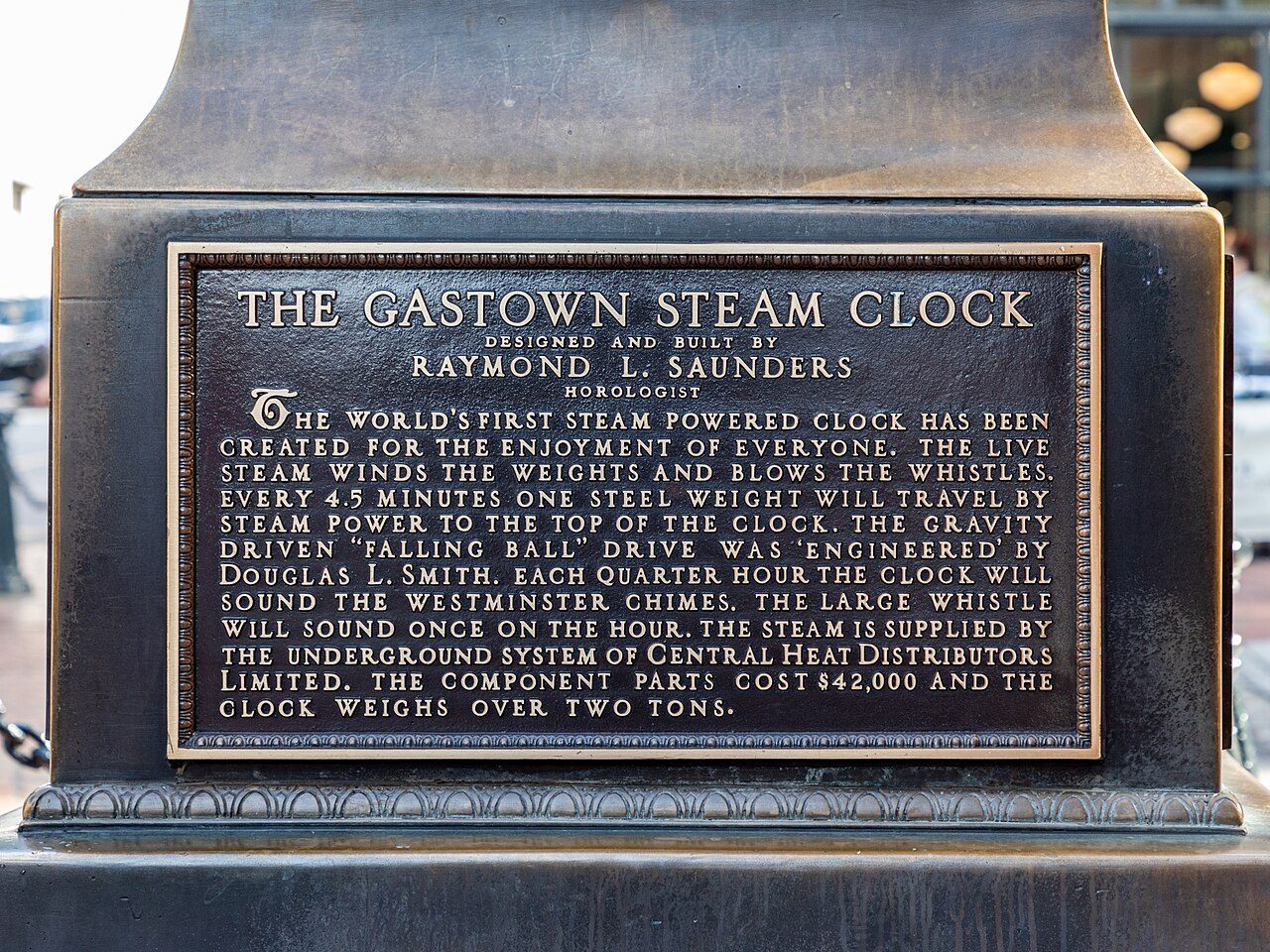
Gastown is Vancouver’s oldest neighborhood — cobblestone streets, Victorian brick buildings, and the Steam Clock on Water Street that whistles every 15 minutes. Yes, it’s touristy. Yes, you should still go.
Here’s my Gastown strategy: see the clock (get there on a quarter-hour to catch the whistle), then skip the souvenir shops and head into the Indigenous art galleries and independent boutiques tucked into the old storefronts — this is genuinely one of the best places in Canada to buy First Nations art from reputable galleries. Stay for dinner; the restaurant scene here punches well above its weight.
Capilano Suspension Bridge vs. Lynn Canyon
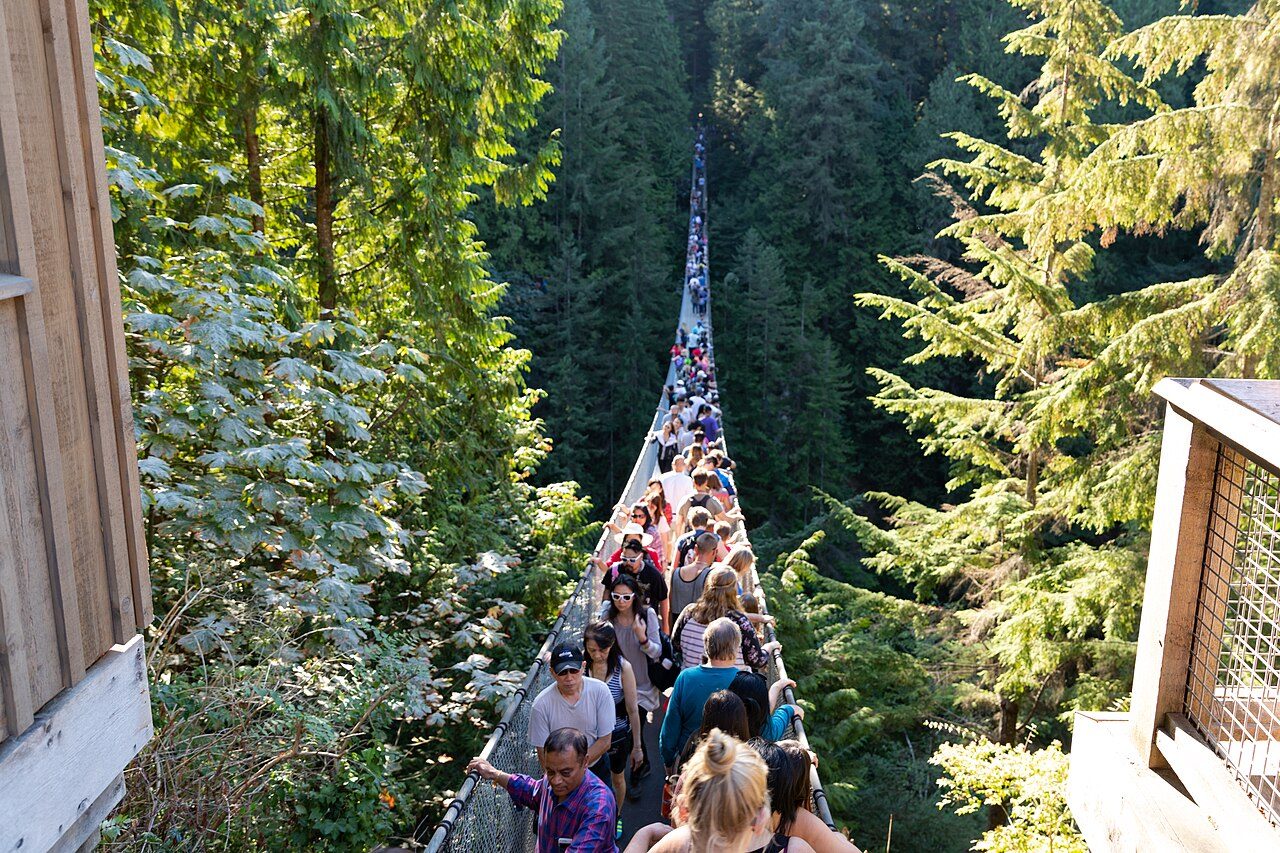
This is the question I get most about Vancouver’s North Shore, so let me settle it: Capilano Suspension Bridge (~$75 adult in 2026) is the full production — the 137-metre bridge, Treetops Adventure, the Cliffwalk, well-maintained everything. It runs a free shuttle from downtown, and you should allow 2.5–3 hours. It’s polished, it’s busy, and it’s genuinely good.
Lynn Canyon Park, on the other hand, is free. Its own suspension bridge is smaller and less manicured, but the surrounding rainforest trails feel like a real hike. A ranger at the trailhead told me the secret is arriving before 10 AM — after that, the parking lot fills and the “secret free alternative” isn’t so secret.
My take: if you can only do one and you have the budget, Capilano is the better first-time experience. If you’re watching dollars (or hate crowds), Lynn Canyon is a gem. I did both in one trip and I’d do both again. → Capilano Suspension Bridge Park — official tickets & hours
Where to stay in Vancouver: neighborhoods, honestly
Where you sleep sets the tone for the whole trip. My breakdown:
- West End: my pick for first-timers. Tucked between downtown and Stanley Park, walkable, right by English Bay Beach, with great (and affordable) ramen and sushi on Denman and Robson.
- Yaletown: the flashier choice — former warehouses turned into chic lofts, patios, and cocktail bars, with an easy Canada Line ride to the airport. Great for nightlife.
- Coal Harbour: quiet, upscale, waterfront — families and couples who want calm.
- Kitsilano (“Kits”): the West Coast beach lifestyle — yoga studios, organic cafés on West 4th, and a local-village feel across the bridge from downtown.
- Mount Pleasant: edgier and more local — the craft-beer heart of the city, with independent coffee shops and vintage stores along Main Street.
On safety: Vancouver is generally very safe, even solo. The one honest note is the Downtown Eastside (around Main and Hastings), where the social issues are visible and can be upsetting — most visitors are simply more comfortable in the West End, Yaletown, or Coal Harbour. For the full breakdown, read our where to stay in Vancouver for first-time visitors guide.
Outdoor adventures and day trips
Grouse Mountain: the locals’ mountain
Twenty minutes from downtown, Grouse is where Vancouverites go after work. The Skyride gondola ticket runs ~$67.80 for adults (2026), and there’s a free summer shuttle from Canada Place (running from May 15 in 2026). Up top: the grizzly bear habitat, lumberjack shows, Birds in Motion demonstrations, and the Theatre in the Sky — all included in the ticket. Summer runs roughly mid-April to mid-November; winter brings night skiing with the city lights glittering below.
Confession time: I looked at the Grouse Grind — the famous 2.9 km “Mother Nature’s Stairmaster” straight up the mountain — and took the gondola instead. I have zero shame about this. The view from the top is the same either way, and my legs thanked me. → Grouse Mountain — official shuttle & tickets
Whistler: the Sea-to-Sky day trip
The Sea-to-Sky Highway to Whistler is a two-hour drive consistently ranked among the most beautiful on the planet. Even non-skiers should do it: Whistler Village is worth the trip for the food and atmosphere alone, and the PEAK 2 PEAK Gondola holds the world record for the longest unsupported span. You can do it as a day trip, but one overnight makes it a different experience. See our 3-day Whistler itinerary for the full plan.
Victoria and Vancouver Island
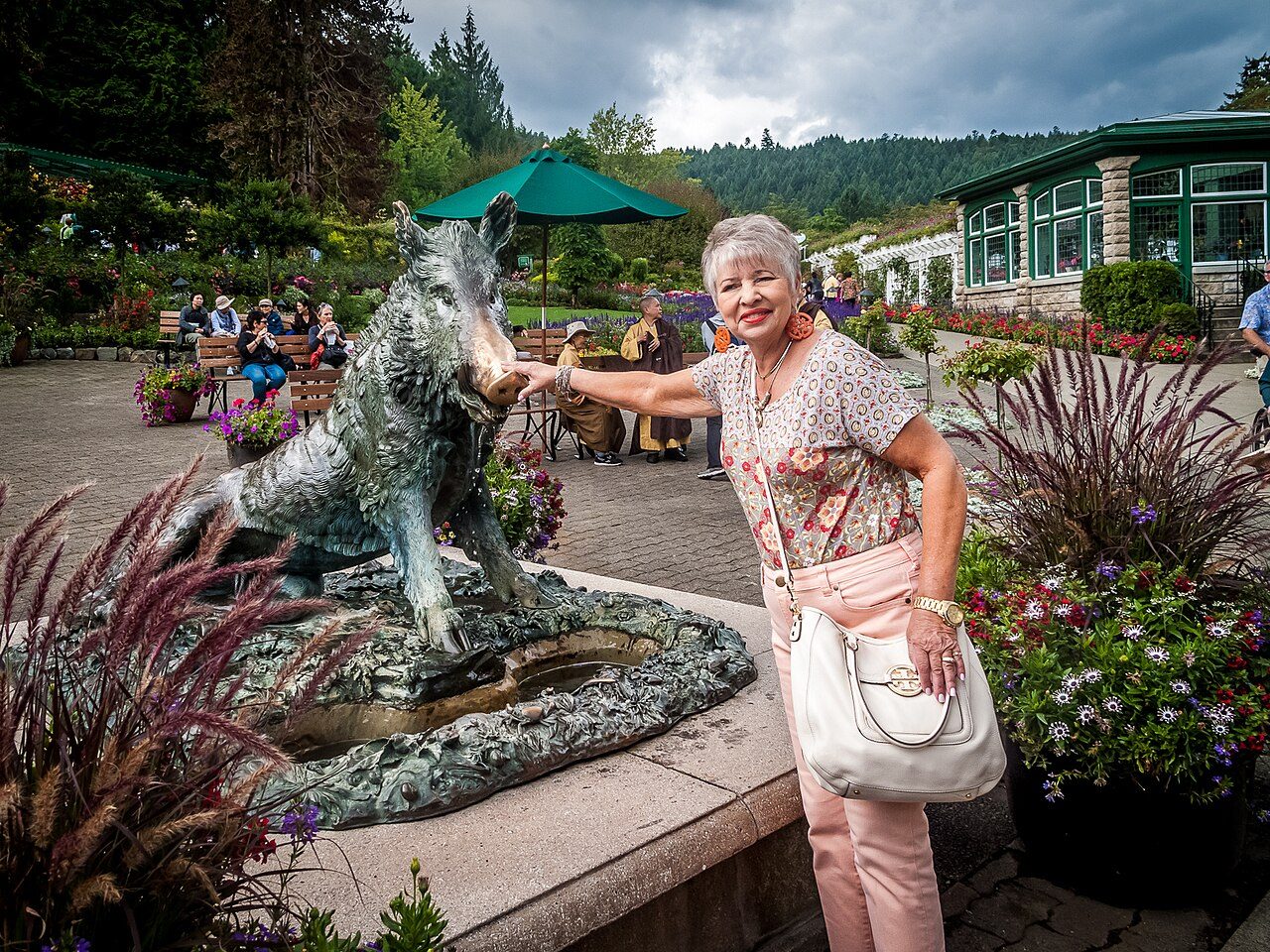
If you have a spare day, take the BC Ferries sailing from Tsawwassen to Swartz Bay — the ~90-minute crossing through the Gulf Islands is a highlight in itself, and orcas and eagles aren’t uncommon from the deck. Victoria, the provincial capital, feels wonderfully Old World: the Inner Harbour, and the Butchart Gardens (about 20 minutes north) are the two must-dos. It’s doable in a day, but an overnight lets you see both without rushing. → BC Ferries — official schedules & fares
Want to keep it car-free? Several of these day trips are doable without one — see our weekend trips from Vancouver without a car for the full list.
The food scene: sushi, coffee, and night markets
Vancouver is widely considered the sushi capital of North America, and I’ll be honest — the local sockeye nearly ruined sushi for me everywhere else. “Aburi” sushi (flame-seared) was popularized right here. A chef at a Robson Street spot told me the secret is the fish never travels far — order the chef’s selection and trust them.
Beyond sushi: the coffee culture is intense (third-wave roasters in every neighborhood), farm-to-table dining leans heavily on the Fraser Valley, and there’s a growing movement spotlighting Indigenous ingredients like bison, bannock, and wild berries.
And the night markets. The Richmond Night Market — the biggest in North America — ran its 2026 season from April 24 to September 20 (Fridays and Saturdays 7 PM–midnight, Sundays and stat holidays 7–11 PM, $7 admission, kids under 7 and seniors 60+ free). Hundreds of stalls, from grilled squid to the famous spiral “rotato” chips. Fair warning: bring cash — many vendors are still cash-only. For 2026 specifics, I double-checked the dates with Tourism Richmond’s official night market guide before writing this.
How much does a trip to Vancouver cost?
Sample budget per adult, per day (prices checked October 2026; items marked ~ are estimates):
| Item | Cost (CAD) |
|---|---|
| Accommodation (mid-range hotel) | ~$200–350 per night |
| Food & drinks | ~$80–120 |
| Transit (SkyTrain, buses, SeaBus) | ~$10–15 |
| Vancouver Aquarium | $39.95–55.20 |
| Capilano Suspension Bridge | ~$75 |
| Grouse Mountain Skyride | ~$67.80 |
| Stanley Park, Seawall, beaches, Gastown, Lynn Canyon | Free |
| Typical 3-day total (excluding hotel) | ~$500–650 |
The biggest lever on your budget is the hotel — drop to a well-reviewed budget option or travel in May/September and the whole trip gets noticeably cheaper.
FAQs about visiting Vancouver
How many days do you need in Vancouver?
Three to five days for a first visit. Three days covers downtown, Stanley Park, Granville Island, and one North Shore day; five lets you add a Victoria day trip or a Whistler overnight without rushing. Fewer than three days and you’ll wish you’d stayed longer — Vancouver doesn’t do rushed well.
What’s the best time of year to visit Vancouver?
May through September. July and August are peak season (best weather, highest prices), while May, June, and September hit the sweet spot of good weather with fewer crowds and lower hotel rates. Winter is mild but very wet — good for skiers, since Grouse, Cypress, and Mt. Seymour are all within about 40 minutes of downtown.
Is Vancouver expensive to visit?
Mid-range travelers should budget roughly $250–350 CAD per day: ~$200–350 per night for a hotel, ~$80–120 for food, ~$10–15 for transit, and one paid attraction ($40–75). The city’s best experiences — the Seawall, Stanley Park, beaches, Gastown, and Lynn Canyon — are all free, which takes real pressure off the budget.
Is the Capilano Suspension Bridge worth the price?
For first-timers, yes. At ~$75 (2026), you get the 137-metre bridge, Treetops Adventure, and the Cliffwalk, plus a free shuttle from downtown — allow 2.5–3 hours. On a tight budget, Lynn Canyon Park’s suspension bridge and rainforest trails are completely free and feel like a real hike; arrive before 10 AM to beat the crowds.
Can I visit Vancouver without a car?
Absolutely — I’d argue it’s easier without one. The Canada Line gets you from YVR to downtown in ~25 minutes, the SeaBus crosses to North Vancouver in 12, and the 28 km Seawall is bikeable end to end. Get a Compass Card ($6 refundable deposit), tap on and tap off on the SkyTrain (fares are zone-based), and you’re set. See our weekend trips from Vancouver without a car for car-free day trips.
What’s the best neighborhood to stay in for a first visit?
The West End — it’s walkable, sits between downtown and Stanley Park, has English Bay Beach on one side and great ramen on Denman Street, and suits solo travelers, couples, and families. Yaletown is the pick for nightlife; Kitsilano for a beachy local vibe; Mount Pleasant for craft beer and indie coffee. See our where to stay in Vancouver for first-time visitors for the detailed breakdown.
Keep exploring
- The Ultimate 1 Day in Vancouver Itinerary for 2026
- The Ultimate 2 Days in Vancouver Itinerary: 2026 Guide
- The Ultimate 3 Days in Whistler Itinerary: 2026 Guide
- The Ultimate Victoria Travel Guide: 2026 Edition
- Top Weekend Trips From Vancouver Without a Car (2026 Guide)
Pack a rain jacket, bring walking shoes, and give yourself one unscheduled afternoon — the best part of the West Coast is always the thing you didn’t plan for. You’ve got this.
8 comments