
Last updated: October 3, 2026
The short answer
- When to go: Summer (June–August) brings the festival season — the 46th Montreal Jazz Festival ran June 25–July 4, 2026 — while winter means Igloofest, skating, and the RÉSO Underground City.
- Getting around: Take the STM 747 airport bus ($11.25, includes a 24-hour transit pass). Fair warning: the REM airport train is not open yet — it’s currently scheduled for late 2027.
- Don’t miss: Notre-Dame Basilica (adult $16), the Kondiaronk lookout on Mount Royal, the Botanical Garden and Biodome (adult $25.50 each), and the Big Three — smoked meat, bagels, and poutine.
Montreal is the trip I plan most obsessively and enjoy most recklessly — a color-coded spreadsheet on the way in, and a warm bagel in each hand by noon on day one. I’ve been four times now, in three different seasons, and here’s the thing: this city rewards planners and punishes wingers. The basilica closes earlier than you’d think, the good brunch spots have lines by 10 AM, and the airport train everyone keeps promising still isn’t running. This guide fixes all of that for you — 2026 prices and hours checked in October 2026, real transit advice (including the REM correction the old guides keep getting wrong), and a day-by-day sense of how the city actually fits together. You’ve got this.
When to visit Montreal: seasons, weather, and festivals
Choosing your month matters more in Montreal than in almost any other Canadian city — the temperature swing between January and July is genuinely wild. Here’s my honest breakdown:
- Summer (June–August): The peak, and for good reason. Highs of 25–30°C, patios everywhere, and the famous festival season. The 46th Festival International de Jazz de Montréal ran June 25–July 4, 2026, with 350+ concerts (two-thirds free) in the Quartier des Spectacles — I caught a free outdoor set last time and it was one of the best evenings of my trip. Just for Laughs fills July and Osheaga takes over early August. Fair warning: hotel prices peak in July and August, and popular attractions get crowded — book ahead.
- Fall (September–October): My personal favorite. Comfortable 12–20°C days, gorgeous foliage on Mount Royal, thinner crowds, and better hotel rates. Pro tip: early October on the mountain with the leaves turning is the best free show in the city.
- Winter (December–March): Cold — regularly -10 to -20°C — but magical if you pack properly. Montrealers don’t hibernate; they do Igloofest (the outdoor electronic music festival, January–February), skate at the Old Port, and duck into the heated RÉSO Underground City (about 32 km of pedestrian tunnels connecting malls, metro stations, and office buildings downtown). I’ll be honest: I once tried to “tough out” January with a light jacket. Never again.
- Spring (April–May): The shoulder season — variable weather, but the terraces start opening and prices are kind. BIXI bike-share returns for the season (spring through fall, with e-bikes in the fleet now).
A few practical basics: the currency is the Canadian dollar (CAD), tipping 15–20% is standard in restaurants, and outlets are standard North American 120V — bring an adapter if you’re coming from Europe or Asia.
Language and safety: the two questions everyone asks
Do you need to speak French? No — but a little goes a long way. French is the official language and Montreal is the second-largest French-speaking city in the world, but virtually everyone in the tourism world speaks excellent English. That said, opening with “Bonjour” and closing with “Merci” genuinely gets you warmer service. Trust me on this one; I tested it. Repeatedly. For science.
Is Montreal safe? Yes — it consistently ranks among the safest major cities in North America. Old Montreal, the Plateau, and downtown are walkable and well-lit at night, and I’ve wandered all three solo after dark without a second thought. Standard city common sense applies, as always.
Getting to Montreal and getting around without a car
Here’s the thing about Montreal transit in 2026: the official story and the real story are slightly different, and I want you to have the real one.
From the airport (YUL): Take the STM 747 express bus — it’s the primary public link between the airport and downtown, running 24 hours a day, every 10–20 minutes during the day and evening (roughly 45–60 minutes depending on traffic). The fare is $11.25, and here’s the part people miss: it doubles as a 24-hour unlimited pass on the metro, buses, exo trains, and REM in Zone A. So your airport ride plus a full day of sightseeing runs on one ticket. (Pro tip from my own sweaty experience: a regular $3.75 STM single ticket is not valid on the 747 — I learned that at the airport ticket machine, wallet open, line forming behind me. Buy the dedicated 747 fare.) Note the downtown terminus moved in January 2026 to René-Lévesque Boulevard at Berri Street, near the Berri-UQAM metro hub. → STM — 747 YUL airport bus: routes, schedule & fares
The REM airport train: not yet. Every outdated guide (including the previous version of this one) claims the REM light rail already connects the airport to downtown. It doesn’t — not yet. The REM network itself is largely running (downtown to Brossard since 2023, the Deux-Montagnes branch since late 2025, the West Island branch since May 2026), but the airport branch is still under construction and currently scheduled to open in late 2027 — and this project has been delayed before, so don’t plan your 2026 trip around it. The 747 is your bus. When the REM airport link does open, it’ll be a genuine game-changer (projected ~20 minutes to Gare Centrale). Until then, ignore any guide that tells you to take it.
The STM Metro: Four lines — Green, Orange, Blue, Yellow — and honestly one of the easiest metros in North America to navigate. The Orange line is your tourist workhorse: it links Old Montreal (Place-d’Armes) with the Plateau (Mont-Royal, Laurier). Fares in 2026: $3.75 single, $7.00 for two trips, $35 for ten, $11.25 for 24 hours, $21.75 for 3 days (all Zone A, all modes). For a typical 3-day trip, the 3-day pass pays for itself fast — I timed it, obviously. And don’t skip the stations themselves: many are underground art installations, each with its own architecture and murals.
Biking: From spring through fall, BIXI bike-share is the fastest way across downtown — Montreal has hundreds of kilometres of dedicated bike lanes, and the e-bike options make the climb toward Mount Royal far less heroic than it used to be.
Why you don’t need a car: Parking in Montreal is expensive, scarce, and signed in a way that confuses even locals (the tow-away zones are legendary). Between the metro, the REM, BIXI, and your own feet, a car is a burden inside the city limits. Skip the rental unless you’re heading to the Laurentians.
Old Montreal and the Old Port: the city’s historic heart
Start every Montreal trip in Vieux-Montréal — the cobblestone streets, 17th-century stone buildings, and gas lamps genuinely feel like a pocket of Europe that got lost on its way to Paris. I’ve done the Old Montreal walk four times now, and I still find a new alley every visit.
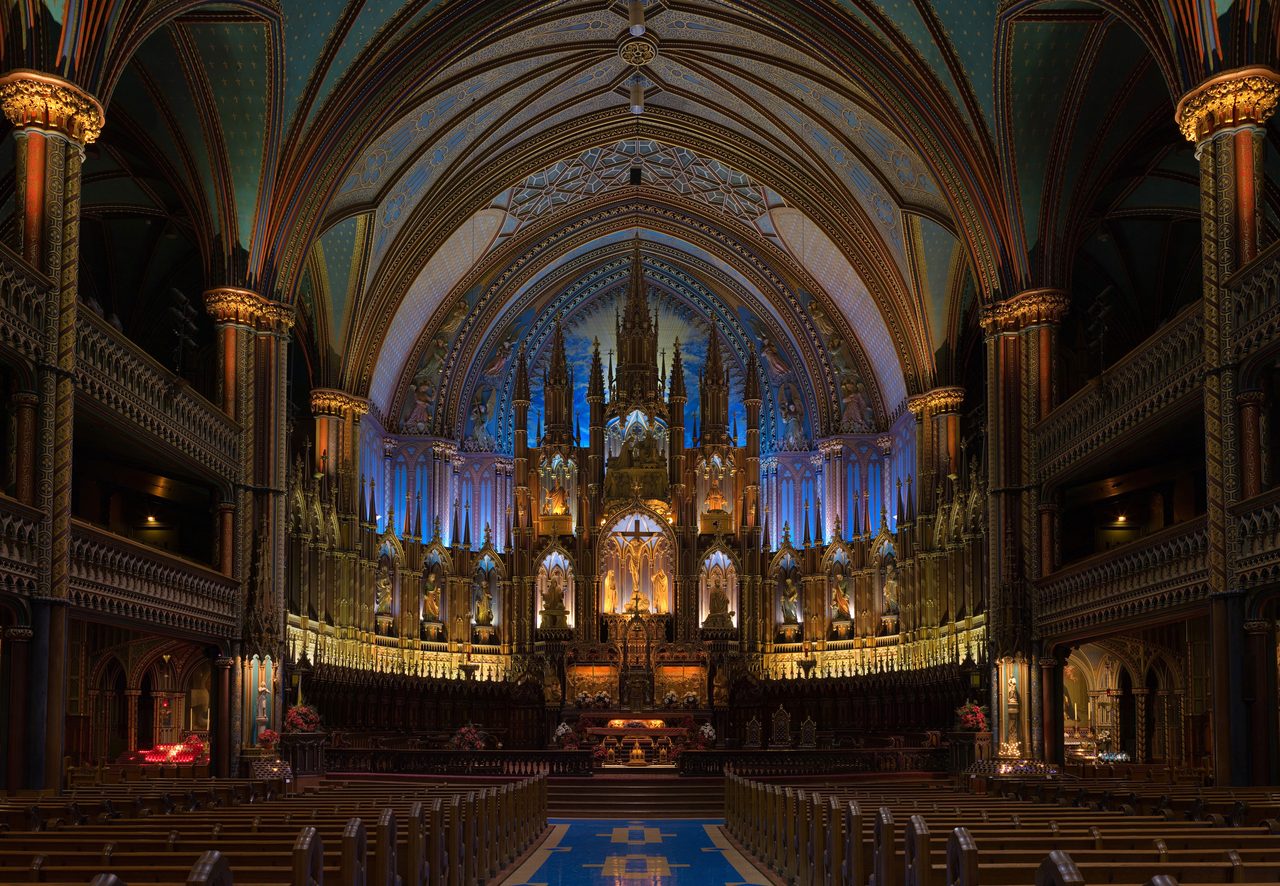
Notre-Dame Basilica is the crown jewel, and do not skip it. The exterior is handsome; the interior is a full-body experience — deep blues, gold stars, carved wood everywhere, light pouring through the stained glass. Admission is $16 for adults (students $14, children $10), and hours are Monday–Friday 9:00 AM–4:30 PM, Saturday 9:00 AM–4:00 PM, Sunday 12:30–4:00 PM. I double-checked the current hours on the basilica’s official page before my last visit — they shift around holidays and special events, so do the same. And fair warning from personal experience: I showed up on a Sunday morning at 10 AM once, doors closed for mass, and had to rearrange my whole day. Go after 12:30 on Sundays. → Notre-Dame Basilica of Montreal — official site
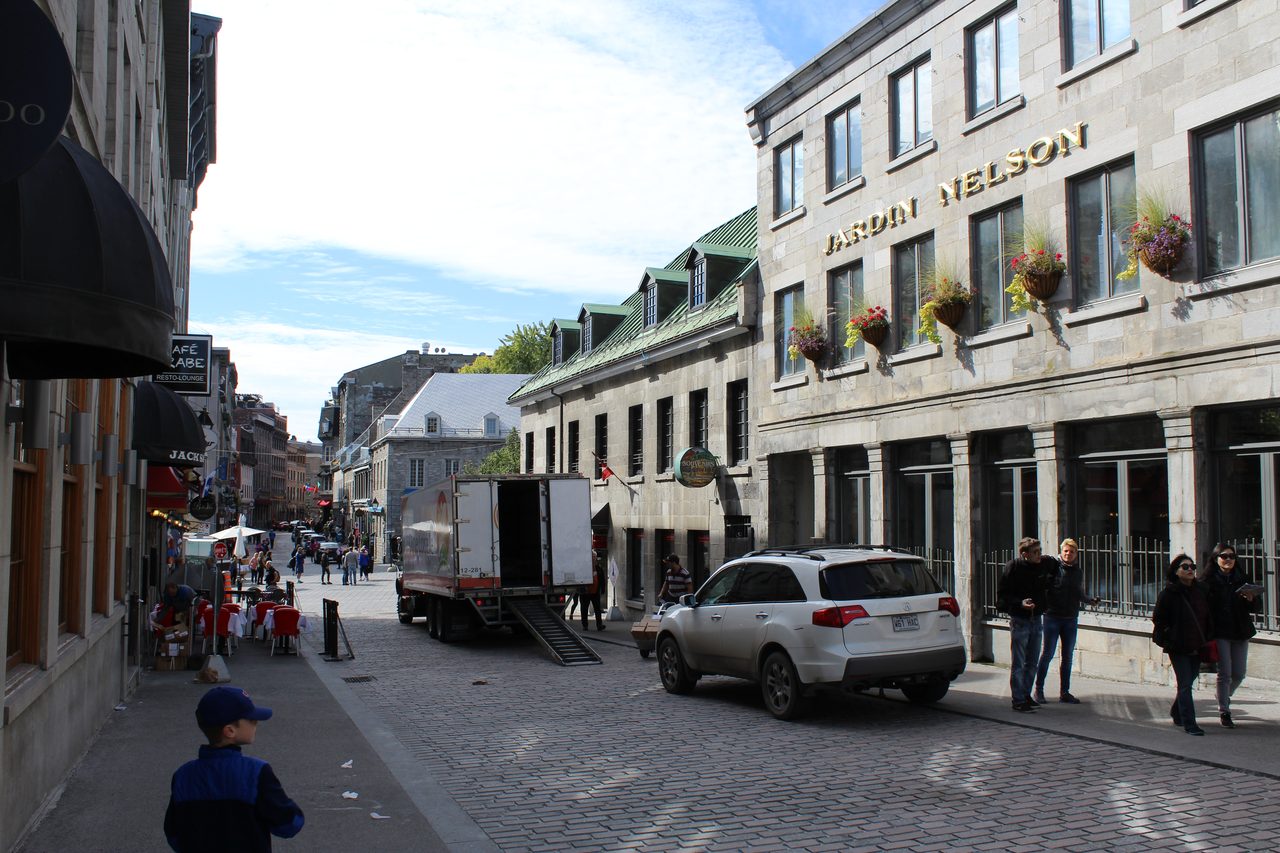
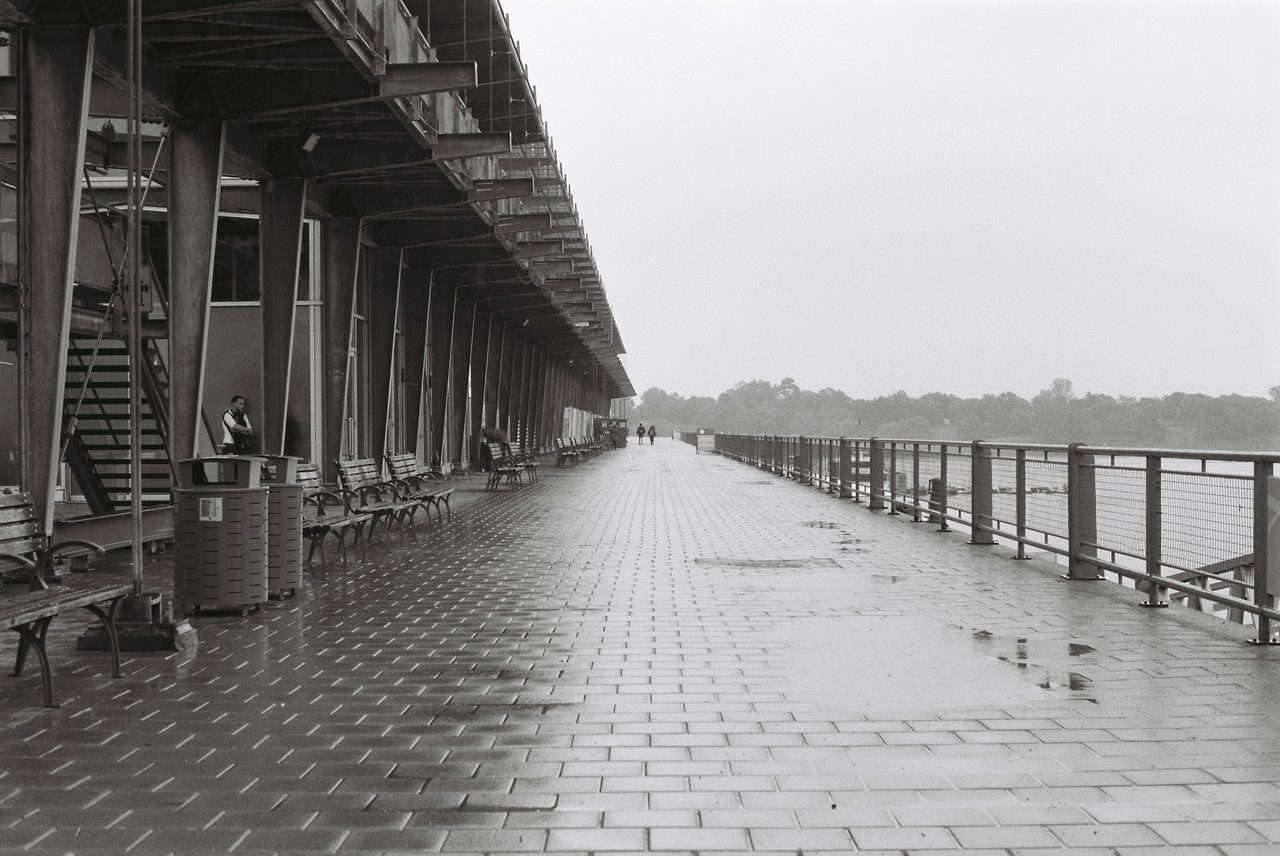
From Place d’Armes, wander Rue Saint-Paul — the oldest street in Montreal — for galleries, boutiques, and café terraces, then head down to the Old Port for the waterfront promenade along the Saint Lawrence. The Old Port runs about 2 km of parks, bike paths, the Clock Tower beach (yes, an urban beach), and La Grande Roue ferris wheel for skyline views. In winter, part of the basin becomes a skating rink. It’s touristy, sure — but the river light at golden hour is worth every penny of the zero dollars it costs.
Mount Royal and the Plateau: the view and the vibe
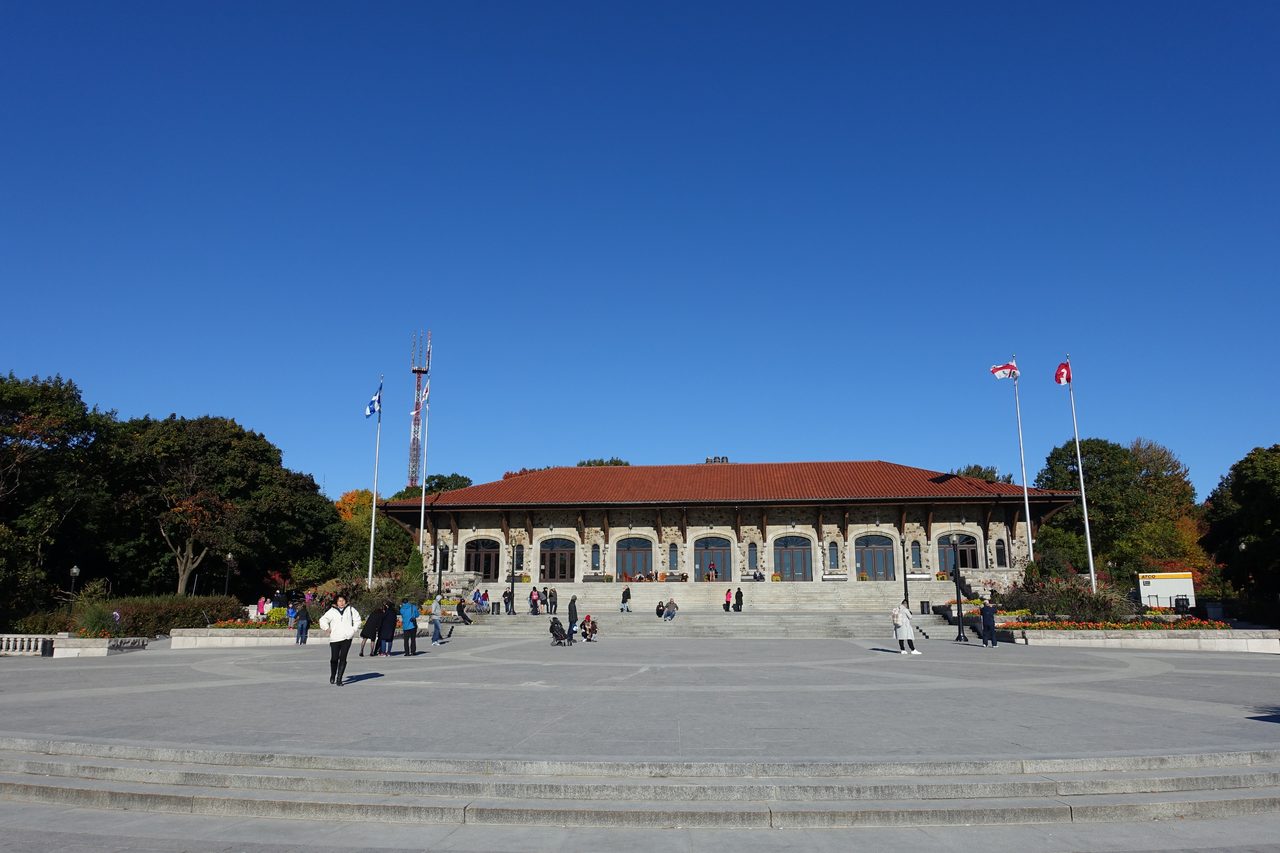
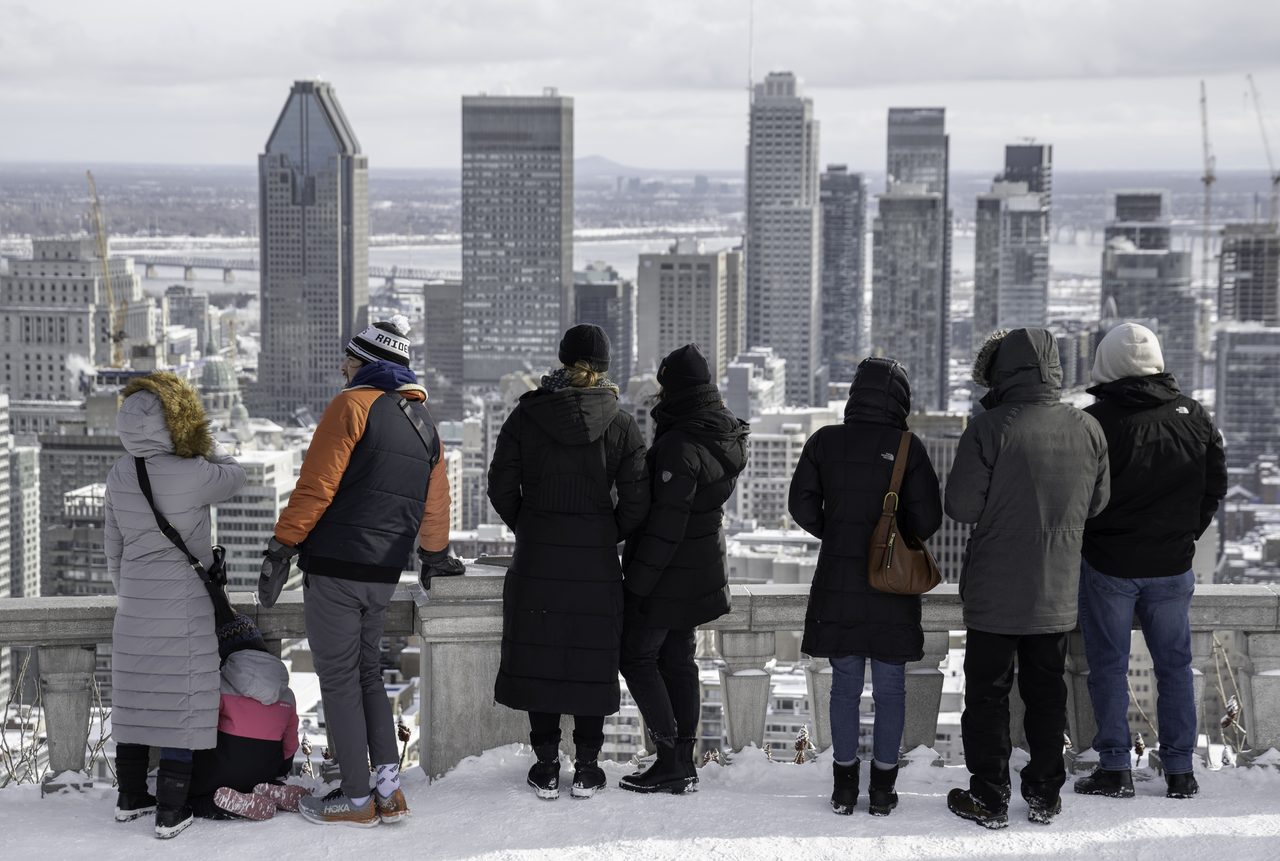
Mount Royal Park — the “mountain” (233 m, so, a hill with ambition) — was designed by Frederick Law Olmsted, the same landscape architect behind New York’s Central Park, and it’s the city’s backyard. The walk up from the Peel Street entrance takes about 30–45 minutes; the payoff is the Kondiaronk Belvedere, the stone lookout terrace with the definitive downtown skyline panorama. On summer Sundays, locals gather on the lawns for the Tam-Tams — a massive, joyful, informal drum circle that’s been running for decades. Bring a picnic, stay for sunset, thank me later.
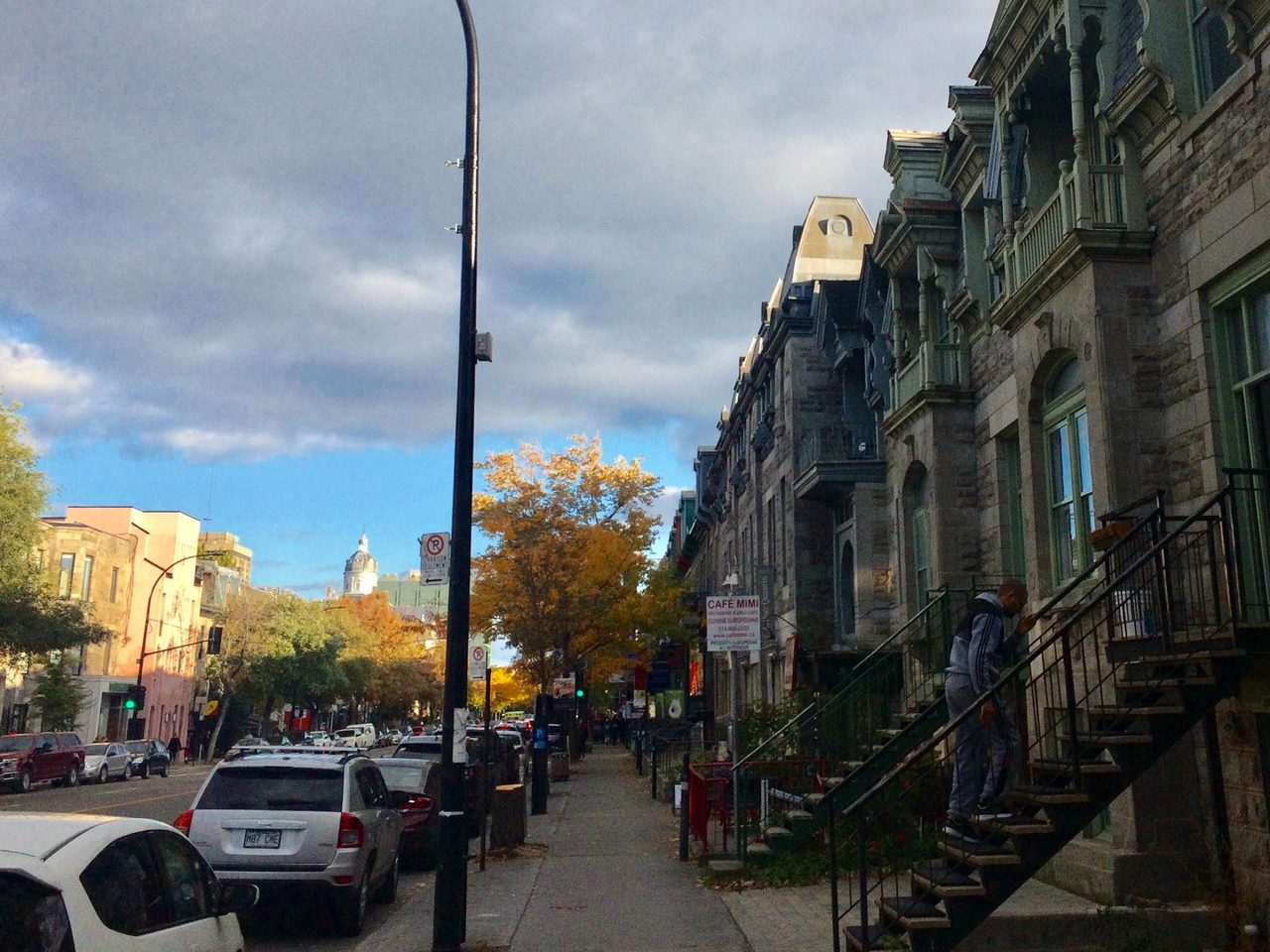
At the mountain’s eastern foot sprawls the Plateau-Mont-Royal — the neighborhood of colorful row houses, iconic exterior spiral staircases, and wall-to-wall murals. This is the city’s creative heart: coffee shops, vintage stores, and bookshops on every block. Walk Avenue du Mont-Royal and Boulevard Saint-Laurent (“The Main”), then drift into Mile End for the bohemian side — record stores, indie boutiques, and, according to a barista who would not be swayed, the city’s best people-watching. The bagel debate lives here too (more on that below).
The Botanical Garden and the Biodome: a half-day well spent
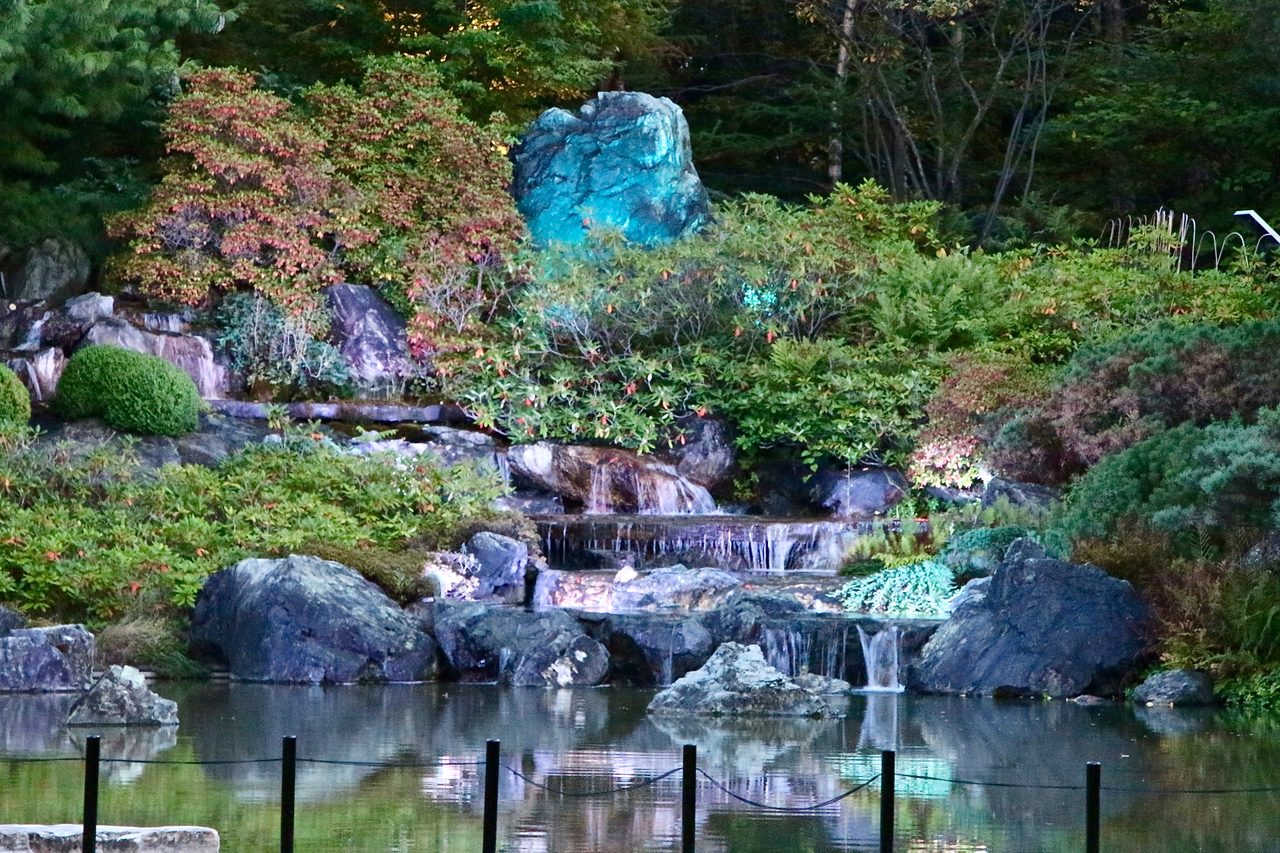
In the east end, Espace pour la vie (Space for Life) clusters five museums around the old Olympic site — and the two worth your limited time are the Botanical Garden and the Biodome. The garden spans 75 hectares of themed gardens and greenhouses; the Japanese and Chinese gardens are the standouts, serene and meticulously kept. The Biodome, inside the former Olympic velodrome, recreates five ecosystems of the Americas — you walk from tropical rainforest to subarctic coastline under one roof, with free-flying birds and very unbothered sloths.
2026 admission is $25.50 per adult per museum (taxes included; discounts for students, seniors, kids, and families) — I double-checked the current rates on Espace pour la vie’s official page before I went, since they adjust periodically. Allow 3–4 hours for both, and buy tickets online to reserve your entry slot. → Espace pour la vie — official 2026 admission rates
Eating your way through Montreal: the Big Three and the markets
Okay, here’s the thing: I plan my Montreal days around meals, and I’m not even a little sorry. The city has three sacred food pilgrimages, and you must complete all of them:
- Smoked meat: The legendary delis (Schwartz’s on Boulevard Saint-Laurent is the icon — expect a line, and it’s worth it) serve hand-sliced, pepper-crusted brisket on rye with mustard. Order it “medium fat.” Budget ~$15–20 for the sandwich (estimate).
- Bagels: Montreal bagels are smaller, denser, sweeter, and wood-fired — a different species from New York’s. The holy war is St-Viateur vs. Fairmount, both in Mile End, both open around the clock. I settled it the scientific way: bought a dozen warm from each and taste-tested on a park bench. My verdict is sealed in my spreadsheet (St-Viateur, by a nose — fight me). A dozen runs ~$10–12 (estimate).
- Poutine: Fresh squeaky cheese curds, hot fries, rich gravy — the classic is the gold standard, though plenty of chefs now do gourmet versions with braised short rib or lobster. Eat it late. You’ll understand.
Then hit the markets. Marché Jean-Talon in Little Italy is the big one — a sprawling year-round public market of produce stalls, cheese shops, butchers, and maple everything. I go every trip and every trip I leave with cheese I didn’t plan to buy (my spreadsheet has a line item for this now). Pair it with an espresso crawl through Little Italy, and if you’re in the Plateau on a weekend morning, join the brunch line at L’Avenue — I waited 45 minutes for the eggs benedict flight and I’d do it again, though fair warning: go before 10 AM or bring patience.
Saint Joseph’s Oratory and easy day trips
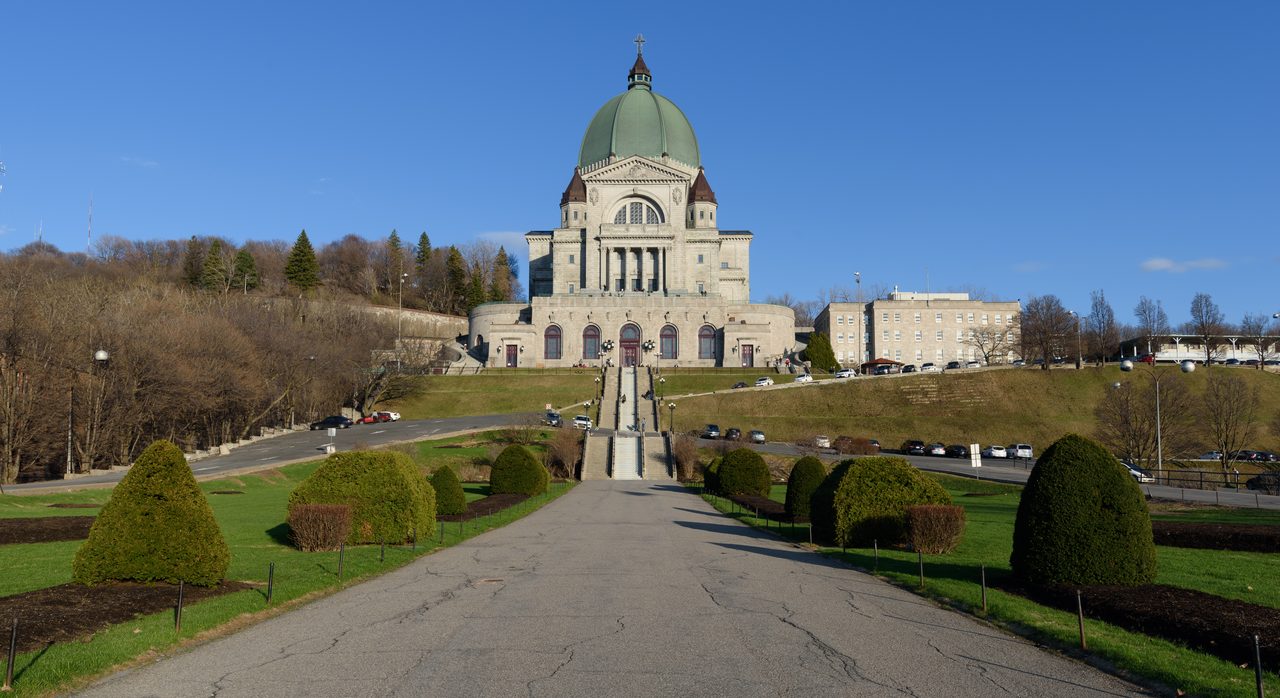
West of downtown, Saint Joseph’s Oratory of Mount Royal commands the skyline with Canada’s largest church dome (nearly 40 m across). Even if churches aren’t your thing, the terraces and the 283-step staircase offer one of the city’s best free views — and entry to the basilica itself is free (open daily roughly 6:00 AM–9:00 PM; there’s a parking fee if you drive). A front-desk clerk at my hotel told me to go at golden hour, and she was absolutely right — the dome glows copper. Take the metro to Côte-des-Neiges station (Orange line) and walk up about 10–15 minutes, or catch the free shuttle from Queen Mary Road up the hill.
Day trip: Quebec City. Yes, do it — but do it honestly. The old version of this guide claimed a “high-speed rail connection.” There isn’t one. What there is: VIA Rail from Gare Centrale, about 3.5 hours each way, with economy fares starting around ~$53–65 when booked ahead (I always book on discount Tuesdays — a Montreal forum regular tipped me off to that years ago, and it’s saved me real money). It’s a long day trip; staying overnight to see the old city lit up is the better play. See our Ultimate Quebec City Travel Guide and our 2-day Quebec City itinerary for the full plan. → VIA Rail — discount Tuesdays
Nature escape: the Laurentians. About 90 minutes north, Mont-Tremblant is the classic year-round escape — skiing in winter, hiking and the pedestrian village in summer. This is the one case where renting a car (or joining a tour) makes sense.
How much does a trip to Montreal cost?
Sample budget per person per day, mid-range, excluding hotel (prices checked October 2026; items marked ~ are estimates):
| Item | Cost (CAD) |
|---|---|
| Transit (3-day STM pass, amortized) | ~$7 |
| Attractions (Basilica $16 + Biodome $25.50, spread over days) | ~$15–25 |
| Food & drinks (market lunch, café, one good dinner) | ~$60–90 |
| Extras (bagels, espresso, metro snacks) | ~$10–20 |
| Daily total | ~$95–140 |
Mid-range hotels run roughly ~$180–350/night in summer (estimate, before taxes) — higher during Jazz Fest and Just for Laughs weekends, so book early. On a tight budget, see our Montreal on a Budget guide for the money-saving playbook.
FAQs about visiting Montreal (2026)
How many days do I need in Montreal?
Three full days covers the essentials: Old Montreal and the Old Port, Mount Royal and the Plateau, plus the Botanical Garden/Biodome and a serious food day. Four to five days lets you add Saint Joseph’s Oratory, the markets at a stroll, and a Quebec City day trip. For a structured plan, see our 3-day Montreal itinerary or 2-day Montreal itinerary.
Do I need to speak French to visit Montreal?
No. French is the official language, but virtually everyone in hotels, restaurants, museums, and shops speaks excellent English. Learning “Bonjour” and “Merci” goes a long way — it shows respect for Québécois culture and, in my experience, genuinely gets you warmer service.
Is the REM airport train open yet?
No — and this is the #1 thing outdated guides get wrong. As of October 2026, the REM’s airport branch is still under construction and currently scheduled to open in late 2027. The working option is the STM 747 express bus: $11.25, runs 24 hours, and includes a 24-hour unlimited transit pass. Check the official STM 747 page for the current downtown terminus and schedule.
When is the best time to visit Montreal?
Summer (June–August) for festivals and patios — the Jazz Festival ran June 25–July 4, 2026 — but expect peak hotel prices. Fall (September–October) is my pick for the sweet spot: mild weather, foliage on Mount Royal, and thinner crowds. Winter (December–March) is cold but festive, with Igloofest, skating, and the heated Underground City.
Is Montreal expensive compared to other Canadian cities?
It’s mid-range — cheaper than Vancouver or Toronto for hotels and dining, pricier than smaller cities. Budget roughly ~$95–140 CAD per person per day excluding your hotel (mid-range, 2026 prices), and much less if you lean into the city’s excellent free options: Mount Royal, the Old Port waterfront, the Tam-Tams, and festival season’s free concerts.
Can I do a day trip to Quebec City from Montreal?
Yes, but it’s a long day. VIA Rail takes about 3.5 hours each way from Gare Centrale, with advance economy fares from ~$53–65 — note this is regular rail, not high-speed. Leave early, or better yet stay overnight to see the old city lit up. Our Quebec City Travel Guide covers the full plan.
4 comments