
Last updated: October 3, 2026
The short answer
- The formula: Base yourself in Toronto for 3–4 days, add 1–2 days at Niagara Falls and 2 days in Ottawa. Rent a car only for the beyond-the-cities stretch — Algonquin, Prince Edward County, the Thousand Islands.
- When to go: June–August for patios and festivals, late September–early October for fall colour (Algonquin Park hit 90% colour change on September 29, 2026). February brings Winterlude and the Rideau Canal Skateway in Ottawa.
- What it costs: Budget roughly $2,300–3,200 CAD per person for a mid-range week excluding flights. The big-ticket admissions run $33–48 each — all prices below checked October 2026.
Ontario is bigger than France and Spain put together, and here’s the thing: that fact is useless until you’re standing at the east gate of Algonquin Park, three hours from Toronto, realizing the “province” you’re visiting is essentially a country with one megacity attached. I have planned this trip for friends more times than I can count — color-coded spreadsheet, naturally — and I have the receipts on every rookie error, so consider this your cheat sheet. This is the 2026 edition: current prices, current hours, and the honest version of what each place is actually like.
Before you go: the practical stuff
Get these four things right and the rest of the trip runs itself.
Entry requirements. If you’re flying in from a visa-exempt country (the US, UK, Ireland, much of Europe), you need an eTA — an Electronic Travel Authorization — before you board, and it’s linked to your passport, not stamped in it. Travelers from other countries generally need a visitor visa. Either way, check the Government of Canada’s immigration site before you book anything, and make sure your passport is valid for your whole trip (the “six months beyond travel” rule is one of those things border officers take personally).
Money. Canada runs on the Canadian dollar, and Ontario is aggressively cashless — you’ll tap on, tap off everywhere from the TTC to the sugar shack. Tipping is 18–20% in restaurants and bars; it’s not optional theater, it’s how the system works, so build it into your budget.
Getting around. The honest breakdown: Toronto, Ottawa, and Niagara Falls do not require a car. Everything else mostly does. VIA Rail connects Toronto and Ottawa in about 4.5 hours (book early for the best fares — I’ll be honest, walk-up prices stung me once), and GO Transit runs seasonal and weekend service between Toronto and Niagara Falls, which is the cheapest car-free way to do the day trip. For Algonquin, Prince Edward County, and the Thousand Islands, rent the car. Full breakdown below.
Best time to visit. Ontario has four real seasons and they all want your attention:
| Season | What’s happening | Trade-off |
|---|---|---|
| June–August | Warm (20–30°C), patios everywhere, festival season in Toronto and Ottawa | Busiest, priciest, and southern Ontario gets properly humid |
| Late Sept–early Oct | Fall colour — Algonquin’s maples peak late September; the Niagara Escarpment follows in October | Thanksgiving weekend (Oct 12, 2026) books out fast; midges of tourists at Algonquin |
| December–March | Winterlude in Ottawa, skating on the Rideau Canal Skateway, skiing at Blue Mountain | It gets genuinely cold — pack like you mean it |
| April–May | Canadian Tulip Festival in Ottawa, maple season, shoulder-season prices | Mud season in the north; some attractions still on winter hours |
My personal vote? Early October. I timed a fall-colour trip to Algonquin once and arrived a week early to a forest that was green and frankly smug about it. The Ontario Parks fall colour report updates weekly from mid-September — I now check it the way other people check the weather, because around here it basically is.
Toronto: start here, stay longest

Toronto is where nearly everyone lands and where you should spend the most days — three or four, minimum. It’s a city of neighborhoods stacked against a lake, and the learning curve is gentle: the subway is simple, the waterfront is walkable, and the food scene punches absurdly above its weight.
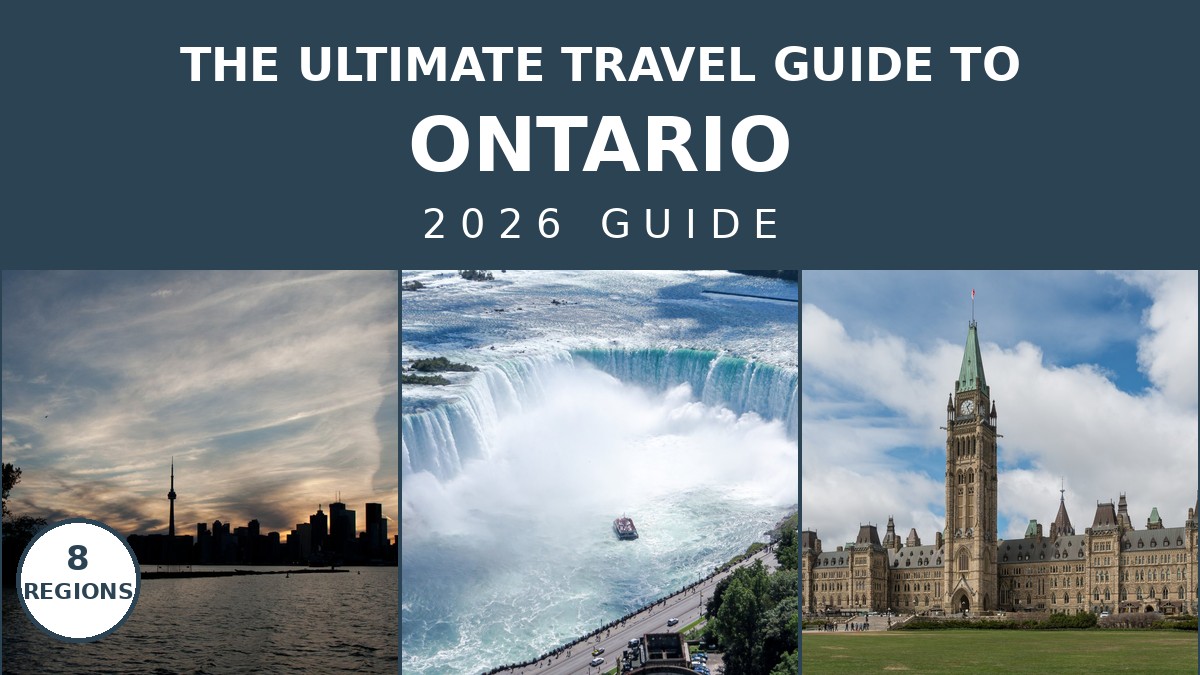
The CN Tower. Yes, it’s touristy. Do it anyway — the glass floor at 346 metres still rearranged my brain a little, and I’ve done it twice. Current pricing I found in October 2026: about $47 for an adult, or about $59 if you add The Top (the 447-metre SkyPod level). Open daily roughly 9:30 AM–11:00 PM, last entry around 9:00 PM. And I showed up at 11 AM on a Saturday once. Never again. Book the first slot of the day and walk straight in.
Ripley’s Aquarium of Canada, right next door at the base of the tower — the moving walkway through the Dangerous Lagoon shark tunnel is the rare aquarium exhibit that lives up to the hype. Adult tickets run about $44. Pro tip: the “Sharks After Dark” evening sessions (after 5 PM) are cheaper and the crowds thin out beautifully. I hadn’t heard of this until I read a local roundup — glad I did, because the daytime line on a July Saturday is a contact sport.
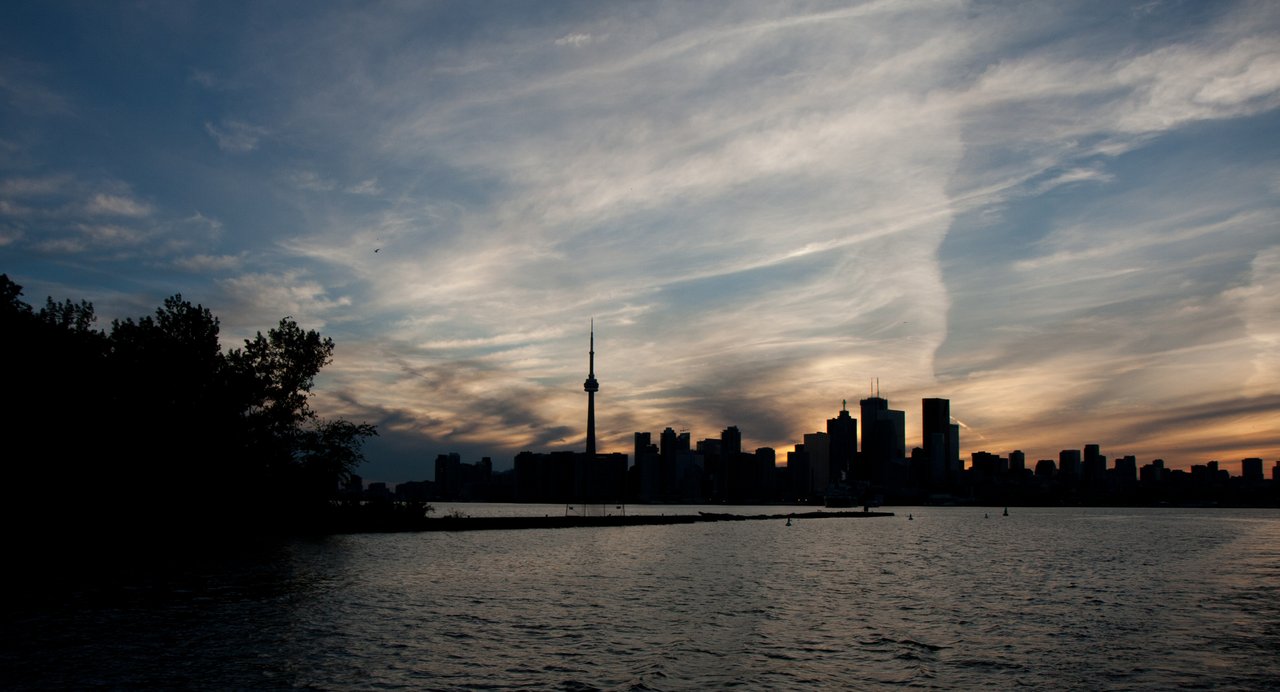
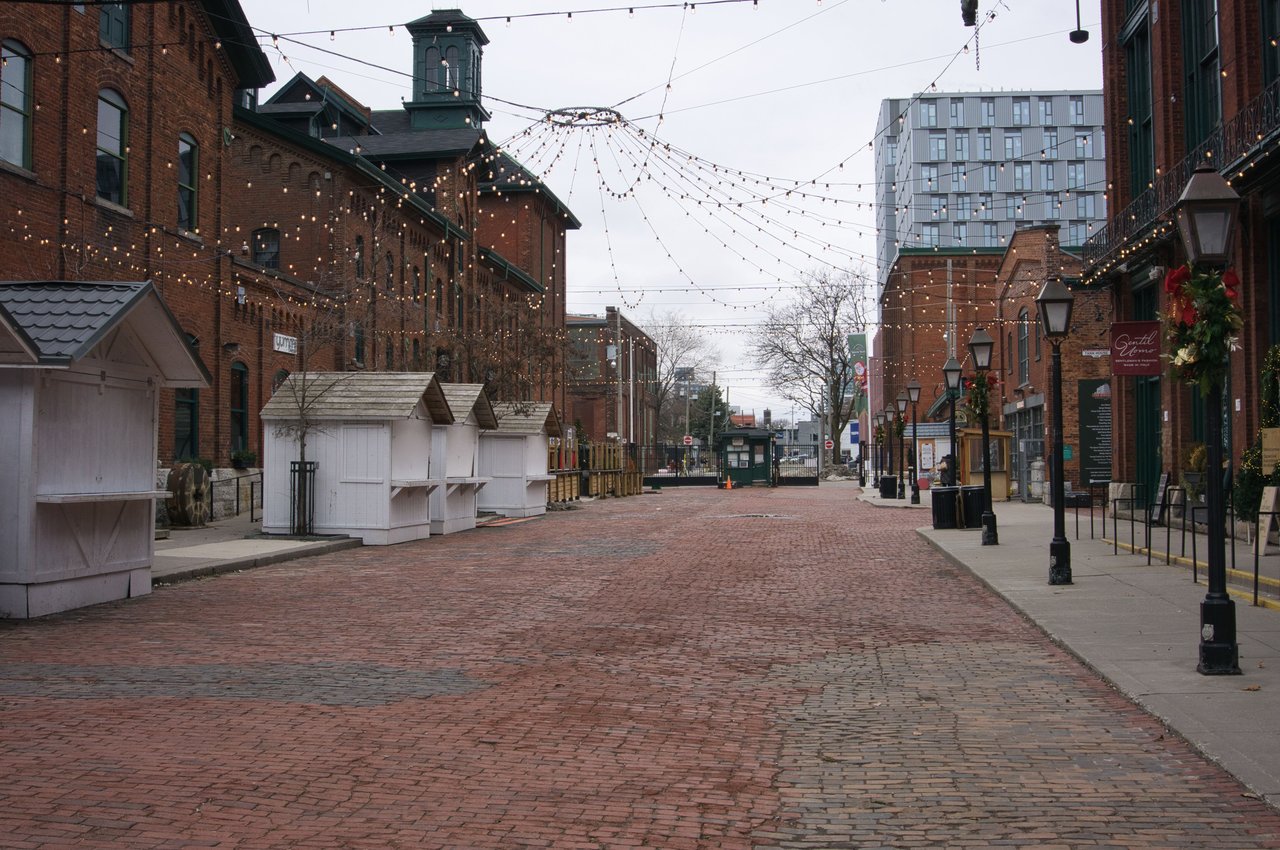
Neighborhoods over landmarks. After the tower, stop checking boxes and start wandering. The Distillery District’s Victorian brick lanes, Kensington Market’s glorious chaos, St. Lawrence Market (the peameal bacon sandwich is not a myth — it is a requirement), and a ferry ride to the Toronto Islands for the skyline view from the water. The Islands ferry is the cheapest postcard in the city and I have the photos to prove it.
If you’re stacking multiple paid attractions, run the math on the Toronto CityPASS — it bundles the CN Tower and Ripley’s with three more picks (Royal Ontario Museum, City Cruise, Casa Loma, Toronto Zoo) for about $135 + tax for adults (2026 pricing). I did the spreadsheet; if you visit four of the six, it pays. → Toronto CityPASS — official pricing
For the deep-dive version of the city, see our Ultimate Toronto Travel Guide: 2026 Edition.
Niagara Falls: yes, the Canadian side
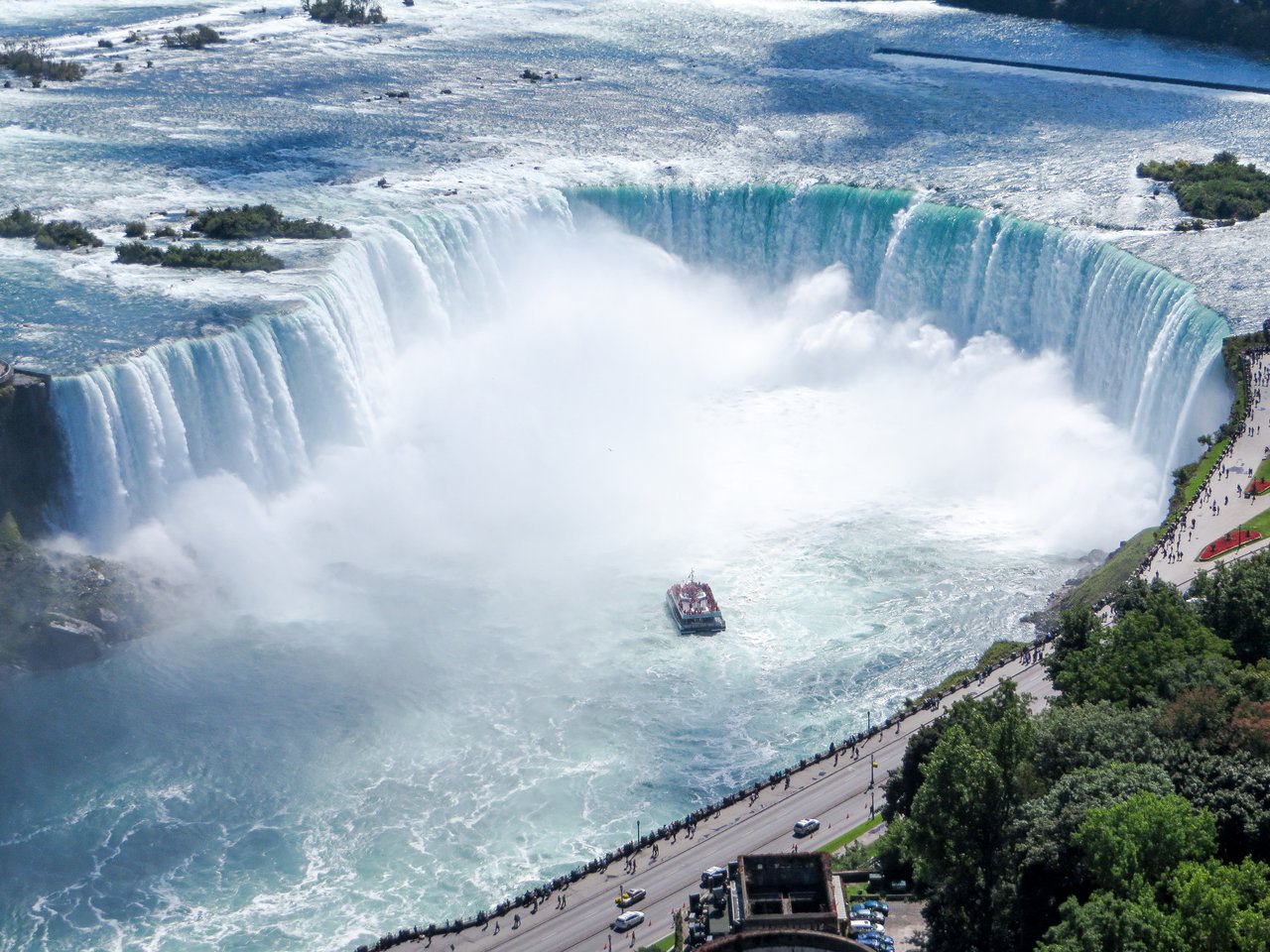
I’ll say it plainly: the Canadian side has the view. Horseshoe Falls faces Ontario, so the classic postcard — the whole curved wall of water — is ours. (The American side has its charms, and with the right documents you can walk across the Rainbow Bridge, but the money shot is Canadian.)
The boat. Niagara City Cruises’ Voyage to the Falls is the 20-minute ride into the mist at the base of Horseshoe Falls. Tickets start at CA$47.95 on the official site, poncho included, sailing roughly May through December. Fair warning: the poncho is decorative. I wore canvas sneakers and spent the rest of the day squelching. Waterproof shoes, people. → Niagara City Cruises — official tickets & schedule
Journey Behind the Falls. Elevator down 125 feet through bedrock, then tunnels to observation portals directly behind the curtain of water. Admission is $33.00 for adults (13+) and $21.50 for children 3–12, straight from Niagara Parks’ official page — I double-checked before writing this because the price has crept up two years running. One thing to know: the attraction is mid-renovation (a $25 million project running through summer 2028, including a new heated viewing platform opening summer 2027), but it stays fully open throughout. → Journey Behind the Falls — official hours & admission
Niagara-on-the-Lake. Twenty minutes down the parkway, this is the antidote to Clifton Hill’s carnival energy: a preserved 19th-century main street, the Shaw Festival theatre season, and the wineries of the Niagara Peninsula fanning out around it. Go in the afternoon, stay for dinner, and thank me later.
Day trip or overnight? The Falls are ~1.5 hours from Toronto, so a day trip works — but the illumination after dark and the seasonal fireworks are worth an overnight if you can swing it. The full playbook is in our Ultimate Niagara Falls Travel Guide: 2026 Edition.
Ottawa: the capital, slowed down
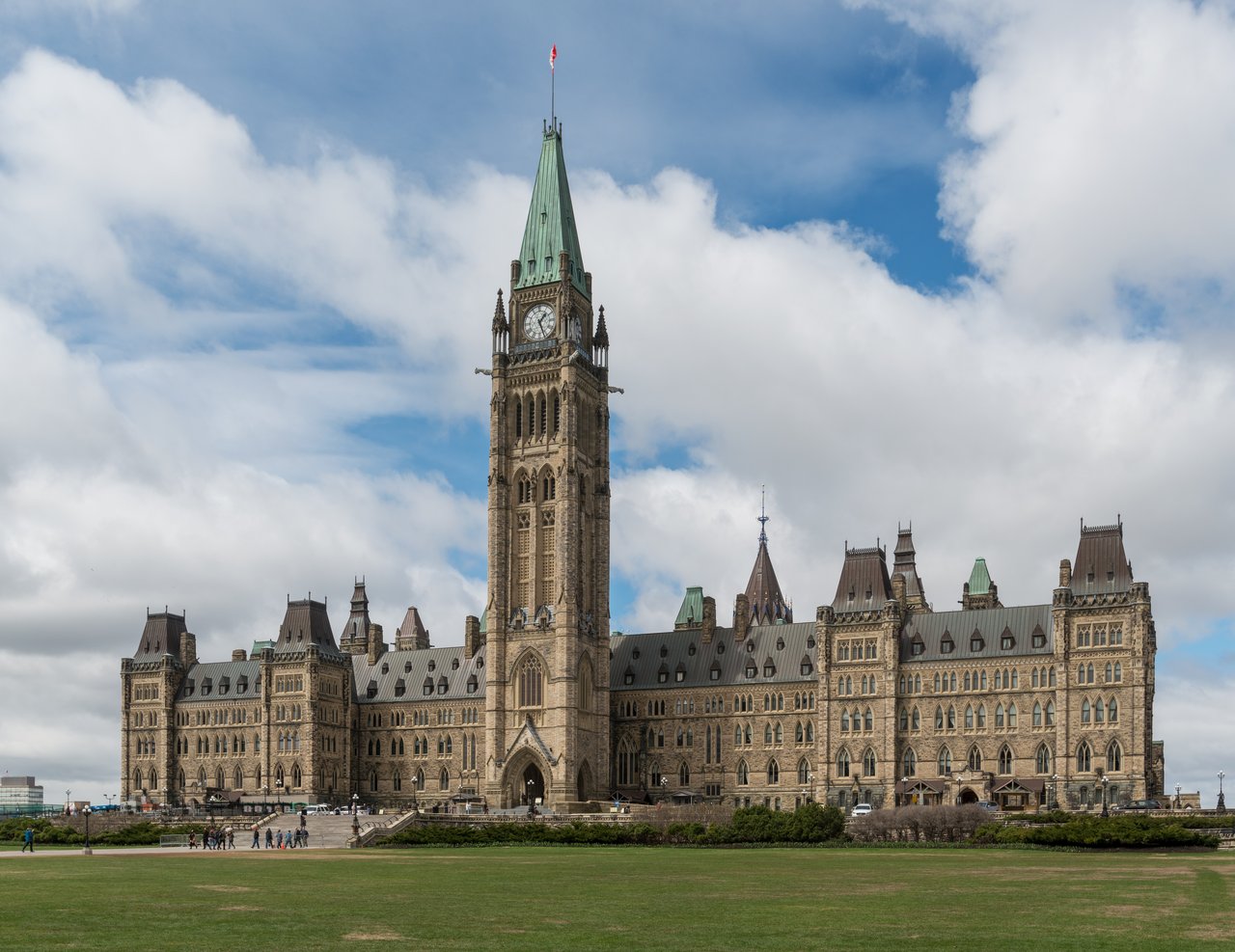
Ottawa is the trip’s exhale after Toronto’s velocity — smaller, greener, and quietly confident. Two full days is the sweet spot.
Parliament Hill, with one important caveat. Centre Block — the one with the Peace Tower — is closed for a decade-long rehabilitation (it shut in 2018 and the work runs into the late 2020s). But Parliament tours didn’t stop; they moved. Free guided tours now run at West Block (the temporary House of Commons, with its striking glass-domed courtyard chamber), the Senate of Canada Building at 2 Rideau Street, and East Block. Book through the official Parliament site — tickets are free but timed, and same-day spots go fast in summer. Heads-up from experience: visitors 16 and over need government photo ID for West Block, and tours don’t run when the House is sitting, so check the calendar before you go. → Parliament of Canada — book free guided tours
The rest of the capital. The Rideau Canal (a UNESCO site that becomes one of the world’s largest skating rinks in winter), the ByWard Market for a BeaverTails pastry — do not skip this, trust me on this one — and the National Gallery of Canada with its giant spider sculpture out front. In May, the Canadian Tulip Festival carpets the city in a million blooms; in February, Winterlude owns it. Ottawa rewards the slow traveler: I once spent an entire afternoon just walking the canal path with a coffee, and it remains one of my favorite travel memories, which tells you everything about this city.
Our full capital rundown: The Ultimate Ottawa Travel Guide: 2026 Visitor Tips.
Beyond the big three
Here’s the thing most first-timers miss: the famous Ontario isn’t really the cities. It’s the land between them. If you have a car and three extra days, this is where the trip becomes a story.
Algonquin Provincial Park
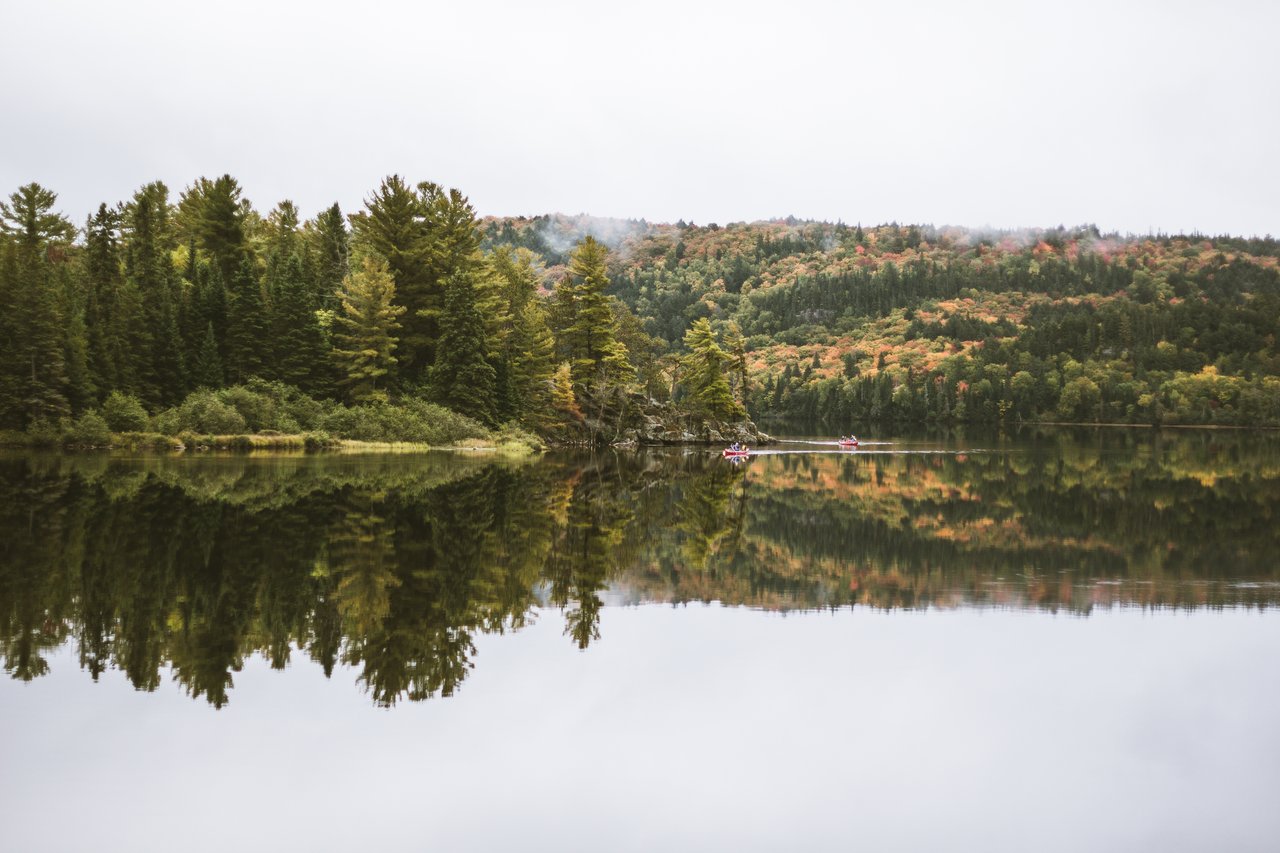
Three hours north of Toronto, Algonquin is 7,600 square kilometres of canoe-route wilderness — and in late September it’s the single best fall-colour show in the province. The Friends of Algonquin Park publish a fall colour report through the season (Ontario Parks had the park at 90% colour change on September 29, 2026, with red and orange dominating), and it’s the difference between peak and a week too early. Day-use vehicle permits run ~$20 — reserve ahead for fall weekends, because the park sells out and the Highway 60 corridor on a peak Saturday is its own spectator event. → Algonquin Park — official fall colour report
Niagara-on-the-Lake & Prince Edward County
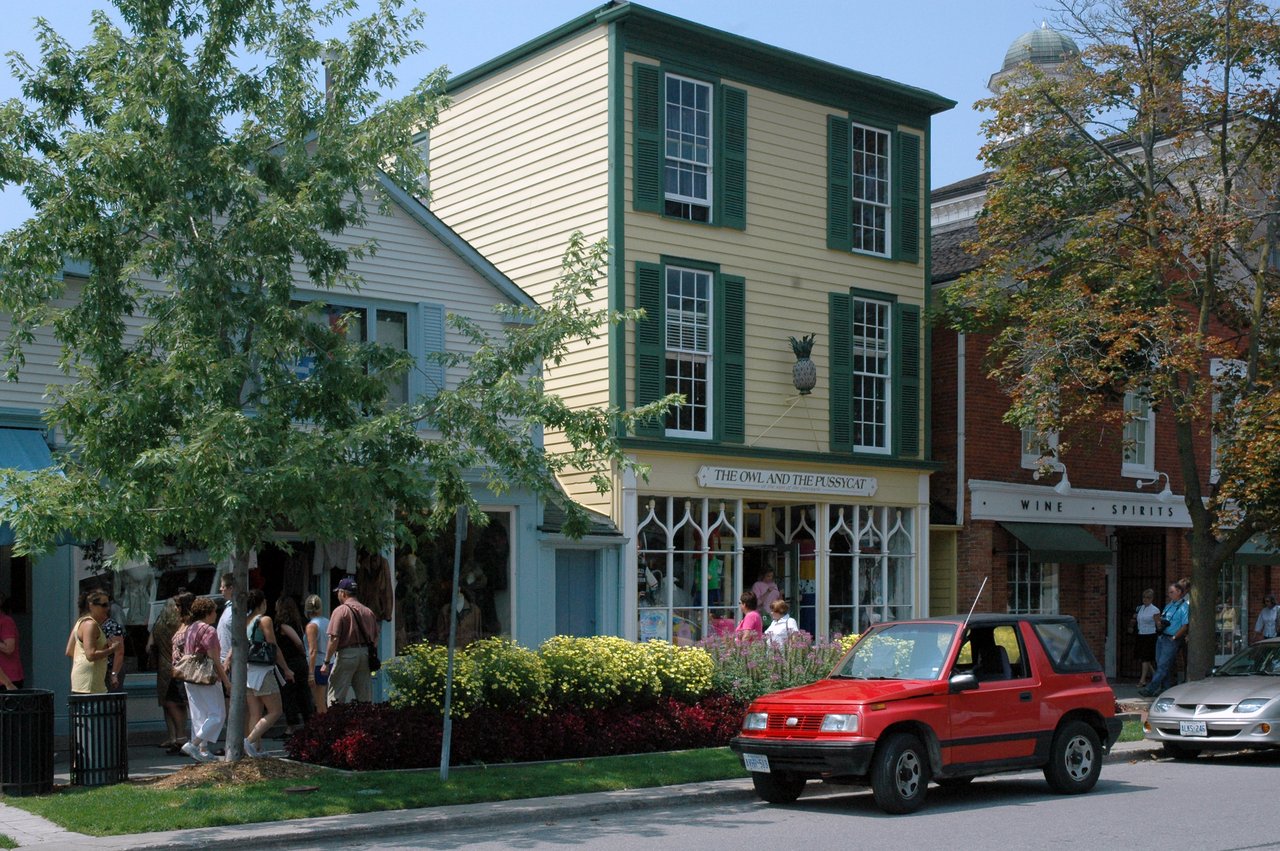
Two wine regions, two personalities. Niagara-on-the-Lake is the polished one — icewine tastings, the Shaw Festival, a main street that looks like a film set. Prince Edward County (“the County” to everyone) is the scrappier, cooler sibling: Sandbanks’ dunes, small-batch wineries, and a farm-to-table scene that outgrew its britches years ago. Both are easy overnights from Toronto. My rule: Niagara-on-the-Lake for the classic wine weekend, the County if you’d rather eat your way through a place.
The Thousand Islands

Halfway between Toronto and Ottawa along the St. Lawrence, the Thousand Islands are 1,864 islands scattered across the river — best seen from the water on a boat cruise out of Gananoque or Kingston. Boldt Castle, the 120-room almost-palace on Heart Island, is the headline stop. It slots neatly into a Toronto–Ottawa drive, which is exactly how I did it: a half-day detour, a castle, a boat, and back on the 401.
Want the small-town version of the province? Our 12 best small towns in Ontario go deeper on exactly these kinds of places.
Getting around Ontario: car, train, or transit
The province is big, but the triangle most visitors travel — Toronto, Niagara Falls, Ottawa — is well served.
- By train: VIA Rail runs Toronto–Ottawa in about 4.5 hours, with Kingston and other stops along the way. Book early; the fare difference between advance and walk-up is painful — ask me how I know.
- By bus/transit: GO Transit covers the Greater Toronto Area and runs seasonal/weekend service to Niagara Falls — the budget play for the day trip. In Toronto, the TTC is straightforward: tap on, tap off with a credit card or Presto, and the day pass (~$13.50) pays off if you ride more than three times.
- By car: Toronto to Niagara Falls is ~130 km (about 1.5 hours); Toronto to Ottawa is ~450 km (about 4.5 hours); Toronto to Algonquin’s east gate is ~3 hours. The 401 is efficient and dull; the parkway routes (Niagara Parkway, Thousand Islands Parkway) are the pretty ones. Winter tires are legally and practically non-negotiable from December to March.
Doing the whole province by road? Our Ultimate Ontario Road Trip Itinerary for 2026 maps the full loop.
How much does a week in Ontario cost?
A mid-range, per-person budget for 7 days (prices checked October 2026; items marked ~ are estimates):
| Item | Cost (CAD) |
|---|---|
| Hotels, 7 nights (mix of Toronto, Niagara, Ottawa) | ~$1,400 |
| Food & drinks (~$75–100/day) | ~$525–700 |
| Attractions: CN Tower ~$47 + Ripley’s ~$44 + boat $47.95 + Journey Behind the Falls $33 + Parliament tour free | ~$175 |
| Transport between cities (VIA Rail + GO/transit) | ~$150–250 |
| Car rental, 3 days for Algonquin/County (alternative) | ~$300–450 |
| Total, no car | ~$2,250–2,525 |
| Total, with rental car stretch | ~$2,550–2,975 |
The levers that move the needle: hotels (downtown Toronto is the budget-killer — staying near a subway line instead of the waterfront saves real money), and food (the markets — St. Lawrence, Kensington — feed you well for half the restaurant price). Worth every penny splurges: the boat at Niagara, and one genuinely good dinner in each city.
Your Ontario week at a glance
| Days | Base | What you’re doing |
|---|---|---|
| 1–3 | Toronto | CN Tower, Ripley’s, neighborhoods — Distillery District, Kensington, the Islands |
| 4–5 | Niagara Falls | Boat into the mist, Journey Behind the Falls, Niagara-on-the-Lake afternoon |
| 6–7 | Ottawa | Parliament tours, Rideau Canal, ByWard Market, the National Gallery |
| 8–10 (optional) | Rental car | Algonquin Park, Prince Edward County, or the Thousand Islands loop |
FAQs about traveling to Ontario
How many days do I need in Ontario?
A week is the sweet spot for first-timers: 3–4 days in Toronto, 1–2 days at Niagara Falls, and 2 days in Ottawa. With 10 days, add a 2–3 day driving loop through Algonquin Park, Prince Edward County, or the Thousand Islands. Less than 5 days? Pick Toronto plus one of Niagara or Ottawa — the province is too big to skim.
Is Niagara Falls a good day trip from Toronto?
Yes — it’s about 1.5 hours each way by car or bus, and GO Transit runs seasonal and weekend service for the budget option. But consider staying overnight: the Falls are illuminated after dark, there are seasonal fireworks, and the whole place is calmer once the day buses leave. Pair it with Niagara-on-the-Lake the next morning.
Do I need a car in Ontario?
Not for the cities. Toronto, Ottawa, and Niagara Falls are all easy without one — transit, walking, and intercity trains cover the triangle. You only need a car for the rural highlights: Algonquin Park, Prince Edward County, the Thousand Islands, and Blue Mountain. Rent for just those days rather than the whole trip.
When is the best time to visit Ontario?
For most travelers: June through August for warm weather and festivals, or late September to early October for fall colour — Algonquin Park’s maples peak in late September (the park hit 90% colour change on September 29, 2026). Winter travelers should aim for February’s Winterlude in Ottawa and the Rideau Canal Skateway; May brings the Canadian Tulip Festival.
Is the Canadian side of Niagara Falls better than the American side?
For the view, yes — Horseshoe Falls faces Canada, so the full curved panorama is on the Ontario side, along with the boat departure and Journey Behind the Falls. The American side has its own parks and the Cave of the Winds. With a passport (and the right visa/eTA), you can easily see both via the Rainbow Bridge.
Is Ontario expensive to visit?
Mid-range, by Canadian standards. Expect roughly $2,300–3,200 CAD per person for a week excluding flights, with downtown Toronto hotels as the biggest cost. The major attractions are $33–48 each (2026 prices), Parliament tours are free, and the markets keep food costs reasonable. Winter and shoulder seasons are noticeably cheaper than summer.
1 comment