

Last updated: October 3, 2026

The short answer
- Best overall: Buy an eSIM before you fly — Airalo’s Canada plans run ~$6–35 USD for 1–10 GB, and you’re online the second you land.
- Best value for longer trips: A local prepaid SIM from a flanker brand like Public Mobile ($30/35 GB 4G) beats every eSIM on price per gigabyte.
- Groups & road trips: Rent a pocket WiFi hotspot (~$8–12/day) for one shared connection — and download offline maps before leaving the cities, because coverage vanishes fast in the parks.
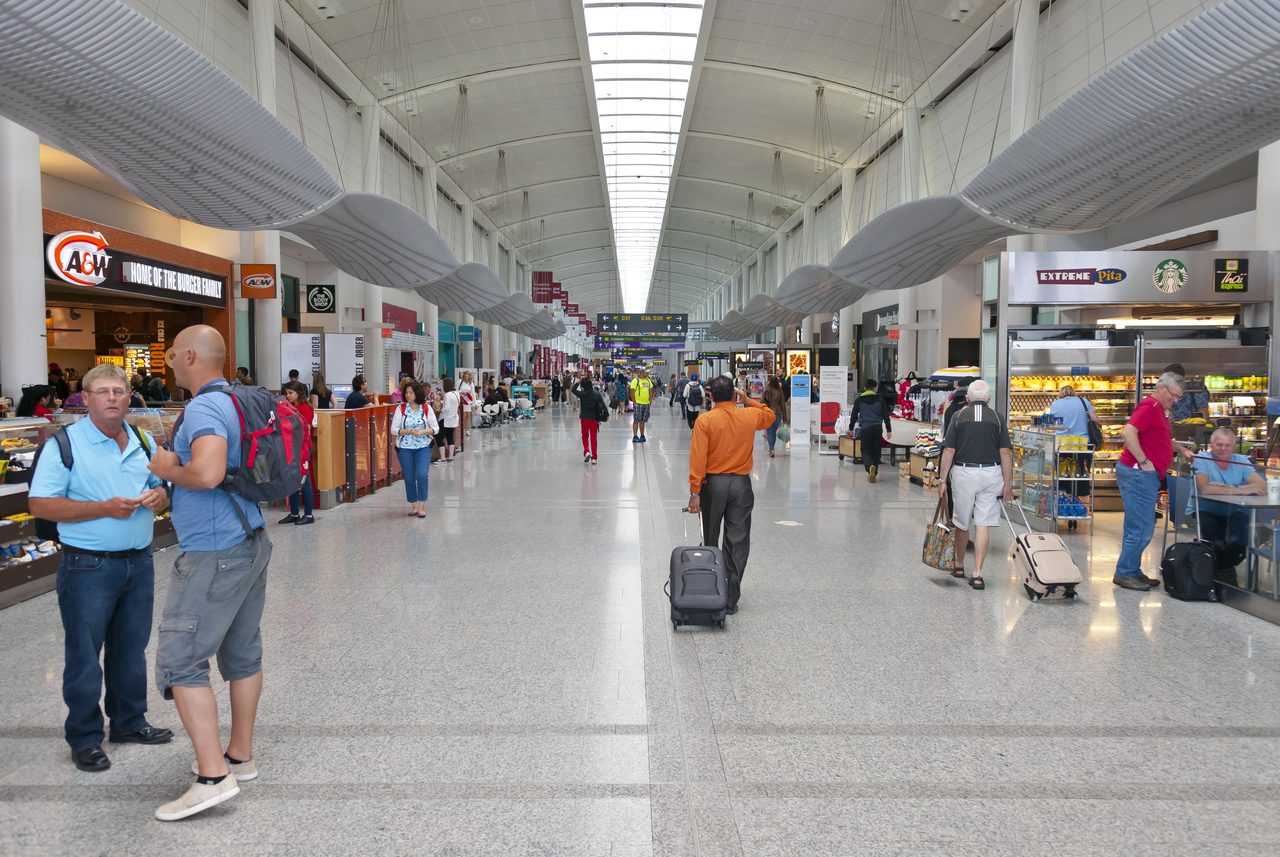
Walking off the plane at Pearson or Vancouver International to find your maps won’t load is a miserable way to start a trip — and I’ll be honest, it’s happened to me. I once landed in Toronto counting on the airport WiFi to get my bearings, and it crawled so badly I spent twenty minutes standing by a pillar refreshing Google Maps like it was a slot machine. Here’s the thing: Canada has some of the priciest mobile data on the planet, but with about ten minutes of prep before you fly, you’ll never think about it again. This guide covers every way tourists stay connected in 2026 — eSIMs, local SIMs, pocket WiFi, free hotspots, and what actually happens to your signal in the Rockies — with prices checked in October 2026.
How Canada’s mobile market actually works (the 30-second version)
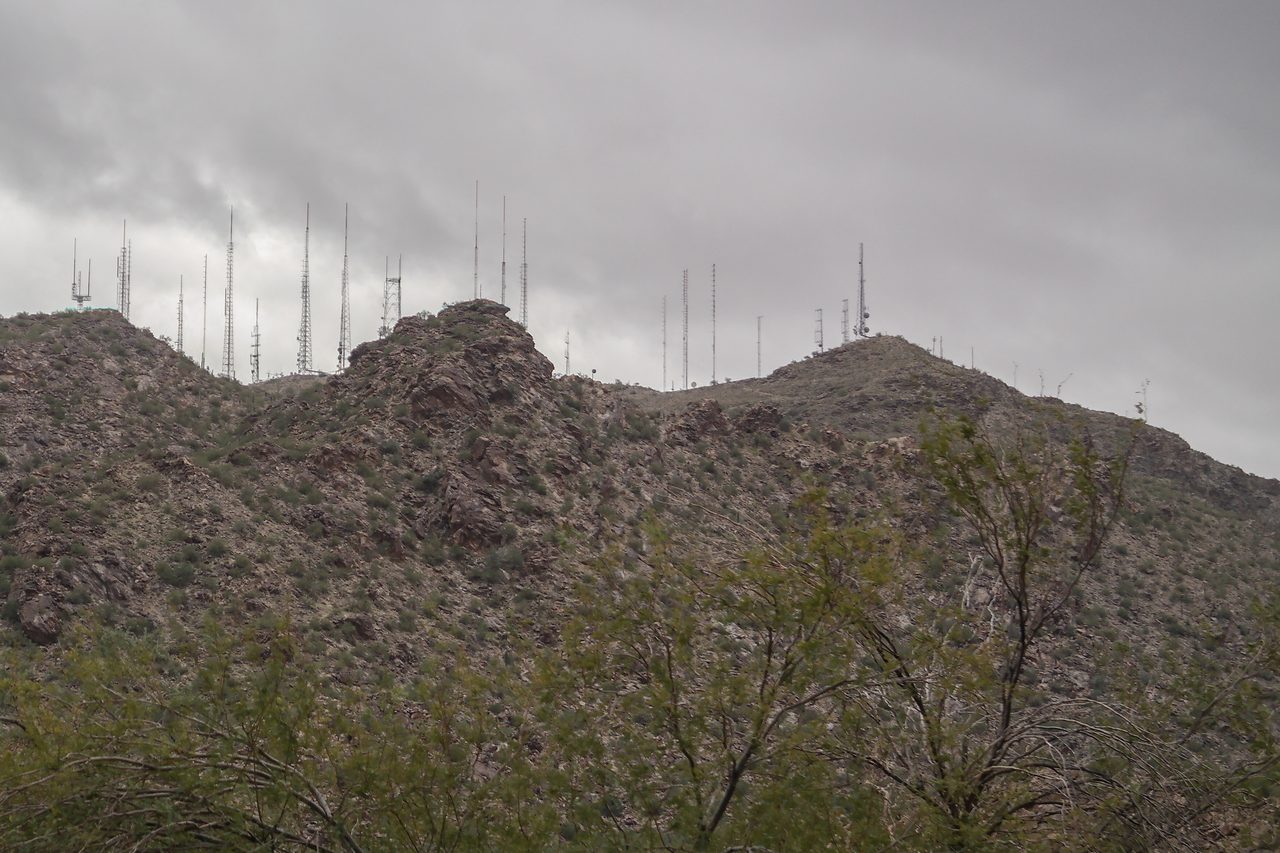
Three companies — Rogers, Bell, and Telus — own nearly all the towers in the country. That’s the whole market in one sentence. Bell and Telus share a network partnership that’s especially strong out west (British Columbia and Alberta), while Rogers is traditionally strongest in Ontario and the Atlantic provinces. In 2026, 5G covers basically every city and most major highways, with LTE filling in the gaps — speeds in downtown Toronto or Vancouver often top 300–500 Mbps.
The catch: the Big Three’s main plans are built for residents on contracts, not visitors. The workaround is the flanker brands — budget labels owned by the same companies, running on the same towers: Fido (Rogers), Virgin Plus (Bell), and Koodo (Telus), plus fully prepaid players like Public Mobile, Lucky Mobile, and Chatr. Same signal, much less money. Their kiosks are all over major malls (Toronto Eaton Centre, Vancouver’s Pacific Centre), and honestly, spotting one is never hard.
One more thing to know before you compare prices: Canada doesn’t require ID or a passport to buy a prepaid SIM — you can walk into a 7-Eleven and walk out with one. The one hard requirement is that your phone is unlocked. If it’s still tied to a carrier back home, no Canadian SIM or eSIM will work in it. Check with your carrier before you leave; some unlock remotely within a day.
Option 1: eSIM — connected before the wheels touch down
This is what I recommend to nine out of ten visitors, and it’s what I use myself. If your phone supports eSIM (most phones sold since about 2019 do), you buy a data plan online, scan a QR code, and activate it — all before you leave home. I installed mine at the gate last trip. I timed it: four minutes, including fumbling for my reading glasses. When we landed, my phone grabbed a Canadian network while everyone else was hunting for WiFi.
The big names for Canada in 2026:
- Airalo (Tuque Mobile plans, on Rogers/Bell/Telus networks): ~$6 for 1 GB / 7 days, $15 for 3 GB / 30 days, $18 for 5 GB / 30 days, $35 for 10 GB / 30 days, $49 for 20 GB / 30 days (USD). Data-only on most plans, though Airalo also sells Canada plans with calls and texts. Top-ups take seconds in the app.
- Holafly: the unlimited-data option, from ~$20.90 for 3 days up to ~$79 for 30 days. Worth every penny if you’re a heavy user who refuses to count gigabytes — fair warning, “unlimited” plans everywhere have fair-use limits, so check the fine print.
- Saily: backed by the NordVPN folks, consistently a bit cheaper than Airalo (around $5.29/1 GB for Canada) with a clean app.
- Jetpac: the budget pick, from ~$2 for 1 GB on Bell/Telus networks.
Pro tip: keep your home SIM in the phone (or as a second eSIM) for texts and two-factor codes from your bank, and set the Canadian eSIM as your data line. That’s the whole game — no store visits, no swapping tiny plastic cards on an airport bench. If you need a deep dive on providers, see our Canada SIM card guide for tourists.
Option 2: physical SIM — more gigabytes for your dollar

If you’re staying two weeks or more, or you just burn through data, a local prepaid SIM wins on pure math. A month of Public Mobile can cost less than a week of eSIM data at the same allowance. These are the current plans I confirmed on the carriers’ own pages in October 2026 (prices in CAD, before tax, and promos rotate — so treat these as your baseline and check the official page):
| Brand (network) | Cheapest useful plan | Sweet spot for tourists | eSIM available? |
|---|---|---|---|
| Public Mobile (Telus) | $22 / 1 GB 4G | $30 / 35 GB 4G or $35 / 50 GB 5G | Yes |
| Lucky Mobile (Bell) | $19 / 500 MB | $25 / 5 GB or $30 / 15 GB | Yes |
| Chatr (Rogers) | $21 / 1 GB | $25 / 5 GB or $30 / 15 GB | Yes |
| SpeakOut (7-Eleven, Telus) | $25 / 30 days | $25 / 30 days, 25 GB | No — physical only |
A few notes from my own trips: Public Mobile’s $35/50 GB 5G plan is the one I point friends at — the eSIM is free with activation (they run $0 eSIM promos constantly), you manage everything in the app, and their Canada–US–Mexico plans ($35/25 GB, $40/75 GB, $45/125 GB) are genuinely handy if you’re crossing the border. If you’re pairing this trip with Niagara Falls and a US side trip, that matters.
Where to buy: carrier stores and kiosks in malls, or convenience stores — 7-Eleven’s SpeakOut SIMs are sold right at the counter. → Public Mobile — official prepaid plans & pricing
Fair warning: local prepaid plans are priced by the 30-day cycle, not the calendar month. For a 10-day trip, one cycle is plenty — but the plan won’t stretch across two visits.
Option 3: pocket WiFi — one gadget for the whole crew

Traveling as a family or a group of four? Buying everyone a separate SIM gets expensive fast. A pocket WiFi — a little cellular hotspot you carry around — creates one secure WiFi signal for up to 5–10 devices at once. Everyone’s phones, tablets, and laptops ride on a single data plan.
The math that matters: rentals run roughly $8–12 CAD per day plus data. CanaDream, the RV rental company, rents Solis hotspots for CAD $10/day (capped at $100) with 500 MB included and data top-ups through the app, with 16+ hour battery life — and other rental outfits like Vision Global WiFi price similarly. → CanaDream — Solis pocket WiFi rental details
My take: pocket WiFi makes sense for groups of 3+ or anyone doing serious laptop work on the road (a full day of video calls will eat an eSIM alive). For a couple or solo traveler, individual eSIMs are simpler — one less gadget to charge, and no panicked “where’s the hotspot” moments when you split up at a market. Trust me on this one: if you rent one, screenshot the return instructions at pickup. Returning these things is always the annoying part.
Free WiFi: where to find it in every big city

You don’t need to pay for every megabyte. Canada’s cities are generous with free hotspots if you know where to look:
- Vancouver: the #VanWiFi network covers 600+ public locations — downtown streets like Robson and Granville, libraries, community centres, even Mobi bike-share stations. No sign-up, no personal info, and there’s no data cap (speeds average ~10 Mbps, fine for maps and messaging).
- Toronto: every Toronto Public Library branch offers free WiFi — walk in, connect, no card needed. Coffee shops and fast-food chains (Tim Hortons, Starbucks, McDonald’s) have reliable free WiFi coast to coast.
- Montreal: the community-run Île Sans Fil network has provided free hotspots in cafés and public spaces for years, alongside the usual café chains.
- Airports and transit: Pearson, Vancouver, and Montreal airports all have free WiFi — it’s slow at peak times, but fine for a quick “I’m here” message. Many intercity buses (and VIA Rail’s corridor trains) have onboard WiFi too. See our Canada travel guide for how to stitch these together day by day.

Security note, and do not skip this: free public networks are open networks. I use a VPN on anything public (a travel blogger I met in Quebec City told me her Instagram got hijacked on a café network in 2024 — that story cured me). At minimum, avoid logging into banking on open WiFi, and make sure sites show HTTPS.
Outside the cities: the Rockies, the north, and where your bars go to die

Here’s the reality check nobody puts in the brochure: the moment you leave the towns, Canadian coverage gets patchy — and in the backcountry, it disappears entirely. Parks Canada is blunt about it: in Jasper’s backcountry, “cell phone coverage is unavailable in most areas.” I learned this the personal way at Moraine Lake in Banff, where I had one bar of 4G in the parking lot and absolutely nothing on the Rockpile Trail ten minutes later. My hiking buddy’s phone said “SOS only” the whole afternoon. Nobody panicked — because we’d planned for it.
Your survival kit for disconnected Canada:
- Download offline maps before you leave the city. Google Maps lets you download whole regions; the free Parks Canada App works fully offline with trail maps, self-guided tours, and park info — no signal needed. → Parks Canada App — official download & details
- For serious backcountry: consider a satellite messenger (Garmin inReach, ZOLEO). Parks Canada recommends satellite devices for northern parks, where even emergency calls can’t rely on cell towers. iPhones now have satellite SOS/messaging built in — worth setting up before you go.
- Carrier choice matters out west. Bell and Telus’s shared network has the edge in BC and Alberta’s mountain corridors; in the far north and Atlantic Canada, check coverage maps before assuming anything.
Planning a mountain trip? Our 2-day Banff itinerary is built around exactly this reality — download it all before you leave Calgary.
What it actually costs: pick your trip length
Here’s the cheat sheet. Prices in CAD unless noted (eSIMs are usually priced in USD — I’ve converted at roughly 1.38, so treat these as ~ estimates):
| Trip | eSIM (buy before you fly) | Local prepaid SIM | Pocket WiFi (group) |
|---|---|---|---|
| 1 week, light use (~3–5 GB: maps, messaging, photos) | ~$20–25 (Airalo 3–5 GB) | ~$22–25 (Public Mobile/Lucky entry plan) | ~$70–84 rental + data — not worth it for one person |
| 1 week, heavy use (~10–20 GB: hotspot, video calls) | ~$48–67 (Airalo 10–20 GB) or ~$30–45 unlimited (Holafly) | ~$30–35 (Public Mobile 35 GB / Lucky 30 GB) | ~$70–84 + data — break-even for 2–3 people |
| 1 month, heavy use | ~$67–110 (stacking eSIMs gets silly) | ~$35 (Public Mobile 50 GB 5G) — the clear winner | ~$240–300 — only for groups of 4+ |
| Crossing into the US too | Regional North America eSIM | ~$35–45 (Public Mobile Can–US–Mexico plan) | Check the provider covers both countries |
Hidden fees to watch: taxes (5–15% depending on province, added at checkout), and roaming from home — using your own carrier in Canada without a plan can cost ~$10–12/day in day-pass fees, which beats any option above within a week. Also: prepaid SIM starter kits sometimes charge ~$10 for the SIM itself on top of the plan. If you’re an American, check your US plan first — many include Canada roaming at no extra cost, which changes the whole equation.
FAQs about WiFi and data for tourists in Canada
Should I get an eSIM or a physical SIM for Canada?
For trips under two weeks, get an eSIM before you fly — it’s the least hassle, and plans like Airalo’s 5 GB for ~$18 USD cover a normal week easily. For longer stays or heavy data use, a local prepaid SIM wins on price: Public Mobile’s $30/35 GB or $35/50 GB plans (CAD) give you far more data per dollar than any eSIM. Need the full comparison? See our Canada SIM card guide.
Do I need ID to buy a SIM card in Canada?
No. Canada doesn’t require a passport or local ID to buy a prepaid SIM — you can pick one up at a 7-Eleven, mall kiosk, or carrier store with just a credit card. The one requirement is an unlocked phone: if your device is locked to your home carrier, Canadian SIMs and eSIMs won’t work. Confirm it’s unlocked before you leave home.
Is there free WiFi at Canadian airports?
Yes — Toronto Pearson, Vancouver International, and Montreal-Trudeau all offer free WiFi. It’s fine for messaging and checking in, but it gets slow at peak times, so don’t plan your whole arrival around it. An eSIM activated before landing means you’re online the moment the wheels touch down, no airport WiFi needed.
Will my phone work in Banff and the national parks?
In the towns (Banff, Jasper, Lake Louise village) you’ll generally have 4G/5G. On the trails and in the backcountry, expect nothing — Parks Canada notes that cell coverage is unavailable in most backcountry areas. Download offline maps and the Parks Canada App (which works without signal) before you leave town, and consider a satellite messenger for remote hikes.
Can I use my US phone plan in Canada?
Maybe — and this is worth checking before you buy anything. Many US plans now include Canada roaming at no extra charge, which can make the whole decision moot. If yours doesn’t, your carrier will likely charge a daily roaming fee (~$10–12/day), which gets more expensive than a local eSIM or SIM within a few days. When in doubt, buy the eSIM.
Is pocket WiFi worth it for Canada?
For groups of three or more, or anyone who needs laptop-grade data on the road, yes — one rental (~$8–12/day plus data) beats buying four separate SIMs. For solo travelers and couples, individual eSIMs are cheaper and simpler. Either way, download your maps and key info over WiFi at the hotel each night; don’t burn mobile data on things you could’ve grabbed for free.
Keep exploring
- Canada SIM Card for Tourists: 2026 Best Plans & eSIMs
- The Ultimate Canada Travel Guide: 2026 Vacation Planner
- The Ultimate Toronto Travel Guide: 2026 Edition
- The Ultimate Vancouver Travel Guide: 2026 Edition
- The Ultimate 2 Days in Banff Itinerary: 2026 Travel Guide