
Last updated: October 3, 2026
The short answer
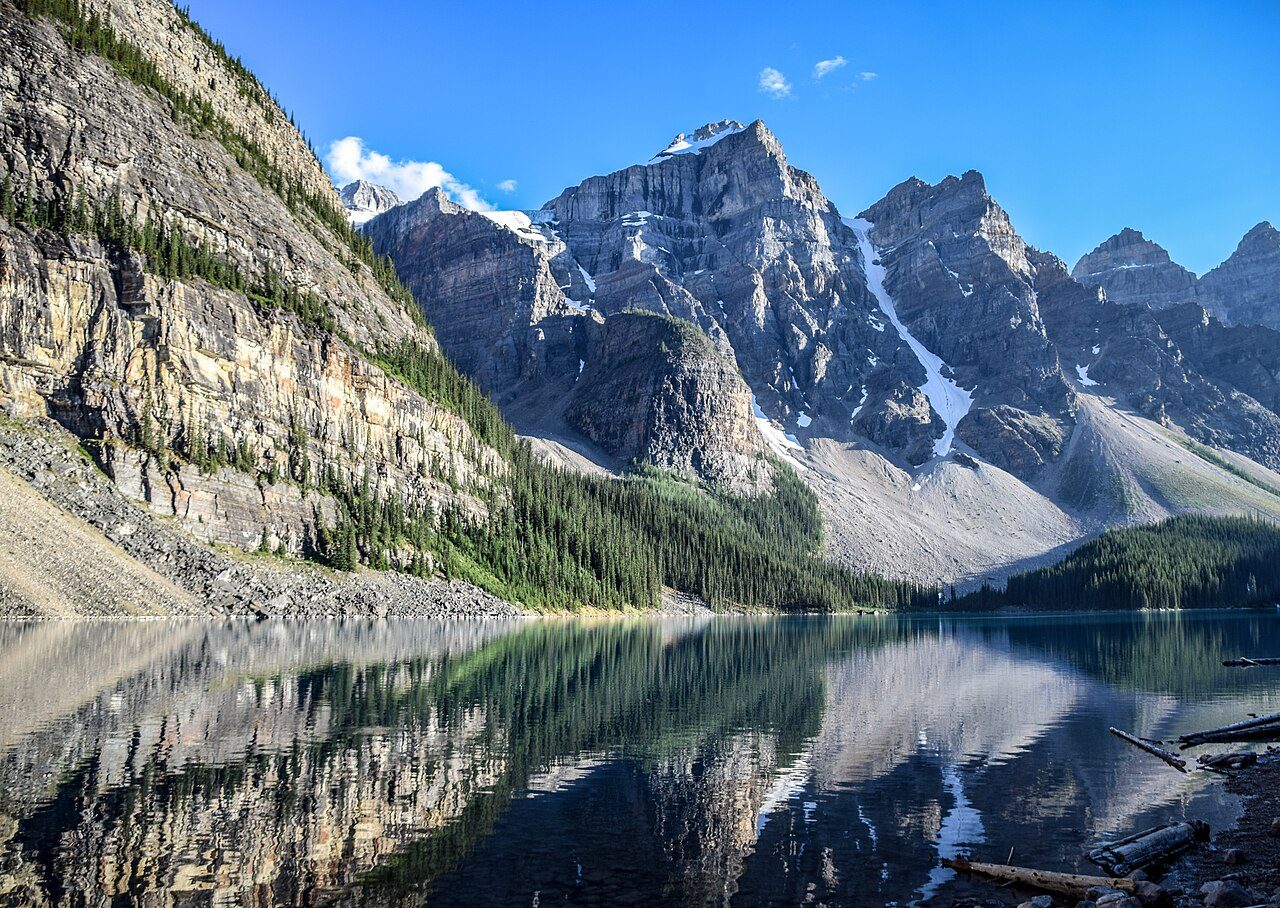
- June to August is the warm-weather sweet spot — long sunny days, every patio open, and peak season for whale watching and hiking. July highs hit ~27°C in Toronto and Montreal, ~22°C in Vancouver.
- Late September to mid-October is fall-colour season in Ontario and Quebec — crisp air, maple trees on fire, and (legitimately) the best eating of the year. Book ahead; it sells out.
- December to March is ski season in the Rockies and aurora season up north, while shoulder months (April–May, November) bring the lowest prices and the most unpredictable skies.
Okay, listen — if you’re staring at your suitcase wondering whether Canada means a parka or a swimsuit, I have been exactly where you are. I once packed for “a week in Canada” like it was one climate, and spent a freezing March evening in Montreal buying an emergency toque from a souvenir shop on Rue Sainte-Catherine. Canada has six time zones and weather personalities that change every few hundred kilometres, so the real question isn’t “what’s the weather in Canada?” — it’s “what’s the weather in this Canada, this month?”
This guide breaks it down month by month, city by city, with the average highs I checked against Environment Canada’s climate normals before my last few trips — plus what each season actually tastes like, because yes, I plan my weather strategy around food. Weather changes what you do, what you wear, and — most importantly — what ends up on your plate.
Canada’s climate zones (the 60-second version)
Before the month-by-month stuff, the cheat sheet. Four regions, four personalities:
- The Pacific Coast (Vancouver, Victoria): the mild one. Rarely below freezing, rarely scorching. Winter here isn’t snow — it’s rain. So. Much. Rain.
- The Prairies (Calgary, Winnipeg, Edmonton): the dramatic one. Prairie summers are legit hot and dry (30°C+ happens), and prairie winters are the stuff of legend — Winnipeg’s January average low is around −24°C. I felt that number in my teeth.
- Central Canada (Toronto, Montreal, Ottawa): the four-seasons-in-your-face one. Humid, heavy summers; snowy, proper winters; and a fall that is genuinely to die for.
- Atlantic Canada + the North: the moody one. Nova Scotia and Newfoundland get ocean weather — cool breezes, sudden fog, the odd hurricane brushing by in late summer. The far north gets midnight sun in summer and months of dark, −30°C winter — which is exactly when the aurora comes out to dance.
Winter: December to February
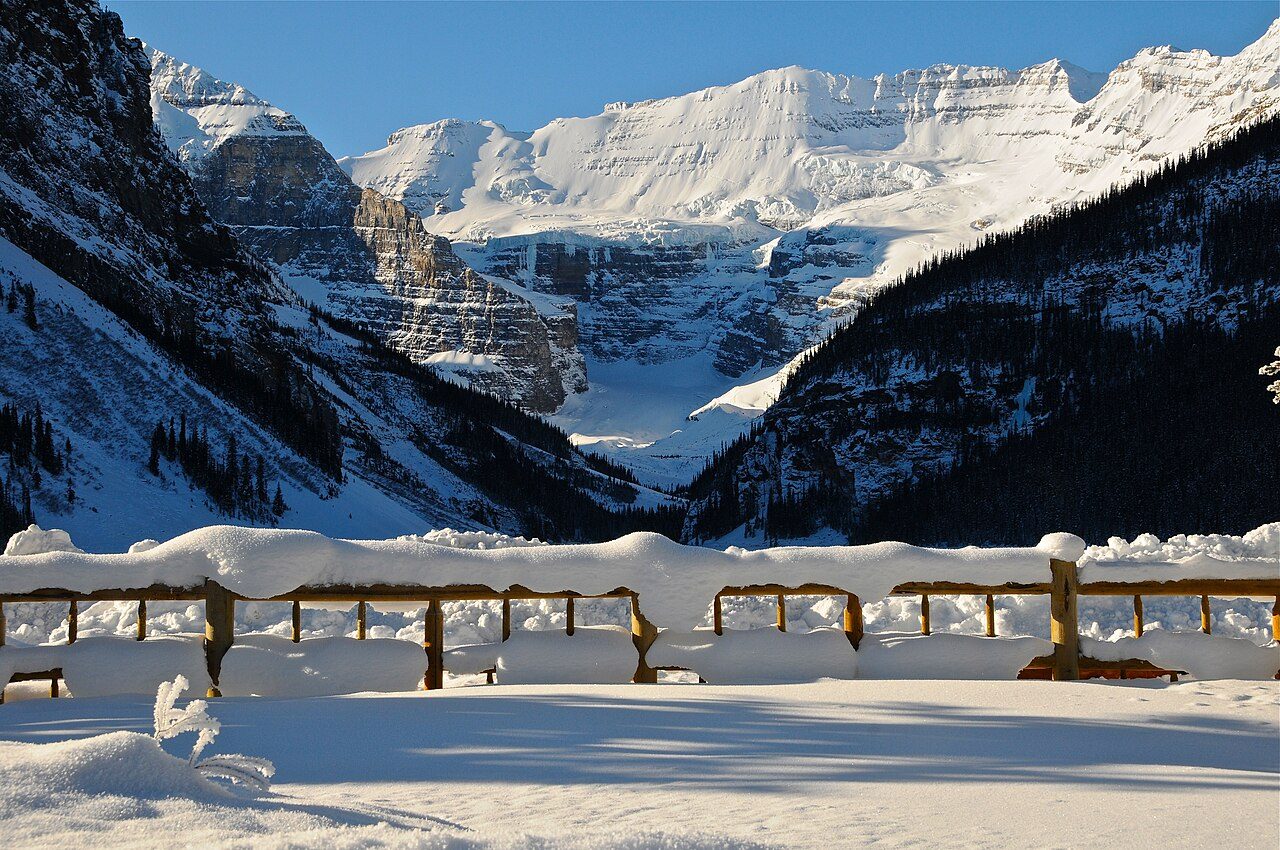
Winter in Canada is not one thing. In Vancouver it means 6°C and drizzle and locals acting like it’s a personal tragedy. In Montreal it means −10°C, actual snowbanks, and the city’s legendary underground tunnels (the RÉSO) humming with everyone avoiding the cold. In Winnipeg it means −24°C lows and the kind of crisp blue-sky cold that looks gorgeous in photos and hurts your face in person.
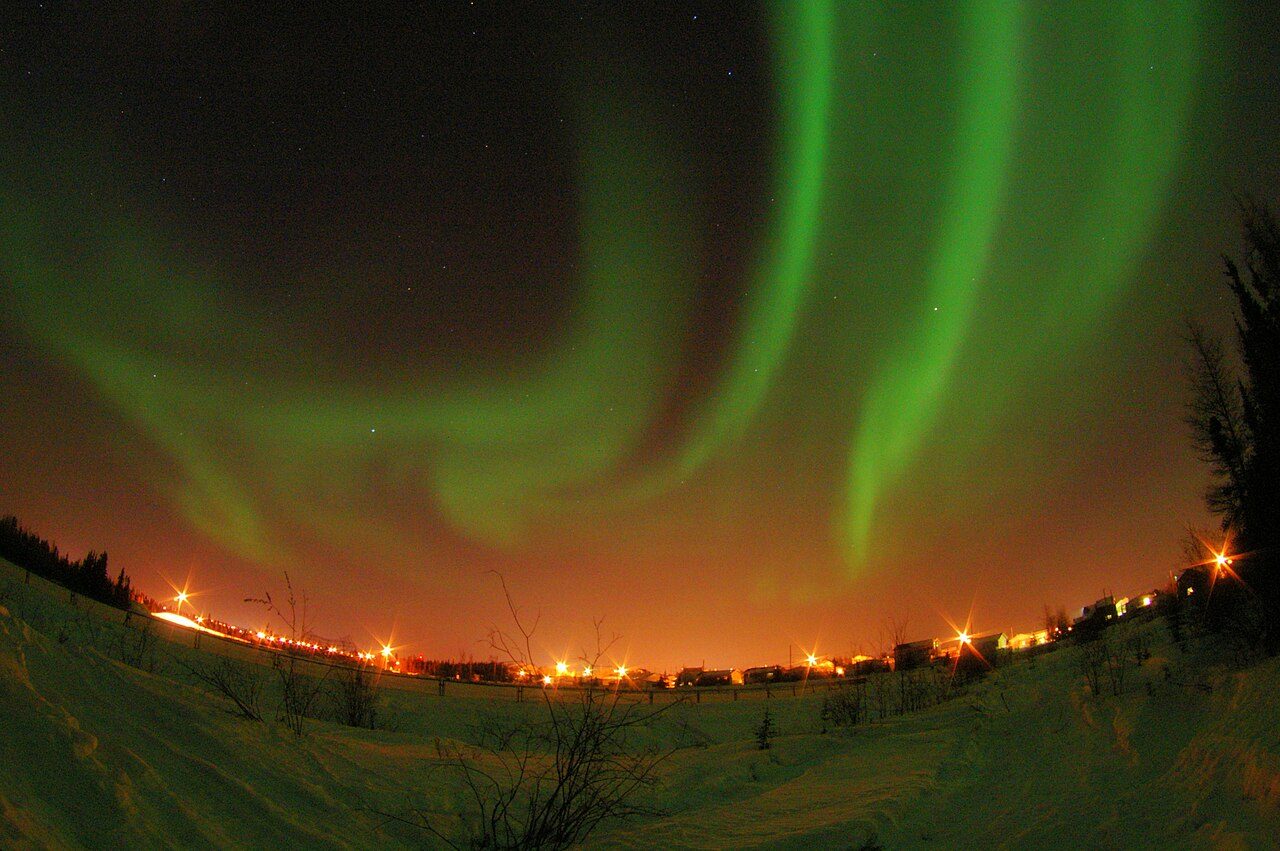
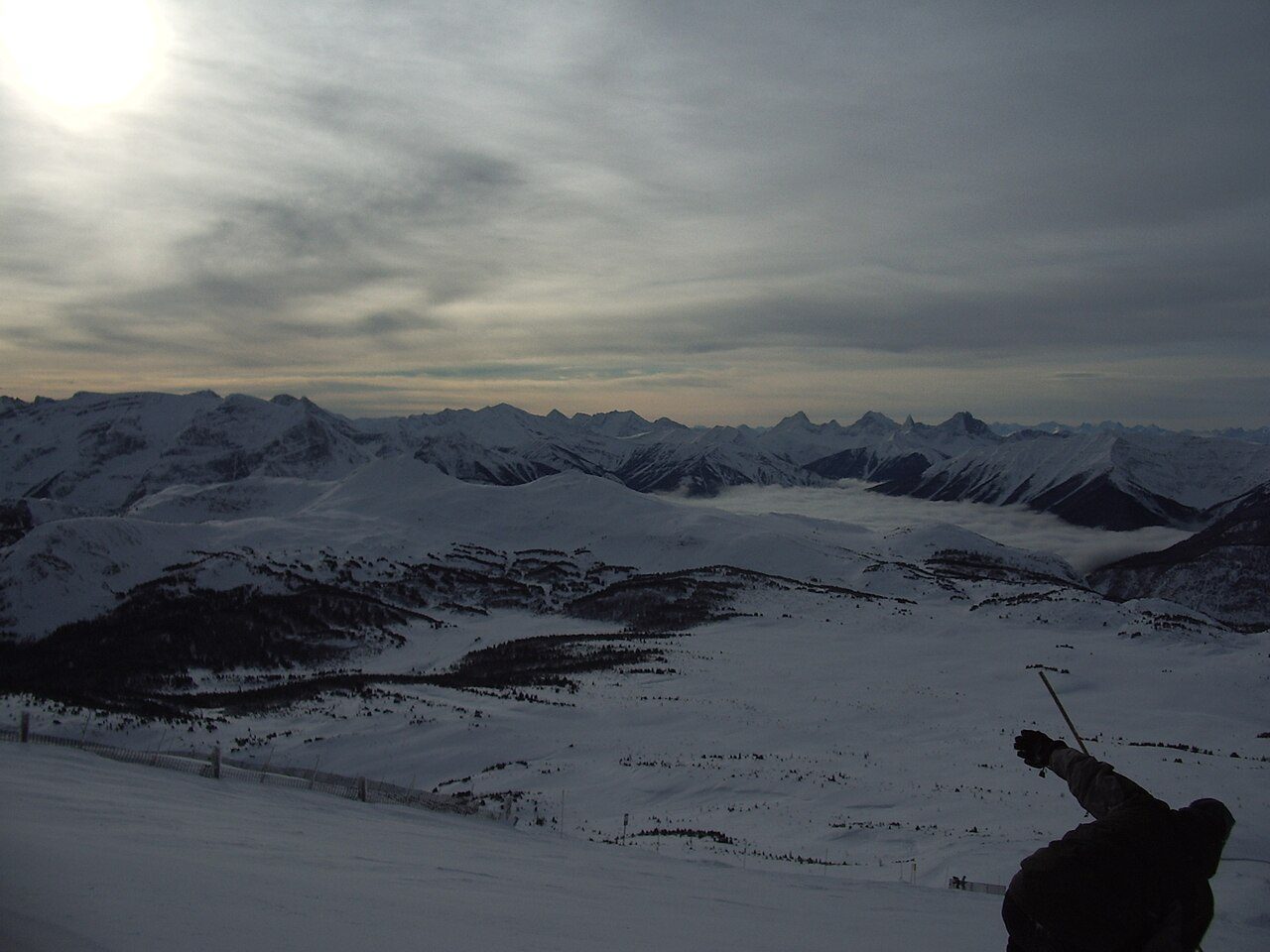
January is the coldest month almost everywhere. This is peak ski season in the Rockies — Banff, Lake Louise, and Whistler run December through March with the deepest snow — and it’s also prime aurora season in Yellowknife and Churchill, where the long dark nights give you the best odds of catching the lights. I stood under the aurora outside Yellowknife in February with a thermos of hot chocolate, and I would go back just for that feeling — the sky rippling green while my boots squeaked on −28°C snow. I forgot proper mittens, obviously. Our guide lent me his spares without even laughing at me. (He was definitely laughing at me.)
And here’s my favourite winter confession: I used to think winter food in Canada was just “heavy.” Then I had poutine in Montreal at −18°C, the cheese curds still squeaking, steam fogging my glasses, and I understood. Our server insisted we eat it immediately — “the curds stop singing in ten minutes” — and she was right. Winter calories are a survival strategy, and I’m not even a little sorry about it.
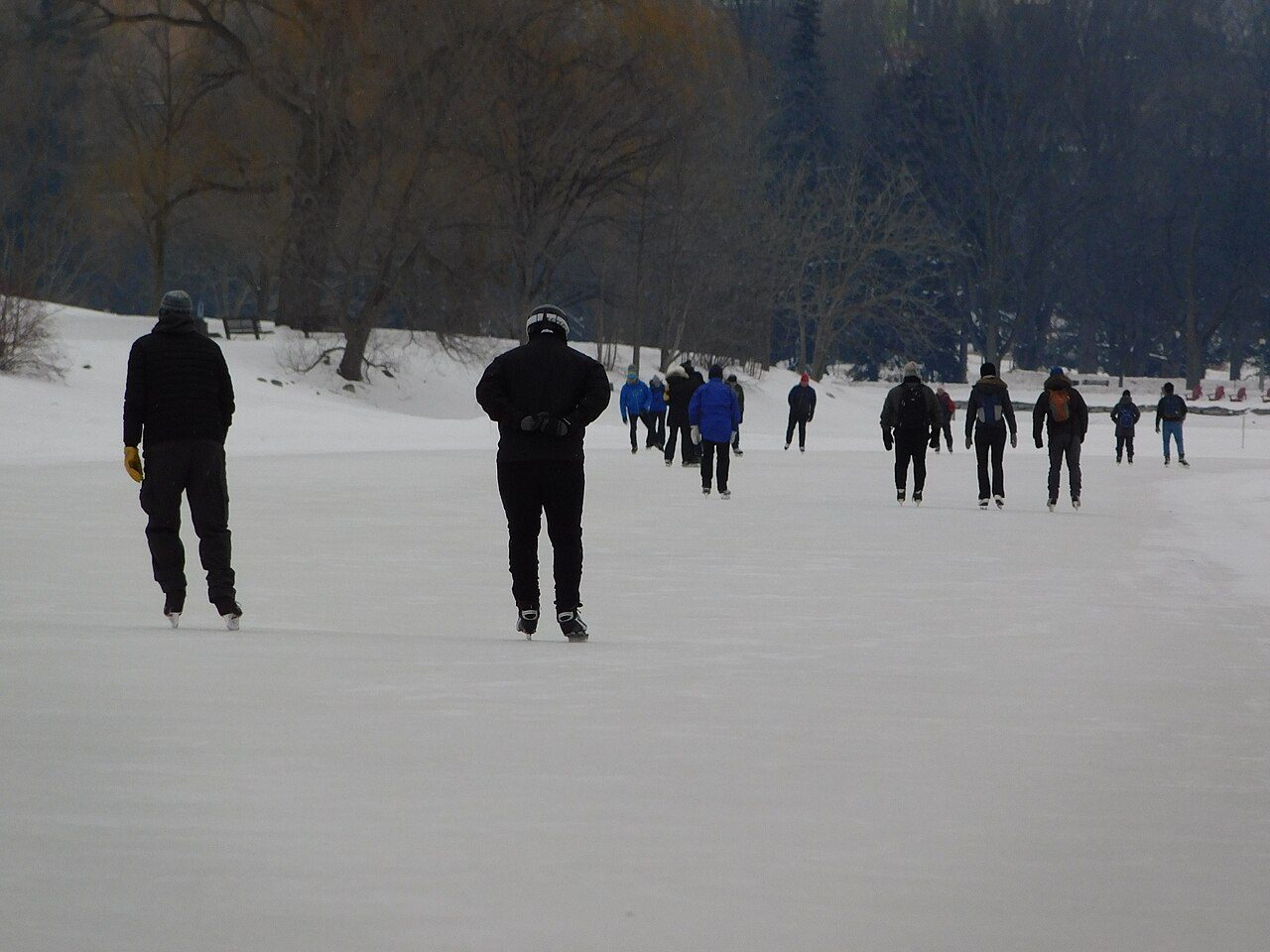
Ottawa’s Rideau Canal usually freezes into the world’s largest skating rink in January (weather permitting — it needs sustained deep cold), and skating it with a hot BeaverTail pastry in hand is one of those only-in-Canada moments. Order the cinnamon sugar. Don’t overthink it. Did I need the second one? No. Did I get one? Obviously.
Winter packing: this is a base layer + mid layer + windproof outer situation, plus a real winter hat, insulated waterproof boots, and gloves you can actually move your fingers in. City winters in Toronto and Montreal are slushy — waterproof matters more than fashionable.
Spring: March to May
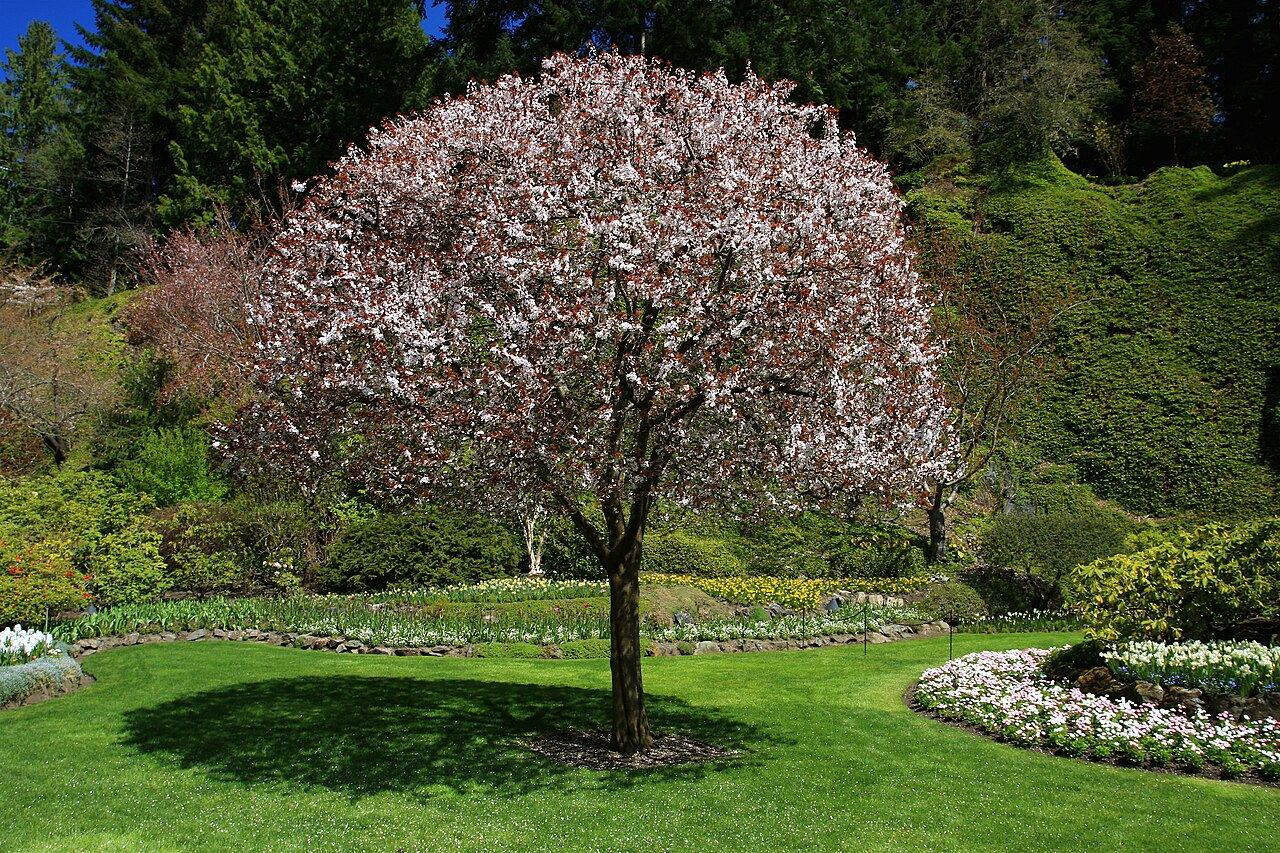
Spring is Canada’s shoulder season, and it’s gloriously uneven. March in Victoria smells like cherry blossoms — they bloom there weeks before anywhere else in the country, and walking under them with a coffee is pure joy. March in Montreal, meanwhile, is still basically winter wearing a fake moustache. I learned that the hard way in March 2024, shivering on a “spring” patio while the waiter brought me a blanket with my hot chocolate. He’d clearly done this before.
By May, things turn properly. This is maple syrup season’s tail end in Quebec and Ontario (the sugar shacks run roughly March to April — maple taffy poured on fresh snow is the best ~$5 you’ll spend all year, worth the hype), patios start opening in Toronto, and the summer crowds haven’t arrived yet. If you want deals, this is your window — hotels run noticeably cheaper than summer, and you can actually get a dinner reservation.
Spring packing: layers, layers, layers. A warm jacket you can shed by afternoon, waterproof shoes for slush and mud season, and an umbrella. April showers are real, especially on the coasts.
Summer: June to August
This is it — the sweet spot. July and August bring the warmest weather nationwide: Toronto and Montreal average daytime highs around 26–27°C (humid in the cities, so it feels heavier), Vancouver sits at a civilized 22°C, and even the Prairies bask in the high 20s. Daylight stretches forever — Toronto gets over 15 hours of daylight in June — and every festival, patio, and hiking trail is open.
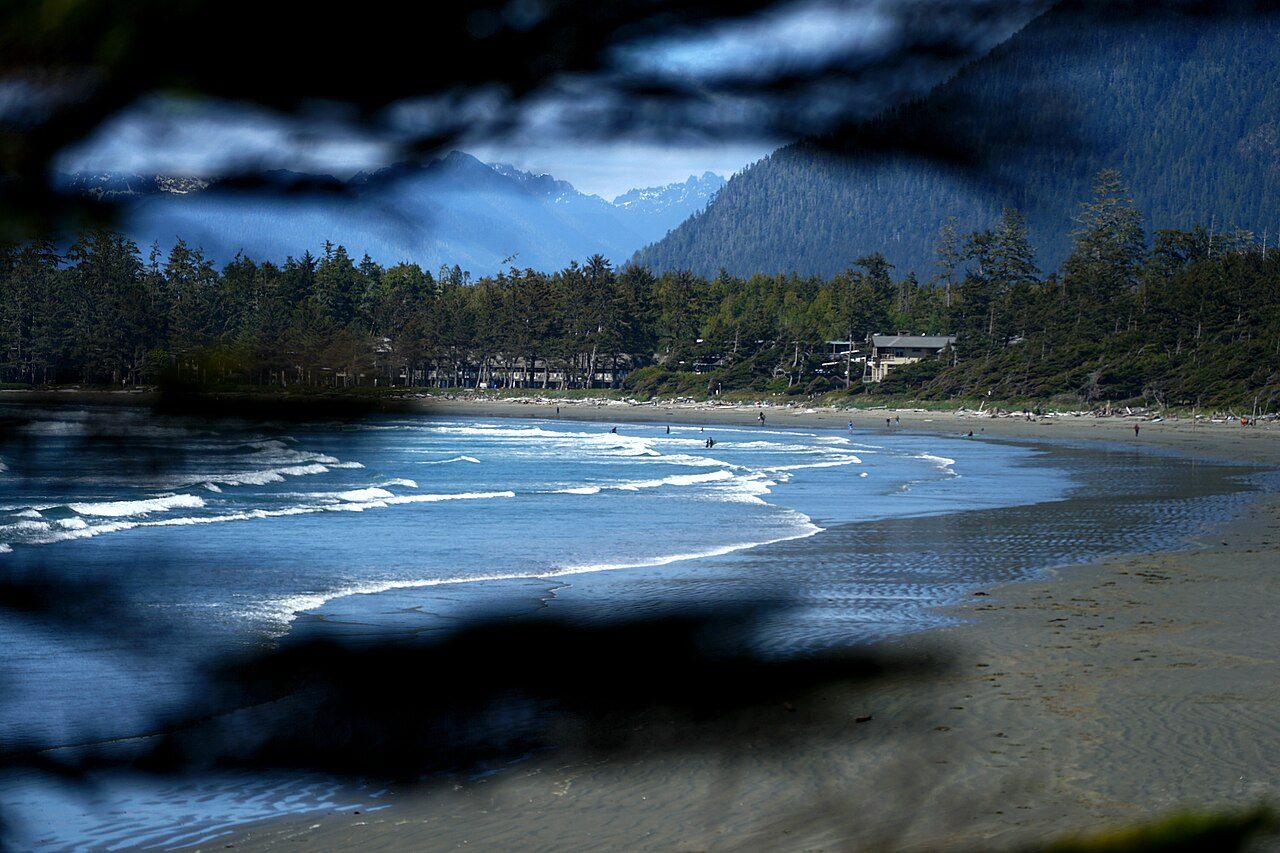
This is peak season for almost everything: hiking in Banff and Jasper, whale watching on both coasts (more on that below), kayaking, and the great Canadian pastime of sitting on a patio until 10 PM because it’s still light out. Summer in Tofino surprised me — I showed up expecting beach heat and got misty 18°C mornings that burned off by noon. I bought a fleece I didn’t think I’d need and wore it every single evening. The fish tacos at the beach shack were still chef’s kiss, mist and all.
Summer is also the priciest season — Banff and Vancouver hotels hit their peak rates, and popular spots book out weeks ahead. Worth it, but plan ahead.
Summer packing: light layers, a rain shell (the coasts can surprise you), sunscreen (the northern sun is strong), and a swimsuit — lake swimming in Ontario and BC in August is heavenly.
Autumn: September to November

Okay, listen — if I had to pick one season to eat my way across Canada, it would be fall. Late September to mid-October is fall-colour season in Ontario and Quebec, and it is not overhyped. The maples turn ridiculous shades of red and gold — Algonquin Park and the Laurentians peak around late September to early October, while Toronto and the Niagara region hit their stride in mid-to-late October. I drove the back roads near Mont-Tremblant one October and had to pull over three times just to stare. Not even ashamed.
And the food! Apple everything in Ontario, squash and harvest menus in Montreal, fresh oysters and lobster in the Maritimes before the season winds down. This is when I do my most serious carb-loading of the year, and the crisp air makes it feel completely justified.
By November, the party’s over — grey skies, first snowfalls in the interior, and the coasts turning rainy. But here’s the hidden gem angle: November is one of the cheapest months to travel in Canada. If you don’t mind packing a warm coat, you’ll have hotels and attractions practically to yourself.
Autumn packing: a warm mid-layer, a windproof jacket, and shoes that can handle wet leaves. Early October can still hit 20°C on a sunny afternoon and drop to 5°C by evening — dress for both.
Average daytime highs by month (°C)
Rounded from Environment Canada’s long-term climate normals — what you can expect on a typical afternoon. I looked these up before my last packing spree, and they saved me from both frostbite and overpacking.
| City | Jan | Feb | Mar | Apr | May | Jun | Jul | Aug | Sep | Oct | Nov | Dec |
|---|---|---|---|---|---|---|---|---|---|---|---|---|
| Vancouver | 6 | 8 | 10 | 13 | 16 | 19 | 22 | 22 | 18 | 14 | 11 | 6 |
| Calgary | -1 | 1 | 5 | 11 | 16 | 20 | 23 | 22 | 17 | 11 | 3 | -2 |
| Toronto | 0 | 1 | 5 | 12 | 19 | 24 | 27 | 26 | 22 | 15 | 8 | 3 |
| Montreal | -4 | -3 | 3 | 11 | 20 | 24 | 27 | 26 | 22 | 14 | 6 | -1 |
| Halifax | 1 | 1 | 4 | 9 | 14 | 19 | 23 | 24 | 21 | 15 | 9 | 4 |
| Winnipeg | -14 | -10 | -2 | 9 | 18 | 23 | 26 | 25 | 18 | 11 | -1 | -10 |
Nighttime lows run roughly 8–12°C cooler than these highs in summer, and in winter the gap matters less than the wind chill — a −10°C day in Winnipeg with wind can feel like −25°C. Check the forecast on Environment Canada’s weather.gc.ca before you fly; I check it the night before every winter trip and it’s saved me more than once.
The best month for your bucket list
Timing matters more than temperature for the big-ticket experiences. Here’s when to go:
| Experience | Best window | Where |
|---|---|---|
| Whale watching | May–Oct (peak Jul–Aug) | Tadoussac, QC (up to 13 species); Victoria & Tofino, BC; Bay of Fundy, NB/NS |
| Fall colours | Late Sep–mid Oct | Algonquin Park & Laurentians first; Toronto/Niagara mid–late Oct; Cabot Trail early Oct |
| Northern lights | Late Aug–early Apr (peak Jan–Mar) | Yellowknife, NWT; Whitehorse, Yukon; Churchill, MB |
| Skiing & snowboarding | Dec–Mar (season ~Nov–Apr) | Banff/Lake Louise, Whistler Blackcomb, Mont-Tremblant |
| Maple syrup season | Mar–Apr | Sugar shacks across Quebec & Ontario |
| Icebergs | May–Jul (peak Jun) | Newfoundland’s Iceberg Alley — pair it with whale season |
| Cherry blossoms | Mar–Apr | Victoria & Vancouver, BC — weeks ahead of the rest of Canada |
A naturalist on a whale tour out of Tadoussac told me the St. Lawrence estuary hosts belugas, minkes, humpbacks, and even the occasional blue whale — and she was right about the belugas; I watched a whole pod of those little white ghosts surface next to our boat in late July. For more on timing your trip around these, see our best time to visit Canada guide and the best fall colours in Canada rundown.
What each season costs (roughly)
Weather and prices move together in Canada — sunshine costs money. These are mid-range estimates from my own bookings; actual prices vary by city and how far ahead you book:
| Season | Hotel (mid-range/night) | The vibe |
|---|---|---|
| Peak summer (Jul–Aug) | ~$250–450 | Priciest, book weeks ahead — Banff and Vancouver sell out |
| Shoulder (May–Jun, Sep–Oct) | ~$180–300 | My favourite value window — great weather, saner prices |
| Ski season (Dec–Mar) | ~$200–400 | Resort towns price high; cities like Montreal drop |
| Low season (Nov, Apr) | ~$130–220 | Cheapest beds of the year if you pack for the weather |
For city-by-city costs, our Montreal travel cost guide breaks it down in detail.
Packing by season: the layering strategy
I’m a firm believer that there’s no bad Canadian weather, only bad packing — and I’ve committed every packing sin so you don’t have to. The golden rule is three layers: a moisture-wicking base, an insulating middle (fleece or down), and a windproof/waterproof shell. Then adjust by season:
- Winter (Dec–Feb): everything above, plus insulated waterproof boots, a real winter hat, and mittens (warmer than gloves). See our full Canada winter packing list — I wish I’d read it before my first prairie winter.
- Spring (Mar–May): a warm jacket you can strip off by afternoon, waterproof shoes, and an umbrella. Think layers, not bulk.
- Summer (Jun–Aug): light layers, a rain shell for the coasts, and — hidden gem advice — a light fleece even in July if you’re heading to Tofino or Newfoundland. The ocean doesn’t care about your beach plans.
- Autumn (Sep–Nov): a warm mid-layer and a windproof outer. Mornings are crisp, afternoons can be glorious, evenings need the full kit.
Weather risks worth knowing in 2026
A few honest caveats before you book. Western Canada’s wildfire season (roughly May through September, peaking in July–August) can bring smoky skies to BC and Alberta — I once watched the Banff mountains disappear behind haze for two days in August. Check air quality forecasts if you’re visiting the interior in high summer. Winter storms can delay flights anywhere east of the Rockies from December through March — build a buffer day into tight itineraries. And Atlantic Canada sits on the edge of hurricane season from August through October; it’s rare for a major storm to hit, but Halifax has seen its share of wild weather.
None of this should stop you — it should just shape your planning. Travel insurance, flexible bookings, and a checked forecast go a long way.
FAQs about Canada weather by month
What is the best month to visit Canada for good weather?
July and August are the warmest and most reliable months nationwide — Toronto and Montreal average highs around 26–27°C, Vancouver around 22°C, and daylight lasts 15+ hours. September is my personal favourite: still warm, fewer crowds, and fall colours starting up north.
When is the coldest month in Canada?
January is the coldest month almost everywhere. Average highs sit around −4°C in Montreal, −14°C in Winnipeg (with lows near −24°C), while Vancouver stays mild at about 6°C. February is nearly as cold — pack for deep winter in both months.
Does it rain a lot in Vancouver?
Yes — especially November through January, when Vancouver gets roughly 150–180 mm of rain per month. Summers, on the other hand, are remarkably dry and pleasant, with July and August seeing only about 40 mm each. If you visit in winter, a good rain jacket is non-negotiable.
When can I see the northern lights in Canada?
Late August through early April, with the peak from January to March when nights are longest and darkest. Yellowknife (Northwest Territories), Whitehorse (Yukon), and Churchill (Manitoba) sit under the auroral oval and offer the most reliable viewing — many lodges report success rates over 90% across three nights.
What should I pack for Canada in winter?
Three layers: a moisture-wicking base, an insulating middle (fleece or down), and a windproof/waterproof outer shell — plus insulated waterproof boots, a warm hat, and mittens. City winters in Toronto and Montreal are wet and slushy, so waterproofing matters as much as warmth. Our Canada winter packing list has the full breakdown.
Is there a bad time to visit Canada?
Not really — just trade-offs. November and April are the trickiest: grey, wet or slushy, with many attractions on shoulder hours. But they’re also the cheapest months, with the lowest hotel rates of the year. If you pack right and keep expectations flexible, even mud season has its charms (and its maple taffy).
1 comment