

Last updated: October 3, 2026

The short answer
- The loop: Halifax → South Shore (Peggy’s Cove, Lunenburg) → Annapolis Valley → Bay of Fundy → Cabot Trail → Fortress of Louisbourg → back to Halifax. About 1,800 km of driving over 7 days.
- The money: budget roughly ~$1,300–1,700 CAD per person for the week (excluding flights) — rental car and fuel are the big ones, plus ~$150–250/night for rooms in summer.
- The rules: drive the Cabot Trail counter-clockwise, plan Bay of Fundy stops around low tide, and reserve Skyline Trail parking ahead — it requires a reservation June 26 to October 25, 2026.
Here’s the deal with Nova Scotia: it’s small on the map and big everywhere else. The province has over 13,000 km of coastline depending on who you ask (I stopped counting at “a lot”), and the best of it unspools from your windshield. This 7-day loop is the one I’d hand a friend. I drove it in late summer, made the classic mistakes, and this is the version with the mistakes edited out.
You’ve got a car, a week, and decent weather. Buckle up.
Before you go: the logistics nobody tells you
When to go. July through September. That’s the window when the Cabot Trail’s fog burns off by mid-morning and the Fundy tides are warm enough to wade in. October brings the fall colour crowds and thinner services on the Trail — still beautiful, but book ahead.
The rental. Book it early. Halifax Stanfield’s summer fleet sells out, and rates creep. I saw compact SUVs going for ~$70–100/day in summer 2026 (estimate — check before you book). Unlimited mileage matters on this trip. You’ll cover ~1,800 km without trying.
Gas up before the Cabot Trail. I ran my fuel gauge down to the scary zone between Chéticamp and Ingonish because “there’ll be a station.” There won’t be. Not when you need it. Fill up at the Trail’s edges — Chéticamp, Ingonish, or Baddeck — and thank me later. I’ve made this mistake so you don’t have to.
Cell service dies on the Trail. Inside Cape Breton Highlands National Park, expect long stretches with zero signal. Download your maps offline. I had the park map saved and my passenger navigated with a paper map from the visitor centre like it was 1998. It worked.
Tides rule everything on the Fundy side. The Bay of Fundy has the highest tides on Earth — up to 16 metres. Low tide exposes kilometres of ocean floor; high tide buries it. Plan those stops around the tide table, not your lunch plans. I’ll say it again below when it matters.
Day 1: Halifax — land, walk, eat a donair
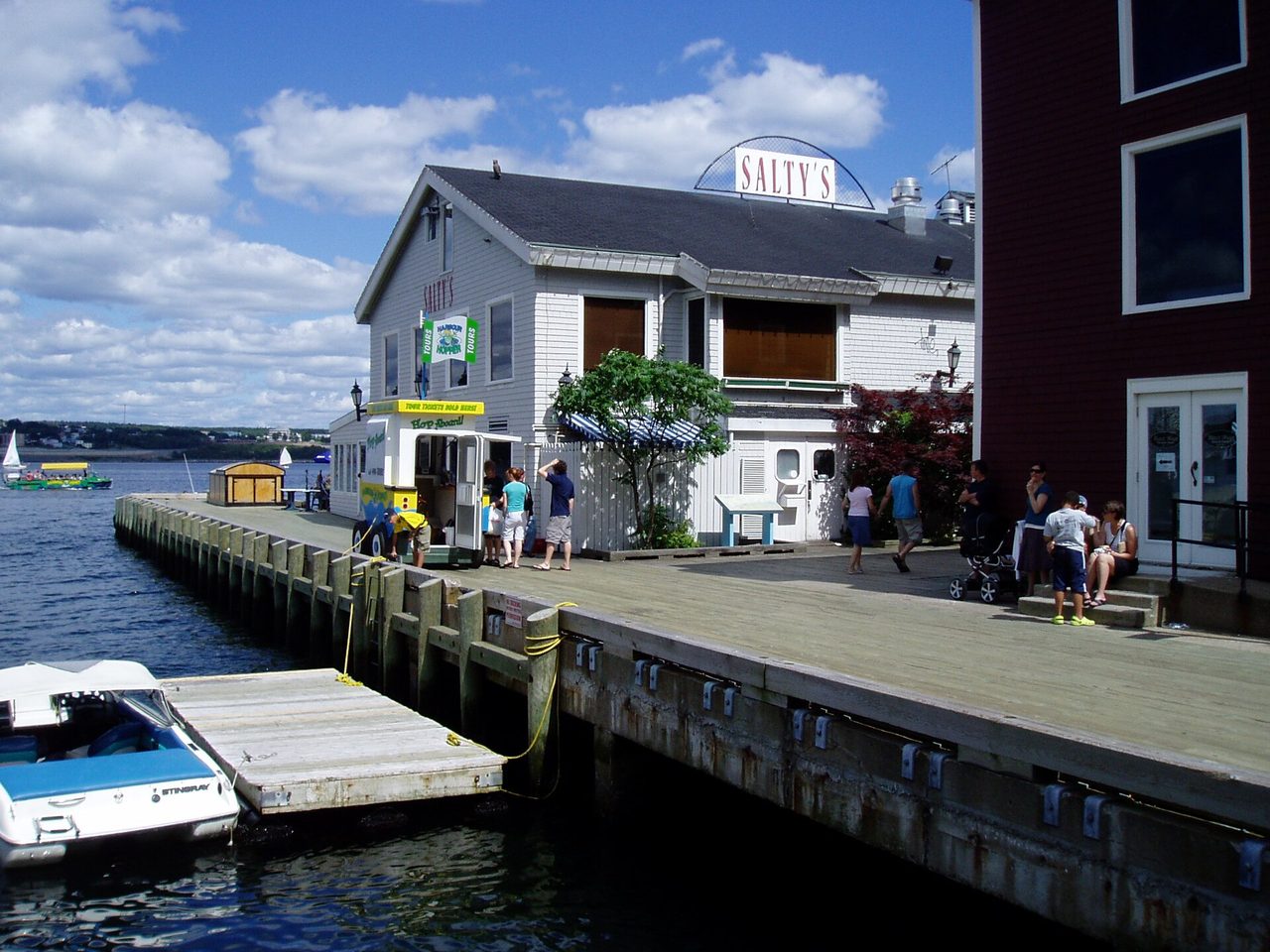
Morning — arrive and grab the rig
Land at Halifax Stanfield, get the car, and point it downtown (about 35 minutes). Drop your bags. Halifax is a great first day because it’s flat, walkable, and the food starts immediately.
Afternoon — the waterfront and the Citadel
The Halifax waterfront boardwalk is a 4 km stroll past buskers, the Maritime Museum of the Atlantic, and a working harbour that smells like rope and salt. I spent two hours here and bought nothing except a coffee. Restraint.
Then climb up to Citadel Hill. The star-shaped fortress has run the noon gun since the 1800s — a cannon fired every day at noon, and it is genuinely loud enough to rearrange your plans. I was standing in the courtyard when it went off. No joke, my coffee survived. I did not.
Evening — the donair test
You can’t leave Halifax without eating a donair. Spiced beef, tomatoes, onions, and that sweet garlic sauce, wrapped in a pita. A local at the next table watched me eat my first one and said, “Sauce’ll drip. Let it.” He was right. Wear dark clothes.
Day 1 spending: museum ~$10 + food ~$50 + hotel ~$180 ≈ ~$240. Doing a shorter city stay first? Our 3-day Halifax itinerary goes deeper, or the 1-day Halifax version for a tight layover.
Day 2: Peggy’s Cove, Mahone Bay, Lunenburg — the South Shore
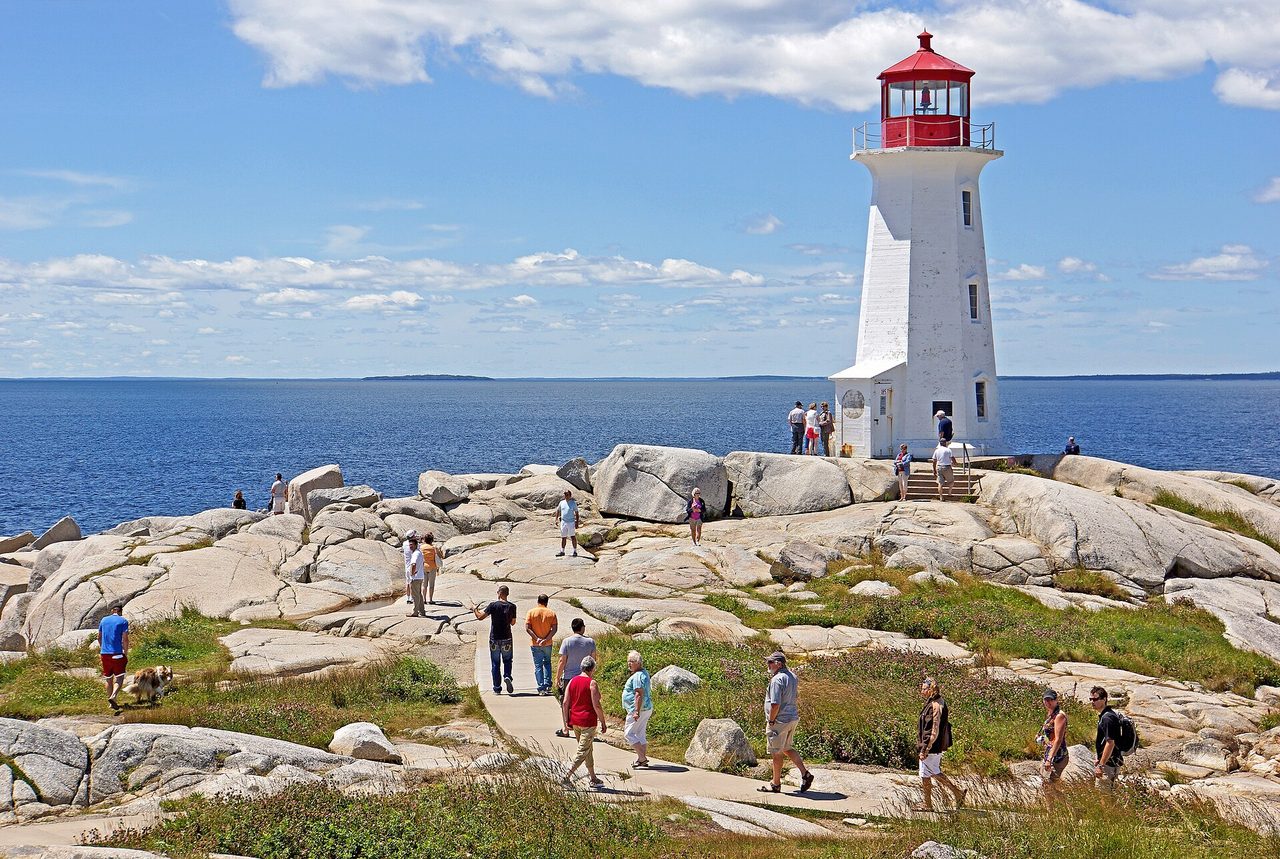
8:00 AM — Peggy’s Cove (~45 min from Halifax)
Get here early. By 10 AM the tour buses arrive and the rocks turn into a group photo. At 8 AM it’s you, the lighthouse, the surf, and a fisherman mending traps who has seen ten thousand sunrises and will not look up.
Stay off the black rocks near the water. Rogue waves sweep people off these ledges every few years, and the warning signs are not decorative. I watched the surf from the safe zone and it was plenty dramatic.
11:00 AM — Mahone Bay
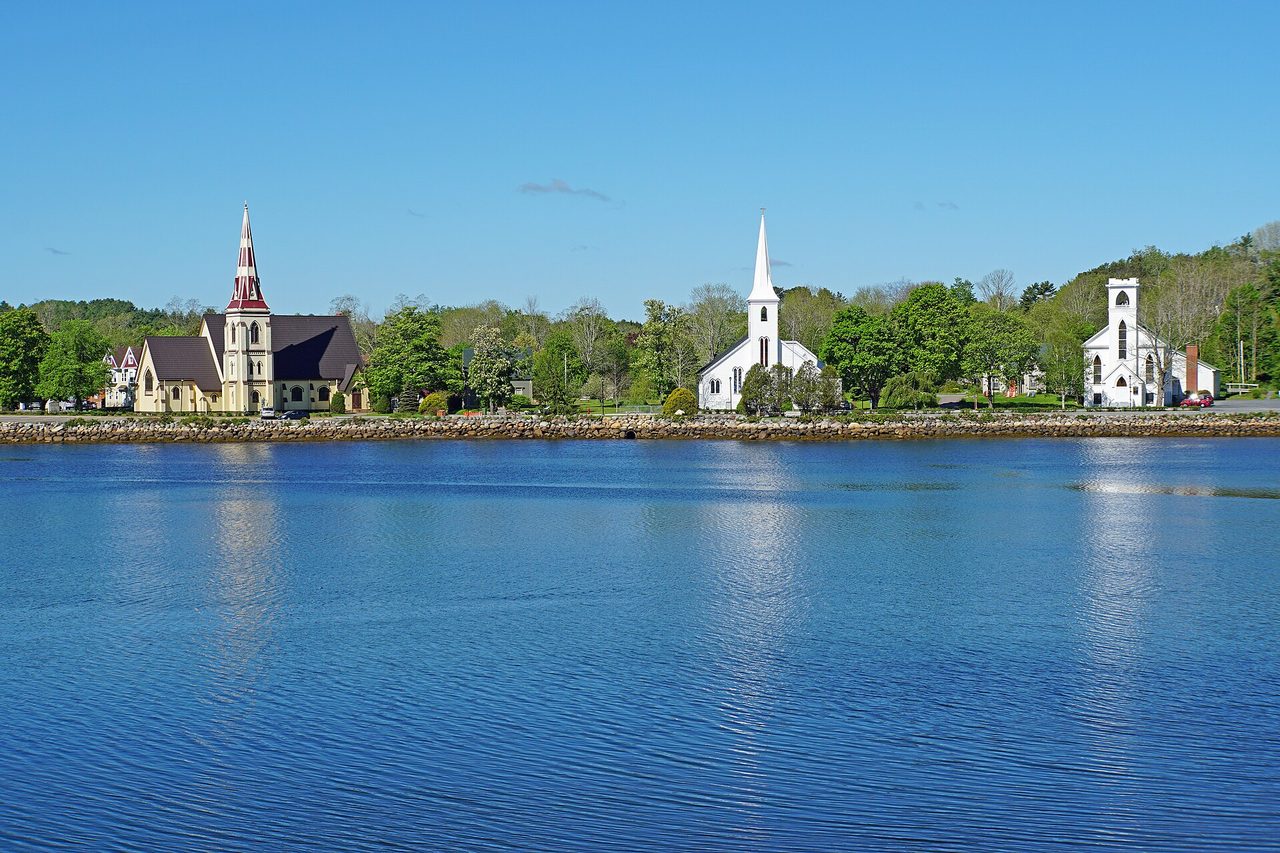
Twenty minutes down the coast, Mahone Bay lines up its three famous churches along the water — Lutheran, Anglican, United — and the view from across the harbour is the postcard. I stopped for an hour. Bought fudge. No regrets.
2:00 PM — Lunenburg
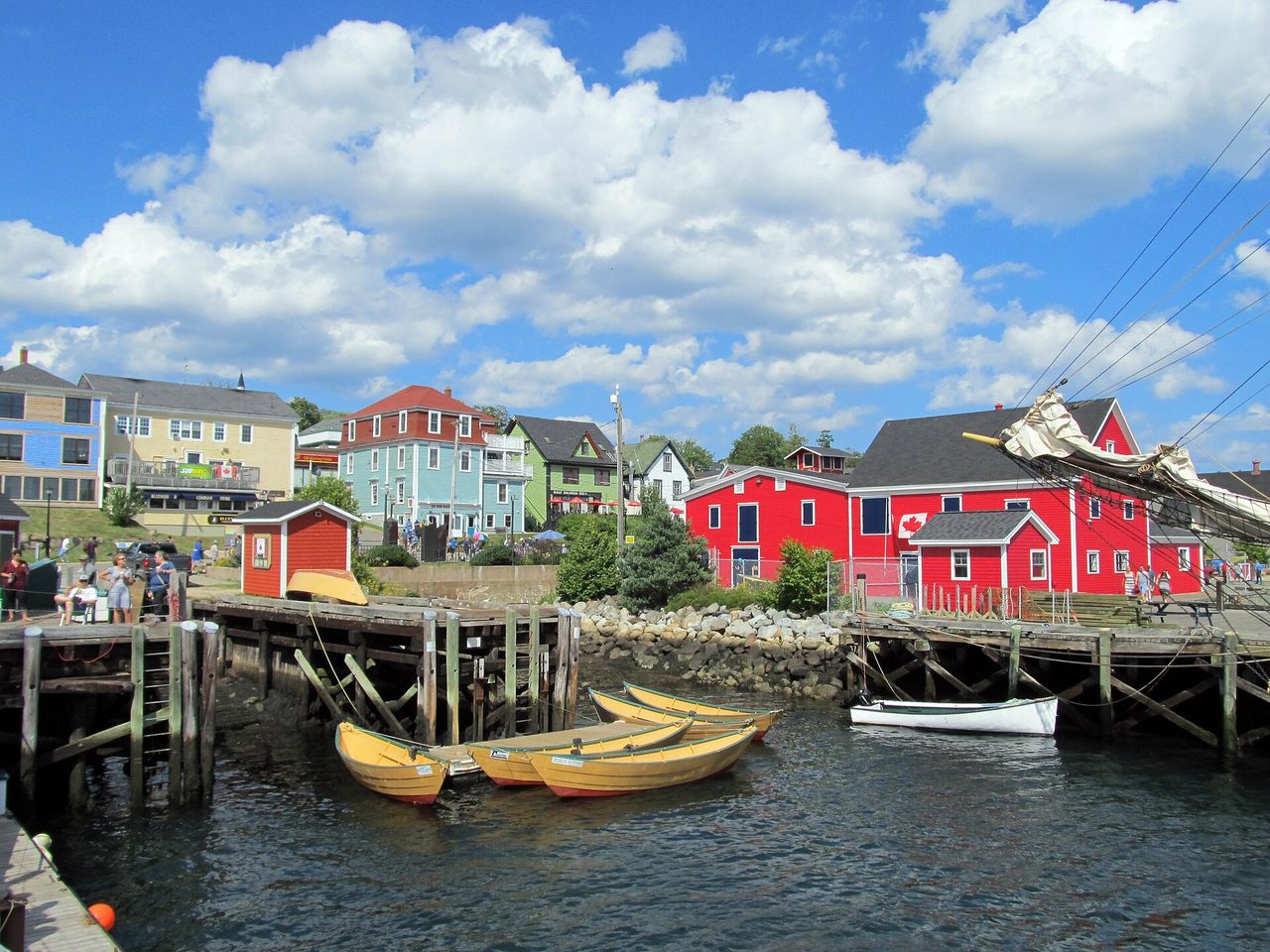
Lunenburg is a UNESCO World Heritage Site and it earns it. The whole Old Town is painted in saturated colour — red, teal, mustard — and the Fisheries Museum of the Atlantic explains why this harbour mattered. If the Bluenose II is in port, go see her. I double-checked her summer sailing schedule on the official site before I went; she moves around, so do the same.
Overnight in Lunenburg. The B&Bs here are the real deal. Our 1-day Lunenburg itinerary covers the town in detail if you want to linger.
Day 2 driving: Halifax → Peggy’s Cove → Mahone Bay → Lunenburg, ~150 km total. Easy leg. Don’t rush it.
Day 3: Annapolis Valley — wine, tides-in-waiting, and a sunset
9:00 AM — Grand-Pré National Historic Site
Head northwest into the Annapolis Valley (~2 hours from Lunenburg). Grand-Pré tells the Acadian deportation story — heavy history, beautifully kept grounds. Admission was free when I visited under the Canada Strong Pass (June 19 to September 7, 2026); regular fees apply outside that window, so check Parks Canada’s page for current pricing.
Afternoon — Wolfville and Blomidon
Wolfville is a college town with a wine problem, in the best way. The valley’s wineries do tastings all afternoon. I did two and a cider place and called it research. Then drive up to Blomidon Provincial Park for sunset over the Minas Basin — the tide goes out so far here that the fishing boats sit in mud at low tide. You’ll see it properly tomorrow.
Overnight in Wolfville. Dinner at a farm-to-table spot runs ~$25–35 a head.
Day 3 driving: Lunenburg → Wolfville, ~130 km. Short leg, which you’ll appreciate tomorrow.
Day 4: Bay of Fundy — walk the ocean floor, then haul to Cape Breton

Morning — Burntcoat Head Park at LOW tide (free)
Here’s the one you plan the whole day around. Burntcoat Head holds the record for the highest tides ever measured — 16 metres. At low tide you walk on the actual ocean floor among sea stacks and tide pools. At high tide, everything you stood on is under 50 feet of water.
This park is free, open mid-May to mid-October, and about an hour from Wolfville. I checked the tide tables on Burntcoat Head Park’s official site the night before and timed my arrival for two hours before low tide. The mud is real, the red rocks stain your shoes (wear ones you don’t love), and standing where the ocean will be in six hours does something to your brain. No joke.
Afternoon — the long haul to Baddeck (~4 hours)
This is the longest leg of the trip: back through Truro, across the Canso Causeway onto Cape Breton Island, and up to Baddeck on the Bras d’Or Lake. Gas up in Truro. The causeway crossing is worth a pullout — it’s the only road link to the island, and the water on both sides is a different colour. Don’t ask me why. It just is.
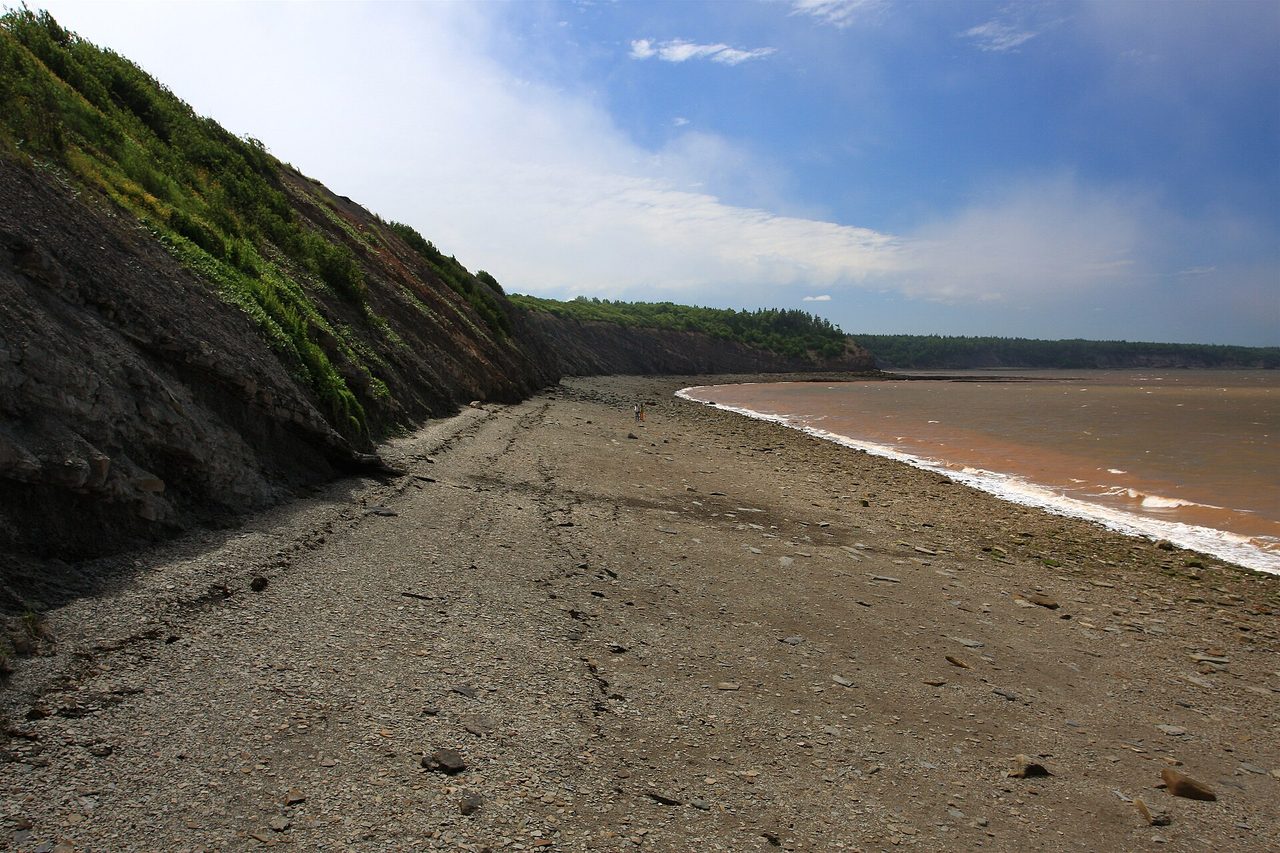
Optional detour if tides wreck your morning: Joggins Fossil Cliffs, the UNESCO fossil site about 90 minutes north. The beach itself is free to walk; the 30-minute guided Wanderer’s Experience runs $12.50 + tax for adults (2026 pricing).
Overnight in Baddeck. Small town, big lake, good chowder.
Day 4 driving: Wolfville → Burntcoat Head → Baddeck, ~450 km. Longest day behind the wheel. Pack snacks.
Day 5: Cabot Trail, west side — Baddeck to the Skyline
8:00 AM — Alexander Graham Bell National Historic Site, Baddeck
Quick stop before the Trail. Bell spent his summers here inventing things that mostly weren’t the telephone. Free under the 2026 Canada Strong Pass dates; check fees outside them. Allow an hour.
10:30 AM — Chéticamp and the Trail entrance
Drive to Chéticamp (~1.5 hours) and enter Cape Breton Highlands National Park from the west side. Park entry was free June 19 to September 7, 2026 under the Canada Strong Pass; outside that it’s roughly ~$9/adult/day — I checked the 2026 fee schedule on Parks Canada’s site before my trip, and you should too.
Drive the Trail counter-clockwise. A B&B host in Chéticamp told me this is the move: going counter-clockwise puts you on the inside lane on the cliff sections, away from the drop. I did it her way. My knuckles thanked her.
2:00 PM — Skyline Trail (book parking ahead)
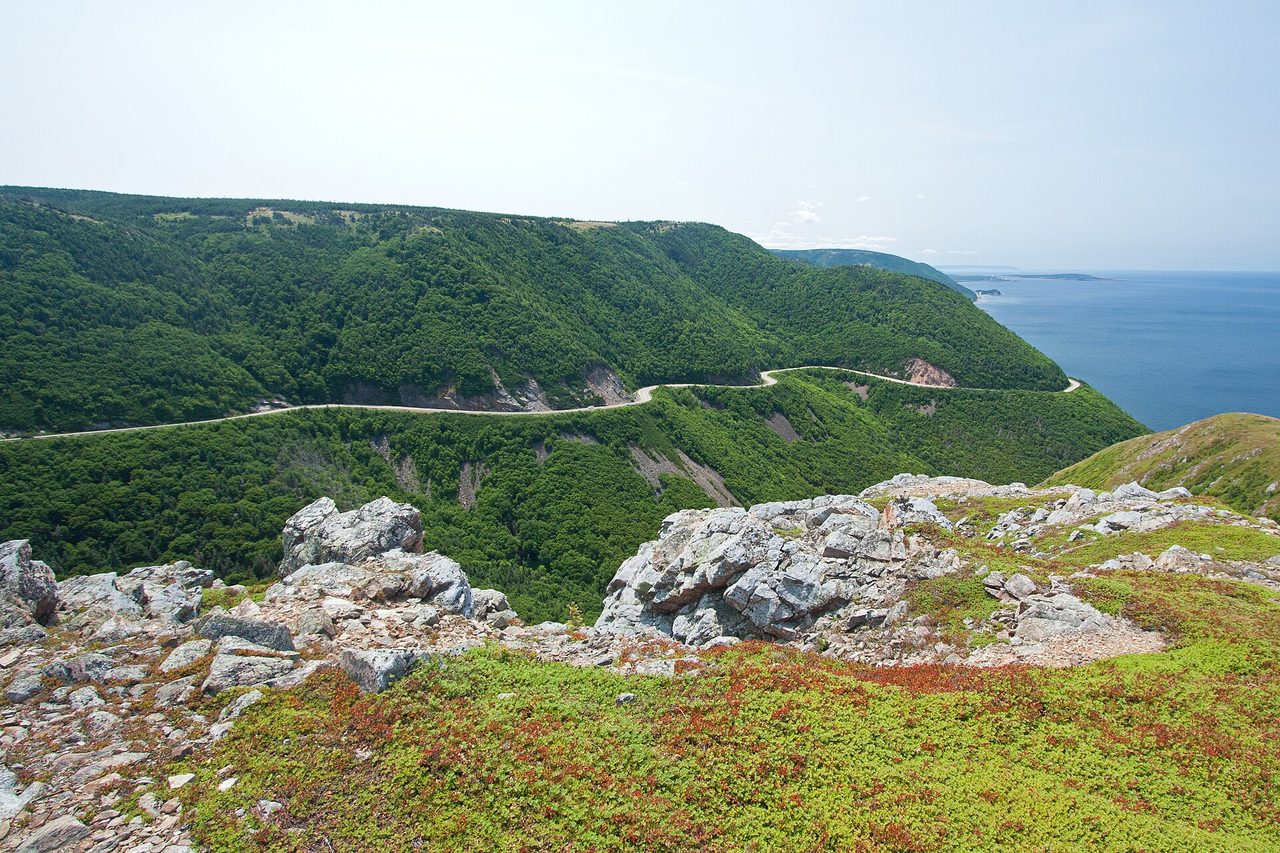
The Skyline Trail is the park’s signature hike: an 8.2 km round-trip boardwalk out to a headland over the Gulf of St. Lawrence, and the best moose odds in the park. I double-checked on Parks Canada’s Skyline page before I went — parking reservations are required June 26 to October 25, 2026, in timed four-hour slots. I did not see a moose. My hiking partner saw two. I’m still bitter.
Overnight: Pleasant Bay or back to Chéticamp. Whale-watching boats leave Pleasant Bay harbour in the afternoon if your timing works.
Day 5 driving: Baddeck → Chéticamp → Skyline, ~250 km of winding road. Slower than it looks on the map.
Day 6: Cabot Trail, east side — Ingonish to Sydney
8:00 AM — finish the loop
East side highlights: the lookouts past Pleasant Bay, Neil’s Harbour’s lighthouse, and Ingonish. If your legs are up for it, the Middle Head Trail (4 km round trip, ~1.5 hours) is the prettiest short hike on the Trail — a peninsula trail ending at a headland with water on three sides. I did it in the morning fog and then again when the fog lifted. Different trail. Both worth it.
The full loop is 298 km. With stops, it’s a full day. Don’t schedule anything else.
Late afternoon — Sydney
Roll into Sydney for the night. It’s a working port town, not a resort — which is exactly why I liked it. Dinner on the waterfront, early bed. Tomorrow is the fortress.
Day 6 driving: Pleasant Bay → Ingonish → Sydney, ~250 km.
Day 7: Fortress of Louisbourg, then home to Halifax
9:30 AM — Fortress of Louisbourg
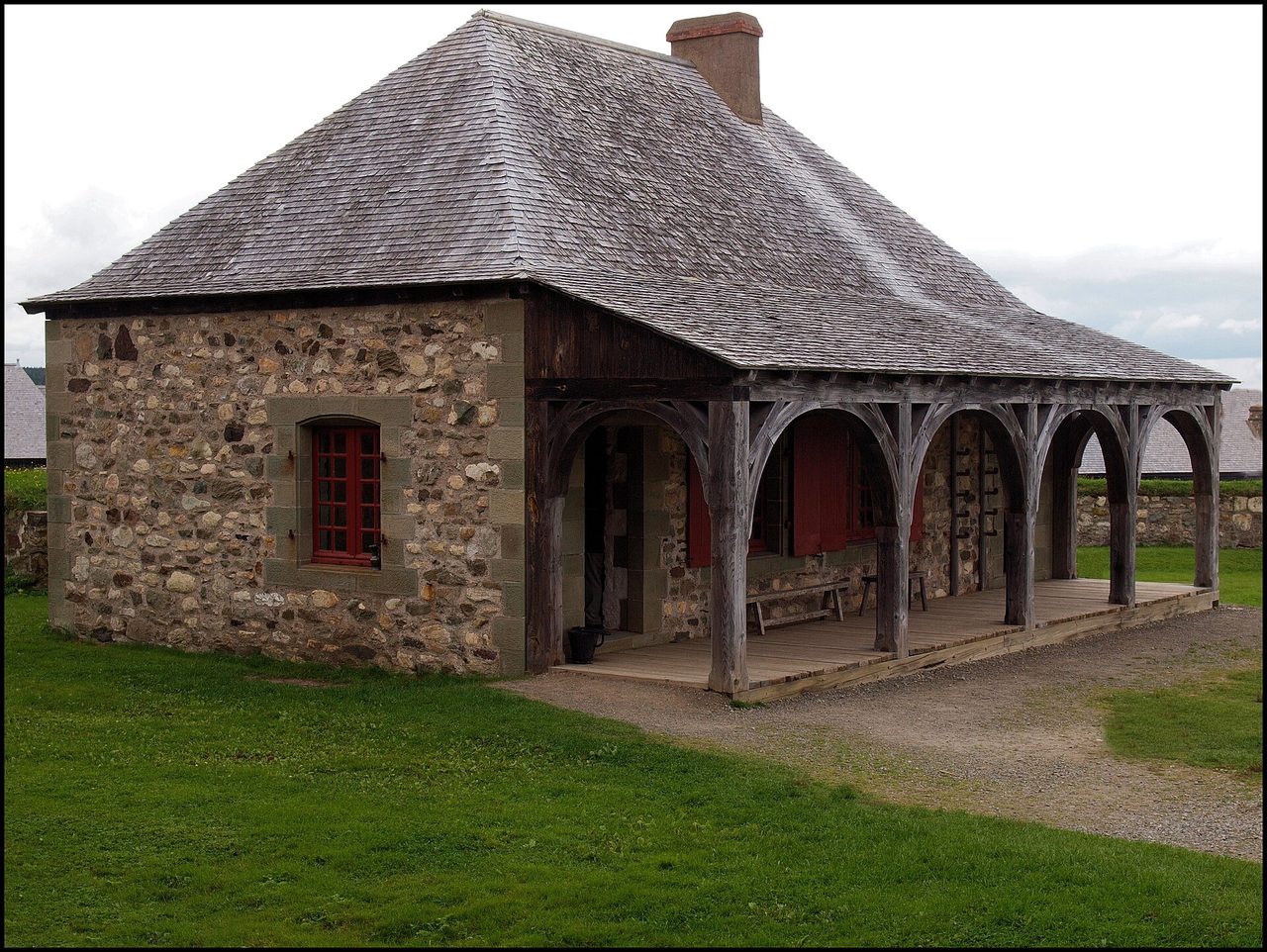
North America’s largest historical reconstruction: an entire 18th-century French walled town, rebuilt stone by stone, staffed by costumed interpreters who stay in character. The bakery sells bread from a wood oven. I ate two loaves’ worth of samples and bought a third.
Allow 3 hours minimum. In 2026 the shoulder season runs September 12 to October 31, open daily 9:30 AM–5:00 PM — and admission was free all summer under the Canada Strong Pass. Outside the free window, check Parks Canada’s Fortress of Louisbourg page for current fees before you go. Don’t skip the Louisbourg Lighthouse trail nearby — it’s free and the coastal walk is a strong finish.
Afternoon — back to Halifax (~4.5 hours)
Louisbourg → Halifax is ~400 km, about 4.5 hours. Straight shot down Highway 125 and the 104. You’ll be back in Halifax for dinner, which is where this whole thing started. Full circle. The rig gets returned tomorrow, or tonight if you’re flying out.
Day 7 driving: ~450 km with the fortress detour. Leave Louisbourg by 2 PM to make Halifax comfortably.
How much does a Nova Scotia road trip cost?
Sample budget per adult, 7 days (prices checked October 2026; items marked ~ are estimates):
| Item | Cost (CAD) |
|---|---|
| Rental car, compact SUV, 7 days | ~$500–700 |
| Fuel (~1,800 km) | ~$250–300 |
| Hotels/B&Bs, 6 nights | ~$900–1,500 |
| Food & drink, 7 days | ~$400–550 |
| Parks & attractions (Cape Breton Highlands NP, Joggins tour, museums) | ~$40–75 |
| Total per adult (sharing a room) | ~$1,300–1,700 |
Notes: Burntcoat Head is free. Parks Canada sites were free June 19–September 7, 2026 under the Canada Strong Pass — a genuine bargain if your dates line up. Split the car and room with a travel partner and the per-person number drops fast. Road trip math rewards company.
Timeline at a glance
| Day | Drive | Highlights | Sleep |
|---|---|---|---|
| Day 1 | Airport → Halifax (~35 min) | Waterfront, Citadel noon gun, donair | Halifax |
| Day 2 | ~150 km | Peggy’s Cove, Mahone Bay, Lunenburg | Lunenburg |
| Day 3 | ~130 km | Grand-Pré, Wolfville wineries, Blomidon sunset | Wolfville |
| Day 4 | ~450 km | Burntcoat Head at low tide, Canso Causeway | Baddeck |
| Day 5 | ~250 km | Bell NHS, Cabot Trail west, Skyline Trail | Pleasant Bay/Chéticamp |
| Day 6 | ~250 km | Cabot Trail east, Middle Head, Neil’s Harbour | Sydney |
| Day 7 | ~450 km | Fortress of Louisbourg, return to Halifax | Halifax |
FAQs about a Nova Scotia road trip
How many days do you need for a Nova Scotia road trip?
Seven days is the minimum for the full loop in this guide — Halifax, the South Shore, the Annapolis Valley, the Bay of Fundy, the Cabot Trail, and Louisbourg. With 8–10 days you can slow down: add a full rest day in Lunenburg, a second Cabot Trail night, or a side trip to Prince Edward Island via the ferry. Under 7 days, cut the Fundy leg and do Halifax → South Shore → Cabot Trail → back.
Which direction should you drive the Cabot Trail?
Counter-clockwise — and this isn’t just my opinion, every local I asked said the same thing. Going counter-clockwise keeps you on the inside lane on the steep cliff sections instead of hugging the drop. Enter from the Chéticamp (west) side and exit at Ingonish. The full loop is 298 km; allow a full day with stops.
Do you need to book Skyline Trail parking in advance?
Yes, during peak season. Parks Canada requires parking reservations for the Skyline Trail from June 26 to October 25, 2026, in timed four-hour slots — I double-checked this on the official Skyline Trail page before my trip, and slots do fill on summer weekends. From November to May no reservation is needed, but park services are limited.
When is low tide at the Bay of Fundy?
Tide times shift about an hour later each day, so there’s no fixed answer — check the tables for your exact date. I planned my Burntcoat Head visit on the park’s official site the night before and aimed to arrive two hours before low tide. Aim for mid-tide-going-out: maximum exposed ocean floor, and you get to watch the water come back in.
Is the Fortress of Louisbourg worth the detour?
Yes — it’s the biggest historical reconstruction in North America, and the costumed town genuinely earns half a day. It’s 40 minutes from Sydney and about 4.5 hours from Halifax, so it fits naturally as your last stop before heading home. In 2026 it was free all summer under the Canada Strong Pass; the shoulder season (September 12–October 31) runs daily 9:30 AM–5:00 PM. Check Parks Canada for current fees.
How much does a week-long Nova Scotia road trip cost?
Budget roughly $1,300–1,700 CAD per adult for 7 days (October 2026 prices), assuming you split a rental car and a room: ~$500–700 for the car, ~$250–300 in fuel for ~1,800 km, ~$900–1,500 for six nights’ accommodation, and ~$400–550 for food. Attraction costs are low — Burntcoat Head is free, and Parks Canada sites were free June 19–September 7, 2026 under the Canada Strong Pass.
4 comments