
Last updated: October 3, 2026
The short answer
- Documents first: passport valid well past your trip, an eTA ($7 CAD, usually approved in minutes) if you’re flying in from a visa-exempt country, travel medical insurance, and digital + paper backups of everything.
- Dress in three layers: a moisture-wicking base, an insulating mid-layer (fleece or packable down), and a waterproof, windproof outer shell — Canada’s weather can swing 15°C in a single day, so layers are a game-changer.
- Right footwear, right region: waterproof hiking boots for the Rockies, warm insulated boots for an eastern winter, and rainproof shoes for Vancouver — plus a power bank, a plug adapter if you’re coming from outside North America, and tipping 15–20% pre-tax at restaurants.
I’ll be honest: my first trip to Canada, I packed like I was going on a weekend in New York. One medium-weight jacket. Cute ankle boots. No base layer. Then I landed in Banff in March, stepped outside, and the wind off the Rockies rearranged my entire understanding of the word “cold.” (It was −18°C with wind chill. I bought a down jacket within two hours and wore it for six straight days.)
Here’s the thing — Canada isn’t one climate, it’s about six of them arguing with each other across six time zones. I’ve now packed for this country in every season, from a sweaty July in Montreal to a February in Quebec City that made my phone shut itself off, and I finally have a system. This is my complete packing list for 2026: documents, the three-layer clothing rule, season-by-season lists, regional tweaks, tech, money, and what I wish someone had told me before I stood in a Toronto drugstore paying full price for gloves.
Documents, entry & insurance: before you fold a single t-shirt

Get the paperwork sorted before anything goes in the suitcase, because this is the one part of packing you can’t fix at the airport.
- Passport: valid well beyond your planned trip. Airlines can deny boarding if yours expires too soon, so don’t cut it close — I renew the moment I’m inside a year.
- eTA (flying in from a visa-exempt country): the Electronic Travel Authorization costs just $7 CAD, is applied for entirely online, and is usually approved in minutes — valid for up to five years or until your passport expires. Apply at least a week before your flight in case you’re asked for extra documents. → IRCC — how to apply for an eTA (pro tip: use the official Government of Canada site only; third-party sites charge way more for the same form).
- Visitor visa: if your country isn’t visa-exempt, you’ll need a visitor visa — roughly $100 CAD and several weeks of processing, so start early.
- Travel medical insurance: do not skip this one. Canada’s healthcare is excellent but it is not free for visitors, and an emergency evacuation from the backcountry can cost thousands. Make sure your policy covers hiking, skiing, or whatever winter sport you’re planning.
- Digital + paper backups: keep copies of your passport, eTA confirmation, insurance policy, and hotel confirmations in the cloud AND print a page with your policy number and emergency contacts. My phone once died in the Quebec City cold with all my confirmations on it, and I found this out the soggy way.
- Prescriptions: keep medication in its original labeled packaging and bring a copy of the prescription — border officers can ask.
Note for U.S. readers: you generally don’t need an eTA or visa for tourist visits — a valid passport (or enhanced driver’s license/NEXUS at land crossings) is the main requirement.
The three-layer rule: dress like a Canadian, not a tourist
Every Canadian I know dresses in layers, and now I know why: a spring morning in the Rockies can start at 5°C and hit 20°C by lunch. The three-layer system lets you add or remove a layer in two minutes instead of being miserable all day. This is the single most important packing concept for Canada — trust me on this one.
Layer 1: the base (moisture-wicking, not cotton)
Cotton kills in cold weather — okay, that’s dramatic, but cotton holds sweat against your skin and makes you colder, which is miserable. Pack merino wool or synthetic base layers (tops and at least one pair of long johns for winter). Merino is my ride-or-die: it regulates temperature, doesn’t stink after a full day of hiking, and doubles as a regular long-sleeve shirt in town. Budget ~2–3 tops for a week; you can rewear them.
Layer 2: insulation (fleece or packable down)
This is your warmth layer. A lightweight fleece for spring/fall, a packable down jacket for winter (it compresses to the size of a water bottle — worth every penny of the luggage space it saves). If you’re heading to the damp West Coast, synthetic insulation beats down because it stays warm when wet. A mid-weight wool sweater also earns its spot for city evenings, when you want to look put-together at dinner and not like the Michelin Man.
Layer 3: the shell & footwear
Your outer shell is your armor: a waterproof (not just water-resistant) and windproof jacket with a hood, roomy enough to fit over layers 1 and 2. Fair warning — “water-resistant” gave up on me halfway through a Vancouver rainstorm and I have not forgiven it.
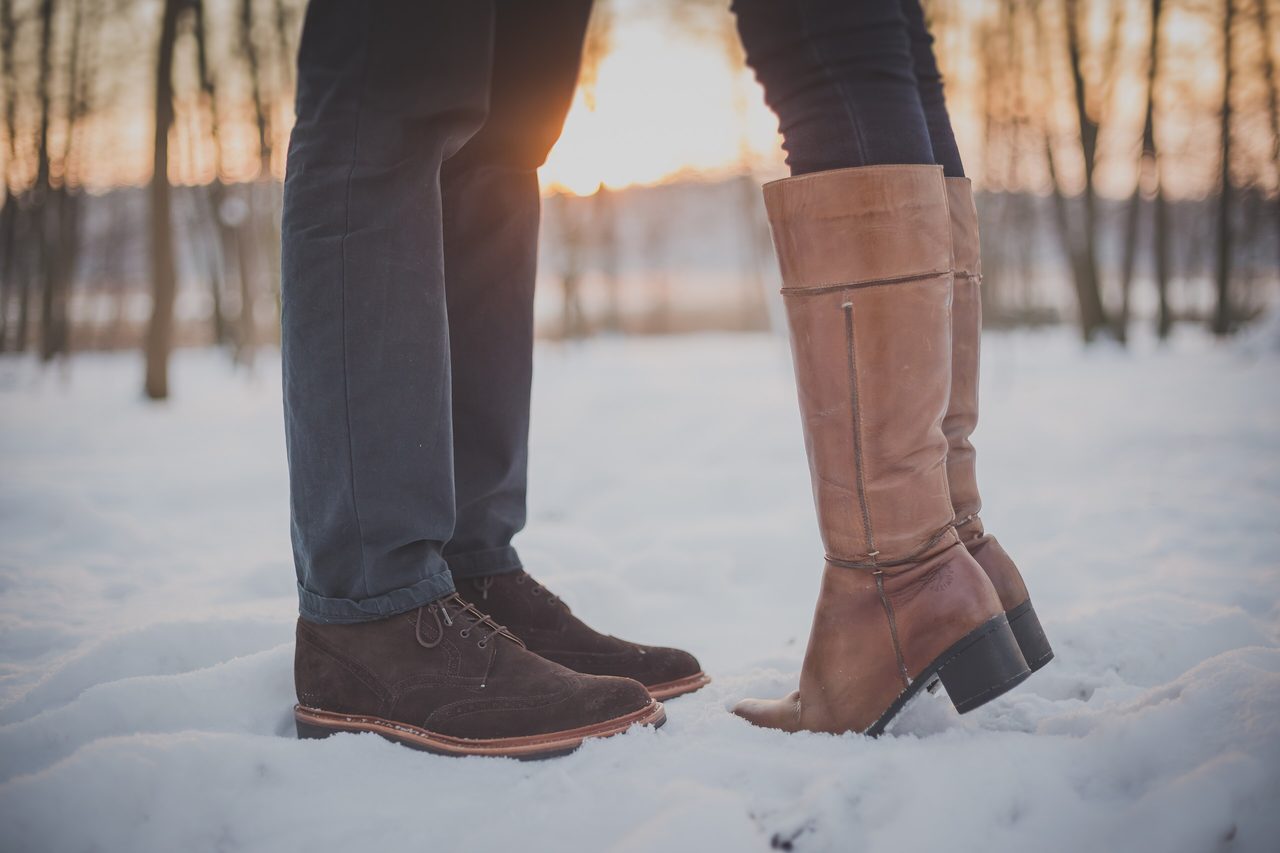
Footwear is where trips are won or lost. My rule now:
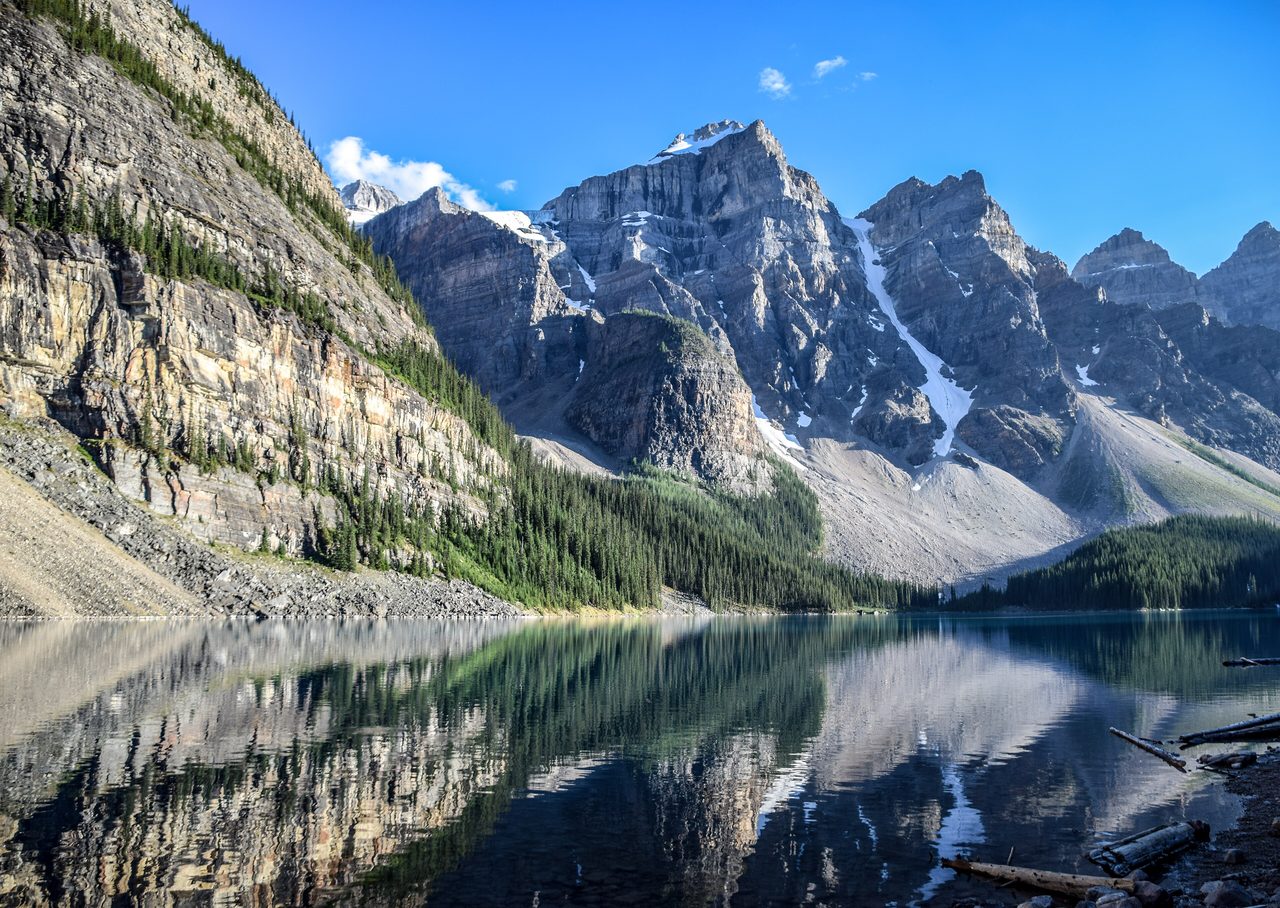
- Rockies / hiking: waterproof hiking boots with ankle support and real tread. The trails around Banff are rocky, muddy, and sometimes all three in the same kilometer.
- Eastern winter (Toronto, Montreal, Quebec City): insulated, waterproof winter boots rated to at least −25°C, with grippy soles. Sidewalk ice is no joke — I wiped out in front of a very polite Montrealer in my first February.
- Vancouver / cities in summer: comfortable waterproof walking shoes. Cobblestones in Old Montreal and 20,000-step days in Toronto will destroy flimsy footwear.
Accessories that punch above their weight: wool-blend socks (the unsung heroes — bring more than you think), a buff or scarf, touchscreen-compatible gloves, and a warm hat. In deep winter, add hand warmers. My color-coded packing list has a whole accessories tab and I’m not even embarrassed.
Season-by-season packing lists
Winter (December–March): pack for the deep freeze
Typical daytime highs: Toronto/Montreal −5 to −10°C (feels like −20 with wind chill); the Prairies and Rockies −15 to −30°C; Vancouver +3 to +8°C and rainy. This is full three-layer mode: thermal base layers, down mid-layer, waterproof shell, insulated boots, hat, scarf, gloves, hand warmers. If you’re skiing or snowboarding, you’ll also want ski socks and a neck gaiter. I’ll be honest — winter in Canada is spectacular (ice skating on the Rideau Canal! hot chocolate that actually earns the word “hot”), but only if you’re dressed for it.
Spring (April–May): the infamous mud season
Expect 5–15°C, rain, lingering snow in the mountains, and blackflies in forested areas by late May. Pack the waterproof shell, a fleece, waterproof boots, and bug spray if you’re hiking. Layers matter most in spring — I once wore a t-shirt, a fleece, a rain jacket, and took off two of them by noon in the Okanagan.
Summer (June–August): gloriously warm, with caveats
Daytime 20–28°C across most of the country (cooler on the coast and at altitude), with long daylight hours. Pack light clothes, one warm layer for mountain evenings (it can drop to 5°C at Lake Louise in July — I learned that at sunset, shivering, in shorts), a swimsuit, sunscreen (the northern sun is strong), sunglasses, and a reusable water bottle. Mosquito repellent for evenings near lakes.
Fall (September–November): sweater weather, then suddenly winter
5–15°C in September dropping toward freezing by November, spectacular foliage, and the first snow in the mountains by October. Pack the fleece, the shell, a warm hat, and gloves by late October. October is my favorite month to visit — fewer crowds, golden larches in the Rockies — but fair warning, it can feel like three seasons in one week.
Regional tweaks: Vancouver rain ≠ Toronto cold

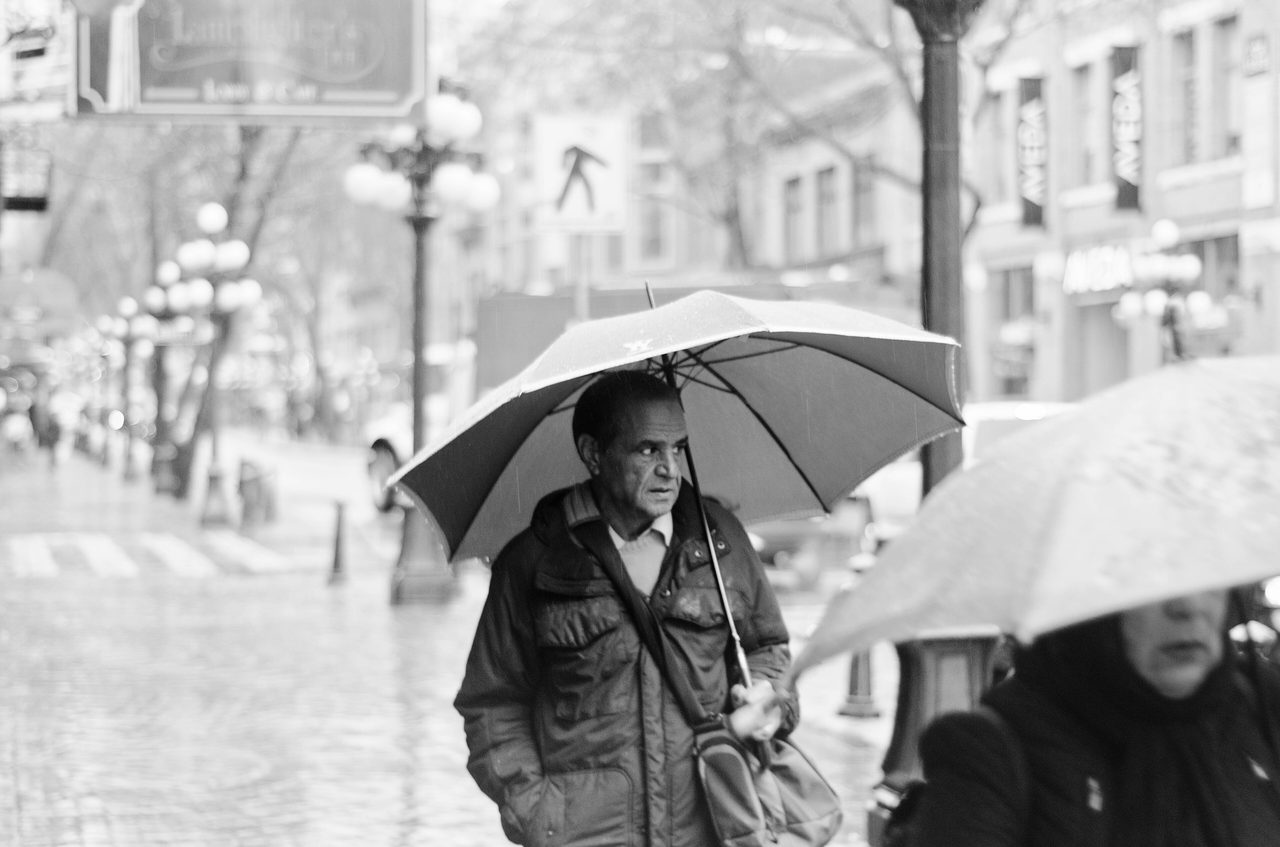
- Vancouver & the West Coast: it rains. A lot. From October to April, plan on drizzle most days — a quality rain jacket and waterproof shoes matter more here than heavy insulation. An umbrella is fine for the city, but useless on a windy seawall walk (ask me how I know).
- The Rockies (Banff, Jasper, Whistler): weather changes fast and altitude makes everything colder. Even in summer, pack a warm mid-layer and rain gear for every hike. And you can’t fly with bear spray — buy it at an outdoor shop in Banff or Canmore if you’re doing backcountry trails, and carry it properly.
- Toronto, Montreal & the East: humid summers, bitterly cold windy winters. In winter, windproof outer layers and face coverage matter as much as insulation. In summer, the cities are walkable and dressy-casual — you’ll fit right in with smart-casual for restaurants.
- The Prairies & Atlantic Canada: big temperature swings and serious wind. The Maritimes add ocean dampness that makes cold feel colder — pack for it.

Planning a mountain trip specifically? Pair this list with our 2-day Banff itinerary and 2-day Vancouver itinerary to see exactly what I wore day by day.
Tech, power & the extras that saved me
- Power: Canada runs on Type A/B plugs, 120V/60Hz — identical to the U.S., so Americans need nothing. Coming from Europe, the UK, or Australia? Bring a plug adapter. Most phone and laptop chargers are dual-voltage (check for “100–240V” on the brick), so you only need the shape adapter, not a voltage converter — though single-voltage hair tools will fry, so use the hotel’s or buy a dual-voltage travel version.
- Power bank: non-negotiable. Cold weather drains phone batteries fast (my Quebec City incident, exhibit A), and long days in the national parks mean no outlets for hours.
- eSIM or prepaid SIM: buy a data eSIM before you land — it’s a game-changer for maps, transit apps, and checking whether that waterfall trailhead is actually open. Coverage is excellent in cities and along highways, spotty in the mountains.
- Daypack: a 20–25L daypack for hikes and city days. Packable ones that fold into their own pocket are worth every penny.
- Reusable water bottle & tote bag: tap water is excellent everywhere in Canada, and many cities charge for bags.
- Dry bag or packing cubes: keeps wet gear from infecting dry clothes. I timed it once — packing cubes cut my repack time in half.
Money, tipping & taxes: the stuff nobody packs but everybody needs
Canada runs on the Canadian dollar (CAD), and cards (Visa, Mastercard, Amex) are accepted almost everywhere — I barely touched cash on my last two trips. But three money things catch visitors off guard:
- Tipping: 15–20% on the pre-tax total at sit-down restaurants is the standard (18% for good service is my default). Bars: ~$1 per drink or 15–20%. Taxis and rideshares: 10–15%. Hotel housekeeping: ~$2–5 per night. Fair warning: payment terminals often suggest tip percentages calculated on the after-tax total, which is slightly higher — now you know why your math looked off.
- Sales tax: the price on the tag is NOT the price you pay. GST (5% federal) plus provincial tax gets added at checkout — 5% in Alberta, 13% HST in Ontario and the Atlantic provinces, ~15% in Quebec. Budget an extra 5–15% on every purchase.
- Cash: carry a small amount for tips, small-town cafés, and parking meters — ~$50–100 CAD is plenty.
How much does it cost to gear up for Canada?
If you’re buying from scratch, here’s what the key items typically run (prices in CAD, marked ~ are estimates — check current prices before you buy):
| Item | Typical cost (CAD) |
|---|---|
| Packable down jacket | ~$150–250 |
| Waterproof shell jacket (with hood) | ~$100–200 |
| Insulated winter boots | ~$120–200 |
| Waterproof hiking boots | ~$130–200 |
| Merino base layer top | ~$40–70 each |
| Wool-blend hiking socks (3-pack) | ~$25–40 |
| Travel power bank | ~$30–50 |
| Plug adapter (for non-North-American plugs) | ~$15–25 |
| eSIM data plan (~2 weeks) | ~$30–60 |
| Total for a full kit | ~$640–1,095 |
You don’t need all of this for every trip — a July city break needs maybe a third of the list. But if you’re doing a winter Rockies trip, every line item earns its place. See our Canada winter packing list and Canada in winter guide for the deep-dive version.
Packing at a glance
Short version of the whole guide — if you own these categories, you’re ready:
| Category | Don’t forget |
|---|---|
| Documents | Passport, eTA confirmation or visa, travel insurance policy, backups in cloud + print |
| Clothing system | Base layer (merino/synthetic), fleece or packable down, waterproof hooded shell |
| Footwear | Waterproof boots for winter/hiking; rainproof walkers for cities |
| Accessories | Hat, scarf/buff, touchscreen gloves, wool socks, hand warmers (winter) |
| Tech | Plug adapter (non–North America), power bank, eSIM data plan, 20–25L daypack |
| Money | Cards + ~$50–100 CAD cash; budget 5–15% tax and 15–20% tips |
FAQs about what to pack for a Canada trip
What should I pack for Canada in winter?
Dress in three layers: a merino or synthetic moisture-wicking base, an insulating mid-layer (fleece or packable down), and a waterproof, windproof outer shell with a hood. Add insulated boots rated to at least −25°C, a warm hat, scarf, touchscreen gloves, wool socks, and hand warmers. Winter daytime temperatures run roughly −5 to −10°C in Toronto and Montreal, and −15 to −30°C in the Prairies and Rockies — see our full winter packing list for the detailed version.
Do I need a power adapter for Canada?
If you’re coming from the U.S., no — Canada uses the same Type A/B plugs and 120V/60Hz power. Travelers from Europe, the UK, Australia, and most of Asia will need a plug adapter. Check your chargers for “100–240V” labeling: if present, you only need a shape adapter, not a voltage converter. Single-voltage appliances like some hair straighteners will not work safely without a converter.
Do I need a visa or eTA to visit Canada?
It depends on your passport. Travelers from visa-exempt countries flying to Canada need an Electronic Travel Authorization (eTA): $7 CAD, applied for online, usually approved in minutes, and valid up to five years. U.S. citizens generally need only a valid passport. Travelers from non-exempt countries need a visitor visa (~$100 CAD, several weeks of processing). Apply through the official IRCC channels — IRCC’s eTA help page explains the process.
How should I dress for Canada’s unpredictable weather?
Layer, layer, layer. The three-layer system — moisture-wicking base, insulating mid-layer, waterproof/windproof shell — handles temperature swings of 15°C or more in a single day. I pack so I can add or strip a layer in two minutes, because Canadian weather genuinely does change that fast, especially in the mountains and during spring and fall.
How much should I tip in Canada?
Tip 15–20% on the pre-tax total at sit-down restaurants (18% is a safe default for good service), ~$1 per drink or 15–20% at bars, 10–15% for taxis and rideshares, and ~$2–5 per night for hotel housekeeping. Note that payment terminals often calculate suggested tips on the after-tax total, which runs slightly higher.
What gear do I need for hiking in the Canadian Rockies?
Waterproof hiking boots with ankle support and good tread, the full three-layer clothing system, a 20–25L daypack, a reusable water bottle, sunscreen, and bear spray for backcountry trails (buy it at an outdoor shop in Banff or Canmore — you can’t fly with it). Check trail conditions and weather on the day you go; mountain weather changes fast. For month-by-month conditions, see our Canada weather by month guide.
Keep exploring
- Canada Winter Packing List: What to Bring (2026 Guide)
- Visiting Canada in Winter: Complete 2026 Guide
- Canada Weather by Month for Tourists
- The Ultimate 2 Days in Banff Itinerary: 2026 Guide
- The Ultimate 2 Days in Vancouver Itinerary: 2026 Guide