
Last updated: October 3, 2026
The short answer
- July is the best all-rounder: peak festival season (Calgary Stampede July 3–12, Montreal Jazz Fest June 25–July 4), turquoise alpine lakes, and prime whale watching — but it’s also the priciest, busiest month.
- September is my personal pick: fall colours hit their stride from late September to mid-October, crowds thin out, and shoulder-season prices kick in.
- December–March for winter magic: the northern lights are at their most reliable in the far north, ski season runs full tilt, and winter festivals like Winterlude (Jan 30–Feb 16, 2026) light up Ottawa.
I’ll be honest: for years I planned my Canada trips the way most people do — I picked July, crossed my fingers, and hoped for the best. And July is great. But after a dozen trips spread across every season (my color-coded spreadsheet now has a whole tab just for “when things actually happen in Canada”), I can tell you the real answer is annoyingly specific: it depends entirely on what you want to see. Here’s the thing, though — there is a best month for each version of the trip, and this guide maps every one of them, with 2026 dates and prices checked in October 2026.
The short version: my month-by-month cheat sheet
If you just want the answer fast, here’s my one-glance table. (Fair warning: Canada is enormous — six time zones and about ten different climates — so treat regional weather as “typical,” not guaranteed.)
| Month | Why go | Crowds & prices |
|---|---|---|
| January | Ski season in full swing; northern lights season peaks | Quiet except ski resorts; low-season city deals |
| February | Winterlude (Jan 30–Feb 16, 2026), Quebec Winter Carnival (~Feb 6–15); best aurora month in the north | Busy around festival weekends; otherwise low |
| March | Maple syrup season begins; late-season skiing; last good aurora window | Shoulder — good value |
| April | Sugar shacks in Quebec and Ontario; waterfalls at spring-thaw volume | Quietest month; some attractions still closed |
| May | Whale watching season opens; wildflowers; mountain lakes start to thaw | Shoulder — rising but still calm |
| June | Nearly as much daylight as July; Montreal Jazz Fest starts (June 25); alpine trails begin opening | Shoulder-plus — book ahead for festival weeks |
| July | Calgary Stampede (July 3–12), Canada Day (July 1), peak hiking, peak whale watching | Peak — highest prices, book 6–9 months out |
| August | Warmest lake-swimming weather; Perseids meteor shower; late-summer festivals | Peak — same as July |
| September | Fall colours begin; salmon runs; fewer crowds; still-warm days | Shoulder — my sweet spot for value |
| October | Peak foliage in Ontario and Quebec (late Sept–mid Oct); Thanksgiving weekend | Shoulder — foliage towns book up fast |
| November | Polar bear season in Churchill; pre-holiday flight deals | Low — some closures begin |
| December | Christmas markets; ski resorts fully open; early aurora season | Spikes around the holidays |
July and August: peak everything (festivals, turquoise lakes, whales)
This is the Canada of the postcards, and I’ll be honest — it earns the hype. The Rockies’ high-alpine trails are snow-free, the lakes hit peak turquoise, and the festival calendar goes absolutely feral.

Two events anchor the summer: the Calgary Stampede (July 3–12, 2026) — ten days of rodeo, chuckwagon races, and midway food that I plan an entire Alberta trip around — and the Festival International de Jazz de Montréal (June 25–July 4, 2026), the world’s largest jazz festival, where more than two-thirds of the 350+ concerts are free. Add Canada Day (July 1) — Ottawa’s Parliament Hill party is the big one — and you’ve got three weeks where something is happening every single day.
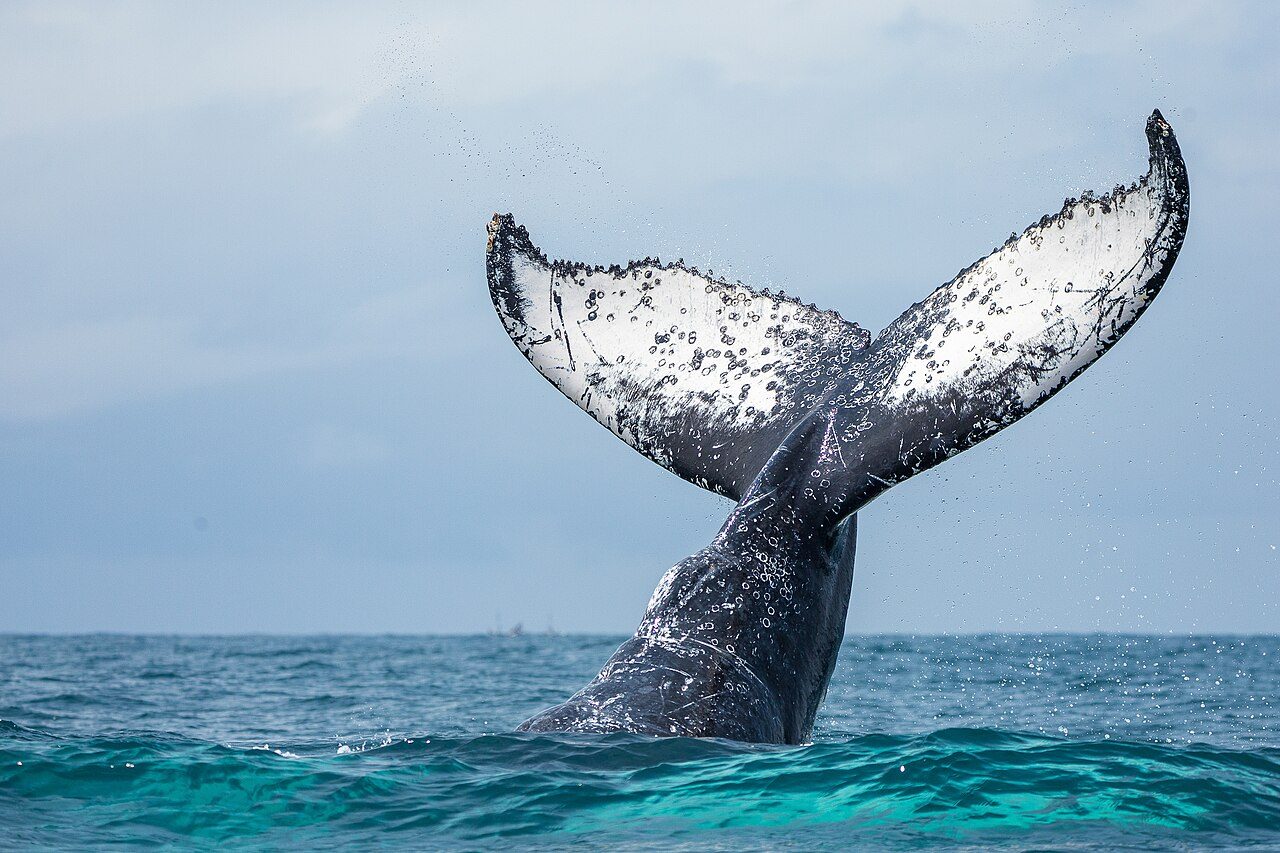
July is also peak whale watching season. I did the Tadoussac zodiac tour in late July once and we saw humpbacks within twenty minutes of leaving the dock — I nearly dropped my camera overboard. Whale watching season runs May to October (busiest mid-June through August), with up to 13 species in the Saguenay–St. Lawrence Marine Park, according to the tour operators there.
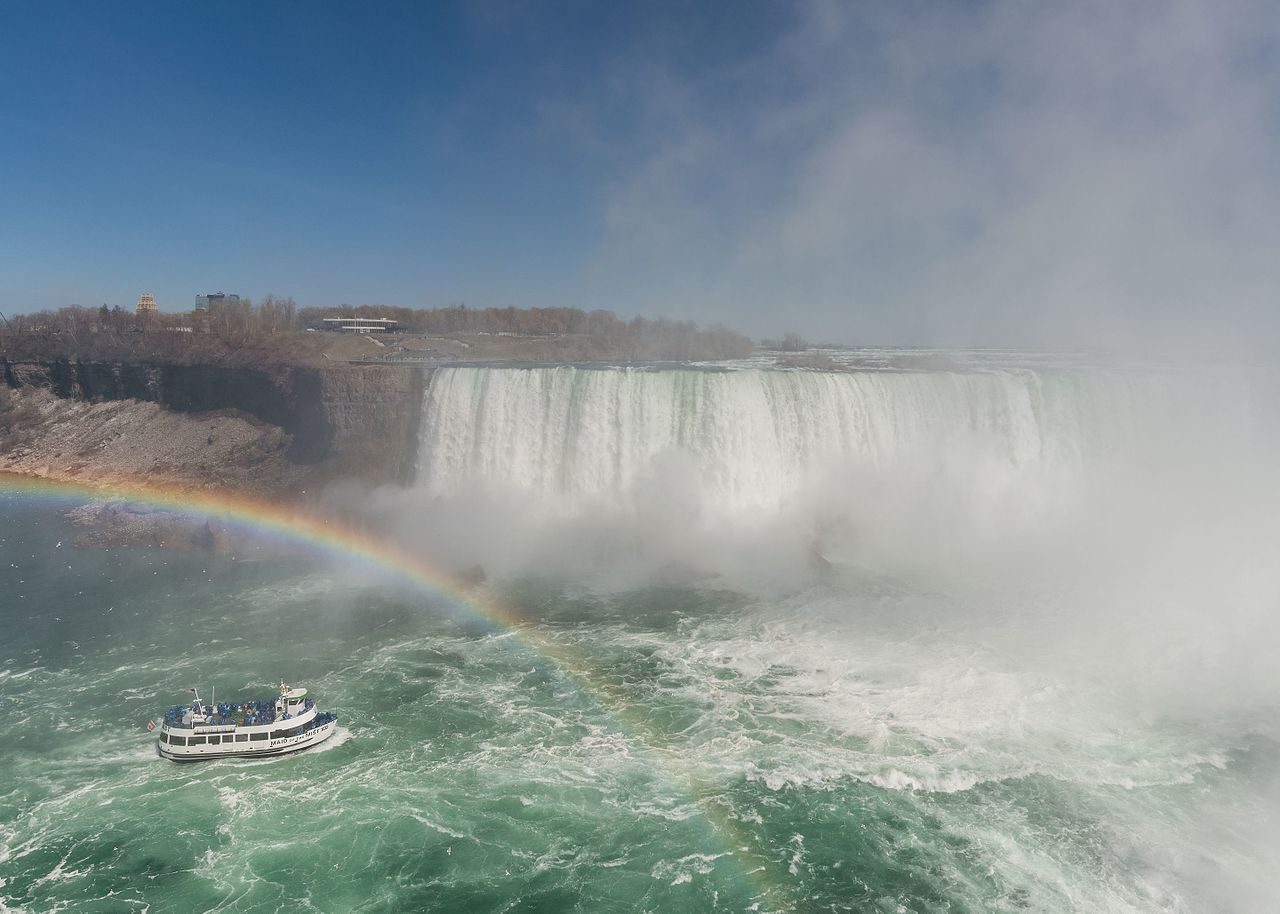
And Niagara Falls? The Maid of the Mist runs at full schedule in summer, and the falls at peak flow in the evening light are genuinely worth the crowds. Pro tip: go at 8:30 PM on a weekday, when the tour boats are half as full as midday.
The trade-off: July and August are the most expensive months of the year. Hotel rates in Banff and Vancouver can run roughly double shoulder-season prices (estimate), and I once showed up in Banff in August without a dinner reservation and ate gas-station sandwiches for two nights. Do not be me — book 6–9 months ahead.
May and June: the shoulder-season sweet spot
If you want summer’s scenery at spring’s prices, aim for late May through June. You get nearly as much daylight as July — the sun sets after 9 PM across most of the country — without the peak crowds or peak prices.
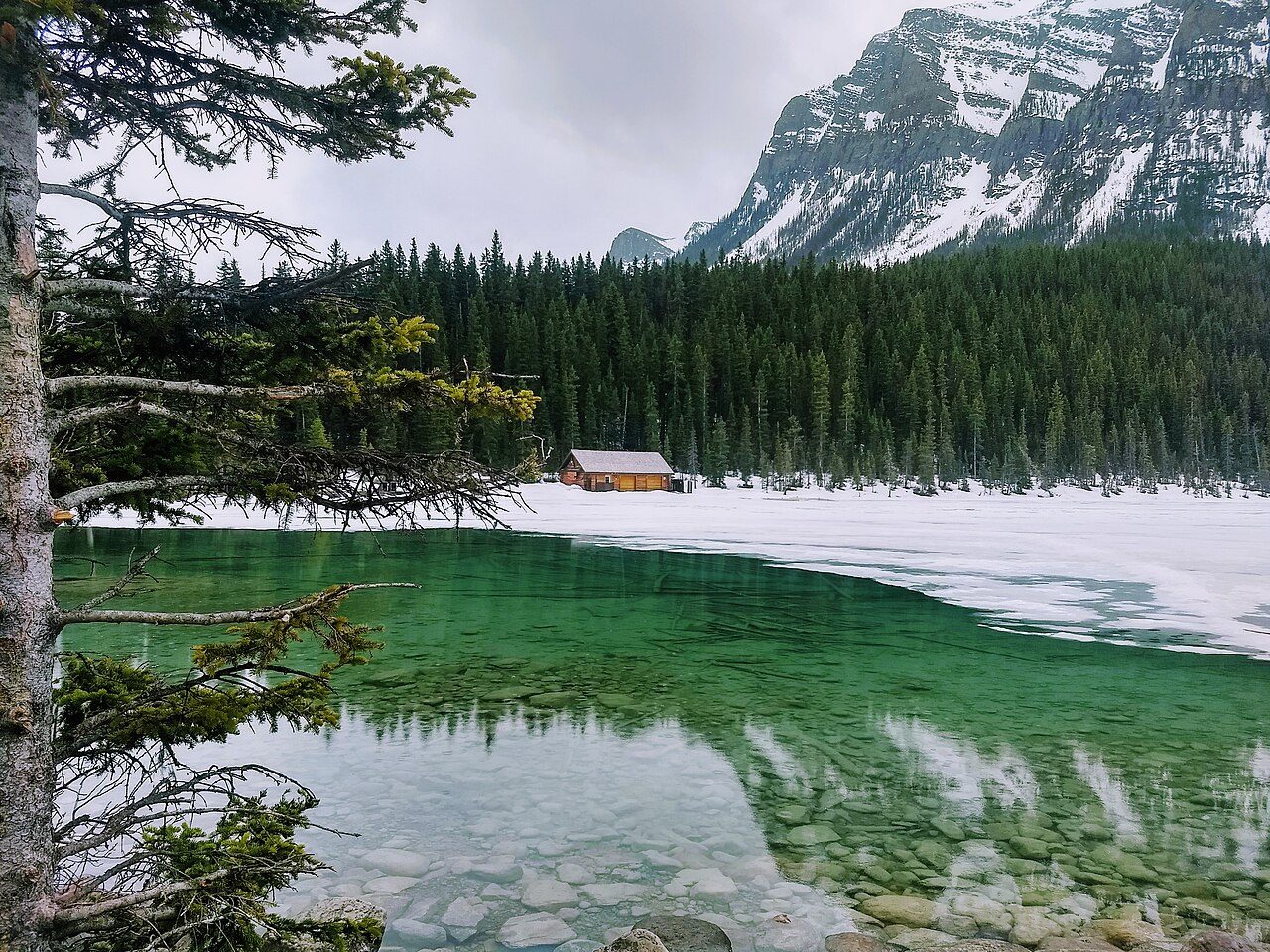
The mountain lakes are still shaking off winter in May — Lake Louise half-thawed, half turquoise and half ice, is honestly more interesting than the postcard version. By late June, the high-alpine trails in Banff and Jasper start opening, whale watching boats are running, and waterfalls are at their most dramatic from the spring melt.
This is also when I tell budget travelers to go. Flights and hotels typically run ~20% below July–August peaks (estimate), and the crowds at Moraine Lake’s sunrise viewpoint are a fraction of what they become in July. Trust me on this one: set your alarm for the 6 AM shuttle anyway.
September and October: fall colours and my favorite two months
September is my answer when someone asks me to pick just one month. The summer heat has broken, the crowds have evaporated, and the maples start their show.
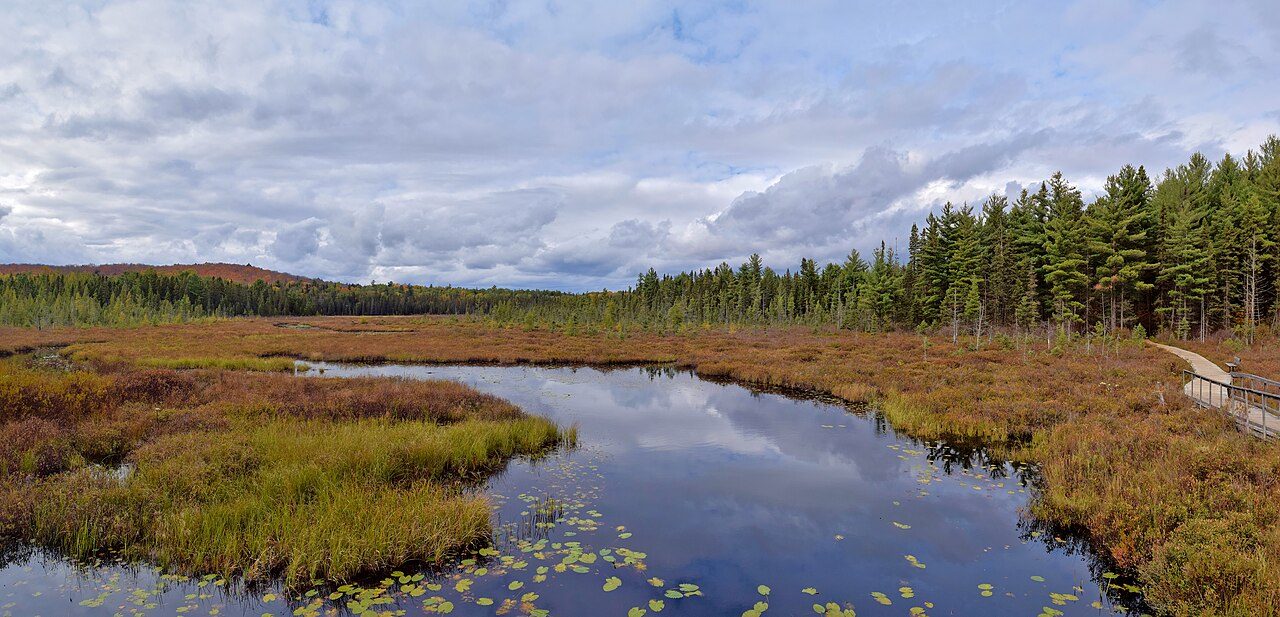
Timing the peak is part science, part luck, but here’s what I’ve learned (and what the regional colour reports back up): Ontario’s peak runs late September to the first week of October — Algonquin Park’s maples put on their red show from mid-September, with the golden birch-and-poplar “encore” in early to mid-October. Quebec is best from late September through mid-October, with the Laurentians and Charlevoix turning first. Out east, Cape Breton’s Cabot Trail typically peaks in the first or second week of October. Check Quebec’s interactive fall-colour map before you drive — peak shifts by a week or more each year, so a real-time report beats guesswork.
September doubles as shoulder season for prices, so you get the foliage plus ~15–25% off peak hotel rates (estimate). October weekends in foliage towns (Algonquin, the Laurentians, Mont-Tremblant) still book out fast, though — fair warning.
November through March: northern lights, powder, and winter festivals
Cold-weather Canada is my favorite plot twist. Yes, it’s cold — Prairie cold is a different sport entirely — but the payoff is enormous: the northern lights, empty slopes, the lowest hotel prices of the year, and cities that lean hard into winter instead of hiding from it.
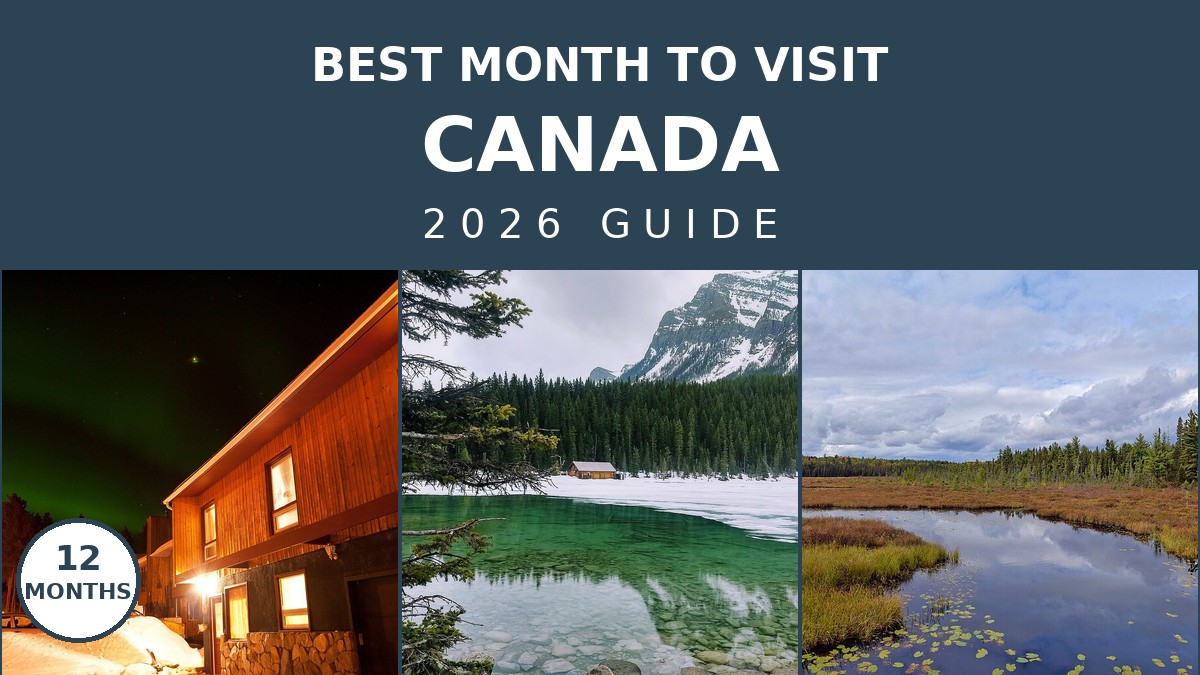
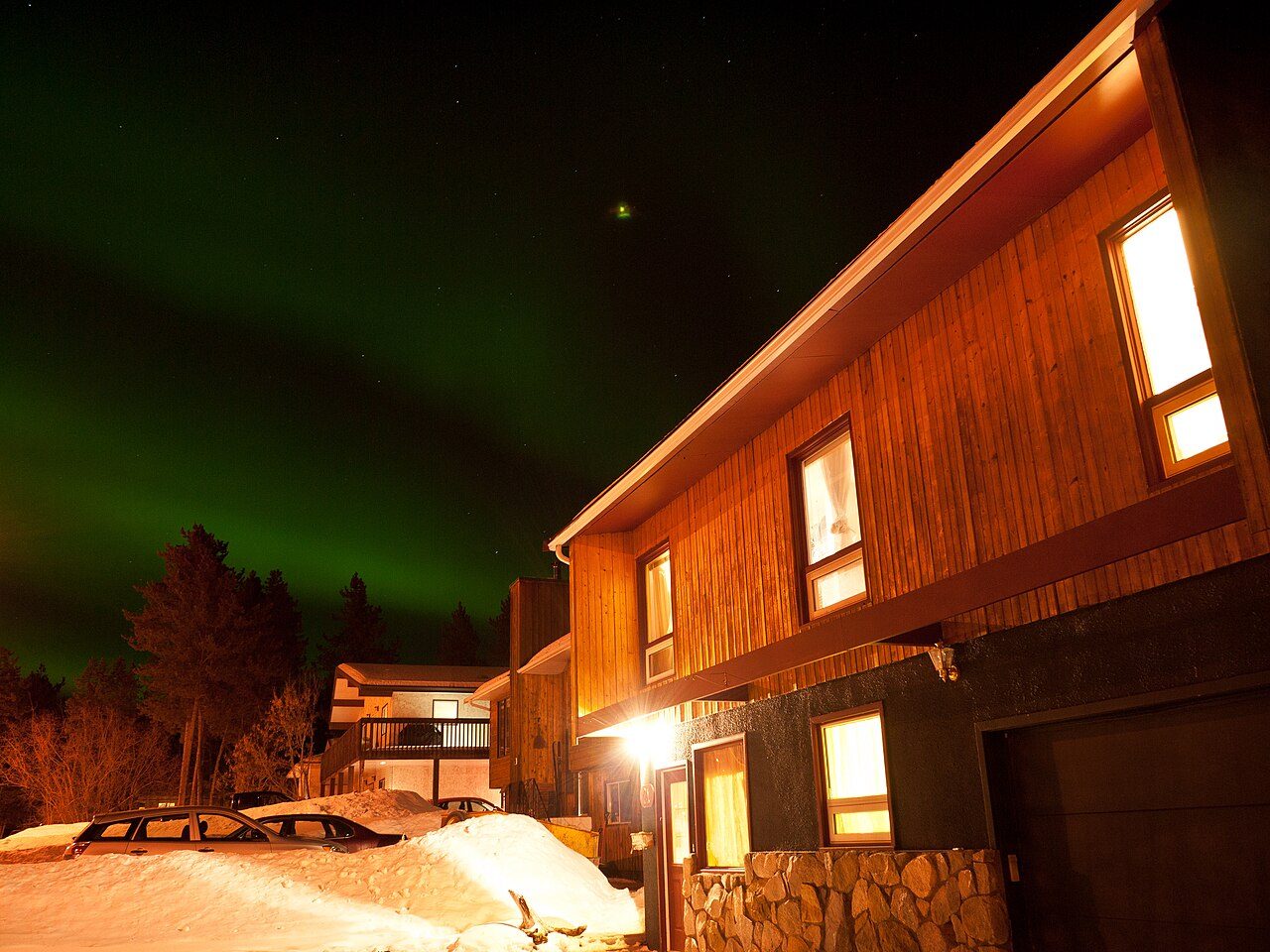
For the aurora, the science is simple: you need dark skies, so the prime window is December through March, with the “magic window” between 10 PM and 3 AM. In the far north — Yellowknife, Whitehorse, Churchill — the season stretches from late August to early April. I stood on a frozen lake outside Yellowknife at -28°C in February once, and when the sky finally lit up I forgot about my toes entirely. Worth every penny of the thermal suit rental. A ranger at the viewing site told me to plan around the new moon — moonlight genuinely washes the show out — and I’ve scheduled every aurora trip that way since.
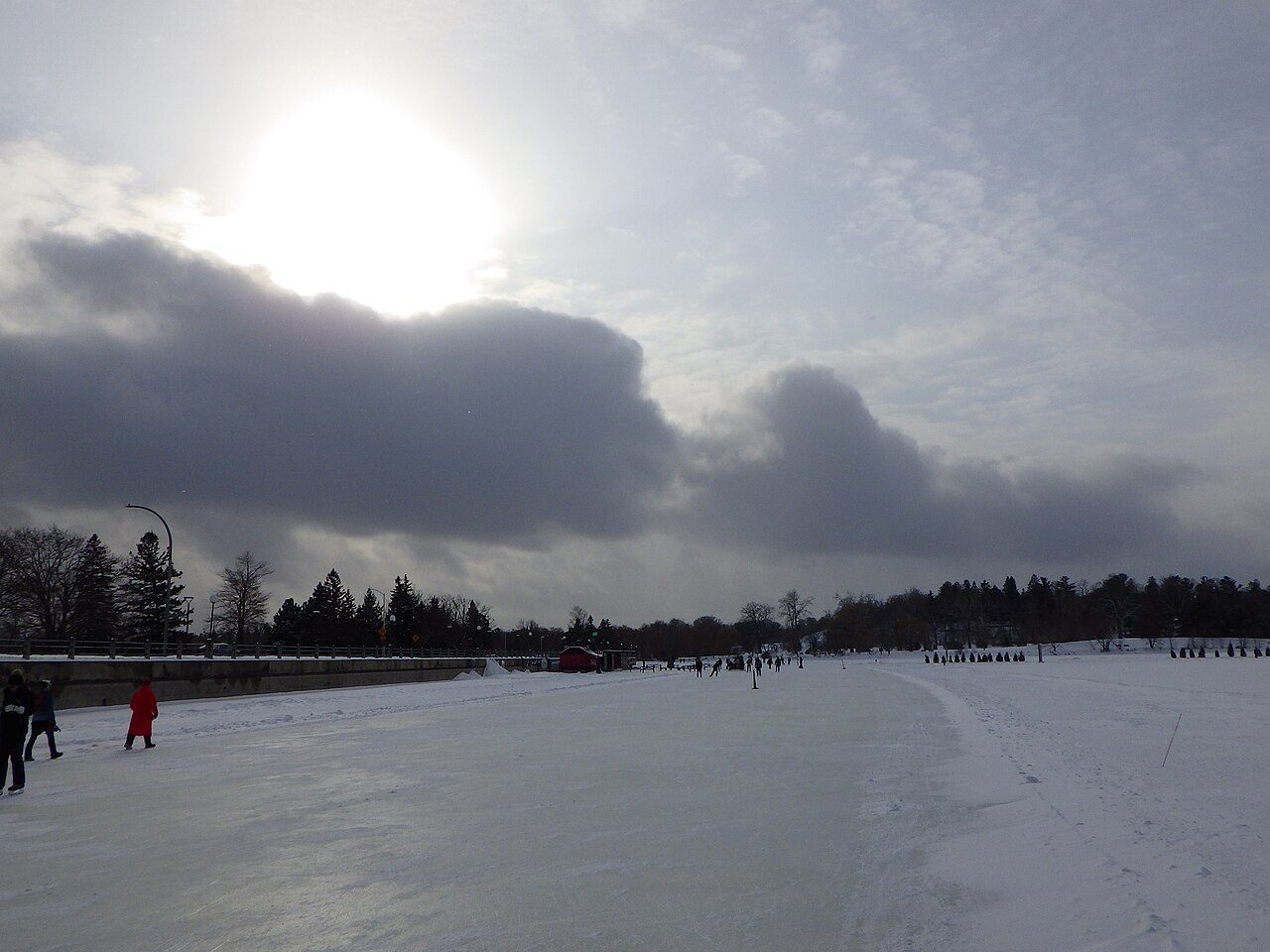
Winter festivals are the other reason to brave it. Winterlude (January 30–February 16, 2026) takes over Ottawa–Gatineau with ice sculptures, the Snowflake Kingdom, and the Rideau Canal Skateway — the world’s largest skating rink and a UNESCO World Heritage site. Quebec City’s Winter Carnival runs ~February 6–15, 2026, with Bonhomme’s Ice Palace and night parades.
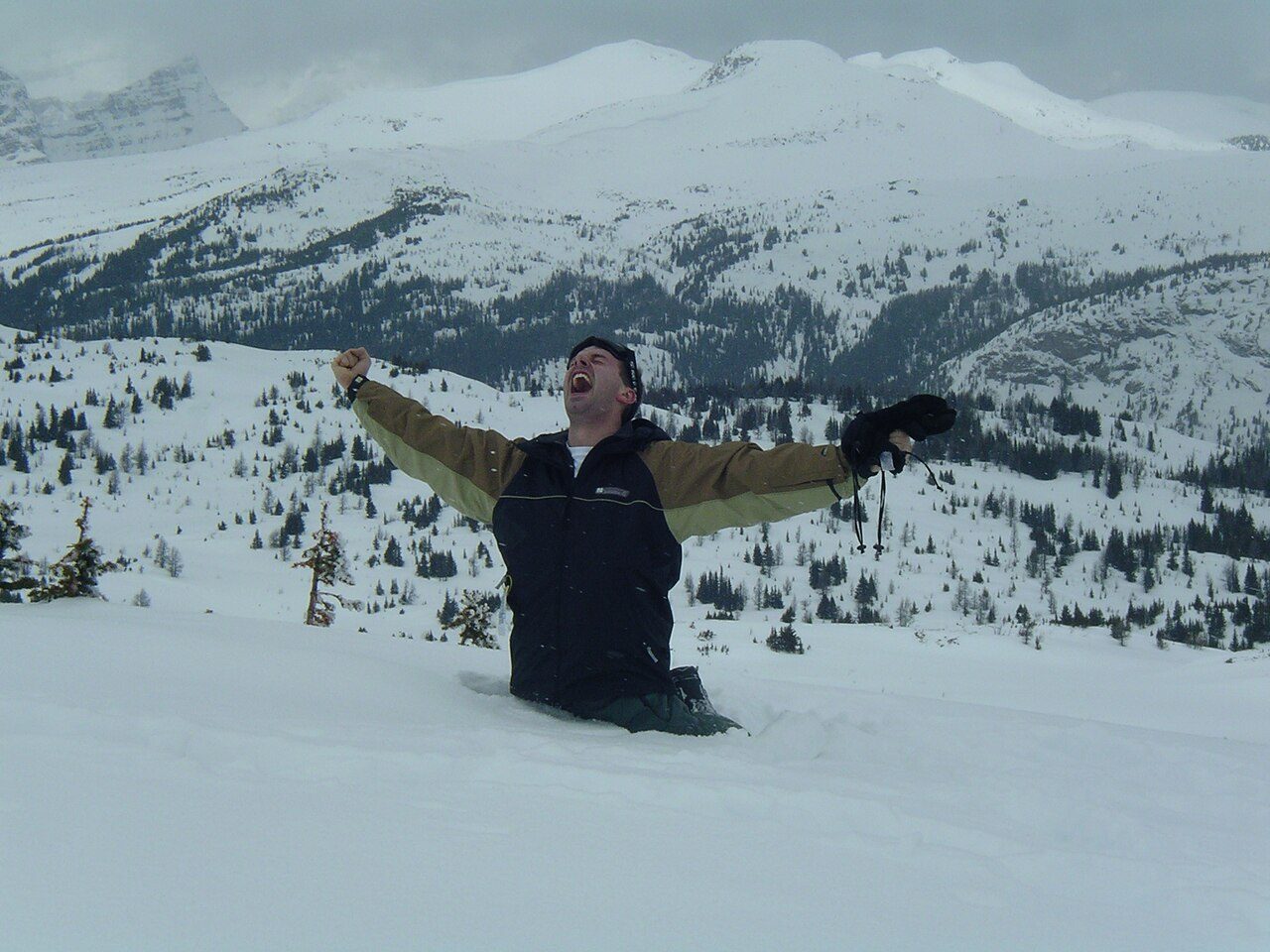
Ski season typically runs late November through April, and November–early December (outside the holidays) is the cheapest time to ski — lift tickets, lodging, everything drops. I’ve done a Banff ski weekend in early December for roughly half what the same trip would cost in February (estimate, and the snow was already excellent).
April: maple season and the quietest month
April is Canada’s best-kept secret and its least-visited month in one package. The sugar shacks (cabanes à sucre) of Quebec and Ontario run their season from March into April — taffy on snow, maple everything, the works. A sugar shack lunch outside Montreal in April is the trip you will still be talking about in August. Waterfalls are thundering with the spring melt, and you’ll have the trails almost entirely to yourself. The catch: some mountain attractions and coastal tours haven’t opened yet, so it’s a city-and-countryside month, not a Rockies month.
Canada weather by month: the regional picture
Here’s the thing people underestimate: Vancouver in January and Winnipeg in January are different planets. Typical daytime highs (approximate — weather does what it wants):
| Month | Vancouver (West Coast) | Calgary (Prairies) | Toronto / Montreal (Central) | Halifax (Atlantic) |
|---|---|---|---|---|
| Jan | ~6°C, rainy | ~-3°C, dry & sunny | ~-3°C / -5°C | ~0°C, stormy |
| Apr | ~13°C | ~10°C | ~11°C / ~12°C | ~8°C |
| Jul | ~22°C | ~23°C | ~27°C / ~26°C | ~23°C |
| Oct | ~13°C, rainy | ~11°C | ~14°C / ~13°C | ~13°C |
The pattern: the West Coast stays mild and wet in winter (Vancouver rarely sees serious snow), the Prairies get dry, sunny, bitterly cold winters punctuated by warming chinook winds, Central Canada gets the full four-season swing, and the Atlantic gets powerful ocean storms in winter and pleasantly cool summers. Pack layers no matter what — the mountains make their own weather.
When is the cheapest time to visit Canada?
Quick budget reality check (hotel and flight prices relative to the July–August peak; all estimates):
| When | Typical savings vs. peak | Notes |
|---|---|---|
| November, early December, January (non-holiday) | ~30–40% less | Cheapest window; ski resorts excepted |
| April | ~30% less | Quietest month; some attractions closed |
| May, late September, October | ~15–25% less | Best value-for-weather combo |
| June | ~10–15% less | Rising toward peak; festival weeks spike |
| July–August | Peak prices | Book 6–9 months ahead |
| Christmas / New Year, Family Day weekend | Peak or above | Ski resort premiums |
City breaks are the winter bargain: Toronto, Montreal, and Ottawa hotels drop hard from November through March (holidays aside), and all three are built for the cold — underground PATH networks, indoor markets, and very good hot chocolate. For the full breakdown, see our cheapest time to visit Canada guide.
FAQs about the best month to visit Canada
What is the single best month to visit Canada?
For most travelers, July — peak festivals, the warmest weather, fully open national parks, and prime whale watching. But September is my personal recommendation: fall colours, thinner crowds, and shoulder-season prices. If northern lights are the goal, February wins.
When is the cheapest time to visit Canada?
November, April, and January (outside holidays) are typically the cheapest months, with hotels and flights running ~30–40% below July–August peaks. Shoulder months — May, late September, October — offer the best balance of decent weather and lower prices. See our cheapest time to visit Canada guide for details.
What are the best months to see the northern lights in Canada?
December through March is the prime window, with the best viewing between 10 PM and 3 AM on dark, clear nights. In the far north (Yellowknife, Whitehorse, Churchill), the season stretches from late August to early April. Plan around the new moon for the darkest skies, and give yourself at least 3–4 nights to allow for cloudy weather. Parks Canada’s Wood Buffalo stargazing page is a good starting point for planning a dark-sky trip.
When is peak fall foliage in Canada?
Late September to mid-October, varying by region: Ontario (including Algonquin Park) peaks from late September to the first week of October, Quebec’s Laurentians and Charlevoix run late September through mid-October, and Cape Breton’s Cabot Trail typically peaks in the first or second week of October. Check regional fall-colour reports before you go — peak shifts by a week or more each year.
Is it better to visit Canada in July or August?
They’re very similar: both are peak season for weather, festivals, hiking, and whale watching. July has the Calgary Stampede (July 3–12, 2026), Canada Day, and the Montreal Jazz Fest (June 25–July 4, 2026); August brings the warmest swimming weather and late-summer festivals with slightly fewer families as school holidays wind down. Prices and crowds are essentially identical — pick based on the events you want. Our Canada in July itinerary and Canada in summer guide cover both.
What is Canada like to visit in winter?
Cold but magical: ski season runs late November through April, northern lights peak December–March, and winter festivals like Winterlude (Jan 30–Feb 16, 2026) animate Ottawa. City hotel prices drop ~30–40% outside the holidays, and the cities are genuinely built for winter. Pack serious layers — Prairie and northern cold is no joke — and check our Canada in winter guide before you go.
1 comment