

Last updated: October 3, 2026

The short answer
- Best months: June means long days and smaller crowds (some high trails still snowy); July brings peak warmth and the biggest festivals; August is warmest for ocean swimming — but wildfire smoke can affect BC and Alberta in late July and August.
- Don’t miss: The Canadian Rockies (Banff, Jasper), Vancouver and Tofino, Montreal and Quebec City, the Calgary Stampede (July 3–12, 2026), and the Montreal Jazz Festival (June 25–July 4, 2026).
- Book first: Parks Canada shuttle seats to Lake Louise and Moraine Lake (reservations opened April 15, 2026, and the advance seats sell out fast), plus hotels for July–August — peak-season Canada is not a last-minute destination.
I plan trips in color-coded spreadsheets, and I am telling you now: summer in Canada deserves a whole tab of its own. This is the season the entire country wakes up — glacial lakes turn that impossible blue, patios fill up from Halifax to Victoria, and somewhere there’s always a festival with your name on it. I’ll be honest, though — summer 2026 has officially wrapped (it’s October as I write this), so treat the prices and 2026 dates below as your verified reference, and confirm 2027 dates and rates before you book. This guide still covers everything you need to plan the trip: weather by month, the regions I’d actually prioritize, the festivals worth building a whole itinerary around, real 2026 costs, and the packing list that has saved me more than once.
Canada in summer weather: what to actually expect
Here’s the thing about Canadian summers: there isn’t one. This is the second-largest country on Earth, and the weather changes completely between regions — which is exactly why my spreadsheet has a “climate” column (I know, I know). Some quick orientation before you pick where to go:
| Region | Typical summer highs | What it’s really like |
|---|---|---|
| Vancouver & Victoria | 20–25°C (68–77°F) | Warm, mostly dry, glorious long evenings. The easiest summer weather in the country. |
| The Rockies (Banff, Jasper) | 18–24°C (64–75°F) in the valleys | Warm afternoons, chilly nights — I’ve needed a fleece at a July sunrise at Moraine Lake. Snow can linger on high trails into early July. |
| Toronto & Southern Ontario | 25–30°C+ (77–86°F+) | Hot and humid, with humidex spikes. Patios, lake swimming, air conditioning — in that order. |
| Montreal & Quebec City | 23–28°C (73–82°F) | Warm with humid spells. Festival season thrives on it. |
| Atlantic Canada | 18–24°C (64–75°F) | Cooler and moodier — coastal fog in the mornings, the warmest ocean swimming in August. |
And the months? June is my personal favorite: the longest days of the year, everything lush and green, and the crowds haven’t peaked. The trade-off is that high-alpine trails (looking at you, the Rockies) can still be snowy. July is peak summer — warmest weather, the biggest festivals, everything fully open — and the busiest. August is warmest for swimming and the best time for whale watching, but fair warning: wildfire season peaks in late July and August, and the interior of BC and parts of Alberta can get smoky. I check Environment Canada’s air quality maps (weather.gc.ca) before finalizing any late-summer mountain plans — pro tip, and I say that as someone who once optimistically ignored a smoke forecast and hiked into a gray wall.
Where to go: my region-by-region summer picks
The Canadian Rockies: Banff & Jasper
The Rockies are the headliner, and they earn it. Lake Louise and Moraine Lake really are that blue — it’s rock flour (glacial silt) suspended in the water, and no photograph has ever quite done it justice. The classic move is hiking the Plain of Six Glaciers from Lake Louise (about 14 km round trip, with a teahouse at the turnaround — worth every penny of the effort), driving the Icefields Parkway, and taking a boat out on Maligne Lake in Jasper.
Here’s the thing that trips people up: you cannot just drive to Moraine Lake anymore. The road is closed to private vehicles year-round, and the only way in is the Parks Canada shuttle from the Lake Louise Park and Ride. I learned this the hard way in planning season — I assumed “shuttle” meant “plenty of seats” and nearly missed my window. Reservations for the 2026 summer season opened April 15, 2026 (40% of seats released then, the rest in rolling 2-days-ahead drops at 8 AM), at ~$12.75 per adult plus the $3.50 reservation fee — and that’s on top of your national park pass. I double-checked the shuttle details on Parks Canada’s official site before writing this, because they tweak the system every year. For the deep dive on the region, see our Banff travel guide.
The West Coast: Vancouver, Victoria & Tofino

Vancouver in summer is the rare city where you can shop on Robson Street in the morning and cycle the Stanley Park Seawall by the afternoon — I’ve done exactly that, and my step count nearly broke my phone. Then take the ferry to Vancouver Island. Victoria does proper British-colonial charm with the best weather in Canada (the Butchart Gardens in full bloom are a game-changer), and Tofino — oh, Tofino. It’s a surf town on the wild west coast where the fog rolls in like a special effect and the waves are genuinely world-class. Fair warning: the Pacific is cold even in August. I brought a cheap wetsuit-friendly attitude and zero regrets about the hot chocolate afterward. Read our Vancouver travel guide if you’re building city days around the coast.
Toronto & the Great Lakes

Toronto’s waterfront comes alive in summer — outdoor concerts, patios everywhere, and the ferry to the Toronto Islands, which is the single best cheap thrill in the city (the skyline view from Centre Island never gets old; I’ve taken four different visitors there and done the exact same happy sigh every time). If you’re visiting in August, the Toronto Caribbean Carnival — the Grand Parade ran August 1, 2026, free to watch along Lake Shore Boulevard — is one of North America’s great street festivals. And Niagara Falls is an easy day trip: the Hornblower cruise into the mist at Horseshoe Falls is touristy, loud, and absolutely worth it. Do not skip the poncho. Trust me on this one.
Quebec City & Montreal
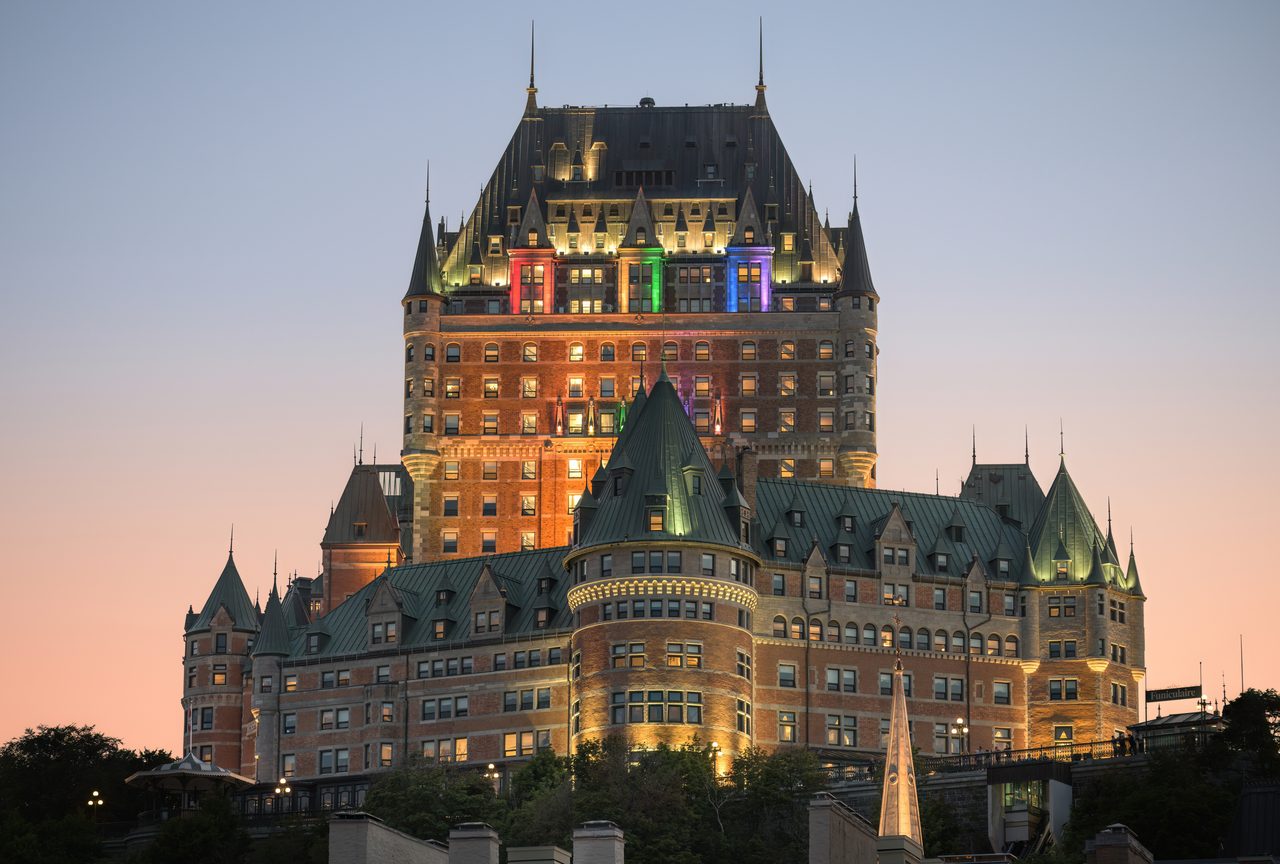
Quebec City in summer feels like someone airlifted a corner of Europe into Canada — cobblestone streets in Old Quebec, street performers on the Terrasse Dufferin, and the Château Frontenac glowing at dusk. Montreal, meanwhile, is the festival capital: summer there is basically one long outdoor party, and the Festival International de Jazz de Montréal (June 25–July 4, 2026, its 46th edition — more than 350 concerts, and over two-thirds of them free) takes over downtown completely. I planned a whole trip around the jazz fest once and spent three evenings wandering between free outdoor stages with a food-truck dinner. Peak trip-planning me. Zero regrets.
Atlantic Canada: Nova Scotia, PEI & Newfoundland
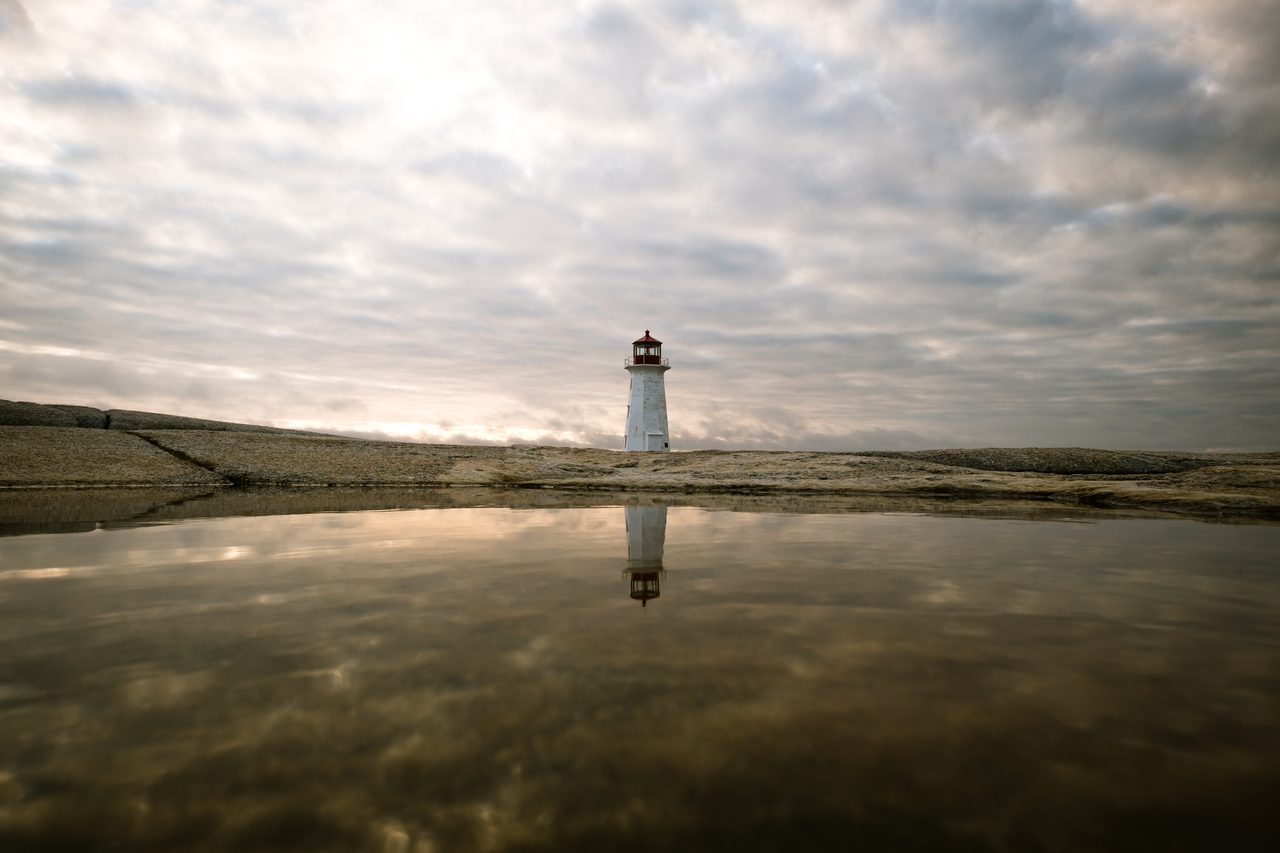
If you want the slower, salt-air version of a Canadian summer, head east. The Cabot Trail in Cape Breton is one of the great coastal drives anywhere (plan a full day, minimum), Peggy’s Cove is as photogenic as promised — go early, because the tour buses arrive by 10 AM, and I showed up at 11 AM once. Never again — and PEI is all red-sand beaches, lobster suppers, and Anne of Green Gables everything. The ocean is genuinely swimmable by August if you’re brave, and the seafood is the best value on the continent. I’ll be honest: Atlantic Canada is the region I underestimate every time and love every time.
Summer festivals worth planning the whole trip around
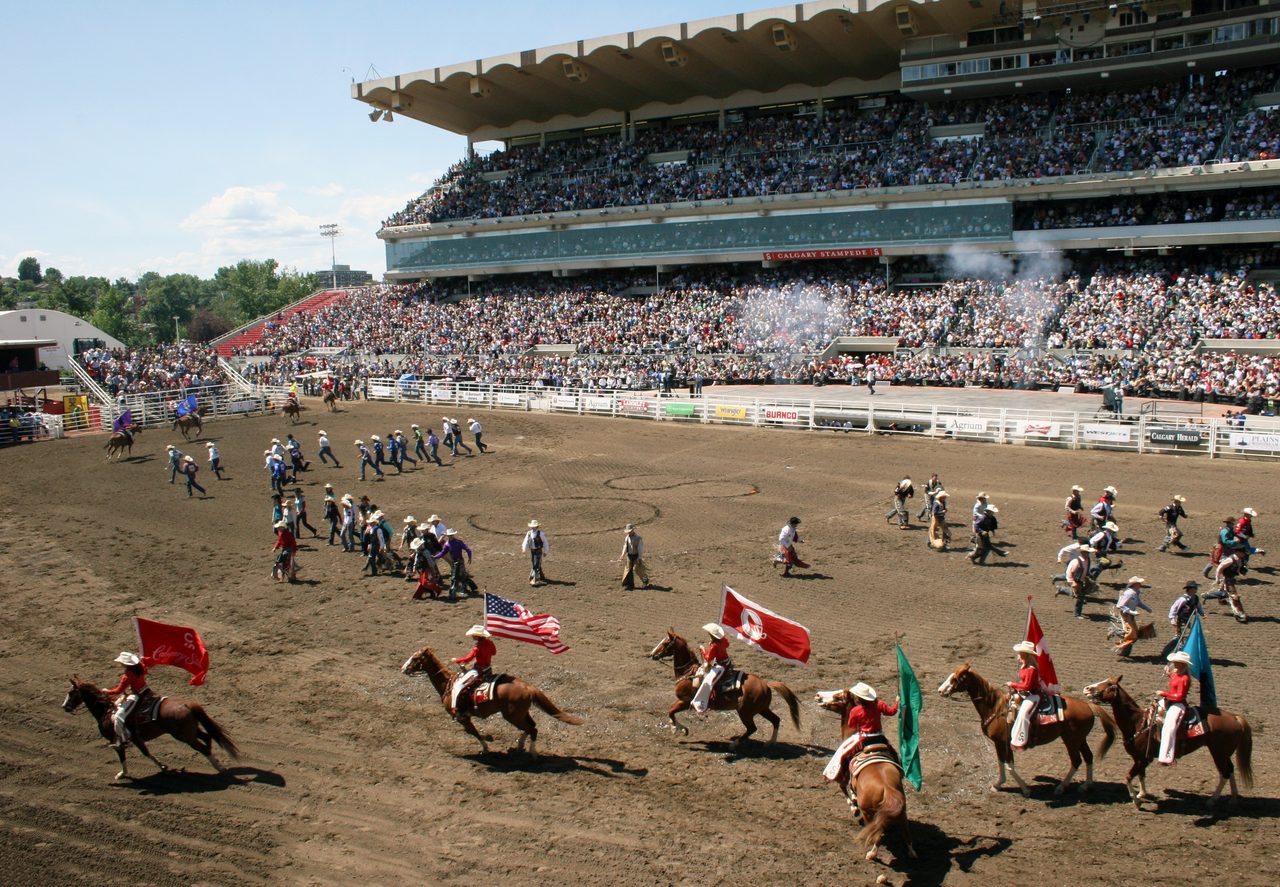
Canada does summer festivals at a scale that honestly surprised me, and I’ve built entire trips around three of them:
- Calgary Stampede — July 3–12, 2026 (“The Greatest Outdoor Show on Earth”). Ten days of rodeo, chuckwagon races, concerts, midway rides, and free pancake breakfasts all over the city. 2026 general admission was $28 (ages 13–64), $17 for seniors and kids 7–12, free under 7 — rodeo and evening-show tickets cost extra. The rodeo dust, the crowds, the sheer western maximalism of it all: even as a city person, I was converted. → calgarystampede.com
- Montreal International Jazz Festival — June 25–July 4, 2026. The world’s largest jazz festival, 350+ concerts across downtown Montreal, and the majority of them free — the free outdoor stages in the Quartier des Spectacles are the move. → montrealjazzfest.com
- Toronto Caribbean Carnival — Grand Parade August 1, 2026. Mas bands, soca, steelpan, and a parade down Lake Shore Boulevard that’s free to watch — over a million people line the route. Arrive early for a good spot; the energy is unreal. → torontocaribbeancarnival.com
- Canada Day — July 1. If your trip overlaps, every city throws a party: fireworks, concerts, and flag-waving on Parliament Hill in Ottawa or the waterfront in pretty much every other city. Plan around the crowds (hotels book out) or plan because of them.
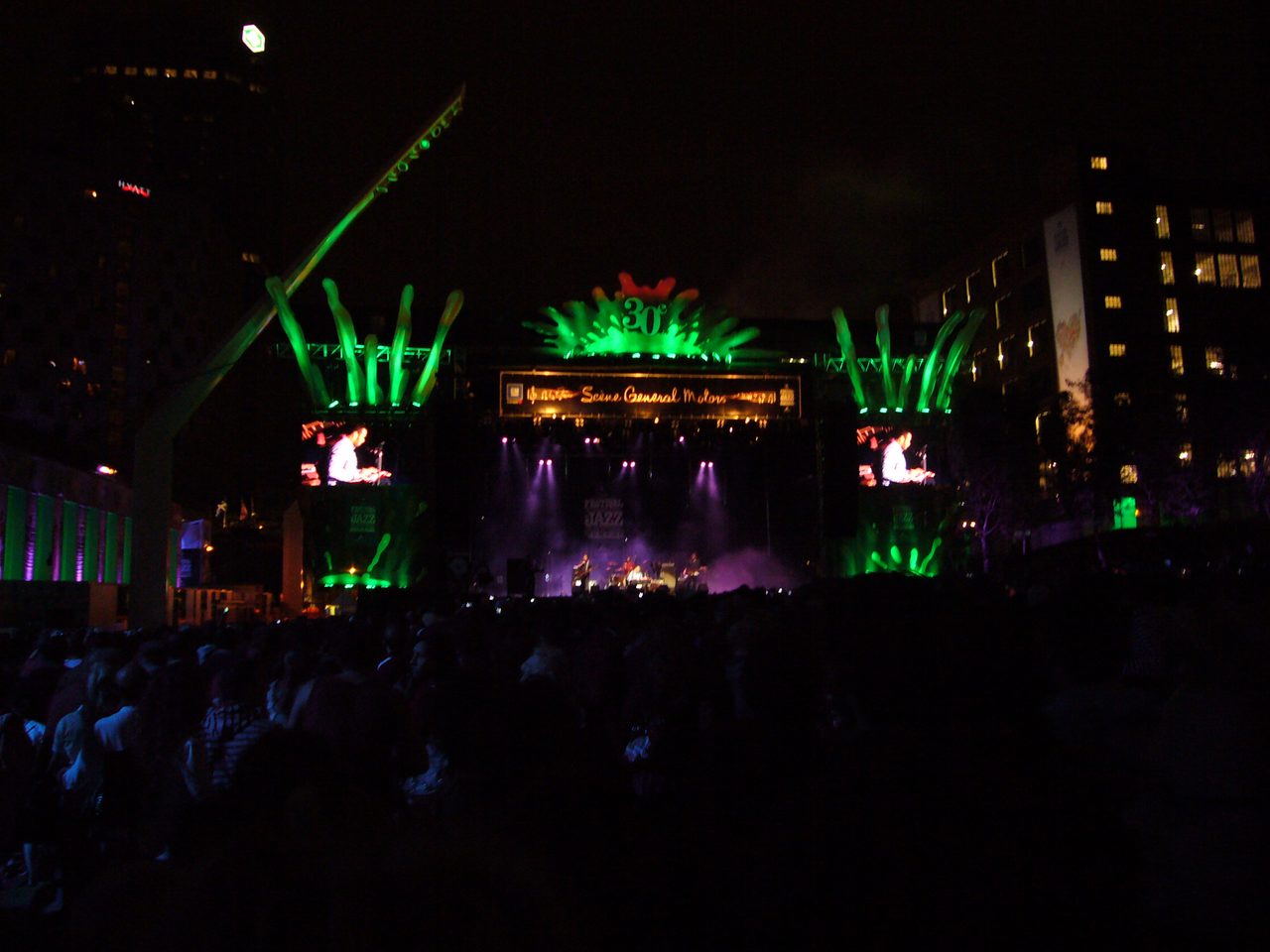
Pro tip from my festival spreadsheet tab: festival weeks mean sold-out hotels and premium prices, so book accommodation the moment you commit to dates — then plan the fun stuff.
Outdoor adventures: whales, hikes & glacial lakes
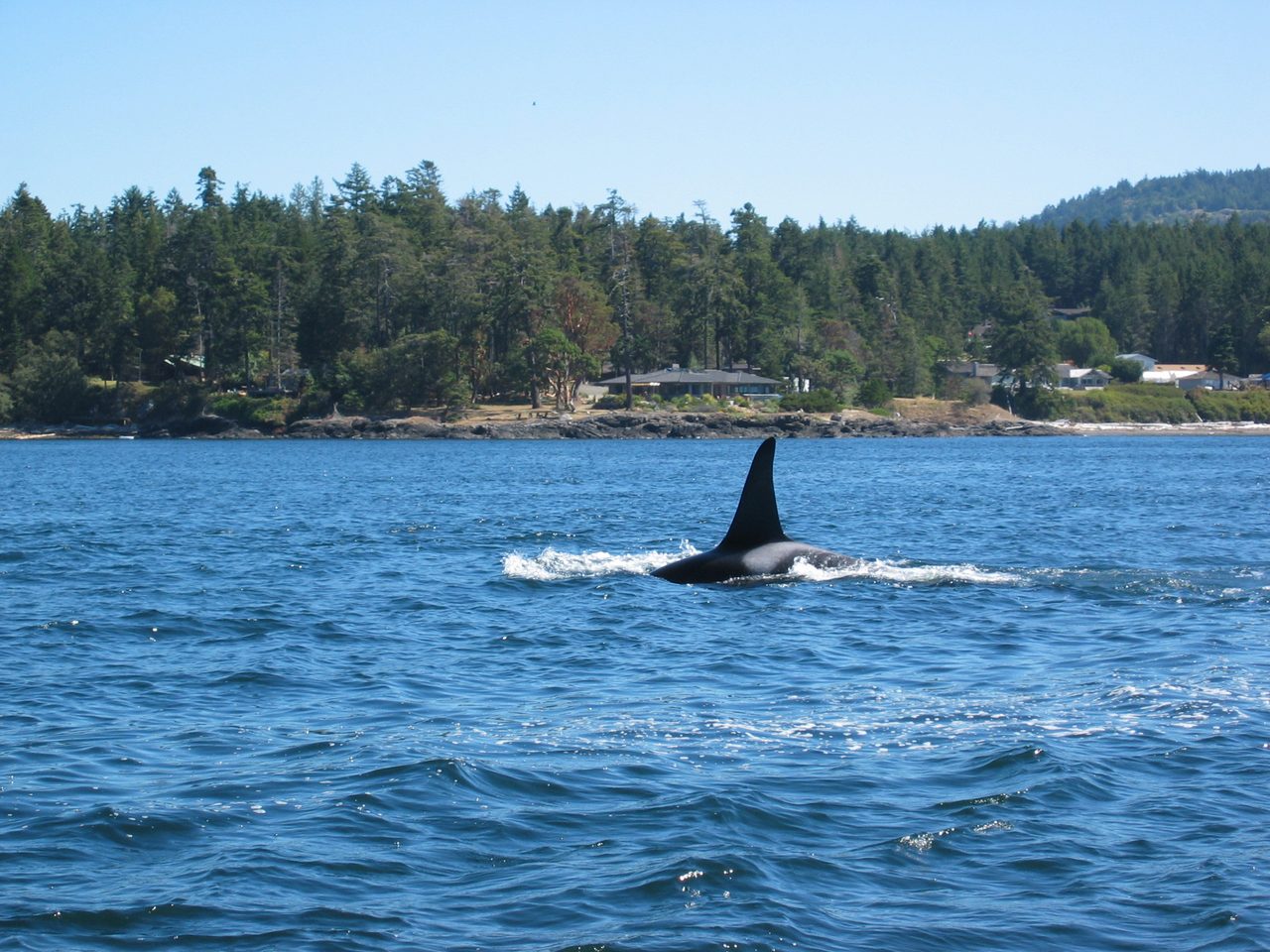
Summer is when Canada’s outdoors are fully unlocked, and these are the experiences I’d prioritize:
- Whale watching. Orcas off Victoria and Vancouver Island (peak June–September), belugas and humpbacks in the St. Lawrence near Tadoussac, Quebec, and humpbacks off Newfoundland. Book a morning tour — the water is calmer, and I’ve had my best sightings before 10 AM.
- Hiking. The Rockies have the headline trails (Plain of Six Glaciers, the Lake Agnes Teahouse trail, Johnston Canyon), but don’t sleep on Gros Morne in Newfoundland, the West Coast Trail’s day-hike sections, or Quebec’s Parc national de la Gaspésie. Start early — trailhead parking in Banff fills by 8 AM in July, and I’m saying this as someone who has circled a full lot at 9:30.
- Canoeing and kayaking. A dawn paddle on Moraine Lake or Maligne Lake is the single most peaceful hour I’ve spent in the Rockies. Rentals run ~$100+/hour at the lakes (estimate — pricey, worth it once), or bring your own to quieter provincial-park lakes.
- The national parks pass math. If you’re hitting multiple parks, the Parks Canada Discovery Pass (2026: $83.50 adult / $167.50 family-group / $71.50 senior, valid 12 months at 80+ parks and historic sites) beats daily fees fast — it pays for itself in about 7 park days. I double-checked the 2026 rates on parks.canada.ca before publishing; confirm there before you buy, since fees adjust annually.
What a summer trip to Canada costs
Canada in summer is peak season, so budget honestly — then enjoy it. Sample daily costs per person, mid-range, based on 2026 pricing (items marked ~ are estimates):
| Item | Cost (CAD) |
|---|---|
| Mid-range hotel (double, per night) | ~$150–250 |
| Hostel dorm / budget private room | ~$50–120 |
| Food & drinks | ~$60–90 |
| Car rental (per day, booked early) | ~$80–130 |
| Parks Canada Discovery Pass (annual, per adult) | $83.50 |
| Lake Louise / Moraine Lake shuttle (per adult) | ~$12.75 |
| Calgary Stampede general admission | $28 |
| Montreal Jazz Festival (most outdoor concerts) | Free |
| Mid-range daily total | ~$250–400 |
The biggest money-savers: book flights and hotels 3–4 months out for July–August, cook some meals (grocery costs are sane), and lean on the free stuff — of which Canada has an enormous amount (hiking, beaches, festival stages, the Toronto Islands ferry is cheap). If budget is the priority, read our cheapest time to visit Canada guide — summer is glorious, but shoulder season is cheaper.
Practical tips that will save your trip
- Book the big three early: national park shuttles (Parks Canada reservations opened April 15, 2026 for the summer season), festival-week hotels, and rental cars. Summer Canada rewards planners — this is my whole personality and also genuinely good advice.
- Distances are enormous. Toronto to Calgary is a 4-hour flight or a 3-day drive. Don’t try to “do” the whole country in a week; pick one coast (or the Rockies plus one city) and do it well. Our Ultimate Canada Travel Guide has sample route lengths if you’re tempted to over-plan (I see you).
- Layer, always. Mountain mornings, coastal fog, and air-conditioned everything mean you’ll use a fleece in July. See the packing list below.
- Buy the park pass before the gate. You can purchase the Discovery Pass online or at park entrances — having it on the dashboard saves the gate-line shuffle.
- Mosquitoes and black flies are real in northern and forested areas in June and early July. Pack repellent. I skipped it once on a lakeside trail and spent the afternoon as a buffet. Never again.
- Tipping: 15–20% at restaurants is the norm across Canada — budget for it.
The Canada summer packing list
- Layers: t-shirts, a fleece or light sweater, and a packable rain jacket (mountain weather changes fast)
- Comfortable broken-in walking shoes plus one pair of real hiking shoes if you’re hitting trails
- Swimsuit — yes, really (lakes in August, hotel pools, Tofino hot springs)
- Sun protection: sunscreen, sunglasses, hat — the northern sun is stronger than you’d think, and I burn every single June
- Insect repellent and after-bite cream
- A daypack, reusable water bottle, and a dry bag or ziplock for boat days and waterfall mist
- Power adapter if you’re coming from outside North America (Canada uses Type A/B plugs, 120V)
For the full checklist, see our what to pack for a Canada trip guide.
FAQs about visiting Canada in summer
What is the best month to visit Canada in summer?
It depends on your priorities. July is the warmest with the biggest festivals (Calgary Stampede, Montreal Jazz Festival) but also the biggest crowds. June has the longest days, lush landscapes, and fewer tourists — though some high mountain trails are still snowy. August is best for swimming and whale watching, with a higher chance of wildfire smoke in BC and Alberta. For a deep dive on one peak month, see our Canada in July guide.
Is summer the best time to visit Canada?
For most travelers, yes — it’s the only season when everything is open: mountain roads and shuttles, whale-watching tours, patios, and the festival calendar. The trade-offs are peak prices and peak crowds, especially July–August. If you’d trade a little warmth for lower prices and thinner crowds, shoulder season (May–June, September) is worth a look.
How hot does Canada get in summer?
It varies hugely by region. Southern Ontario and Montreal regularly hit 25–30°C+ (77–86°F+) with humidity; Vancouver and Victoria sit in a comfortable 20–25°C (68–77°F); the Rockies run 18–24°C (64–75°F) in the valleys with cool nights; Atlantic Canada is cooler at 18–24°C (64–75°F) with coastal fog. Pack layers no matter where you’re going.
Do I need to book national park shuttles in advance?
Yes — for the popular ones, absolutely. The Parks Canada shuttle to Lake Louise and Moraine Lake requires reservations (2026 bookings opened April 15, with remaining seats released 2 days ahead at 8 AM), and advance seats sell out quickly in July and August. The road to Moraine Lake is closed to private vehicles, so the shuttle is the only way in. Always confirm the current system on Parks Canada’s official site, since it changes year to year.
What should I pack for summer in Canada?
Layers are the whole game: t-shirts plus a fleece and a packable rain jacket, broken-in walking shoes, a swimsuit, sun protection, and insect repellent. Mountain mornings and coastal evenings can be chilly even in July, so don’t pack like it’s only beach weather. See the full packing list above and our Canada packing guide.
Is summer an expensive time to visit Canada?
Yes — summer is peak season, so expect the highest hotel rates and flight prices of the year, especially July–August and festival weeks. Budget roughly $250–400 CAD per person per day mid-range (see the cost table above). Booking accommodation and rental cars 3–4 months ahead, cooking some meals, and leaning on free activities (hiking, beaches, free festival concerts) keep costs in check.
1 comment