
Last updated: October 3, 2026
The short answer
- Day 1: I walk the UNESCO Old Town (founded 1753 — do not skip the Lunenburg Bump spotting), tour the Fisheries Museum of the Atlantic (~$14.50 adult), and catch sunset over the harbor.
- Day 2: A 2-hour sail aboard the Bluenose II (~$100 — worth every penny, book months ahead), then tastings at Ironworks Distillery in the old marine blacksmith shop.
- Day 3: Sunrise and a guided kayak paddle at Blue Rocks, the famous three churches of Mahone Bay, and a farewell seafood dinner back in Lunenburg.
Three days in Lunenburg is the sweet spot — trust me on this one. I’ve done the whirlwind day-trip version (a mistake I will not repeat) and the longer version, and 72 hours lands exactly right: one full day for the UNESCO Old Town, one for the Bluenose II and the town’s legendary food scene, and one for Blue Rocks and Mahone Bay. Everything below uses 2026 prices and hours checked in October 2026, and I wrote it for the summer/early-fall season when everything is actually open (more on that below — fair warning, it’s a seasonal town).
Getting to Lunenburg: the 90-minute drive from Halifax
Here’s the thing about getting to Lunenburg: it’s easy, but don’t overthink it. Most people fly into Halifax Stanfield International Airport, rent a car, and take Highway 103 south to Exit 11 — about 90 minutes door to door. If you’re not in a rush, peel off onto the Lighthouse Route (Highway 329) for the scenic crawl through fishing hamlets; it’s slower, and that’s the point. My spreadsheet had a whole tab for this, obviously.
No car? Maritime Bus runs Halifax–Lunenburg coaches (about 2.5 hours), so the trip is doable without driving — you’ll just want to book accommodation close to the waterfront, because those hills are no joke (more below). Pairing this with city days? See our 3-day Halifax itinerary or the full Nova Scotia road trip itinerary.
Best time to visit Lunenburg (and is 3 days enough?)
June through September is when Lunenburg is fully awake: the Bluenose II is sailing, the Fisheries Museum is open daily, patios are out, and the live music scene is in full swing. July and August bring the best sailing weather; late September trades some opening hours for fall color, harvest-season seafood, and thinner crowds. I checked the Fisheries Museum’s official page before my trip — it’s open daily 9:30 AM–5:00 PM from May to October, and it’s genuinely seasonal, so a November visit would have been a very different (very quiet) trip.
Is 3 days enough? Yes — one day for the town, one for the water, one for Blue Rocks and Mahone Bay. Two days feels rushed (see our 2-day Lunenburg itinerary or 1-day Lunenburg itinerary for tighter versions), and three is how long it takes to stop checking your watch and start watching the boats.
Where to stay: book something within walking distance of the harbor. Old Town B&Bs in restored 18th-century houses are the move for character; mid-range runs roughly ~$150–250/night in summer (estimate, before taxes). See our best hotels in Lunenburg guide for the full breakdown — and here’s my one lodging pro tip: verify the parking situation before you book, because central parking in summer is a genuine headache. Also, read our seasonal guide to visiting Lunenburg if you’re debating spring vs. fall.
Day 1: Old Town, the Lunenburg Bump, and the Fisheries Museum

9:00 AM — Walk the UNESCO Old Town (free)
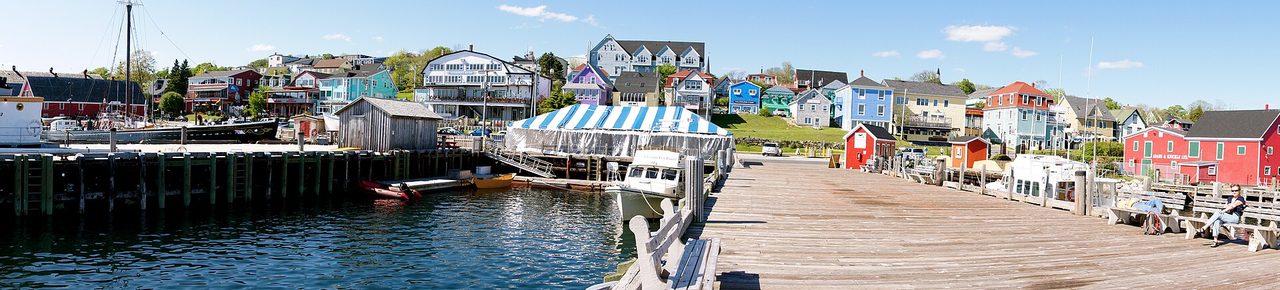
Old Town Lunenburg was founded in 1753 by German, Swiss, and French settlers recruited by the British, and it was inscribed as a UNESCO World Heritage Site in 1995 — the best surviving example of a planned British colonial settlement in North America. About 2,300 people live here, and the whole Old Town is walkable end to end in under 20 minutes (the hills make it feel longer — pack shoes with real grip, I’ll be honest, I learned this the sweaty way).
Start on Montague and Lincoln Streets and play spot-the-Lunenburg Bump: the oversized dormer that juts out over the front door, built by wealthy ship captains to show off their craftsmanship. Legend says captains’ wives watched for returning ships from those windows. You can’t unsee them once someone points them out — a walking-tour guide showed me on my first visit, and now they’re all I look at.
Do a guided walking tour if you can (about 90 minutes, rain or shine — every local I asked said the same thing: the guides are storytellers). The tales of rum-running and the fishing fleet’s history make the architecture come alive in a way plaques never do.
12:30 PM — Lunch on the wharf
By noon you’ll smell fried fish from halfway up the hill. Grab a lobster roll or fish and chips on the waterfront — the local shacks get their catch daily, and the meat is so sweet it barely needs mayo. The Salt Shaker Deli is a local staple (and my personal do-not-skip), and The Fish Shack does some of the best fish and chips on the water. Budget ~$15–25 per person for a casual waterfront lunch.
2:00 PM — Fisheries Museum of the Atlantic (adult ~$14.50)
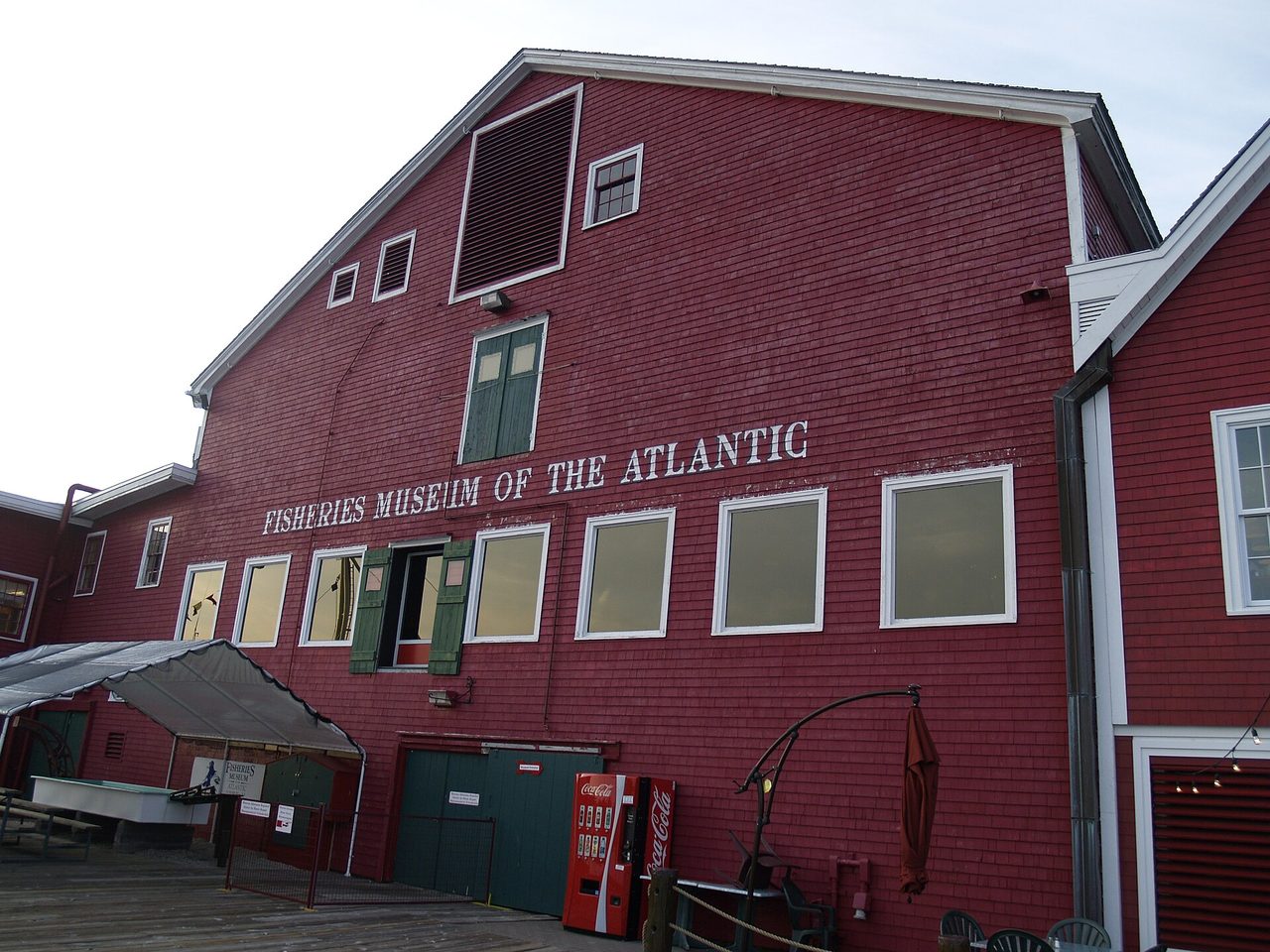
You can’t miss the bright red buildings at 68 Bluenose Drive — and you shouldn’t. The Fisheries Museum of the Atlantic is one of those museums that over-delivers: exhibits on the cod fishery and shipbuilding, a working aquarium with Atlantic cod and giant lobsters, and — the highlight — you can board retired fishing schooners at the wharf, including the schooner Theresa E. Connor (launched 1937). I spent a solid two and a half hours and chatted with a former captain who had opinions about everything. Allow 2–3 hours.
Practical notes (checked October 2026): open daily 9:30 AM–5:00 PM, May to October. Admission is roughly ~$14.50 adult / ~$12 senior / ~$9 student / ~$4 child (6–17) — I double-checked the seasonal dates on the official site before I went, and it’s worth noting the museum is fully seasonal, so don’t show up in February expecting the same experience. → Fisheries Museum of the Atlantic — official hours & admission
4:30 PM — St. John’s Anglican Church and the harbor overlook
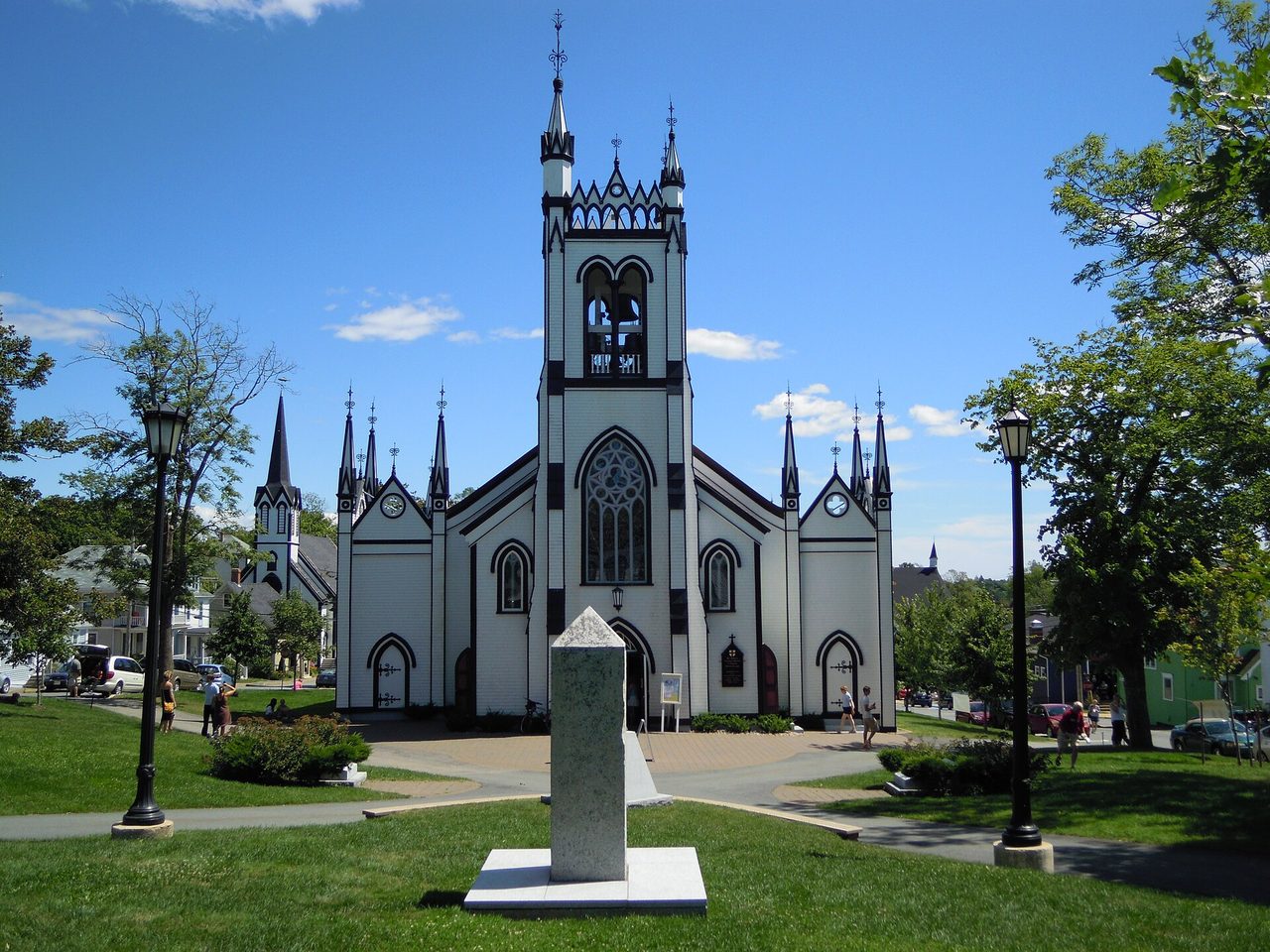
St. John’s Anglican Church, founded in 1754, anchors the Old Town skyline with its tall spire (the current building is a meticulous restoration after a devastating 2001 fire). From here, climb a block or two uphill — the town rises straight up from the harbor — and look back: the grid of colorful houses stepping down to the water is the postcard shot, and golden hour makes the colors glow. Then do what I did: drive or walk across the harbor to Golf Course Road for the full waterfront panorama, the reflection shot every photographer wants.
7:00 PM — Sunset dinner
Watch the harbor turn pink over seafood chowder and bacon-wrapped scallops. The Salt Shaker Deli again if you loved lunch, or splurge at Lincoln Street Food, which runs a small seasonal menu off what’s available from local farms and boats — every meal there feels like it only exists for one evening. Budget ~$30–55 per person for a sit-down seafood dinner.
Day 1 spending: museum ~$14.50 + food ~$45 ≈ ~$60 (excluding hotel).
Day 2: Sailing the Bluenose II and Ironworks Distillery
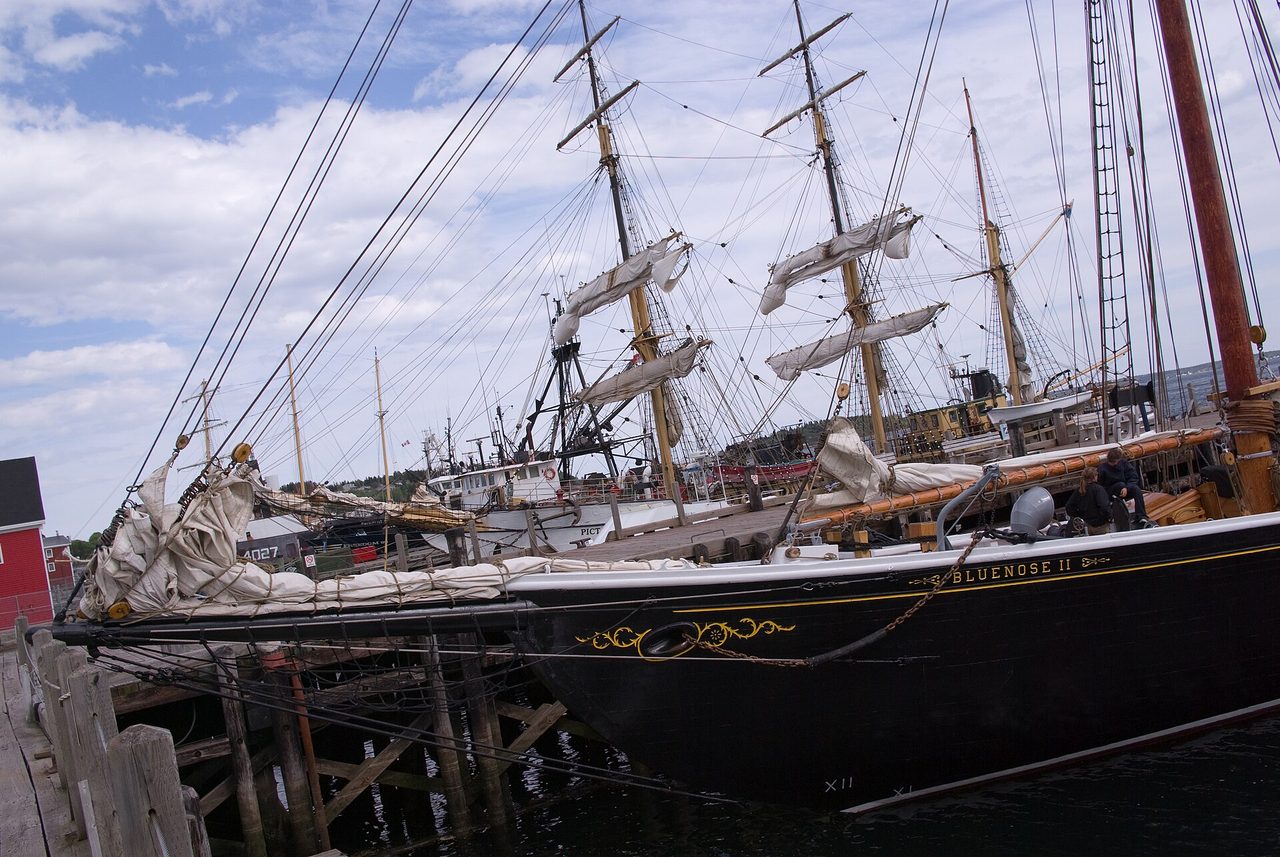
10:00 AM — Sail aboard the Bluenose II (~$100, 2-hour sail)
This is the day — and I’ll be honest, it’s the thing I’d plan the entire trip around. The Bluenose II is a faithful replica (launched 1963, built to the identical plans) of the original Bluenose, the undefeated racing schooner from 1921 that’s pictured on the Canadian dime. Nova Scotia’s sailing ambassador spends the summer in home port, doing 2-hour harbor sails twice daily when in Lunenburg.
Book months ahead for summer sails — I checked the official schedule in spring, and the popular dates were already going. The sail runs roughly ~$100 per person (estimate; weather-dependent, and schedules change yearly, so confirm on the official site). If the ship is away at another port (it visits Halifax, Yarmouth, and Peggy’s Cove most summers), the consolation prize is genuinely good: when she’s docked, you can walk the upper deck for free, usually in the late afternoon — I did this the day I arrived and watched the crew work the rigging while the sun dropped. Worth every penny either way.
1:30 PM — Ironworks Distillery tasting (tastings free)
A five-minute walk from the waterfront, Ironworks Distillery sits in the old marine blacksmith shop (opened to the public in 2010) — and you can still see the original forge inside. They make small-batch rum, gin, vodka, and fruit liqueurs from Maritime produce; the Bluenose Rum is the signature pour. Tastings are free, and the guides are the fun kind of knowledgeable. → Ironworks Distillery — official site
Fair warning: tours run seasonally — winter visitors have found tastings but no public tours, so check ahead if you’re off-season.
3:30 PM — Artisan shopping on Montague and Lincoln Streets
Lunenburg’s artisan scene is the real deal: hand-knit wool sweaters, jewelry from beach-found stones, nautical folk art. Most shops are run by the artists themselves — duck into the side alleys and you’ll find wood-carving studios and tiny galleries tucked between the captains’ houses. This is souvenir shopping I actually enjoy (and my spreadsheet has a gift-buying tab; I’m not proud, but I’m prepared).
7:00 PM — Live music evening
Lunenburg has a proper pub scene in summer — fiddles, folk singers, and pints of local craft beer. Ask your innkeeper or a bartender where the music is tonight (every local I asked pointed me somewhere different, and every one was right). Order a flight of local craft beer, lean back, and let the community vibe do the work. This is the best way to feel like a temporary local.
Day 2 spending: Bluenose II sail ~$100 + food ~$50 ≈ ~$150 (excluding hotel).
Day 3: Blue Rocks sunrise, kayaking, and Mahone Bay
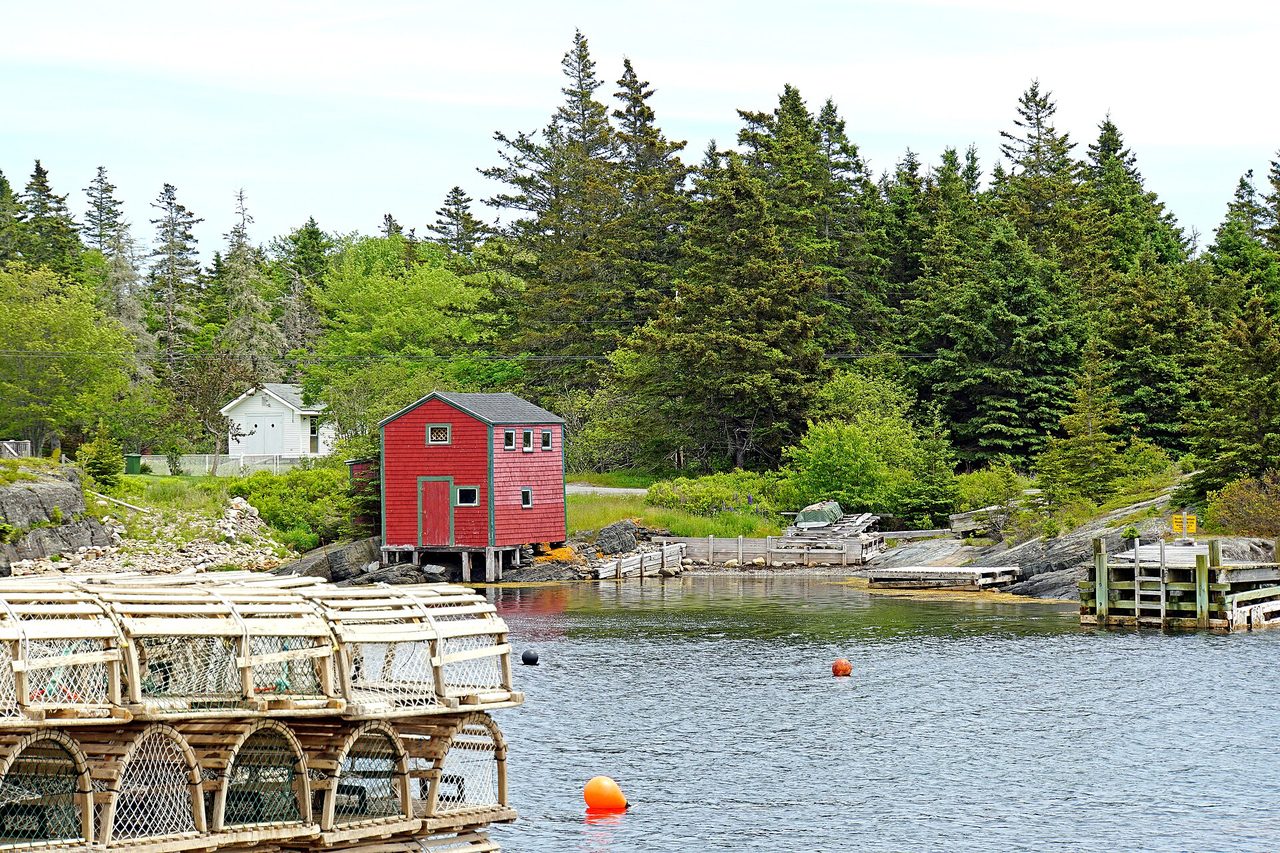
6:30 AM — Sunrise at Blue Rocks (free)
Set the alarm once — it’s worth it. Blue Rocks, about 10 minutes from Lunenburg, is a working fishing village of blue-grey slate rocks and bright yellow fishing huts, and at sunrise the water goes glassy and the whole cove glows. People call it “Peggy’s Cove without the crowds,” and I’ll be honest, I like it better. I stood there with my coffee and watched the mist burn off the water while a lobster boat puttered out past the point. Do not skip this.
9:00 AM — Guided sea-kayak paddle at Blue Rocks
Pleasant Paddling, based right in Blue Rocks village, runs guided sea-kayak tours through the rocky inlets — the “Paddle to the Seals” outing is the classic, about 2.5 hours on protected waterways past islands, seals, herons, and osprey nests. Beginner-friendly, and the guides fold in local history as you go. I double-checked their seasonal schedule before booking — they run through the summer season, so confirm dates if you’re shoulder-season. → Pleasant Paddling — official site
12:30 PM — Mahone Bay’s three churches
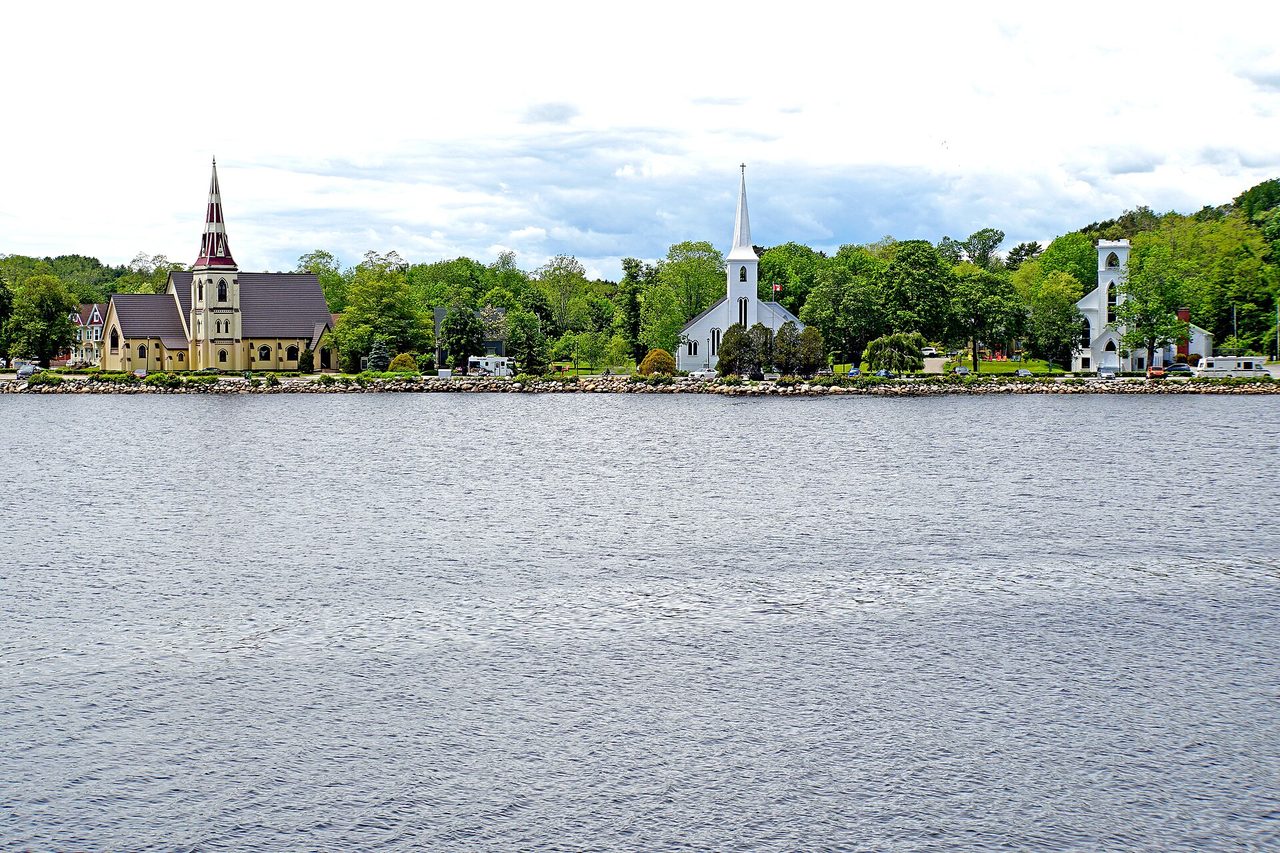
Drive 15 minutes to Mahone Bay for one of the most photographed views in Canada: three historic churches — St. James Anglican, St. John’s Lutheran, and Trinity United — standing side by side at the edge of the harbor. The town has a different, more garden-town feel than Lunenburg. Wander Main Street’s whimsical shops and cafes, grab a ginger cookie or a piece of “Donkey Grist” from a local bakery, and stroll the waterfront walking trails.
4:00 PM — Lunenburg Academy and golden hour
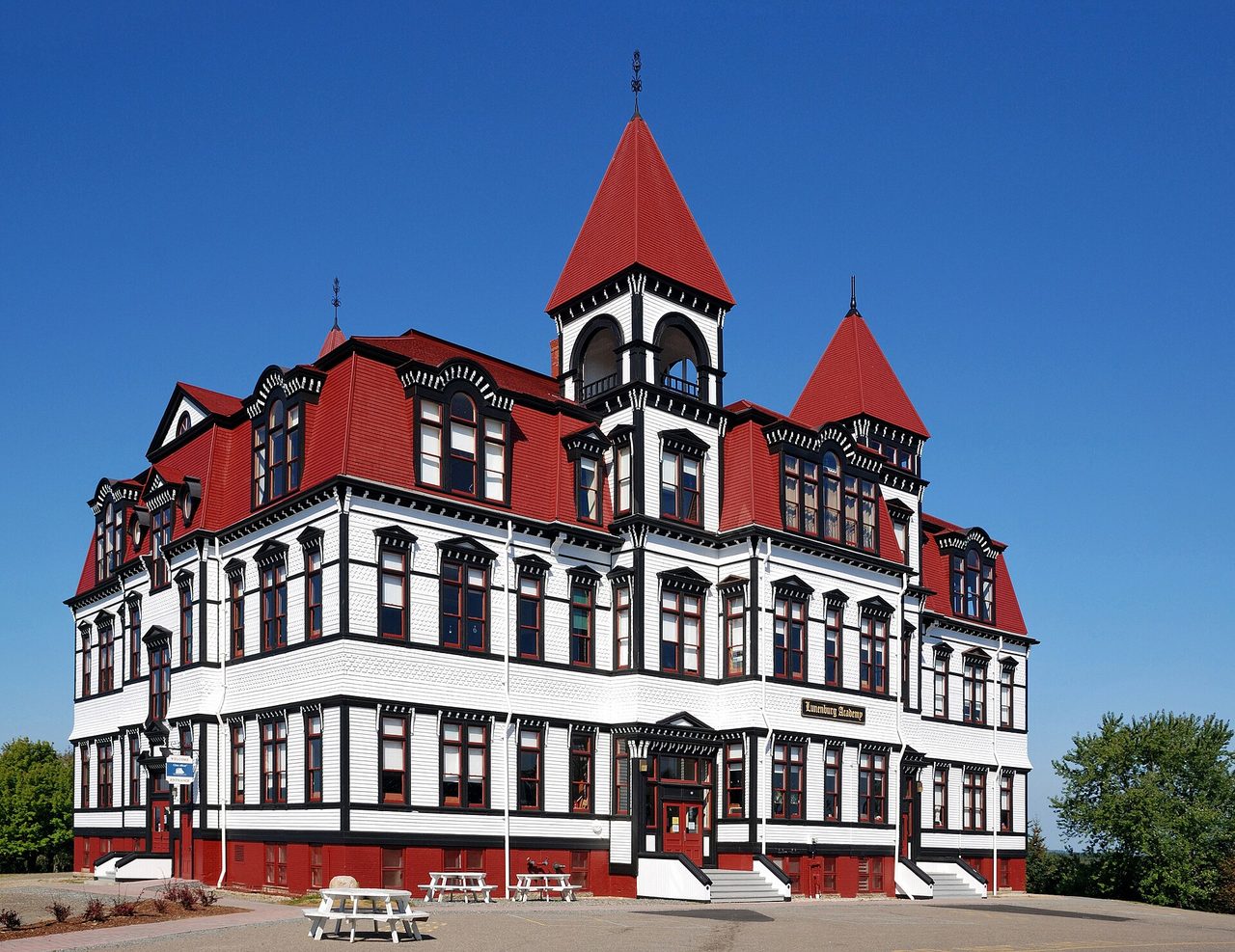
Back in Lunenburg, swing by the Lunenburg Academy (built 1895) — the ornate Victorian schoolhouse is one of the town’s signature buildings and now houses local arts organizations. Then spend golden hour doing the photographer thing: the low light hitting the wooden houses on Montague Street makes the colors pop, and since the harbor water is usually still at that hour, the reflections are perfect. Get the detail shots too — bright doors, brass knockers, flower boxes. Those tell the town’s story as well as the wide harbor views.
7:00 PM — Farewell dinner at Lincoln Street Food
End where the town’s food scene peaks: Lincoln Street Food for the seasonal small-plate menu, or Beach Pea Kitchen & Bar for a Mediterranean-inflected take on local seafood. Raise a glass of Ironworks-distilled something (bought that afternoon, obviously) to three days well spent.
Day 3 spending: kayak tour ~$80–110 (estimate) + food ~$45 ≈ ~$125–155 (excluding hotel).
Where to eat in Lunenburg: 3-day shortlist
- The Salt Shaker Deli — waterfront staple; Ocean Wise certified seafood, famous chowder and scallops. My do-not-skip.
- Lincoln Street Food — the special-night-out pick; small seasonal menu driven by local farms and boats.
- The Fish Shack — best low-key fish and chips; eat outside and watch the boats.
- The Grand Banker — the spot for Digby scallops.
- Beach Pea Kitchen & Bar — upscale farewell-dinner energy with Mediterranean-leaning seafood.
- Shop on the Corner / No. 9 Coffee Bar — morning coffee and house-made pastries; the cinnamon rolls are locally famous.
How much does 3 days in Lunenburg cost?
Sample budget per adult, excluding hotel (prices checked October 2026; items marked ~ are estimates):
| Item | Cost (CAD) |
|---|---|
| Fisheries Museum of the Atlantic (adult) | ~$14.50 |
| Bluenose II 2-hour harbor sail | ~$100 |
| Blue Rocks guided kayak tour | ~$80–110 |
| Food & drinks, 3 days | ~$140–170 |
| Fuel for Halifax day-trip driving | ~$25 |
| Total | ~$360–420 |
Mid-range hotels run roughly ~$150–250/night in summer — see our best hotels in Lunenburg guide.
Timeline at a glance
| Day | Morning | Afternoon | Evening |
|---|---|---|---|
| Day 1 | UNESCO Old Town walk + Lunenburg Bump spotting (free) | Fisheries Museum (~$14.50) + St. John’s Anglican Church | Sunset seafood dinner |
| Day 2 | Bluenose II sail (~$100, 2h) | Ironworks Distillery tasting + artisan shopping | Live music & craft beer |
| Day 3 | Blue Rocks sunrise + guided kayak paddle | Mahone Bay’s three churches + Lunenburg Academy | Farewell dinner at Lincoln Street Food |
FAQs about spending 3 days in Lunenburg
Is 3 days enough for Lunenburg?
Yes — three days is the sweet spot. Day 1 covers the UNESCO Old Town and the Fisheries Museum, Day 2 is the Bluenose II sail plus distillery tastings and shopping, and Day 3 reaches Blue Rocks and Mahone Bay. With only 1–2 days, see our 1-day Lunenburg itinerary or 2-day Lunenburg itinerary.
Do I need a car for 3 days in Lunenburg?
It helps a lot, but it’s not required. Lunenburg itself is entirely walkable (the whole Old Town spans about 20 minutes on foot), but Blue Rocks and Mahone Bay are 10–15 minutes out by road. Fly into Halifax Stanfield, rent a car, and drive Highway 103 south (~90 minutes). Car-free, Maritime Bus runs Halifax–Lunenburg coaches in about 2.5 hours.
How much does 3 days in Lunenburg cost?
Budget roughly $360–420 CAD per adult excluding hotels (October 2026 prices): about $195–225 in activities (Fisheries Museum ~$14.50, Bluenose II sail ~$100, kayak tour ~$80–110), ~$140–170 for food over three days, and ~$25 in fuel. Hotels run roughly $150–250/night in summer — see our best hotels in Lunenburg guide.
When does the Bluenose II sail in 2026?
The Bluenose II sails from its Lunenburg home port through the summer season, typically offering 2-hour harbor sails twice daily when in port, with guest appearances at other Nova Scotia ports (Halifax, Yarmouth, Peggy’s Cove). The full schedule drops in spring and popular dates sell out — I checked the official schedule in spring before booking. When she’s docked, you can usually walk the upper deck for free in the late afternoon.
What is the Lunenburg Bump?
The “Lunenburg Bump” is the town’s signature architectural feature: an oversized, ornate dormer that juts out over the front door of many historic houses. Built by wealthy ship captains to show off shipbuilder craftsmanship, they’re one of the details that helped earn Old Town Lunenburg its UNESCO World Heritage status in 1995. Legend says captains’ wives watched for returning ships from those windows.
Can I do this itinerary in winter?
Partially. Lunenburg is a seasonal town: the Fisheries Museum is open May to October, the Bluenose II sails in summer, and many restaurants and shops keep reduced winter hours. Winter visits can be peaceful and atmospheric — the distillery tastings still run — but expect a quieter town and confirm every opening date before you go. Late September is the sweet compromise: fall color, harvest seafood, fewer crowds. See our seasonal guide to visiting Lunenburg.
1 comment