
Last updated: October 3, 2026

The short answer
- Paperwork first: Passport plus an eTA (flying in) or visa-waiver rules for US drivers, an International Driving Permit if your licence isn’t in English/French, and travel insurance — Canadian hospital bills are no joke.
- Respect the rig and the road: Winter tires are legally required in Quebec (Dec 1 – Mar 15) and on designated BC highways from Oct 1; gas up early and often, because the next station can be hours away.
- Plan the legs, then slow down: Parks Canada campgrounds sell out in January, the Discovery Pass ($83.50 adult / $167.50 family) pays for itself fast, and the best tip on this list costs nothing — stop at the pullouts.
I’ve driven enough of this country to know one thing: Canada rewards the prepared and humbles the optimistic. I took the “scenic route” outside Revelstoke once. It added an hour. Zero regrets — but that trip also taught me that a road trip across the second-largest country on Earth is a logistics exercise wearing a vacation costume. The Trans-Canada stretches roughly 7,800 km from Victoria to St. John’s, and between those ends sit wildlife, weather that flips in an afternoon, and distances your legs aren’t used to. Here’s everything I wish someone had told me before my first big Canadian run.
Before you turn the key: the boring stuff that saves trips

1. Get the paperwork straight before the border
International visitors flying into Canada need an eTA (electronic Travel Authorization) — it’s ~$7 CAD, applied for online, and I’ve seen people at check-in counters learn about it the hard way. Driving up from the US? A valid passport does it. Either way, bring a valid driver’s licence from home, and if it isn’t in English or French, get an International Driving Permit before you leave. It’s cheap, and a rental counter in Quebec may ask for it. I carry paper copies and phone photos of everything — licence, passport, insurance — because phones die at the worst possible moments. Mine did, at a border kiosk, at dusk. Fun times.
2. Treat the border like a job interview
US–Canada crossings are efficient and strict. Declare anything over $10,000 CAD, all firearms (just don’t bring them), pepper spray, and check the current rules on fresh produce and meat before you pack a cooler — agricultural fines are steep. Keep answers short and honest. The officers are doing their jobs; your job is to make it easy for them.
3. Buy travel medical insurance. Seriously.
Canadian hospitals are excellent and exceptionally expensive for non-residents. A sprained ankle on a trailhead can cost more than your flights. I’ve made this mistake so you don’t have to — on my first Rockies trip I rolled the dice without coverage and spent the whole drive to the trailhead hoping I wouldn’t slip. Get the insurance. It’s the cheapest peace of mind you’ll buy on the trip.
The rig: your car is your lifeboat
4. Winter tires aren’t a suggestion
Here’s the deal: in Quebec, winter tires are legally mandatory from December 1 to March 15 (fines run $200–$300 plus costs if you skip them — I double-checked this on the SAAQ’s own site before a December trip and learned the hard way that “all-season” is a marketing term, not a winter plan). The rule covers rental cars too — Québec-registered rentals must be equipped — but confirm it’s in writing before you leave the lot. → SAAQ winter tire rules, fines & dates (official) In BC, winter tires or chains are required on designated highways from October 1 (through March 31, extended to April 30 on high-snowfall routes — end dates vary by route, so check before you go; the fine is $121 if you’re caught without). → BC winter tire & chain requirements (official)
5. Gas up like you mean it
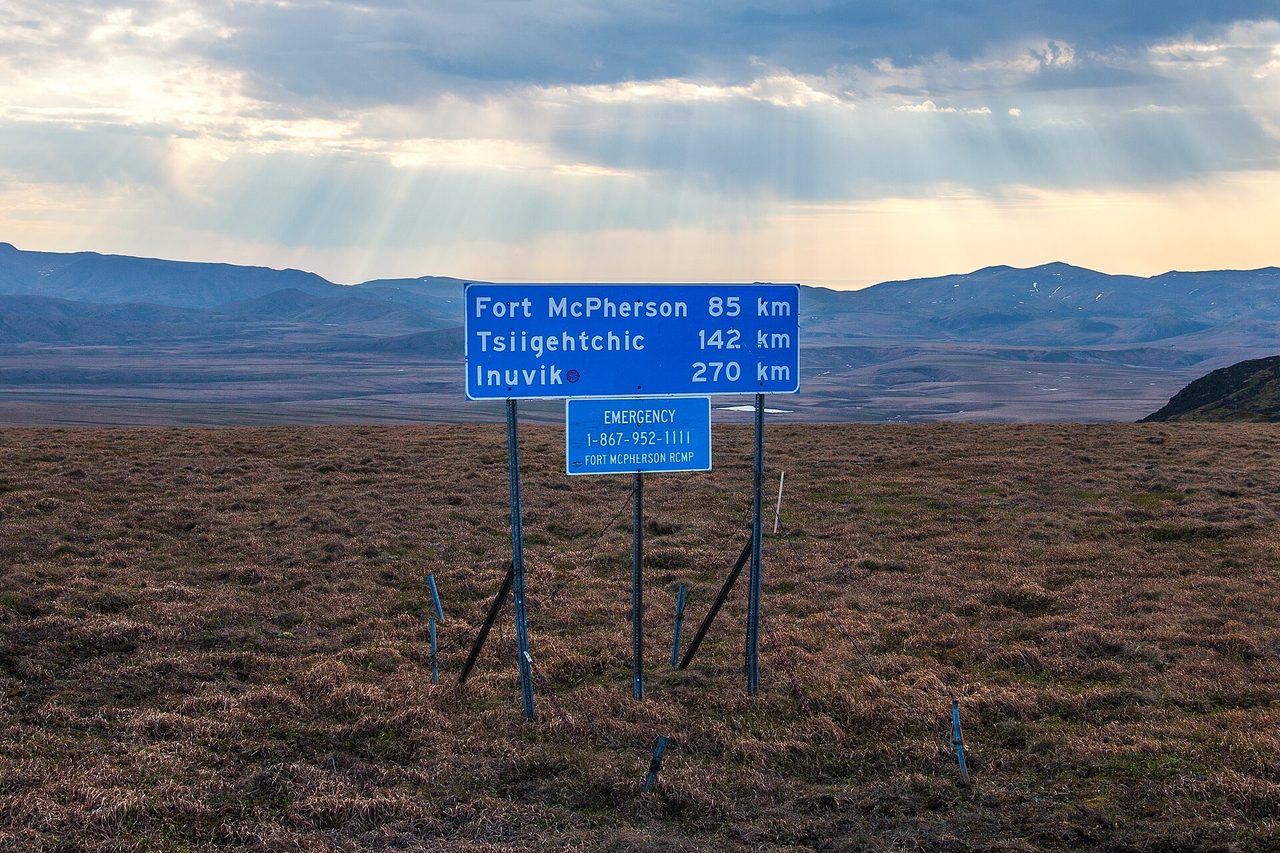
On the Icefields Parkway there are exactly two fuel stops: Saskatchewan Crossing and the ends. I watched my fuel gauge do something genuinely scary between Lake Louise and Saskatchewan Crossing because I got cocky leaving Jasper with three-quarters of a tank. Rule of thumb: when the gauge hits half and you see a station, stop. In northern Ontario, the Prairies at night, and especially the Dempster, “next gas” can be 200+ km away. I’ve made this mistake so you don’t have to.
6. EVs: fine on the main routes, sketchy in the north
The Trans-Canada corridor and most park towns now have decent charging, and an EV road trip through Banff and Jasper is genuinely doable. But north of the main corridors — the Dempster, northern BC, Newfoundland’s west coast — chargers thin out fast. Plan legs around confirmed chargers and build in buffer. If your route goes remote, take the gas car. No shame in it.
Picking your leg: the classic routes, honestly ranked
7. Match the route to your appetite
The heavy hitters, from the driver’s seat:
- Icefields Parkway (Highway 93), Alberta — 230 km. Banff to Jasper. The single best day of driving in Canada, no contest. Allow a full day; you’ll stop constantly. Gas up at both ends — I told you about Saskatchewan Crossing.
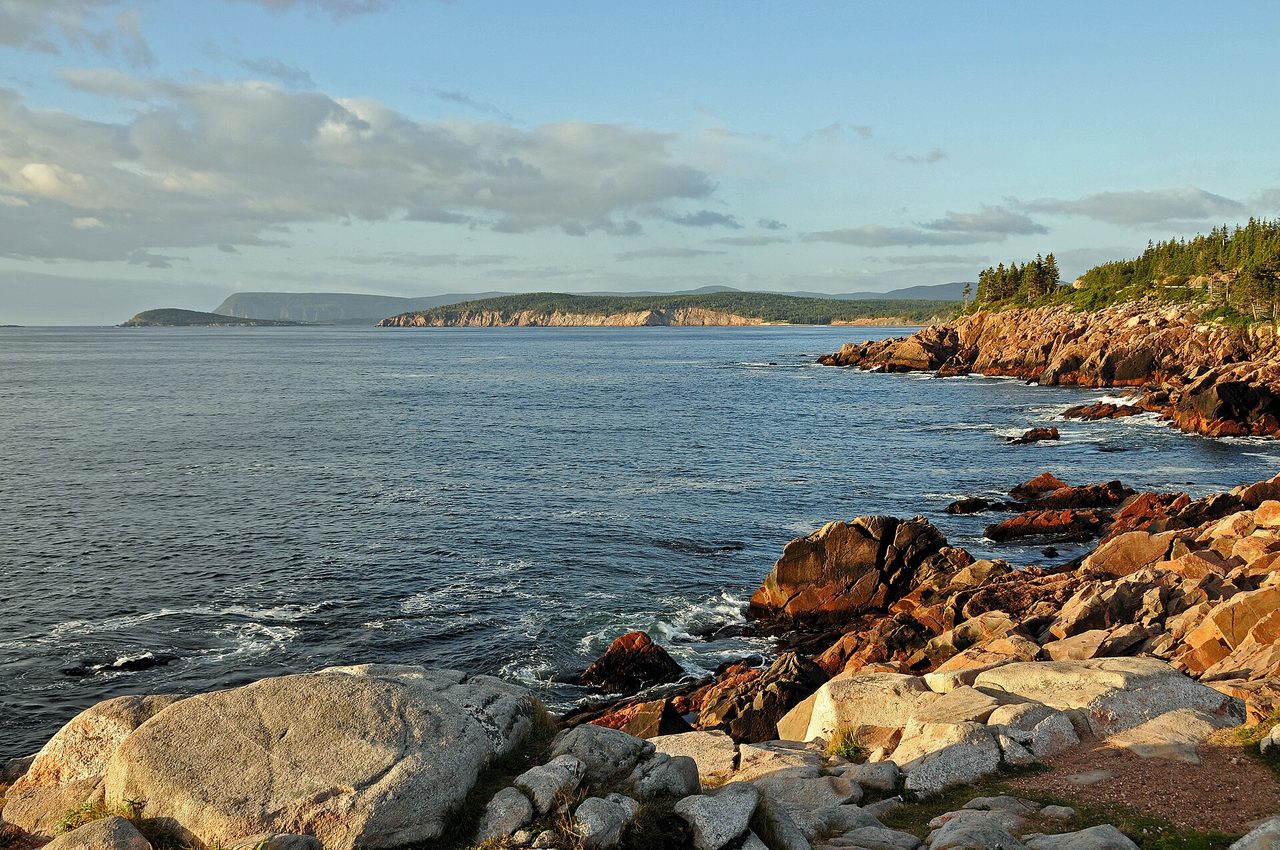
- Cabot Trail, Nova Scotia — ~298 km loop. Cape Breton’s cliff-edge loop, best driven counter-clockwise. Fall is glorious; summer is lively; watch for moose at dawn and dusk.
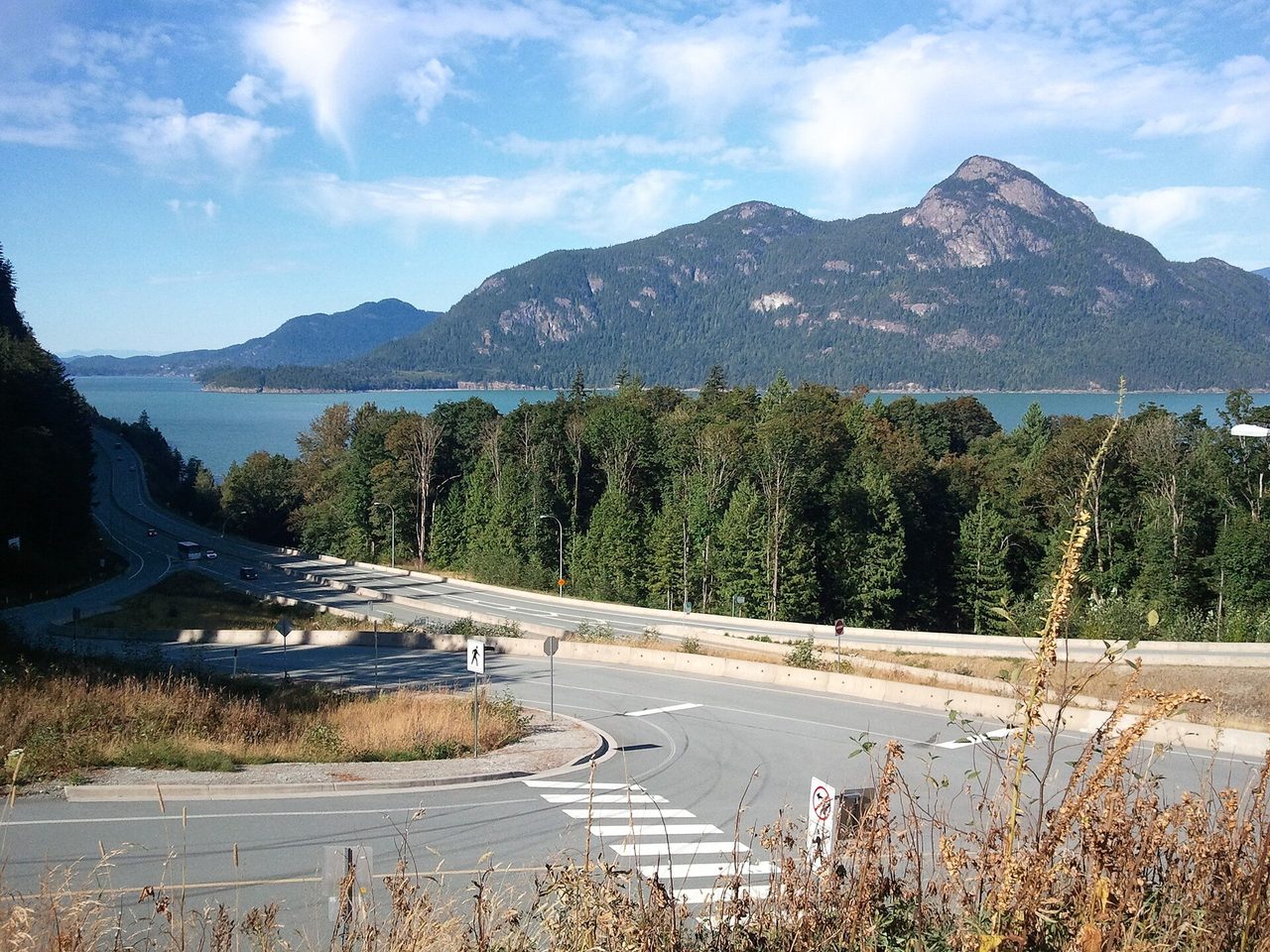
- Sea to Sky Highway (Highway 99), BC. Vancouver to Whistler and beyond — 120 km of fjord, waterfalls, and the Stawamus Chief staring you down. Sit left heading north for the water views.
- Dempster Highway, Yukon/NWT. 736 km of gravel to the Arctic Ocean at Tuktoyaktuk. This one demands a real rig, two spares, and respect. Not a beginner leg. Worth the detour if you’re built for it.
For full route plans, see our Banff–Jasper road trip itinerary, Alberta road trip itinerary, Nova Scotia road trip itinerary, and British Columbia road trip itinerary.
8. Pick the season for the trip you actually want
July and August: best weather, worst crowds, highest prices. Lake Louise at noon in July is a contact sport. Shoulder seasons (June, September) are the sweet spot — fewer people, wildlife out, and I find the light better. October brings fall color in Ontario and Quebec that shuts me up every time. Winter is a different animal entirely: shorter days, real cold, and some mountain roads close. And a word from northern Ontario: black fly season (late May–June) is no joke. I stopped for gas outside Kenora once and got eaten alive in ninety seconds. Pack the heavy-duty repellent.
9. Parks Canada reservations launch in winter — set an alarm
This is the tip that saves summers. Parks Canada launches reservations by park, mostly in January — for 2026, Banff’s frontcountry campgrounds moved to Thursday, February 12 at 8 AM MT, Jasper opened January 27, and Kootenay and Yoho opened January 20, all at 8 AM local time — and the good sites vanish within hours, sometimes minutes. The Lake Louise / Moraine Lake shuttle reservations opened April 15, 2026 at 8 AM MT. A campground host in Yoho told me the January launch days are basically concert-ticket mornings: logged in, refreshing, fingers crossed. Create your account ahead of time and be ready at launch. → Parks Canada 2026 reservation launch dates (official)

10. Buy the Discovery Pass if you’re hitting more than one park
The 2026 Parks Canada Discovery Pass runs $83.50 adult / $167.50 family for 12 months of entry to 80+ national parks and historic sites. Daily entry is ~$12.25 per adult at Banff. Do the math: two people, three park days, and the annual pass is already ahead — and it covers every stop on a multi-park loop. Note the free-admission Canada Strong Pass period (June 19 – Sept 7, 2026) has ended, so regular fees are back. → Parks Canada park passes & Discovery Pass (official)
On the road: wildlife, weather, and the space between towns
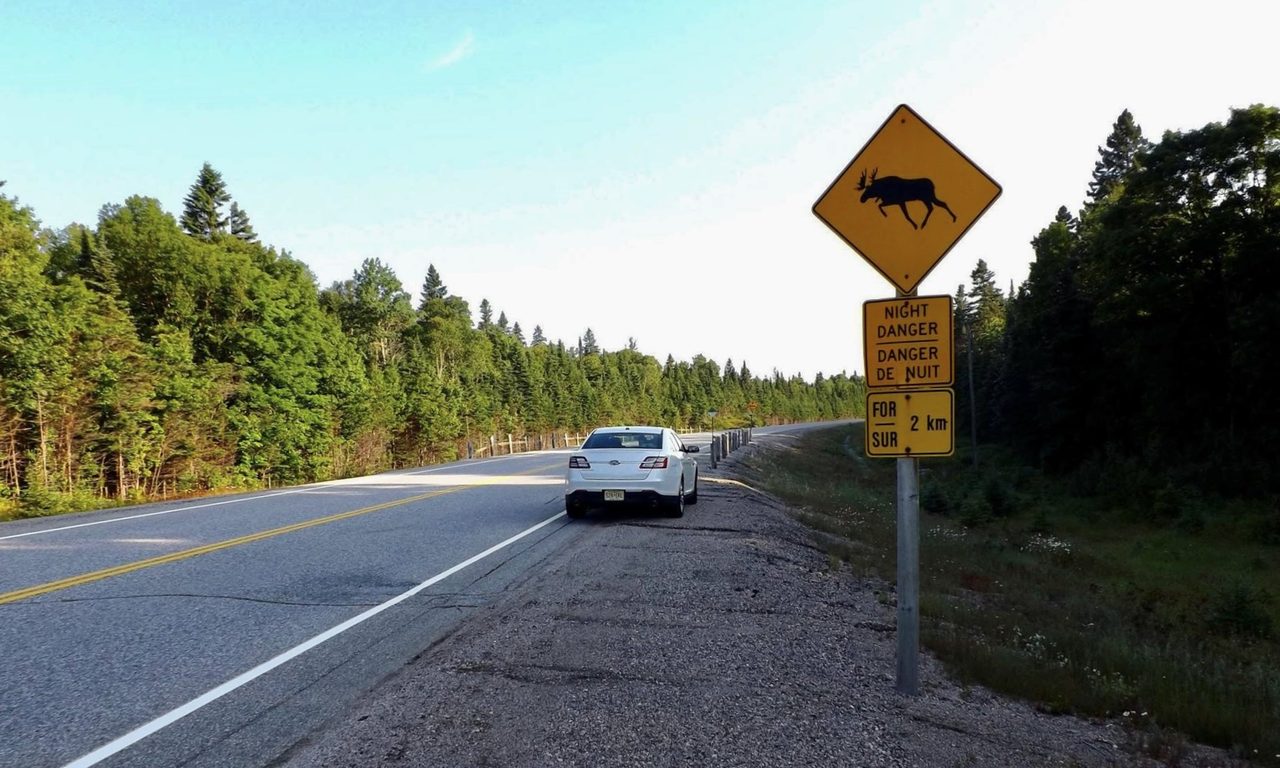
11. The moose signs are not decoration
Dawn and dusk, slow down through signed zones — especially the Cabot Trail, northern Ontario, and Newfoundland. A moose is 500 kg of bad news at highway speed, and they’re nearly invisible in the dark until they’re in your headlights. I’ve had two close calls, both at dusk, both on roads where the sign had been up for twenty minutes of driving and I’d stopped noticing. Never feed wildlife, ever, and give bears a hard 100 metres.
12. Pack for two seasons, even in July
Mountain weather flips fast. On one July day on the Icefields Parkway I went from t-shirt to hail to sunshine in four hours. Keep a warm layer, rain shell, and real shoes in the car — not buried in the trunk. And keep the tank above half, the windshield washer fluid topped up, and a paper map or offline download as backup (tip 13 covers why).
13. Download your maps offline
Cell coverage dies in the mountains, the north, and big stretches of the Trans-Canada. I lost signal for a full hour between Revelstoke and Golden and had nothing but hope and a fuel gauge to navigate by. Download offline maps for every leg before you leave wifi, screenshot your campground confirmations, and tell someone your rough route for remote stretches. Old school. Works.
What it actually costs: a real 2-week budget
14. Budget for the whole trip, not the highlight reel
Sample budget for two adults, two weeks, one car (estimates marked ~, checked October 2026):
| Item | Cost (CAD) |
|---|---|
| Rental car, 14 days unlimited km (mid-size) | ~$1,050 |
| Fuel, ~4,000 km at ~8 L/100 km, ~$1.55/L | ~$500 |
| Accommodation: mix of motels and campgrounds (14 nights) | ~$1,200 |
| Food: diners, groceries, a few proper meals | ~$1,400 |
| Parks Canada Discovery Pass (family) | $167.50 |
| Campground reservation fees + ferries/tolls/contingency | ~$300 |
| Total (per couple, per trip) | ~$4,600 |
Ways to cut it: camp more (a frontcountry site is ~$25–35/night vs. a motel at $150+), cook breakfast and pack trail lunches, and travel in June or September when rates drop. The one thing I wouldn’t cheap out on: tires and insurance.
15. Slow down — stop at the pullouts
Here’s the last one, and it’s free. Canada’s highways are lined with pullouts, and every single one exists because somebody stopped there and went quiet. The grizzly I watched for forty minutes in a meadow near the Columbia Icefield — from a signed pullout, at a safe distance, engine off — was the best part of that entire trip. Build slack into every driving day. The legs between the sights are the trip. Buckle up, and give yourself the extra hour.
FAQs about Canada road trips
Do I need an International Driving Permit to drive in Canada?
If your licence is in English or French, usually not — most provinces recognize foreign licences for short visits. If your licence is in another language or script, get an IDP before you leave home; some rental agencies (notably in Quebec) will ask for one. An IDP is cheap and removes all doubt.
When do Parks Canada campground reservations open?
Reservations launch by park, mostly in January — for 2026, Banff’s frontcountry campgrounds opened February 12, Jasper January 27, and Kootenay/Yoho January 20, all at 8 AM local time. The popular frontcountry sites sell out within hours of launch. Create your Parks Canada account in advance and book the moment your park opens. See our Banff travel guide for Rockies trip planning.
Is the Parks Canada Discovery Pass worth it?
If you’re visiting more than one national park or staying several days, yes. At $83.50 per adult or $167.50 per family (2026 prices) for 12 months of entry, it beats daily fees (~$12.25/adult at Banff) quickly on a multi-park road trip. For a single park visit of one or two days, daily passes are cheaper.
What are the winter tire rules for driving in Canada?
In Quebec, winter tires (with the mountain-snowflake symbol) are legally required December 1 to March 15, with fines of $200–$300 plus costs for non-compliance. In British Columbia, winter tires or chains are required on designated highways from October 1 (through March 31, or April 30 on high-snowfall routes), with a $121 fine. Other provinces don’t mandate them but strongly recommend them — and rental companies don’t always equip them, so ask.
How long is the Trans-Canada Highway?
Roughly 7,800 km from Victoria, BC to St. John’s, Newfoundland and Labrador. Driving it end to end takes 7–10 days of solid driving, but most road trippers tackle one region at a time — the Rockies, the Prairies, Ontario, Quebec, or the Maritimes — and save the full crossing for another year.
Can I take a rental car across the US–Canada border?
Usually yes, but confirm with the rental company before you book — the contract must explicitly allow cross-border and out-of-province travel. Also check that your insurance or credit-card coverage extends to the trip. Confirm it in writing; “I assumed” is not a legal defense at the border.
2 comments