

Last updated: October 3, 2026
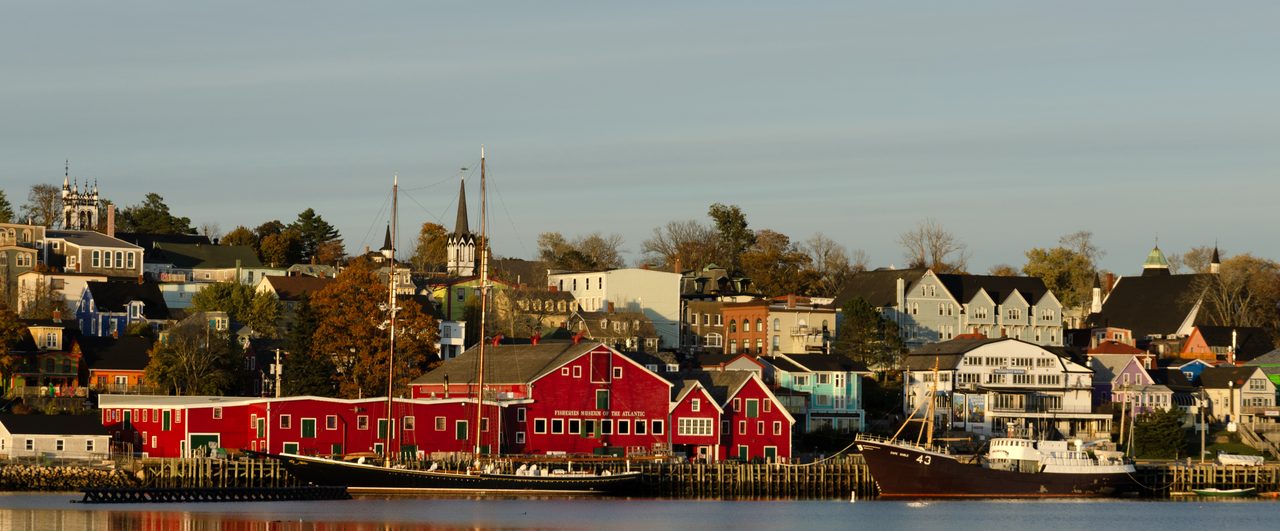
The short answer
- Morning: I arrive from Halifax and walk the UNESCO Old Town — the painted houses, the famous Lunenburg Bump, St. John’s Anglican Church, and the free Knaut-Rhuland House Museum.
- Midday: The Fisheries Museum of the Atlantic (~$14.50 adult, open 9:30 AM–5 PM daily) and the Bluenose II — 2026 deck tours and twice-daily 2-hour harbour cruises (adult $110) when she’s in port, June 1 to September 30.
- Afternoon + evening: Montague Street’s boutiques and galleries, a working-waterfront stroll past the dories and scallop boats, then a seafood dinner on the water at sunset.
I’ll be honest: I planned my first Lunenburg day with the usual color-coded confidence, and by 10 AM the town had already rearranged my spreadsheet. There’s just so much packed into those 40-odd blocks — a UNESCO World Heritage streetscape, a working fishing port, the most famous schooner in Canada — that even my timeline looked nervous. Here’s the thing: one day is genuinely enough, as long as you walk it in the right order. I’ve now done this exact route twice (once solo, once dragging a friend who “doesn’t do museums” and loved it anyway), and this is the version that works. All prices and hours below were checked in October 2026 — and fair warning, Lunenburg runs on a seasonal clock, so always double-check before you go.
Getting to Lunenburg from Halifax
Lunenburg sits about 90 km southwest of Halifax, and the drive takes 75 to 90 minutes via Highway 103 — I timed it at 82 minutes, and I am a stickler for door-to-door timing (ask my travel companions). There’s no public transit worth planning around (the regional bus situation is thin, to put it kindly), so this is a drive, and parking is easy: free lots sit just above the waterfront, and the whole town is walkable from there.
Pro tip: take the Lighthouse Route (Route 3) for at least one leg. Yes, it’s slower — figure closer to two hours — but it threads through Mahone Bay, with its three famous harbor churches, and hands you coastal postcards the whole way. I drove 103 on the way down and Route 3 back, and the Lighthouse Route won the day. It’s not close.
Pairing this with city days? Our 1-day Halifax itinerary slots in perfectly before or after.
Morning: the UNESCO Old Town walk
Start where I started both times: with coffee and something baked. Lunenburg takes its bakeries seriously (look for the local Lunenburg sausage rolls — spiced, savory, a thing of beauty at 9 AM), then point yourself uphill. The town was laid out in 1753 as a strict British colonial grid by “Foreign Protestant” settlers — German, Swiss, and French families whose influence is still in the dialect, the food, and the family names on the shopfronts.
9:30 AM — Old Town stroll and the Lunenburg Bump (free)
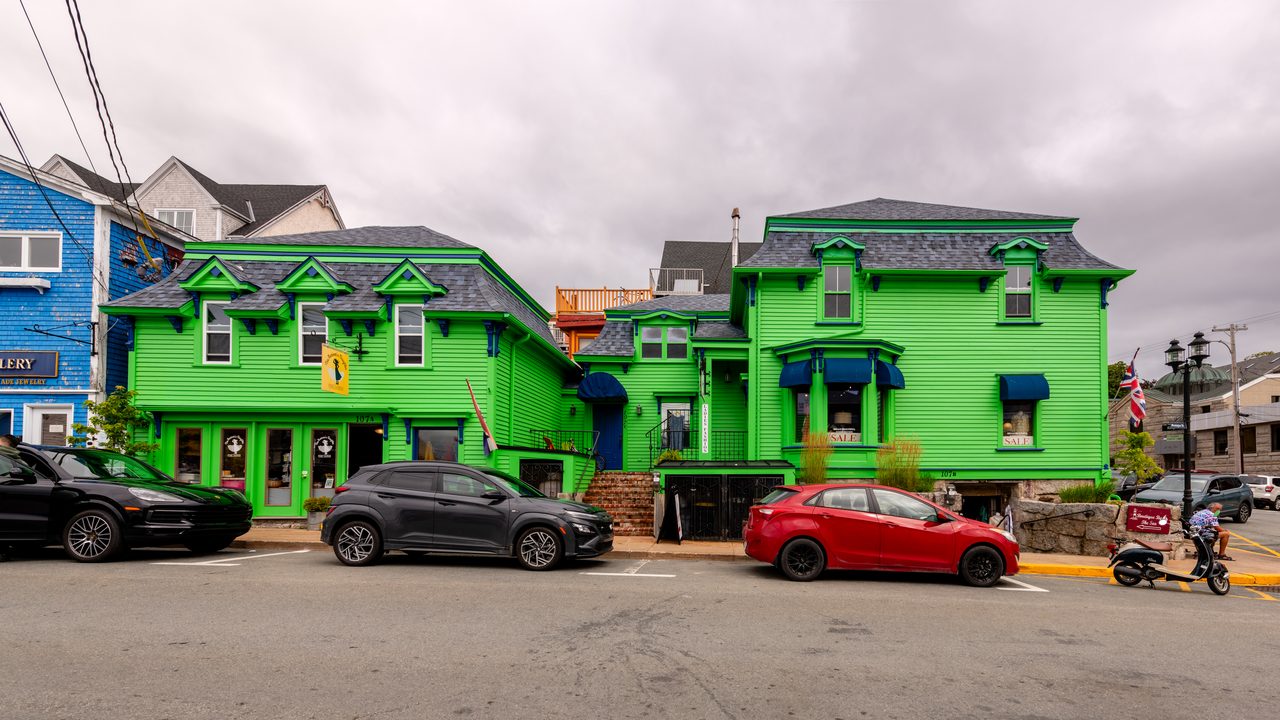
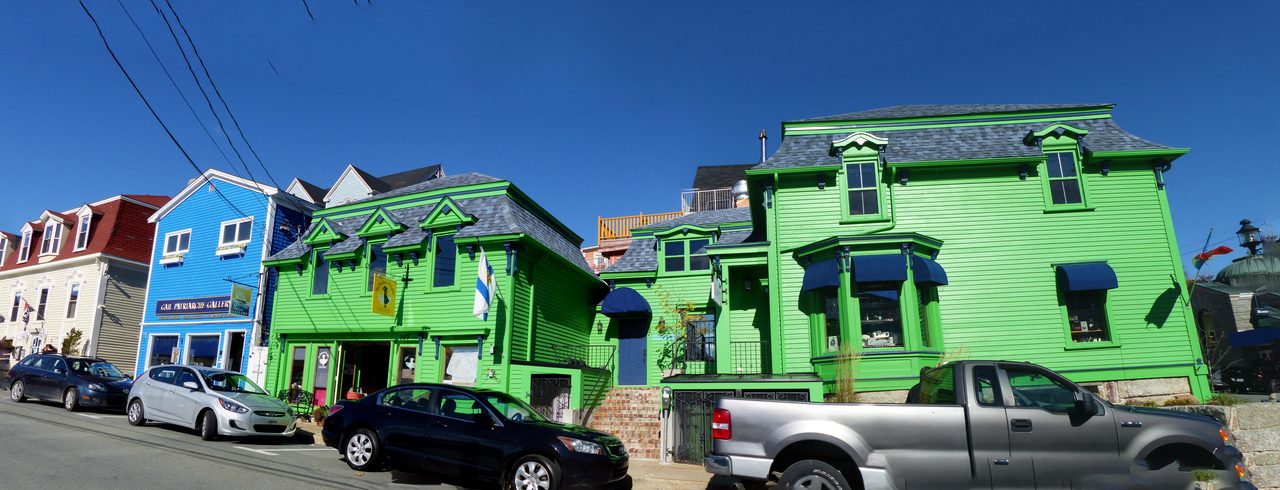
Give yourself an hour to wander the residential streets above the harbor — Pelham, King, and Duke — where the houses climb the hill in a rainbow of reds, blues, mustards, and greens. One of only three UNESCO World Heritage Sites in Nova Scotia (designated in 1995), Old Town Lunenburg is the best-preserved British colonial town in North America, and honestly, the photos don’t lie.
Look for the Lunenburg Bump: a five-sided dormer window cantilevered over the front door, built to drag light into dark upper hallways and now painted in colors that make photographers weep. I showed up on my first visit without knowing what it was and kept pointing at them like I’d discovered something. (Everyone discovers the Bump. The Bump is old news. Point anyway.)
Widow’s walks perch on several rooftops — those little railed lookout platforms where captains’ wives once watched for sails. Trust me on this one: walk the grid before the crowds wake up. By 11 AM, every corner has a camera on it.
10:30 AM — St. John’s Anglican Church (by donation)
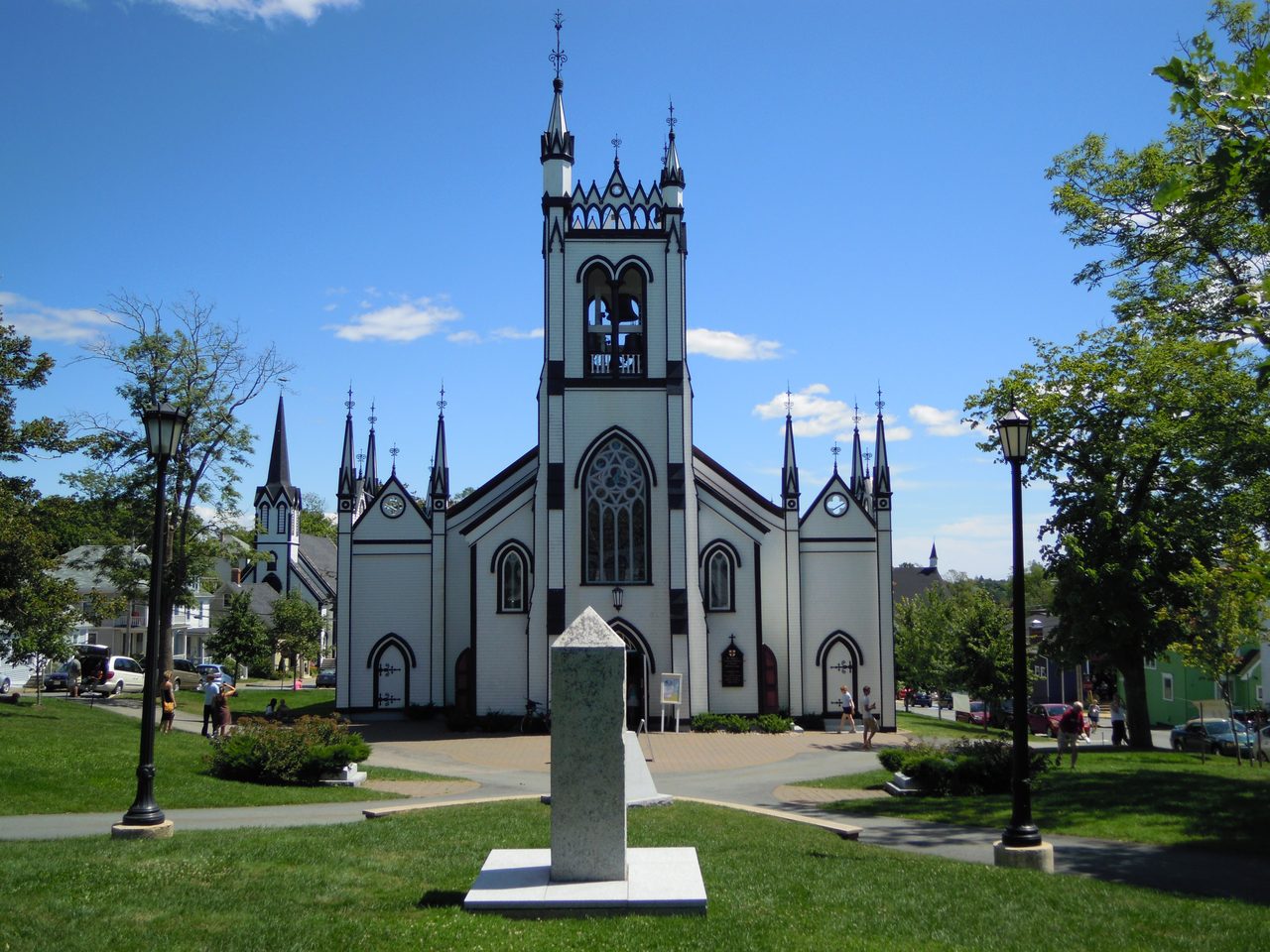
Step inside St. John’s Anglican Church, the second-oldest Protestant church in Canada and the grandest piece of Carpenter Gothic architecture in the country. On October 31, 2001, a fire nearly destroyed it — and the community spent years restoring it board by board, which, I’ll be honest, moved me more than the architecture itself. That is commitment. Step inside on a quiet morning and the woodwork, the galleries, and the painted ceiling will stop you mid-step. A volunteer at the door told me the restoration carpenters trained apprentices specifically for the project so the skills wouldn’t die — the kind of story that makes a building feel alive.
Services still run here, so pop in between them; a small donation at the door is the norm.
11:15 AM — Knaut-Rhuland House Museum (free)
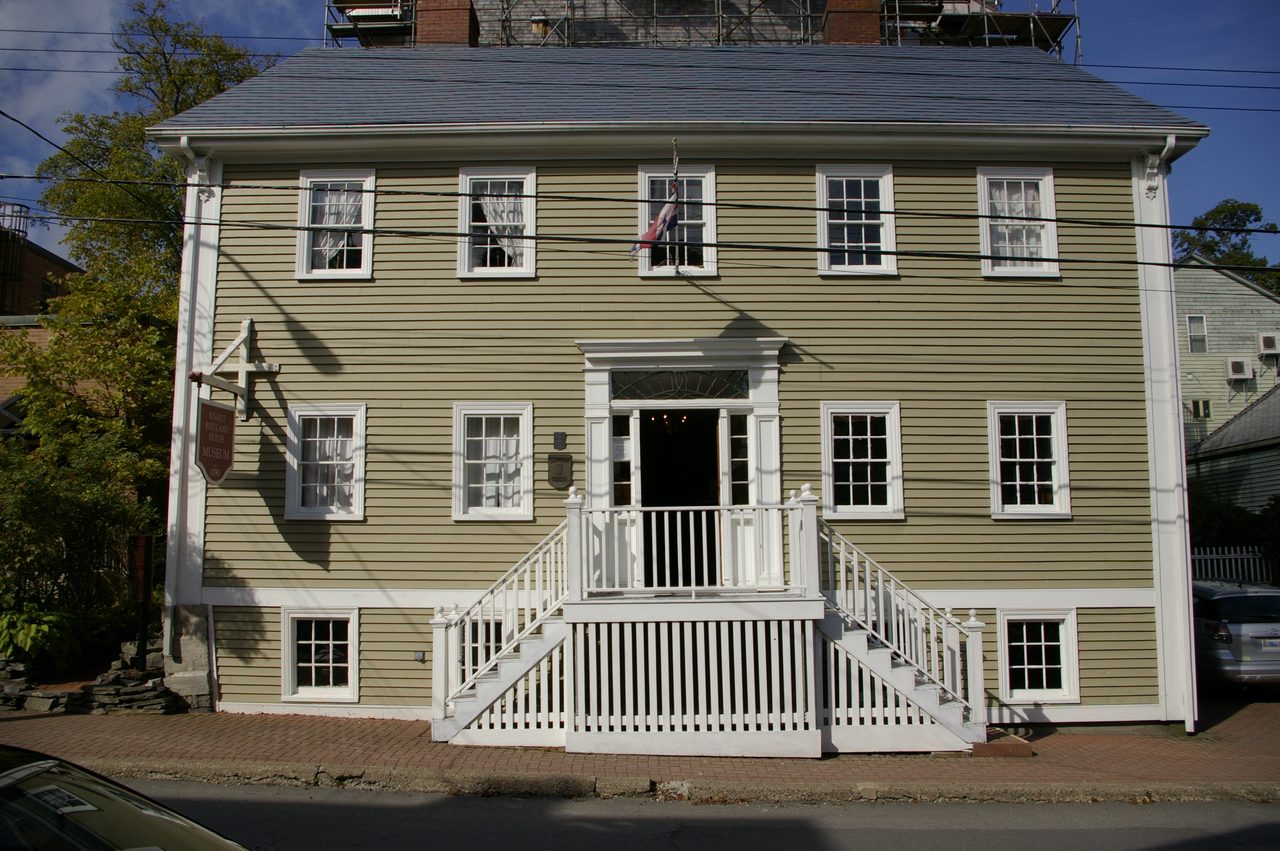
Two blocks away at 125 Pelham Street sits the Knaut-Rhuland House — a 1793 Georgian home, a National Historic Site, and the only domestic dwelling of its era in town open to the public. The costumed interpreters walk you through rooms furnished across two centuries, and the place is a masterclass in how Lunenburg’s merchant families actually lived. It’s free (donations gratefully accepted — leave one, they’re a small heritage society doing heroic work).
2026 hours (checked on the Lunenburg Heritage Society site): Victoria Day weekend through August 31, 11 AM–5 PM daily; September 1–29, noon–4 PM daily. One caveat I verified: the garden is closed through 2026 for restoration work, so don’t plan the picnic there. → Lunenburg Heritage Society — Knaut-Rhuland House hours
Midday: the working waterfront and the Bluenose II
Now head downhill to the water — your legs will thank you, because it’s all downhill from here (literally; the walk back up later is the workout).
12:30 PM — Fisheries Museum of the Atlantic (~$14.50 adult)

The big red former fish-processing plant at 68 Bluenose Drive is the best museum on Nova Scotia’s South Shore, and I don’t say that lightly. Inside: the region’s fishing history from the age of sail to today, a touch tank, a terrific Bluenose exhibit, and — my favorite — retired fishermen on staff who will talk your ear off about the Grand Banks. (One of them spent twenty minutes explaining dory building to me. I understood maybe 40% of it. I was riveted anyway.)
Your ticket includes the working wharf: board the historic saltbank schooner Theresa E. Connor (launched 1938), peer into the aquarium, and watch demonstrations depending on the day.
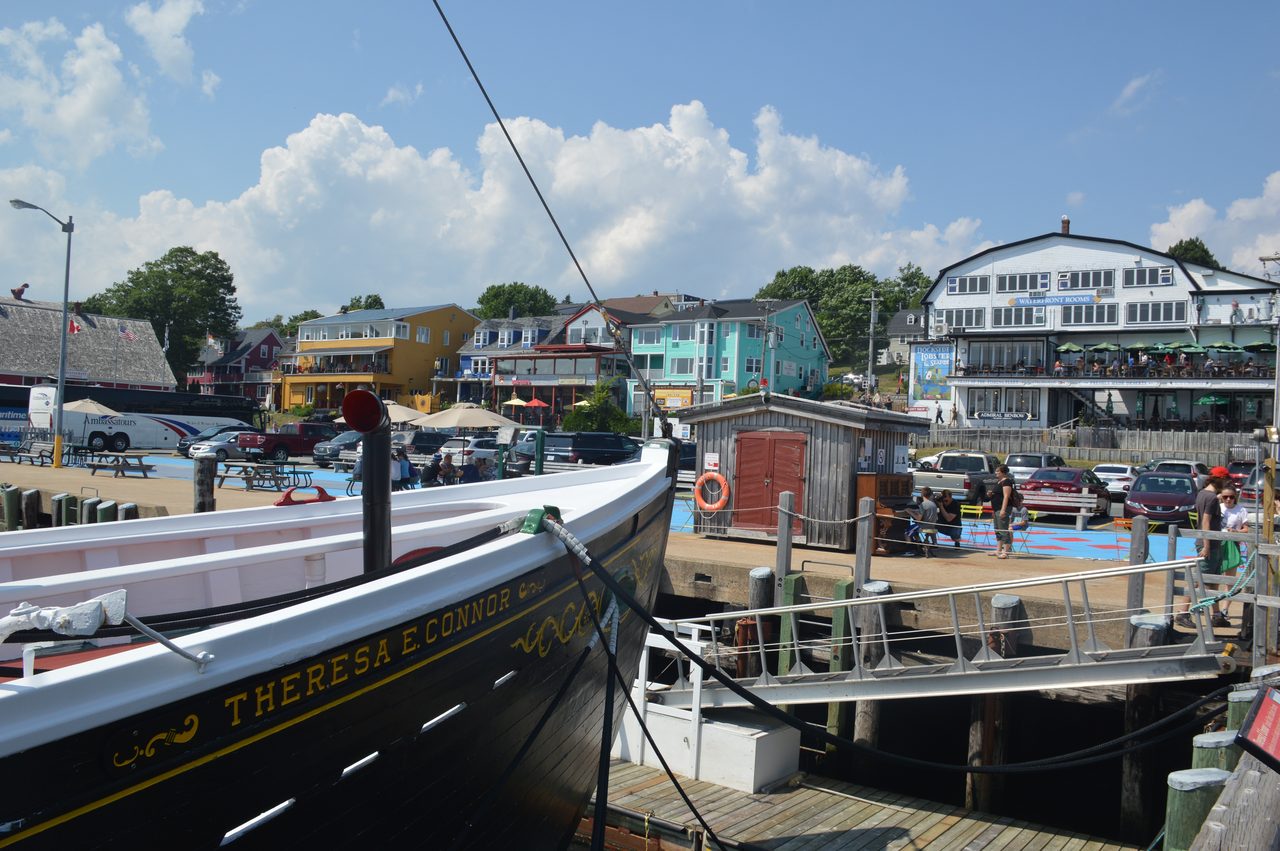
2026 essentials: open daily 9:30 AM–5:00 PM, May through October. Published admission is ~$14.50 adults, ~$12 seniors, ~$9 students, ~$4 kids 6–17 — a genuine bargain, and allow 2–3 hours if you’re a reader-of-every-plaque person like me. → Fisheries Museum of the Atlantic — official site
2:30 PM — The Bluenose II (2026 season: June 1 – September 30)
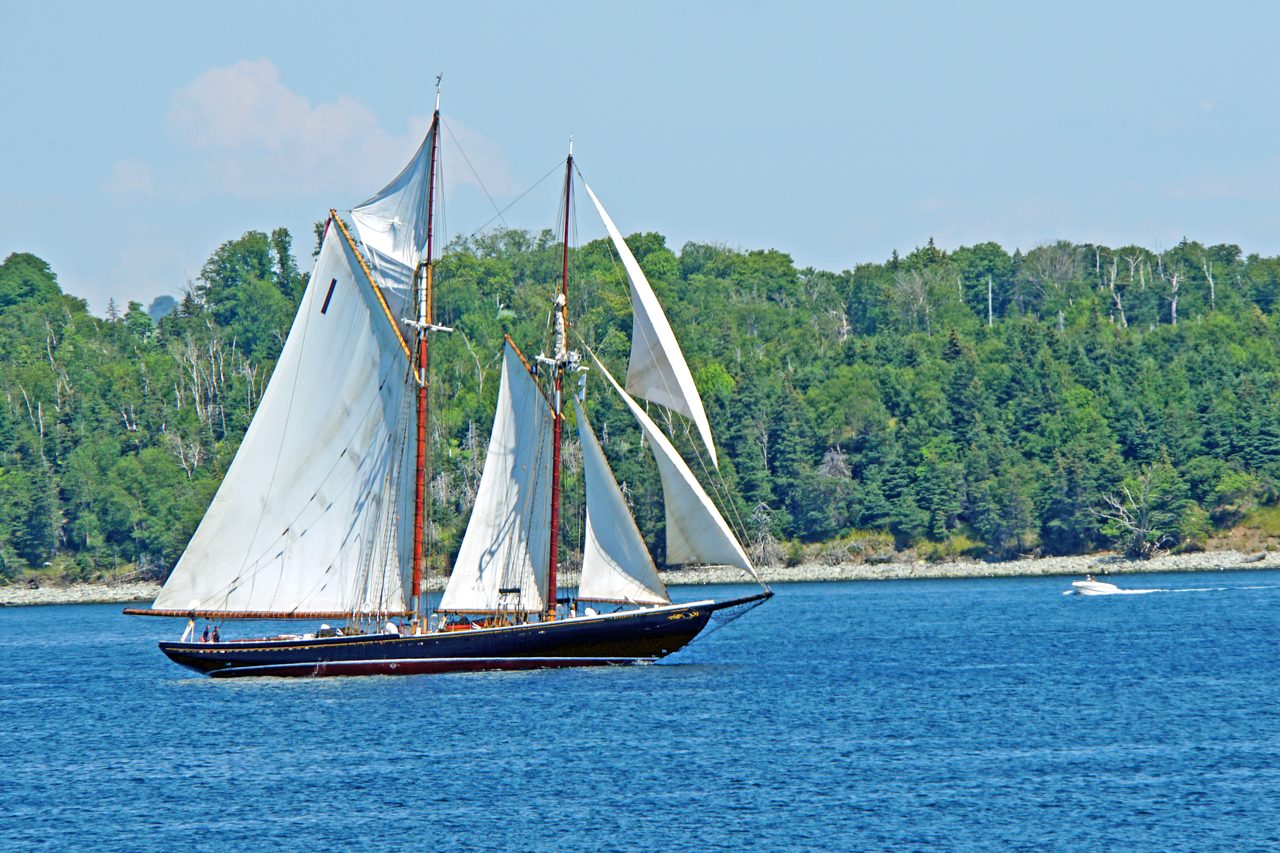
Here’s the thing about the Bluenose II: she is the replica of the undefeated racing schooner on the Canadian dime, and seeing those masts over the Lunenburg waterfront is the moment of the day. For 2026, her season runs June 1 to September 30, with deck tours and twice-daily 2-hour harbour cruises when she’s in home port. Published 2026 cruise pricing: $110 adult / $45 kids 3–12 (taxes and fees included, infants free) — check in at the Company Store between 8:00–9:00 AM for morning sails or noon–1:00 PM for afternoon ones, with a mandatory safety briefing before boarding. She also added evening sails in September 2026.
The catch, and I learned this from the official schedule, not the hard way: she tours. A lot. She spent chunks of 2026 in Halifax (for SailGP), Boston, and up and down the coast, with maintenance Mondays when decks are closed. Check the official schedule before you commit to a date — I checked the current sailing schedule on the official Bluenose II site before planning my day, and so should you. If she’s away, the deck views from the waterfront still deliver. → Bluenose II — official 2026 sailing schedule · Harbour cruise prices & booking
Standing on that deck, by the way, genuinely reframes the scale of the thing. Do the deck tour at minimum.
Working waterfront wander (free)
Lunenburg is not a museum piece — it’s a working port, and the stretch between the museum and the far docks is my favorite free hour in town. Watch the dory builders at work (some still build the traditional way, hand tools and all), then watch the modern scallop and lobster boats unload. The contrast — wooden dories on one wharf, steel trawlers on the next — is the whole town’s story in one walk. Bring the smell-memory home with you: salt, diesel, fresh sawdust. That’s Lunenburg.
Afternoon: Montague Street boutiques and the postcard viewpoint
4:00 PM — Montague Street (the shopping hour)
Montague is Lunenburg’s main commercial spine — galleries, bookshops, Nova Scotia crafts, the confectionery, the distillery tasting room (yes, there’s a distillery; yes, I stopped). Give it a full hour of browsing; the galleries here punch well above small-town weight, and several are run by the artists themselves. My rule, and it’s never failed me: if an artist is in the shop, ask them one question about their work. You’ll get a story no guidebook has.
5:30 PM — The iconic harbor view (free)
Now, the photo everyone takes: Lunenburg’s waterfront skyline, all masts and colored houses climbing the hill. The classic shot is from the water side looking back at town — walk the boardwalk toward the far end of Bluenose Drive and frame it with a docked boat in the foreground. Golden hour here is absurd. I took the same photo four times in one evening because the light kept changing. No regrets.
Evening: seafood dinner and a sunset stroll
6:30 PM — Dinner on the water
By now you’ve earned the full seafood treatment. Find a waterfront patio and order the Nova Scotia seafood chowder — the proper local bowl is loaded with haddock, scallops, and lobster, usually with a warm tea biscuit on the side — or a lobster roll piled high with fresh meat and a squeeze of lemon. In 2026, the dock-to-table sourcing here is the real deal; I watched scallop crates come off a boat and land on a menu the same afternoon. Budget ~$25–40 per person for a proper dinner, and in July–August, book ahead — I showed up without a reservation on a Saturday once. Never again.
Sunset at the docks (free)
End the day the way the town does: a slow walk along the harbor as the boats settle and the streetlights come on up the hill. It’s quiet, it’s salty, it’s perfect — and after a full day of walking, your planner (me) hereby grants you permission to just stand there and look at it for a while.
Day spending: museum ~$14.50 + Bluenose deck/cruise (deck tour or $110 sail) + food ~$60–80 ≈ ~$75–190 depending on whether you sail. You’ve got this.
Where to stay if you linger
One day covers the highlights, but Lunenburg rewards a slow morning — and the town is at its loveliest before the day-trippers arrive. If you stay over, the waterfront inns and B&Bs in the Old Town put you steps from everything; see our best hotels in Lunenburg and where to stay in Lunenburg guides. Tempted by more? Our 2-day Lunenburg itinerary adds Mahone Bay and the South Shore coast.
How much does 1 day in Lunenburg cost?
Sample budget per adult (prices checked October 2026; items marked ~ are estimates):
| Item | Cost (CAD) |
|---|---|
| Fisheries Museum of the Atlantic admission | ~$14.50 |
| Bluenose II deck tour (small fee) / 2-hour harbour cruise | ~$10–15 / $110 |
| Knaut-Rhuland House Museum | Free (donations welcome) |
| St. John’s Anglican Church | Free (donation) |
| Gas: Halifax ↔ Lunenburg round trip (~180 km) | ~$20–25 |
| Food & drinks (bakery + lunch + seafood dinner) | ~$60–80 |
| Total (without harbour cruise) | ~$95–120 |
| Total (with harbour cruise) | ~$205–230 |
Doing the whole South Shore? Fold this into our Nova Scotia road trip itinerary or compare with the best coastal towns in Nova Scotia.
Timeline at a glance
| Time | What | Cost |
|---|---|---|
| 9:00 AM | Drive Halifax → Lunenburg (75–90 min) | ~$20–25 gas |
| 9:30 AM | Old Town walk: painted houses, Lunenburg Bump, widow’s walks | Free |
| 10:30 AM | St. John’s Anglican Church | Donation |
| 11:15 AM | Knaut-Rhuland House Museum | Free |
| 12:30 PM | Fisheries Museum of the Atlantic + wharf vessels | ~$14.50 |
| 2:30 PM | Bluenose II deck tour or harbour cruise | small fee / $110 |
| 3:45 PM | Working waterfront wander (dory builders, fishing boats) | Free |
| 4:00 PM | Montague Street boutiques & galleries | Free (browsing) |
| 5:30 PM | Iconic harbor viewpoint at golden hour | Free |
| 6:30 PM | Seafood dinner on the waterfront | ~$25–40 |
| Sunset | Stroll the docks; drive back or stay over | Free |
FAQs about spending 1 day in Lunenburg
Is one day enough for Lunenburg?
Yes — Lunenburg is compact, and this itinerary fits the UNESCO Old Town, the Fisheries Museum of the Atlantic, the Bluenose II, Montague Street, and a waterfront seafood dinner into one well-paced day. If you want Mahone Bay and the South Shore coast too, see our 2-day Lunenburg itinerary.
What is the Bluenose II 2026 sailing schedule?
For 2026, Bluenose II sails June 1 to September 30, offering deck tours and twice-daily 2-hour harbour cruises (adult $110, kids 3–12 $45, taxes and fees included) when she’s in her Lunenburg home port. She tours extensively — Halifax, Boston, and coastal ports — and decks are closed on maintenance Mondays, so always check the official Bluenose II sailing schedule before you plan your day around her.
How much does the Fisheries Museum of the Atlantic cost?
Published 2026 admission is approximately $14.50 for adults, $12 for seniors, $9 for students, and $4 for children 6–17 — excellent value since it includes the working wharf, the historic schooner Theresa E. Connor, the aquarium, and the touch tank. The museum is open daily 9:30 AM–5:00 PM from May through October. Confirm current rates on the official museum site.
What is the Lunenburg Bump?
The Lunenburg Bump is the town’s signature architectural quirk: a five-sided dormer window that juts out over the front door of many historic homes. It was originally built to bring light into dark upper hallways, and today homeowners paint them in vivid colors, creating the rainbow effect the Old Town is famous for. You’ll spot them on the morning walk along Pelham, King, and Duke streets.
When is the best time to visit Lunenburg in 2026?
Late June through September is the sweet spot: everything is open (the Fisheries Museum runs May–October, the Bluenose II sails June–September), and the weather is at its kindest. July and August bring the biggest crowds, so book dinner ahead; September is quieter and still lovely. For a full seasonal breakdown, see our best time to visit Lunenburg guide.
Do I need a car for a day trip to Lunenburg?
Practically, yes. Lunenburg is about 90 km from Halifax — 75–90 minutes via Highway 103, or closer to two hours on the scenic Lighthouse Route (Route 3) via Mahone Bay — and there’s no reliable public transit for a day trip. Once you’re there, though, everything is walkable: park once and do the whole day on foot.
Keep exploring
- The Perfect 2 Days in Lunenburg Itinerary: 2026 Guide
- The Perfect 3 Days in Lunenburg Itinerary for 2026
- 10 Best Hotels in Lunenburg for Tourists: 2026 Guide
- Best Time to Visit Lunenburg: A 2026 Seasonal Guide
- Ultimate Nova Scotia Road Trip Itinerary for 2026
- 12 Best Coastal Towns in Nova Scotia to Visit in 2026
5 comments