
Last updated: October 3, 2026

The short answer
- Best overall: June to September. Warm weather, every museum and tour running, the Bluenose II in home port (mostly), and whale watching in full swing.
- My budget-friendly sweet spots: late May and early October. Fewer crowds, lower rates, and still enough open to have a great trip — with a catch I’ll explain below.
- Winter (November–April): I only recommend this if you want a quiet, moody coastal escape and don’t mind that most of the town’s best attractions are closed.
Here’s the thing about Lunenburg: it’s a UNESCO World Heritage town that runs on a seasonal clock, and visiting on the wrong side of that clock changes the whole trip. I’ll be honest — I showed up in late October once, assuming “shoulder season” meant “fewer crowds, same town.” The Fisheries Museum had closed for the season two days earlier, half the waterfront was shuttered, and I ate dinner at one of the only open restaurants while rain hit the windows. Lesson learned (my spreadsheet has a whole column for this now). Pick your month right, and Lunenburg is one of the best coastal towns in Canada — get it wrong, and you’re photographing beautiful buildings with everything locked.
This guide is my 2026 month-by-month breakdown, with weather, events, and what’s actually open. All the dates and prices below were checked in October 2026.
The best time to visit Lunenburg, in one paragraph
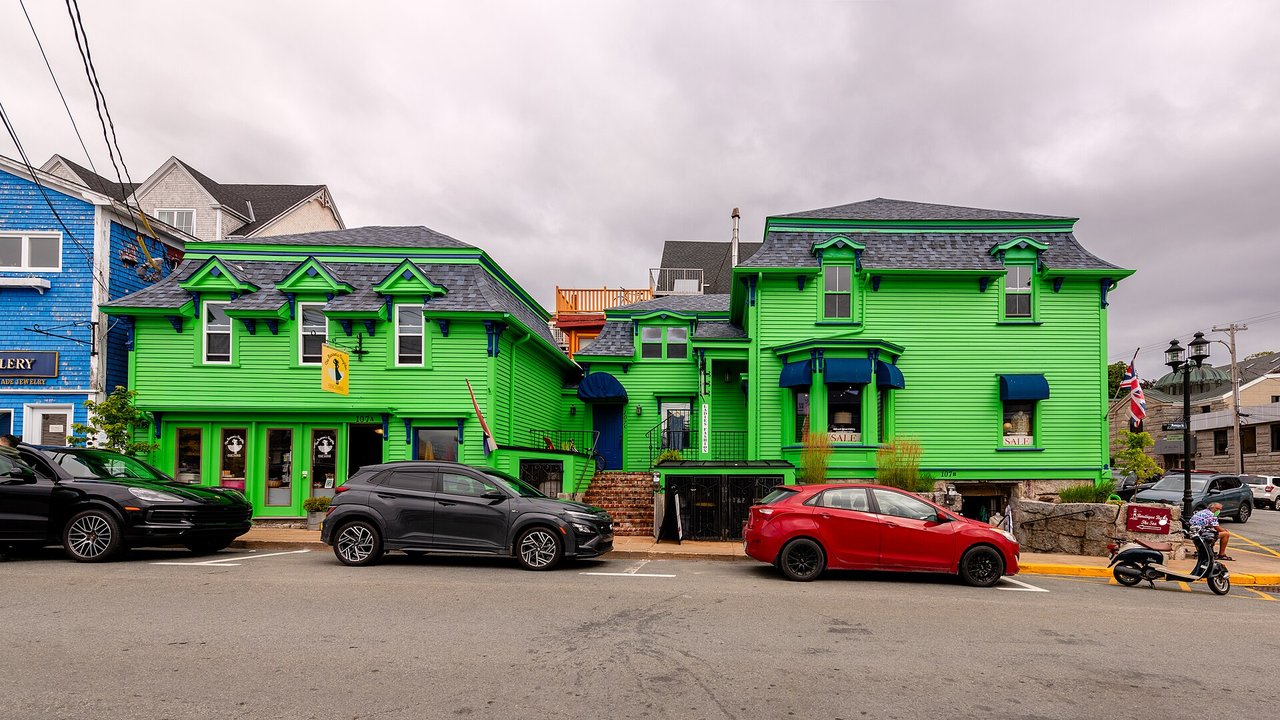
Trust me on this one: mid-June through September is when Lunenburg is at its best. Average highs sit in the low 20s, the harbour is full of sailboats, whale-watching boats run daily, and the Bluenose II — Nova Scotia’s famous schooner — is sailing out of her home port (when she’s not away at other events, which is why you always check the schedule). July and August are peak: warmest weather, the Folk Harbour Festival, and the busiest waterfront. June and September are my personal favourites for a first visit — nearly everything is open, but you can actually get a table without a reservation. Fair warning: if you’re planning a winter trip, do it knowing the town shrinks to its year-round core. Beautiful, but a different trip entirely.
Lunenburg weather by month: the honest table
Nova Scotia’s South Shore is moody — sunshine one hour, sea fog the next, and the wind off the harbour keeps things cooler than inland Halifax. These are long-term average temperatures (Environment Canada norms); treat them as ~ guides, not guarantees. The Atlantic keeps summers mild and winters damp rather than brutally cold.
| Month | Avg high / low | What it feels like | Good for |
|---|---|---|---|
| January | ~1°C / −7°C | Cold, damp, short days | Storm-watching, fireside weekends |
| February | ~0°C / −8°C | Coldest month; occasional snow | Not much — I’d skip it |
| March | ~4°C / −4°C | Raw and grey, but thawing | Quiet walks, cheap stays |
| April | ~9°C / 0°C | Spring flirting with you, wind says no | Locals’ Lunenburg, no crowds |
| May | ~15°C / 5°C | Mild days, cool nights; town waking up | Shoulder-season value |
| June | ~20°C / 10°C | Proper summer, long light evenings | One of my top picks |
| July | ~23°C / 14°C | Warm, busy, the harbour at full swing | Peak everything — book ahead |
| August | ~23°C / 15°C | Warmest water, festival season | Best weather, highest prices |
| September | ~19°C / 11°C | Golden light, thinning crowds | My other top pick |
| October | ~13°C / 6°C | Crisp, colourful, then quiet fast | Early-month fall colour; risky after mid-month |
| November | ~8°C / 1°C | Grey, wet; seasonal places closing | Only if you love moody coasts |
| December | ~3°C / −4°C | Dark early; a few festive events | Christmas lights on the waterfront |
One more climate note before the seasons: fog is Lunenburg’s signature move. The harbour can sit under a white blanket at 9 AM and be blindingly sunny by noon — I learned to check the sky twice before planning a boat day. And pack a layer even in August; evenings on the water are cooler than you’d think (I wore my puffy on a harbour cruise in July and was the smartest person on the boat).
Spring (April–June): the town wakes up

April in Lunenburg is for the brave — cold wind, empty streets, and very little open. But May is when things shift: shops start reopening, the Fisheries Museum of the Atlantic opens for the season (usually May, daily 9:30 AM–5:00 PM, adult admission ~$14.50), and you can walk the whole waterfront without weaving through anyone. I double-checked the seasonal dates on the museum’s official site before I planned my May trip — and do the same, because exact opening weekends move year to year. → Fisheries Museum of the Atlantic — official hours & admission
June is where spring becomes my recommendation. Everything’s open, the Bluenose II is usually in home port preparing for her sailing season, whale-watching boats start running, and accommodation hasn’t hit peak pricing yet. I did the waterfront walk four times in one June weekend — different light every time, and the crowds were nowhere near July levels. Pro tip: late May and early June are the cheapest weeks of the “good” season — inns still run shoulder rates while the town is fully awake.
Summer (July–August): peak Lunenburg
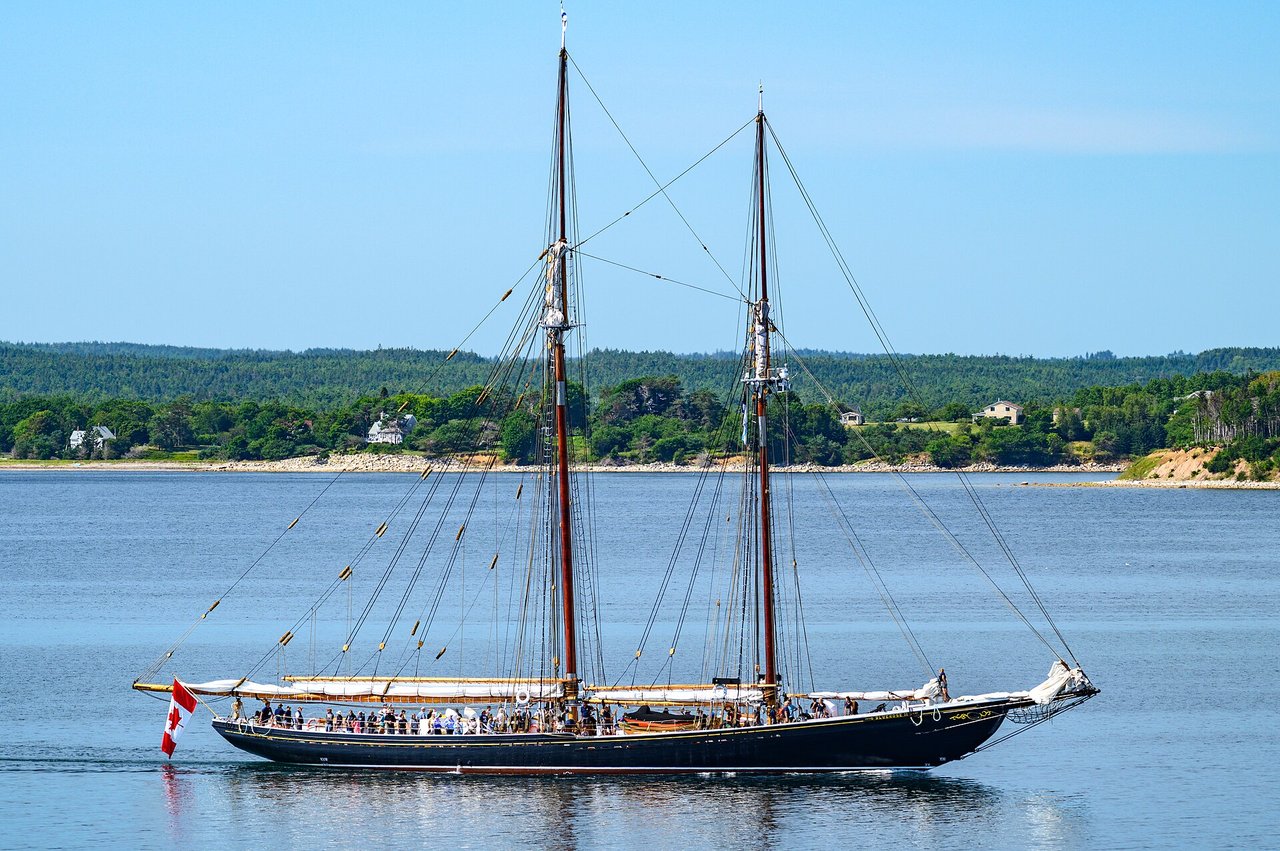
Summer is Lunenburg at full volume. This is when:
- The Bluenose II sails from her home port. Nova Scotia’s sailing ambassador offers public harbour cruises and open-deck tours in season (roughly June through September), but fair warning — she’s an ambassador, not a statue. She regularly leaves town for Tall Ship events and other ports, so check her official sailing schedule before you plan your trip around her. I learned this the soggy way in a previous year when she was in Halifax during my visit. → Bluenose II — official schedule
- The Lunenburg Folk Harbour Festival happens (August 6–9 in 2026). Four days of folk, roots, and maritime music across historic venues — the wharf stage sits with the Bluenose in the background when she’s in port. It’s Nova Scotia’s longest-running music festival, and the whole town leans into it. → Folk Harbour Festival — official schedule
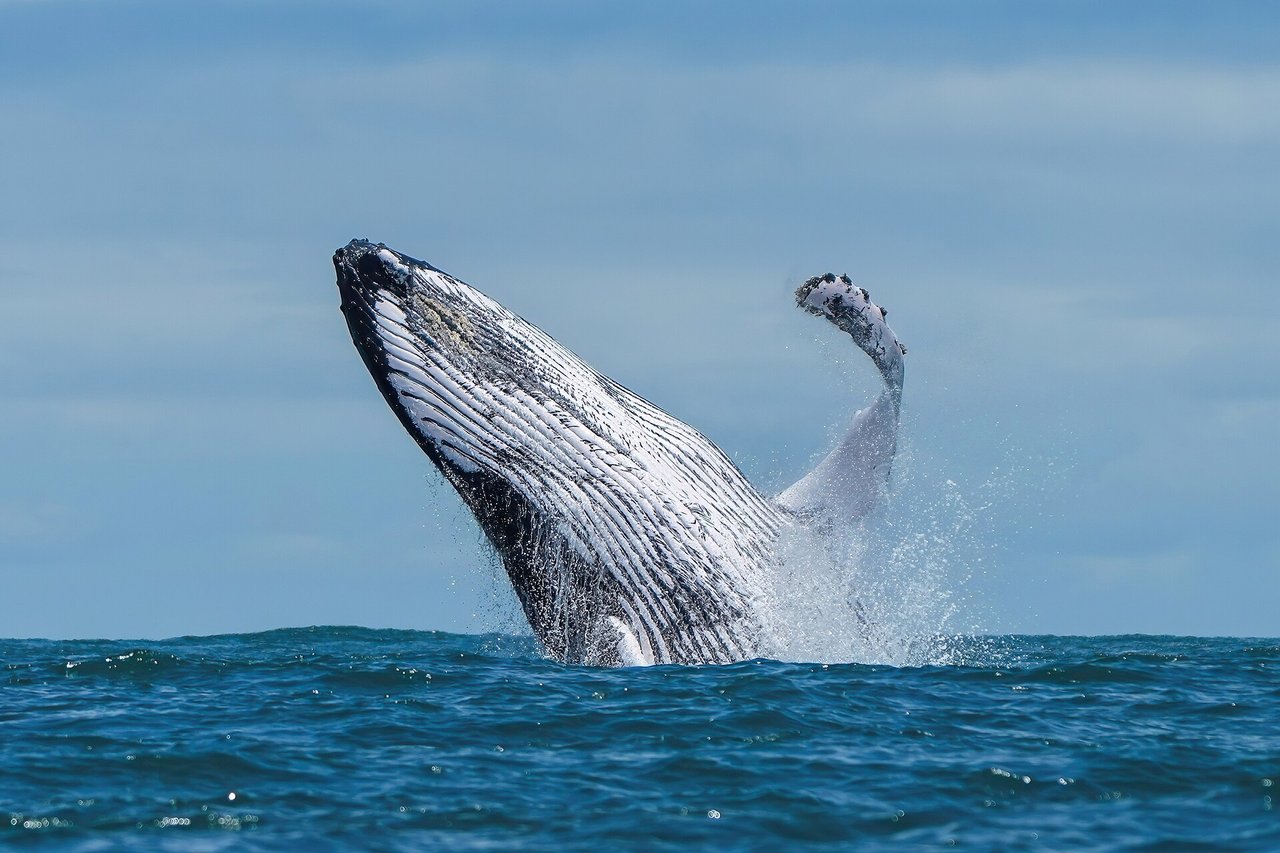
- Whale watching runs daily. The season runs roughly May to October, with humpbacks, minkes, and fin whales plus puffins out at Pearl Island. A local on a Lunenburg travel forum told me to always book the afternoon sailing — morning fog can eat the visibility — and she was right; my 2:30 PM trip had glassy water and two humpbacks within a few hundred metres. Do not skip the layer: it is always colder on the water.
The trade-off: summer is the priciest and busiest time. Book accommodation weeks ahead for July–August — I once left booking until late June for a Folk Harbour weekend and paid for it. Literally. If you’re flexible, aim for early July or late August instead of the festival weekends, and you’ll get summer weather without the peak-of-peak crush.
Fall (September–October): my secret favourite
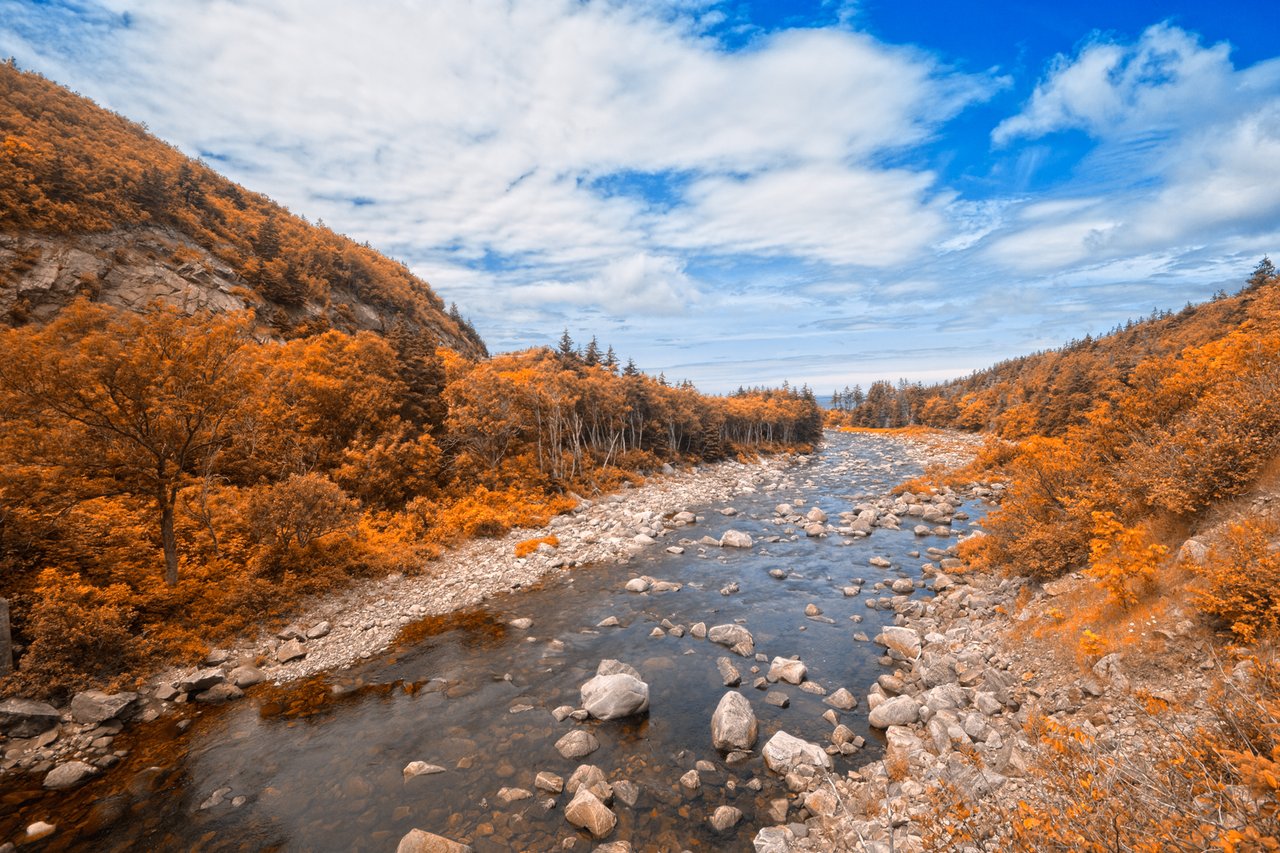
September might be the single best month for Lunenburg. The water is at its warmest (still chilly, let’s be honest — this is the Atlantic), the crowds thin out after Labour Day, the harbour sails keep running into the month, and the light gets that golden angled quality photographers lose their minds over. Hotel rates start dropping. This is the month I’d send my best friend.
October is a two-part story. The first two weeks bring peak fall colour across Nova Scotia — spectacular, worth the trip alone — and the town still has a pulse. After about mid-month, though, Lunenburg powers down fast: the museum closes (in 2025 it shut just before month’s end), seasonal restaurants close, and the town goes quiet. That late-October visit I confessed to at the start? Beautiful buildings, but I spent half my time checking which places were open. If you go in October, go early — and treat “open” as something to verify, not assume.
Winter (November–March): the quiet season
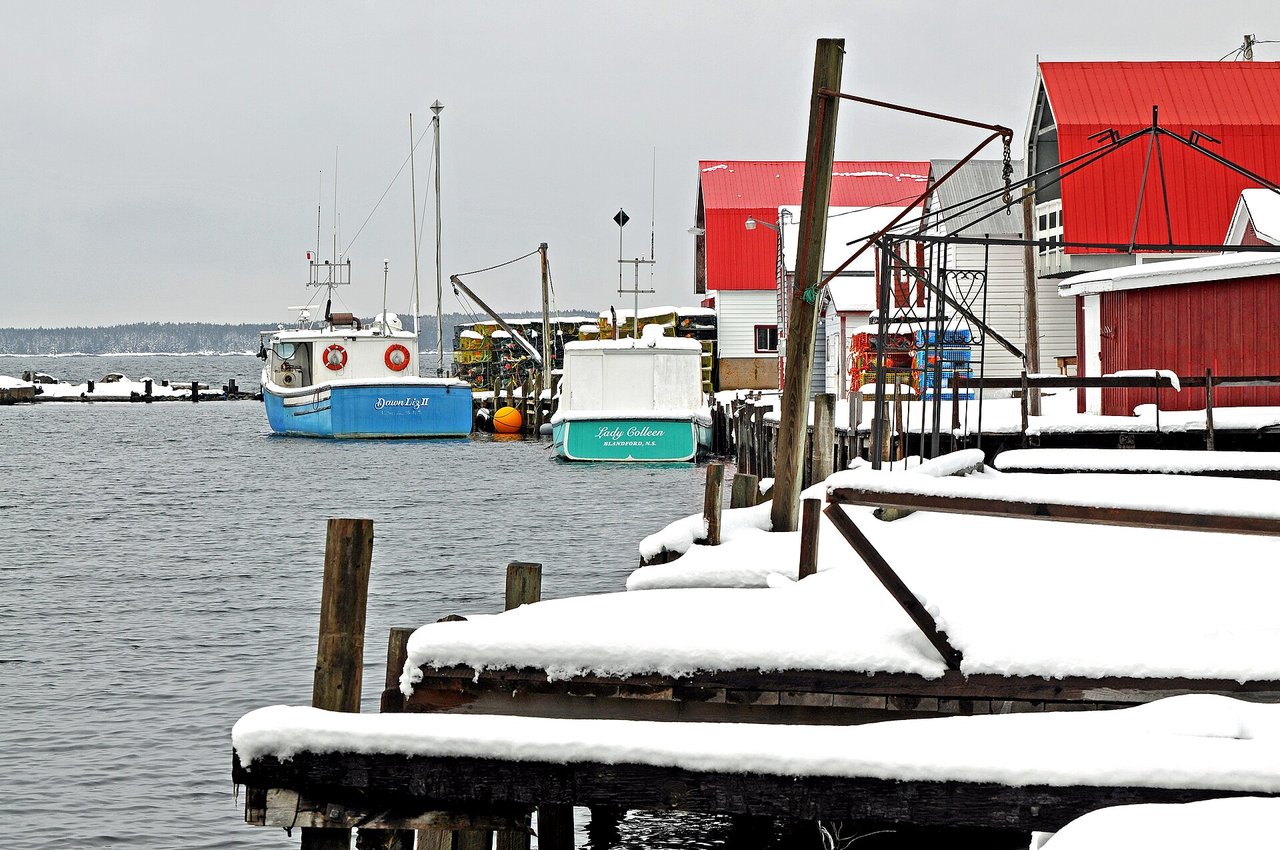
I’ll be honest: winter is not the time to come see Lunenburg — it’s the time to come feel it. The Fisheries Museum is closed (roughly November through April), the Bluenose II is hauled out or away, whale-watching boats are tied up, and many waterfront restaurants and inns close for the season. What you get instead: a working fishing town in its natural state, dramatic grey-water skies, storm-watching from a cosy B&B, and the Ironworks Distillery and a handful of year-round spots keeping the lights on.
If you do come in winter, confirm every opening — hotel, restaurant, distillery — before you drive the hour-plus from Halifax. On the plus side, rates are the year’s lowest and you’ll have the waterfront photo angles to yourself.
Best time by interest
Whale watching: June to September
The boats run May through October, but your odds of sightings — humpbacks, minkes, fins, plus dolphins and puffins at Pearl Island — are best in the warm months. Book the afternoon sailing to dodge morning fog.
Seeing and sailing the Bluenose II: June to September
She’s in home port most of summer offering harbour sails and deck tours, but the schedule has maintenance days and away events. Check the official schedule the week you book — she’s worth every penny if the timing lines up. See our 2-day Lunenburg itinerary to plan a visit around her.
Festivals: early August
The Folk Harbour Festival (August 6–9, 2026) is the big one — four days of music in historic venues across the UNESCO town. Book accommodation the moment you decide; festival weekends sell out.
Fall foliage: early to mid-October
Peak colour lands in the first two weeks of October most years. Combine it with the tail end of museum season if you come right at the start of the month. If foliage is your main goal, see our best time to visit Nova Scotia guide for the province-wide picture.
Beaches, Blue Rocks, and kayaking: July to September
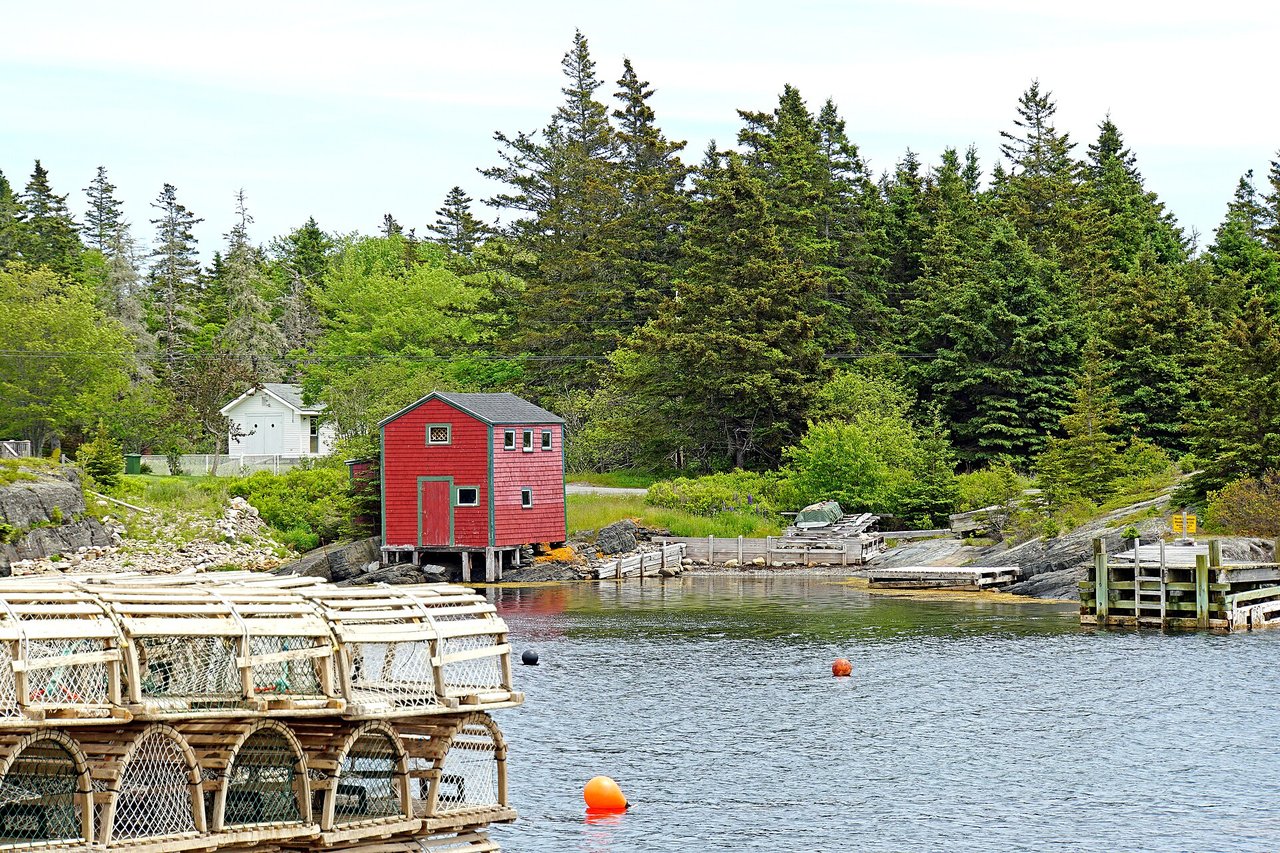
Blue Rocks — the postcard fishing village about 10 minutes from Lunenburg — is at its best in warm weather. Go early morning for the glassy-water photos (I timed the drive at 12 minutes from the waterfront; my spreadsheet confirmed it). Kayak tours and nearby beaches like Hirtle’s are summer-only affairs.
How timing affects your budget
Season matters more in Lunenburg than in a big city — a small town with a short high season means July prices can nearly double shoulder-season ones. Estimates per night for a mid-range inn or B&B (double occupancy, before taxes):
| Season | When | Mid-range stay (~) | Notes |
|---|---|---|---|
| Peak | July–August | ~$180–320 | Book 4–6 weeks ahead; festival weekends sell out |
| Sweet spot | June, September | ~$140–220 | Best value-to-experience ratio — trust me on this one |
| Shoulder | May, early October | ~$110–180 | Cheaper, but verify what’s open |
| Winter | November–April | ~$90–150 | Many inns closed; those open are quiet and cheap |
Attraction costs don’t change much by season — the museum, harbour cruises, and whale-watching tours charge what they charge — so the real budget lever is accommodation and timing. Pairing Lunenburg with Halifax? See our 3-day Halifax itinerary or the full Nova Scotia road trip itinerary to bundle the drive.
FAQs about the best time to visit Lunenburg
What is the best month to visit Lunenburg?
September for the best balance — warm days, everything still open, thinner crowds, and lower prices than summer. For peak weather and full festival energy, choose July or August. June is a close runner-up if you want long days without the peak-season crush.
When is whale watching season in Lunenburg?
Boats run roughly May through October, with the best sightings from June to September. Humpback, minke, and fin whales are the main species, plus puffins, dolphins, and seals. Book an afternoon departure — morning fog can reduce visibility on the water.
When does the Bluenose II sail?
Her sailing season runs roughly June through September, when she’s in her Lunenburg home port offering public harbour cruises and deck tours. But she regularly travels to Tall Ship events and other ports, so check the official sailing schedule on bluenose.novascotia.ca before planning your trip around her.
Can you visit Lunenburg in winter?
Yes, but go in with eyes open. The Fisheries Museum closes around late October and stays closed until spring, the Bluenose II isn’t sailing, whale-watching tours are done, and many restaurants and inns close for the season. What’s left is a quiet, atmospheric fishing town — lovely for a moody weekend, not for sightseeing.
Do I need to book Lunenburg hotels in advance?
In July, August, and festival weekends — absolutely, several weeks out. I once booked a Folk Harbour weekend late and paid nearly double shoulder-season rates. For June and September, a week or two ahead is usually fine. In winter and early spring, you can usually book day-of.
What is the cheapest time to visit Lunenburg?
Late May and early October give the best value: shoulder-season accommodation rates while most of the town is still open. Winter (November–April) is cheapest but many attractions close, so the savings come with trade-offs. Summer brings the best experience and the highest prices.
Keep exploring
- The Ultimate 2 Days in Lunenburg Itinerary: 2026 Guide
- The Ultimate Nova Scotia Travel Guide
- Best Coastal Towns in Nova Scotia
- Best Time to Visit Nova Scotia: A 2026 Seasonal Guide
- The Ultimate 3 Days in Halifax Itinerary: 2026 Guide