
Last updated: October 3, 2026
The short answer
- Budget ~$95–130/day: hostel dorm (~$40–55), STM 3-day pass ($21.75), poutine and bagels, and freebies like the Mount Royal lookout.
- Mid-range ~$210–320/day: a 3-star hotel (~$180–280), one sit-down bistro dinner, and paid headliners like Notre-Dame Basilica ($16) and the Biodôme ($25.50).
- Luxury $550+/day: a 5-star Old Montreal stay, fine dining, and taxis — with ~15% tax added on top of nearly every price you see.
Montreal is the one Canadian city where my color-coded travel spreadsheet has a column called “worth it anyway.” European streets, North American prices, and a food scene that punches absurdly above its weight — but the sticker prices here are liars. Nearly every price you see gets ~15% in sales tax added at checkout, and that is exactly the kind of detail that ruins a carefully planned budget. (Ask me how I know. Actually, don’t — my first Plateau bistro bill was the lesson.)
Here’s the thing: Montreal rewards planners. I priced out this entire guide in October 2026 using current official fares, 2026 attraction rates, and this summer’s actual hotel averages — and compared to Toronto or Vancouver, your dollar stretches noticeably further here. Trust me on this one: read the tax section before you read anything else, and the rest of the math gets easy.
How much does Montreal cost per day? The three tiers
I’ve done Montreal on all three budgets now (the luxury one was a birthday splurge — worth every penny, zero regrets), and here’s where each tier lands per person, per day:
| Daily budget tier | Per person / day (CAD) | What it gets you |
|---|---|---|
| Budget | ~$95–130 | Hostel dorm, STM passes, cheap eats, free attractions |
| Mid-range | ~$210–320 | 3-star hotel, bistro dinners, 2–3 paid attractions |
| Luxury | $550+ | 4–5 star Old Montreal hotel, fine dining, taxis and tours |
The budget tier assumes you’re sleeping in a hostel dorm (~$40–55 a night in the Latin Quarter or downtown), riding the metro on a multi-day pass, and eating at least one meal from a market or depanneur. It’s completely doable — Montreal is genuinely one of the easiest Canadian cities to do cheaply, because so many of its best experiences are free (more on those below).
The mid-range tier is where most visitors land: a proper hotel, a real sit-down dinner, and the headliner attractions. Pair this with our Montreal travel guide to map out the neighborhoods, and our 2-day Montreal itinerary if you want the highlights sequenced for you.
Fair warning: all prices below were checked in October 2026. Items marked ~ are estimates — attractions and transit fares I verified directly on official sites.
Where to stay: Montreal accommodation costs in 2026
Sleeping is your biggest line item, and where you sleep changes it by hundreds. Here’s my honest breakdown by style:
- Hostels (~$40–55/night for a dorm): the Latin Quarter and downtown spots are the sweet spot — central, social, and most have kitchens, which is a game-changer for the budget tier. Cook one meal a day and your food budget nearly halves.
- Mid-range hotels (~$180–280/night): expect the boutique “lifestyle” brands in the Plateau, Griffintown, or downtown. I’ll be honest: I tracked summer 2026 averages, and hotel-industry data put the typical summer rate at about $273 a night, with downtown around ~$308 and Old Montreal near ~$366. Book directly and check whether the rate includes the lodging taxes (it usually doesn’t — add ~3.5% provincial lodging tax plus the 15%).
- Luxury (~$450+/night): the big names in Old Montreal — the Ritz-Carlton, Hotel Place d’Armes — start around $450 in shoulder season. During the Grand Prix in June? Double or triple. I am not exaggerating. I priced it once out of curiosity and had to sit down.
Pro tip from my own spreadsheet: staying just outside the downtown core — the Plateau, Rosemont, or across the river views in Griffintown — typically saves 10–15% and gives you a much more local-feeling base. See our guide to the best areas to stay in Montreal for the full neighborhood breakdown.
Seasonal pricing: when you visit matters as much as where
Montreal’s hotel calendar has exactly two extremes, and I have been stung by one of them:
- Peak (June–August + Grand Prix): the Formula 1 Canadian Grand Prix in June is the single most expensive weekend of the year — even basic rooms can hit luxury prices. The Jazz Festival (late June–early July) and festival season keep summer rates high. Book 2–3 months ahead.
- Shoulder (April–May, September–October): my favorite window. Decent weather, sane prices, and the fall colors on Mount Royal in October are genuinely stunning.
- Low (January–February): cold enough to make you question your life choices, but discounts of 30–40% are real. I once booked a boutique hotel in February for nearly half its July rate. The underground city (RESO) means you can cross downtown without ever going outside — which, in February, is not a luxury, it’s survival.
Food and dining: poutine, bagels, and the BYOW trick
Montreal might be the best food-value city in North America, and I’ll defend that statement anywhere. Here’s what things actually cost in 2026:
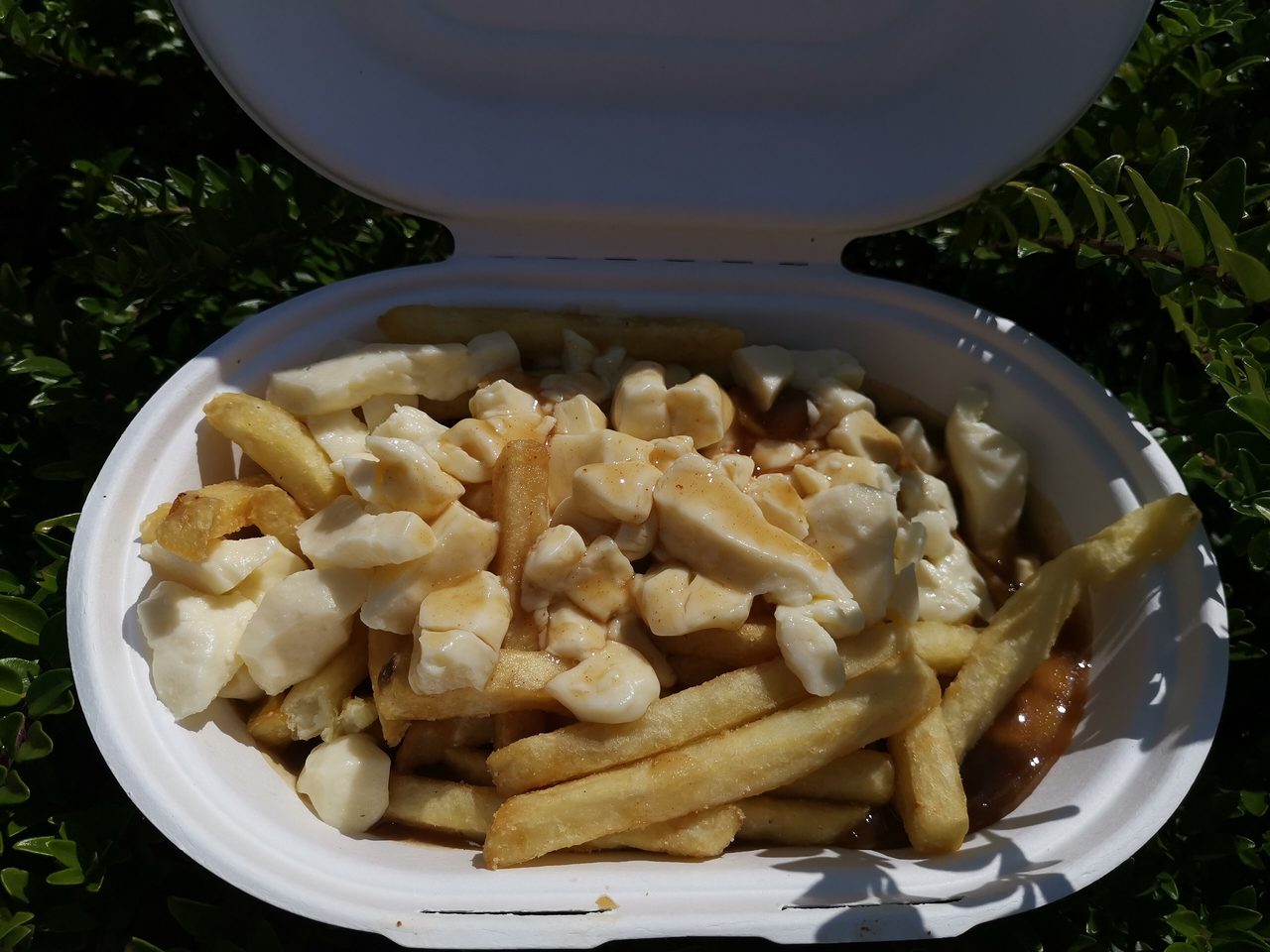
- Poutine: ~$12–16 for a proper one at a classic spot like La Banquise. This is not a side dish; it’s a meal, and it will ruin all other fries for you.
- Schwartz’s smoked meat: ~$18–25 for the legendary sandwich, and it’s enough to keep you full for hours. I showed up at noon on a Saturday once. Never again — the line snakes out the door. Pro tip: go before 11 AM or after 2 PM, or order takeout and eat it in the park across the street like the locals do.
- Bagels: under $2 for a hot one straight out of the wood oven at Fairmount or St-Viateur. Do not skip this. Trust me on this one — eat it within five minutes, while it’s still warm.
- Mid-range bistro dinner: ~$45–65 per person for three courses (wine not included — and Quebec wine markups are real).
- Drinks: a local craft beer runs ~$9–12; a proper cocktail at a Plateau speakeasy is ~$18–24.
Now the money move: look for “Apportez votre vin” / BYOW signs. These restaurants — all over the Plateau and Rosemont — let you bring a bottle from the SAQ (the provincial liquor store) and pay a small corkage fee instead of restaurant wine prices. I saved roughly $40 on one dinner this way, and the waiter didn’t blink. It’s completely normal here.

Staying more than a few days? Hit a grocery store. IGA and Provigo are everywhere, and a week of basics for one person runs ~$90–120. But my favorite food errand in the whole city is Jean-Talon Market in Little Italy — even if you buy nothing, wandering the produce halls is a free masterclass in what Montreal eats. I go every trip, and I always leave with cheese I didn’t plan to buy.
The tax and tip math (read this, seriously)
Quebec’s double sales tax is the #1 budget surprise for visitors. The menu price is not the price:
- GST (federal): 5%
- QST (provincial): 9.975%
- Combined: ~14.975% added to almost every bill — and it is not included in listed prices.
- Tipping: 15–20% at restaurants and bars is standard.
My rule of thumb, learned the expensive way: add 30% to every menu price in your head. That $45 bistro dinner is really ~$58. Do this from day one and your spreadsheet will love you.
Getting around: 2026 STM transit fares

Montreal’s metro and bus network (the STM) is one of the best in North America, and it’s cheap by big-city standards. I double-checked the 2026 fares on the STM’s own fare pages in October 2026 — here’s the current table:
| STM fare (Zone A) | 2026 price (CAD) | Notes |
|---|---|---|
| Single trip | $3.75 | Bus, metro, REM, exo train |
| 2 trips | $7.00 | One person only |
| 24-hour pass | $11.25 | 24 consecutive hours, all modes |
| 3-day pass | $21.75 | Consecutive days — the sweet spot for short trips |
| Weekly pass | $33.25 | Monday–Sunday, unlimited |
| Unlimited evening (6 PM–5 AM) | $6.75 | Great for nightlife |
| Unlimited weekend (Fri 4 PM–Mon 5 AM) | $17.00 | Perfect for a long weekend |
| 747 airport bus | $11.25 | Doubles as a 24-hour Zone A pass |
Confession time: on my first Montreal trip I bought $3.75 singles for two solid days before the front-desk clerk at my hotel did the math out loud for me. The 3-day pass pays for itself by your sixth ride. Do not be past me.
Airport to downtown: the 747 Express bus runs 24/7 from YUL to downtown, costs $11.25, and — this is the game-changer — that ticket doubles as a full 24-hour transit pass. I timed it at about 45 minutes to an hour depending on traffic. A taxi or Uber for the same trip runs roughly $50–60, so the bus wins on every axis unless you’re landing at 2 AM with four suitcases. → STM — 747 airport bus fares (official)
A few more transit notes from my spreadsheet:
- BIXI bike-share is everywhere in summer — a fun, cheap way to hop between neighborhoods, and the protected bike lanes keep getting better. Electric BIXIs cost a little extra per minute but make the Mount Royal climb survivable.
- Uber runs ~$15–25 for a typical cross-town hop (Old Montreal to the Plateau), but Montreal’s construction-season traffic is legendary. During rush hour the metro is genuinely faster — and cheaper.
- Walking is free and often the best option: Old Montreal, the Plateau, and downtown are all gloriously walkable, and the RESO underground network connects downtown in winter.
For the full cheap-travel playbook, see our Montreal on a budget guide.
Sightseeing and entertainment: what the big attractions cost

Montreal’s paid attractions are mid-priced by world standards — and a couple are genuine must-pays. Verified 2026 prices:
- Notre-Dame Basilica (daytime visit): $16 adult. The blue-and-gold interior is one of the most beautiful church interiors in North America — I checked the official pricing before my visit and went first thing on a weekday morning, when the light through the stained glass is unreal. → Notre-Dame Basilica — official site
- AURA light show (evening): from ~$37 adult (weekends cost more). It’s the same basilica transformed by a Moment Factory sound-and-light show. Pricey for 45 minutes, but I’ll be honest — it gave me goosebumps.
- Space for Life (Biodôme / Planetarium / Botanical Garden / Insectarium): $25.50 adult per museum (2026 rates, taxes included — refreshing, honestly). The Biodôme’s five ecosystems are worth every penny on a rainy day. → Space for Life — official 2026 admission fees
- Montreal Museum of Fine Arts: ~$25 adult for major exhibitions (permanent collection access varies — check before you go).
- Passeport MTL (city pass): the official Tourisme Montréal pass runs $60 + taxes for 3 attractions or $90 + taxes for 5 attractions in 2026. It pays for itself around the third attraction — but only if you’d actually visit that many paid sites. Slow travelers should skip it. → Passeport MTL — official page
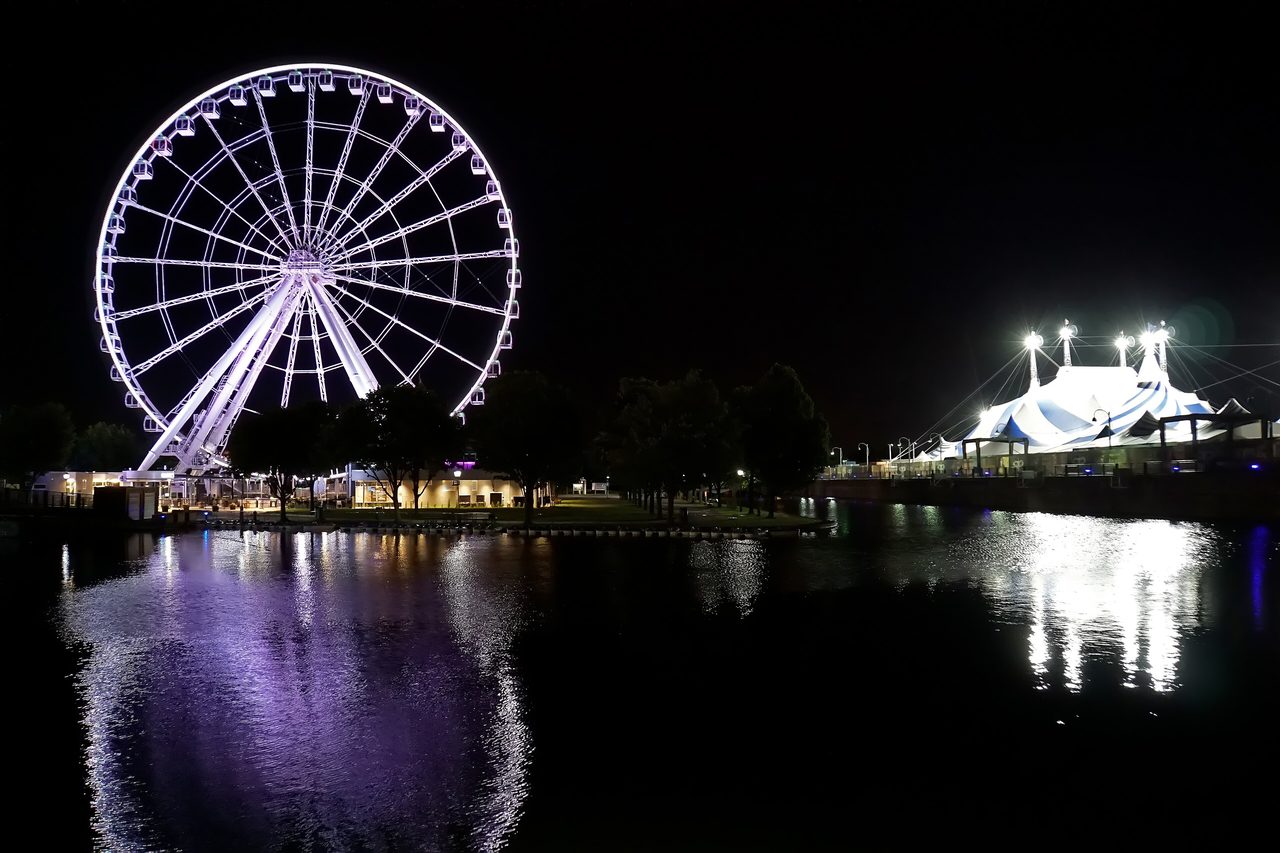
Nightlife budget: set aside ~$40–60 for a night out. Jazz clubs in the Quartier des Spectacles often charge a ~$10–20 cover (some are free if you’re drinking), and summer brings a ridiculous number of free outdoor shows — the Jazz Fest alone programs hundreds of free concerts.
The best free things to do in Montreal
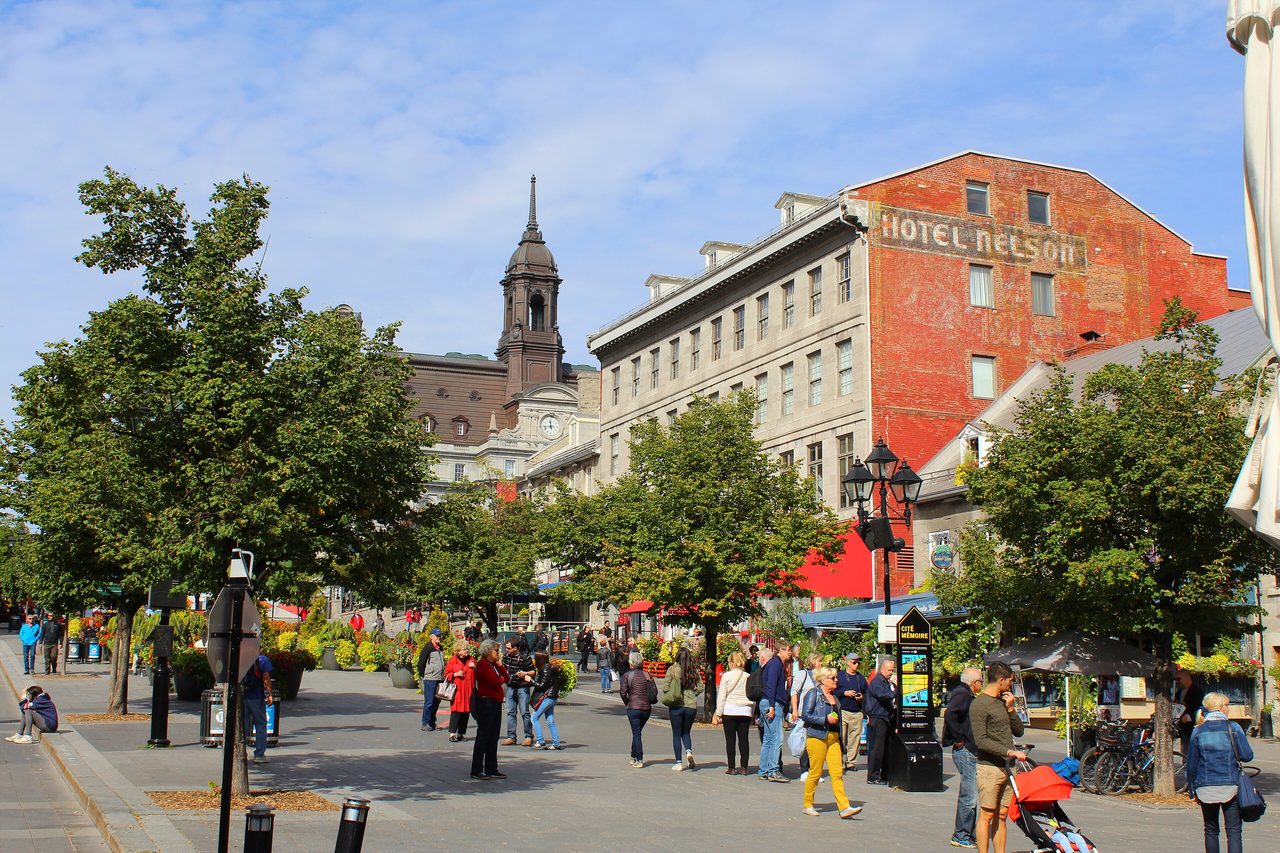
Here’s the thing about Montreal: the free stuff is so good it almost feels like a scam in your favor.
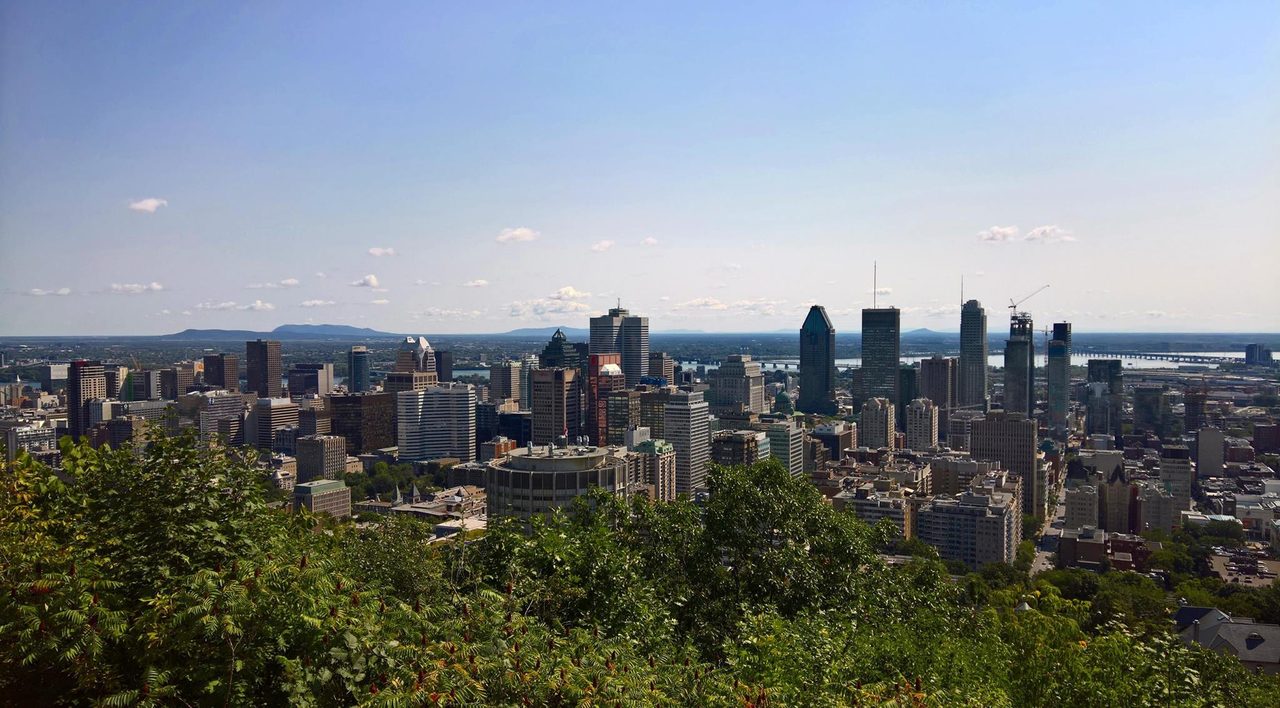
- Mount Royal lookout: free, always. The walk up from Peel Street takes 30–45 minutes and the skyline view from the Kondiaronk Belvedere is the single best free view in the city. I’ve done this walk four times now and I still stop at the top like it’s my first.
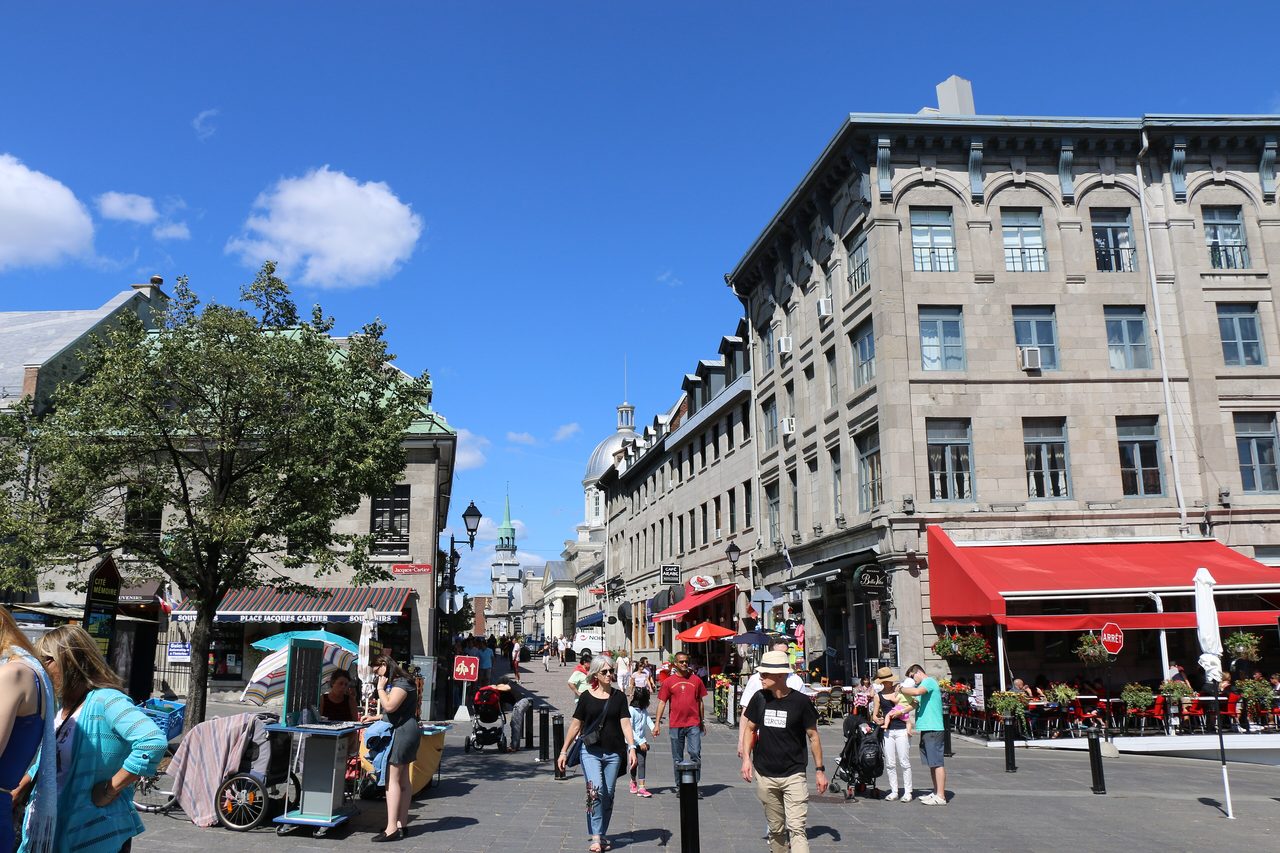
- Old Montreal wandering: Place Jacques-Cartier, the cobblestone streets, the Old Port waterfront — all free. Go early on a weekday morning before the crowds, when the stone buildings are golden.
- Lachine Canal: a flat, gorgeous 13.5 km path for walking or BIXI-ing along the water. Perfect picnic territory.
- Plateau murals: the Saint-Laurent Boulevard mural festival leaves the walls painted year-round. A self-guided walk costs exactly $0.
- Summer festivals: Jazz Fest, Just for Laughs, and dozens of smaller events program free outdoor stages all summer. Check the lineup before you go — I once stumbled into a free concert that became the highlight of my trip.
Sample Montreal daily budgets: putting it all together
Here’s the per-person math, using the verified 2026 prices above:
| Expense | Budget (~$95–130) | Mid-range (~$210–320) | Luxury ($550+) |
|---|---|---|---|
| Accommodation | ~$40–55 (hostel dorm) | ~$180–280 (3-star) | ~$450+ (5-star) |
| Food & drink | ~$30–45 | ~$55–75 | ~$120+ |
| Transit | $11.25 (24h pass) | $11.25–21.75 (passes) | ~$25 (taxis) |
| Attractions | ~$10–20 (1 paid + free) | ~$35–50 (2–3 paid) | ~$75+ |
| Total / day | ~$95–130 | ~$210–320 | $550+ |
Remember: add ~15% tax to anything not marked as tax-included, and 15–20% tip at restaurants. My spreadsheet has a “Montreal tax shock absorber” line item, and I suggest you steal the idea.
Money-saving tips: my Montreal playbook
- Land on the 747. $11.25, 24 hours of transit included. Best arrival deal in Canada.
- Buy the 3-day pass ($21.75) for any trip of 3–5 days — it beats singles by ride six.
- Eat one meal from a market or depanneur daily. A $2 bagel breakfast is a lifestyle, not a sacrifice.
- Choose BYOW restaurants in the Plateau and Rosemont and bring your own SAQ bottle.
- Visit in shoulder season (April–May, September–October) for the best price-to-weather ratio.
- Front-load the free stuff. Mount Royal, the Old Port, the murals, festival stages — build your days around them and save paid attractions for your one or two “splurge” picks.
- Check Space for Life’s Thursday evening Planetarium deal — discounted shows from 5 PM (verified on their official ticketing page).
FAQs about Montreal travel costs
How much does a trip to Montreal cost per day in 2026?
Plan for ~$95–130 per person per day on a budget (hostel, transit passes, cheap eats), ~$210–320 for a comfortable mid-range trip (3-star hotel, bistro dinners, 2–3 paid attractions), or $550+ for luxury. These are 2026 figures I verified in October 2026, and they exclude the ~15% combined sales tax added to most prices.
Is Montreal cheaper than Toronto or Vancouver?
Yes, noticeably. Hotel industry data for summer 2026 put Montreal’s average daily rate around $273, with downtown near ~$308 — typically 15–25% below Toronto and Vancouver. Food is also better value: the density of restaurants keeps competition fierce, so a great bistro dinner costs less here than in either of those cities.
How do Quebec’s sales taxes affect my travel budget?
Add 5% GST plus 9.975% QST — roughly 15% total — to nearly every price you see, since Quebec doesn’t include tax in listed prices. Then add a 15–20% restaurant tip on top. My rule of thumb: mentally add 30% to every menu price so the bill never surprises you.
What is the cheapest way to get from Montreal airport to downtown?
The STM 747 Express bus: $11.25, running 24/7, about 45–60 minutes to downtown — and the ticket doubles as a 24-hour unlimited transit pass for the metro, buses, REM, and exo trains in Zone A. A taxi or Uber for the same trip costs roughly $50–60, so the bus is the clear winner for budget travelers.
Is the Passeport MTL city pass worth it?
It depends on your pace. The official 2026 Passeport MTL costs $60 + taxes for 3 attractions or $90 + taxes for 5, saving up to ~35% versus individual tickets. If you’ll genuinely visit three or more paid attractions, it pays for itself — but if you’re a slow traveler who prefers free wandering, just pay per attraction.
When is the cheapest time to visit Montreal?
January and February, when hotel discounts of 30–40% are common — if you can handle the cold (the underground RESO network helps). Avoid the Grand Prix weekend in June, when even basic rooms can double or triple in price. For the best balance of weather and prices, visit in April–May or September–October.
5 comments