
Last updated: October 3, 2026
The short answer
- Time it right: Late June through July is peak festival season — the Jazz Fest (June 25–July 4, 2026) and Just for Laughs (July 15–26, 2026) stack back-to-back, and August brings Osheaga (July 31–Aug 2, 2026).
- Get around like a local: The metro’s four lines cover everything a visitor needs, and BIXI bikes are the game-changer for the Old Port and the Lachine Canal. Don’t bother with a car.
- Budget smart: Most of the best summer experiences are free (festivals, Mount Royal, the waterfront); plan ~$90–150 per day including mid-range food and one paid attraction.
Montreal in summer is a personality change. The city that spends five months under snow suddenly throws the windows open, hauls the terrasses out onto every sidewalk, and turns an entire downtown district into an open-air concert hall. I’ve been three summers in a row now, and every time I come back, the same thing happens: by day three I’m saying “bonjour” to strangers and seriously considering a second poutine before dinner.
Here’s the thing: summer in Montreal isn’t one season, it’s a calendar of events wrapped around a very walkable, very bikeable city. This guide is built around the 2026 festival dates (which I double-checked on the official festival sites before my trip — they shift every year, so do the same), the neighborhoods actually worth your hours, and the prices I paid in person. Fair warning: July is glorious and humid, August is the sweet spot, and June is for the smug travelers who hate crowds.
When to visit Montreal in summer
Pick your month by personality:
- June: Milder days (highs ~22°C), cooler evenings, and the season kicks off with MURAL (June 4–14, 2026) and the Jazz Fest (from June 25). Terraces are open, lines are short, and hotels haven’t hit peak yet. My favorite month, I’ll be honest.
- July: Peak everything. Highs average ~26°C with humidity that makes it feel closer to 32°C — carry water, trust me on this one. Jazz Fest, Just for Laughs, the Loto-Québec fireworks, Piknic Électronik Sundays. Hotel prices hit their ceiling; I once booked a July weekend in March and still paid top dollar. Book early.
- August: Osheaga (July 31–August 2, 2026), warm evenings, slightly thinner crowds than July. The river beaches and the Botanical Garden are at their best.
Most visitors land for 4–5 days, which is exactly right: two days for festivals and downtown, one for Old Montreal and the Old Port, one for the mountain and the parks. Staying a week? Add the neighborhoods and a day trip. Our Canada in July itinerary pairs Montreal with a cross-country summer route if you’re combining trips.
The 2026 summer festival calendar
Montreal’s summer is basically one long festival with brief intermissions. These are the dates I built my trip around — all confirmed for 2026:
- Festival International de Jazz de Montréal (June 25–July 4, 2026): The crown jewel. The 46th edition hosts 350+ concerts — and here’s the thing, more than two-thirds are free on the outdoor stages around the Quartier des Spectacles. The 2026 lineup included Kamasi Washington, Diana Krall, St. Vincent, Willow, and Larkin Poe, but the free outdoor shows (Patrick Watson, Angine de Poitrine and dozens more on the TD stage) are where the magic is. I stood in a crowd of thousands on Place des Festivals at 10 PM, warm wind coming off the river, and forgot I was at a “free” event. → Festival International de Jazz de Montréal — official info & tickets
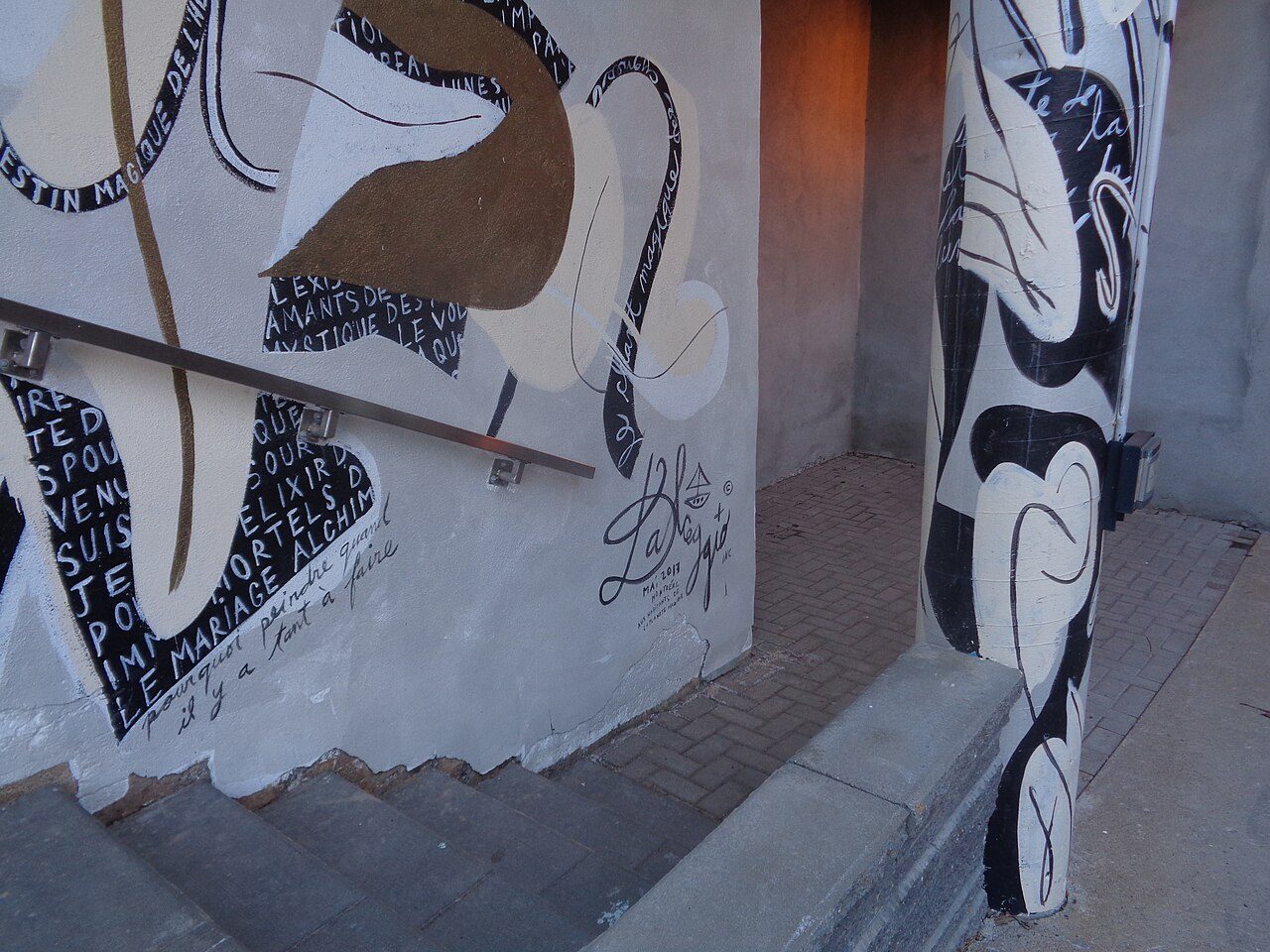
- MURAL Festival (June 4–14, 2026): Eleven days of live street-art creation on Boulevard Saint-Laurent, with free block parties (5–11 PM) on the Saint-Laurent Fizz stage. Watching a five-story mural come together in real time, coffee in hand, is one of my favorite Montreal memories — and it costs nothing. → Tourisme Montréal — MURAL Festival
- Just for Laughs / Juste pour rire (July 15–26, 2026): The world’s biggest comedy festival, now in its second year under ComediHa ownership, with 2026 headliners including Jerry Seinfeld, “Weird Al” Yankovic, Gabriel Iglesias, and a David Letterman–Paul Shaffer reunion. The big galas sell out (Seinfeld added a second show within hours), but the outdoor street programming around the Quartier des Spectacles is free. → Just for Laughs Montréal — official site
- Osheaga (July 31–August 2, 2026): The big music weekend on the island at Parc Jean-Drapeau — 2026 headliners Twenty One Pilots, Tate McRae, and Lorde, with 87 acts across three days. Three-day general admission started at $425 (2026 pricing). Take the yellow line to Jean-Drapeau station; I timed it at under 10 minutes from downtown, and trying to park near the island during Osheaga is a mistake you only make once. → Osheaga 2026 — official tickets (Ticketmaster)
- Piknic Électronik (Sundays, May–September): Open-air electronic music Sundays at Parc Jean-Drapeau. Admission is around ~$22, and it’s the most fun you can have on a Sunday afternoon in this city.
- L’International des Feux Loto-Québec (summer): The international fireworks competition over the river at La Ronde, typically Wednesday and Saturday evenings from late June through July — best watched from the Old Port or the Jacques-Cartier Bridge. I haven’t pinned the full 2026 calendar to the minute, so double-check La Ronde’s official schedule before you plan a night around it.
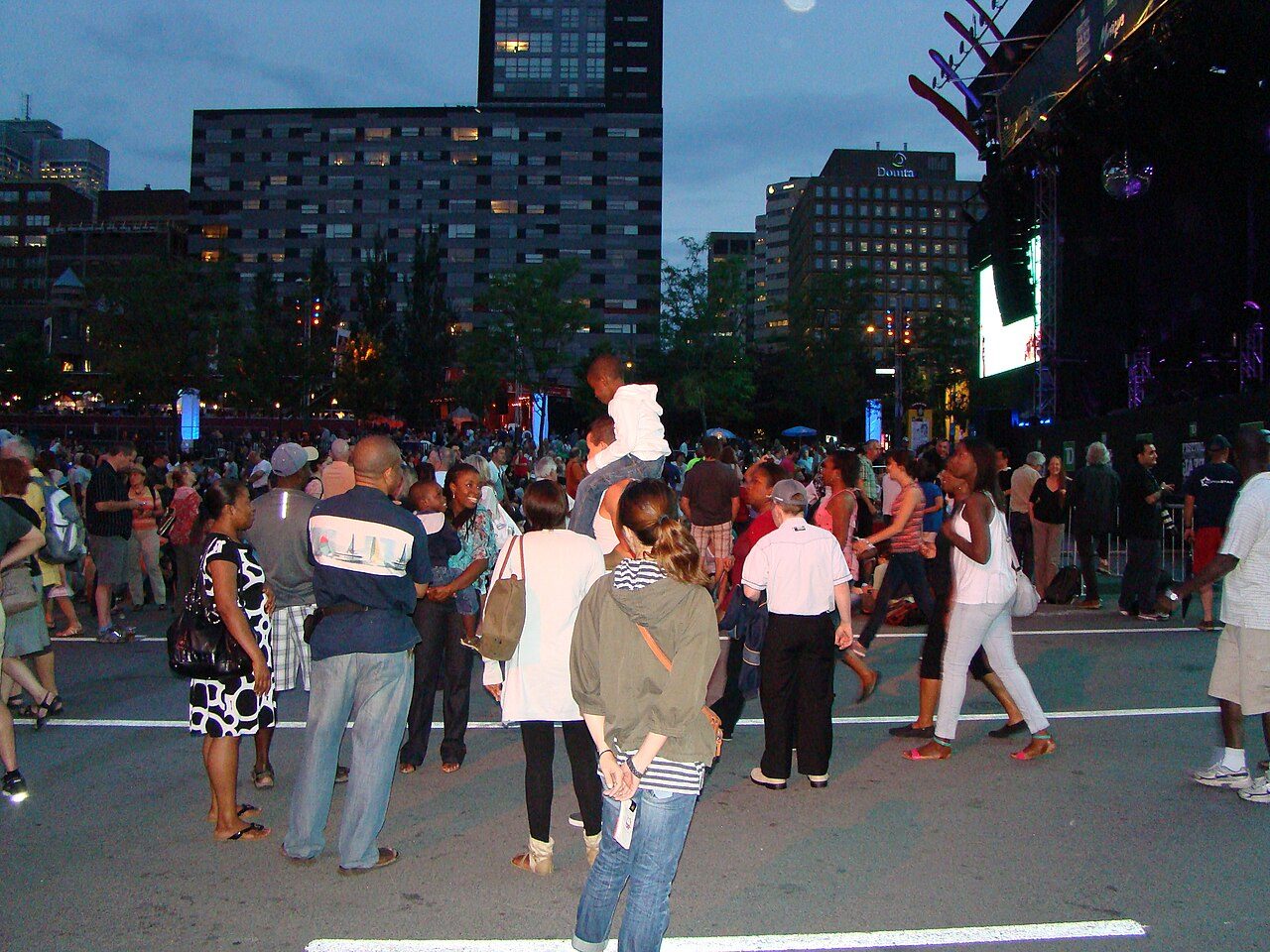
Pro tip: during festival season, Sainte-Catherine Street around Place des Arts becomes a pedestrian party zone in the evenings. Eat early, then drift toward the stages — the free programming is genuinely excellent, not filler.
Old Montreal & the Notre-Dame Basilica
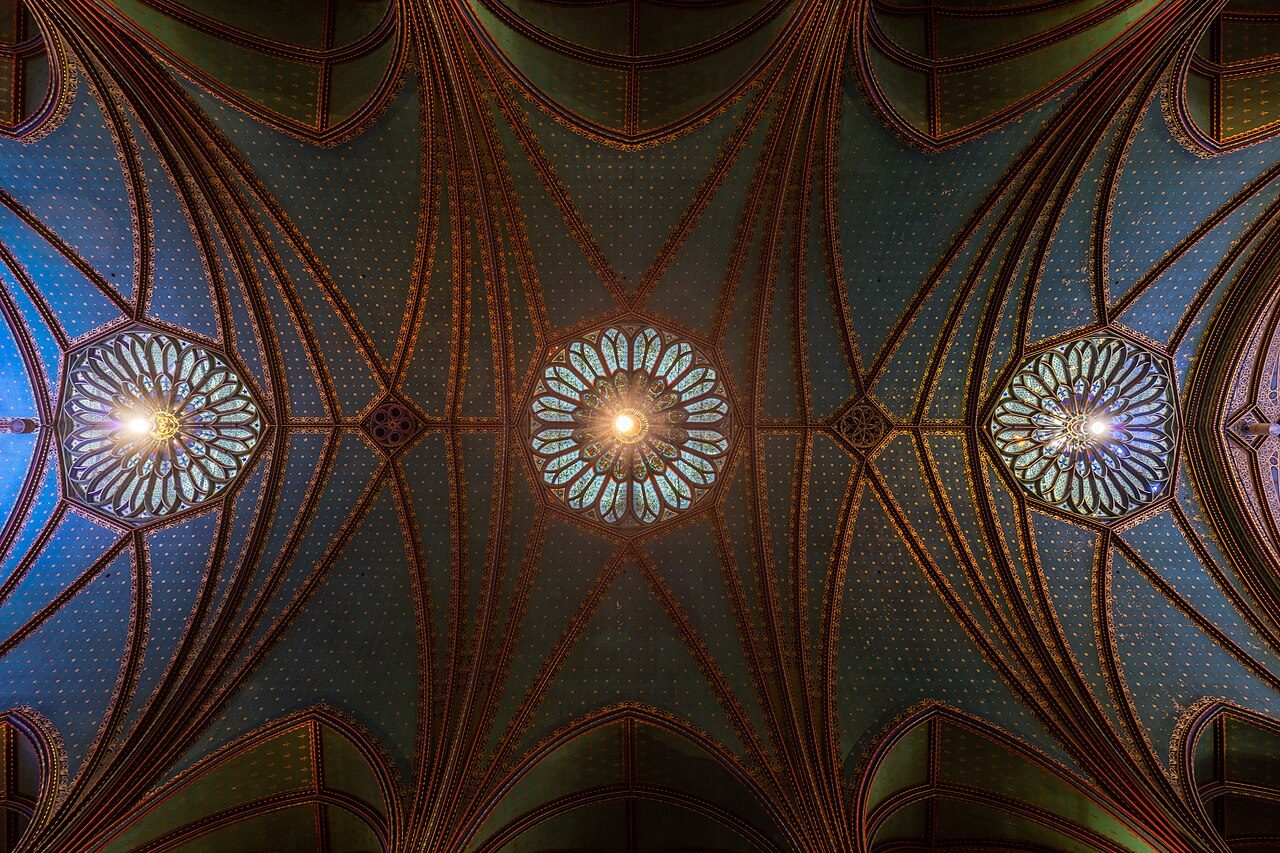
Start where Montreal started: the cobblestones of Old Montreal. It’s touristy, yes — and I’ll be honest, it’s touristy for a reason. The Notre-Dame Basilica is the one paid sight in this city I’d call a do-not-skip: the Gothic Revival interior glows blue and gold, and sitting in a pew for ten quiet minutes is the best reset button in the neighborhood.
Practical notes:
- Notre-Dame Basilica: Tourist admission is ~$16 for adults (2026 pricing, self-guided); it’s free to enter for Mass or prayer. Timed tickets — book online ahead, because the line at noon in July is not where you want to spend your morning. The separate AURA light-and-sound experience runs in the evenings at ~$40 per adult and sells out in summer. → Basilique Notre-Dame — official tickets
- Place d’Armes metro (orange line) drops you right at the basilica’s doorstep.
- Place Jacques-Cartier is the lively pedestrian square just east of the basilica — street artists, portrait painters, and the Nelson column. Do not skip the side streets around it (Rue Saint-Paul, Rue Saint-Amable): that’s where the good galleries and the quiet cafés live.
The Old Port & the waterfront
South of the cobblestones, the Old Port of Montreal stretches 2.5 km along the Saint Lawrence — and it’s essentially the city’s summer living room. Wandering the promenade is free, and it’s where I end up every evening I’m in town.
What to do down here:
- The Clock Tower Beach (Plage de l’Horloge): An urban beach with blue umbrellas, sand, and misters — bring a towel and pretend the river is the ocean. Entry is a few dollars.
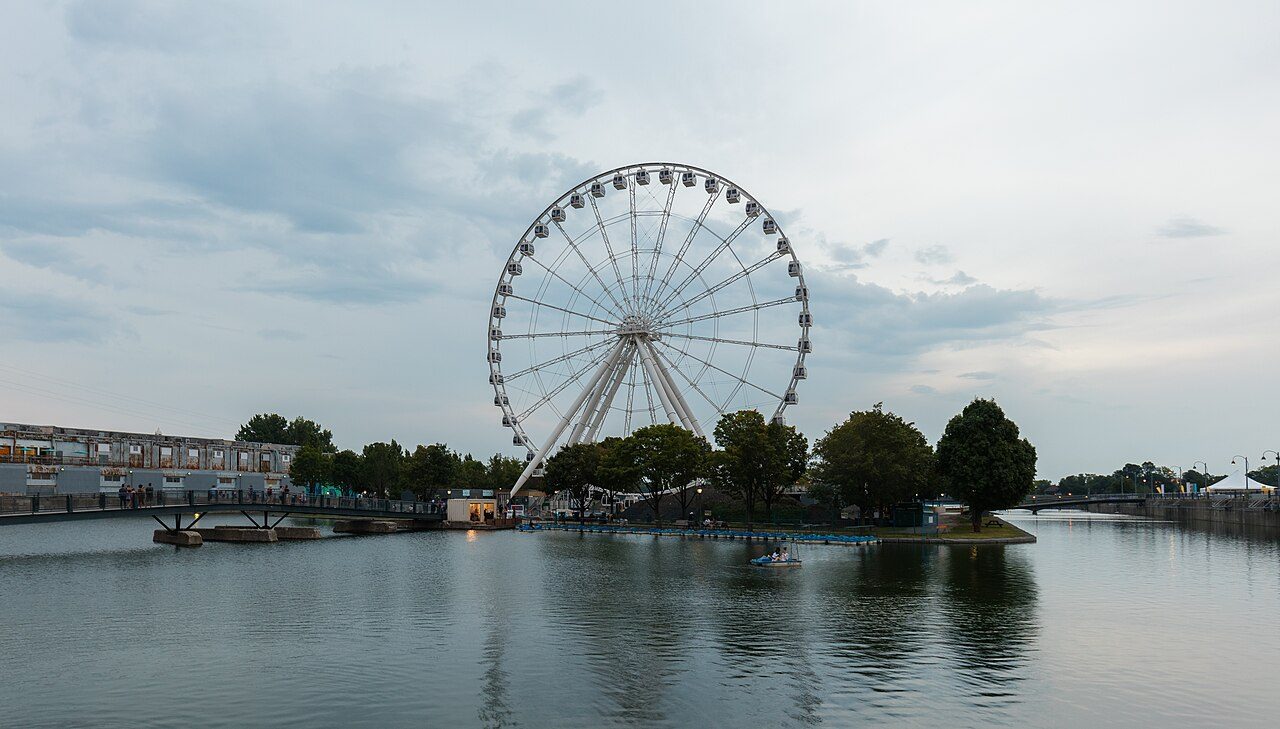
- La Grande Roue de Montréal: The 60-metre observation wheel at the Old Port; a ride runs around ~$30 for adults. I went at sunset, and the skyline across the river earned the admission. Worth every penny at golden hour, skippable on a gray day.
- Rent a bike: The Lachine Canal path starts right at the Old Port and runs 14.5 km west — flat, paved, and lined with terraces. This is where BIXI becomes a game-changer (see Getting Around).
- Zip-line and pedal boats: The MTL Zipline crosses the canal near the Old Port (~$23 a ride), and the pedal boats in the Bassin Jacques-Cartier are a goofy, excellent hour.
- Fireworks: During the Loto-Québec competition, the Old Port promenade is one of the best free vantage points — arrive 45 minutes early for a spot on the quay. I showed up 15 minutes before once. Never again.
Mount Royal & the Kondiaronk lookout
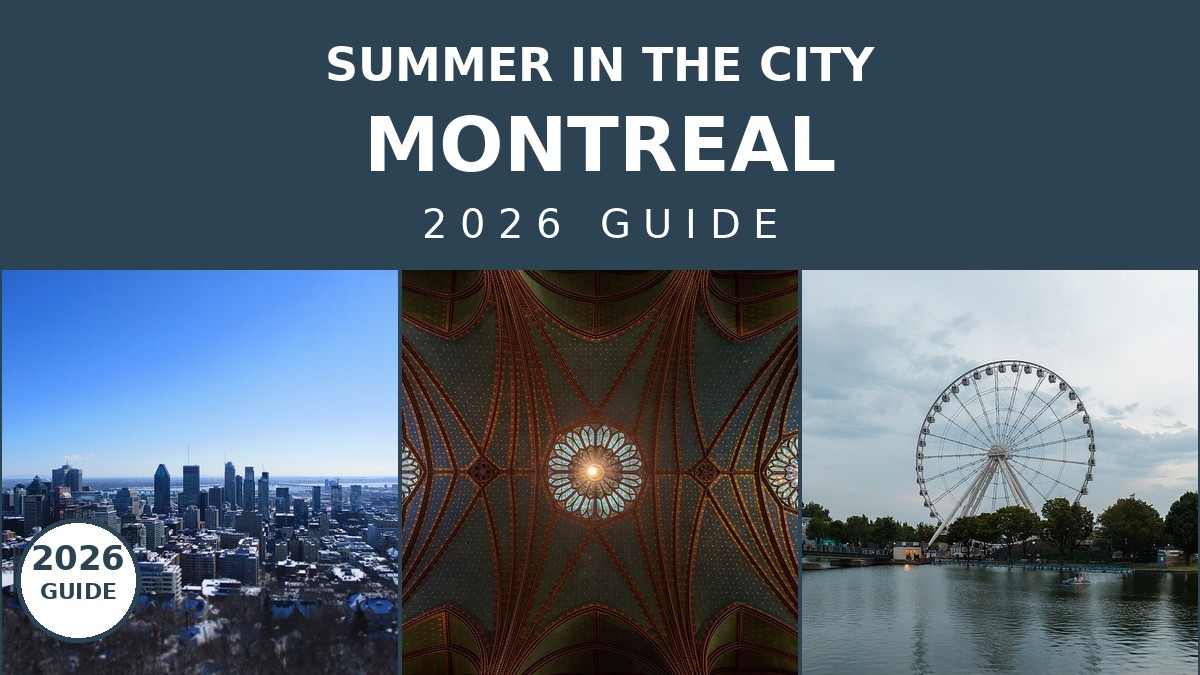
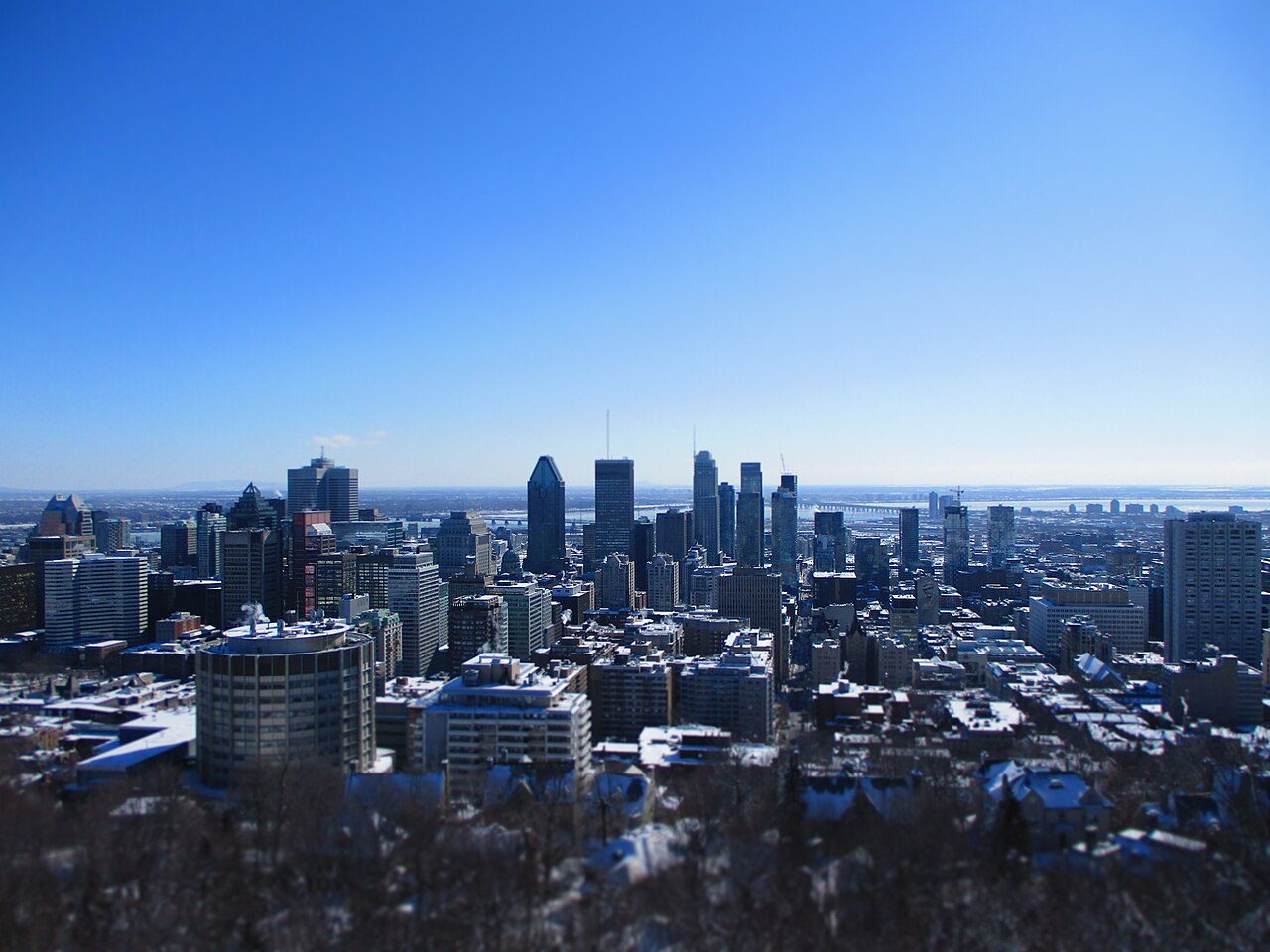
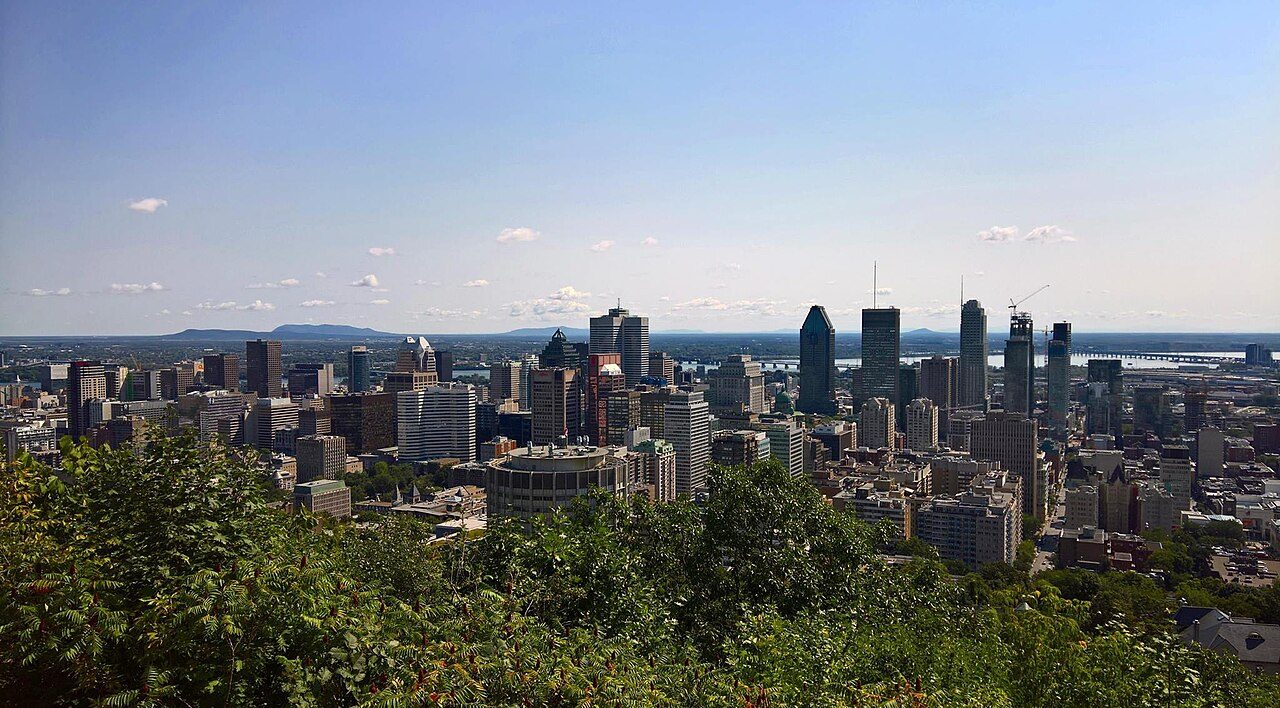
The mountain that gave the city its name is free, green, and 200 hectares of the best views in town. The walk up from Peel Street (via the Olmsted-designed paths, ~30–45 minutes at a strolling pace) is the classic approach, and the Kondiaronk Belvedere delivers the postcard: downtown towers, the river, the Olympic Stadium’s inclined tower on the horizon.
- Cost: Free. (The Chalet du Mont-Royal at the top has washrooms and a small café — and the terrace is prime sunset real estate.)
- Sunday Tam-Tams: On summer Sundays, drummers gather at the Sir George-Étienne Cartier monument at the mountain’s east entrance for the Tam-Tams — a free, gloriously chaotic drum circle with dancers, picnickers, and vendors. A park staffer told me it started in the late ’70s and just never stopped. Bring snacks, sit on the grass, stay an hour longer than planned.
- What I got wrong: I once tried to hike up at 2 PM on a 31°C July day. The humidity on that hill is no joke — go before 10 AM or after 5 PM, bring a full water bottle, and thank me later.
Espace pour la vie: the Biodome, Botanical Garden, Insectarium & Planetarium
Out by the Olympic Stadium (Viau or Pie-IX metro, green line), the Espace pour la vie complex is Montreal’s family-heavy, secretly-great-for-adults half-day. My favorite order: Biodome first thing (animals are most active in the morning), then the Botanical Garden’s greenhouses at midday, then lunch.
- Tickets (2026 rates, taxes included): $25.50 per adult per museum — one price covers the Biodome, the Botanical Garden, the Insectarium, the Biosphere, or the Planetarium individually. Multi-museum passes and family rates ($68 family) bring the per-site cost down. → Espace pour la vie — official 2026 admission fees
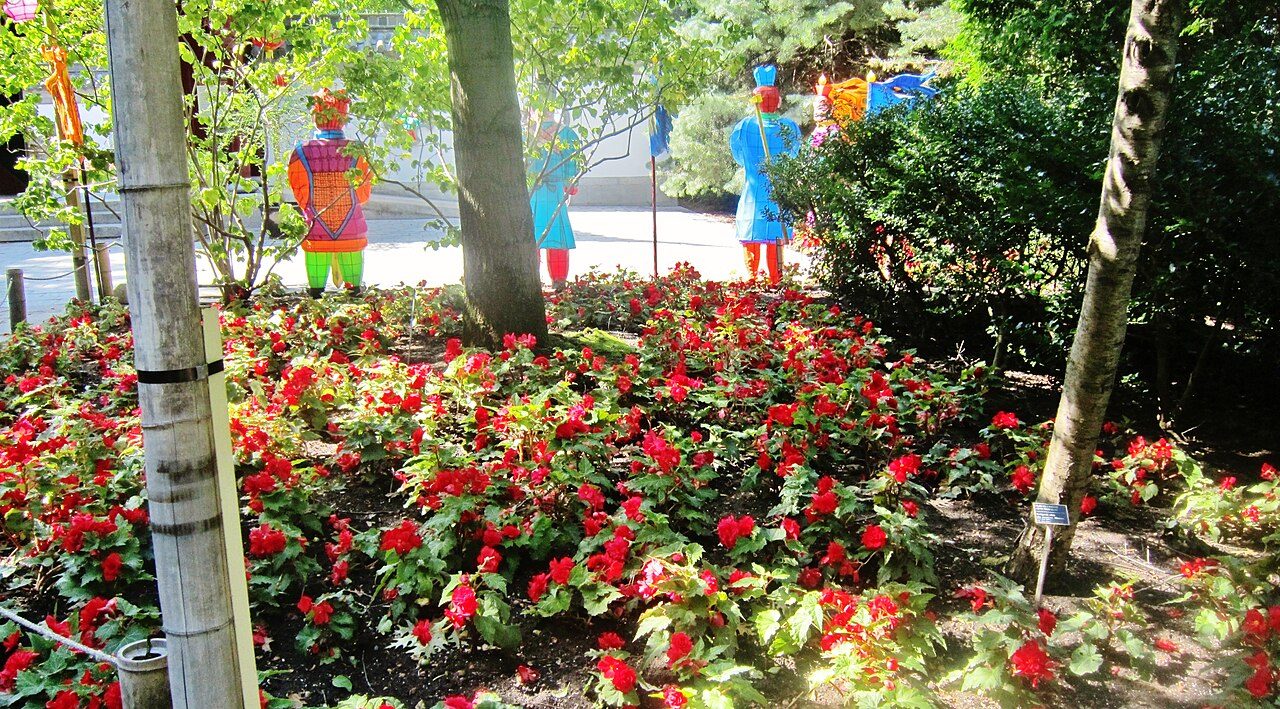
- The Botanical Garden: 75 hectares with 20+ thematic gardens — the Chinese Garden and Japanese Garden are the standouts, and the greenhouses are a lifesaver on a rainy or scorching day. I first read about the autumn Gardens of Light on the official site (it runs September–November, so summer visitors miss it — plan the daytime visit instead).
- The Insectarium: Reopened in a stunning new building with a living butterfly dome — genuinely beautiful, even for the bug-averse (me).
- The Planetarium: Thursday evenings from 5 PM, shows run ~$13 — the cheapest premium evening in the city.
Parc Jean-Drapeau & the islands
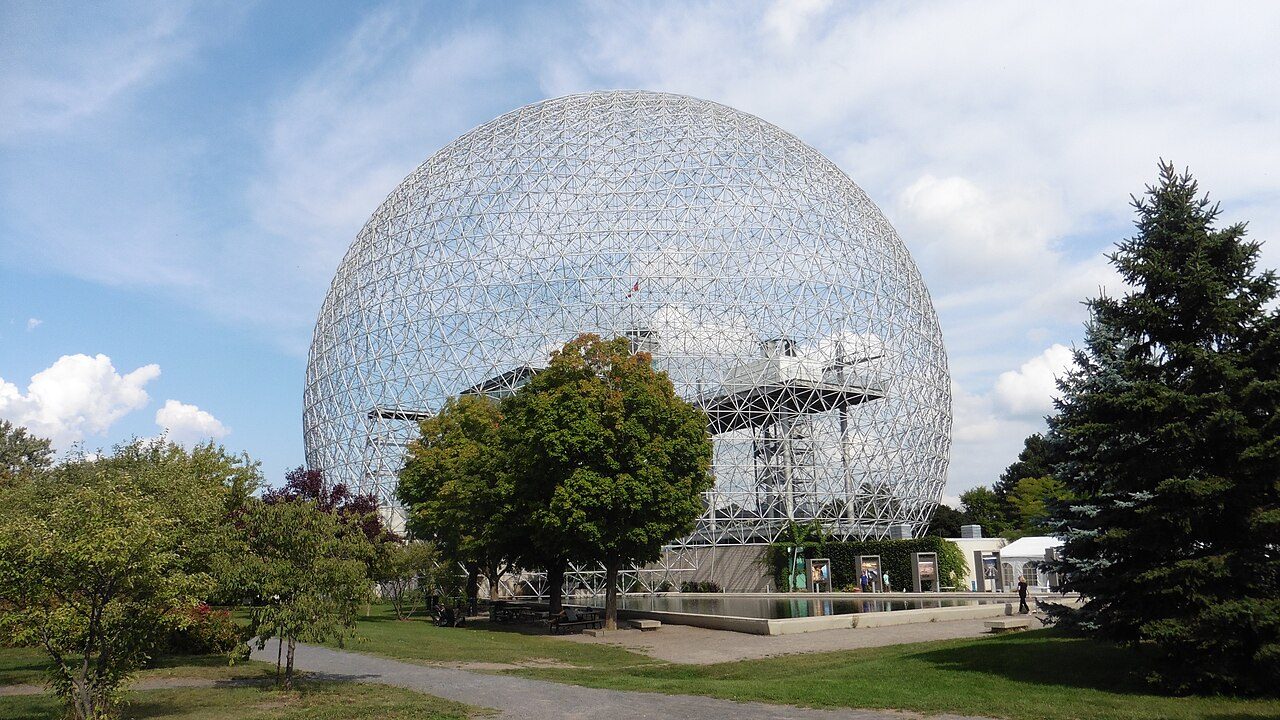
Two islands in the middle of the Saint Lawrence, a 5-minute yellow-line metro ride from Berri-UQAM (I timed it — 4 minutes station to station). Île Sainte-Hélène and Île Notre-Dame hosted Expo 67, and the park they became is Montreal’s summer playground:
- The Biosphere: Buckminster Fuller’s geodesic dome, now an environment museum (Espace pour la vie pricing applies: ~$25.50 adult). Even if you don’t go in, the dome against the skyline is one of the city’s most photogenic structures.
- Parc-plage du Grand-Fjord / Jean-Doré Beach: An island beach with a supervised swimming area — sandy, lifeguarded, and a short walk from the metro. On a 30°C day, this is the move.
- La Ronde: The Six Flags amusement park on Île Sainte-Hélène (~$80 for a day pass in summer — check the official site for date-specific pricing). Fun for a teen-heavy group; everyone else can admire the fireworks from across the river for free.
- Biking the Circuit Gilles-Villeneuve: The Formula 1 track circles Île Notre-Dame and is open to cyclists when there’s no race — a flat, fast 4.3 km loop. Rent a BIXI and do two laps. You’ll feel like a pro for about ten minutes.
Neighborhoods worth your time
Downtown is for festivals; the neighborhoods are for the actual city. My shortlist, metro stops included:
- The Plateau-Mont-Royal (Mont-Royal metro, orange line): The colorful one — exterior staircases, the Saint-Louis Square Victorians, and the MURAL festival’s permanent gallery along Boulevard Saint-Laurent. Walk the boulevard between Sherbrooke and Mont-Royal Avenue; the murals you saw created during the festival are there year-round.
- Mile End (Laurier metro, orange line): Bagel ground zero. The St-Viateur vs. Fairmount debate is Montreal’s most delicious argument — both bake wood-fired, both cost ~$1.25 a bagel, and I have eaten both in one afternoon for “research.” (Worth it.) Saint-Viateur’s original on Mont-Royal is open 24/7, which has saved more than one of my late nights.
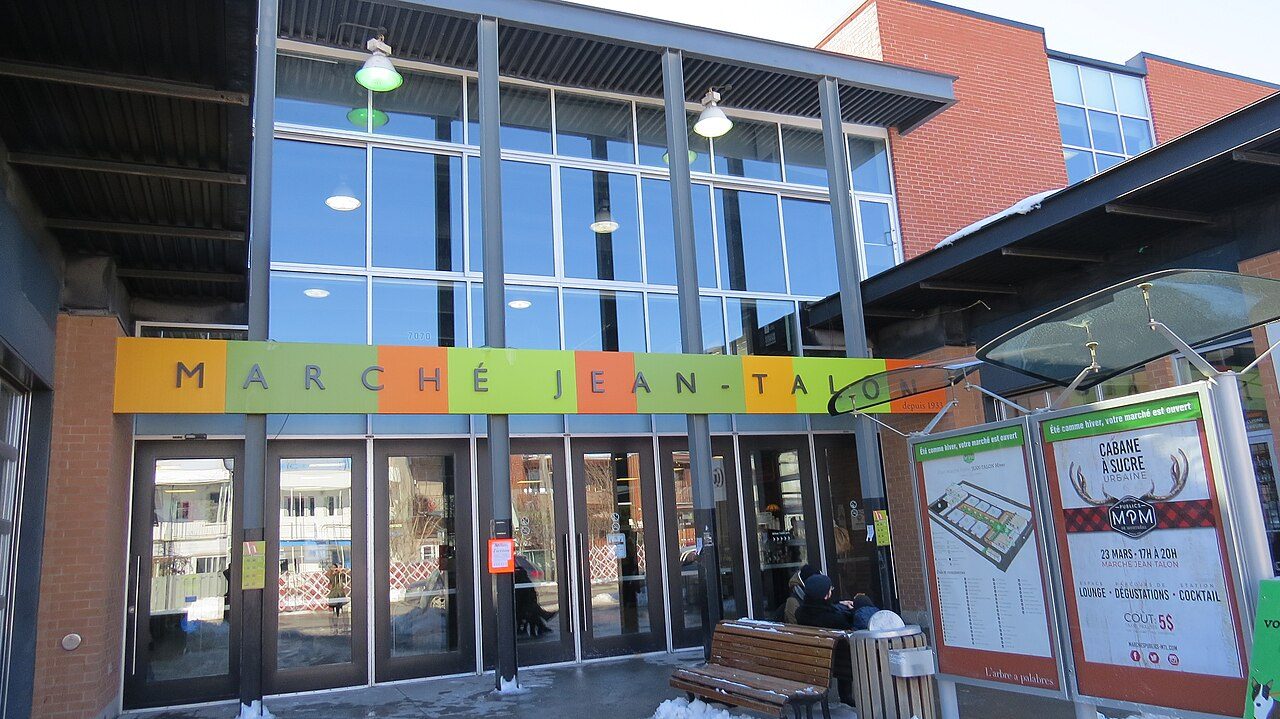
- Little Italy & Marché Jean-Talon (Jean-Talon metro, orange/blue lines): One of North America’s great public markets — produce, cheese, maple everything, and food stalls under one roof, open daily. Go hungry. I went “for 20 minutes” and stayed two hours; the mushroom vendor talked me into a porcini the size of my hand.
- Saint-Henri (Place-Saint-Henri metro, orange line): The former working-class district turned indie-everything — breweries, vintage shops, and Notre-Dame Street West’s restaurant row. Dinner here, then a stroll along the Lachine Canal at golden hour.
- Verdun (De l’Église metro, green line): Wellington Street is the city’s best people-watching strip — pedestrianized in summer, lined with patios, and genuinely local. This is where I eat when I’m not playing tourist.
Getting around Montreal in summer
You do not need a car in Montreal. I say this as a planner who once priced out a rental “just in case” and used it exactly zero times.
- The metro (STM): Four lines (green, orange, yellow, blue) cover every neighborhood in this guide. Get an OPUS card (reusable smart card, ~$6 to buy) and load it — as of July 1, 2026, the monthly pass is $110, so visitors should load individual tickets or a tourist pass instead. Everything is tap-on; there’s no tap-off. A server on a terrace told me tourists always ask about this — now you know.
- BIXI bikes: The bike-share system with 600+ stations is genuinely the best way to cover the Old Port, the canal, and the islands. One-way rides cost a few dollars (~$3) and the first 25–30 minutes of a member ride are included; grab a one-way pass in the app and dock-and-redock if you’re hopping around. Pro tip: download the BIXI app before you need it — station availability at 6 PM on a Friday is competitive.
- Walking: Downtown, Old Montreal, and the Plateau are all comfortably walkable; budget 20–30 minutes between adjacent neighborhoods.
- From the airport (YUL): The 747 express bus runs 24/7 to downtown (Lionel-Groulx metro) for ~$11–12, valid for 24 hours of STM travel. Taxis and Ubers run a flat-rate ~$45ish to downtown — split three ways it beats the bus on convenience.
Where to stay for a summer visit
- Downtown / Quartier des Spectacles: Best for festival season — walk to the Jazz Fest stages, Just for Laughs venues, and two metro lines. Busiest, priciest, most convenient. My pick for a first summer visit.
- Old Montreal / Old Port: Romantic cobblestone mornings, but pricier and a 15-minute walk or short metro ride from festival central. Lovely for a couples’ trip.
- The Plateau / Mile End: Airbnb and boutique-hotel territory (beware of illegal short-term rentals — Quebec requires a registration number). Best food access in the city; slightly longer metro rides downtown.
- Price reality: Expect ~$200–350/night for a mid-range hotel in July (before taxes — Quebec adds ~15% plus lodging taxes, so budget accordingly). For festival weekends, book 4–6 months out; I watched July prices climb every month from January to June last year.
Pairing Montreal with Quebec City? Our 2-day Quebec City itinerary is the classic add-on — it’s ~3 hours by VIA Rail, and the train drops you at Gare du Palais right in the action.
What to eat: a summer shortlist
Montreal is a food city that happens to have festivals, not the other way around. The essentials:
- Poutine: The classic — fries, cheese curds, gravy — runs ~$12 at La Banquise in the Plateau (open 24 hours, 30+ varieties). My confession: I ordered “just a classic” and ended up with the one topped with smoked meat. No regrets. ~$12–15 depending on toppings.
- Schwartz’s Deli: The smoked-meat institution on Saint-Laurent since 1928. A medium-fat sandwich is ~$13, and the lineup at 12:30 PM on a Saturday is a 60–90 minute commitment — go at 11 AM or after 2 PM. Pro tip: takeout from the counter next door skips most of the line. Trust me on this one.
- Bagels: Wood-fired, slightly sweet, eaten warm out of the bag. ~$1.25 each at St-Viateur or Fairmount. Buy a dozen; they will not survive the day.
- Terrasse culture: Summer in Montreal is measured in terrace hours. Crescent Street and Saint-Denis are the classic strips, but the Plateau’s side-street terrasses (Laurier, Duluth) are where locals actually sit. Budget ~$8–10 for a pint on a terrace — the view of the passing parade is included free.
- Marché Jean-Talon / Atwater: Graze your way through both markets for lunch; ~$15–20 buys a very happy picnic.
How much does a summer trip to Montreal cost?
Sample budget per adult per day (prices checked October 2026; items marked ~ are estimates):
| Item | Mid-range (CAD) | Budget (CAD) |
|---|---|---|
| Hotel (double occupancy, per person) | ~$125–175 | ~$60–90 (hostel/budget hotel) |
| Food & drinks | ~$70–100 | ~$40–60 (markets, poutine, bagels) |
| One paid attraction (Biodome, basilica, Grande Roue) | ~$16–40 | $0 (free festivals, parks, waterfront) |
| Transit (STM tickets + occasional BIXI) | ~$10–15 | ~$8–10 |
| Daily total | ~$220–330 | ~$110–160 |
The cheat code: Montreal’s best summer experiences are overwhelmingly free. Free outdoor concerts, free murals, free mountain views, free waterfront. Spend your attraction budget on one or two anchors (the basilica, the Biodome) and let the festivals carry the rest.
A 4-day summer plan at a glance
| Day | Morning | Afternoon | Evening |
|---|---|---|---|
| Day 1 | Old Montreal & Notre-Dame Basilica (~$16) | Old Port waterfront, Clock Tower Beach | Terrace dinner, festival evening (free) |
| Day 2 | Mount Royal lookout hike (free) | Plateau murals & Saint-Laurent stroll | Jazz Fest / Just for Laughs outdoor shows (free) |
| Day 3 | Biodome & Botanical Garden ($25.50) | Marché Jean-Talon & Little Italy | Saint-Henri dinner + Lachine Canal walk |
| Day 4 | Parc Jean-Drapeau: Biosphere, beach or bike loop | Mile End bagels & vintage shops | Fireworks at the Old Port (if scheduled) |
Only have one day? Our 1-day Montreal itinerary compresses the highlights into a single well-planned day.
FAQs about Montreal in summer
When is the best time to visit Montreal in summer?
Late June through July is peak season: the Jazz Fest (June 25–July 4, 2026) and Just for Laughs (July 15–26, 2026) run back-to-back, and the weather is warmest. June is milder with smaller crowds, while August (Osheaga, July 31–August 2, 2026) is slightly calmer than July. Expect daytime highs around ~26°C with humidity in July and August.
Is Montreal expensive to visit in summer?
It can be, but it doesn’t have to be. Mid-range hotels run ~$200–350/night in July, yet the city’s best summer experiences — the free Jazz Fest outdoor concerts, MURAL Festival, Mount Royal, the Old Port waterfront — cost nothing. Budget roughly ~$110–160/day as a frugal traveler or ~$220–330/day mid-range, per person (double occupancy).
Do I need a car in Montreal?
No. The four-line STM metro covers every major sight, BIXI bike-share is ideal for the Old Port, the Lachine Canal, and Parc Jean-Drapeau, and the 747 express bus runs 24/7 from the airport for ~$11–12. Driving downtown during festival season is more hassle than help.
Do I need to speak French in Montreal?
Not for a visit. Montreal is officially French-speaking but functionally bilingual in tourist areas — you’ll be greeted with “Bonjour!” and switching to English is completely normal. That said, a few words of French (bonjour, merci, s’il vous plaît) are appreciated and honestly fun to use on a terrace.
What should I pack for Montreal in summer?
Light breathable clothes, a refillable water bottle (July humidity is real), comfortable walking shoes for cobblestones, a light rain layer for pop-up thunderstorms, and one nicer outfit — Montreal dresses up for dinner. Sunscreen for the island beach and the mountain; the UV at the Kondiaronk lookout sneaks up on you.
Can I combine Montreal with other cities in one trip?
Easily. Quebec City is ~3 hours by VIA Rail (see our 2-day Quebec City itinerary), Kingston and the Thousand Islands are ~3 hours west (try our 1-day Kingston itinerary), and Ottawa/Gatineau is ~2 hours by bus or train. For a bigger summer loop, see our 14-day Canada itinerary.
Keep exploring
- The Ultimate 1 Day in Montreal Itinerary: 2026 Guide
- The Perfect 2 Days in Quebec City Itinerary: 2026 Guide
- The Ultimate Canada in July Itinerary: 2026 Summer Guide
- The Perfect 1 Day in Kingston Itinerary for 2026
- The Best 14 Day Canada Itinerary: 2026 Travel Guide