
Last updated: October 3, 2026
The short answer
- Layer like you mean it: a moisture-wicking base layer, an insulating mid layer (fleece or down), and a windproof/waterproof outer shell — the three-layer system is the whole game.
- Pack for the region, not the country: Vancouver in January (~3°C) and Winnipeg in January (~−18°C) are two different planets — check Environment Canada’s forecast and build your kit around your actual destination.
- Extremities decide everything: insulated waterproof boots, a real toque, and mittens (not fashion gloves) are the difference between a magical winter trip and a miserable one.
Here’s the thing about packing for a Canadian winter: it is not one packing list. It’s at least four, wearing a trench coat. The first time I flew from Vancouver to Montreal in late February, I packed like I was going to a colder version of home — a cute coat, regular boots, the kind of gloves that are basically decorative. I spent my first afternoon in a Montreal pharmacy buying lip balm and questioning every decision I’d ever made. Fair warning: that story ends with me buying a parka I hadn’t budgeted for.
Since then I’ve done this trip properly more times than I can count (six winter city trips and counting), and I have opinions. Strong ones. This is my complete, spreadsheet-tested Canada winter packing list for 2026 — the exact system I use, what each layer actually costs (~estimates, all in CAD), and how to adjust it from the mild coast to the deep-freeze Prairies.
The three-layer system: the whole game
Everything else on this page is commentary. The three-layer system is the article.
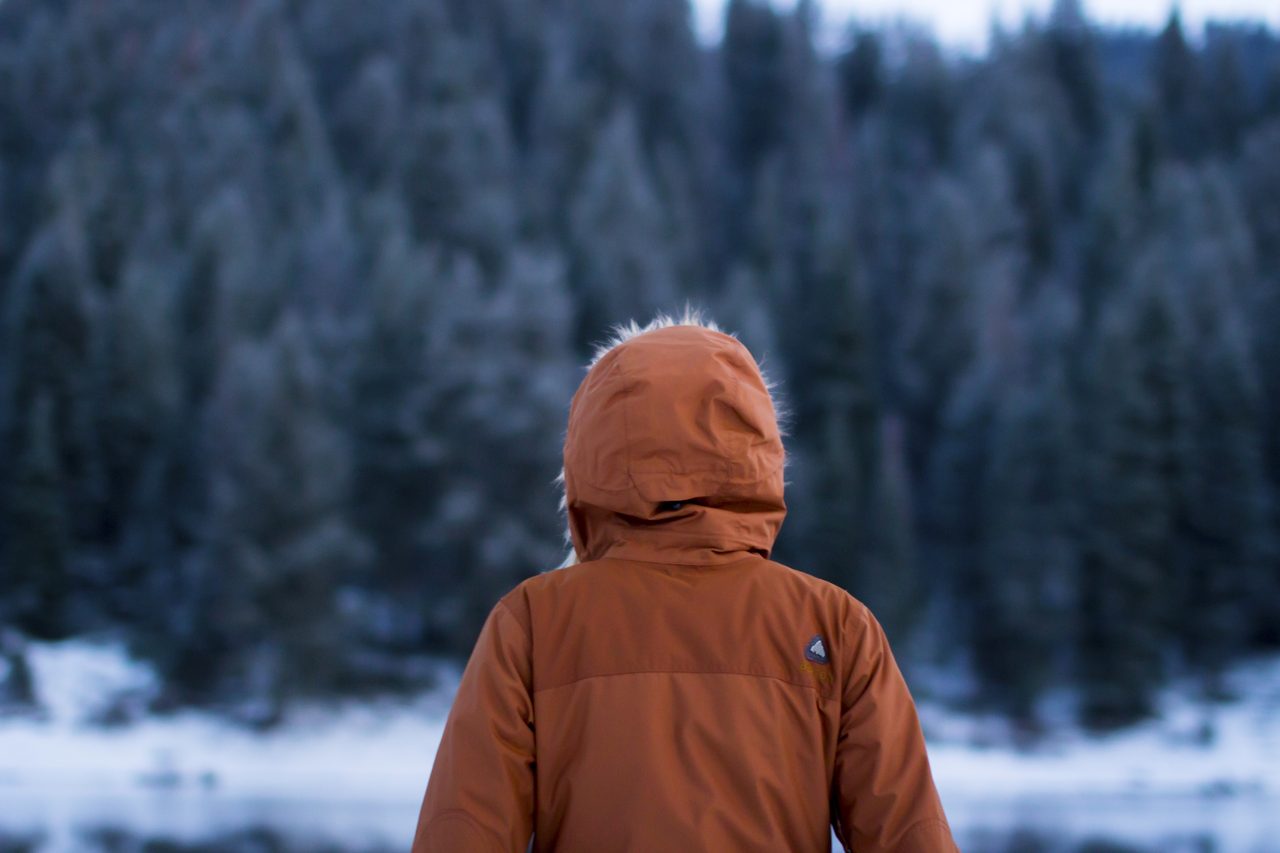
I learned this the sweaty way. On a dog-sledding afternoon near Mont-Tremblant, I wore one giant sweater instead of layers, overheated on the trail, and then froze the moment we stopped — damp sweater, wind picking up, twenty minutes of pure regret. Layers let you add and shed as you bounce between −20°C sidewalks and overheated museums. That bounce, by the way, is the defining feature of Canadian winter travel.
The base layer: no cotton. Ever.
Your base layer sits against your skin and moves sweat away from it — because wet skin in a Canadian wind is a fast track to misery. Merino wool is the gold standard: warm, breathable, and (pro tip) it genuinely doesn’t stink after multiple wears, which matters when you’re packing light. Synthetic polyester blends are cheaper and dry faster. I’ll be honest: I own both, and I reach for the merino when the forecast has a minus sign with a 2 in front of it.
Pack two sets of top and bottoms per week of travel. Mark them in your suitcase — I keep mine in a labeled packing cube because I am who I am.
The mid layer: your portable furnace
This is the insulation layer that traps your body heat. A good fleece or a lightweight down/puffy jacket does the heavy lifting here. The beauty of the mid layer is adjustability: leave it on for an outdoor morning at the Montreal Christmas markets, peel it off the second you walk into a heated café. My rule: if you can only add ONE item to your bag, make it a compressible down jacket. It squishes to nothing and saves everything.
The outer shell: wind is the real enemy
Here’s the thing most first-timers underestimate — it’s not the temperature that gets you, it’s the wind chill. A −12°C day in Quebec City with wind off the St. Lawrence feels like a personal attack, while a calm −20°C day in Banff can feel… fine. (I said what I said.)
Your outer shell must be windproof and waterproof, with a hood and a hem that covers your hips. For city trips, a down-filled parka rated to at least −25°C is the workhorse. For active days, a waterproof shell over your puffy gives you the best of both worlds. I double-checked Environment Canada’s wind-chill explanation on weather.gc.ca before my first real Prairie winter — exposed skin can freeze in 10–30 minutes at a −28 to −39°C wind chill, and in 2–5 minutes below −48°C. That chart changed how I pack. Trust me on this one.
Boots, hats, and gloves: the extremities rule
Your torso has layers and a heated hotel. Your toes have whatever you put on them this morning. Choose accordingly.
Boots: the single most important item

Do not skip this section, and do not bring fashionable boots. I’ve watched tourists in sneakers do the sideways penguin-shuffle across an icy Ottawa sidewalk and it is never not heartbreaking.
What you actually need: insulated (rated to at least −25°C, −32°C if you’re going to the Prairies or the North), waterproof boots with aggressive tread. Break them in before the trip — I made that mistake once and my heels paid tuition. Wear them on the plane to save suitcase space, and pack one pair of warm house shoes or slippers for indoors (Canadian hosts will ask you to take your boots off at the door, and socks alone get cold).
My boots-and-socks system: one pair of thin moisture-wicking liner socks plus one pair of thick merino wool socks, per day. Two thin pairs beat one thick pair if your boots run snug. This layering logic comes straight from the children’s-hospital winter dressing guide I found at AboutKidsHealth — and if it’s good enough for Canadian kids playing outside for hours, it’s good enough for your vacation.
Hats, scarves, and the mitten manifesto

You lose a shocking amount of comfort through an uncovered head and neck — and “fashion gloves” in −20°C are, in my experience, just cold hands with extra steps. My manifesto:
- A proper toque (that’s a knit winter hat, welcome to Canada) that covers your ears. Pack two — they get damp.
- A scarf or neck gaiter you can pull up over your nose and cheeks. A balaclava is not overkill for the Prairies. I once felt ridiculous buying one in Winnipeg. I felt like a genius wearing it.
- Mittens, not gloves, for anything below about −15°C — fingers stay warmer together. Insulated, windproof, ideally with wrist straps so you can yank them off for photos without dropping one in a snowbank. (Ask me how I know.)
- Thin touchscreen liner gloves for under the mittens — so you can use your phone without the full exposure ritual.
Pack by region: one list does not fit all
This is the section I wish someone had handed me before that first Montreal trip. Canada in winter is a continent wearing one flag.

The mild coast (Vancouver, Victoria): January averages around 3°C — it’s a rain-and-wind winter, not a snow winter. Waterproof everything (jacket, shoes, umbrella), medium layers, and you’ll be fine. Do NOT bring your expedition parka; you’ll roast on the SkyTrain.
The deep freeze (Winnipeg, Saskatoon, Edmonton): January averages −14 to −18°C, and cold snaps hit −30°C or worse. This is the full kit: −32°C-rated boots, balaclava, the heavy parka, hand warmers. I timed it once — my walk from a Winnipeg hotel to the Forks market was 12 minutes and I used every layer I owned.
The eastern cities (Toronto, Ottawa, Montreal, Quebec City): the classic snow-globe winter, −5 to −12°C on average with damp wind that bites. Full three-layer system, waterproof boots for slush season (March is the slush Olympics), and traction aids for icy sidewalks — a front-desk clerk in Old Montreal told me to buy microspikes at the pharmacy down the street, and it was the best local advice I’ve ever received.
The mountains and the North (Banff, Jasper, Yellowknife): dry, deep cold and the best payoff — powder days and aurora nights. Banff averages around −9°C in January; Yellowknife averages roughly −25°C. Add ski goggles (the wind on a ski hill is no joke), a headlamp for early sunsets, and serious camera protection (see below).
For reference, here are typical January average temperatures (climate normals, rounded — check Environment Canada for the current forecast before you go):
| City | January average | What to expect |
|---|---|---|
| Vancouver | ~3°C | Rain, wind, occasional snow |
| Toronto | ~−5°C | Snow, lake-effect wind |
| Montreal / Ottawa | ~−10°C | Deep snow, biting wind |
| Quebec City | ~−12°C | Very snowy, wind off the river |
| Calgary | ~−10°C | Dry cold, chinook thaws |
| Edmonton | ~−14°C | Dry, serious cold snaps |
| Winnipeg | ~−18°C | The deep freeze — full kit |
| Yellowknife | ~−25°C | Arctic cold, aurora country |
Heading somewhere snowy on purpose? Our Canada in winter guide and 2-day Banff itinerary will help you plan what to do once you’re dressed for it.
Electronics, skincare, and your camera
The cold doesn’t just attack you — it attacks your stuff. Small confessions from my packing spreadsheet:
Phones die in the cold. Lithium batteries lose charge fast below freezing; my phone once went from 60% to dead in twenty minutes on a windy Quebec City rooftop. Keep your phone in an inside chest pocket (your body heat is the charger), bring a fully charged power bank, and keep that in a warm pocket too. The touchscreen liner gloves from the mitten section exist for this exact reason.
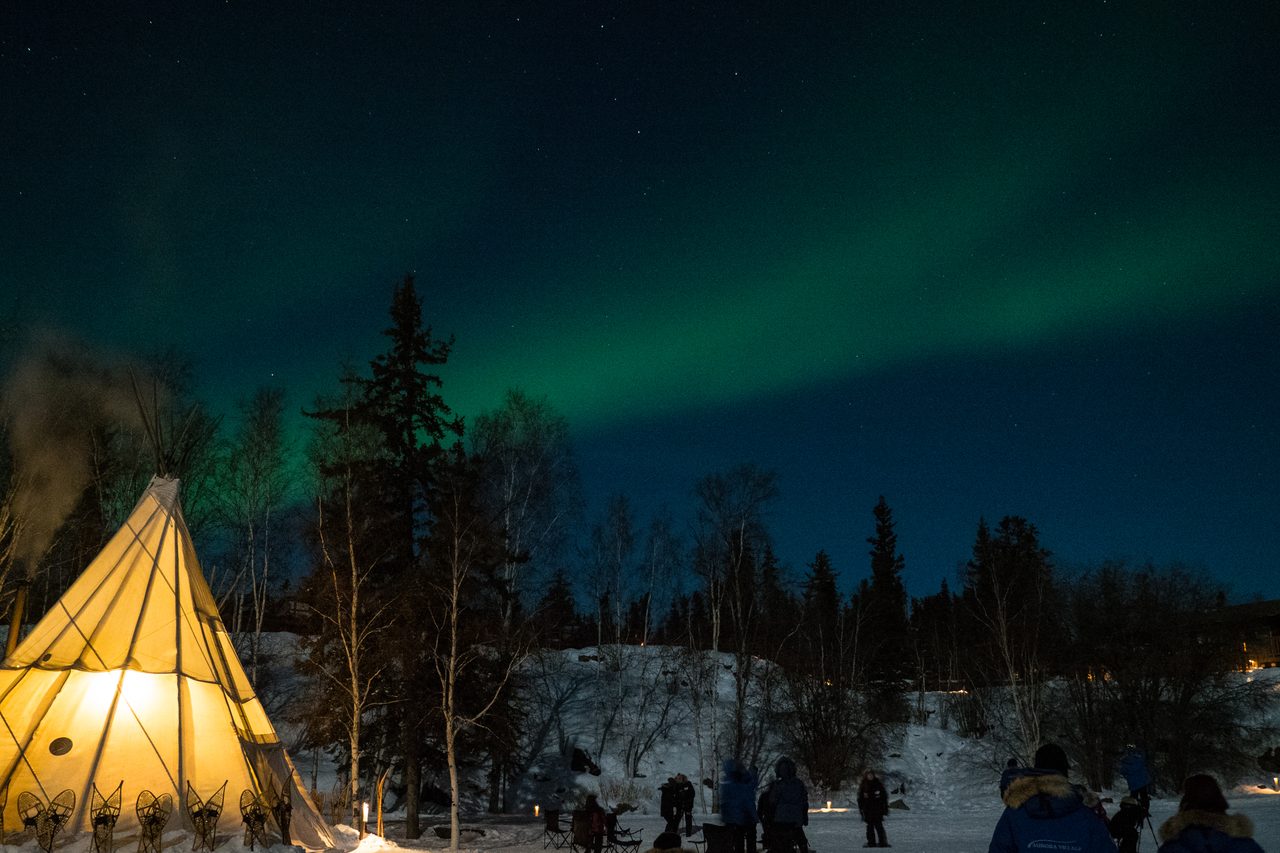
Camera gear needs a warm-up ritual. Going from −20°C air into a heated lobby fogs every lens instantly — and condensation inside a lens is a bad day. Seal your camera in a zip-lock bag BEFORE going inside and let it warm up slowly. I learned this one from a Yellowknife aurora guide who’d watched too many tourists cry over fogged lenses. If you’re chasing the lights, bring two batteries and rotate them in your pockets.
Skincare is survival gear. Heated indoor air plus sub-zero outdoor air will wreck unprotected skin in days. My kit: heavy moisturizer, SPF lip balm (snow glare is real — yes, you can get sunburned in winter), hand cream, and a small tube of petroleum jelly for wind-exposed cheeks. I skipped the lip balm on one Banff trip and spent three days looking like I’d lost a fight with sandpaper.
Packing tips: fit it all in one bag

Winter gear is bulky, and airline baggage fees are not. Here’s my system, refined over six trips:
- Wear your bulk on the plane. Parka, boots, heaviest sweater — on your body, not in your bag. I look like the Michelin Man at the gate and I do not care.
- Compression cubes are a game-changer. Down jackets, fleeces, and base layers compress to a third of their volume. Roll, don’t fold — and put a dryer sheet in each cube (trust me on this one).
- One-week formula: 2–3 base-layer tops, 2 base-layer bottoms, 2 mid layers, 1 outer shell, 1 parka (worn), 2 toques, 2 scarves/gaiters, mittens + liner gloves, 7 pairs of wool socks, boots (worn) + 1 indoor shoe. That’s it. Laundry exists in Canada.
- Pack a small “cold kit” in your daypack: hand warmers, lip balm, tissues, a snack, and your power bank. The day you forget the hand warmers is the day you’ll want them most.
- Leave room for souvenirs — or at least for the parka you might buy in Montreal. Learn from my mistakes.
Safety gear for winter adventures
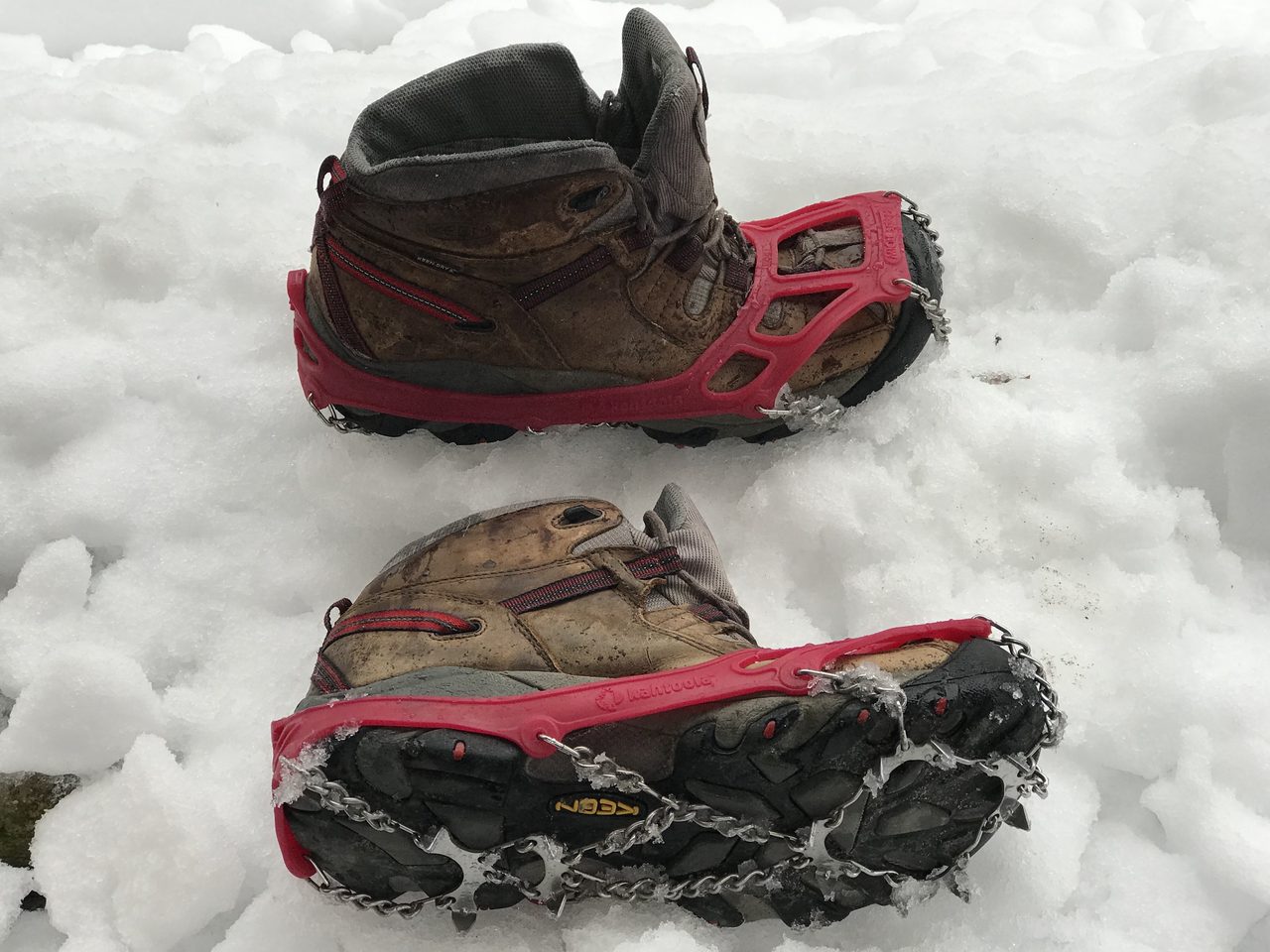
If your trip involves actual outdoors — not just sidewalk-to-museum — add these. I’ve done the winter hikes around Banff and the ice walks in Ottawa, and this is the kit that kept me upright:
- Microspikes or ice cleats (~$30–50) that strap onto your boots. City sidewalks in Montreal and Ottawa ice over beautifully and treacherously. Game-changer doesn’t begin to cover it.
- Trekking poles for snowy trails — your knees will thank you on the descents.
- A headlamp — the sun sets before 5 PM in most of Canada in December and January. I got caught on a Lake Louise shoreline walk at dusk once; never again.
- A basic emergency kit for road trips: blanket, extra food and water, a phone charger, and a shovel in the trunk if you’re driving anywhere rural. Canadian winters strand cars every year — check road conditions before you set out.
One more thing, and I mean this: tell someone your plan before a backcountry winter outing, and check the avalanche forecast if you’re heading into the mountains. I check the forecast the way I check my packing cubes — obsessively, and without apology.
How much does winter gear cost?
Do you need to buy everything? Honestly, maybe not — if you already own a decent waterproof shell and warm boots, you’re halfway there. But if you’re starting from scratch (like I was, standing in that Montreal pharmacy), here’s what a starter kit runs in Canada (~estimates in CAD, 2026 prices — check current prices before you buy):
| Item | Typical cost (CAD) |
|---|---|
| Insulated parka (−25°C rated) | ~$250–600 |
| Insulated waterproof winter boots | ~$150–300 |
| Merino base layers (top + bottom) | ~$60–150 |
| Mid layer (fleece or packable down) | ~$80–250 |
| Toque, scarf/gaiter, mittens, liner gloves | ~$60–120 |
| Wool socks (3–4 pairs) | ~$40–80 |
| Microspikes / ice cleats | ~$30–50 |
| Hand warmers, lip balm, moisturizer | ~$15–30 |
| Total starter kit | ~$685–1,580 |
Pro tip: buy the big-ticket items (parka, boots) at home where you can try them on — but leave the accessories for Canada. Canadian drugstores and outdoor shops stock the best toques, mitts, and hand warmers on earth, often cheaper than at home. And if you’re pairing this with city sightseeing, our 3-day Toronto itinerary and Montreal in winter guide cover what to do once you’re properly dressed.
FAQs about packing for winter in Canada
What is the three-layer system for Canadian winter?
It’s the standard cold-weather dressing method: a moisture-wicking base layer (merino wool or synthetic — never cotton), an insulating mid layer (fleece or down), and a windproof/waterproof outer shell. The point is adjustability — you add and shed layers as you move between −20°C streets and heated buildings, and you stay dry, which is what actually keeps you warm.
How cold does it get in Canada in winter?
It depends entirely on where you go. Vancouver averages around 3°C in January (rain, not snow), Toronto around −5°C, Montreal and Ottawa around −10°C, Quebec City around −12°C, Calgary around −10°C, Edmonton around −14°C, Winnipeg around −18°C, and Yellowknife around −25°C — with cold snaps pushing much lower. Always check Environment Canada’s forecast for your specific destination before you pack.
Can I just buy winter clothes when I arrive in Canada?
Yes, and sometimes it’s the smart move — Canadian stores stock excellent winter gear, and you avoid baggage bulk. But buy your parka and boots at home where you can try them on properly, and don’t land in a −20°C city in sneakers planning to “shop tomorrow.” I tried that in Montreal. It did not go well.
Do I really need special winter boots, or will sneakers do?
You need real winter boots — insulated, waterproof, with good tread — for anywhere east of Vancouver or north of the border cities. Sneakers on an icy Ottawa sidewalk are a safety hazard, not a packing choice. Break the boots in before your trip, wear them on the plane, and pack liner socks plus thick wool socks.
How do I keep my phone and camera working in the cold?
Keep your phone in an inside chest pocket so your body heat keeps the battery alive, carry a charged power bank in a warm pocket, and use touchscreen liner gloves. For cameras, seal the camera in a zip-lock bag before going indoors so it warms up slowly without condensation fogging the lens — and carry a spare battery in your pocket for aurora nights.
What if I’m only visiting Vancouver in winter?
Pack for a cold, wet autumn, not the Arctic: a waterproof (not necessarily down-filled) jacket, waterproof shoes or boots, layers for 0–8°C days, and an umbrella. Leave the expedition parka and the balaclava at home — you’ll be overdressed on the SkyTrain while locals wear light jackets in the rain.
2 comments