
Last updated: October 3, 2026
The short answer
- Best all-round months: July (peak festivals, warmest weather, longest days) and September (fall colour, thinner crowds, cheaper flights) — trust me on this one, I’ve timed trips for both and September is my personal favourite.
- Best budget months: Late January–February and April–May, when hotels and airfares drop noticeably — I’ll be honest, winter cold is the price of admission.
- Best month for Northern Lights: March or September in Yellowknife, when dark nights and milder temperatures line up (fair warning: you need at least 4 nights for a decent shot at a clear sky).
Here’s the thing about the “best” time to visit Canada: it doesn’t exist. Not really. There is only the best time for your trip — and that depends on whether you want turquoise alpine lakes, forty-below auroras, or a quiet spring deal nobody else is fighting over. I’ve been chasing all three (sometimes in the same year, much to my credit card’s despair), and I built this guide so you don’t have to learn the hard way that Banff hotels sell out six months before July.
This is my honest, region-by-region breakdown of Canada’s seasons, the real 2026 festival dates (I double-checked every one on the official sites before writing this — dates shift year to year, so do the same before you book), the wildlife windows that actually matter, and what each season will cost you. Prices are checked in October 2026; anything I couldn’t verify is marked with a ~.
Summer in Canada: the peak experience (June to August)
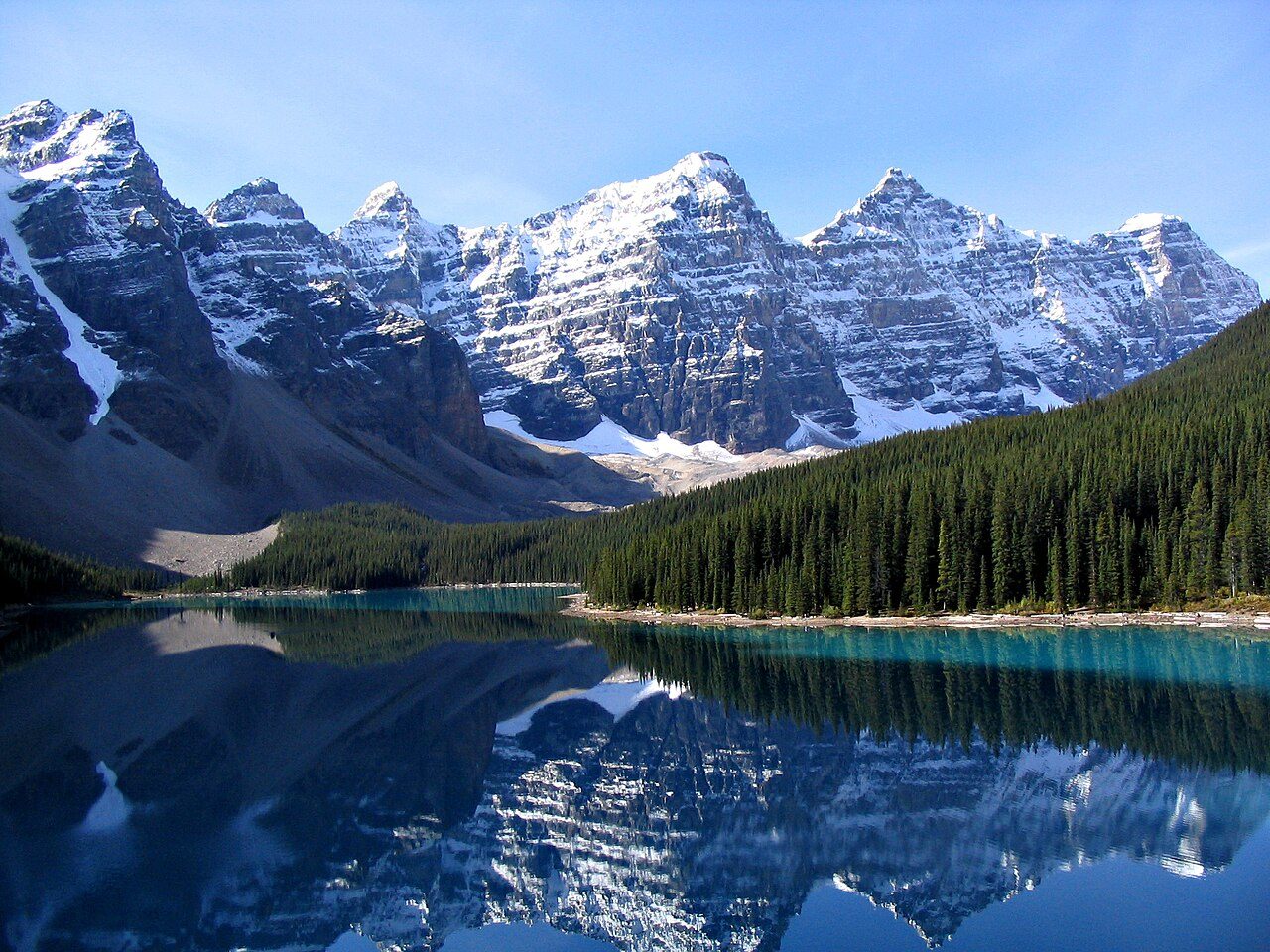
Summer is when Canada shows off. The Rockies’ glacial lakes turn that impossible turquoise (Moraine Lake is at its best from late June through August), every national park road is open, and the festivals stack up back to back. Daylight is the secret weapon — in the Yukon and northern Ontario you’ll have usable light until 10 PM, which means I once finished a “full day” of sightseeing and still had three hours of golden hour left.
The trade-offs are real: July and August are the most expensive months of the year, and popular spots get genuinely busy. I booked a Banff hotel in April once for a July trip, thinking that was plenty of lead time. It was not. I paid for my optimism — literally. Book mountain towns 6+ months ahead for July–August, and do not skip the sunrise slots at Moraine Lake (parking now requires a shuttle or pre-booked permit; I double-checked this on the official Parks Canada page).
Summer highlights worth planning around:
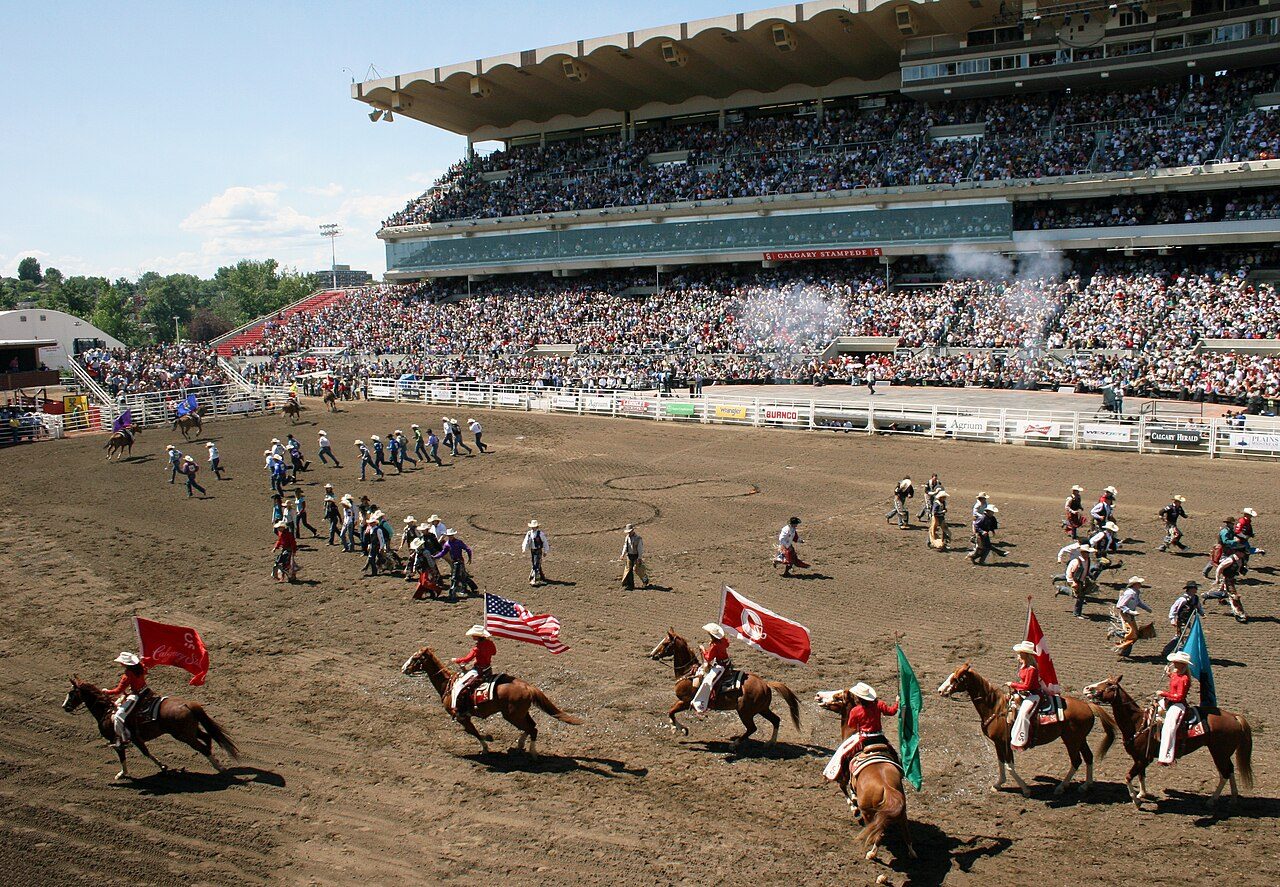
- Calgary Stampede (July 3–12, 2026) — the “Greatest Outdoor Show on Earth,” ten days of rodeo, chuckwagon races, and free pancake breakfasts all over the city. Pro tip: the Sneak-a-Peak evening (July 2) and the free-admission windows on July 3, 5, and 7 are genuinely the best value — I have the full pricing breakdown saved and it still makes me happy. → Calgary Stampede — official tickets & FAQs
- Festival International de Jazz de Montréal (June 25–July 4, 2026) — the 46th edition, 350+ concerts and two-thirds of them free. I showed up for one evening once and stayed for four days. Ask me how that happened.
- Festival d’été de Québec (July 9–19, 2026) — 11 days of music on the Plains of Abraham with a general pass around ~$180 CAD. Eleven days of music for the price of one arena ticket is, objectively, a game-changer.
- The lakes — Moraine Lake, Lake Louise, and Peyto Lake hit peak colour mid-July to late August.
For a deep dive on the warmest months, see our Canada in Summer guide.
Fall in Canada: the golden window (September to October)
If I could only visit Canada once, I’d pick late September. Here’s the thing: you get fall colour that honestly rivals New England, the summer crowds have vanished (Labor Day weekend is the great exhale), hotel prices soften, and the aurora season kicks off in the North. I’ve done the Laurentians in late September three times now, and the drive past Mont Tremblant with the maples going full red still makes me pull over.
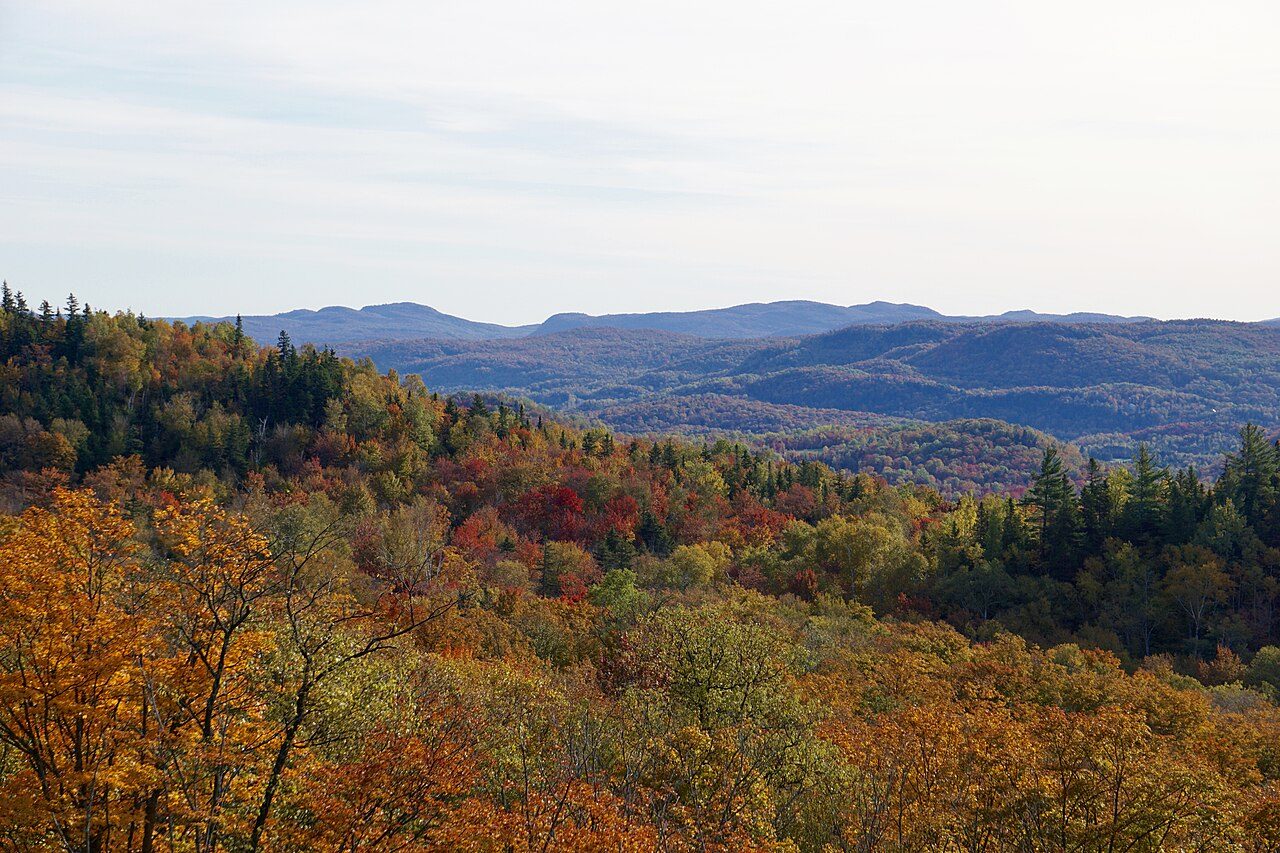
Fall timing matters: Ontario and Quebec typically peak from late September to mid-October (the higher elevations go first — that’s a mistake I made once, showing up in mid-October and finding the best colour two hours north of where I was). The Maritimes and the Rockies follow their own schedules, so check our fall colours guide for region-by-region peak weeks.
Fall highlights:
- TIFF — Toronto International Film Festival (September 10–20, 2026) — the 51st edition, and one of the best film festivals in the world. Pro tip: the street outside the red-carpet venues is half the show, and it’s free. → TIFF — official festival site
- Aurora season begins — September is one of the best aurora months (dark nights return, temperatures are still manageable, lakes aren’t frozen so you get reflections).
- Polar bear season prep — October is when the Churchill migration window starts (more on this below).
Fair warning: by late October, many seasonal businesses in Atlantic Canada and the mountain towns start closing for the season. And September weather is a coin flip — pack layers, not hope.
Winter in Canada: snow, skating, and the aurora (November to March)
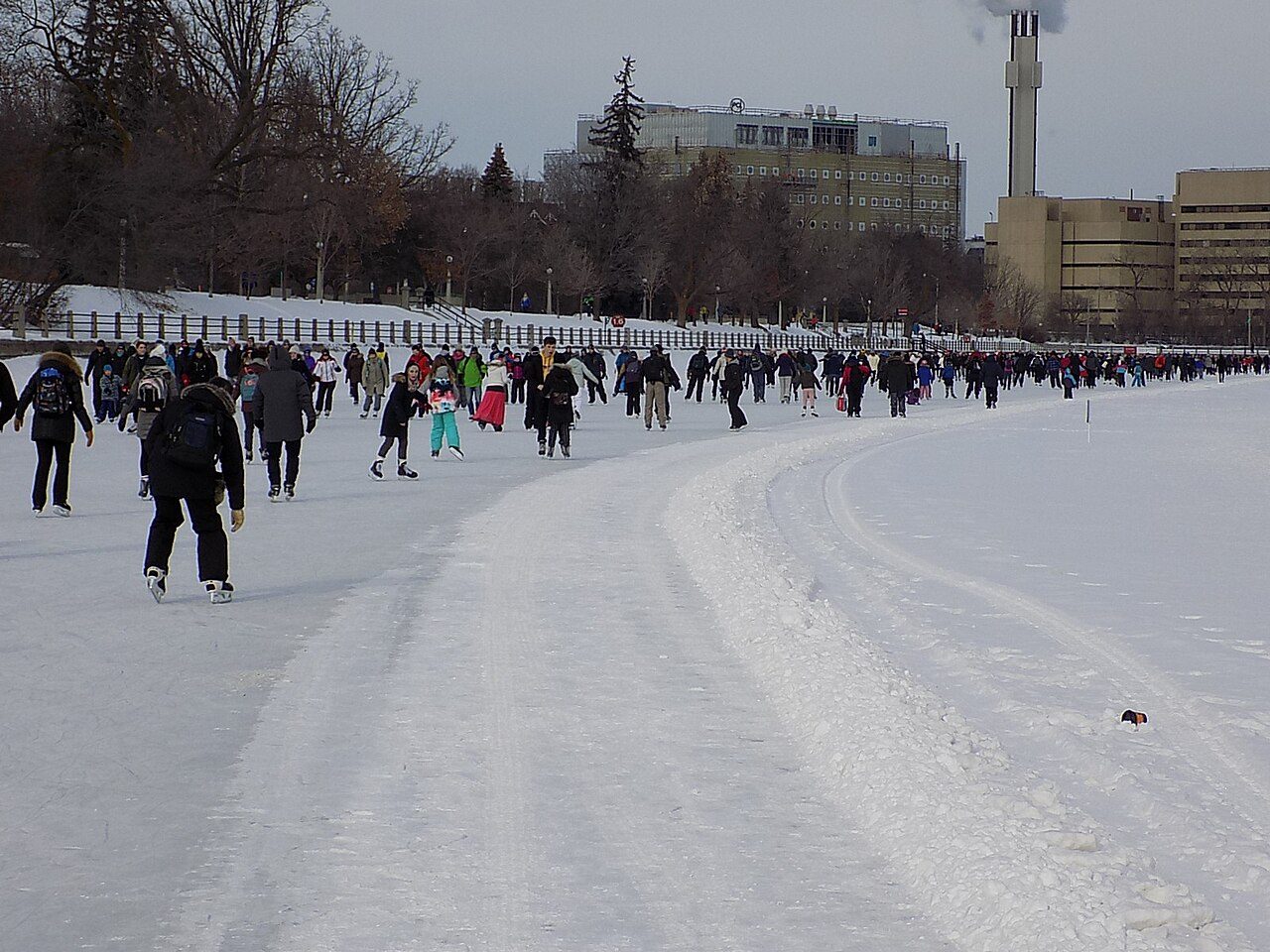
I’ll be honest: winter in Canada is not for the cautious. But it is, hands down, the most magical season — and the most Canadian one. Skating the Rideau Canal at dusk with Parliament Hill lit up behind me is one of my top five travel memories, full stop.

The aurora is winter’s biggest draw. Yellowknife — which sits directly under the auroral oval — runs its viewing season roughly from mid-August to mid-April, but March and September are the sweet spots: dark nights, clearer skies, and temperatures that won’t make your camera battery quit. I did Yellowknife in September specifically to avoid the minus-30 deep winter, and a tour operator there told me the equinox months get the most active displays. Plan for at least 4 nights — clouds are the real enemy, not the cold. Group aurora tours run roughly ~$85–150 CAD per person per night (estimate from tour operators; book before you arrive).
Winter festivals (2026):
- Winterlude (January 30–February 16, 2026) — Ottawa–Gatineau’s three-week winter festival: ice carving at Confederation Park, the Snowflake Kingdom, and the Rideau Canal Skateway (the world’s largest skating rink, and a UNESCO World Heritage site). It’s free, and the beavertails alone are worth the flight. → Ottawa Tourism — Winterlude 2026
- Carnaval de Québec (February 6–15, 2026) — the 72nd edition of the world’s largest winter carnival. Bonhomme’s Ice Palace, night parades, and the legendary ice canoe race on the St. Lawrence. The Effigy pass was $39 CAD + tax in 2026 (announced price). → Québec City — official Winter Carnival guide
Ski season: resorts typically open in late November — Whistler Blackcomb announced November 20, 2026 as its target opening for the 2026–27 season (weather permitting) — and the reliable “champagne powder” window is January through March. For packing plus the full winter rundown, see our Canada in Winter guide.
Spring in Canada: the shoulder-season steal (April to May)
Spring is Canada’s best-kept secret and I will die on this hill (gently, with a warm drink). Yes, trails in the Rockies are muddy through May. Yes, it can snow in April in Calgary — it once did, on me, during what I had optimistically called a “spring getaway.” But hotel rates are the lowest of the year outside January–February, crowds are nonexistent, and the cities are lovely: Vancouver’s cherry blossoms run late March through April, and Victoria’s gardens wake up early.

Spring’s real prize is Newfoundland’s iceberg season (typically late May to early June): thousand-year-old icebergs drift down Iceberg Alley right past towns like Twillingate, and humpback whale season starts up around the same time — I planned one June trip specifically for the iceberg-and-whale double feature and it did not disappoint.
Pro tip: spring is also the smart time for the big cities — Montreal, Toronto, and Vancouver in May are warm enough to enjoy, cheap enough to enjoy more, and empty enough that you can get a dinner reservation anywhere. May and late September are my favourite “just a month away from peak” windows if you’re choosing a single month for city weather and prices.
Regional weather cheat sheet
Canada spans six time zones, so “the weather in Canada” is a meaningless phrase. Here’s my one-glance planner — temperatures are typical ranges, not forecasts (check a forecast before you pack, planner’s orders):
| Region | Winter (Dec–Feb) | Summer (Jun–Aug) | My take |
|---|---|---|---|
| Vancouver & Victoria | ~3–8°C, rainy | ~18–25°C | Mildest winters in the country — bring a waterproof jacket every single month. |
| Canadian Rockies (Banff/Jasper) | ~-15 to -5°C | ~15–25°C days, cool nights | Even July nights get cold at altitude. I always pack a warm layer for summer. |
| Toronto & Montreal | ~-10 to 0°C | ~20–30°C, humid | Real four-season drama — humid heatwaves and deep freezes in the same year. |
| Atlantic Canada | ~-8 to 0°C | ~18–24°C | July–August is the sweet spot; June can be foggy (they call it “fog season” for a reason). |
| The North (Yellowknife/Whitehorse) | ~-35 to -20°C | ~15–25°C, near-midnight sun | Winter is serious business — rent expedition-grade gear and check tour operator lists. |
Best time for wildlife: northern lights to grizzly bears
Animals run on their own calendars and they do not care about your vacation days. Here are the windows I plan around:
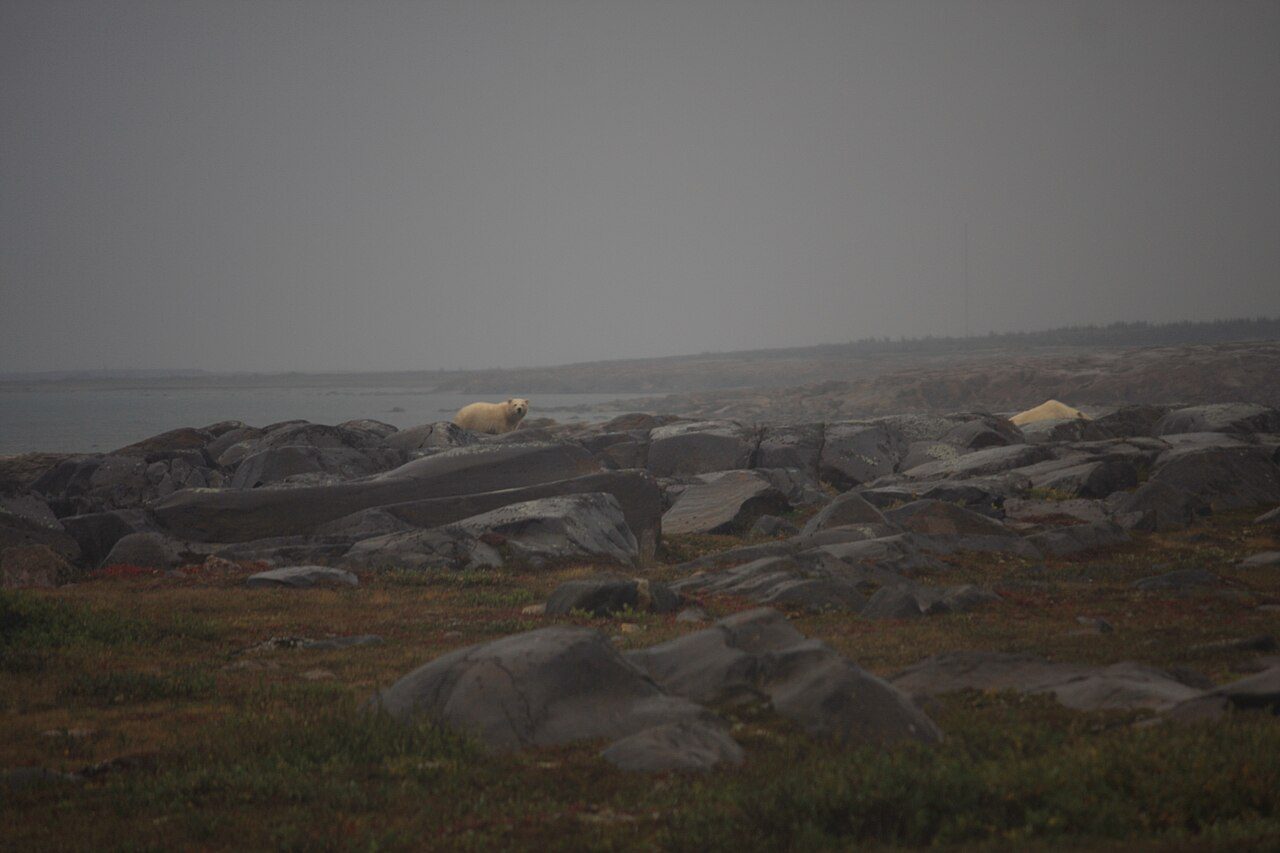
- Polar bears (Churchill, Manitoba): the peak window is October 20–November 5, when bears gather along Hudson Bay waiting for the sea ice to freeze. Tundra buggy tours are the way to see them — and here’s the thing, there is no road to Churchill: you fly from Winnipeg or take the VIA Rail train (~45 hours). Book a year ahead; this is not a last-minute trip.
- Northern Lights (Yellowknife, Whitehorse, Churchill): mid-August to mid-April, best in March and September. Give yourself 4+ nights.
- Whale watching: West Coast (Vancouver Island) runs roughly May–October for orcas and humpbacks; Newfoundland’s humpbacks arrive June–July, overlapping iceberg season — the June double feature I mentioned.
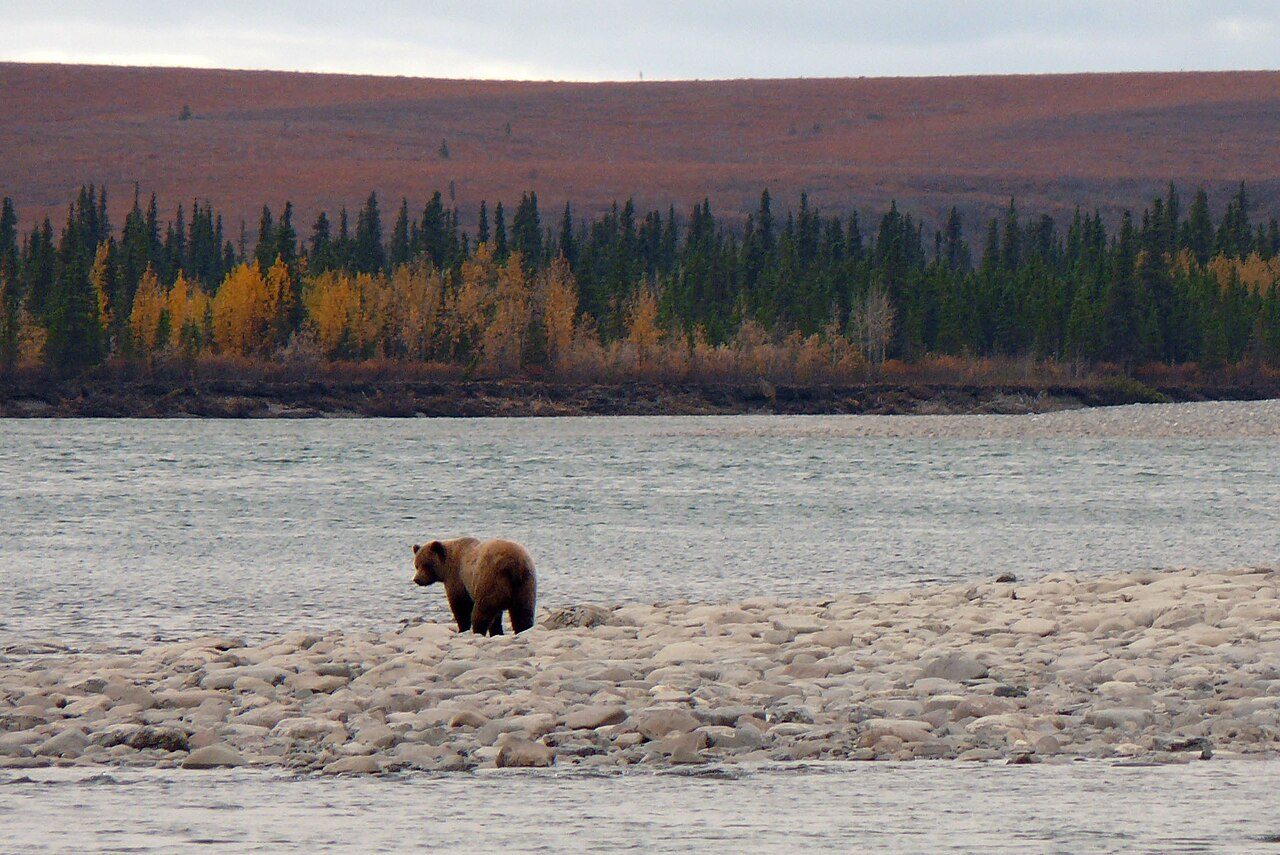
- Grizzly bears (Great Bear Rainforest, BC): September is prime time, when the salmon are spawning. I did a September bear-viewing trip once and watched a grizzly fish for twenty minutes straight — worth every penny.
- Ski season: late November to April, with the most reliable snow January–March.
When is the cheapest time to visit Canada?
Money talk, since you asked (and you should — Canada can be pricey). The cheapest months to fly and stay are late January–February (the post-holiday “dead zone,” when airlines slash fares to fill seats) and April–May (spring shoulder season). October–November shoulder season also offers real savings, especially in the cities.
Here’s my rough seasonal budget sketch, per person per day excluding flights (all estimates marked ~, and your mileage will vary):
| Season | Mid-range hotel/night | Daily budget (mid-range) | Notes |
|---|---|---|---|
| Summer (Jun–Aug) | ~$200–350 | ~$200–300 | Peak prices; book 6+ months ahead for mountain towns. |
| Fall (Sep–Oct) | ~$180–300 | ~$180–260 | Softer prices; foliage weekends in Quebec/Ontario can spike. |
| Winter (Dec–Mar) | ~$150–280 | ~$170–250 | Cities are cheap; ski resorts are not. |
| Spring (Apr–May) | ~$130–230 | ~$150–220 | Best overall value, if you can live with mud season. |
A few planner-approved rules: book international flights 4–6 months ahead, consider flying into a gateway (Toronto, Vancouver, Montreal) and connecting domestically, and Montreal is generally the most affordable of the big cities for dining and transit. For the full breakdown, see our Cheapest Time to Visit Canada guide.
Practical tips for visiting Canada in 2026
- Entry requirements: most visa-exempt travellers need an eTA (Electronic Travel Authorization) before boarding their flight — apply on the Government of Canada’s official IRCC site only, and beware the third-party sites that charge extra. → IRCC — eTA help centre
- Layering is the religion. Every season, every region. A packable warm layer has saved more of my trips than any other single item.
- Distances are enormous. A two-week trip should cover either the West (Vancouver–Banff–Calgary) or the East (Toronto–Ottawa–Montreal–Quebec City), not both. Trying to do both is a classic rookie move — I made it exactly once.
- Tipping: 15–20% in restaurants is standard — this is not optional, and I’ve watched too many tourists learn that the awkward way.
- A few words of French go a long way in Quebec. Bonjour costs nothing and earns smiles everywhere.
Best time to visit Canada at a glance
Here’s the season-by-season cheat sheet I wish someone had handed me before my first trip — the one that would have saved that Banff hotel money.
| Season | Best for | Watch out for | Price level |
|---|---|---|---|
| June–August | First-timers; alpine lakes at peak turquoise; festivals (Stampede, Jazz Fest, FEQ) | Crowds; book mountain hotels 6+ months ahead | $$$$ |
| September–October | Fall colour; aurora season starts; thinner crowds | Seasonal closures by late October; pack layers | $$$ |
| November–March | Northern Lights (Mar is sweet spot); skiing (Jan–Mar); winter festivals | Serious cold up north; rent proper gear | $$ (cities) / $$$$ (ski resorts) |
| April–May | Shoulder-season deals; empty cities; iceberg season starts late May | Muddy trails in the Rockies; snow possible in Calgary | $$ |
FAQs about the best time to visit Canada
What is the best month to visit Canada?
For most first-time visitors, July (warmest weather, all attractions open, peak festivals) or September (fall colour, thinner crowds, lower prices, aurora season starting). I’ll be honest — if I had to pick one month for a general trip, it’s September. For a month-by-month breakdown, see our best month to visit Canada guide.
When is the cheapest time to visit Canada?
Late January–February and April–May are the cheapest windows for flights and hotels — the trade-off is deep-winter cold or spring mud season. October and November also offer good shoulder-season value in the cities. Read the full money-saving breakdown in our cheapest time to visit Canada guide.
What is the best time to see the Northern Lights in Canada?
March and September in Yellowknife (or Whitehorse), when dark nights, clearer skies, and bearable temperatures overlap. The viewing season runs roughly mid-August to mid-April. Plan at least 4 nights — clouds, not darkness, are the main reason people miss them.
When is the best time to see fall colours in Canada?
Late September to mid-October in Ontario and Quebec (higher elevations peak first), with the Maritimes and Rockies on their own schedules. Book foliage-season hotels in Quebec’s Laurentians and Ontario cottage country early — September weekends fill up. See our fall colours guide for peak weeks by region.
Is Canada worth visiting in winter?
Absolutely — if you dress for it. Winter brings the aurora (peak December–March), world-class skiing (best January–March), Winterlude in Ottawa (Jan 30–Feb 16, 2026), the Carnaval de Québec (Feb 6–15, 2026), and the Rideau Canal Skateway. Cities are cheaper in winter; just rent proper cold-weather gear for anything north of the 49th parallel. Start with our Canada in Winter guide.
How far in advance should I book a summer trip to Canada?
4–6 months for flights; 6+ months for hotels in mountain towns (Banff, Jasper, Whistler) for July–August. National park shuttle and permit systems (like Moraine Lake) also sell out months ahead. For festival cities like Calgary (Stampede, July 3–12, 2026) and Quebec City (FEQ, July 9–19, 2026), book as soon as dates are announced.
Keep exploring
- Canada in Summer: The Ultimate 2026 Travel Guide
- Canada in Winter: The Ultimate 2026 Travel Guide
- Best Fall Colours in Canada: 2026 Viewing Guide
- Cheapest Time to Visit Canada: 2026 Budget Travel Guide
- Best Month to Visit Canada: A Complete 2026 Travel Guide