

Last updated: October 3, 2026
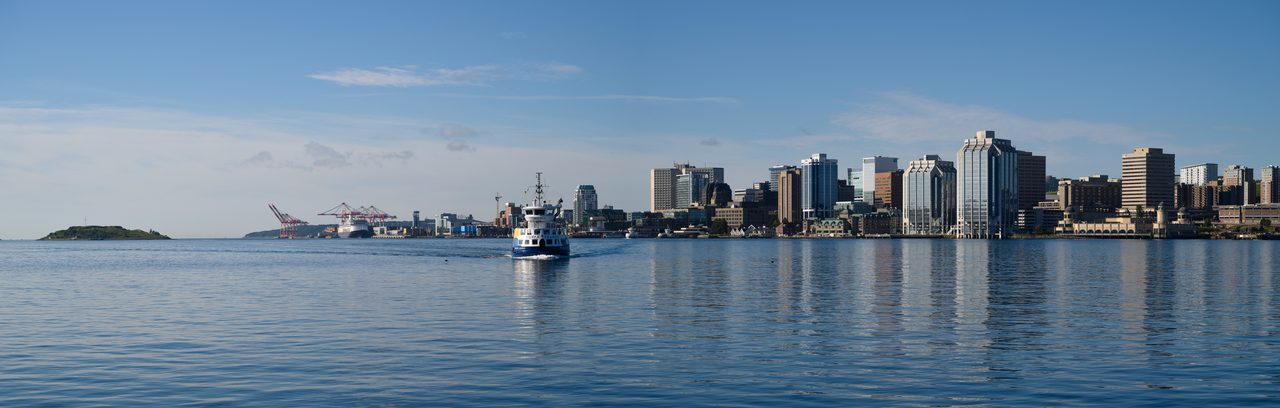
The short answer
- First visit? Budget 3 days: two for Halifax’s downtown history, museums, and waterfront boardwalk, plus one for a day trip to Peggy’s Cove or Lunenburg.
- Must-dos: the Halifax Citadel and its daily noon gun (~$13.25 adult), the 4 km waterfront boardwalk (free), Pier 21 immigration museum (~$19), and a $3 harbour ferry ride to Dartmouth — the cheapest sightseeing cruise in Canada.
- Best time: June to September for festivals and patios; July 1–5, 2026 brings the Royal Nova Scotia International Tattoo (tickets $20–$100), so book hotels well ahead.
I’ll be honest: Halifax was never the trip I planned. It was the trip I booked because flights were cheap, and then I proceeded to plan it like it was the trip of a lifetime — because that’s what I do (my friends have a spreadsheet joke they are very tired of). Four days later I was standing on the boardwalk at golden hour with a donair in one hand, wondering why I’d ever underestimated Nova Scotia’s capital. Here’s the thing: Halifax is one of the most walkable, history-soaked, genuinely friendly small cities in Canada, and this guide is the whole plan — what to see, where to eat, how to get around, what it costs, and where to go beyond the city.
All prices and hours were checked in October 2026; anything marked ~ is my estimate — confirm on the official pages linked below before you travel.
Getting there and getting around Halifax
Halifax Stanfield International Airport (YHZ) sits about 30 minutes by car from downtown — I took a rideshare in and a city bus-and-hotel-shuttle combo back out, and honestly the transit option was fine (I’ll spare you the exact combination; it required two transfers and one very patient bus driver). Here’s the thing that made my whole trip: you don’t need a car in Halifax itself.
Halifax Transit covers the city with buses plus two harbour ferries (Halifax–Dartmouth/Alderney and Halifax–Woodside), and the ferry fare is the same as the bus: $3 adult for a single ride, $7.50 for a day pass, kids 12 and under free. You can buy on the HFXGO app — pro tip: download it before you land, because the ferry terminal machines and I had a brief standoff. → Halifax Transit — fares, tickets & the HFXGO app
Downtown itself is gloriously walkable — the Citadel, the waterfront, the Public Gardens, and the museum cluster all sit within about a 20-minute stroll of each other. I walked everywhere except the airport run.
Where to stay in Halifax
Three bases, depending on your vibe:
- Downtown / Waterfront — my pick for a first visit. Hotels around Barrington, Hollis, and the waterfront put you steps from the boardwalk and the ferry terminal. Priciest, but the morning harbour views are worth every penny.
- North End — Halifax’s coolest neighbourhood: indie coffee, great restaurants, slightly better prices. I stayed here my last night and wished I’d done it sooner.
- Dartmouth (across the ferry) — the $3 ferry makes Dartmouth a legit budget base. Alderney Landing sits right at the ferry terminal, and the crossing doubles as your daily harbour cruise.
Fair warning: during big events (the Tattoo in early July, Tall Ships visits), downtown hotels sell out fast — I watched prices double for Tattoo week from one tab-refresh to the next. Book early. For more detail, see our best areas to stay in Halifax and best hotels in Halifax.
Top things to do in Halifax
1. Halifax Citadel National Historic Site (~$13.25 adult)
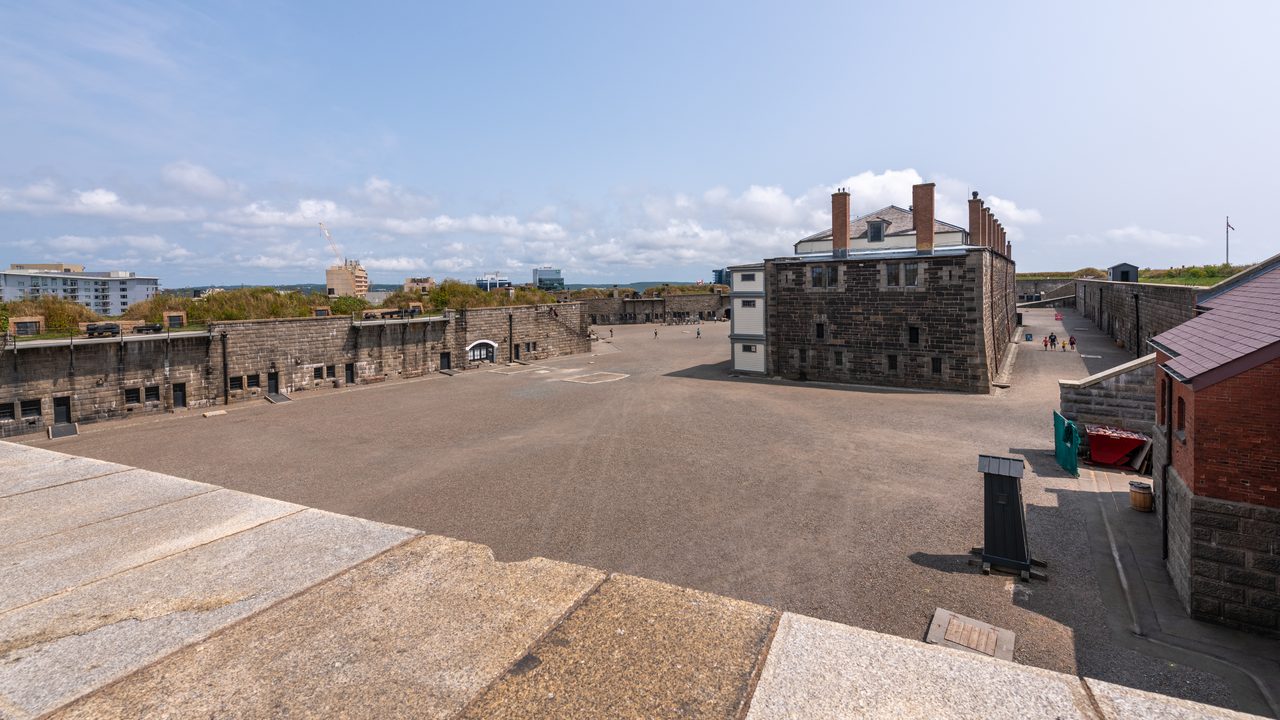
The star-shaped fortress on the hill above downtown is Halifax’s signature landmark — and do not skip the noon gun, fired daily at noon (a tradition going since 1857). I showed up at 11:58, slightly out of breath from the hill, and the blast still made me jump — everyone else laughed, and honestly I deserved it.
Adult admission runs ~$13.25 in peak season (less in the shoulder season), and I double-checked the current rates on the official Parks Canada page before I went — they change seasonally, so do the same. Allow 2 hours: the ramparts, the Army Museum, and the costumed guides are all included. → Parks Canada — Halifax Citadel
2. Walk the waterfront boardwalk (free)
The Halifax waterfront boardwalk stretches roughly 4 km along the harbour — one of the longest downtown boardwalks in the world — and it’s the best free thing in the city. I walked it end to end twice (four times, if you count getting turned around once and re-walking the middle). Stop for a lobster roll, watch the tall ships and ferries, and time your sunset walk so you end up near the Wave art installation.
3. Canadian Museum of Immigration at Pier 21 (~$19 adult)

Over one million immigrants passed through Pier 21 between 1928 and 1971 — Canada’s Ellis Island — and the museum here tells their stories through first-person accounts. Admission is ~$19 for adults (estimate — confirm current pricing before you go). I hadn’t expected to get emotional in a museum at 10 AM on a Tuesday, and yet. Allow 2–3 hours, and don’t skip the short documentary film.
4. Maritime Museum of the Atlantic (~$9.45 adult)

On Lower Water Street, this is the Titanic-and-Halifax-Explosion museum — home to artifacts recovered from the Titanic (the “Unknown Child” exhibit is devastating, fair warning) and a riveting gallery on the 1917 Halifax Explosion. Open Sunday–Saturday 9:30 AM–4:30 PM, Tuesdays until 8 PM with free admission Tuesday evenings from 4–8 PM. Adult admission is ~$9.45 in summer season, about half that in winter. A front-desk clerk told me Tuesday evening is the locals’ trick — she was right; I had the Titanic gallery nearly to myself. → Maritime Museum of the Atlantic — official site
5. Halifax Public Gardens (free)

Sixteen acres of Victorian gardens at Spring Garden Road — ornate gates, a duck pond, a bandstand, and some of the most manicured flower beds in Canada. Free entry, open daily. I came here to kill an hour before lunch and stayed two (my camera roll has 47 photos of ducks; no regrets).
6. Ride the ferry to Dartmouth ($3)
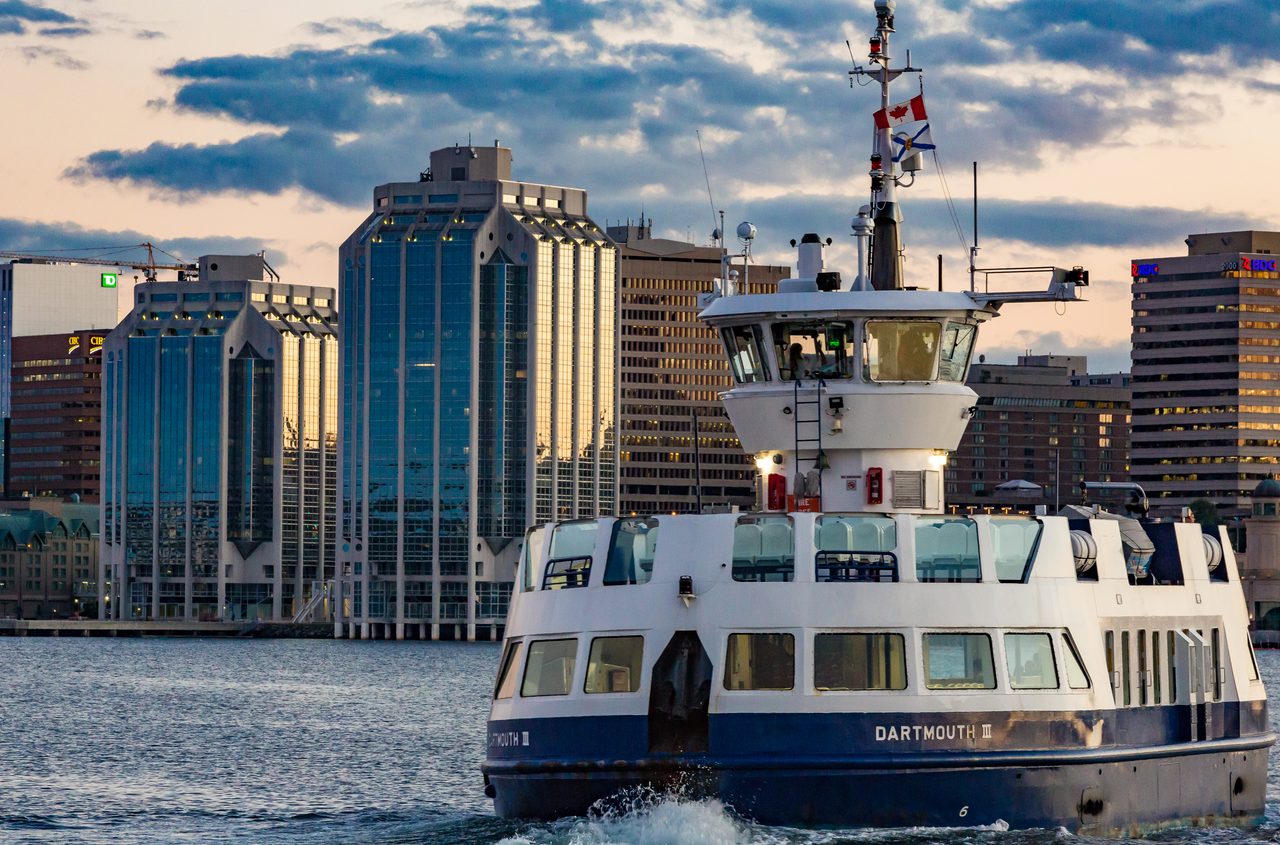
The Halifax–Dartmouth ferry takes about 15 minutes and runs every 15–30 minutes — and for $3 (regular transit fare) it’s the cheapest sightseeing cruise in Canada, trust me on this one. Ride it at sunset: sit on the right side going over for the skyline. Wander Alderney Landing’s farmers’ market and the harbourfront trail on the Dartmouth side, then ride back.
Halifax in 3 days: my suggested itinerary
Three days is the sweet spot for a first visit — two in the city, one beyond it. Here’s how I’d pace it:
Day 1: History day
- 9:00 AM — Halifax Citadel: arrive early, tour the fort, be on the ramparts for the noon gun.
- 12:30 PM — Lunch downtown (~$20–30): donair from King of Donair (invented in Halifax, and I’ll defend it as a food group).
- 2:00 PM — Maritime Museum of the Atlantic (2 hours), then the boardwalk stroll south.
- 7:00 PM — Dinner in the North End or the Historic Properties (budget ~$40–60 for a nice one).
Day 2: Waterfront and immigration story
- 9:30 AM — Halifax Public Gardens, then coffee on Spring Garden Road.
- 11:00 AM — Pier 21: Canadian Museum of Immigration (2–3 hours).
- 3:00 PM — Halifax Seaport Farmers’ Market (weekends) or Garrison Brewing tasting flights.
- 5:30 PM — Sunset ferry to Dartmouth and back (~$3 each way on your transit pass), dinner at Alderney Landing.
Day 3: Peggy’s Cove or Lunenburg day trip
Pick one (see the day-trip section below). Bus home by evening, sleep happily.
Want tighter or looser plans? See our 3-day Halifax itinerary for the full day-by-day version.
What to eat in Halifax
Halifax runs on seafood, and I happily ate my way through it:
- The Halifax donair — spiced beef, sweet garlic sauce, diced tomatoes and onion, wrapped in pita. Invented here in the 1970s. Mine cost ~$12, and I thought about it for three days afterward. Do not skip.
- Lobster rolls — everywhere on the boardwalk, ~$20–25. Pro tip: the shacks with the longest local lunch lines are the answer; skip the ones aimed purely at cruise-ship crowds.
- Seafood chowder — creamy, loaded with haddock, scallops, and lobster. Budget ~$14–18 for a bowl.
- Halifax Seaport Farmers’ Market — operating since 1830 (the oldest continuously operating farmers’ market in North America); weekends are the move. I left with a bag of oatcakes and zero regrets.
- Craft beer & pubs — the Historic Properties and Argyle Street are lined with historic pubs (the Old Triangle, the Split Crow). Halifax’s pub density is a personality trait at this point.
Best day trips from Halifax
Peggy’s Cove (~45 min drive)

The red-and-white lighthouse on the granite rocks is the most photographed spot in Nova Scotia — 43 km southwest of downtown via the scenic Lighthouse Route (Route 333), about 45 minutes. Free, always open. Go early (before 9 AM) or late (after 4 PM) to dodge the tour-bus window. And take the warnings on the signs seriously: stay off the wet black rocks. I read on Nova Scotia’s official tourism page that wave injuries happen every year — the viewing deck gives you the same postcard without the risk. → Visit Nova Scotia — Peggy’s Cove
Lunenburg (~1h15 drive)
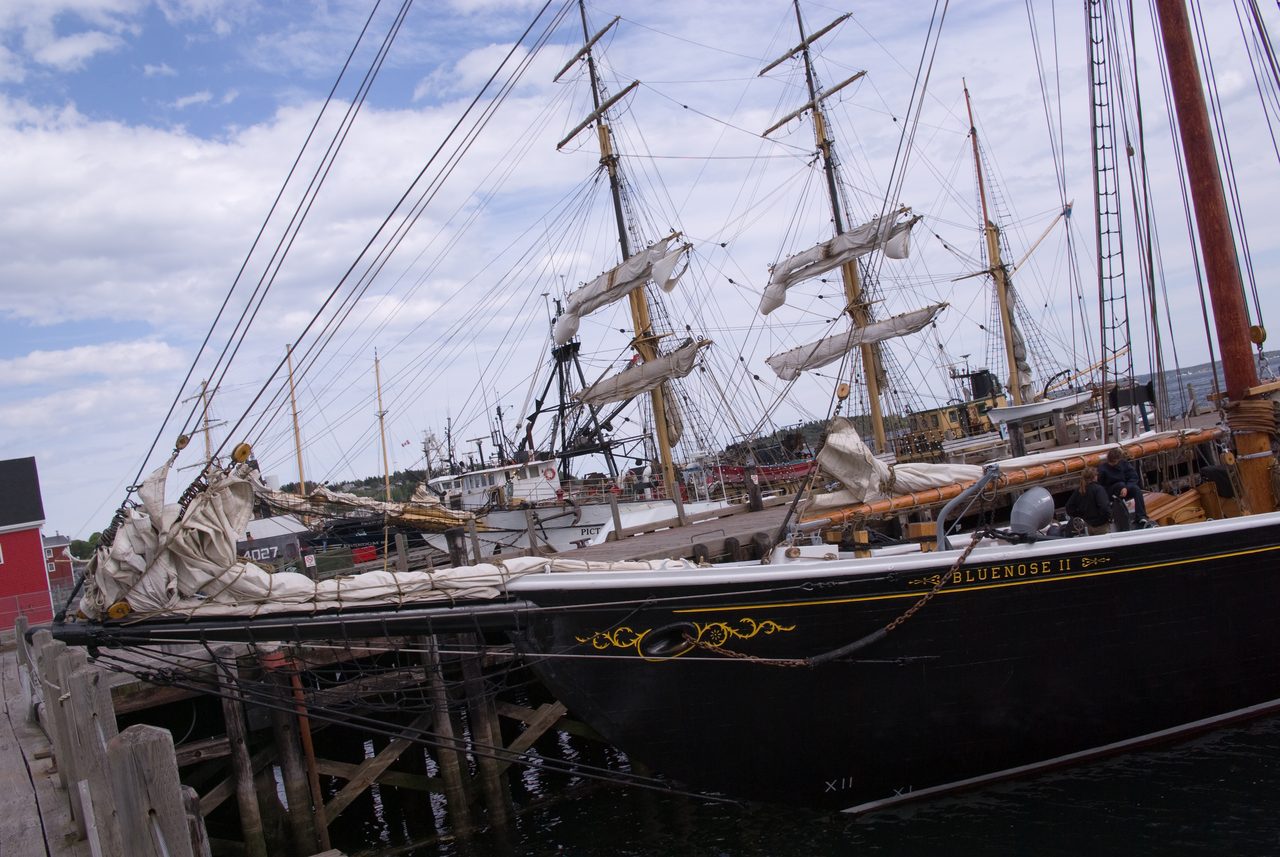
A UNESCO World Heritage town of candy-coloured waterfront buildings and the home port of the Bluenose II (yes, the ship on the Canadian dime). The Fisheries Museum of the Atlantic is excellent, and the restaurant scene punches way above its weight. Plan a half-day minimum. See our 1-day Lunenburg itinerary.
Annapolis Valley wine country (~1h drive)
Nova Scotia’s wine region — Tidal Bay whites are the local signature. If your trip extends beyond Halifax, our Nova Scotia road trip itinerary strings the whole province together, and the Nova Scotia travel guide covers the bigger picture.
When to visit Halifax: 2026 seasons and events
- June–September: the sweet spot. Warm days (~20–25°C highs in July/August), everything open, patios humming, fog rolling through at night (very romantic; pack a layer anyway).
- Royal Nova Scotia International Tattoo — July 1–5, 2026: the city’s biggest summer event, 2.5 hours of pipes, drums, acrobats, and military bands at the Scotiabank Centre. Tickets run $20–$100, and hotels fill up — book early.
- September: fewer crowds, warm ocean, early fall colour — my pick if you can’t do July.
- October–May: quiet, moody, cheaper. The Citadel runs limited winter hours; the boardwalk is still walkable but bundle up. Halifax in a snowstorm is a whole different (and very pretty) trip.
For a month-by-month breakdown, see our best time to visit Nova Scotia guide.
How much does a Halifax trip cost?
Sample budget per adult for 3 days, excluding hotel and day-trip car rental (prices checked October 2026; ~ marks estimates):
| Item | Cost (CAD) |
|---|---|
| Transit: 3× day passes or pay-per-ride (ferry included) | ~$22 |
| Halifax Citadel admission | ~$13.25 |
| Pier 21 immigration museum | ~$19 |
| Maritime Museum of the Atlantic (or free Tuesday 4–8 PM!) | ~$9.45 |
| Food: 3 days (donair, lobster roll, chowder, pub dinners) | ~$180–240 |
| Boardwalk, Public Gardens, ferry rides, Peggy’s Cove | Free (plus $3 ferry fare, already counted) |
| Total | ~$245–305 |
Mid-range downtown hotels run roughly ~$200–350/night in summer (estimate, before taxes) — and, as noted, Tattoo week and cruise-ship-heavy weekends spike prices. A Peggy’s Cove day trip needs a rental car (~$60–100/day) or a guided tour (~$80–120 per person); Lunenburg is drivable in the same rental.
FAQs about visiting Halifax
How many days do you need in Halifax?
Three days is the sweet spot: two for downtown Halifax (Citadel, boardwalk, Pier 21, Maritime Museum, Public Gardens, the Dartmouth ferry) and one for a day trip to Peggy’s Cove or Lunenburg. With just one day, focus on the Citadel, the boardwalk, and one museum — and take the $3 sunset ferry. See our 3-day Halifax itinerary for a detailed plan.
Is Halifax walkable for tourists?
Very. The Citadel, waterfront boardwalk, Public Gardens, Pier 21, and the Maritime Museum are all within about a 20-minute walk of each other downtown, and the $3 Halifax Transit ferry to Dartmouth uses the same fare as the buses. I walked everywhere in the city itself — you only need wheels for day trips like Peggy’s Cove or Lunenburg.
What is the best time of year to visit Halifax?
June to September offers the warmest weather, open patios, and the full festival calendar — including the Royal Nova Scotia International Tattoo (July 1–5, 2026). September is a lovely shoulder-season pick with fewer crowds. See our best time to visit Nova Scotia guide for month-by-month detail.
Is Peggy’s Cove worth the day trip?
Yes — it’s 43 km / about 45 minutes from downtown Halifax via the Lighthouse Route, it’s free, and the lighthouse on the granite rocks really does look like the postcards. Go early morning or late afternoon to avoid the midday tour buses, and stay off the wet black rocks: the viewing deck gives you the same photos safely. Pair it with Lunenburg only if you have a full day and a car.
What food is Halifax famous for?
The Halifax donair (invented here — spiced beef, sweet garlic sauce, pita), lobster rolls, and seafood chowder. The Halifax Seaport Farmers’ Market, running since 1830, is the oldest continuously operating farmers’ market in North America — go on a weekend morning.
How do I get from Halifax airport to downtown?
Halifax Stanfield International (YHZ) is about 30 minutes from downtown by car. Taxis, rideshares, and hotel shuttles all run the route; there’s also a Maritime Bus airport service. Once downtown, Halifax Transit’s $3 adult fare covers buses and both harbour ferries — download the HFXGO app before you land.
1 comment