
Last updated: October 3, 2026
The short answer
- Day 1: I start at the Fisheries Museum of the Atlantic (daily 9:30 AM–5:00 PM in season, ~$15 adult — worth every penny), board the docked schooners, then track down the Bluenose II for open decks or a harbour sail (sails from ~$100/person — book months ahead).
- Day 2: A slow Old Town morning — the Lunenburg Bump houses, St. John’s Anglican Church, and the Ironworks Distillery tasting room (daily 10:00 AM–5:30 PM) — then an afternoon escape to Blue Rocks and the Gaff Point trail.
- Good to know: Both the museum and the Bluenose II are seasonal — the 2026 sailing season ended September 30, so use the prices below as your reference and confirm 2027 dates before you travel.
Two days is the sweet spot for Lunenburg — trust me on this one. One day gives you the waterfront highlights and a full dinner table; two days gives you the town’s actual personality, which shows up after the day-trippers from Halifax drive home. I timed it: the harbour at 8 AM with the fog lifting off the masts is a completely different town than the harbour at 2 PM. This whole guide uses 2026 prices and hours checked in October 2026, and I’ll be honest up front — it’s written for the summer season (June through September), when everything below is open. Fair warning: the Bluenose II finished her 2026 sailing season on September 30, and the Fisheries Museum of the Atlantic runs seasonally (May–October), so if you’re visiting late fall or winter, treat the prices as reference and confirm 2027 dates before you go.
Getting to Lunenburg: it’s an easy drive from Halifax
Here’s the thing about Lunenburg — it’s roughly a 75–90 minute drive southwest from Halifax along Highway 103, and the drive itself is half the fun (rolling South Shore scenery, at least one covered-bridge-style detour you’ll spot signs for). I don’t think of it as a day trip, though. Stay overnight. The whole point of this itinerary is the slow version of the town.
Parking in Old Town is tight in summer — ask ahead whether your inn or hotel has a dedicated spot, or you’ll spend your vacation circling the block like I did on my first visit.
Most visitors pair Lunenburg with the city — it’s an easy hop between the two, and a Halifax stay bookends this itinerary perfectly (see the “Keep exploring” section at the end for the Halifax itinerary link).
Where to stay in Lunenburg
I am very particular about where I sleep, and in Lunenburg the choice is really between two vibes:
- A historic inn or B&B in Old Town — this is the one I’d pick. You get the creaky floors, the harbour view, and you’re already where everything happens. Many are in 200-year-old houses (which means steep stairs and no elevators — fair warning, ask about that if stairs are an issue).
- A waterfront hotel or motel — more modern perks, dedicated parking, and still an easy walk to everything.
Summer books up fast (especially during festival weekends — more on that below), so lock your room in early. See our best hotels in Lunenburg for tourists for the full rundown.
Day 1: Maritime heritage and the iconic waterfront

9:30 AM — Fisheries Museum of the Atlantic (~$15 adult)
Start your first morning at the museum, right on the water at 68 Bluenose Drive. I’ll be honest: I showed up 45 minutes before closing on my first trip and treated it like a quick stop. Huge mistake. This place deserves a full morning — the exhibits inside the old fish-processing buildings cover everything from rum-runners to Grand Banks shipbuilding, and then you step outside onto the working wharf to board retired fishing schooners like the Theresa E. Connor (launched 1937). Ducking through those tiny crew quarters is the fastest way to understand what “life at sea” actually meant.
Practical notes:
- Hours: daily 9:30 AM–5:00 PM during the season (roughly May to October — I double-checked the seasonal schedule on the museum’s official site, and they change the end date year to year, so do the same). Pro tip: go at opening. School groups and bus tours roll in by 11.
- Admission: about ~$15 for adults (seniors, students, and kids cheaper — estimate, confirm on the site). → Fisheries Museum of the Atlantic — official site
- How long: allow 2.5–3 hours. There’s a touch tank the kids will camp at, and storytelling sessions where retired fishermen show up to talk about winter storms. I’ve done this walk four times now and I still learn something new each visit.
12:30 PM — Lunch on the wharf
Here’s the thing: you are on the wharf, you are in Nova Scotia, and you are eating fish and chips. Order the haddock (light, crispy batter), get the seafood chowder as a side, and sit somewhere you can watch the boats. Budget ~$18–25 per person for a casual lunch. My color-coded itinerary says: sit on the side with the wind at your back, or your tartar sauce becomes a community condiment.
2:00 PM — Track down the Bluenose II (sails ~$100/person)
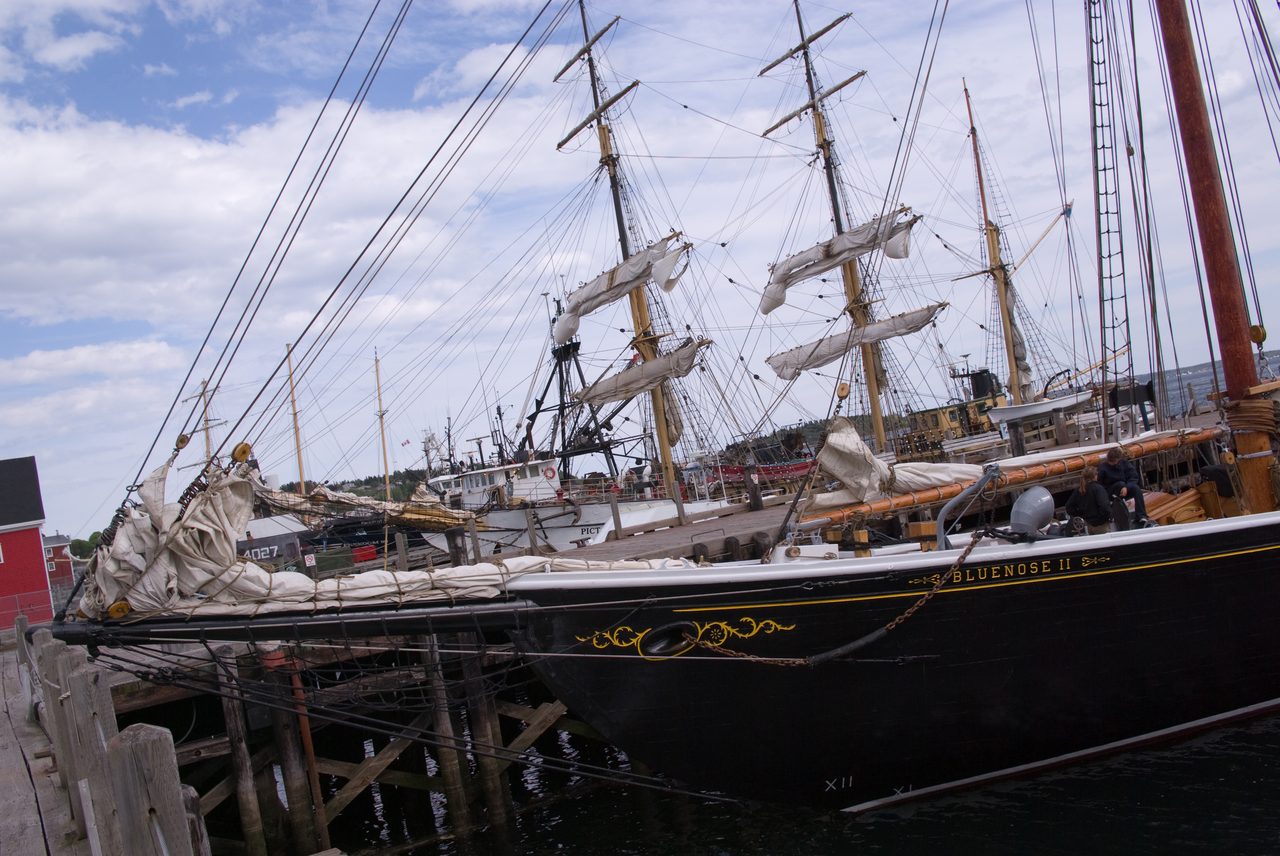
You can’t visit Lunenburg without going to see the Bluenose II — Nova Scotia’s sailing ambassador and the replica of the undefeated racing schooner on the back of the Canadian dime. When she’s in her home port (check before you go — she sails to Halifax, Boston, and other Atlantic ports through the summer), she offers open decks and 2-hour harbour sails, usually running twice daily when in port.
Practical notes:
- 2026 season: ran June 1 – September 30, with long stretches at home in Lunenburg (open decks and public harbour cruises most days, closed on maintenance days). I checked the full 2026 schedule on the official page before I went — bookmark it, because she really does wander. → Bluenose II — official 2026 sailing schedule
- Price: harbour sails run around ~$100/person for the 2-hour sail (estimate from recent seasons — confirm when you book); open-deck visits are usually free when she’s docked. These sails sell out months ahead in summer. I’m not exaggerating. Book the day you book your hotel.
- Bring: a windproof layer (it gets cool on the bay even in August — I forgot mine once and spent two hours hugging myself) and sunscreen. The sun reflects off the water and it burns fast.
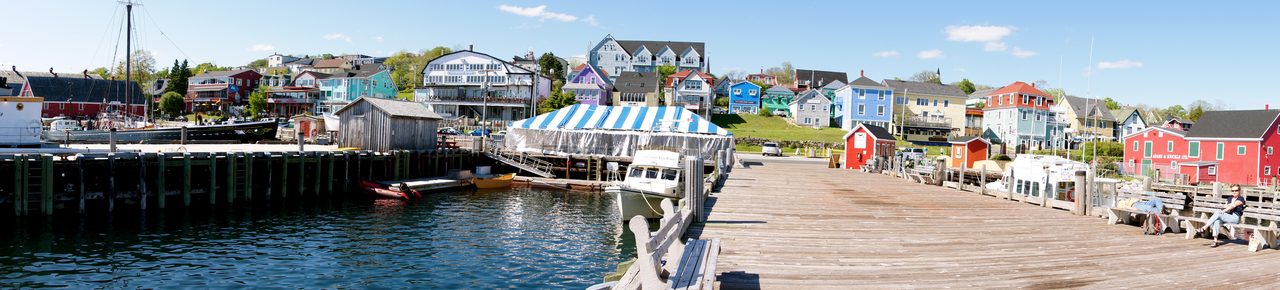
Even if the Bluenose is away, the harbour is worth your afternoon — traditional wooden boats coming and going, seals in the bay, and the famous “Lunenburg skyline” of painted houses from the water. Do not skip the walk to the end of the wharf for the wide view back at town.
7:00 PM — Dinner: the seafood capital of the South Shore
By sunset you’ll see why people call this place the seafood capital of the South Shore. The dining scene here mixes old-school with modern — and the rule is simple: eat what came in on the docks that morning. Look for Digby scallops (seared, huge, sweet) and Atlantic lobster done fancy or in a toasted roll. If the menu lists a glass of Tidal Bay, Nova Scotia’s own crisp-white appellation, order it. It’s made to go with briny seafood.
Book dinner at least a week out in summer, especially weekends — I found this out the expensive way once, standing on Montague Street at 7:30 PM with a grumbling stomach and three “fully booked” signs.
Day 1 spending: museum ~$15 + Bluenose sail ~$100 (optional) + food ~$60 ≈ ~$75–175 (excluding hotel).
Day 2: Architecture, artisans, and the “Lunenburg Bump”

9:00 AM — Walk the Old Town hills (free)
Start day two walking uphill through Old Town — the British laid out a strict grid in the 1750s, and three centuries of residents have responded by painting it every color imaginable. Look for the “Lunenburg Bump”: the signature dormer that juts out over the front door, originally built to squeeze more light and space into narrow upstairs hallways, now the town’s architectural trademark. Read the historical plaques as you climb — the story of the German, Swiss, and French settlers who built this place gives you real respect for the grit it took to settle this coast.
Fair warning: the streets are genuinely steep. Wear shoes with good grip, because those old sidewalks get wonky (I nearly took a header on a cobblestone step in 2024 — my spreadsheet now has a “no heels in Lunenburg” rule, in bold).
10:30 AM — St. John’s Anglican Church (free; donations welcome)
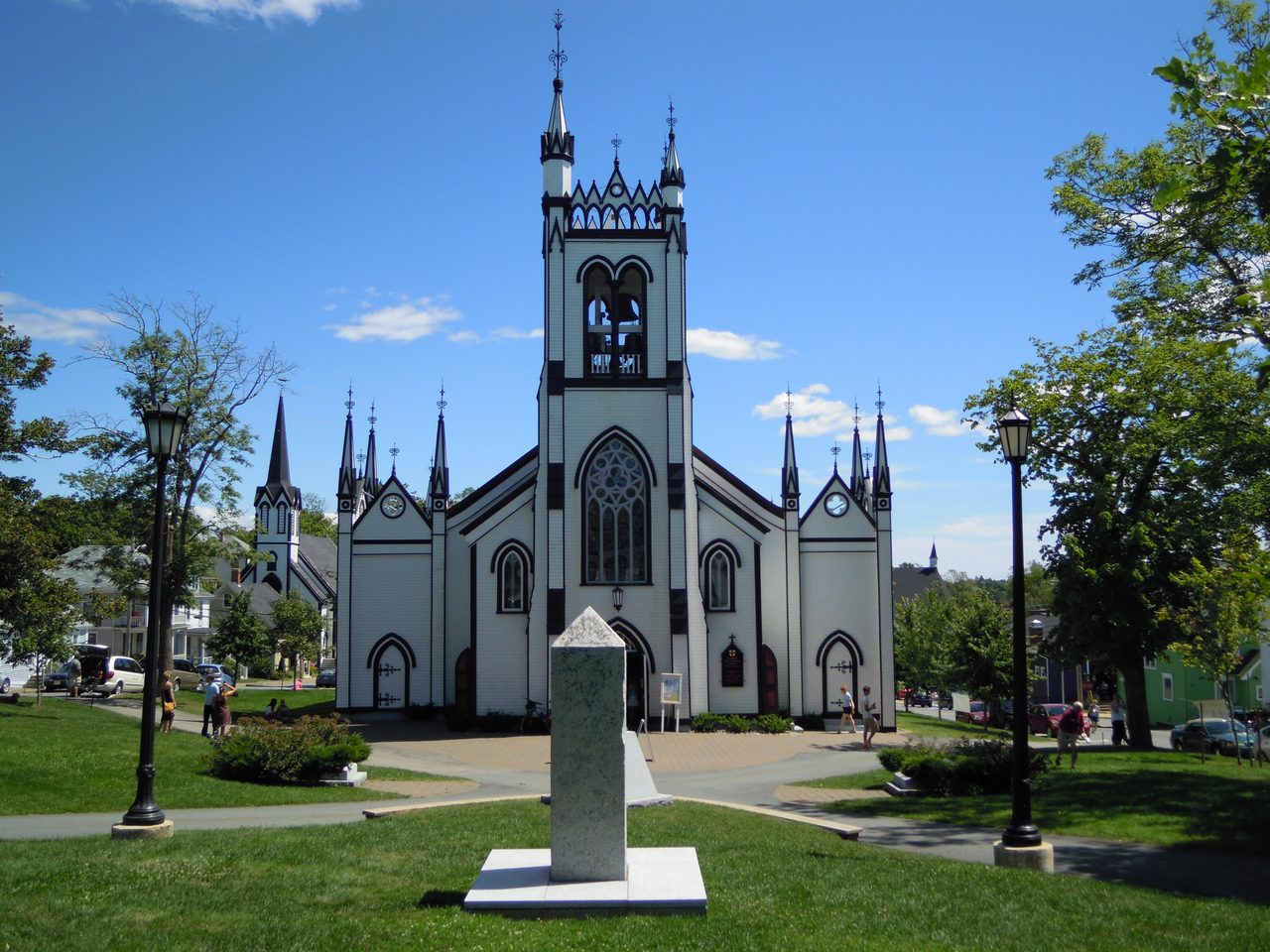
The white clapboard church at the top of the hill is Canada’s second-oldest Protestant church — and I’ll be honest, I almost walked past it because, well, I’m an itinerary person, not a church person. Huge mistake avoided. Inside there’s a “star chart” painted on the ceiling showing the night sky as it looked over 2,000 years ago, and the building was nearly lost to a fire in 2001 before the whole community rallied to restore it. The wood carvings alone are worth the climb up the hill.
12:00 PM — Galleries, crafts, and the Ironworks Distillery tasting room
Spend the early afternoon poking through the galleries and craft shops — Lunenburg is a magnet for artists, potters, and jewelers, and you can find hand-knitted wool sweaters and nautical jewelry you genuinely won’t find anywhere else. Then walk to the east end of Old Town for Ironworks Distillery at 2 Kempt Street, set in a historic marine blacksmith’s building. They distill rum, gin, vodka, and fruit liqueurs by hand (the sipping vodka is made from Annapolis Valley apples), and the Bluenose Rum is aged in barrels that have actually spent time at sea. A guide at the tasting room told me the gentle rolling of the waves rounds out the flavour — and I’ll be honest, I believed him after the second sample.
Practical note: the distillery is open daily, roughly 10:00 AM–5:30 PM — I checked the current hours on their official site before my visit, and tours don’t run in winter, so check if you’re off-season. → Ironworks Distillery — official site
3:30 PM — Blue Rocks, then the Gaff Point trail
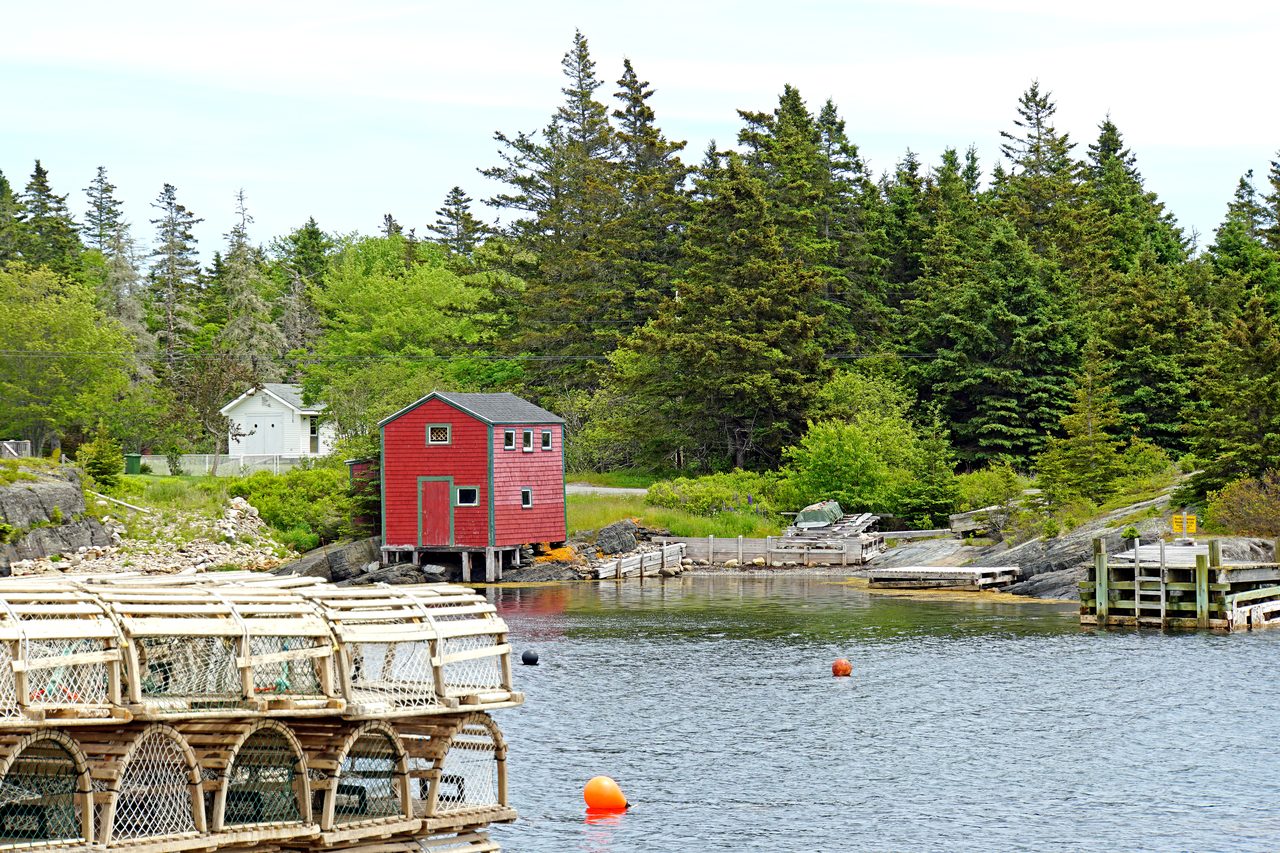
Drive about 10 minutes out of town to Blue Rocks — people call it “Peggy’s Cove without the crowds,” and trust me on this one, it earns the nickname. Weathered fish shacks, blue-tinted rocks, fishermen working on their traps, and a silence that feels expensive. I stood there for twenty minutes just listening to the water and the gulls and completely forgot I had a plan.
If you want to move, the Gaff Point trail starts from the Hirtle’s Beach parking lot (about 25 minutes from Lunenburg): a ~7 km loop through spruce forest, past sea cliffs and hidden coves, with ocean views the whole way. A local hiker I met on the trail told me to allow about 2 hours — and to tuck my pant legs into my socks because of the ticks. I did both, and I have no complaints.

Pro tip: if you’re visiting in early August, check whether your dates overlap the Lunenburg Folk Harbour Festival (August 6–9, 2026 — the longest-running music festival in Nova Scotia). It’s wonderful and it books the town out months ahead, so plan accordingly.
7:00 PM — Sunset walk along the harbour

End your day back in town with a slow harbour walk at sunset — the way the town lights hit the water is something you’ll remember longer than any single attraction. If you’re not ready for bed, pop into a pub for a craft beer and the very good chance of live fiddle music.
And here’s my Day 2 bonus stop, for your way in or out: Mahone Bay, about 15 minutes toward Halifax. Pull over for the “Three Churches” photo — three steeples lined up right at the water’s edge, one of the most photographed views in Nova Scotia. The town itself is all cafés and antique shops, softer and more garden-focused than Lunenburg. Comparing the two is half the fun.
Day 2 spending: church/chapel donations + distillery tasting (free–small fee) + food ~$60 ≈ ~$60–80 (excluding hotel).
How much does 2 days in Lunenburg cost?
Sample budget per adult, excluding hotel (prices checked October 2026; items marked ~ are estimates):
| Item | Cost (CAD) |
|---|---|
| Fisheries Museum of the Atlantic (adult) | ~$15 |
| Bluenose II harbour sail (optional, when in port) | ~$100 |
| Food & drinks, 2 days | ~$120–160 |
| Gas / parking | ~$20 |
| Total | ~$155–295 |
Mid-range hotels and B&Bs run roughly ~$150–300/night in summer — see our best hotels in Lunenburg for picks.
Timeline at a glance
| Day | Morning | Afternoon | Evening |
|---|---|---|---|
| Day 1 | Fisheries Museum of the Atlantic (~$15) | Fish-and-chips lunch, then Bluenose II open decks or harbour sail (~$100) | Seafood dinner on the waterfront |
| Day 2 | Old Town walk + St. John’s Anglican Church (free) | Galleries, Ironworks Distillery tasting, Blue Rocks & Gaff Point trail | Sunset harbour walk + Mahone Bay Three Churches detour |
FAQs about spending 2 days in Lunenburg
Is 2 days enough for Lunenburg?
Yes — two days is the sweet spot. Day 1 covers the waterfront heritage (Fisheries Museum, Bluenose II, dockside dinner) and Day 2 covers Old Town architecture, the distillery, and the Blue Rocks/Gaff Point coast. With only one day, see our 1-day Lunenburg itinerary; with three, see our 3-day Lunenburg itinerary.
Will the Bluenose II be in Lunenburg when I visit?
Not necessarily — and this is the #1 thing to check before you go. Bluenose II’s 2026 sailing season ran June 1 – September 30, with long home-port stretches in Lunenburg but also trips to Halifax, Boston, and other Atlantic ports. Check the official Bluenose II sailing schedule before booking your trip, and book harbour sails months ahead — they sell out in summer.
When is the best time to visit Lunenburg?
July and August bring the best weather and the liveliest town, but also the biggest crowds — book hotels and dinner tables well ahead. Late September and early October are quieter with crisp air and fall colour, though some seasonal spots start closing (the Fisheries Museum typically closes in October).
How much does 2 days in Lunenburg cost?
Budget roughly ~$155–295 CAD per adult excluding hotels (October 2026 prices): about ~$15 for the Fisheries Museum, ~$100 if you sail on the Bluenose II, ~$120–160 for food over two days, and ~$20 for gas and parking. Mid-range B&Bs run roughly ~$150–300/night in summer.
Do I need a car in Lunenburg?
For the town itself, no — Old Town and the waterfront are compact and walkable (though steep). But you’ll want a car to reach Blue Rocks and the Gaff Point trail, Mahone Bay, and to get there from Halifax in the first place (roughly 75–90 minutes by Highway 103). If you’re building a longer Nova Scotia trip, see our Ultimate Nova Scotia Travel Guide.
What should I pack for Lunenburg?
Layers — always layers. A sunny morning can flip to foggy and chilly by afternoon on this coast. Bring a waterproof jacket (for boat sails and sea mist), comfortable grippy shoes for the steep Old Town hills (no heels — trust me), sun protection for the water reflection, and a sweater for evening harbour walks. Atlantic weather has mood swings, and I plan for all of them.
4 comments