

Last updated: October 3, 2026
The short answer
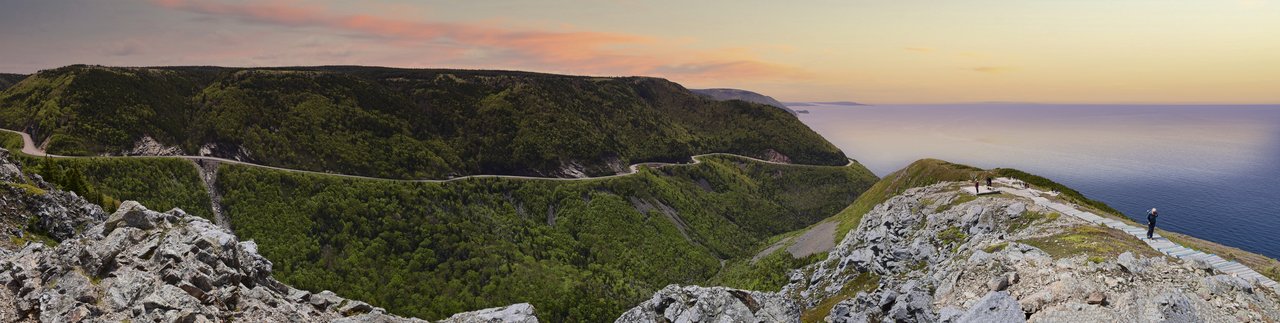
- My top picks: the Cabot Trail (give it 3 days), Halifax’s walkable waterfront, Peggy’s Cove at sunrise, and Lunenburg’s UNESCO old town.
- The tide thing is real: at Burntcoat Head you can walk on the ocean floor at low tide and kayak over the same spot hours later — 16 metres of water movement, twice a day.
- Budget roughly ~$2,200–3,100 per person for a 7-day mid-range trip excluding flights, based on 2026 prices — with the caveat that Parks Canada sites were free June 19–Sept 7, 2026 under the Canada Strong Pass, so fall trips pay normal fees.
Nova Scotia was the trip where I finally understood what “ocean playground” actually means — and also the trip where I pulled over so many times on the first hour of the Cabot Trail that my travel buddy started keeping count. (Seventeen. Seventeen pull-offs in one hour. I have no regrets.) With more than 7,000 km of coastline squeezed into a province you can drive across in a day, the trick isn’t finding good places to visit — it’s choosing which ones get your time. Trust me on this one: these twelve are the ones I’d fight for.
Here’s the thing about my list: it’s ordered by impact, not geography, and every stop below includes 2026 prices and hours checked in October 2026. A few practical heads-ups before we start: the Cabot Trail needs at least three days, many smaller museums and whale-watching tours shut down between late October and May, and if you’re coming for Celtic Colours in October, book your bed well ahead. I’ve noted where I had to rely on official sites rather than my own eyes — because a good planner checks, then rechecks.
1. The Cabot Trail, Cape Breton Highlands
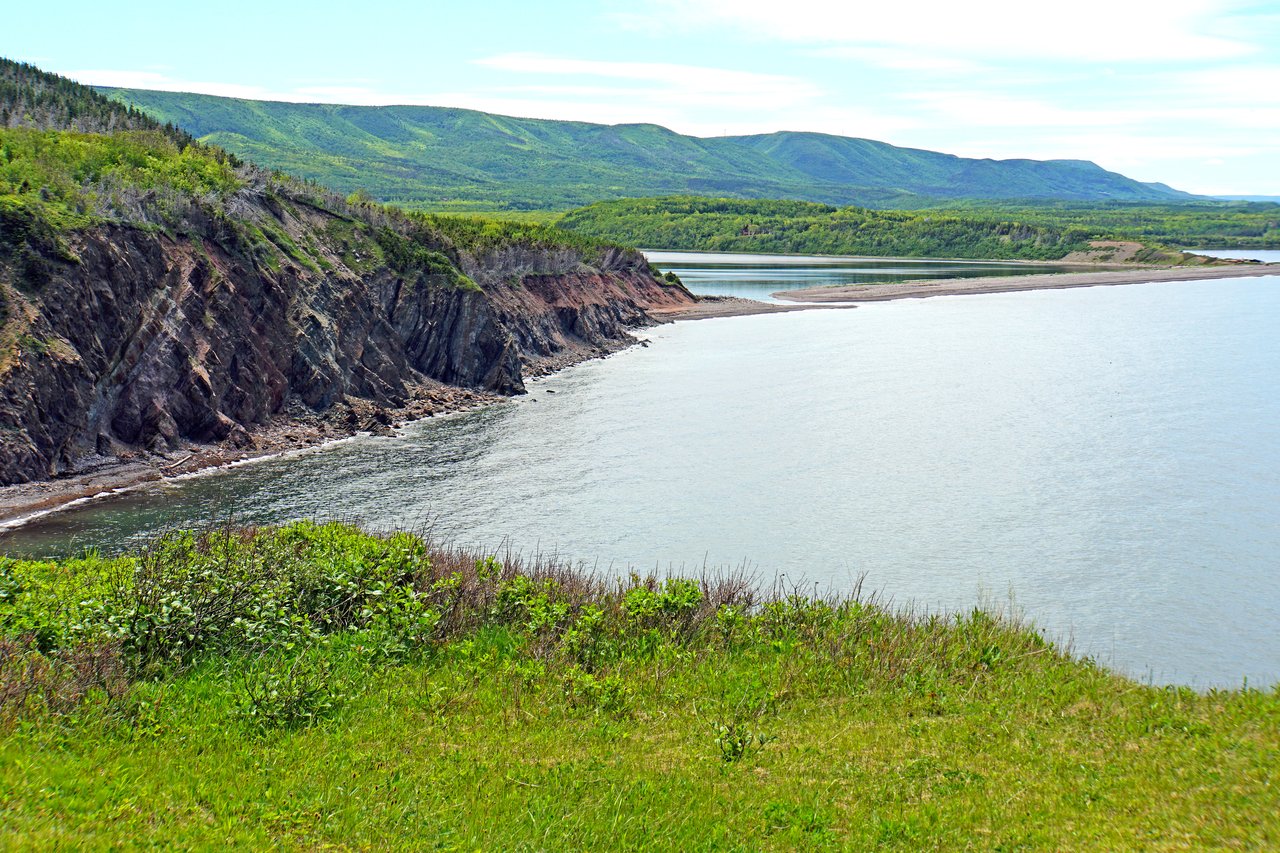
The Cabot Trail is the one drive in Canada I plan trips around instead of fitting into them. The nearly 300-km loop hugs the northern tip of Cape Breton Island, threading through Cape Breton Highlands National Park, where the mountains quite literally drop into the sea. Do not rush it — I planned three days and wanted a fourth.
I’ll be honest: the first time I drove it, I went clockwise because I’d read somewhere it “feels faster.” It does feel faster. It also puts the cliff-side lane on the outside of the road, which is thrilling until you’re the passenger. Pro tip: drive counterclockwise (Chéticamp first, Ingonish second) so you’re on the inside lane, hugging the mountain instead of the drop. It was a game-changer for my nerves and, counterintuitively, the views are better because you’re not white-knuckling past them.
Admission to Cape Breton Highlands National Park is normally $9 per adult, but it was free from June 19 to September 7, 2026 under the Canada Strong Pass — I double-checked the Parks Canada fee page before my trip, since the free window is seasonal. → Cape Breton Highlands National Park — plan your visit (Parks Canada)
2. Hike the Skyline Trail at sunset
If you do one hike in Nova Scotia, do this one — and then plan everything else around it. The Skyline Trail is a mostly flat, boardwalked loop (about 7.5 km return) that ends on a headland over the Gulf of St. Lawrence, and at sunset the light turns the whole ocean pink. Moose browse in the brush along the trail, and I’ve watched pilot whales breach from the boardwalk steps — yes, actually saw one, and yes, I gasped out loud like a kid.
Here’s the thing nobody told me before my first visit: parking at Skyline now requires a reserved timed slot from June 26 to October 25, 2026 (Parks Canada runs it during the busy season). I reserved mine two weeks out and still had to take the 4:00 PM slot instead of the golden-hour one I’d wanted — and the sunset slots sell out first, so book early. → Skyline Trail parking reservations (Parks Canada)
For something with more of a workout, Franey Trail on the Ingonish side climbs to a 360-degree view of the Clyburn Brook canyon — I went on a drizzly morning and had the summit completely to myself, which was worth every soggy step.
3. Go whale watching at Pleasant Bay
Pleasant Bay sits on the wild west coast of Cape Breton, roughly halfway around the Cabot Trail loop, and it’s the best place in the province to see whales without leaving the island. Operators run zodiac and larger-boat trips from the wharf from late June through September — expect to pay roughly ~$60–75 per adult, and book ahead for July and August weekends because they genuinely sell out.
I took a zodiac out on a morning when the fog was burning off, and twenty minutes out the captain cut the engine — a minke surfaced maybe ten metres off the bow, exhaled, and slid back under. I’ll be honest: I nearly dropped my phone in the water. Fair warning: even in August it’s cold on the open water (the wind does not care about your jacket), and the spray will soak anything not in a dry bag. Pilot whales and minkes are the common sightings, with seals lounging on the rocks as a bonus act.
4. Halifax, the waterfront you can actually walk
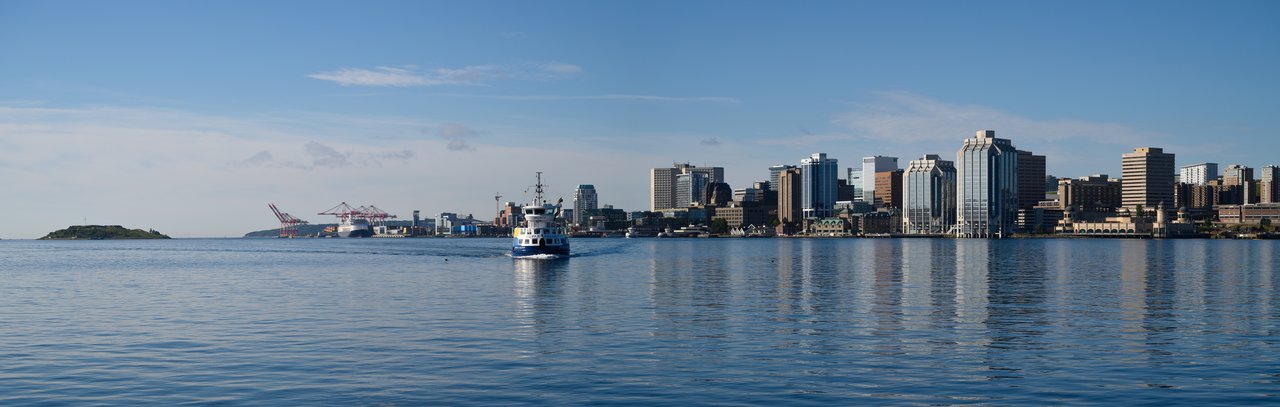
Halifax is the easiest Maritime city to visit without a car — most of what you want is clustered along one walkable harbour, which makes my planner heart very happy. Start on the waterfront boardwalk: I timed it at about 45 minutes end to end if you don’t stop, which you absolutely will — hammocks, craft stalls, beer gardens, and the harbour ferry chugging past. The Maritime Museum of the Atlantic sits right on the boardwalk, and its Titanic and Halifax Explosion exhibits are genuinely moving — adult admission was ~$11 in 2026, and I spent nearly three hours inside on a rainy morning. Worth every penny.
Food first (Sarah rules): you cannot leave without trying a Halifax donair — the city’s official snack — at Pizza Corner downtown. I showed up at 11:30 AM on a Saturday once. Never again (the line was out the door and my patience was not). For the trendy side, the North End has become the neighbourhood for good coffee, boutiques, and chef-driven dinners, and the Halifax Public Gardens — a Victorian escape in the city centre — is my favourite free reset button between meals.
Short on time? Our 3-day Halifax itinerary strings it all together, and the full Nova Scotia travel guide covers the rest.
5. The Halifax Citadel and the noon gun
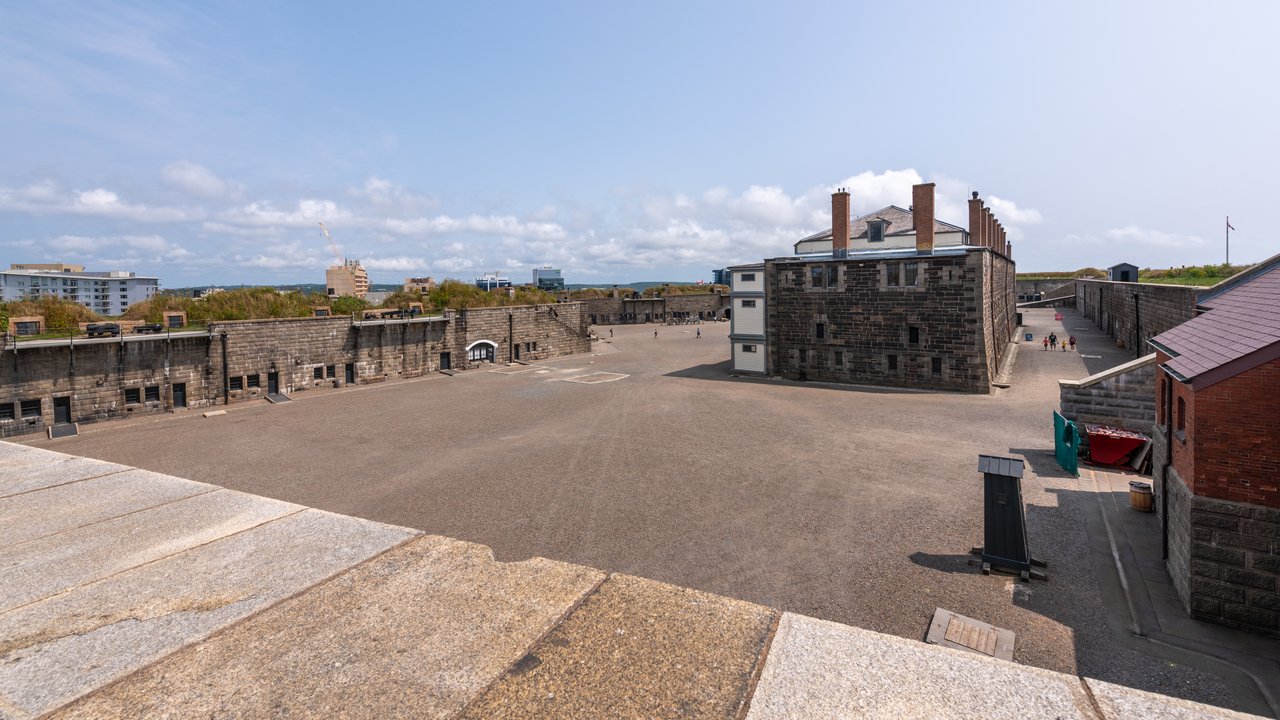
The star-shaped fort looming over downtown Halifax is the city’s most-visited historic site, and the daily noon gun is its signature moment. I scheduled my visit for exactly noon — the cannon is LOUD (fair warning: ear protection is genuinely recommended for kids), and the whole courtyard jumps. The reenactors are the highlight for me: costumed 78th Highlanders demonstrating drill and musket fire, and they’re happy to answer questions, which I asked far too many of.
Here’s the money part, which I love: admission was free from June 19 to September 7, 2026 under the Canada Strong Pass. Outside that window, normal Parks Canada fees apply, so check the official listing before you go — especially since the grounds’ ramparts can close in slippery winter conditions. → Experience the Halifax Citadel (Discover Halifax)
6. Peggy’s Cove, before the buses arrive
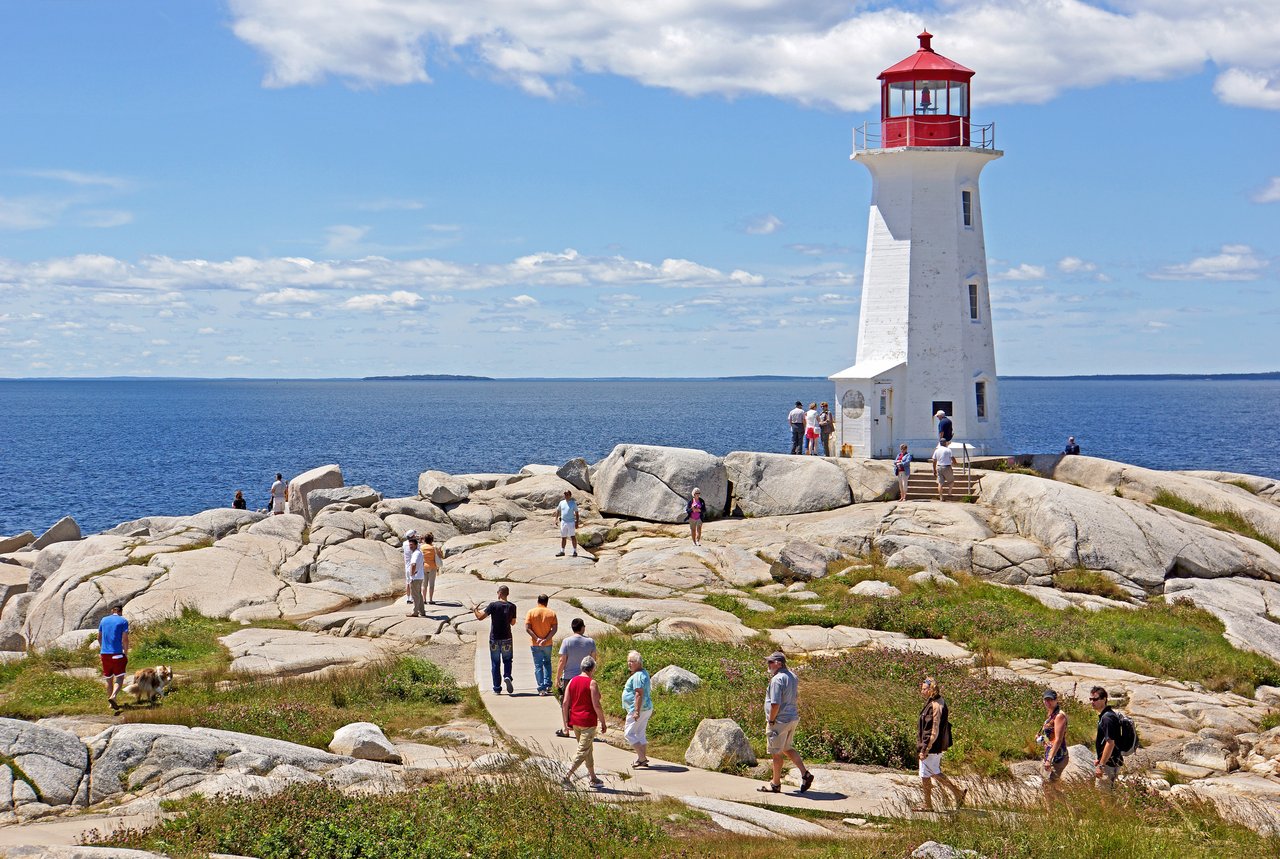
Peggy’s Point Lighthouse — built in 1915, arguably Canada’s most photographed lighthouse — is exactly as pretty as the postcards promise. It’s also a working fishing village, and I try to remember that when the tour buses roll in. My rule: arrive before 9:00 AM. I got there at 7:45 on a weekday morning, parked easily, and had the rocks practically to myself — by 10:30 there were eleven buses in the lot. I counted. (Of course I counted.)
Two non-negotiables. First: stay off the black rocks — the wet, dark ones near the water. Rogue waves sweep this coast even on calm sunny days, and lives have been lost. The white, dry rocks are the safe zone, and there’s now a proper accessible viewing deck (long ramps, railings, multiple viewpoints) with the best safe sightline to the lighthouse. Second: get a lobster roll in the village before you leave. I nearly skipped it because “I’ll eat later.” Later was nowhere. Don’t be me. → Peggy’s Cove Lighthouse & Village (Tourism Nova Scotia)
7. Old Town Lunenburg, the UNESCO town
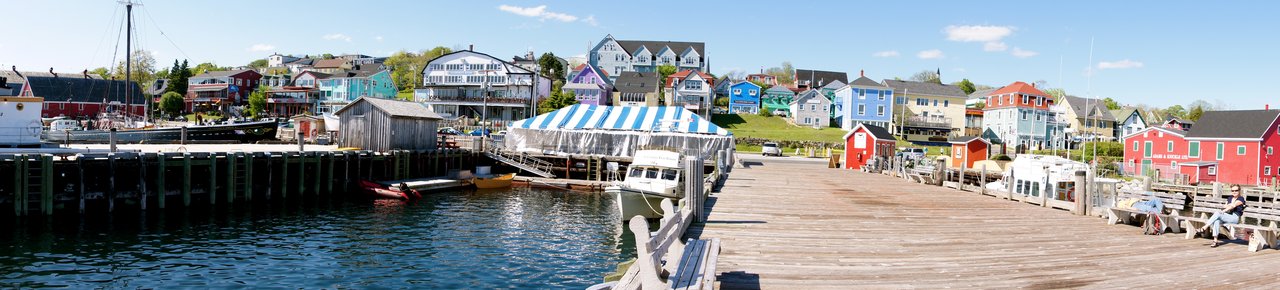
Lunenburg is the town that made me walk around grinning like an idiot: a UNESCO World Heritage Site of brightly painted wooden houses tumbling down steep streets to a working waterfront. It was founded in 1753 and the street grid hasn’t really changed since — and my legs confirm the streets are every bit as steep as they look. Pro tip: wear actual walking shoes, not the cute sandals I brought on day one. (Mistakes were made. My blisters have opinions.)
The Fisheries Museum of the Atlantic on the waterfront is the stop I’d do first — housed in a former fish processing plant, with boardable schooners at the wharf and a touch tank for the kids. Adult admission is $14.50, open daily 9:30 AM–5:00 PM from May to October. A volunteer there taught me how to shuck a scallop properly, which I did not know was a skill I’d want, but here we are. If the Bluenose II — Nova Scotia’s sailing ambassador — is in her home port, deck tours and harbour sails run twice daily when she’s available; I missed her by two days and I’m still annoyed, so check her schedule before you plan around it. → Fisheries Museum of the Atlantic (official site)
Building this into a longer stay? See our 1-day Lunenburg itinerary.
8. Mahone Bay’s three churches and the South Shore’s quiet corners
Ten minutes from Lunenburg, Mahone Bay is where the South Shore exhales. The three historic churches standing at the head of the harbour are the classic photo — and the town itself is a browse-through of antique shops and cafés that I found harder to leave than expected (I bought a wool sweater. In July. No regrets).
If you want a beach day, keep driving: Carter’s Beach south of Mahone Bay has white sand and turquoise water that genuinely looks Caribbean — I did a double-take the first time I saw it — while surfers head to Lawrencetown Beach for the coast’s most consistent waves. And if you’re renting a kayak, Blue Rocks near Lunenburg is the paddle I’d pick: a maze of tiny islands and calm inlets that most drive-by tourists never see.
9. Walk the ocean floor at Burntcoat Head
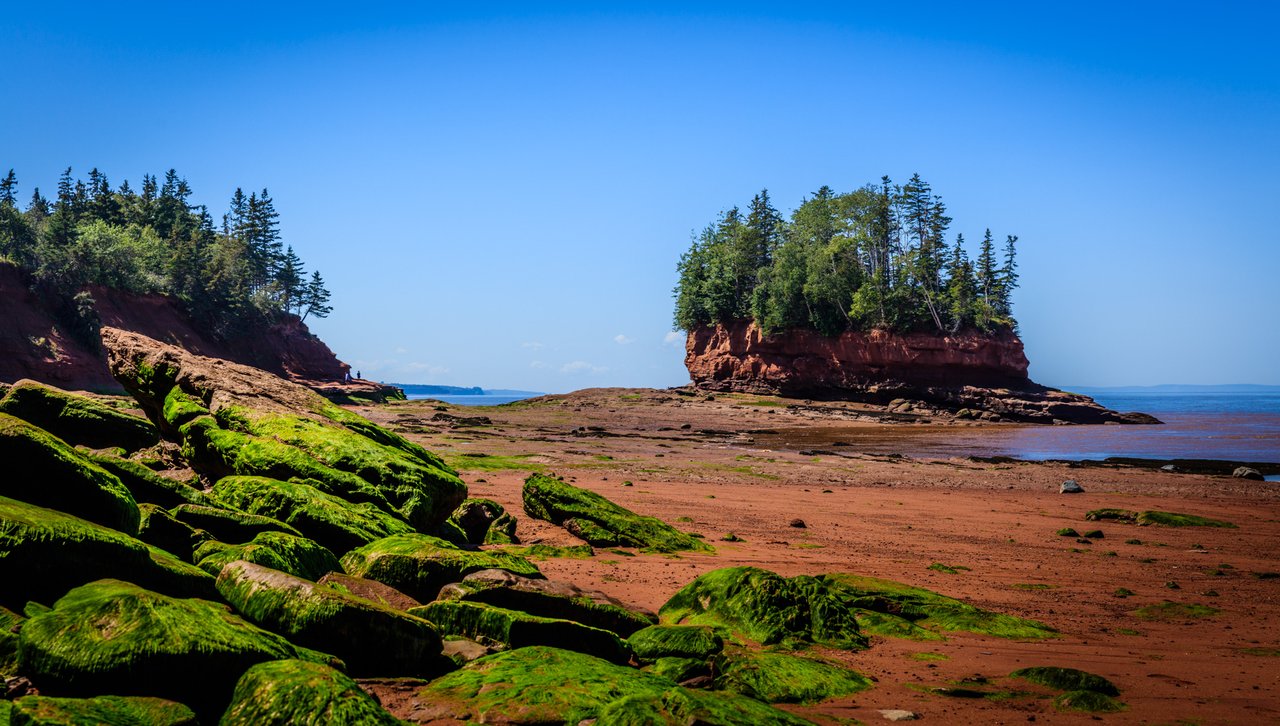
This is the one I tell everyone about. The Bay of Fundy has the highest tides on earth — 160 billion tonnes of water moving twice a day — and at Burntcoat Head Park you can walk on the ocean floor at low tide, then come back six hours later and kayak over the exact spot where you were standing. The water level shifts by as much as 16 metres between tides. Sixteen! That’s a five-storey building appearing and disappearing twice a day.
Practical notes from my visit: park access is free; the park is open mid-May to mid-October (grounds accessible dawn to dusk, interpretive staff and washrooms roughly 9 AM–5 PM). I checked the tide tables on the official site before I went — this is non-negotiable, since showing up at high tide means staring at a full bay with nowhere to walk — and wore old sneakers, which were caked in red Fundy mud within ten minutes. There are guided ocean-floor tours (~$15) if you want the full geology story. → Burntcoat Head Park (official site)
10. Tidal bore rafting on the Shubenacadie River
For the adventure half of the Fundy story: when the massive incoming tide hits the Shubenacadie River, it creates a standing wave — a tidal bore — that you can ride in a motorized zodiac. It’s bumpy, it’s loud, and it’s one of those only-in-this-province experiences. I got absolutely drenched and filthy and I’d do it again tomorrow.
Operators (Tidal Bore Rafting Resort, Fundy Tidal Bore Adventures, Shubie River Wranglers, and others) run trips roughly May through October, with excursions around ~$75–115 per person depending on the company and trip length. Tours depart on the tide schedule, which changes daily — so you book around the bore, not the other way round. Book ahead in summer; this one sells out. → Shubie River Wranglers — book tidal bore rafting
Prefer your Fundy adventures on land? Cape Chignecto Provincial Park on the bay’s north shore has some of Nova Scotia’s best backcountry hiking — towering red cliffs and coves you can only reach on foot — and you can kayak out to the “Three Sisters” rock stacks rising out of the water. This is where you go to ditch the crowds entirely.
11. Annapolis Valley wine country
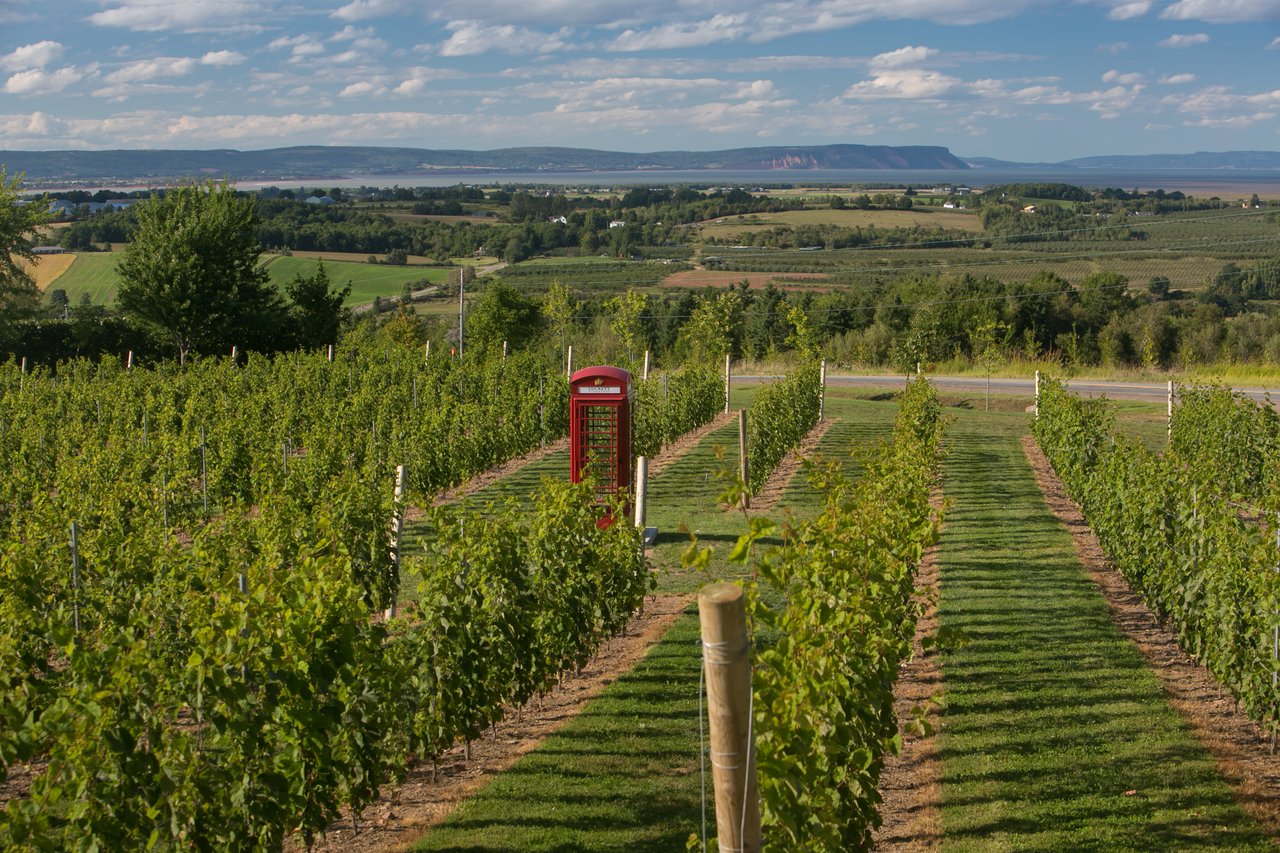
Nova Scotia wine was my biggest surprise of the whole trip — I’ll be honest, I did not expect a province known for lobster and fiddles to make wine I’d actually crave. The Annapolis Valley’s cool climate produces crisp whites and sparkling wines, and the signature pour is Tidal Bay: the province’s official appellation, a crisp white designed to pair with local seafood. Tasting it after a plate of scallops was a genuine game-changer for me.
The move: the Wolfville Magic Winery Bus, a hop-on British double-decker that runs winery routes from downtown Wolfville. I rode the top deck (obviously), visited four wineries, and had to be restrained in the gift shops. 2026 pricing from the official site: the four-winery tour with lunch runs $140 (Friday and Sunday departures, through October 25), and the Saturday-afternoon Tidal Bay tour is $115 with tastings and appetizers. → Magic Winery Bus (official site)
12. Hall’s Harbour lobster and Grand-Pré
End your valley loop the right way. At Hall’s Harbour Lobster Pound, you pick your lobster and eat it on the wharf while the Fundy tide drops out from under the boats — I watched the harbour empty itself over one very slow lunch, and it was better entertainment than anything on my phone. The Wolfville farmers’ markets (cheese, honey, seasonal produce) are worth a Saturday-morning stop on the way through.
History stop: Grand-Pré National Historic Site, the Acadian memorial at the heart of the valley — free in 2026 under the Canada Strong Pass summer window, and the Evangeline statue garden is a quiet, lovely hour. Like most Parks Canada sites here, I double-checked the seasonal hours on the official page before I went.
How much does a Nova Scotia trip cost?
Sample budget per person for a 7-day trip, using 2026 prices I checked in October 2026 (items marked ~ are estimates; prices were free-admission season-dependent for Parks Canada sites June 19–Sept 7, 2026):
| Item | Cost (CAD) |
|---|---|
| Car rental, 7 days (mid-size, summer) | ~$500–700 |
| Hotels/B&Bs, 7 nights (mid-range, double occupancy) | ~$800–1,100 |
| Cape Breton Highlands National Park entry (adult, outside free window) | $9 |
| Halifax Citadel (free June 19–Sept 7, 2026) | $0–~$12 |
| Maritime Museum of the Atlantic | ~$11 |
| Fisheries Museum of the Atlantic, Lunenburg | $14.50 |
| Whale watching, Pleasant Bay | ~$60–75 |
| Tidal bore rafting | ~$75–115 |
| Magic Winery Bus (four-winery + lunch) | $140 |
| Food & drinks, 7 days | ~$400–600 |
| Gas (Halifax loop, ~2,000 km) | ~$200–250 |
| Total | ~$2,200–3,100 |
Fair warning: that’s a mid-range, “I’m eating lobster and not apologizing” budget. You can absolutely trim it — my per-day spending dropped a lot once I realized picnic lunches from the Wolfville market were half the price and twice the fun of sit-downs. Booking car rentals six-plus months ahead matters here; summer inventory gets genuinely scarce.
When to go and how long you need
September is my sweet spot: summer crowds have thinned, the water’s at its warmest, and Cape Breton’s fall colours start showing late in the month. July and August bring the full festival energy — and full parking lots. If you want Celtic Colours in October, book accommodation well ahead.
For trip length: 7 days covers Halifax, the South Shore, and a Cabot Trail loop (this is the trip I’d plan for a first visit). 10–14 days adds the Bay of Fundy and Annapolis Valley at a civilized pace. Our Nova Scotia road trip itinerary lays out the full route day by day, and the best time to visit Nova Scotia guide breaks down the seasons in more detail.
FAQs about the best places to visit in Nova Scotia
How many days do I need in Nova Scotia?
Seven days is the sweet spot for a first trip: 2–3 days in Halifax and the South Shore (Peggy’s Cove, Lunenburg), 3 days for the Cabot Trail loop, and a buffer day. That matches the structure of my list above. With 10–14 days you can add the Bay of Fundy (Burntcoat Head, tidal bore rafting) and the Annapolis Valley wine country without rushing.
What’s the best month to visit Nova Scotia?
September, in my opinion: warm water, thinning crowds, and early fall colour in Cape Breton. July and August are peak festival season but also peak crowds and prices. Many smaller museums, whale-watching tours, and coastal cafés close between late October and May, so shoulder-season trips need more hour-checking. See our best time to visit Nova Scotia guide for a month-by-month breakdown.
Do I need a car to visit Nova Scotia?
For this list, yes. Halifax itself is walkable and you can day-trip to Peggy’s Cove by tour, but the Cabot Trail, Bay of Fundy, and Annapolis Valley are spread across rural highways with essentially no transit. Book your rental six or more months ahead for summer — I’ve watched availability evaporate in July and August, and it’s not a fun scramble.
Is the Cabot Trail hard to drive?
It’s dramatic but not technical: paved the whole way, with steep grades and tight switchbacks on the north shore (especially around North Mountain and Cape Smokey). Drive counterclockwise (Chéticamp first) to keep the cliff on your passenger side, pull over often — there are signed look-offs everywhere — and don’t attempt it in a snowstorm. Allow three full days; I did it in two once and missed half the stops.
Where’s the best place to see the Bay of Fundy tides?
Burntcoat Head Park, where the highest tides were ever recorded (a 16-metre swing). You can walk on the ocean floor at low tide, and park access is free — it’s open mid-May to mid-October. Check the tide tables on the park’s official site before you go, because arriving at high tide means there’s nothing to walk on. For the adrenaline version, tidal bore rafting on the Shubenacadie River runs roughly May to October, around $75–115 per person.
Is Nova Scotia expensive to visit?
Mid-range, roughly on par with the rest of Atlantic Canada and cheaper than the Rockies or Toronto. My sample 7-day budget comes to about $2,200–3,100 CAD per person (mid-range hotels, rental car, the activities above), and much of the province’s best stuff — the boardwalks, the beaches, the ocean-floor walks, the Skyline Trail — is free or cheap. September travel trims accommodation prices meaningfully.
Keep exploring
- Nova Scotia Road Trip Itinerary: The Complete Route
- The Ultimate 3 Days in Halifax Itinerary: 2026 Guide
- The Ultimate 1 Day in Lunenburg Itinerary for 2026
- Best Time to Visit Nova Scotia: 2026 Seasonal Guide
- Travel Guide to Nova Scotia: 2026 Edition