

Last updated: October 3, 2026
The short answer
- How many days: 7–10 days covers Montréal (3 days), Québec City (2–3 days), and one road trip — and trust me, you’ll want the extra day you didn’t budget for.
- Best timing: Late June–July for festivals (Jazz Fest runs June 25–July 4, 2026), September–October for fall color, February for the Québec Winter Carnival (Feb 6–15, 2026).
- The one rule: Learn a few words of French before you go — bonjour, merci, s’il vous plaît. It changes everything about how you’re received.
I’ll be honest: I landed in Québec the first time thinking it would be “Canada with croissants,” and left with a color-coded spreadsheet and a mild obsession. Here’s the thing — this is a province the size of several European countries, with its own language, its own food culture, and seasons that each feel like a different destination. I’ve been back four times now, in every season, and I still plan every return trip like it’s the first one.
This guide covers the whole province the way I wish someone had laid it out for me: Montréal’s festival-soaked summers, Québec City’s old-world winter magic, the road trips everyone underrates, what it actually costs, and the French-language etiquette that will make your trip ten times better. All prices and festival dates below are checked for 2026 — fair warning, this is a province where seasonal hours genuinely change things, so re-check official sites before you lock in plans.
Before you go: the Québec essentials
Language: Québec is officially French-speaking, and this matters more than most visitors expect. In downtown Montréal, you’ll get by fine in English (it’s proudly bilingual). In Québec City and anywhere rural, French dominates — and attempting it first is a game-changer for how warmly you’re received. My rule: always open with bonjour, and if someone switches to English, accept it graciously. I once opened with “Do you speak English?” in a Québec City bakery and got a very educational silence. Never again.
Money: Currency is the Canadian dollar. Québec adds 5% GST + 9.975% QST on nearly everything, so mentally add ~15% to menu and shelf prices — my spreadsheet has a whole column for this (of course it does).
How many days: The minimum I’d recommend is 5 days (3 in Montréal, 2 in Québec City, with the train between them). The sweet spot is 7–10, adding a Charlevoix or Eastern Townships road trip. Our deep dives: 3 days in Montréal, 2 days in Québec City, and the Québec road trip itinerary.
Getting between cities: VIA Rail runs Montréal–Québec City in about 3.5 hours (from ~$50 one-way when booked ahead — I timed it: the window views along the St. Lawrence make it the most pleasant train ride in the province). Orléans Express buses cover the same corridor cheaper. → VIA Rail — official schedules & fares
Montréal: the cultural and culinary heart
Montréal is the city I describe to friends as “Paris got bored and moved to an island.” It’s the second-largest French-speaking city in the world, built on an island around a 233-metre mountain, and it runs on festivals from January to October. I always start first-timers the same way: Old Montréal in the morning, the mountain at golden hour, and the Plateau in between.

Top things to do in Montréal
- Old Montréal & the Old Port: cobblestone streets, Place Jacques-Cartier, and the Notre-Dame Basilica — do not skip the basilica’s interior (guided tours from ~$15; I checked the official basilica site before my visit and the light show schedule changes seasonally). The Grande Roue Ferris wheel at the Old Port is worth every penny at sunset.
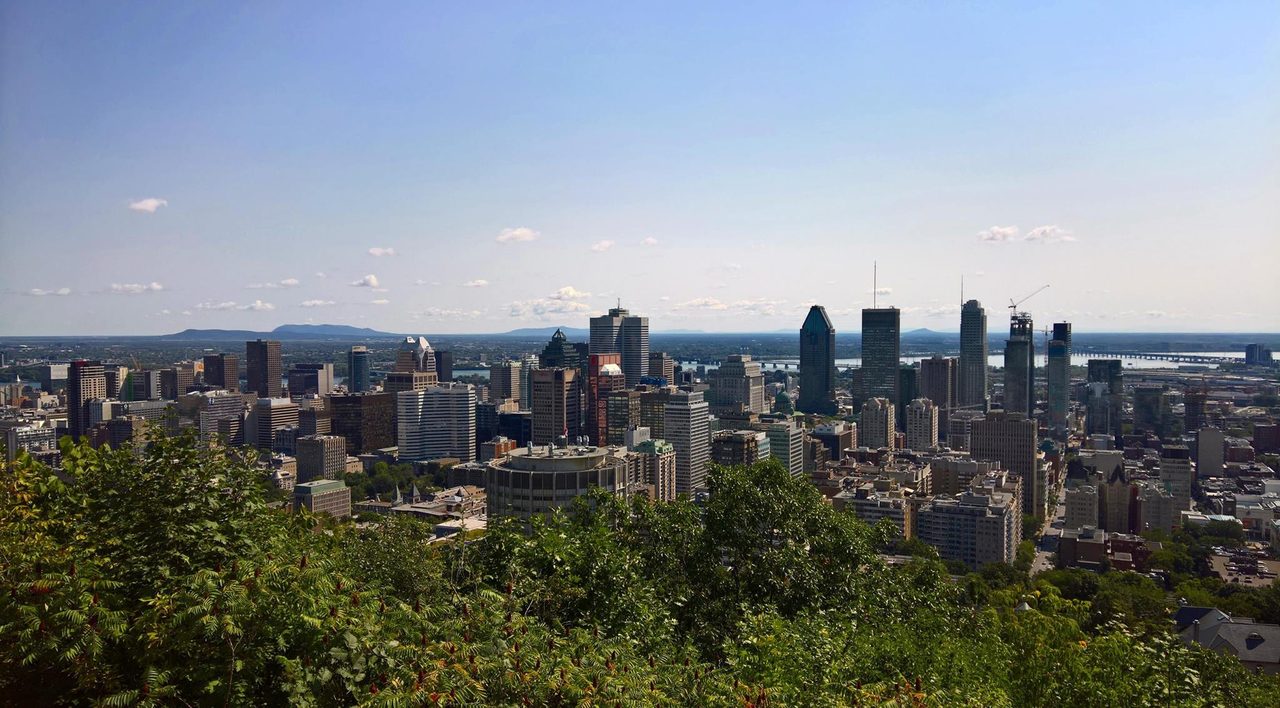
- Mount Royal: the Kondiaronk Belvedere lookout gives you the classic skyline view — and here’s the thing, it’s free, it’s always open, and the walk up is the best hour you’ll spend in the city. I’ve done it four times and still take the wrong stair path at the Chalet. Rite of passage.
- Jean-Talon Market: in Little Italy, one of North America’s great public markets. Pro tip: go hungry, go early (I showed up at 11 AM on a Saturday once. Never again), and eat the maple products from the stall vendors.
- The Plateau & Mile End: this is bagel territory — St-Viateur and Fairmount bagels are a 20-minute walk apart and locals have FIERCE opinions. I did a blind taste test with friends. St-Viateur won, barely, and I’m still hearing about it.
- The Underground City (RÉSO): 33 km of climate-controlled tunnels connecting metro stations, malls, and offices — in February this is a game-changer, in July it’s blissfully air-conditioned. A hotel front-desk clerk told me to navigate by the metro-station color codes, and she was right.
- Biodôme & Botanical Garden: in the Olympic Park area — the Biodôme’s five ecosystems are a perfect rainy-day or bitter-cold-day plan.
A sample 3-day Montréal sketch for first-timers
Day 1 — Old Montréal & the river (arrive, orient, eat)
Morning in Old Montréal: basilica, Place Jacques-Cartier, and a wander along the Old Port. Afternoon: the Pointe-à-Callière archaeology museum if you’re into history (I am, aggressively). Evening: dinner in the Old Port — budget ~$30–45 per person for a proper sit-down spot.
Day 2 — The mountain & the Plateau
Morning hike up Mount Royal to the lookout (allow 2 hours round trip, bring water). Afternoon: Jean-Talon Market, then the Plateau — bagels, murals on Boulevard Saint-Laurent, and vintage shops. Evening: the Quartier des Spectacles area, especially during festival season.
Day 3 — Markets, museums & the underground
Pick your museum (the Museum of Fine Arts is my favorite), lunch at Atwater Market, and an afternoon in the RÉSO if the weather turns. Evening: catch a show — in July, this city is practically vibrating with performances.
Where to stay: Downtown or the Quartier des Spectacles puts you on the metro for everything; the Plateau is the charming Airbnb/neighborhood pick. Expect mid-range hotels at ~$180–320/night in summer (estimate, before the ~15% taxes). Full details in our Montréal travel guide.
Québec City: stepping back in time
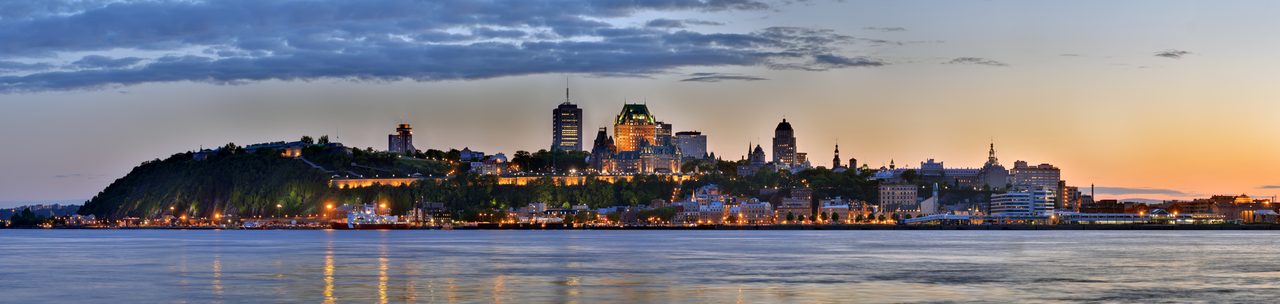
If Montréal is the cool older sibling, Québec City is the storybook one. It’s the only walled city north of Mexico, its Old Town is a UNESCO World Heritage site, and the first time I rounded the corner onto Terrasse Dufferin and saw the Château Frontenac lit up against the river, I actually stopped walking. Four visits later, it still gets me.
Must-see historic sites in Old Québec
- Terrasse Dufferin & Château Frontenac: the boardwalk behind the Château has the single best view in the city — river, Île d’Orléans, the Laurentians. Free, always open. In winter, the toboggan slide here (running since 1884!) is the most joyful ~$35 you’ll spend — I did it in -18°C and screamed the whole way down.
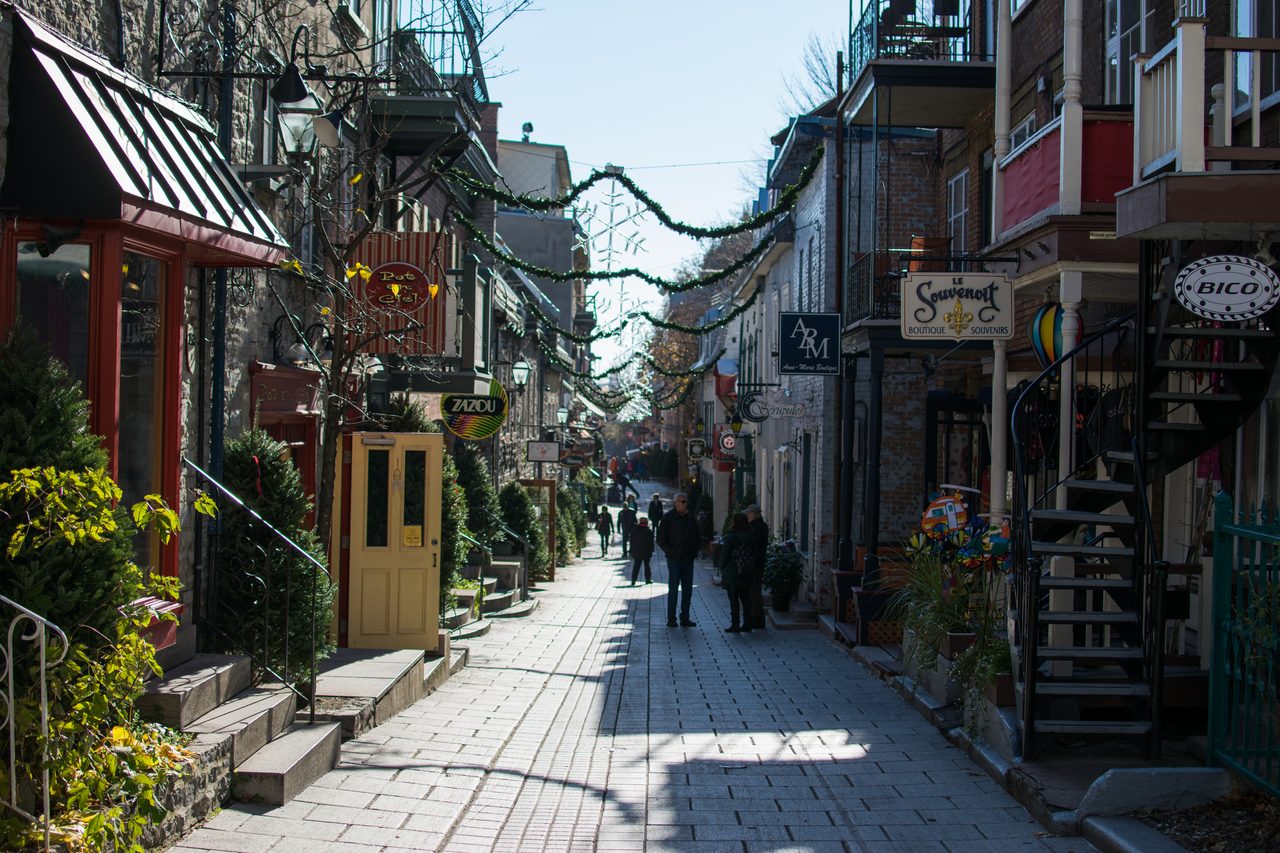
- Petit-Champlain: the oldest shopping street in North America, all cobblestones and 17th-century stone buildings in Lower Town. Go early morning before the crowds — and fair warning, the stairs and hills are real. Wear real shoes.
- Place Royale & Notre-Dame-des-Victoires: the oldest stone church in North America (1688), on the prettiest square in the city. The trompe-l’œil fresco on the nearby building is worth the detour.
- The Citadelle: the active military fortress — guided tours run year-round (~$18 adult; I double-checked the official Citadelle site since tour times are seasonal). The changing of the guard in summer is a classic.
- The funicular: connects Upper and Lower Town for ~$5 a ride — or take the stairs for free and earn your poutine. Your call.
Beyond the walls: Montmorency Falls & Île d’Orléans
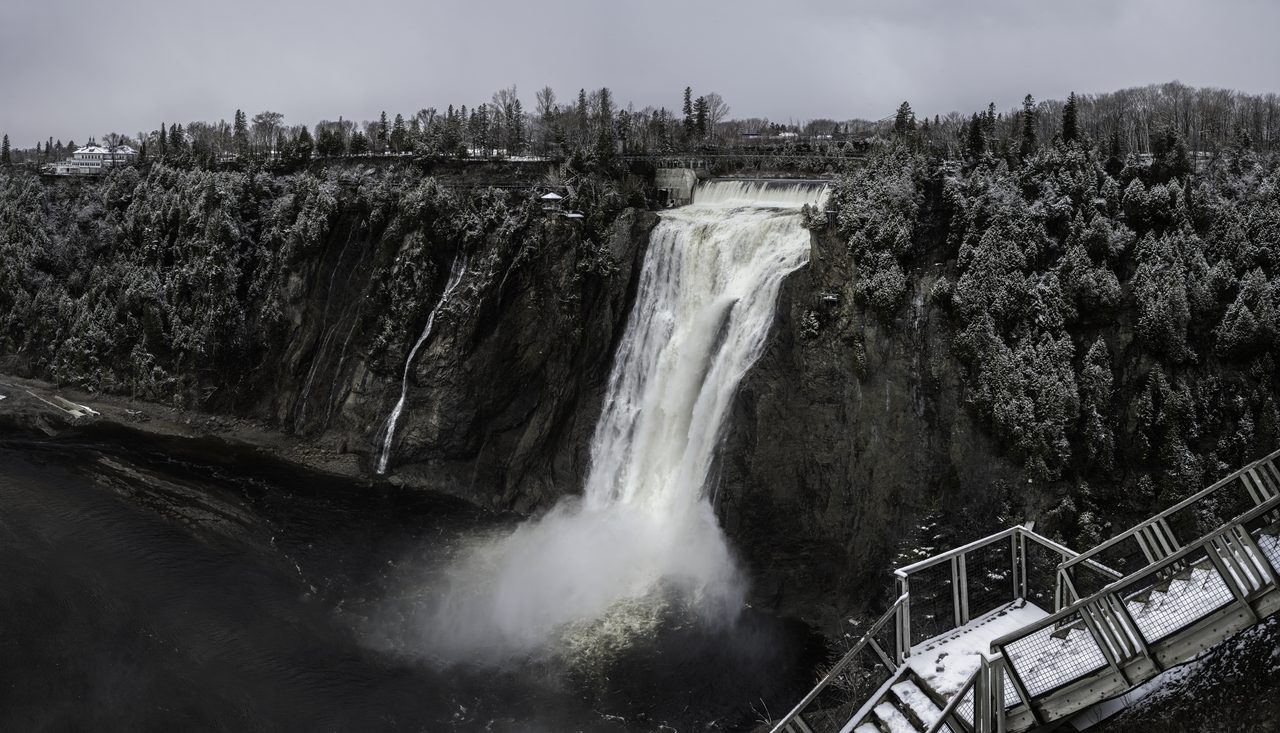
Fifteen minutes from downtown, Parc de la Chute-Montmorency drops 83 metres — 30 metres taller than Niagara Falls, and here’s the thing, almost nobody outside Québec knows about it. The cable car round trip runs ~$17.95 + tax for adults (2026 rates; park entry is separate and modest), and the suspension bridge over the falls will test your knees. → Sépaq — Parc de la Chute-Montmorency official page
Île d’Orléans, the island in the river, is the pastoral counterpoint: strawberry fields, roadside farm stands, and the famous chocolaterie. Half a day, best by car — or by the island shuttle in summer. I once ate my weight in strawberries at a farm stand there and I’m not even sorry.
A sample 2-day history-lover’s itinerary
Day 1 — Upper Town & the walls
Morning: Terrasse Dufferin and the Château (photo stop, not the $$$ hotel bill), then the Citadelle tour. Afternoon: walk the ramparts — the full wall circuit takes about 2 hours and I timed the sunset from Porte Saint-Louis perfectly once. Evening: dinner in Upper Town (~$30–40/person).
Day 2 — Lower Town & the falls
Morning: Petit-Champlain and Place Royale before the crowds, funicular or stairs down. Afternoon: Montmorency Falls (allow 3 hours). Evening: back in Lower Town for poutine at an institution — more on that below.
Where to stay: Inside the walls for the full effect (pricier, ~$200–350/night in peak season), or just outside in Saint-Roch for better value and a local vibe. See where to stay in Québec City.
Best time to visit Québec: a seasonal breakdown
Here’s the thing about Québec: there’s no bad season, only different trips. I plan around this table every time:
| Season | What it’s like | Key 2026 events |
|---|---|---|
| Summer (Jun–Aug) | Warm (20–27°C), long days, peak festival season — and peak prices | Montréal Jazz Fest Jun 25–Jul 4 · Just for Laughs Jul 15–26 · Osheaga Jul 31–Aug 2 |
| Fall (Sep–Oct) | My personal favorite: crisp air, fall color peaks early October, harvest season, fewer crowds | Québec City’s fall foliage; apple picking in the Eastern Townships |
| Winter (Dec–Mar) | Cold (-10 to -25°C) but magical — the city leans INTO winter, and you should too | Québec Winter Carnival Feb 6–15 · Igloofest Jan 15–Feb 7 · Montréal en Lumière Feb 27–Mar 7 |
| Spring (Apr–May) | Muddy, quiet, cheapest — and maple/sugar-shack season in March–April | Sugar shacks; F1 Canadian Grand Prix May 22–24 |
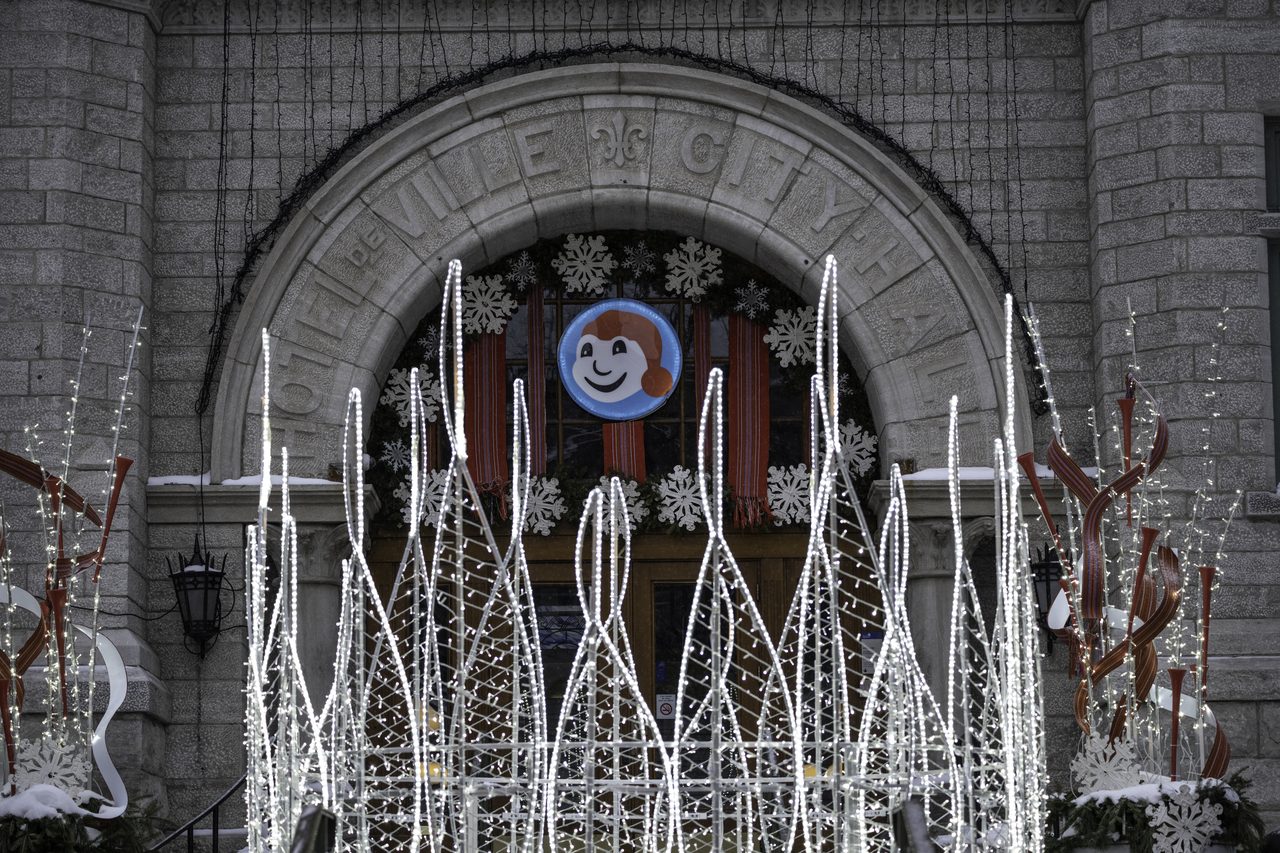
A note on summer festivals, because this is where my spreadsheet earns its keep: the Festival International de Jazz de Montréal (June 25–July 4, 2026) is the world’s largest jazz festival — 350+ concerts, and more than two-thirds are FREE outdoor shows. I planned an entire trip around it one year and spent less on music than on bagels. Just for Laughs (July 15–26, 2026) takes over 25+ downtown venues, and the Québec Winter Carnival (February 6–15, 2026) is the world’s largest winter carnival — the Effigy pass runs ~$29–39 and gets you into the ice palace, night parades, and the ice-canoe race. Book Carnival hotels months ahead; I waited until January once and paid for it. Literally.
Beyond the cities: Québec road trips worth the drive
This is the part most itineraries skip, and it’s the part I evangelize about. Roughly 80% of Québec is wilderness, small towns, and coastline — rent the car and go.
- The Whale Route (Route des Baleines): the north shore of the St. Lawrence from Tadoussac to Blanc-Sablon. Tadoussac is where the Saguenay Fjord meets the river, and belugas live here year-round — I watched a white beluga surface ten metres from a zodiac and forgot to take a single photo. Summer whale cruises run ~$80–100. Allow 2–3 days from Québec City.
- Charlevoix: rolling farmland, art galleries, and the Train de Charlevoix rail journey between Québec City and La Malbaie. The agrotourism route (cheese, cider, chocolate) is a game-changer for food people. 1–2 days.
- The Gaspé Peninsula (Gaspésie): the big one — a full loop around the peninsula to Percé Rock and Bonaventure Island’s gannet colony (one of the world’s largest). This is a 5–7 day commitment and worth every kilometre.
- Eastern Townships & Mont-Tremblant: the easy win from Montréal — wine route, covered bridges, and Tremblant (ski in winter, luge and hiking in summer). Perfect 2–3 day add-on.
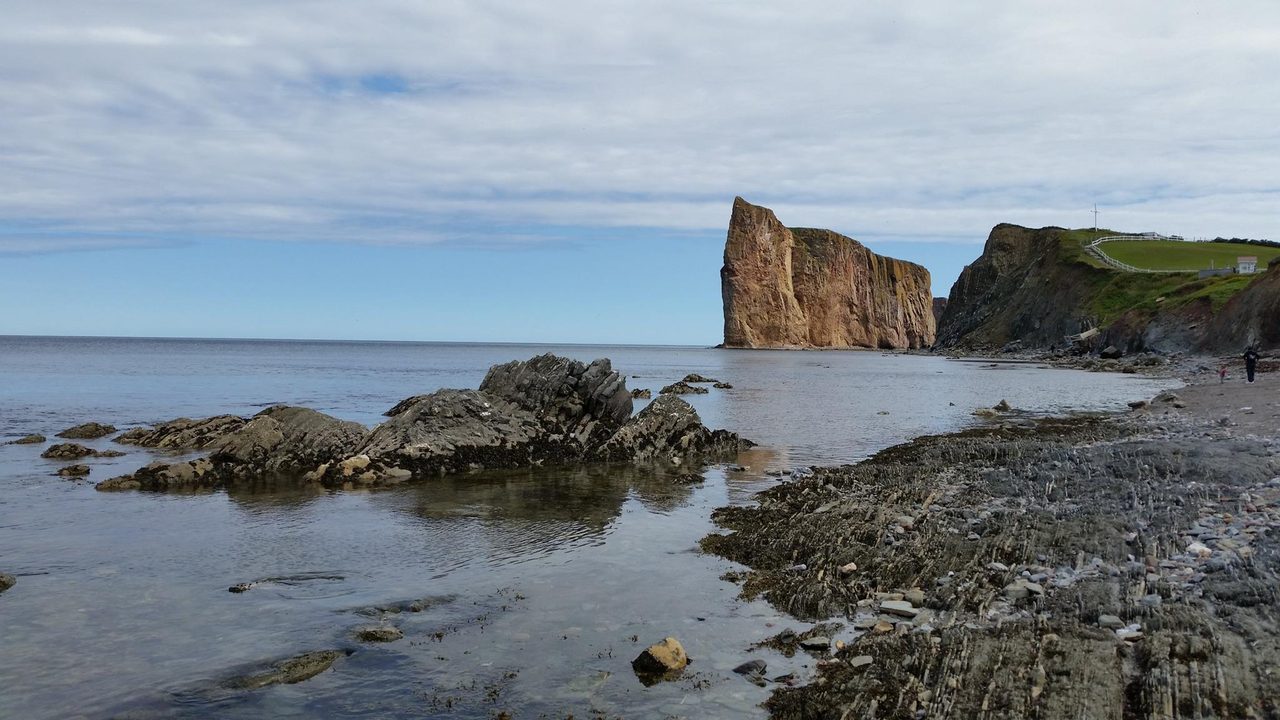
Driving notes: distances are BIG (Montréal to Percé is ~900 km — do not attempt in a day, I beg you). Winter driving means snow tires are legally required December–March, and rural gas stations close early — fill up when you see one. Full route planning in our Québec road trip itinerary.
A foodie’s guide to French Canadian culture
Québec’s food is French technique meets harsh-winter comfort, and I have strong opinions about all of it.
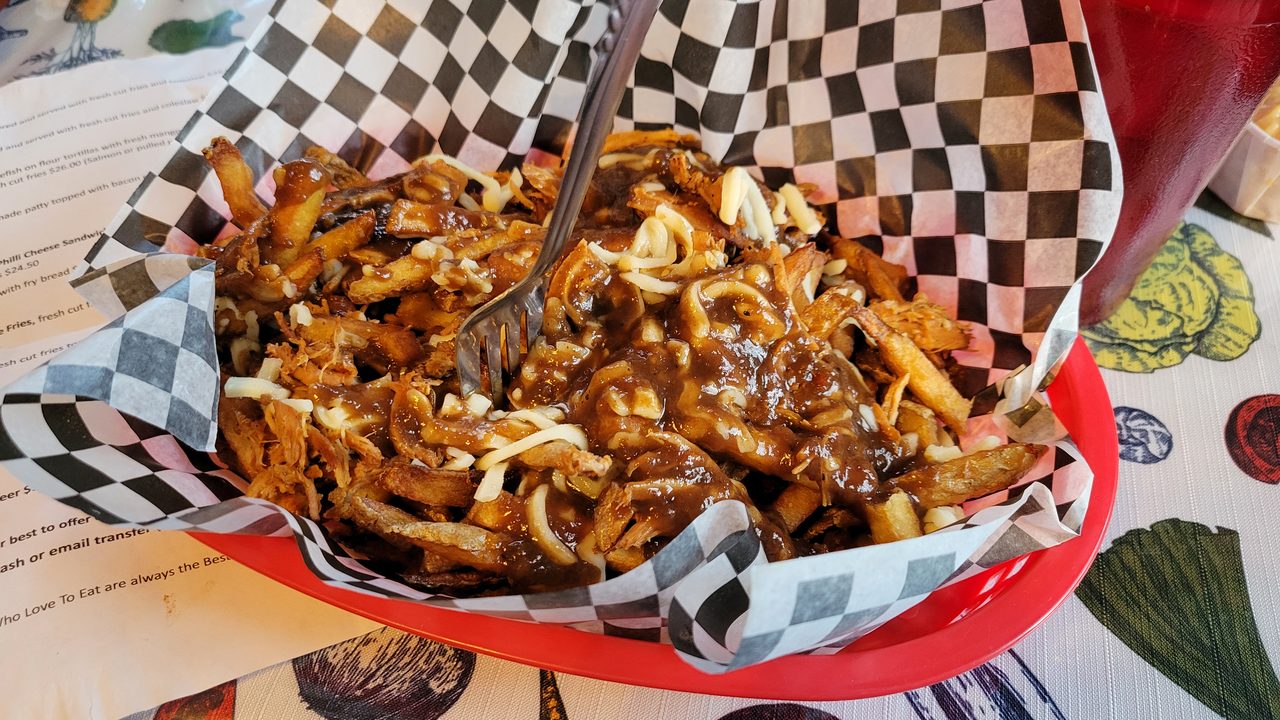
- Poutine: the pilgrimage is mandatory. In Montréal, La Banquise (open 24 hours, 30+ varieties — I went at 2 AM after a Jazz Fest show and it was a religious experience). In Québec City, Chez Ashton is the local institution. The rule: fries must be crispy, curds must squeak, gravy must be hot enough to start the melt.
- Montréal bagels: smaller, sweeter, wood-fired — St-Viateur vs. Fairmount is the city’s great debate (see above; I’m Team St-Viateur and I will die on this hill). A dozen to take home is ~$12 and the best souvenir in the province.
- Tourtière: the traditional meat pie — you’ll find it everywhere from December to March, and at sugar shacks in spring.
- Maple everything: sugar shack (cabane à sucre) season runs March–April — the full traditional meal with maple taffy on snow is touristy and absolutely worth doing once. A server at a shack in the Laurentians told me the trick is pacing yourself: “the beans are a trap.” She was right.
- Craft drinks: Québec’s microbrewery scene is excellent, and ice cider (cidre de glace) from the Eastern Townships is the bottle to bring home.
Budget ~$60–90 per person per day for food if you’re eating well but not extravagantly — less if you lean on markets (Jean-Talon and Atwater will happily feed you for a week).
Practical tips for navigating Québec
- Montréal transit: the metro is clean, fast, and bilingual — a single fare is ~$3.75 (confirm current fares on stm.info), and the OPUS card works across metro, bus, and the new REM light rail to the airport. I timed it: downtown to YUL on the REM beats a taxi in rush hour.
- Québec City: gloriously walkable in the old town; the RTC bus network covers the rest. Between the cities, VIA Rail or Orléans Express — book VIA early for the best fares.
- National parks: Québec’s Sépaq parks (including Montmorency Falls) charge a modest daily access fee (~$9–10/adult) on top of activity prices — the annual card pays for itself in about 7 visits, per my math.
- Safety: Québec is very safe by any standard. The real hazards are weather-related: -25°C windchill in February is no joke (layers, not one big coat — I learned this the sweaty way), and black ice on Old Québec’s hills deserves respect.
- Tipping: 15–20% at restaurants, on the pre-tax amount — yes, the math is annoying, everyone agrees.
How much does a trip to Québec cost?
A realistic per-person daily budget for a mid-range trip (prices checked October 2026; items marked ~ are estimates):
| Item | Cost (CAD/day) |
|---|---|
| Mid-range hotel (split 2 ways) | ~$90–160 |
| Food & drink | ~$60–90 |
| Attractions & activities | ~$20–40 |
| Local transit / intercity travel share | ~$15–30 |
| Total per person, per day | ~$185–320 |
So a 7-day trip runs roughly ~$1,300–2,250 per person excluding flights — less in shoulder season (April–May, November), more during Jazz Fest and Carnival when hotels spike.
Your Québec trip timeline at a glance
Still deciding how long to stay? Here’s the thing — the trip you take should match the trip you want, not the one the internet guilted you into. This is how I’d slice it:
| Trip length | The plan | Best for |
|---|---|---|
| 5 days | 3 days in Montréal + 2 days in Québec City, VIA Rail between them | First-timers on a tight schedule — you hit both cities properly |
| 7 days | The 5-day plan + a Charlevoix or Eastern Townships road trip | My sweet-spot recommendation: cities plus countryside |
| 10 days | The 7-day plan + the Whale Route (2–3 days) or a bigger Gaspé loop | The full Québec experience — and the pace finally feels human |
FAQs about traveling to Québec
Do I need to speak French to visit Québec?
No — but you should try. In Montréal’s tourist areas you’ll get by in English easily. In Québec City and rural areas, French dominates, and opening with bonjour (instead of “do you speak English?”) transforms how you’re treated. Learn ten phrases; it’s the highest-ROI travel prep there is.
What is the best month to visit Québec?
It depends on your trip. July is peak festival season (Jazz Fest, Just for Laughs) with the warmest weather. Late September to early October has the best fall color with fewer crowds. February is for the Québec Winter Carnival — magical if you dress for -20°C. My personal sweet spot is September: great weather, harvest food, and sane hotel prices.
How many days do you need in Québec?
Five days minimum: 3 in Montréal and 2 in Québec City, with the VIA Rail ride between them. Seven to ten days lets you add a Charlevoix or Eastern Townships road trip without rushing. The Gaspé Peninsula alone deserves 5–7 days — don’t bolt it onto a short trip.
Is Québec City worth visiting in winter?
Absolutely — winter is arguably Québec City’s best season. The Winter Carnival (February 6–15, 2026) fills the walled city with ice sculptures, night parades, and the ice palace; the Toboggan Slide on Terrasse Dufferin has run since 1884; and the snow-covered old town looks like a film set. Dress in layers, wear boots with grip, and embrace it.
What is the best way to get from Montréal to Québec City?
VIA Rail is the most pleasant option — about 3.5 hours downtown-to-downtown from ~$50 when booked ahead, with St. Lawrence views most of the way. Orléans Express buses are cheaper and nearly as fast. Driving takes ~3 hours via Highway 20. Flying is overkill for this corridor.
Is poutine actually good, or just a tourist thing?
It’s genuinely good — and locals eat it constantly. The difference between great and sad poutine is real: crispy fries, fresh squeaky curds, and hot gravy. La Banquise in Montréal and Chez Ashton in Québec City are the institutions, but honestly, half the casse-croûtes (snack bars) in the province do a respectable one. Order it at least twice. Trust me on this one.