
Last updated: October 3, 2026
The short answer
- Time it for the festivals: Igloofest (Jan 15 – Feb 7, 2026) and MONTRÉAL EN LUMIÈRE (Feb 26 – Mar 8, 2026, with Nuit Blanche on Feb 28) are the two peaks of winter — book hotels early.
- Dress for -20°C, not -5°C: three-layer system, mittens over gloves, waterproof boots with real treads, and a power bank — cold eats phone batteries for breakfast.
- Go underground: the 32-km RÉSO network and the STM metro ($3.75 a ride in 2026) mean you can cross downtown without ever stepping into a blizzard.
I’ll be honest: before my first winter trip, I thought Montreal in January was a punishment you endured for cheap flights. Then I stood on the Old Port at night, breath fogging, bass thumping off the ice, thousands of people in vintage one-piece snowsuits dancing like it was July — and I got it. This city doesn’t survive winter. It parties through it.
This is my complete 2026 guide to visiting Montreal in winter: the real weather numbers, exactly what to pack, the two festivals worth planning your whole trip around, the best outdoor and underground things to do, what to eat, and what it all costs. Prices and dates below were checked in October 2026 — and where I estimated, I marked it with a ~.
Montreal winter weather: what to expect
Let’s start with the numbers, because Montreal doesn’t do “mild.” In January and February, daytime highs typically sit between -5°C and -15°C (23°F to 5°F), and the wind chill regularly pushes that down to -25°C or lower on exposed days (looking at you, Old Port waterfront). The city averages roughly 210 cm (about 82 inches) of snow per year, so expect a white blanket for most of your trip.
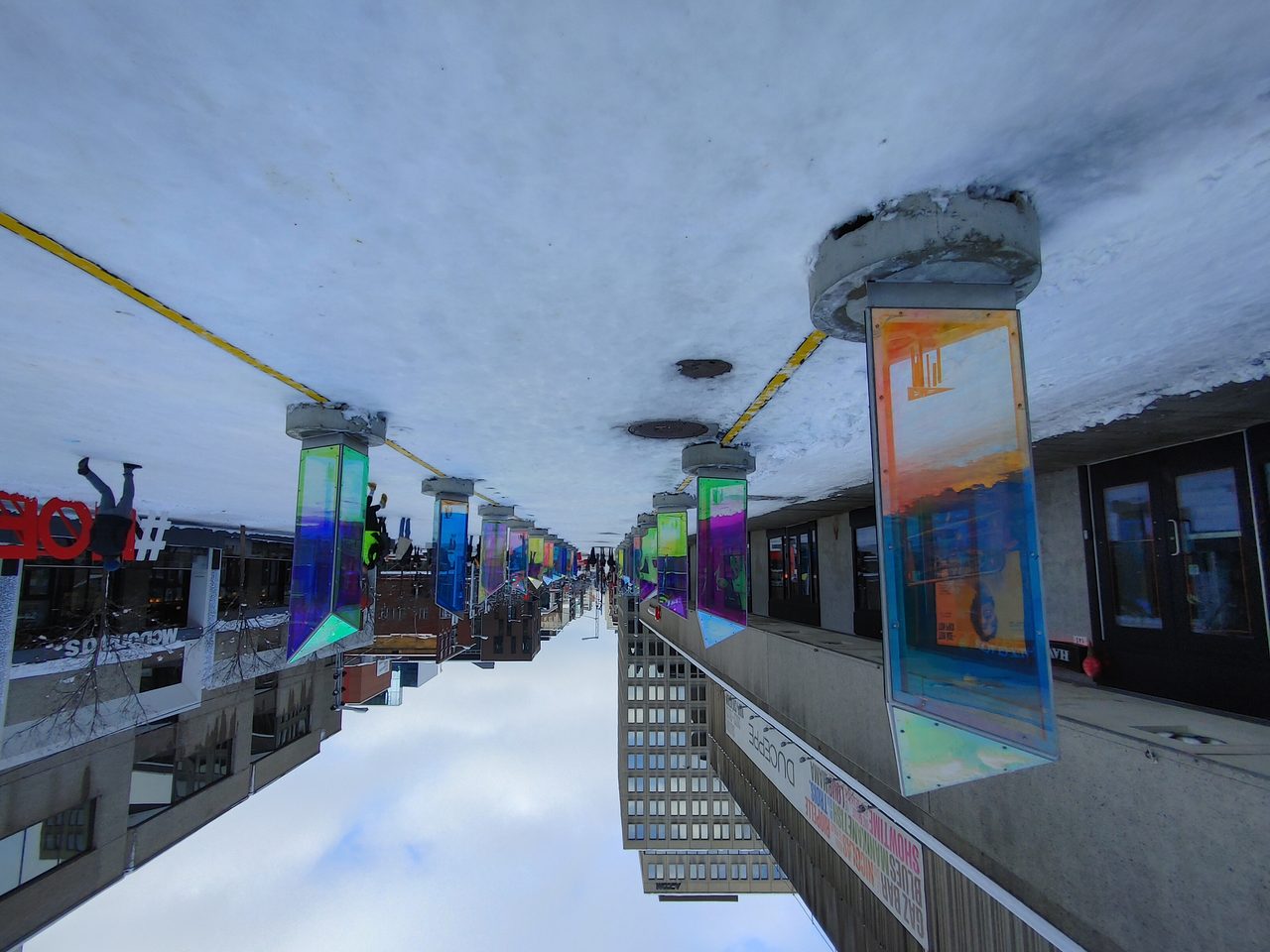
Daylight is precious: the sun sets around 4:30 PM in January, stretching to about 5:30 PM by late February. Here’s the thing — that early sunset is actually a feature. It means the light installations, glowing rinks, and festival sites switch on while you’re still out, and the city looks its best after dark. Front-load your outdoor sightseeing, then let the evening belong to the festivals.
You might hear locals say “polar vortex” the way other cities say “rain shower” — a blast of Arctic air that tanks temperatures for a few days. Don’t panic. Montreal’s snow-clearing is ruthlessly efficient, and buses, metro, shops, and restaurants almost never close for weather. On a brutal day, pivot to a museum or the underground city; on a crisp, bluebird day, get outside immediately.
What to pack for -20°C (my hard-won list)
Staying warm here is about the three-layer system, not one giant coat. I learned this the sweaty way: you overheat in the metro, step outside, and suddenly you’re an icicle.
- Base layer: merino wool or synthetic wicking fabric. No cotton — it traps sweat and punishes you the moment you stop moving.
- Mid layer: fleece or a light down vest for insulation.
- Outer layer: a windproof, water-resistant shell or parka. Local brands like Kanuk are the gold standard here, and I finally understand why.
- Head: a proper toque (that’s a beanie, and yes, you’ll be saying “toque” by day two) that covers your ears.
- Hands: mittens beat gloves — your fingers share heat. Wear thin touchscreen gloves underneath so you can check maps without exposing skin.
- Feet: waterproof, insulated boots with deep lug soles for icy sidewalks. Thick wool socks, but not so tight they cut off circulation.
- Neck: a chunky scarf or neck gaiter. Wind creeping down your collar is the fastest way to be miserable.
- Skin: heavy moisturizer and lip balm. The air is bone-dry.
Pro tip: bring a portable power bank. Cold weather absolutely eats smartphone batteries — mine went from 60% to dead in twenty minutes on the Igloofest pier, and I spent the rest of the night navigating by memory (do not be me). Toss chemical hand warmers in your mittens and wear polarized sunglasses; the glare off fresh snow on a sunny day is blinding.
Packing for a Canadian winter is a whole topic on its own — I keep the full version updated in our Canada winter packing list.
Montreal’s two winter festivals (plan your trip around these)
Igloofest 2026: January 15 – February 7
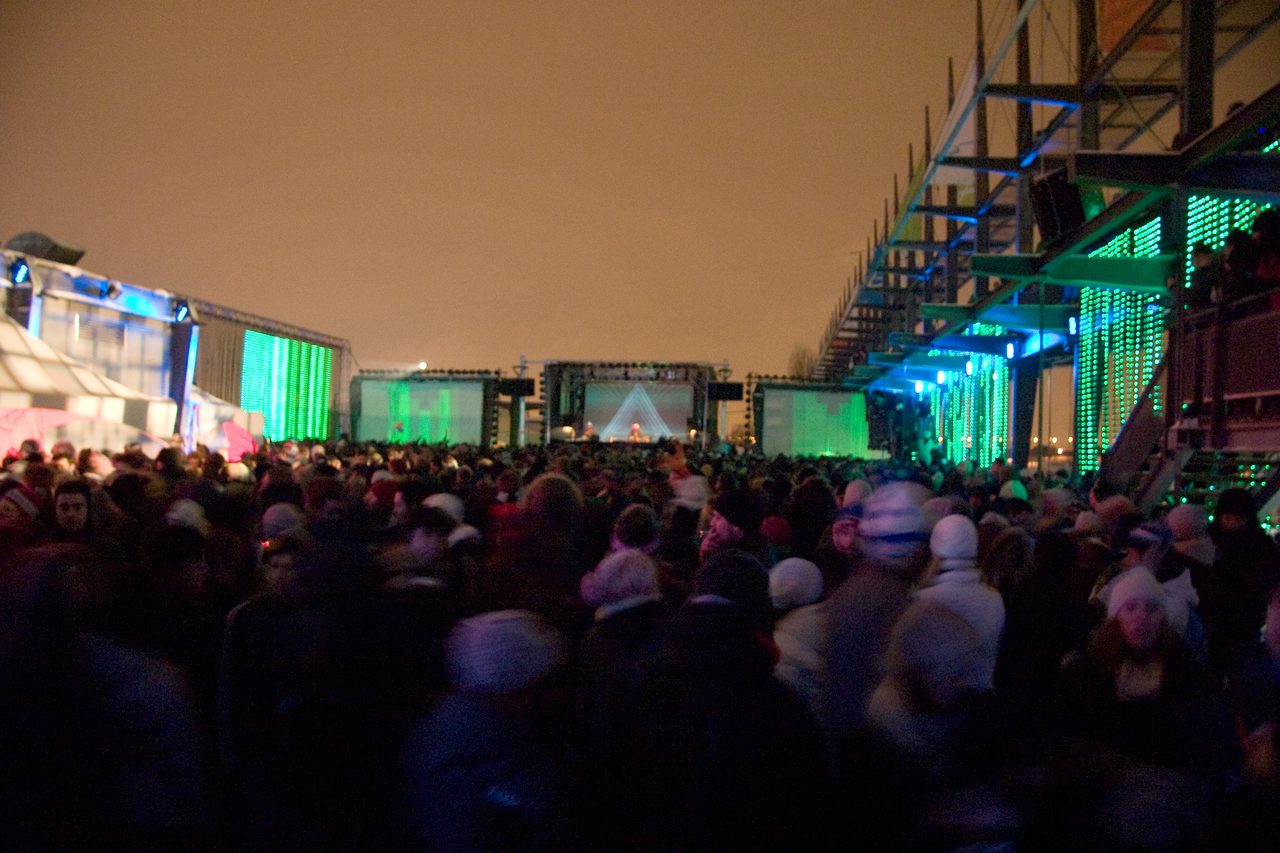
Igloofest is an outdoor electronic dance party on the Old Port — four weekends, two stages, world-class DJs, ice sculptures, fire pits, and the legendary one-piece snowsuit contest where vintage winter gear is the height of fashion. I double-checked the 2026 dates and lineup announcements before writing this (January 15 – February 7, the 18th edition), because they shift every year — and 2026 headliners included DJ Snake, SOFI TUKKER, Madeon, Nicole Moudaber, and Elderbrook.
It’s 18+ (one show, the January 29 Hamza night, was 16+), it’s right on the water where the wind is sharpest, and fair warning: dress warmer than you think you need to. I wore three base layers and still ended up huddling by a fire pit between sets — which, honestly, is half the fun. Tickets went on sale in November through the official festival site, and the big nights sell out. Show up early for a spot near the heaters, and keep moving.
MONTRÉAL EN LUMIÈRE 2026: February 26 – March 8
Then there’s MONTRÉAL EN LUMIÈRE — one of the biggest winter festivals on the planet, all light, food, and high-energy fun in the Quartier des Spectacles. The 2026 edition (the 27th) brings back glowing installations, the urban slide, the Ferris wheel, the Luminothérapie walk along Sainte-Catherine, and the festival’s famous chef-collaboration dinners plus the Quartier Gourmand’s street-food programming.
The peak is Nuit Blanche — the 23rd edition lands on Saturday, February 28, 2026. For one night, the city unfolds into nine itineraries with nearly a hundred cultural and festive activities, most of them free: galleries open late, live music, film, art, and gloriously weird performances all over downtown. I checked the official program (linked below) — it’s the single best free night of winter in Montreal, and the metro runs late to get you home.
→ MONTRÉAL EN LUMIÈRE — official Nuit Blanche 2026 program
If you can only visit for one week of winter, make it this one. And book your hotel early — I’m not being dramatic; festival weeks sell out months ahead.
Best things to do in Montreal in winter
Climb Mount Royal in the snow
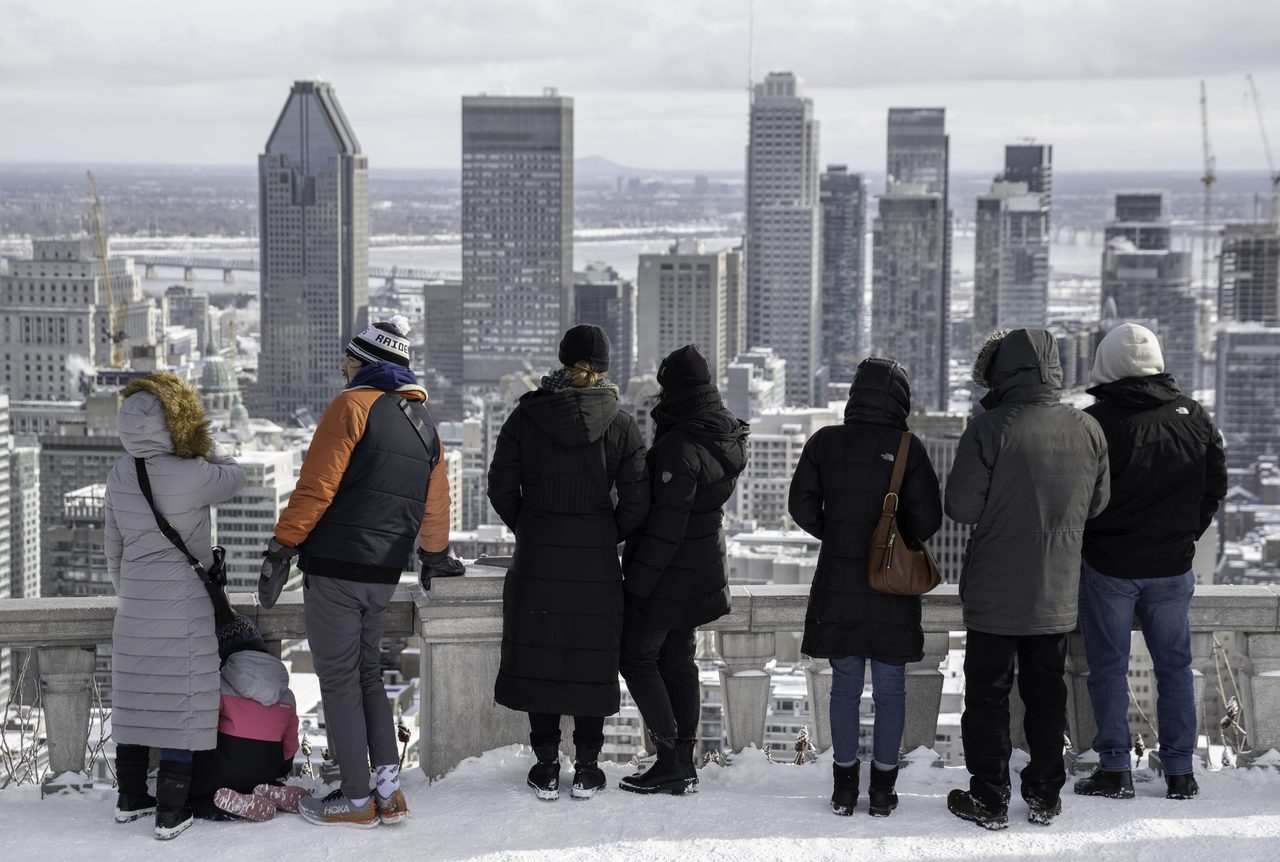
The mountain in the middle of the city becomes a full winter playground: cross-country skiing, snowshoeing, and tubing, with rentals at the Beaver Lake (lac aux Castors) pavilion. The cross-country trails wind through the trees with the skyline as your backdrop, and the Kondiaronk Belvedere viewpoint is stunning in winter light.
I’ll be honest — I rented snowshoes for the first time here and spent the first ten minutes walking like a penguin in quicksand while a six-year-old glided past me. Worth every penny anyway. Go on a weekday morning if you can; weekends get busy.
Skate the Old Port rink
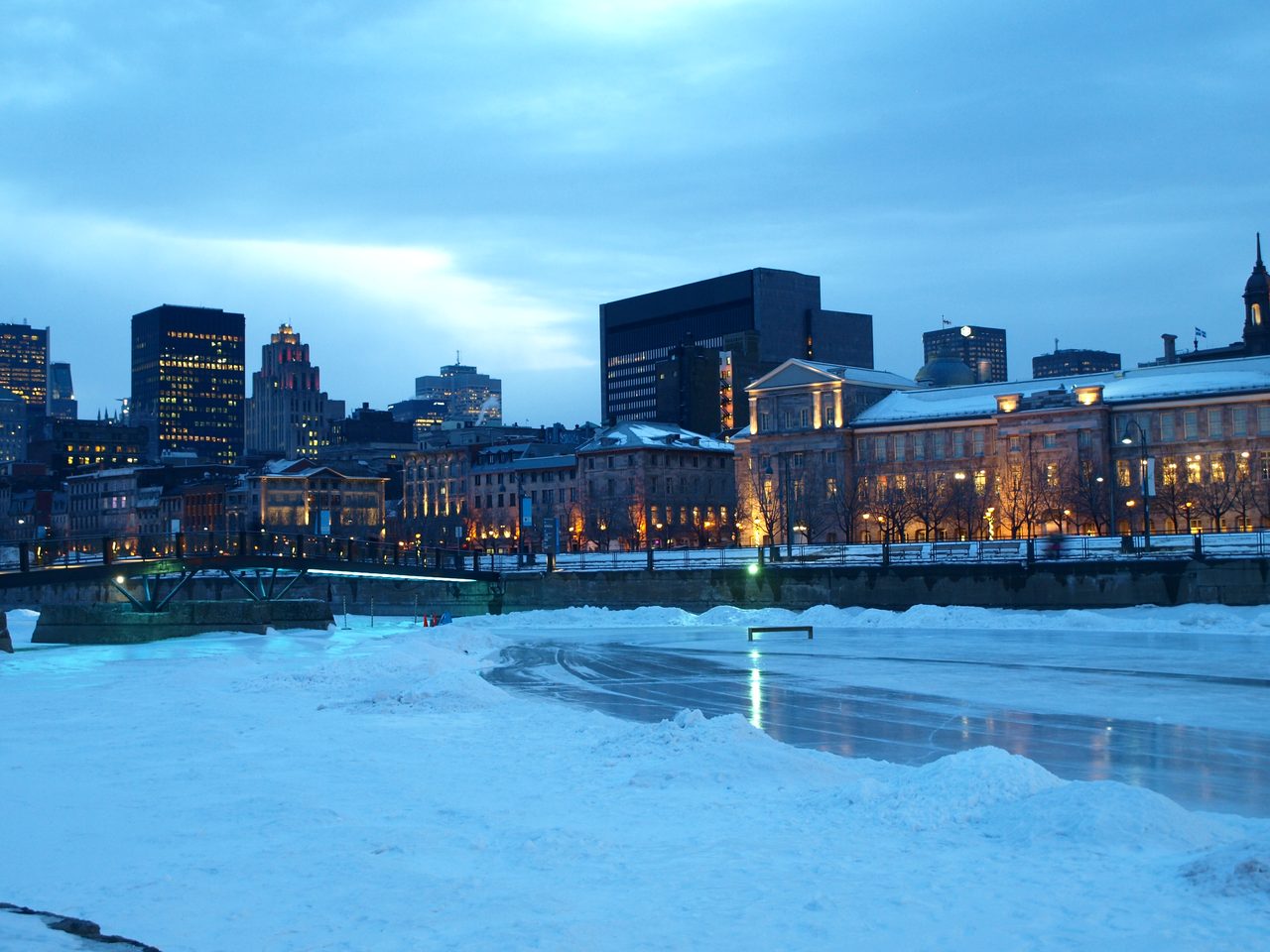
The Old Port skating rink sits on the Bassin Bonsecours with the St. Lawrence and the old city behind it — one of the prettiest urban rinks in Canada. It’s typically open daily from morning to evening (hours vary by season), runs themed and DJ music nights, and rents skates on site. Admission is a small fee and rentals are extra — check the Old Port skating rink’s official site for this season’s hours and pricing, and bring your own lock for the free lockers.
Want the local move? The refrigerated forest path at Parc La Fontaine in the Plateau is magical at night, and the Esplanade Tranquille rink in the Quartier des Spectacles — the city’s largest refrigerated rink — has free admission with dance nights and light projections on the ice.
Wander Old Montreal (it’s better in winter)
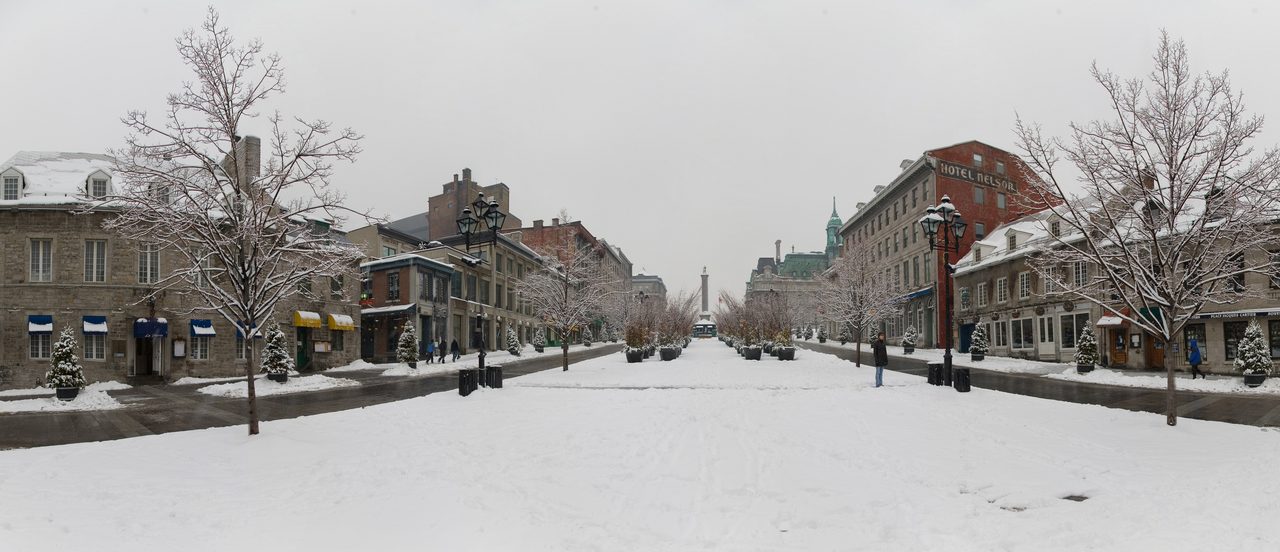
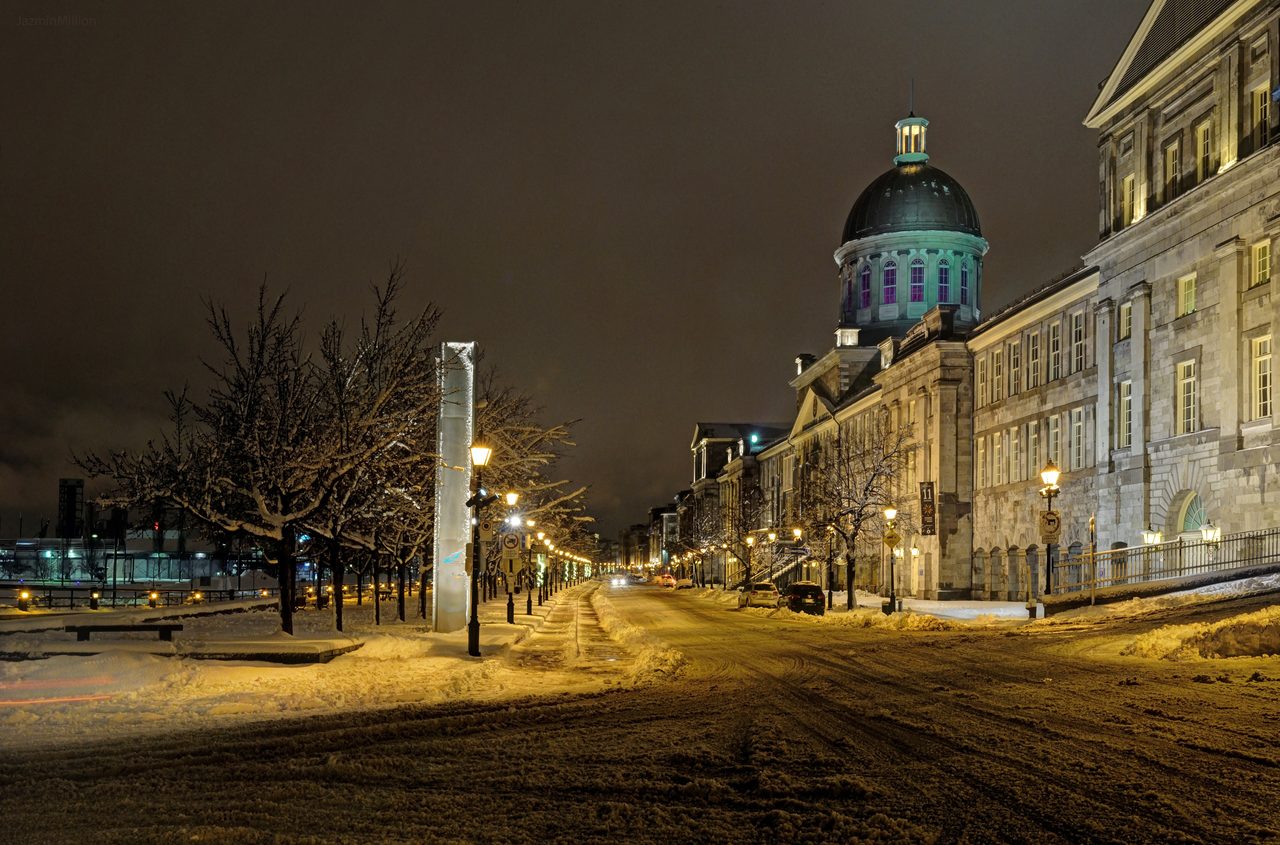
The cobblestone streets of Old Montreal look like a film set under fresh snow, and here’s the thing: in winter, you practically have them to yourself. Notre-Dame Basilica is especially striking in winter light (the interior is worth the admission — go when the afternoon sun hits the stained glass). Warm your hands at the fire pits in Place Jacques-Cartier, and duck into Bonsecours Market for local crafts.
Do not skip this on a snowy day — I took my best photos of the trip here, and there was nobody in them.
Try ice fishing at the Old Port
If you want something different, the Village Pêche Blanche sets up heated cabins on the ice in the Old Port so you can try your hand at catching perch or walleye without leaving the city. It’s the classic Canadian pastime minus the three-hour drive. I haven’t caught anything in two tries, and I’d do it a third.
The RÉSO: Montreal’s underground city
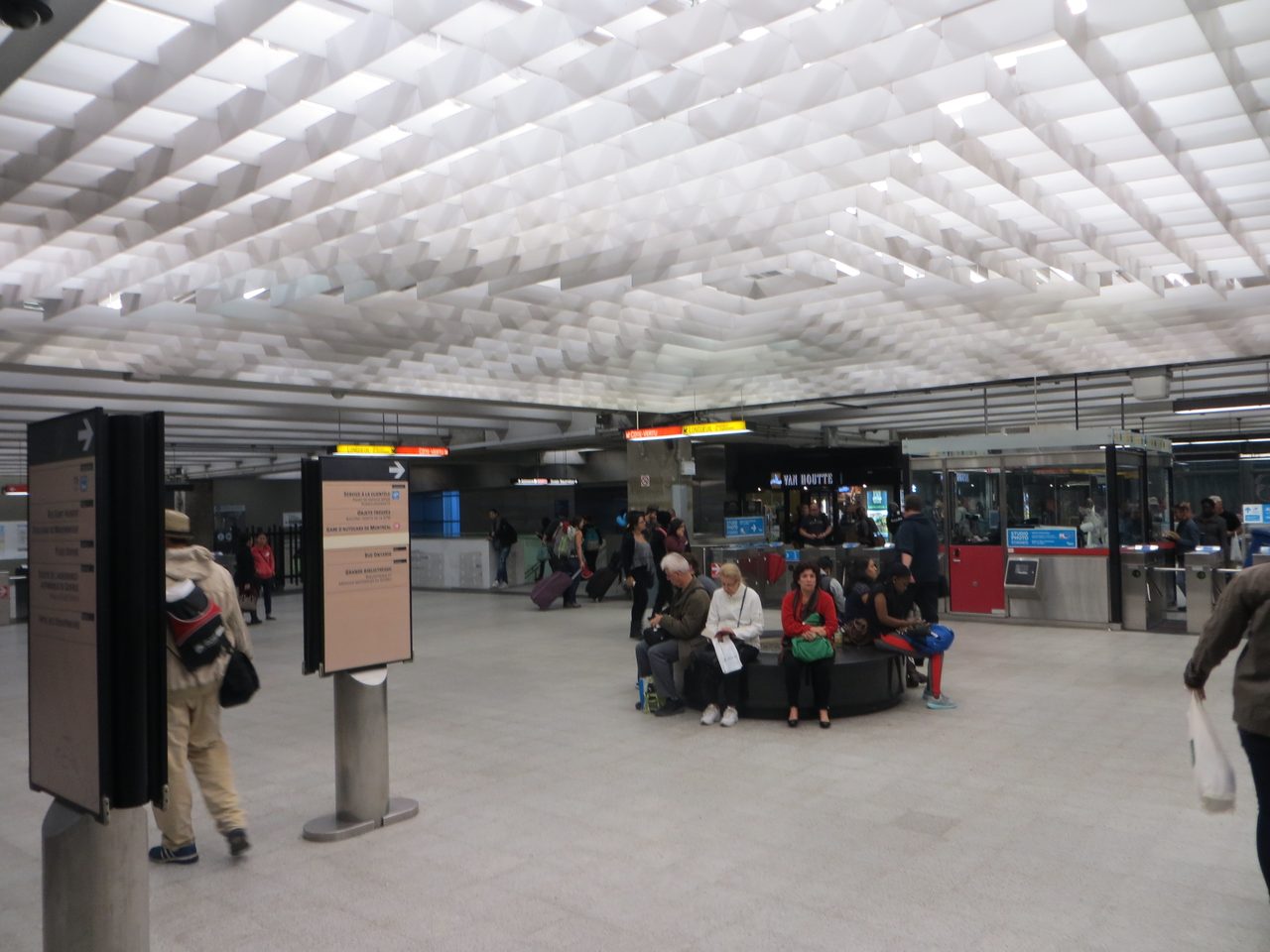
When the wind really starts to howl, Montrealers go underground. The RÉSO is a 32-kilometre web of tunnels connecting malls, offices, hotels, metro stations, and concert halls — you can get off the metro at McGill and walk all the way to Place des Arts without going outside. It’s genuinely one of the largest underground networks in the world, and it’s how locals live their lives while the storm rages above.
My first time, I dove in at McGill, followed the stylized “R” RÉSO logo through what felt like three shopping malls and a food court, and emerged somewhere near Place des Arts with no idea how. Trust me on this one: it’s a feature, not a bug. You’ll find real shopping (Eaton Centre, Place Montréal Trust), surprisingly good food courts, and permanent art installations tucked into the corridors.
The STM metro is your key to it all: a single fare is $3.75 in 2026, and a 24-hour pass runs about ~$11 (I cross-checked the 2026 fares on a transit guide updated this year — confirm on STM’s official fare page before you go, since they adjust annually). Staying downtown? The Fairmont The Queen Elizabeth connects straight into the RÉSO — game-changer on a -25°C morning.
What to eat in Montreal in winter
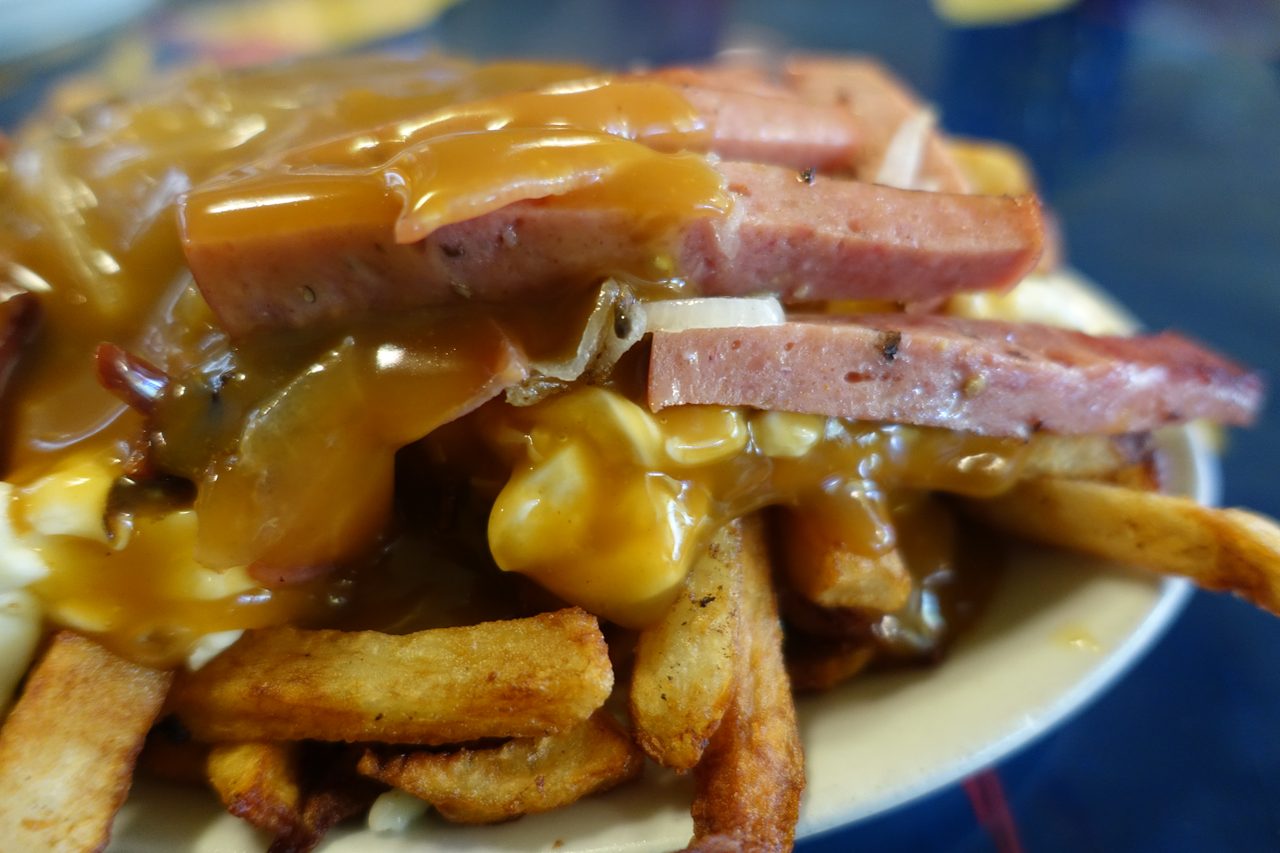
Winter is arguably the best season to eat your way through this city — the cold is the perfect excuse for the heavy stuff.
- Poutine: a non-negotiable. La Banquise in the Plateau is the legendary 24-hour spot — classic fries, squeaky curds, hot gravy (~$12–15, estimate), plus versions topped with braised short rib if you’re feeling fancy. A barista in the Plateau told me the line moves faster than it looks. She was right.
- Smoked meat: Schwartz’s Deli on Saint-Laurent is an institution — medium-fat on rye with mustard, a pickle, and a black cherry soda. Budget ~$14 for the sandwich (estimate). Pro tip: the takeout counter is much faster than the sit-down line at lunch. I learned this the expensive way, standing outside for 40 minutes in February.
- Maple taffy (tire d’érable): boiling maple syrup poured on clean snow, rolled onto a stick. Find it at Jean-Talon Market and the winter festivals. Simple, perfect, and somehow better when your nose is numb.
- Bagels: St-Viateur or Fairmount, still warm. The debate over which is better will outlive us all.
- BYOW bistros: the “bring your own wine” spots around Duluth and Prince-Arthur are made for winter — cozy French comfort food, and you bring the bottle. This is my favorite kind of night out in Montreal.
How much does Montreal in winter cost?
Sample budget per adult, per day (prices checked October 2026; items marked ~ are estimates):
| Item | Cost (CAD) |
|---|---|
| Mid-range hotel (downtown/Old Montreal) | ~$150–280/night |
| STM 24-hour transit pass | ~$11 |
| Food & drinks (casual + one nice meal) | ~$60–100 |
| Old Port skating (admission + skate rental) | ~$15–25 |
| Igloofest ticket (per night) | ~$40–60 |
| Schwartz’s smoked meat sandwich | ~$14 |
| Nuit Blanche / festival outdoor sites | Free |
| Daily total (mid-range) | ~$200–300 |
Winter is genuinely one of the cheaper seasons to visit: hotel rates drop from summer peaks, and the best events are free. For the full money-saving playbook, read our Montreal on a budget guide and the main Montreal travel guide for year-round planning.
Where to stay for a winter trip
- Downtown (Quartier des Spectacles / around McGill): RÉSO and metro access, closest to En Lumière and Nuit Blanche. My pick for a first winter visit.
- Old Montreal / Old Port: atmosphere for days — cobblestones, fireplaces, and you’re steps from Igloofest and the skating rink. Pricier, worth it for a romantic trip.
- The Plateau: local-feel base near La Banquise, bagel shops, and the Parc La Fontaine rink.
I timed it once: downtown to the Old Port is about 15 minutes on the metro, so don’t stress the location too much — just stay near a metro station.
FAQs about Montreal in winter
When is the best time to visit Montreal in winter?
January and February are peak winter. Time your trip for Igloofest (January 15 – February 7, 2026) or MONTRÉAL EN LUMIÈRE (February 26 – March 8, 2026, with Nuit Blanche on February 28) for the full festival experience. December is lovely for holiday markets and lights — see our Montreal in December guide — but January and February are when the city truly embraces the cold.
How cold does Montreal get in winter?
Expect daytime highs of -5°C to -15°C (23°F to 5°F) in January and February, with wind chill making it feel like -25°C or colder on exposed days. The city averages about 210 cm of snow per year. Dress in layers (see the packing section above), and plan indoor or underground backups for the coldest days.
Do I need a car in Montreal in winter?
No — and I’d argue a car is a liability in a snowstorm. The STM metro covers everything a visitor needs (single fare $3.75 in 2026, ~$11 for a 24-hour pass), and the 32-km RÉSO underground network connects downtown stations, malls, and venues. For a day-by-day plan, see our 2-day Montreal itinerary.
Is visiting Montreal in winter expensive?
It’s one of the cheaper seasons. Budget roughly $200–300 CAD per adult per day mid-range (hotel ~$150–280, food ~$60–100, transit ~$11), and many of the best experiences — Nuit Blanche, the outdoor festival sites, Esplanade Tranquille skating, Old Montreal walks — are free. Hotels run well below summer peak rates.
What should I wear in Montreal in winter?
A three-layer system: merino or synthetic base layer (never cotton), insulating mid layer, and a windproof parka or shell. Add a toque, mittens over touchscreen gloves, waterproof insulated boots with lug soles, a scarf or gaiter, and lip balm. And pack a power bank — the cold drains phone batteries fast.
Is the RÉSO underground city actually useful, or just malls?
Genuinely useful. The 32-km RÉSO network links metro stations (McGill, Place-des-Arts, Bonaventure and more) with shopping, food courts, hotels like the Fairmont The Queen Elizabeth, and venues like the Bell Centre — so you can cross downtown, eat, shop, and catch a show without going outside. Follow the stylized “R” logo on signs to navigate.
Keep exploring
- The Ultimate 2026 Montreal Travel Guide: Plan Your Trip
- The Perfect 2 Days in Montreal Itinerary: 2026 Guide
- Montreal in December: The Ultimate 2026 Winter Guide
- Montreal on a Budget: The Ultimate 2026 Travel Guide
- The Ultimate Canada Winter Packing List for 2026 Travel
You’ve got this — layer up, book the festivals early, and let the cold be the whole point. ❄️
1 comment