
Last updated: October 3, 2026
The short answer
- Summer (July–August): The warmest days (highs ~22°C), Bluenose II harbour sails ($110 for adults), and the Folk Harbour Festival (August 6–9) — but it’s also the busiest, priciest, and most booked-out season.
- September–October (my pick): Still-warm early-fall days, fall colour by mid-October, thinner crowds, cheaper rooms, and the Bluenose II sailed right through September 30 — the sweet spot if you can swing it.
- November–April: The quiet season. Many attractions close (the Fisheries Museum shuts after October), but hotel rates drop and a snow-dusted harbour is gorgeous if you pack like you mean it.
I’ve been to Lunenburg five times now — twice in summer, once in September, once in a February cold snap, and once in late October when I showed up to find the Fisheries Museum had just closed for the season. (That one was entirely on me.) Here’s the thing about this town: it’s a UNESCO World Heritage site that moonlights as a working fishing port, and the season you choose completely changes which version you get. Summer gives you full sail on the Bluenose II and folk music spilling out of the churches. Fall gives you empty streets, golden light, and rooms that cost half as much. Winter gives you… well, winter, but the cozy kind.
This guide uses 2026 facts and prices checked in October 2026 — and fair warning, the 2026 sailing and museum season has just wrapped, so treat these as your 2026 reference for planning 2027.
My honest answer: when should YOU go?
It depends on your priorities (my spreadsheet has opinions about all of them), so here’s the quick version:
| Your trip style | Best time to go |
|---|---|
| Warm weather, everything open | July–August (highs ~21–22°C) |
| Best overall experience | September — my personal pick |
| Fall colour | Mid-October |
| Festivals and sailing | August |
| Whale watching | June–September |
| Lowest prices, fewest people | November–April |
Summer (July–August): peak season — and I get why

Summer is when Lunenburg runs at full steam. Every boutique, gallery, and seafood restaurant on the waterfront is open, the patios are full, and the harbour has that salt-air buzz. Average highs sit around 21–22°C (70–72°F) — mild by most standards, but the sun is strong on the water. Pro tip from someone who learned the foggy way: always carry a sweater. I once watched my phone’s temperature drop from 21 to 13 in about twenty minutes when the fog rolled into the harbour, and I was the underdressed tourist. Do not be me.
The Bluenose II sails (2026 season)
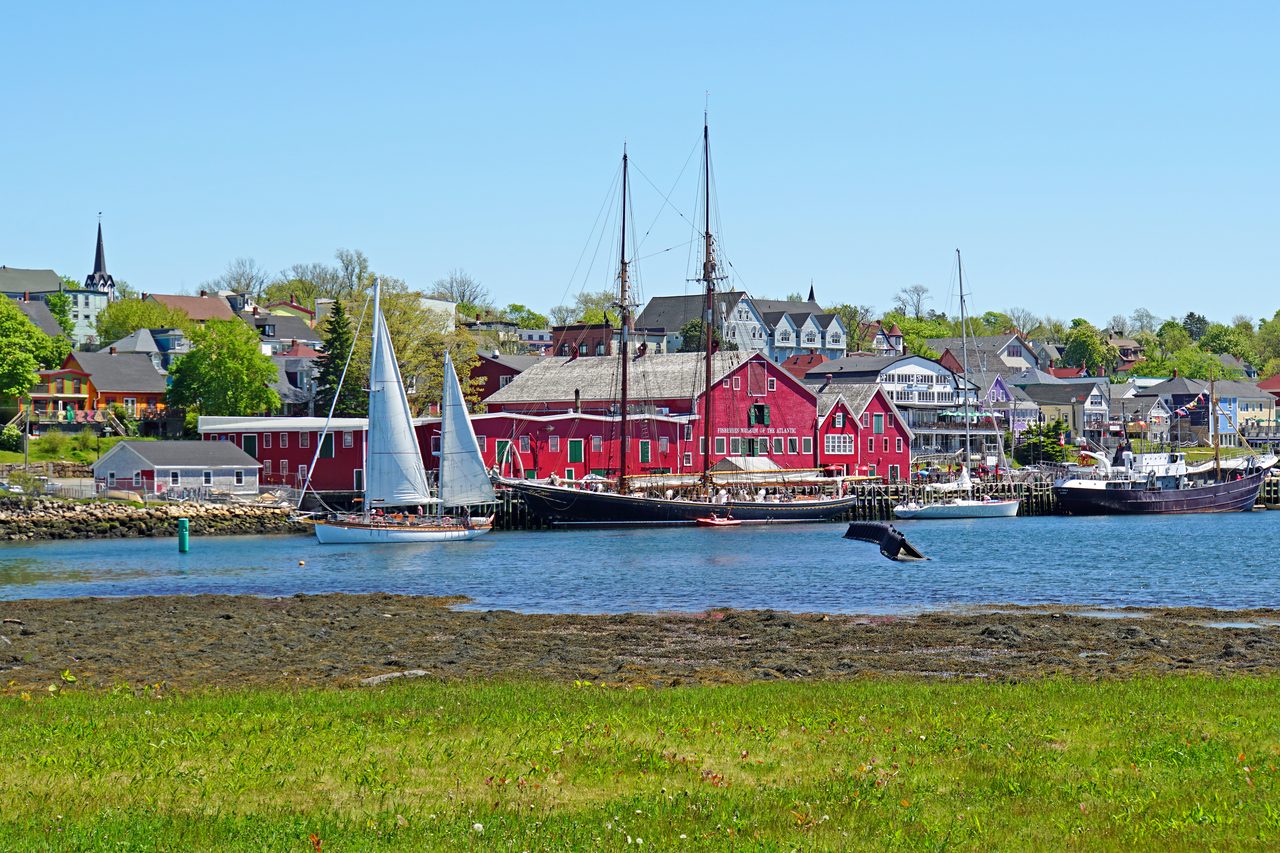
The star of the harbour. In 2026 the Bluenose II ran twice-daily 2-hour harbour cruises when in port, with adult tickets at $110 and children (3–12) at $45 (taxes and fees included; infants 2 and under ride free) — prices I verified on the official Bluenose II site. The 2026 season wrapped up on September 30, and evening sails were added late in the season because demand was that strong. Deck tours are the budget-friendly alternative when she’s docked. This is the one Lunenburg experience I’d tell you to book the moment your dates are set — sails sell out, trust me on this one. → Bluenose II — official harbour cruises page
Folk Harbour Festival: August 6–9, 2026
Nova Scotia’s longest-running folk festival took over six venues across town — churches, the opera house, the wharf stage, and the big main-stage tent on Blockhouse Hill — from August 6 to 9, 2026 (I confirmed the dates on the festival’s official schedule page). If live music in a UNESCO town sounds like your thing (it should be), this weekend is worth planning the whole trip around. Tickets were listed at $35–190 depending on the pass, and Lunenburg’s hotels fill up fast that week — book months ahead. → Lunenburg Folk Harbour Festival — official 2026 schedule
Whale watching: May to October, best June–September
Lunenburg’s whale watching tours run from the historic waterfront from May to October, with humpbacks, fin, pilot, and minke whales on the regulars list — plus seals, puffins, gannets, and bald eagles as very good consolation prizes. I’ll be honest: I once booked a tour in early May and saw seals, puffins, and exactly zero whales. The crew was completely upfront about the odds, which I respected — but it taught me that June through September is the real whale window. Expect prices from around ~$75 per adult (estimate) and dress in layers; it’s always colder offshore.
Rainy-day anchor: the Fisheries Museum of the Atlantic
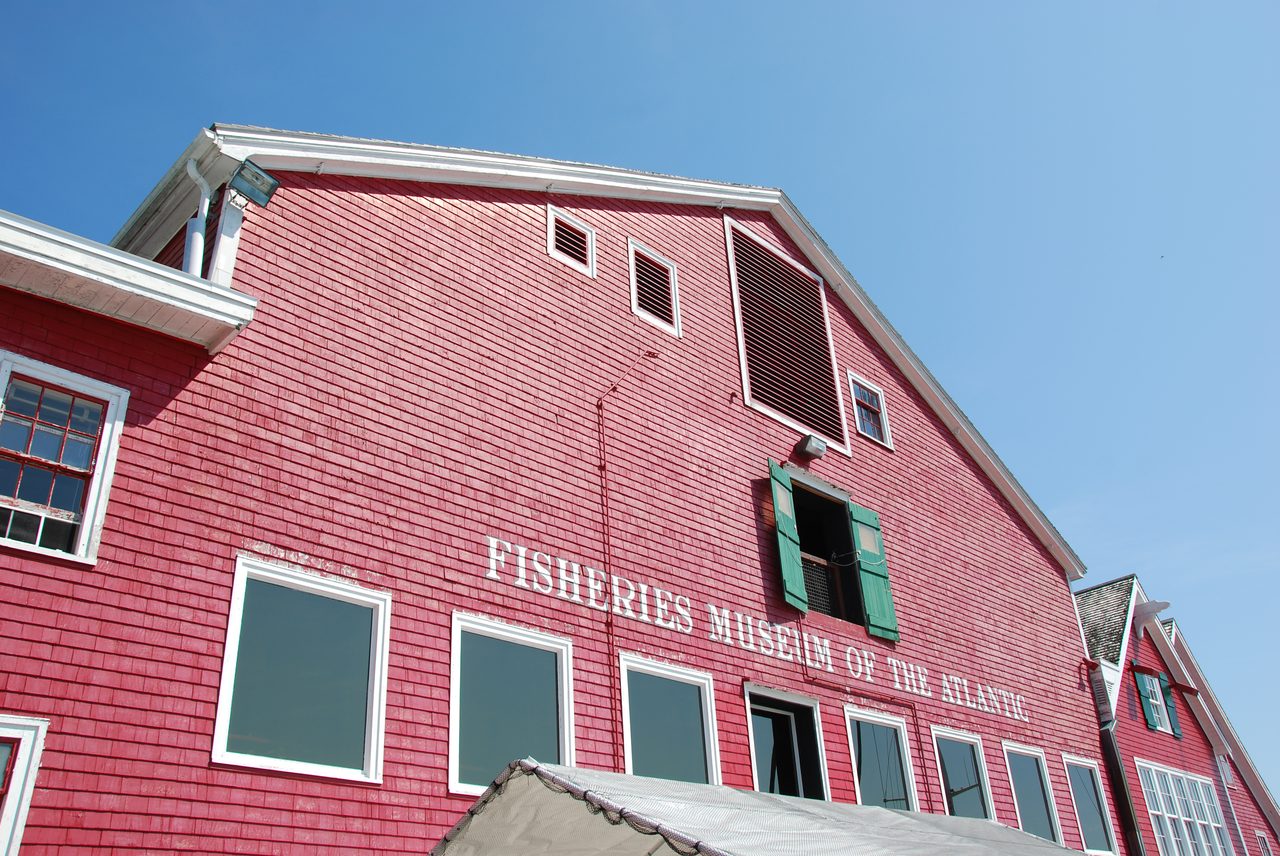
Coastal Nova Scotia gets rain in every month (fair warning: October is actually one of the wettest), so you need a plan B — and this museum is a great one. The Fisheries Museum of the Atlantic on Bluenose Drive runs daily 9:30 AM–5:00 PM from May to October, with adult admission at $14.50 (kids 6–17 are $4, seniors $12, students $9) — allow 2–3 hours to board the historic vessels and work your way through the exhibits. It’s seasonal, so this is a summer/early-fall pleasure only; I double-checked the seasonal dates on the museum’s official site, since they shift year to year. → Fisheries Museum of the Atlantic — official site
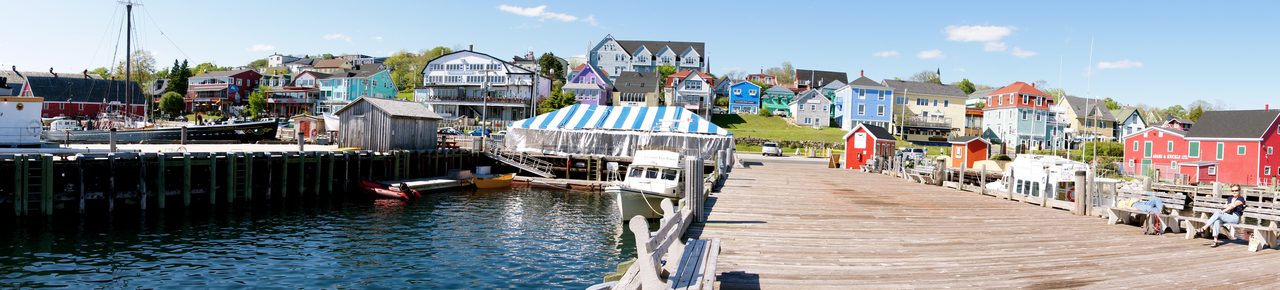
Crowd-management tips for summer: arrive at popular spots before 10 AM (the waterfront gets tour-bus busy by midday), book restaurants for dinner rather than walking in, and if you’re visiting in August, reserve accommodation as early as your spreadsheet allows.
Fall (September–October): the locals’ favourite — and mine
Ask a local when to visit and most will say fall. September keeps summer’s warmth (highs around 19°C) with the humidity gone, the thick summer crowds thin out after Labour Day, and accommodation rates start dropping. The Bluenose II kept sailing right through September 30, 2026, so early fall still gets you the harbour cruise — with fewer people jostling for the rail.
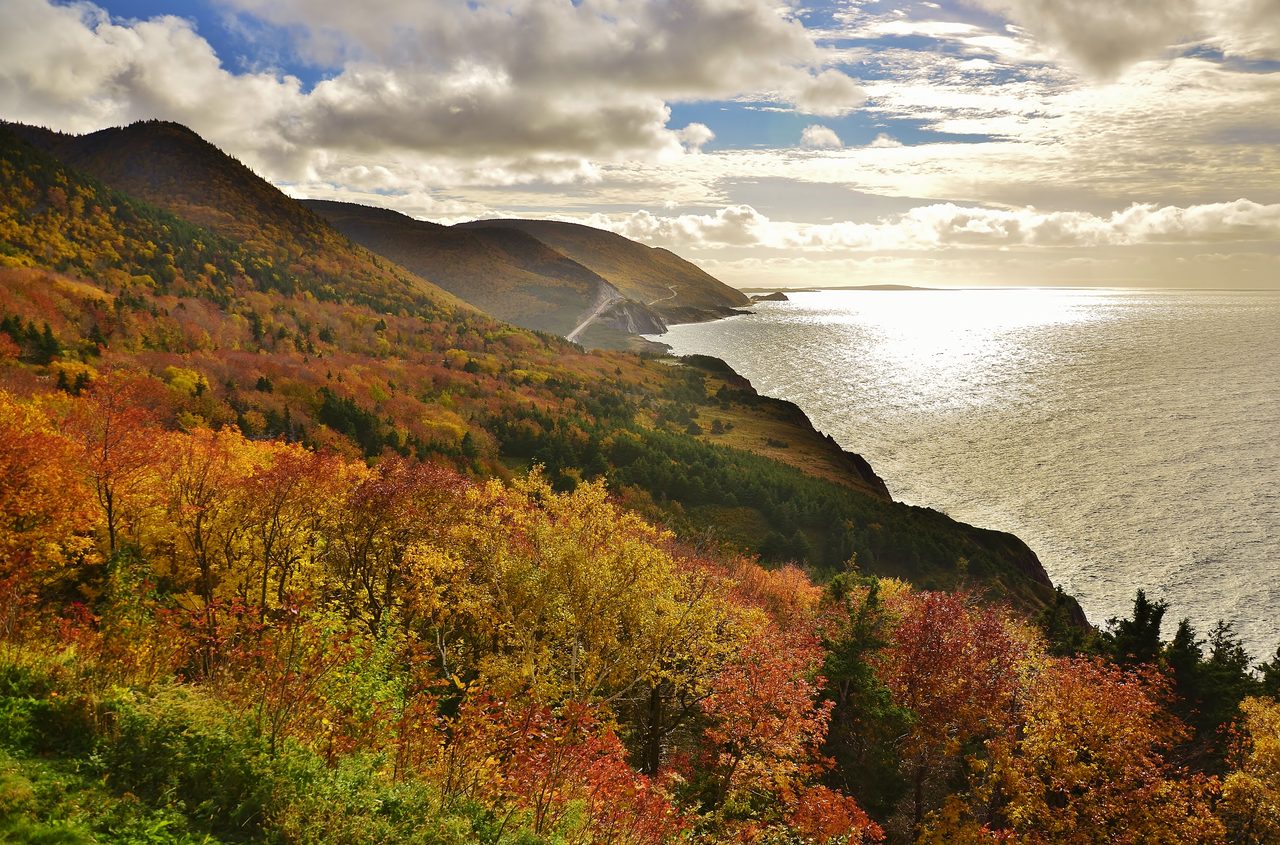
By mid-October, the hills around Lunenburg County turn red and gold — peak fall colour on the South Shore usually lands right around then. The light gets low and golden in a way that makes the coloured waterfront buildings look almost unreal (my camera roll from a mid-October visit is embarrassing in volume). One caution from my own misadventure: the Fisheries Museum and some seasonal shops close after October, so a late-October trip trades full access for atmosphere.
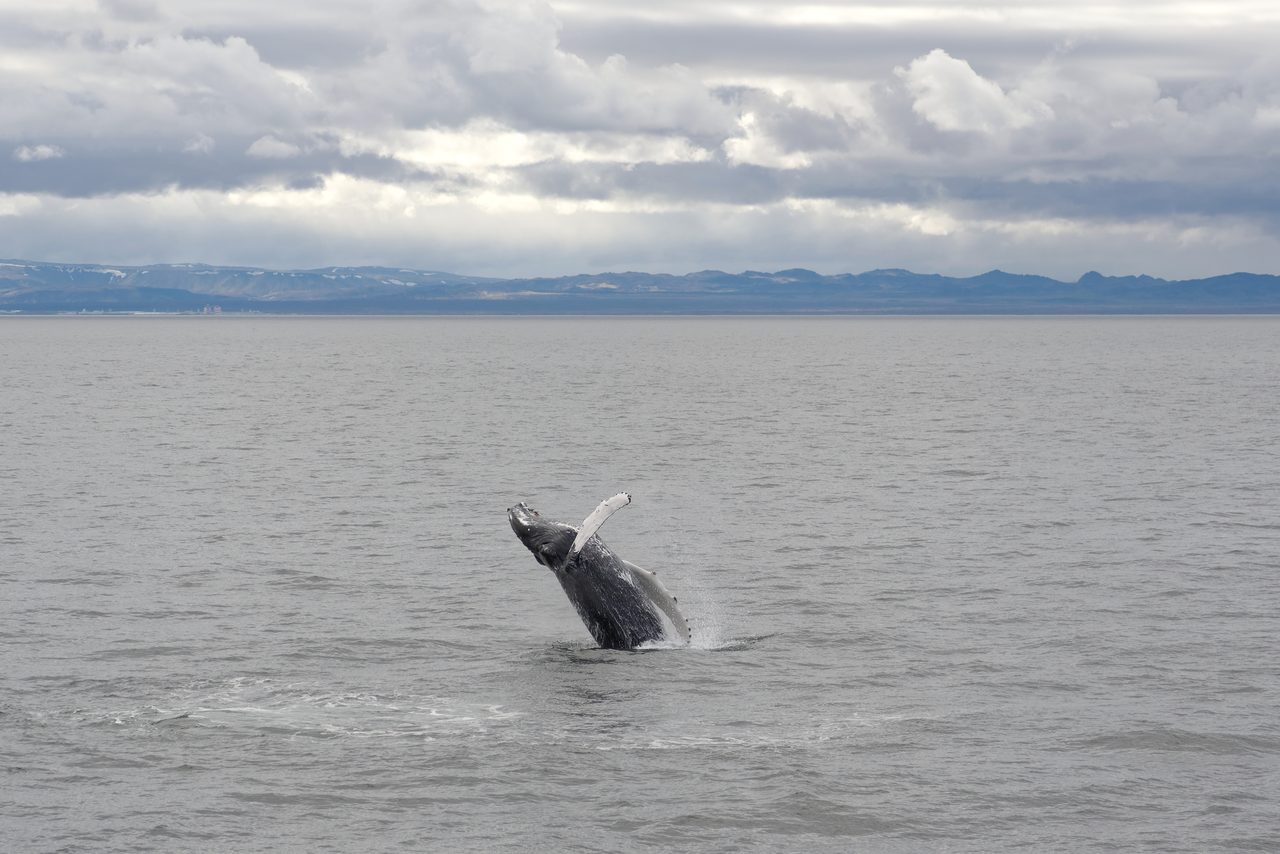
September also catches the tail end of whale season. The tours technically run into October, but after my early-May seal-only outing I treat the edges of the season honestly: June through September is when the humpbacks are reliably around. A September sail can be the best of both worlds — decent odds and a half-empty boat.
Do the Gaff Point hike while you’re here
About 15 minutes south of town, the Gaff Point Trail starts at Hirtle’s Beach and loops 6.5–7 km through spruce forest and along rocky headland — allow 2–3 hours. It’s easy, well-marked, and in fall you get the colour plus bracing sea air (and, if you’re lucky, seals on the rocks). Tuck your trousers into your socks at the trailhead — I learned the tick lesson the itchy way after a June hike — and note the trail is a Nature Conservancy of Canada protected area, so no camping or fires. Fall is arguably the best season to do it: no bugs, no crowds, maximum scenery.
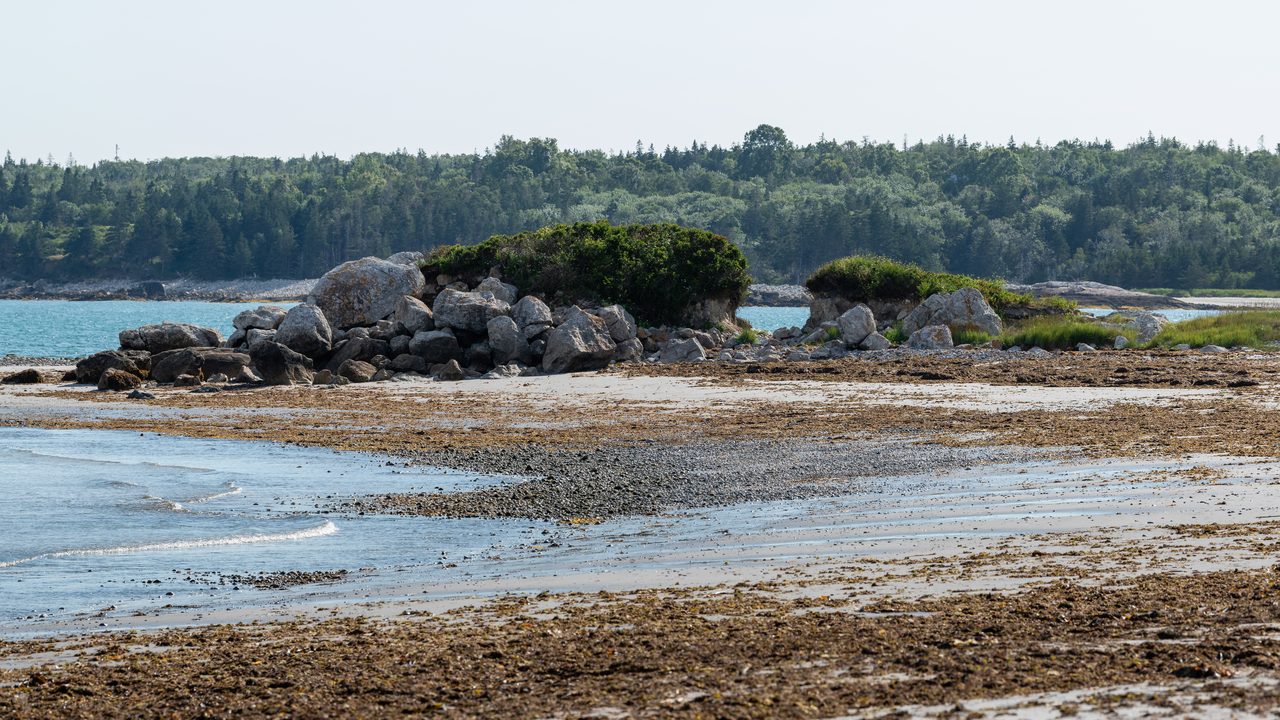
And if you have a car, don’t skip Mahone Bay, about 15 minutes up the coast — famous for its three waterfront churches (the photo below is the classic shot; I stood on that exact dock). It’s one of the prettiest half-day detours in Nova Scotia and pairs perfectly with a fall Lunenburg visit.
Spring (May–June): the quiet awakening
Spring on the South Shore is underrated and I’ll die on this hill (gently — it’s very peaceful here). May highs average around 12°C, June around 17°C, and the town wakes up slowly: lupins and lilacs against the dark-wood houses, fishing boats prepping gear, and the first whale tours heading out in May. The Fisheries Museum opens for the season in May, and you’ll have the waterfront mostly to yourself — at prices well below summer’s.
The trade-off: the weather is genuinely fickle (pack a real rain jacket, not a fashion one), some restaurants and galleries don’t hit full hours until June, and whale sightings are still ramping up. If your idea of a good trip is long walks, photography, and not queuing for anything, spring is a game-changer.
Winter (November–April): the cozy off-season
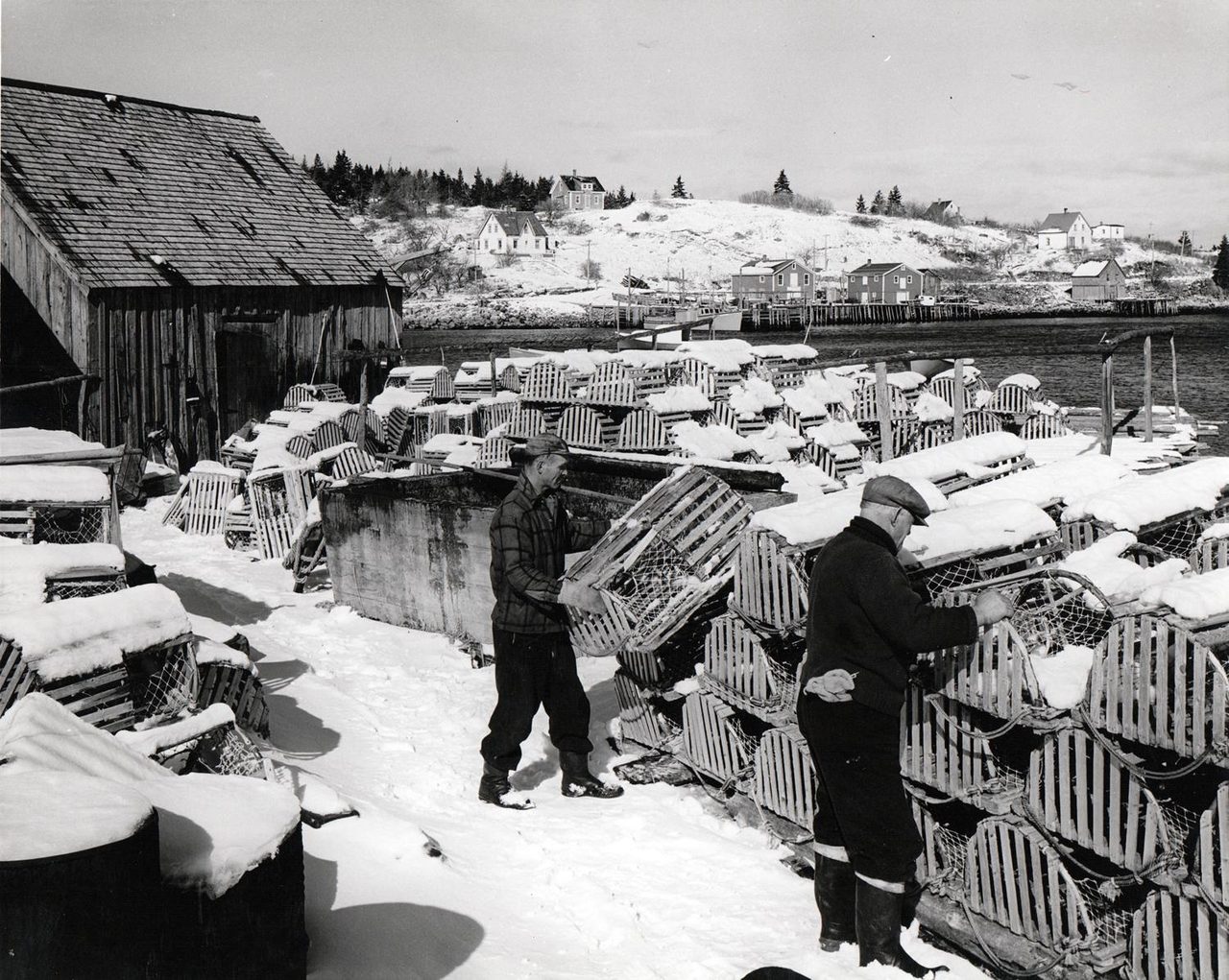
Winter turns Lunenburg into a quiet, snow-dusted postcard. I’ll be honest: this is not the season for ticking off attractions. The Bluenose II is tucked away, the museum is closed, and many waterfront shops go seasonal. But the community itself stays active — cafés, the distillery, and a handful of restaurants keep going — and you’ll find the cheapest accommodation of the year and the harbour all to yourself.
Here’s a fun fact my winter visit taught me: lobster season on this stretch of coast actually runs through the winter and spring, not summer — so the off-season is when you’ll find the freshest, cheapest lobster on local menus (summer menus still serve it, just not at just-off-the-boat prices). Pack for real Atlantic winter — January and February highs hover around freezing, and the wind off the water is no joke — and you’ll have a moody, fireside, write-your-novel kind of trip.
Month-by-month weather and events in Lunenburg
Average daytime highs (long-term averages — pack for the fog either way):
| Month | Avg high | What to expect |
|---|---|---|
| January | ~1°C | Deep winter; quietest month, snowy harbour walks |
| February | ~0°C | Coldest month; cozy cafés, lowest hotel rates |
| March | ~3°C | Late winter; still quiet, early spring teases |
| April | ~8°C | Spring awakening; some businesses still seasonal |
| May | ~12°C | Lupins bloom; whale tours begin; museum opens |
| June | ~17°C | Sailing season ramps up; Gaff Point at its greenest |
| July | ~21°C | Peak season begins; everything open, book ahead |
| August | ~22°C | Warmest month; Folk Harbour Festival (Aug 6–9, 2026) |
| September | ~19°C | My pick: warm days, fewer crowds, Bluenose II sailing |
| October | ~14°C | Fall colour ~mid-month; wettest month; museum closes |
| November | ~9°C | Quiet season begins; lobster season gets going |
| December | ~4°C | Festive and cozy; short days, early sunsets |
Getting to Lunenburg and getting around
Lunenburg sits about an hour’s drive southwest of Halifax — an easy day trip, but I’d argue for at least one overnight (the harbour at golden hour is worth the hotel bill). The town itself is small and very walkable; the waterfront, the churches, and the Fisheries Museum are all within an easy stroll of each other, though the hills are real — my calves filed a complaint on visit three. You’ll want a car for Gaff Point, Hirtle’s Beach, and the surrounding South Shore.
For a ready-made plan, see our 2-day Lunenburg itinerary.
How much does a Lunenburg trip cost?
Sample per-person costs for a 2-day shoulder-season visit (2026 prices; items marked ~ are estimates):
| Item | Cost (CAD) |
|---|---|
| Bluenose II harbour cruise (adult, taxes in) | $110 |
| Whale watching tour (adult) | ~$75 |
| Fisheries Museum of the Atlantic (adult) | $14.50 |
| Hotel, 2 nights (mid-range, Sept/Oct) | ~$300–400 |
| Food & drinks, 2 days | ~$120–160 |
| Total | ~$620–760 |
Summer runs higher — expect mid-range hotels to push ~$200–300+ per night in July and August — while winter drops well below shoulder-season rates. Our Lunenburg hotel guide breaks down where to stay, and the Nova Scotia road trip itinerary folds Lunenburg into a bigger South Shore loop.
FAQs about the best time to visit Lunenburg
What is the absolute best month to visit Lunenburg?
September, in my book. You get warm days (highs around 19°C), the Bluenose II still sailing, whale tours still running, thinner crowds than summer, and lower hotel rates — with fall colour arriving by mid-October if you stretch into early October. If you need peak warmth and full festival energy, go in August instead.
When does the Bluenose II sail in Lunenburg?
In 2026 the Bluenose II ran twice-daily 2-hour harbour cruises while in port, with adult tickets at $110 and children (3–12) at $45, sailing through September 30, 2026. Sailing dates and berthing change every year, so check the official Bluenose II schedule before planning your trip — and book cruises well ahead, because they sell out.
Is Lunenburg worth visiting in winter?
It depends on what you want. The Bluenose II is laid up, the Fisheries Museum is closed, and many waterfront shops go seasonal — so it’s not the trip for attraction-ticking. But hotel rates are at their lowest, the snow-covered harbour is beautiful, and local lobster season runs through the winter and spring. Go for the cozy, fireside version of the trip, not the sightseeing one.
When is whale watching season in Lunenburg?
Tours leave from the Lunenburg waterfront from May to October, with the best odds from June through September — that’s when humpbacks, fin, pilot, and minke whales are most commonly spotted, along with seals, puffins, and seabirds. I went in early May once and saw no whales at all, so treat the shoulder months as scenic-boat-trip months with whale potential as a bonus.
When is fall foliage peak in Lunenburg?
Peak fall colour on Nova Scotia’s South Shore usually lands around mid-October. Pair it with the Gaff Point Trail (6.5–7 km, 2–3 hours, easy) for the best leaf-peeping walk near town — and note that the Fisheries Museum typically closes after October, so plan museums for earlier in the month.
How many days do you need in Lunenburg?
Two days is the sweet spot: one for the waterfront, the Bluenose II, and the Fisheries Museum, and one for the Gaff Point hike plus Mahone Bay. Our 2-day Lunenburg itinerary lays it out hour by hour, or fold it into the full Nova Scotia road trip if you’re touring the province. For the bigger picture, see our best time to visit Nova Scotia guide.
Keep exploring
- The Perfect 2 Days in Lunenburg Itinerary: 2026 Guide
- The Perfect 1 Day in Lunenburg Itinerary: 2026 Guide
- 10 Best Hotels in Lunenburg for Tourists: 2026 Guide
- 12 Best Coastal Towns in Nova Scotia to Visit in 2026
- Best Time to Visit Nova Scotia: 2026 Seasonal Travel Guide