

Last updated: October 3, 2026
The short answer
- The South Shore is your starting lineup: Lunenburg (UNESCO Old Town, home port of the Bluenose II), Mahone Bay’s three waterfront churches, sailing-happy Chester, Peggy’s Cove, and historic Shelburne — all within about two hours of Halifax.
- Cape Breton is the second act: Baddeck, Chéticamp, and Ingonish anchor the Cabot Trail loop. Go in October (the 30th Celtic Colours festival runs October 9–17, 2026) for music and peak fall colour.
- The Fundy side is for tides and food: Annapolis Royal, Wolfville wine country, Digby’s scallops, and Hall’s Harbour, where the fishing boats sit on the seabed at low tide.
Here’s the thing about Nova Scotia: you are never more than about 67 kilometres from the ocean, anywhere in the province. And once you start driving the coastal highways, that statistic stops being trivia and becomes the whole trip — every bend in the road seems to land you in another fishing village that looks like it was staged for a postcard (it wasn’t; it just looks like that).
I did this route as a one-week loop out of Halifax — South Shore first, then the long drive to Cape Breton, then back along the Bay of Fundy — and I planned it the way I plan everything, with a spreadsheet that had a tab for fog (I’m not proud, but the spreadsheet earned its keep). These are the 12 towns I’d do again, in the order I’d do them.
Fair warning before we start: I’m writing this in October 2026, so most of the seasonal boat tours and museums mentioned below have closed for the year. Treat the prices as ballparks and confirm 2027 dates on the official sites before you go.
When to go to Nova Scotia’s coastal towns
July and August are the sweet spot for weather — warm days, cool nights, every seasonal shop and seafood shack open — but they’re also the busiest and priciest months. If I had to pick, I’d go in September: the water is at its warmest, the summer crowds have gone home, and the fall colours start creeping in by mid-month. June brings lupins blooming purple along the highways (genuinely lovely), and October is festival season on Cape Breton.
The big one: the 30th Celtic Colours International Festival runs October 9–17, 2026, with dozens of concerts in communities all over Cape Breton Island. I double-checked the dates on the official Celtic Colours page before writing this — they shift slightly each year, so do the same. → Celtic Colours — official festival site · Tourism Nova Scotia — Celtic Colours listing
Book October accommodation early — the island fills up fast for festival weeks, and I learned this the sweaty way when I waited too long on a September booking.
Getting there and getting around
Fly into Halifax Stanfield International Airport (YHZ) and rent a car. Trust me on this one: Nova Scotia’s coastal towns are a driving trip. The distances are short by Canadian standards (Halifax to Lunenburg is about 90 minutes), but there’s no train and bus service between villages is thin. I timed it — you can comfortably base yourself in three places over a week: the South Shore, Cape Breton, and the Annapolis Valley.
My full driving plan is spread across our itineraries if you want the day-by-day version: see the 1-day Lunenburg itinerary and 2-day Lunenburg itinerary for the South Shore, plus the 1-day Halifax itinerary and 2-day Halifax itinerary for your arrival city.
The South Shore: five towns, two hours from Halifax
This is the classic Nova Scotia postcard run — and it earns the hype. I’d allow at least two full days here.
1. Lunenburg

Lunenburg is the one town on this list that’s non-negotiable. Old Town Lunenburg was inscribed as a UNESCO World Heritage Site in 1995 — one of the best-preserved planned British colonial towns in North America, founded in 1753, and still a working fishing port with over 250 years of seafaring history behind it. The waterfront is a rainbow of wooden buildings that somehow all photograph perfectly.
This is also the home port of the Bluenose II, the replica of the legendary racing schooner on the Canadian dime (the original Bluenose was built here, raced here, and was lost off Haiti in 1946; the replica was launched in 1963). She offers two-hour sails in summer — and pro tip, they sell out, so book before you arrive. I tried to walk up one sunny afternoon and ended up reading the schedule board instead. Do not be me.
Don’t skip the Fisheries Museum of the Atlantic on the waterfront, and walk across the harbour for the classic view back at the colourful waterfront — every local I asked said the same thing, and they were right. For where to sleep, see our best areas to stay in Lunenburg.
2. Mahone Bay
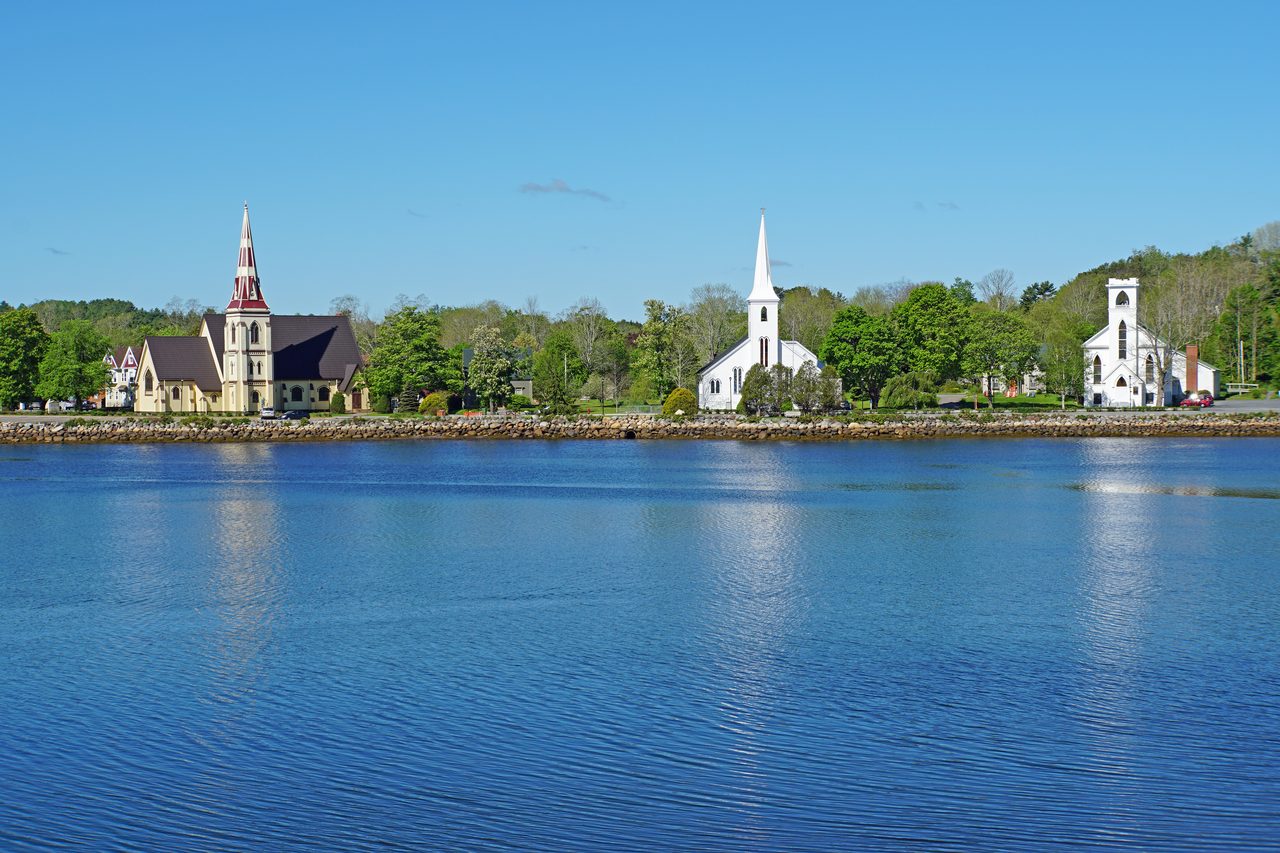
Fifteen minutes from Lunenburg, Mahone Bay is the town that made me put my camera down and just look. Three historic churches stand in a row along the shore, and the classic shot is from across the bay at sunset — I showed up at noon on my first visit and wondered what the fuss was about, then a shopkeeper told me to come back at golden hour. She was right, obviously. The town itself is all boutiques, galleries, and café patios, and it’s small enough to wander in an hour (I’ll be honest — I stretched it to three, because of pie).
3. Chester
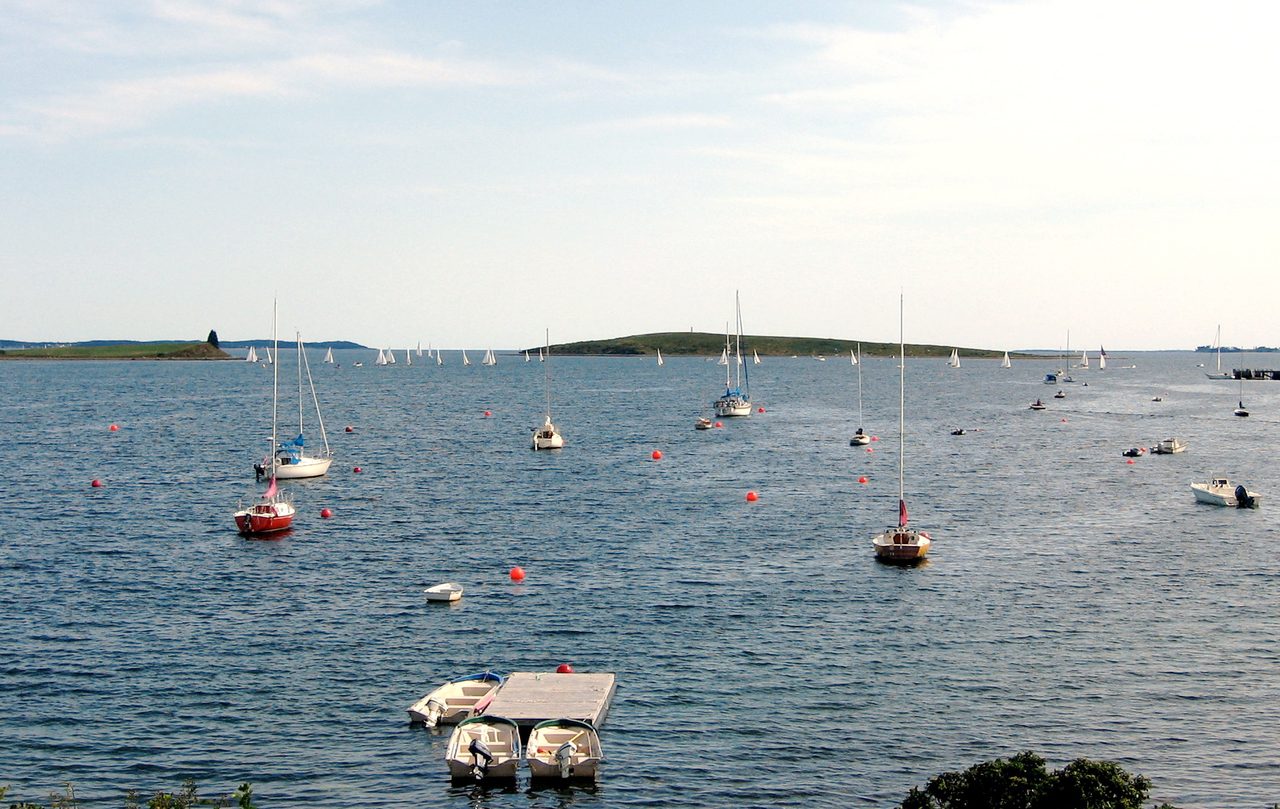
Chester is the South Shore’s sailing town — yachts fill the harbour, the village has a polished little main street, and it hosts Chester Race Week, Canada’s largest keelboat regatta, usually in August. It feels a touch more upscale than its neighbours (think summer cottages and ice cream on the wharf), and it’s an easy half-day stop between Mahone Bay and Peggy’s Cove. I’ll be honest: I came for the sailing-week buzz and stayed for the quiet harbour at 8 AM, when the water is glass and the boats are all still asleep.
4. Peggy’s Cove
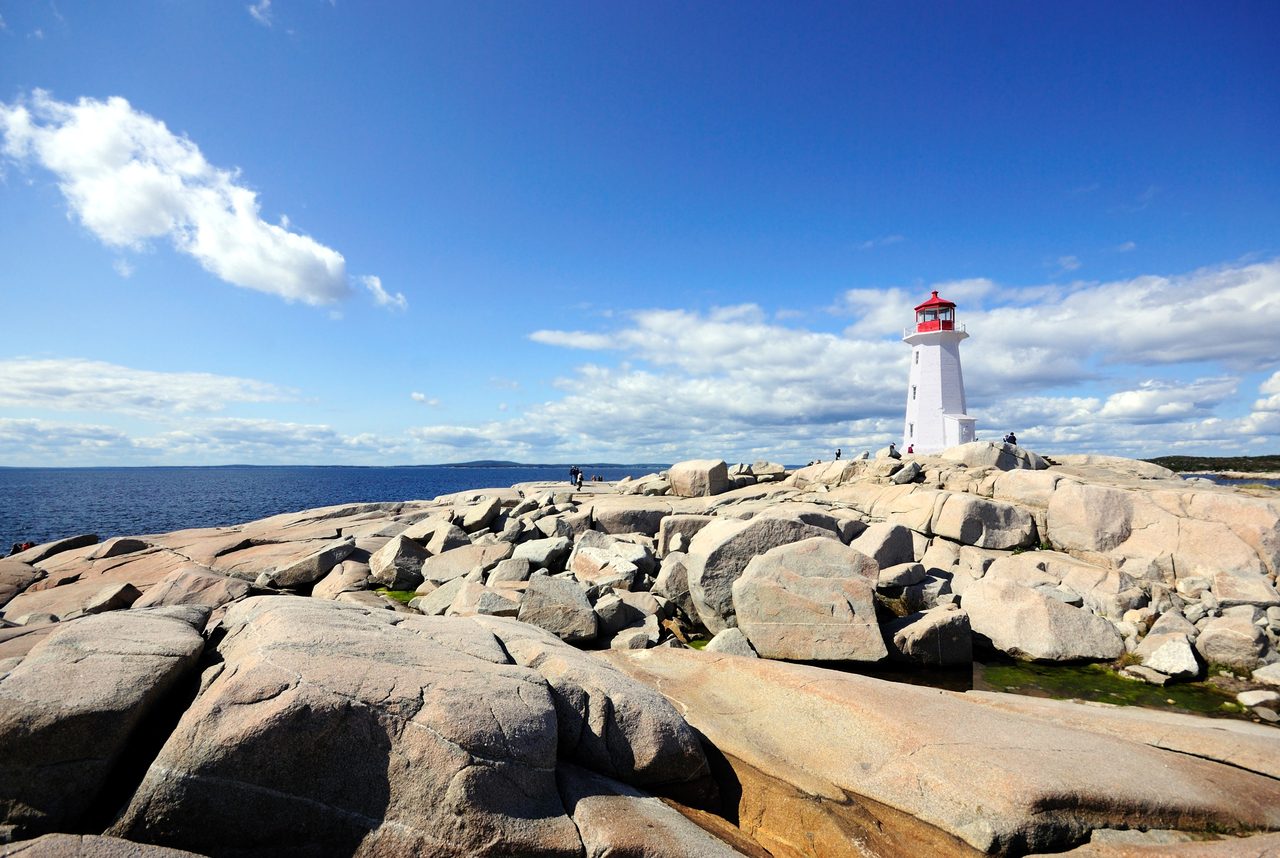
You’ve seen this lighthouse on a thousand postcards, and it’s still worth the trip — but fair warning, it’s a 45-minute drive from Halifax and the midday tour-bus rush is real. I tried to do it as a quick 20-minute photo stop on my way to Lunenburg once. Never again. Go early (before 10 AM) or late, walk the full loop around the point, and stay off the black rocks near the water — the waves here are genuinely dangerous, and people get hurt every year. The village itself is tiny: a few galleries, the famous lighthouse, and a lobster roll shack or two. Pair it with a stop at the Swissair Flight 111 memorial nearby.
5. Shelburne
Southwest of Lunenburg, Shelburne is the sleeper pick. It has one of the finest historic waterfronts in the province — 18th-century homes and warehouses along the harbour — and a film-set quality that isn’t an accident (it has literally doubled for New England in movies). The Shelburne Lobster Festival typically runs in June, and the town’s Black Loyalist history (Shelburne was once one of the largest free Black settlements in North America) adds real depth beyond the pretty streets. Fewer crowds than Lunenburg, and I liked it better for that.
Cape Breton Island: the Cabot Trail towns
The drive from the mainland to Cape Breton is about 3.5–4 hours from Halifax to the causeway, and then the island is all yours. These three towns anchor the island’s coasts — and in October, the fall colours make the whole thing feel like a music video.
6. Baddeck

Baddeck sits on the shore of the Bras d’Or Lake (an inland sea, really) and is the classic base for the Cabot Trail — most people start or end the loop here. It’s also the summer home of Alexander Graham Bell, and the Alexander Graham Bell National Historic Site is genuinely worth the stop (I went in expecting an hour of telephone history and stayed for three — the man also built hydrofoils and kites, because of course he did). The village main street has the best people-watching on the island, and the lake sunsets are absurd.
7. Chéticamp
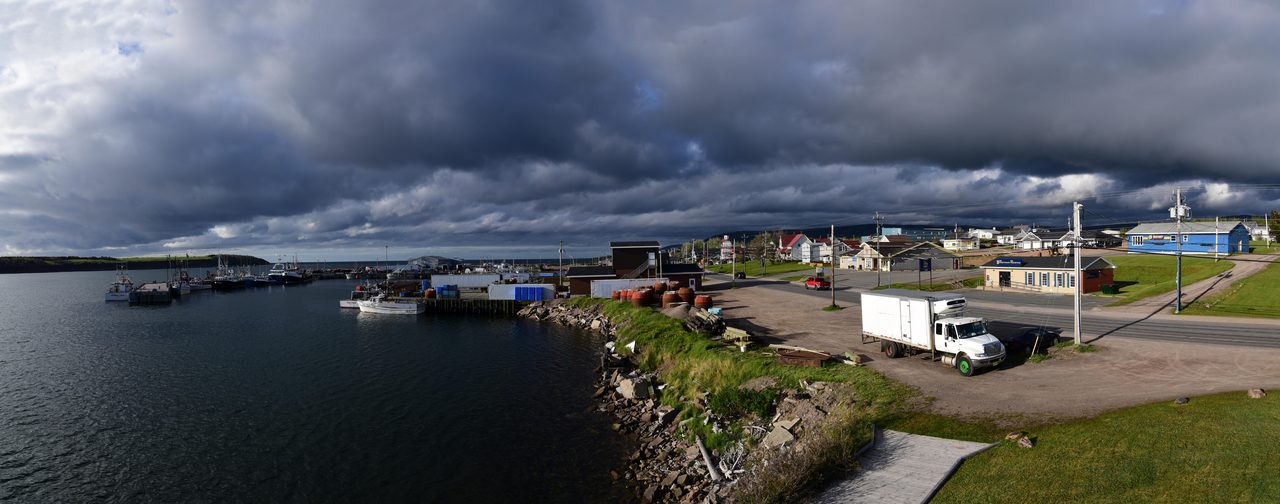
On the island’s west coast, Chéticamp is the heart of Acadian culture on Cape Breton — French-speaking, famous for traditional rug hooking (the hooked rugs here are genuinely art), and a working fishing harbour where the boats head out for snow crab and lobster. It’s the western gateway to the Cape Breton Highlands, and the drive north from here into the national park is one of the great road stretches in Canada. A waitress at a harbourside spot told me to try the fricot and the rappie pie — I did, and the fricot alone was worth the detour. (Fair warning: if you don’t speak French, you’ll manage fine — but learning “merci” goes a long way.)
8. Ingonish
The eastern gateway to the Cape Breton Highlands National Park, Ingonish is where the mountains meet the sea — and I mean that literally, with the Skyline Trail and the headlands dropping into the Gulf of St. Lawrence. The beaches here (Ingonish Beach, Middle Head) are the warmest swimming on the island, and the Highland village feel — Gaelic signage, fiddle music in the pubs — is at its strongest. If you’re only doing one hike in the park, make it the Skyline Trail at sunset. I timed it wrong once and did it at noon; still beautiful, still wrong.
The Bay of Fundy and Annapolis Valley: tides and history
The Fundy side of the province is quieter, older, and tidal in a way that still messes with my head — the Bay of Fundy has the highest tides in the world (up to ~16 metres), and the shoreline genuinely rearranges itself twice a day.
9. Annapolis Royal
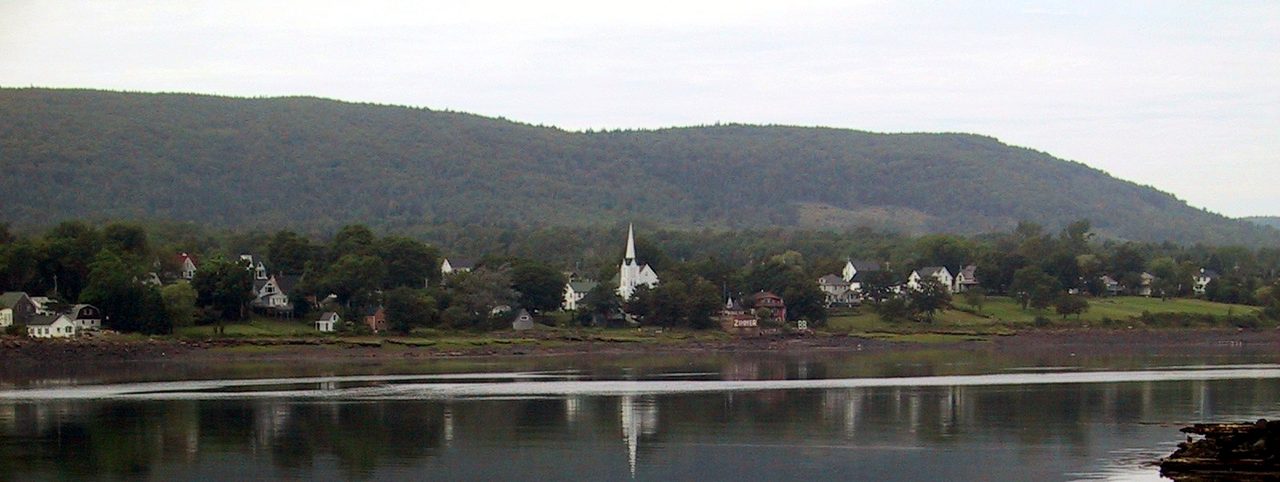
One of the oldest European settlements in North America, Annapolis Royal is all 18th-century streetscapes, the Fort Anne National Historic Site, and the reconstructed Port-Royal Habitation nearby. It’s the kind of town where you spend a morning reading plaques and an afternoon in a waterfront café feeling very pleased with yourself. The historic gardens are lovely in summer, and the whole town slows down beautifully after Labour Day.
10. Wolfville
Home to Acadia University and the heart of Nova Scotia’s wine country, Wolfville sits in the Annapolis Valley with the Bay of Fundy glittering to the north. The tasting rooms along the valley (Tidal Bay is the local signature white) make an easy afternoon, and the town’s restaurant row punches well above its size. I built my whole spreadsheet around being here for the Deep Roots Music Festival in late September — folk and roots music in a tiny university town, and it delivered.
11. Digby
Digby calls itself the scallop capital of the world, and I’ll be honest — after eating them three meals in a row, I wasn’t arguing. This is a working fishing town on the Fundy shore, and the thing to do is simple: eat scallops, watch the fishing boats, and take the ferry across to Saint John, New Brunswick if you’re continuing west. The waterfront boardwalk at sunset, with the boats coming in, is one of my favourite free hours in the province.
12. Hall’s Harbour
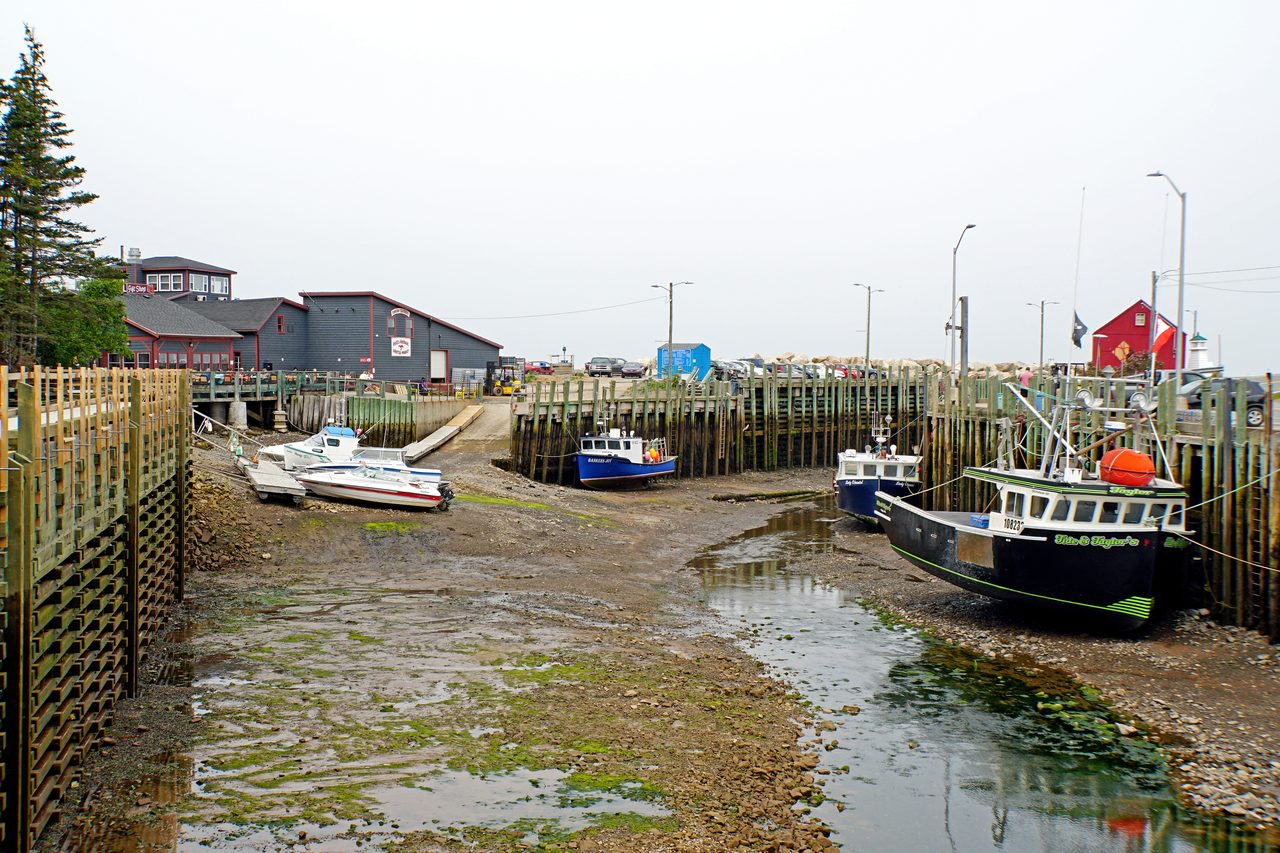
Save the weirdest for last. Hall’s Harbour is a tiny fishing village where the Fundy tides do something you have to see to believe: at low tide, the fishing boats sit upright on the harbour floor, and at high tide they’re floating again — a 10+ metre swing, twice a day. Time your visit for the turn of the tide (ask at the lobster pound — they know the schedule by heart), eat at the wharf restaurant, and walk the beach at low tide. I stood there watching a boat settle onto the mud as the water drained away, and my spreadsheet had absolutely no cell for that feeling. Do not skip this one.
How much does a coastal Nova Scotia trip cost?
Ballpark budget per person, per week (mid-range, sharing accommodation; estimates marked ~ — confirm 2027 prices before you go):
| Item | Cost (CAD) |
|---|---|
| Car rental, 7 days | ~$450–700 |
| Accommodation (B&Bs, inns, motels), 6 nights | ~$900–1,500 |
| Food & drink (plenty of seafood) | ~$500–700 |
| Attractions (museums, Bluenose II sail, park passes) | ~$100–150 |
| Fuel (~1,500 km of coastal driving) | ~$180–220 |
| Total, per person | ~$2,130–3,270 |
The biggest variable is accommodation — July and August book out early and cost the most, while September and October are kinder. Cabot Trail motels in October (festival season) should be booked months ahead.
The 7-day coastal loop at a glance
This is the route I described up top, condensed into one table. I timed the whole thing at roughly 1,500 km of driving:
| Day | Towns | Where I’d base myself |
|---|---|---|
| 1 | Arrive Halifax → Peggy’s Cove → Mahone Bay → Lunenburg | Lunenburg |
| 2 | Lunenburg, Chester, Shelburne | Lunenburg |
| 3 | Drive to Cape Breton → Baddeck (Bras d’Or Lake, Bell site) | Baddeck |
| 4 | West side of the Cabot Trail: Chéticamp, Highlands hikes | Chéticamp or Ingonish |
| 5 | East side of the Cabot Trail: Ingonish, Skyline Trail | Ingonish |
| 6 | Drive the Fundy shore: Wolfville, Hall’s Harbour, Annapolis Royal | Annapolis Royal or Digby |
| 7 | Digby → back to Halifax | Fly out or stay on |
FAQs about Nova Scotia’s coastal towns
How many days do you need for Nova Scotia’s coastal towns?
A week is the sweet spot: 2 days on the South Shore (Lunenburg, Mahone Bay, Peggy’s Cove), 2–3 days on Cape Breton (Baddeck, Chéticamp, Ingonish and the Cabot Trail), and 1–2 days along the Fundy shore (Annapolis Royal, Digby, Hall’s Harbour). With fewer than 5 days, stick to the South Shore and Halifax — see our 1-day Lunenburg itinerary for the condensed version.
Is Lunenburg worth visiting?
Yes — it’s the one town I’d call non-negotiable. Old Town Lunenburg has been a UNESCO World Heritage Site since 1995, the working waterfront is genuinely beautiful, and the Bluenose II sails from here in summer. Go early in the day to beat the tour buses, and walk across the harbour for the classic view back at the colourful waterfront.
When is the best time to visit Nova Scotia’s coastal towns?
September is my pick: warm water, thinner crowds, lower prices, and early fall colour. July and August have the most reliable weather and everything open. October brings the Celtic Colours festival (October 9–17, 2026, its 30th year) and peak foliage on Cape Breton — but book accommodation well ahead. Always check the official Celtic Colours site for current dates.
Do I need a car to visit Nova Scotia’s coastal towns?
Yes, realistically. Fly into Halifax, rent a car, and drive — the towns are close together (Halifax to Lunenburg is about 90 minutes, Halifax to the Cape Breton causeway about 3.5–4 hours), but there’s no practical train or bus network between the villages. I timed the whole loop at roughly 1,500 km over a week, which felt exactly right.
Is Peggy’s Cove safe to visit?
Yes, with respect for the ocean. Stay off the black rocks near the waterline — rogue waves sweep the granite here and injuries happen every year. Go early (before 10 AM) or late afternoon to avoid the midday bus crowds, and combine it with the South Shore towns rather than as a standalone trip from Halifax.
What is the best coastal town in Nova Scotia for seafood?
Digby for scallops (it calls itself the scallop capital of the world, and I wasn’t arguing), Lunenburg for the full waterfront seafood spread, and Chéticamp for Acadian dishes like fricot and rappie pie. Hall’s Harbour’s wharf restaurant lets you eat lobster while watching the Fundy tide drop the fishing boats onto the seabed — dinner and a show.
1 comment